
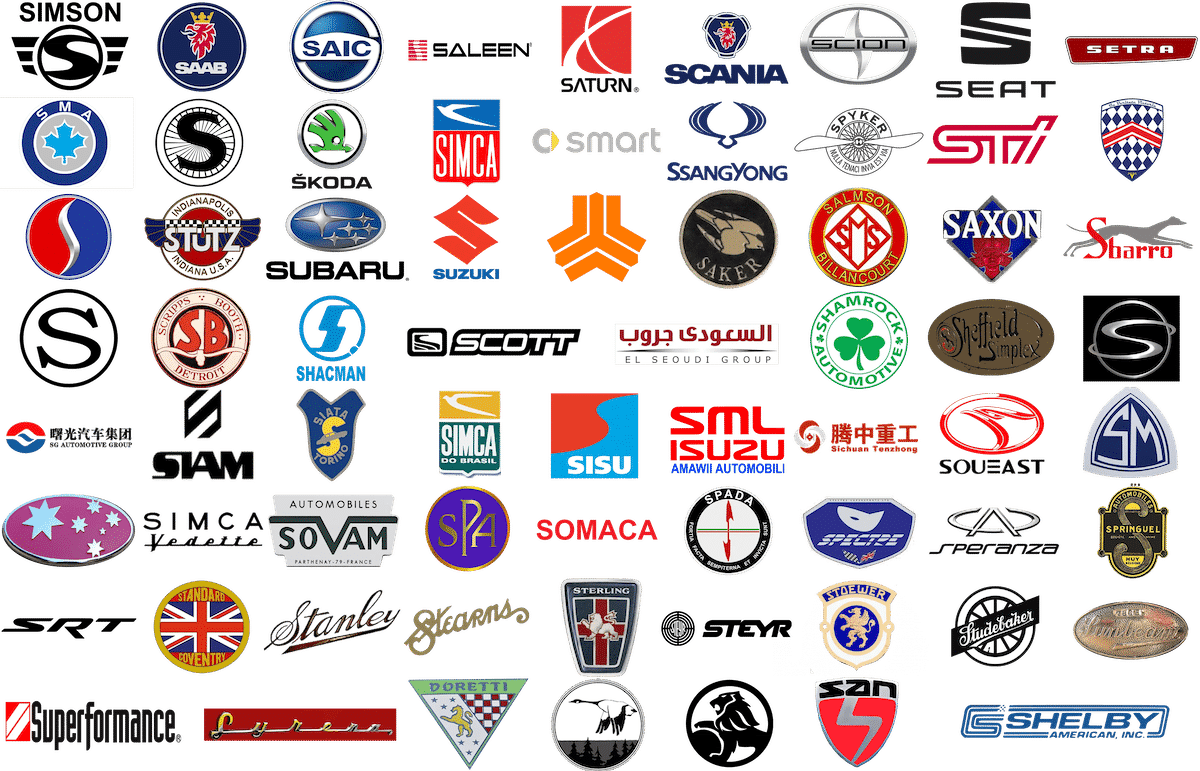
Car enthusiasts—and even everyday drivers—often enjoy exploring the automotive world one letter at a time. It’s a surprisingly effective way to discover brands you may have heard of only in passing (or never encountered at all), and it highlights just how diverse the global car industry has become. In this guide, I’ll walk you through a detailed list of car brands that start with the letter S.
You’ll find well-known mainstream manufacturers, specialty performance names, historic marques that shaped early motoring, and modern players focused on electrification and mobility. Whether your interest leans toward luxury vehicles, budget-friendly transportation, electric cars, commercial trucks, or track-focused machines, “S” brands cover far more ground than most people expect.
See also: List of car brands starting with “A” (updated monthly/yearly).
A Brief History of Car Brands Starting With S
Automotive brands beginning with “S” reflect almost every major chapter in the evolution of transportation: early European craftsmanship, post-war industrial growth, American muscle and tuner culture, the rise of mass-market affordability, and today’s push into electrified mobility. Some of these names became famous because they introduced new technologies; others gained status by building vehicles with distinctive design philosophies or by specializing in a particular niche (such as off-road capability or high-speed performance).
It’s also important to note that not every “brand” on this list follows the same business model. Some are full-line manufacturers selling millions of vehicles. Others are boutique builders, kit-car specialists, or companies known primarily for commercial vehicles. A few are defunct marques that remain influential through their engineering ideas, collector communities, or the companies that later acquired their assets.
To make this guide easier to scan and more useful as a reference, the brands below are presented in a clean alphabetical flow, with practical context on what each name is known for.
Saab: Swedish Engineering at Its Finest
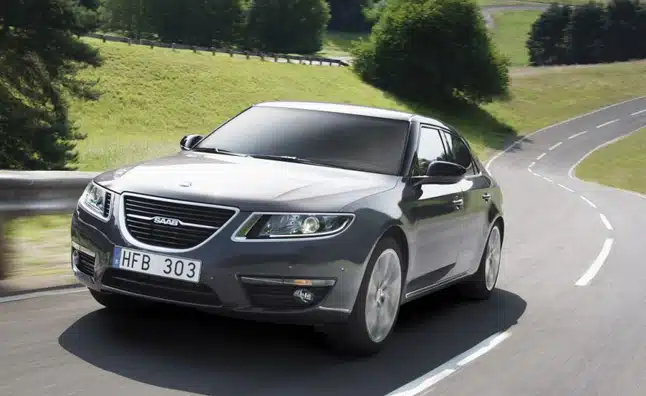
Saab is one of those rare automotive names that people associate with a “mindset” as much as with a set of models. The Swedish marque built its reputation on safety-forward engineering, clean ergonomics, and clever solutions that often felt a step removed from mainstream design habits. Saab also helped popularize turbocharging in passenger cars, and many enthusiasts still admire the brand’s distinctive blend of practicality and personality.
Although Saab faced financial turbulence and ultimately disappeared from new-car showrooms, its legacy remains significant. Many of its ideas—particularly around occupant protection, crash structure thinking, and driver-centric cabin layouts—became standard expectations across the wider industry.
SAIC Motor
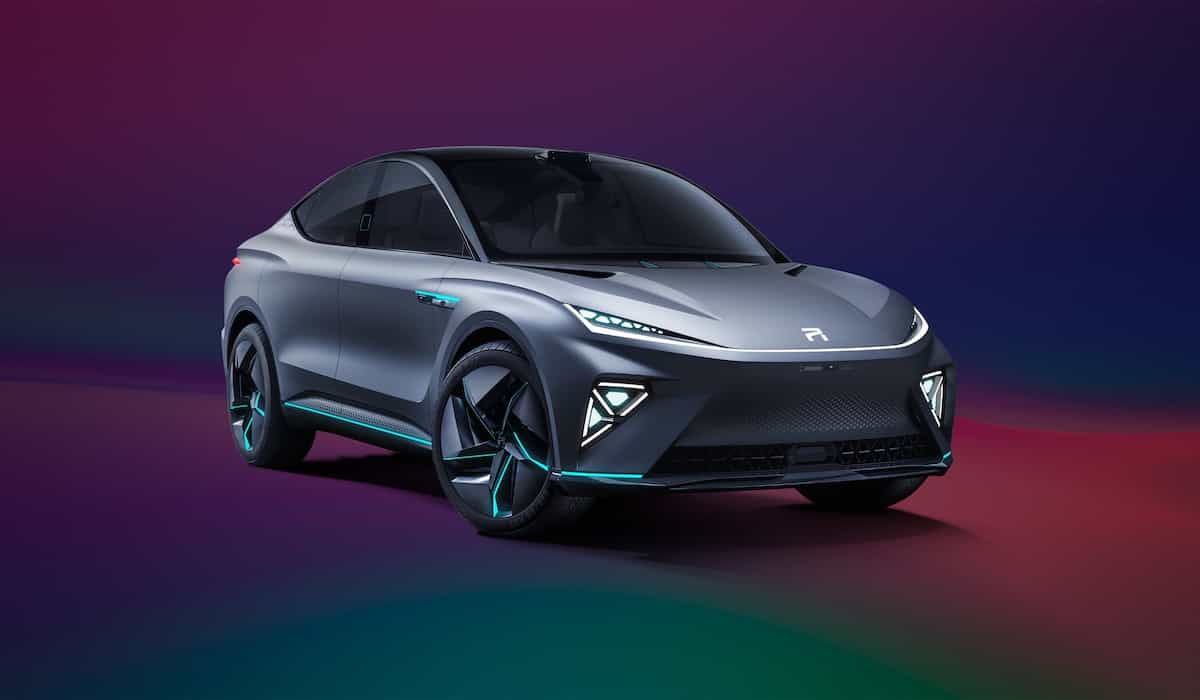
SAIC Motor is a heavyweight in China’s automotive landscape and one of the largest manufacturers in the world by volume. Rather than being defined by a single vehicle type, SAIC operates across multiple brands and segments—ranging from mass-market passenger cars to electric vehicles and joint-venture products developed in collaboration with global automakers.
For shoppers and enthusiasts, SAIC is particularly relevant because it represents how quickly the center of gravity in the industry is shifting toward electrification, software-driven features, and large-scale manufacturing growth in Asia.
Saleen
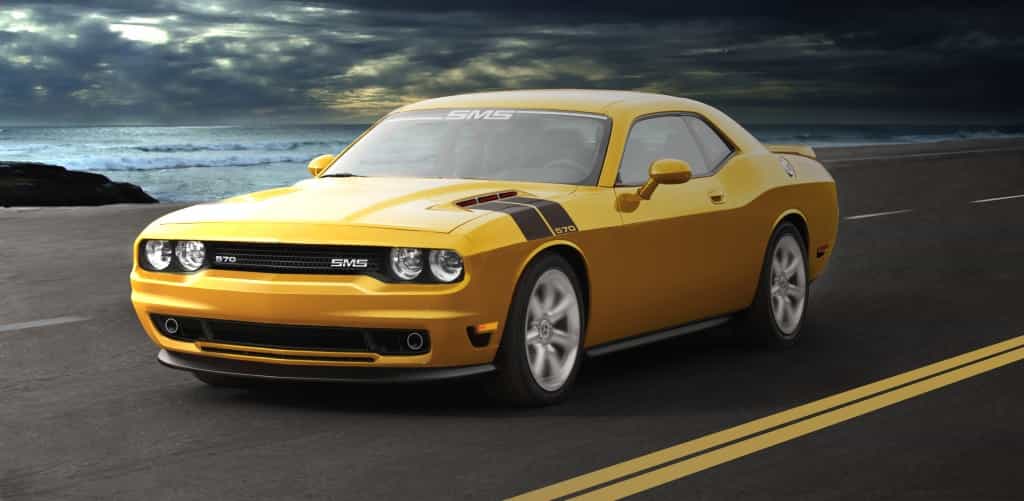
Saleen is an American performance name known for producing high-output sports cars and for building aggressively tuned, visually striking vehicles. Founded in 1983, the company became widely recognized among enthusiasts for its race-bred reputation and its willingness to push power, aerodynamics, and handling beyond typical factory standards.
One of the brand’s standout achievements is the Saleen S7—an exotic, limited-production supercar that demonstrated the company’s ability to engineer a serious performance machine rather than simply modify an existing platform. For drivers who value horsepower, track credibility, and attention-grabbing design, Saleen is a memorable “S” brand.
Saturn: A Defunct Brand Remembered for Innovation
Saturn was created as a different kind of American car brand—one built around a customer-friendly retail experience and an effort to compete more directly with efficient import brands. It became known for ideas that were unusual at the time, including no-haggle pricing and polymer body panels designed to resist minor dents.
Although Saturn ended production in 2009, the brand remains a case study in how customer experience, brand identity, and product strategy can influence the market—even when a brand’s life is relatively short compared to century-old automakers.
Scania
Scania is best known not for passenger cars, but for heavy-duty commercial vehicles—especially trucks and buses that are engineered for long-haul durability and high utilization. In many parts of the world, Scania’s name is closely tied to robust drivetrains, efficient logistics performance, and fleet reliability.
Including Scania in an “S” list is helpful because it highlights how broad the automotive category really is. Mobility isn’t only about consumer vehicles; commercial engineering shapes economies—and brands like Scania sit at the heart of that reality.
Scion: Toyota’s Youth-Oriented Experiment

Scion was launched as Toyota’s attempt to attract younger buyers with affordable, customizable, design-forward compact vehicles. The brand focused on a simplified lineup and a strong personalization culture—encouraging owners to make the car “theirs” through accessories and style packages.
While Scion eventually ended as a standalone brand, its influence continued through Toyota’s broader approach to design, trim strategy, and youth marketing. In the used market, Scion models still appeal to drivers who want reliable, simple cars with a bit more personality than the average commuter.
SEAT
SEAT is Spain’s best-known automotive brand and has been producing vehicles since 1950. Since becoming part of the Volkswagen Group, SEAT has often balanced two identities: a practical, value-driven European carmaker and a brand that leans into sporty styling and driver engagement.
For buyers, SEAT is frequently positioned as an accessible path into VW Group engineering, offering compact cars and SUVs that emphasize design flair, modern interiors, and responsive road manners.
Shelby: Legendary Performance Vehicles

Shelby is a performance icon. Founded by Carroll Shelby, the name is inseparable from American motorsport history and high-impact performance engineering. Shelby vehicles—particularly Cobra and Shelby Mustang variants—are celebrated for raw power, unmistakable styling, and a “built to thrill” attitude that still resonates with enthusiasts today.
In practical terms, Shelby represents a philosophy: take a capable platform and turn it into something sharper, louder, faster, and more emotionally engaging. For collectors, it’s also a brand with historical significance and strong long-term desirability.
Shuanghuan
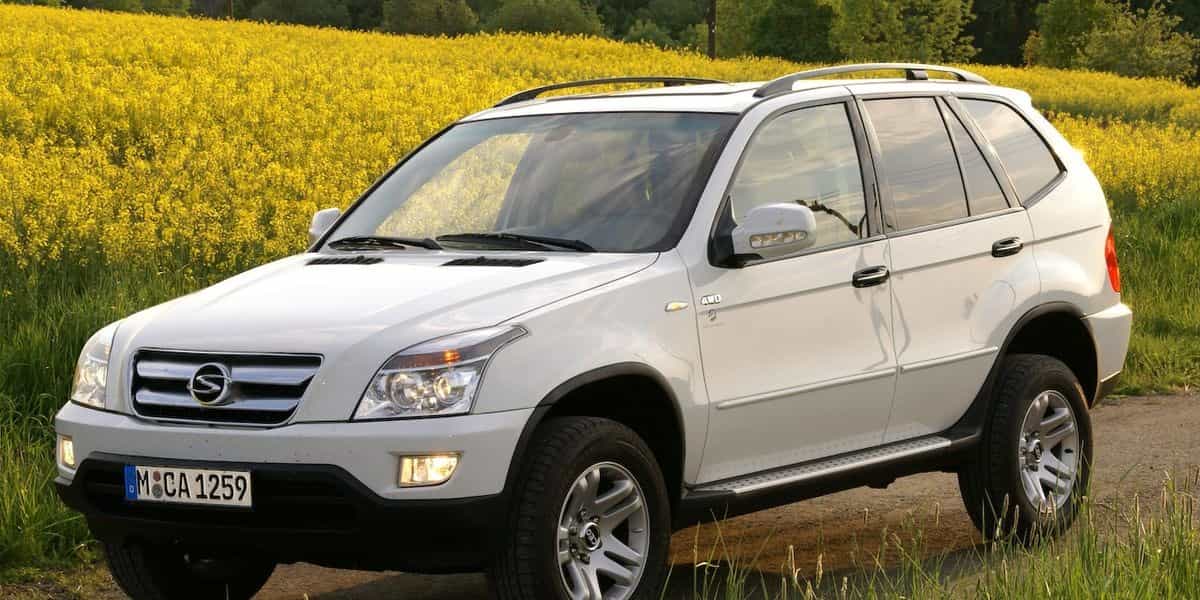
Shuanghuan is a Chinese automaker that became known for compact SUVs and for participating in the broader rise of China’s domestic auto industry. Like many newer manufacturers, the brand’s relevance is often discussed in terms of how fast Chinese companies expanded into multiple segments—including electric mobility—while refining manufacturing capability over time.
Siata: Italian Flair with a Sporting Heart
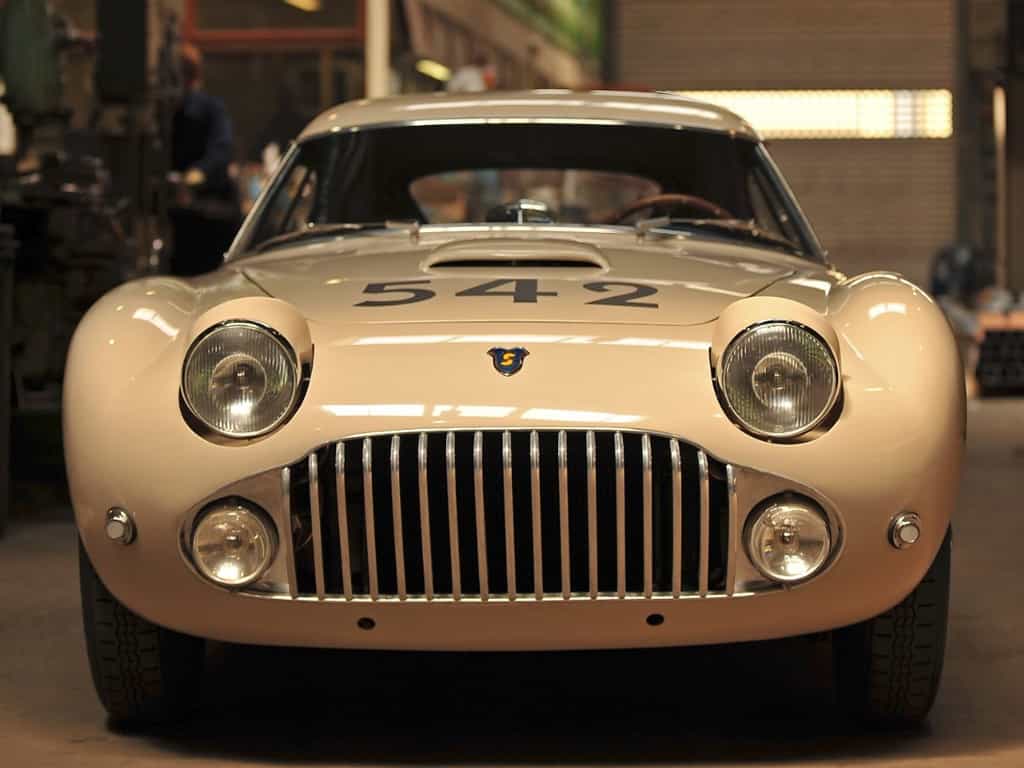
Siata is one of those names that fascinates enthusiasts who appreciate automotive history beyond the mainstream giants. The Italian marque earned attention for stylish, performance-oriented sports cars that blended Italian craftsmanship with a racing-inspired identity.
Although Siata is no longer a modern mass-market brand, its vehicles remain celebrated among collectors for their character, design, and the sense of old-world craftsmanship that defined many small European performance builders of the era.
Simca: French Heritage and Practical Engineering
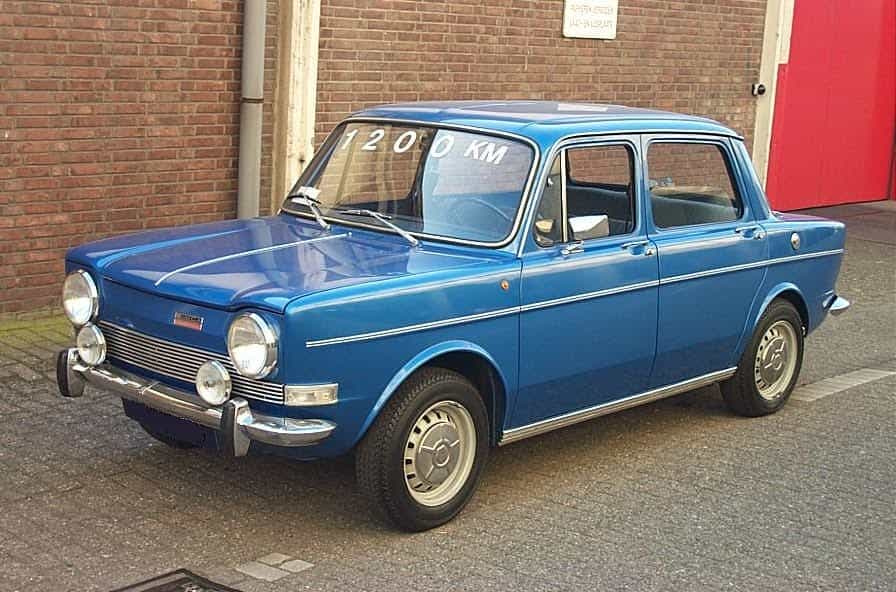
Simca played a meaningful role in France’s automotive story, producing vehicles that ranged from compact economy cars to stylish sedans and sportier models. The brand’s appeal historically came from its blend of French design sensibility and pragmatic engineering solutions aimed at everyday usability.
Even though Simca is not part of today’s mainstream showroom landscape, its legacy still matters to historians and collectors, particularly those interested in European mass-market motoring in the mid-20th century.
SIN Cars
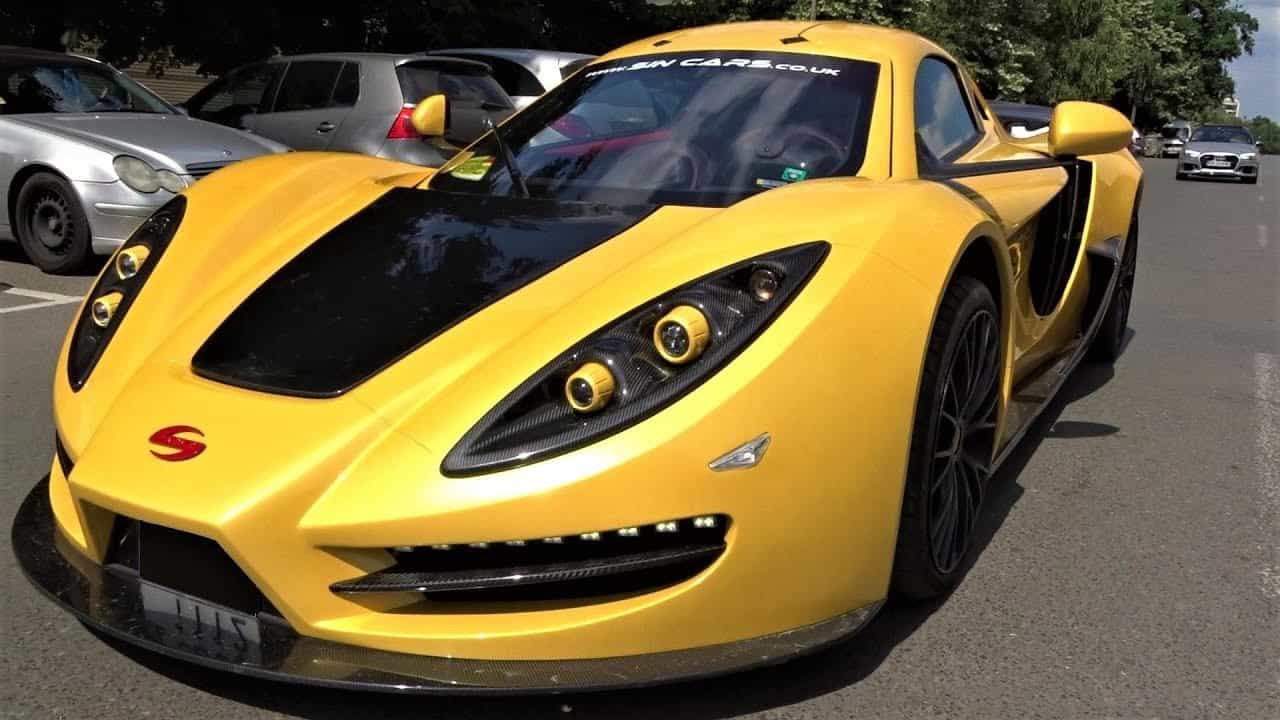
SIN Cars is associated with track-focused performance and a strong emphasis on safety-oriented hardware for aggressive driving environments. In this niche, the “brand promise” often centers on structural integrity, braking performance, and occupant protection systems designed for spirited use—such as roll-cage architecture and harness-ready seating arrangements (depending on model configuration).
Brands like SIN Cars are valuable reminders that the automotive world is not only about commuting; it also includes specialized machines built to deliver precision, speed, and confidence under high loads.
Singer
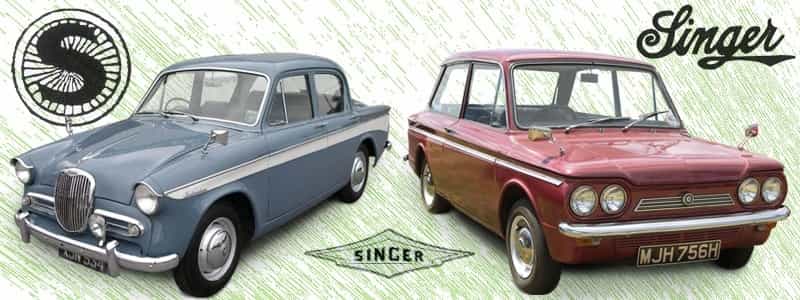
The Singer name has a layered history in British motoring. Founded by George Singer, the company began by manufacturing cars under license arrangements and later developed its own lineup. Over time, Singer produced compact, high-quality vehicles such as the Ten and Senior, expanded manufacturing capability through acquisitions, and introduced models that appealed to buyers who wanted refinement in a smaller footprint.
After World War II, the brand faced the reality many smaller manufacturers encountered: scaling, profitability, and shifting consumer expectations. Eventually, Singer was absorbed into a larger corporate structure and became more of a badge identity than an independent engineering organization. By 1970, the Singer name was phased out, but the brand remains notable as a chapter in Britain’s complex automotive consolidation story.
Škoda
Škoda Auto traces its roots back to 1895, making it one of Europe’s long-standing automotive names. Since joining the Volkswagen Group, Škoda has undergone a major transformation, building a reputation for sensible packaging, strong practicality, and a value proposition that often surprises first-time buyers.
From compact cars to sedans, SUVs, and modern electrified options, Škoda’s identity is often defined by “quiet competence”: vehicles that deliver everyday usability, good space efficiency, and strong real-world reliability perceptions.
Smart: Compact Urban Mobility and EV Direction
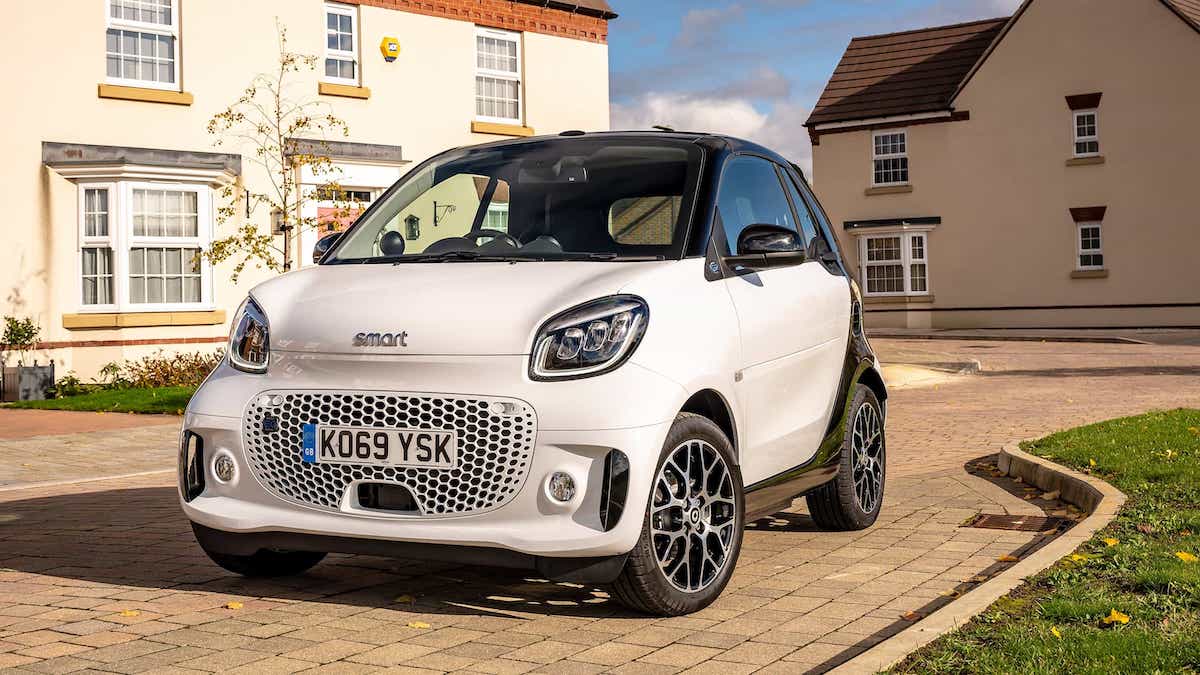
Smart became famous for doing one thing exceptionally well: building city-focused cars that are easy to maneuver and park. In dense urban environments, that benefit is not a novelty—it’s a genuine quality-of-life improvement. Smart’s small footprint made it a recognizable solution for metropolitan drivers, fleets, and car-sharing concepts.
In more recent years, the brand’s relevance expanded through electric mobility. Compact EVs fit naturally into the urban use case, and Smart’s direction has aligned with the broader industry shift toward electrification and reduced emissions for city transport.
Soueast
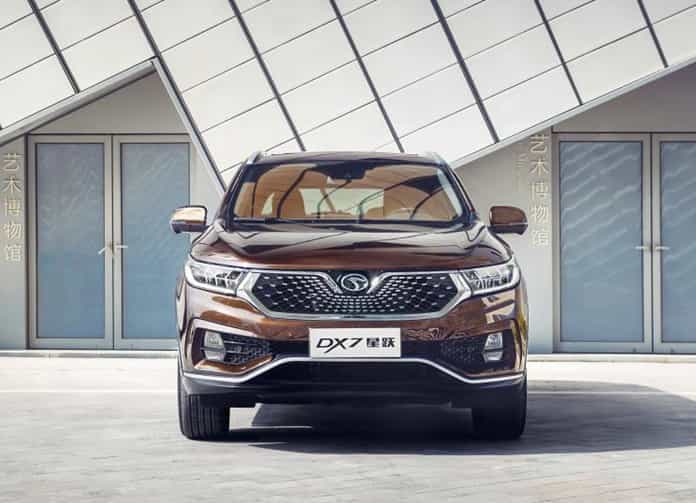
Soueast is a Chinese automaker producing a variety of vehicles, including sedans, SUVs, and electric vehicles. Like many manufacturers in the region, Soueast’s footprint and recognition can vary widely by market, but the brand reflects the rapid expansion and diversification of China’s automotive output.
Speranza
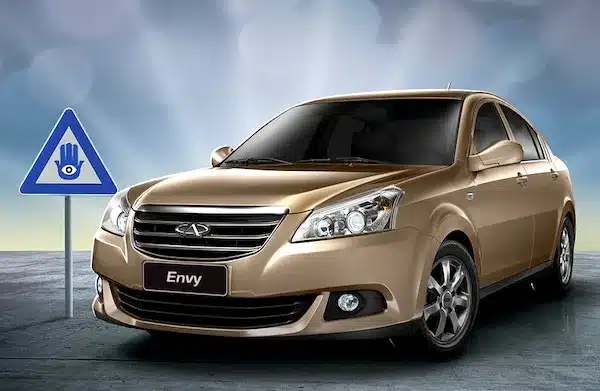
Speranza is associated with Egypt’s automotive market and is known for producing a range of vehicles that can include sedans, hatchbacks, and SUVs. Brands like Speranza matter because they illustrate how vehicle manufacturing and assembly evolve regionally, shaped by local demand, infrastructure, and affordability priorities.
Spyker: Exquisite Dutch Sports Cars
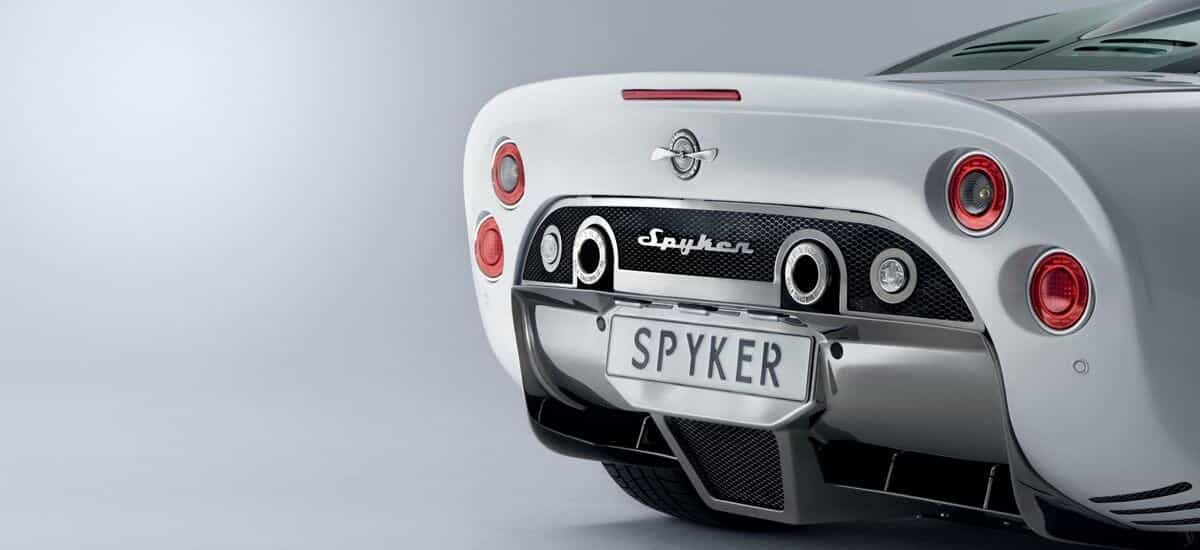
Spyker occupies a highly exclusive corner of the automotive world. The Dutch manufacturer is associated with handcrafted luxury sports cars—vehicles where design detail, cabin craftsmanship, and distinct styling cues are as important as raw performance numbers.
Spyker’s appeal is fundamentally about rarity and identity. For collectors and enthusiasts who want something uncommon—and who value artistry in mechanical form—Spyker remains one of the more intriguing “S” brands.
SSC North America
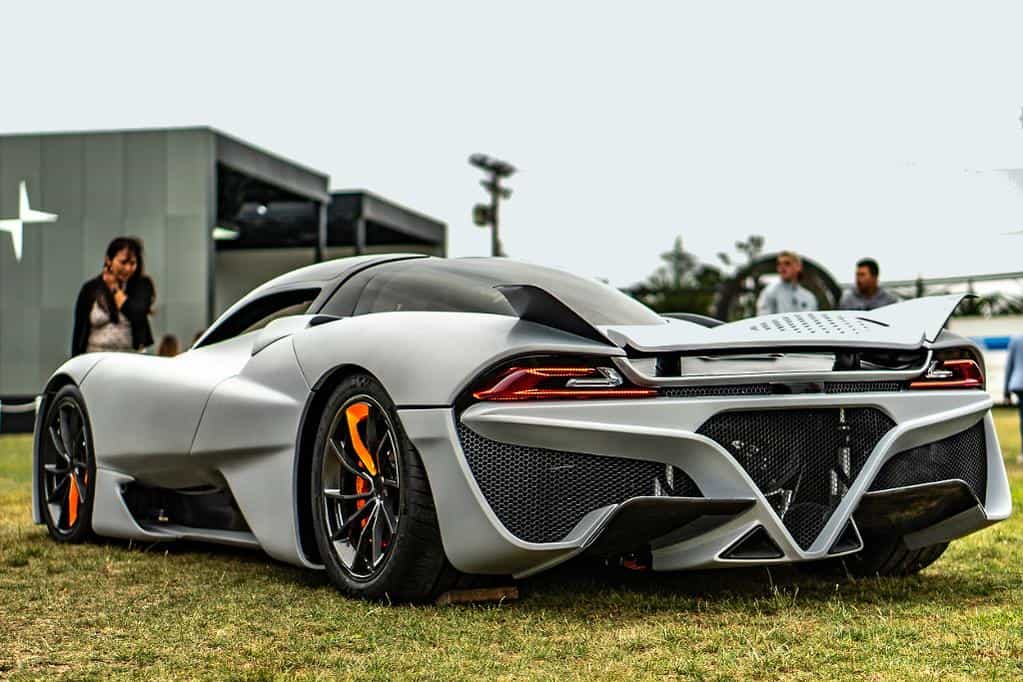
SSC North America is recognized for building extreme-performance supercars, including models that have been discussed in the context of top-speed milestones and engineering ambition. Brands in this category don’t compete on volume; they compete on limits—speed, aerodynamics, power delivery, and technical execution.
For enthusiasts, SSC represents the “boutique hypercar” spirit: a small company aiming for world-class performance through focused engineering and uncompromising goals.
SsangYong: Korean SUVs with Bold Personality
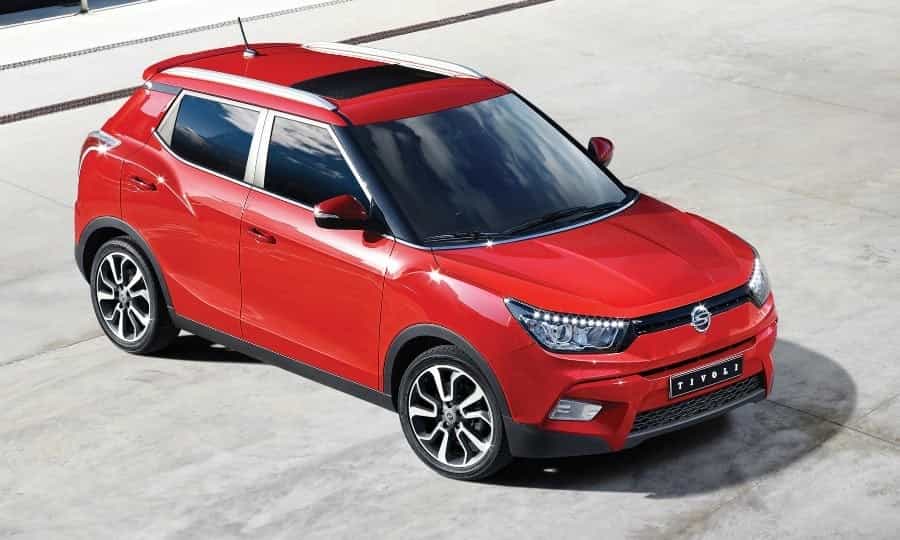
SsangYong is known primarily for SUVs and crossovers, often distinguished by styling that doesn’t try to blend into the background. The brand’s vehicles frequently prioritize practicality and space while aiming to stand out visually—sometimes divisive, often memorable.
In markets where SsangYong is present, it’s commonly evaluated on value, utility, and feature content—particularly for buyers who want an SUV format without paying premium-brand pricing.
Standard: A Pioneering British Automaker
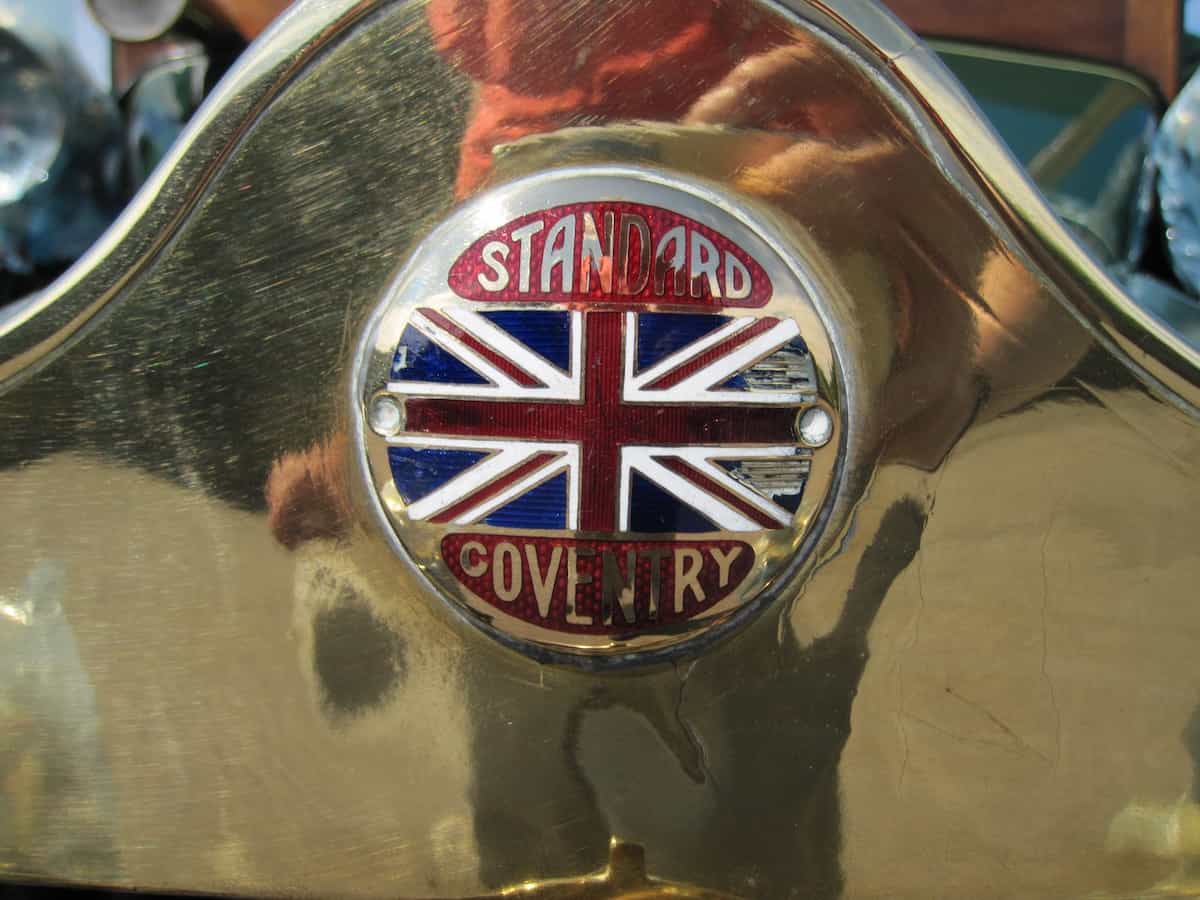
Standard holds a respected place in British automotive history as an innovator that helped shape practical, accessible motoring. The brand focused on engineering that supported everyday use—vehicles meant to serve a wide customer base rather than niche extremes.
For historians, Standard represents an era when British manufacturing produced a wide range of distinct marques that later consolidated, merged, or disappeared as the global auto industry industrialized and intensified competition.
Star: Vintage Indian Cars with Nostalgic Charm
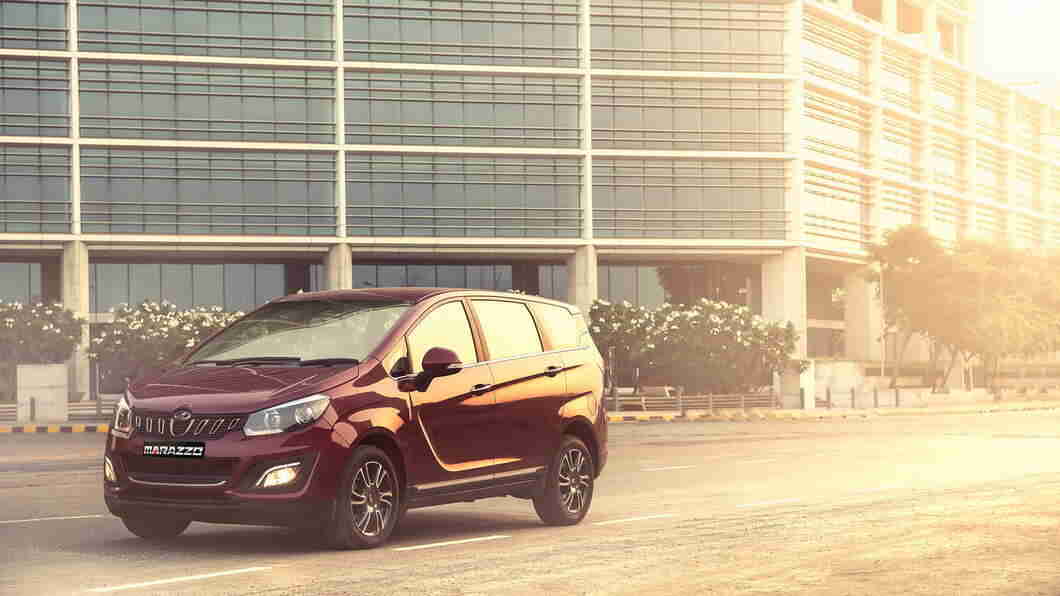
Star is remembered among vintage car enthusiasts as part of India’s mid-20th-century motoring heritage. Vehicles from this era carry a distinctive charm: simple mechanicals, period-correct design language, and a cultural value that often goes beyond mere transportation.
Even when brands like Star are not current manufacturers, they remain important as historical markers—proof that automotive identity has deep local roots in many countries.
Stearns-Knight: Innovation Ahead of Its Time
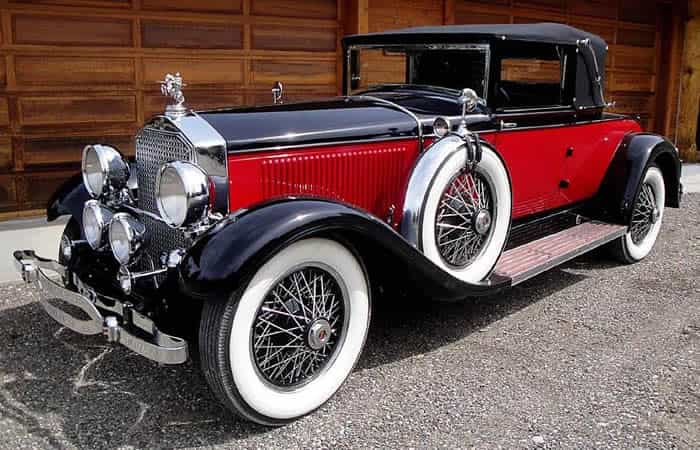
Stearns-Knight is best remembered for its engineering uniqueness—particularly the Knight sleeve-valve engine concept, which was valued for smoothness and quiet operation. In an era when refinement and mechanical sophistication were major selling points, Stearns-Knight stood out as a brand willing to pursue complex solutions to elevate the driving experience.
Although the brand no longer exists as a modern automaker, its influence remains a part of engineering history, reminding us that innovation has always been a competitive tool in the auto industry.
Steyr: Austrian Engineering Excellence
Steyr is associated with Austrian precision engineering and a history that includes commercial, military, and off-road vehicle development. Brands like Steyr matter because they demonstrate that automotive excellence is not limited to passenger cars; durability and engineering discipline often originate in demanding professional applications.
Where Steyr vehicles appear, they are commonly respected for ruggedness, capability, and robust construction—qualities that are essential in off-road and heavy-duty roles.
Sterling: British Luxury with a Sporting Edge
Sterling represented a British-flavored attempt at combining comfort, refined styling, and performance-leaning character. Though production ended in the 1990s, the brand remains a point of interest for enthusiasts who follow niche chapters of automotive history—especially those involving cross-market branding and shifting ownership structures.
For collectors, Sterling can represent a “time capsule” of design and market positioning from a period when global car strategies were changing rapidly.
Stevens-Duryea: High-Quality American Automobiles
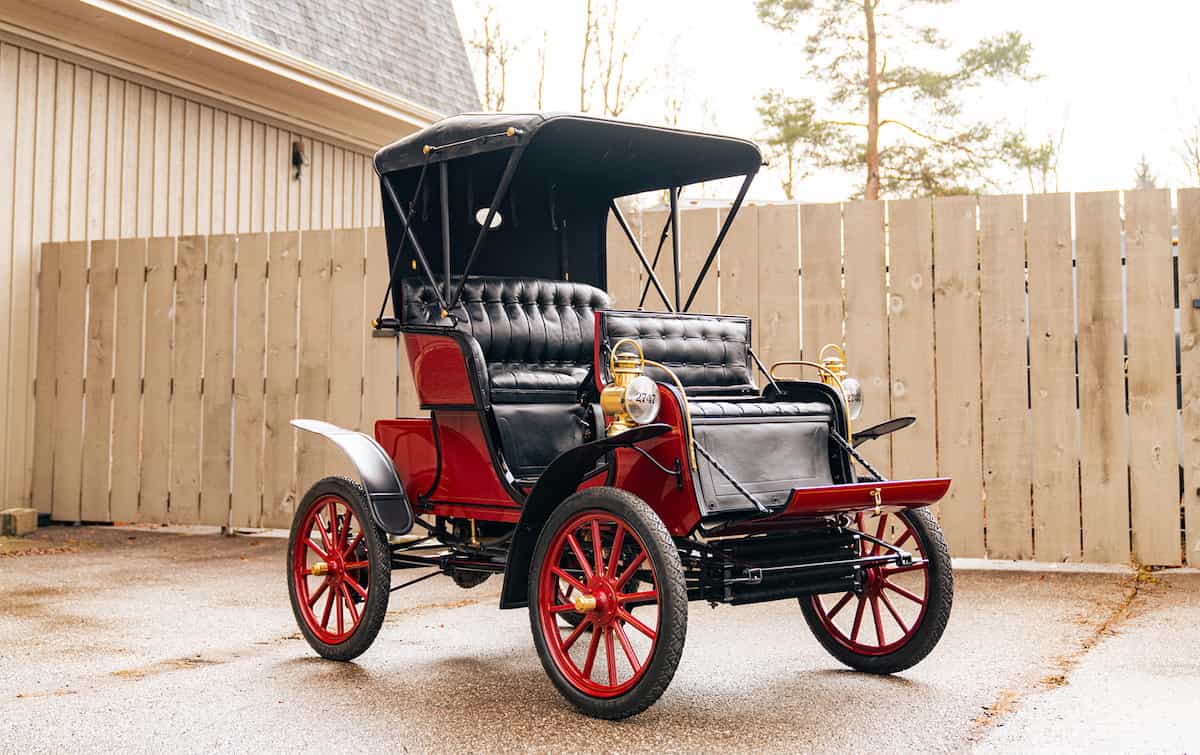
Stevens-Duryea earned admiration for producing well-crafted vehicles in the early American automotive era. Brands like this are often remembered for their build quality, refinement, and attention to detail—traits that were particularly prized when automobiles were still novel and engineering standards were evolving quickly.
Though no longer in production, Stevens-Duryea is meaningful to collectors and historians because it represents the craftsmanship-driven roots of American manufacturing before mass production fully defined the market.
Studebaker: Classic American Ingenuity
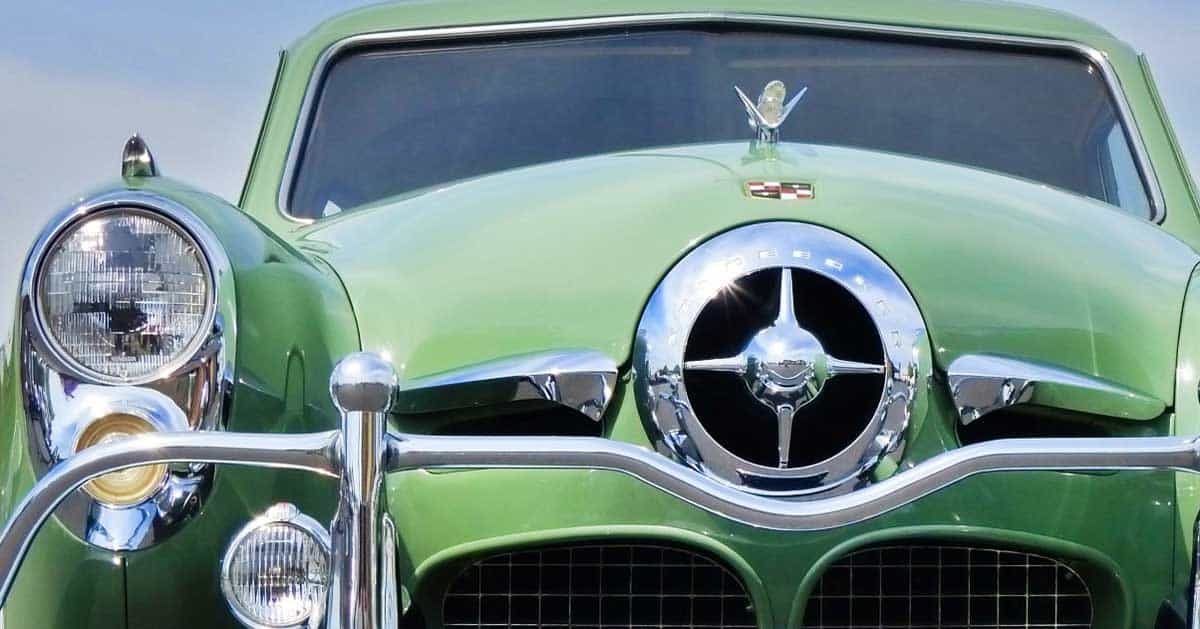
Studebaker is one of the most storied names in American automotive history, with roots stretching back to the 19th century. Over its long life, Studebaker produced a wide variety of vehicles—often with distinctive styling and a reputation for quality craftsmanship. The brand’s cars and trucks are frequently celebrated for their design character and the way they captured the spirit of their time.
Today, Studebaker remains a favorite among classic car communities, with a strong enthusiast base preserving and restoring vehicles that represent a major chapter of American motoring.
Stutz: Handcrafted Luxury Automobiles
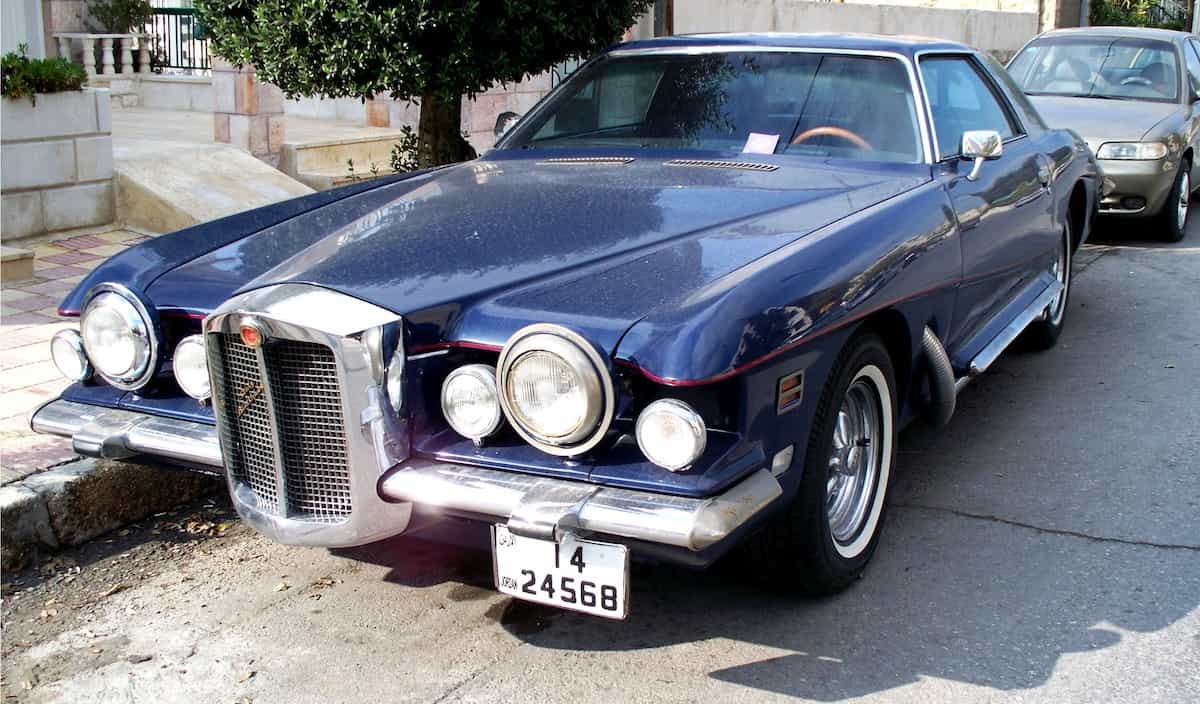
Stutz is a classic American luxury name associated with opulence, strong visual identity, and handcrafted presentation. In eras when luxury was defined as much by presence and detail as by technology, Stutz vehicles served a clientele that wanted exclusivity and unmistakable style.
In the collector world, Stutz often represents a highly specific aesthetic—bold, dramatic, and built to be noticed. Its reputation is tied closely to craftsmanship and a luxury-first philosophy.
Subaru: A Legacy of All-Wheel-Drive Confidence
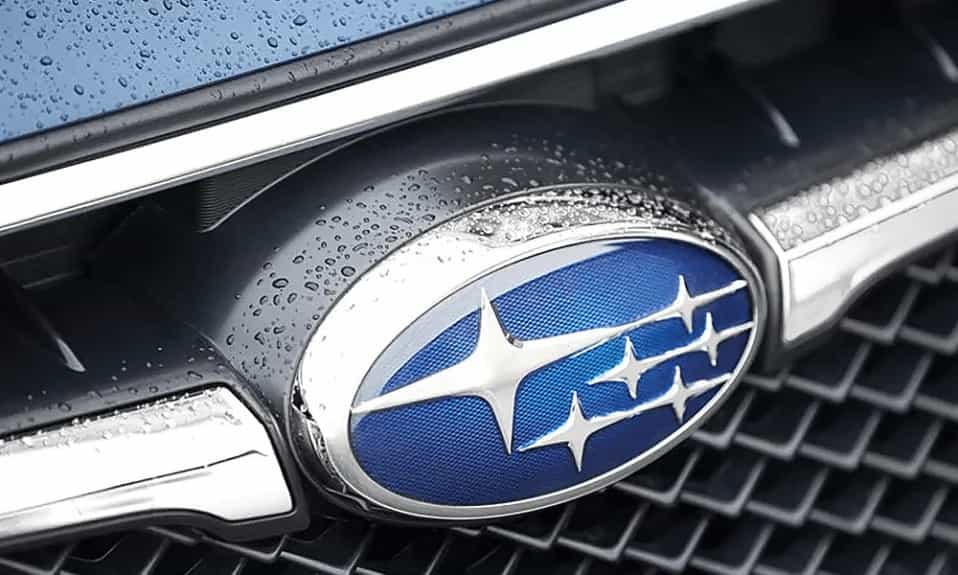
Subaru is one of the most recognizable “S” brands globally, strongly associated with symmetrical all-wheel drive and an outdoors-friendly identity. The company’s vehicles often appeal to drivers who prioritize traction, stability in poor weather, and practical versatility—without stepping into a heavy-duty truck category.
Subaru’s Boxer engine layout has historically been a part of its identity, offering packaging and balance characteristics that many owners appreciate. From everyday commuters to adventure-seekers, Subaru’s lineup has remained consistently aligned with function, safety, and all-weather capability.
Sunbeam
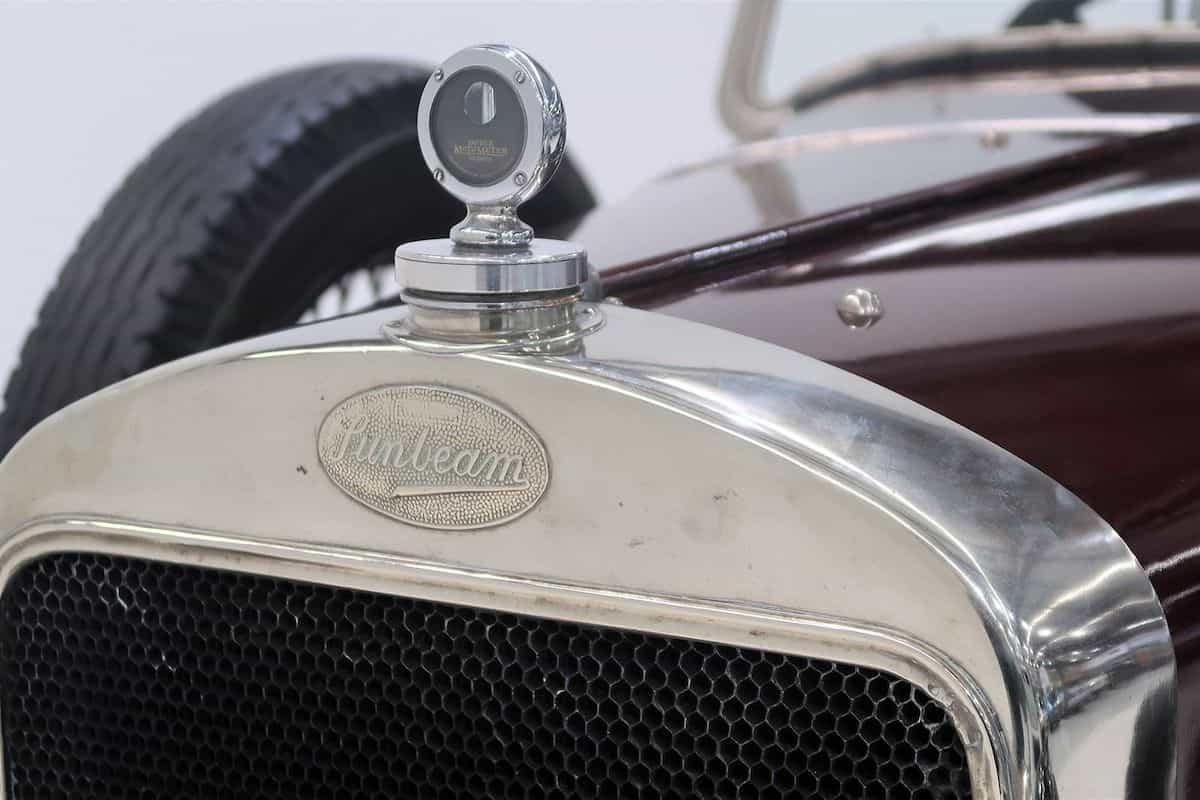
Sunbeam was a British automaker with a long operational run (1888 to 1978), producing a mix of vehicles that included sporty models and more conventional passenger cars. Sunbeam is particularly memorable in enthusiast circles due to its historical variety and its place within the broader story of British motoring brands that evolved, merged, or disappeared over time.
Suzuki: Small Cars (and Two Wheels) with Big Impact
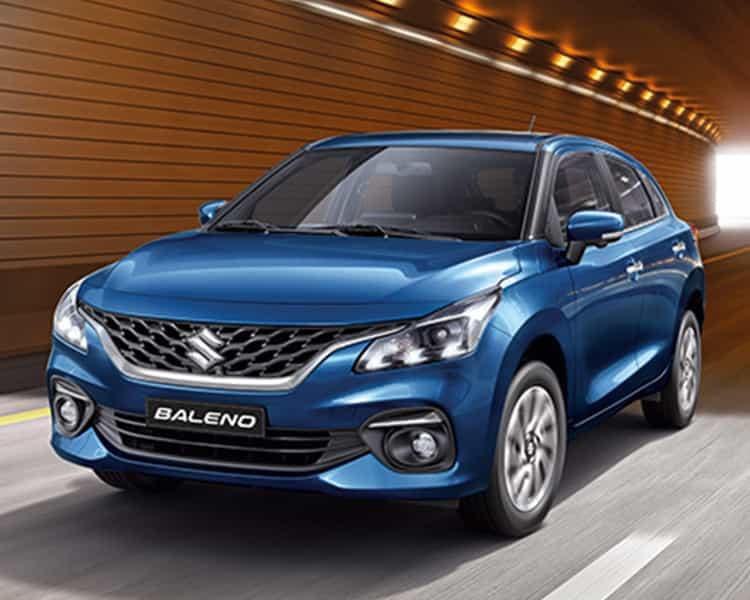
Suzuki is widely known for compact, efficient vehicles and a strong global motorcycle presence. In passenger cars, Suzuki often excels at producing practical, affordable transportation that suits urban life and cost-conscious ownership. In many markets, Suzuki’s reputation centers on simplicity, fuel efficiency, and manageable running costs.
When you consider Suzuki’s impact across both cars and motorcycles, the brand becomes a major mobility player, especially in regions where compact vehicles and two-wheel transport dominate everyday commuting.
Swallow Sidecar Company (Later Associated with Jaguar History)
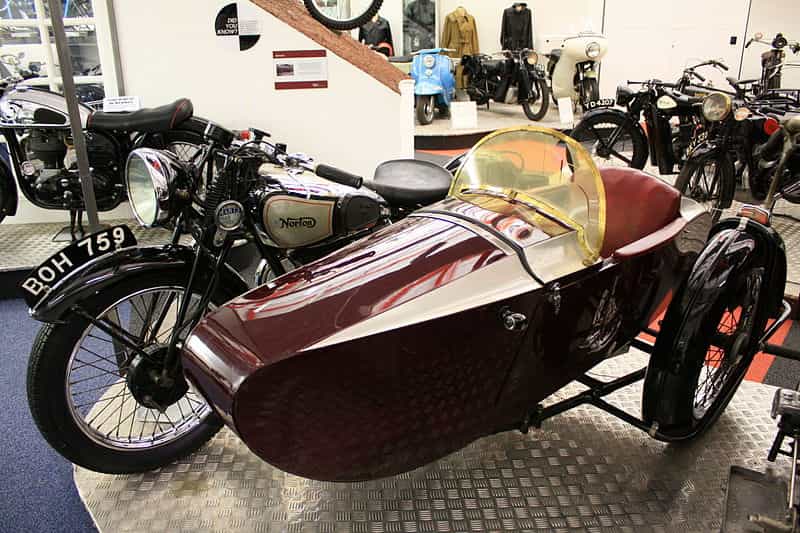
The Swallow Sidecar Company is notable as an early British manufacturer whose story connects to the broader evolution of luxury and performance automotive identity in the UK. It is often discussed historically as part of the lineage that ultimately relates to Jaguar’s early development.
For automotive history enthusiasts, names like Swallow matter because they show how brands can evolve from small, specialized manufacturing into larger automotive legacies through reinvention and growth.
Syrena
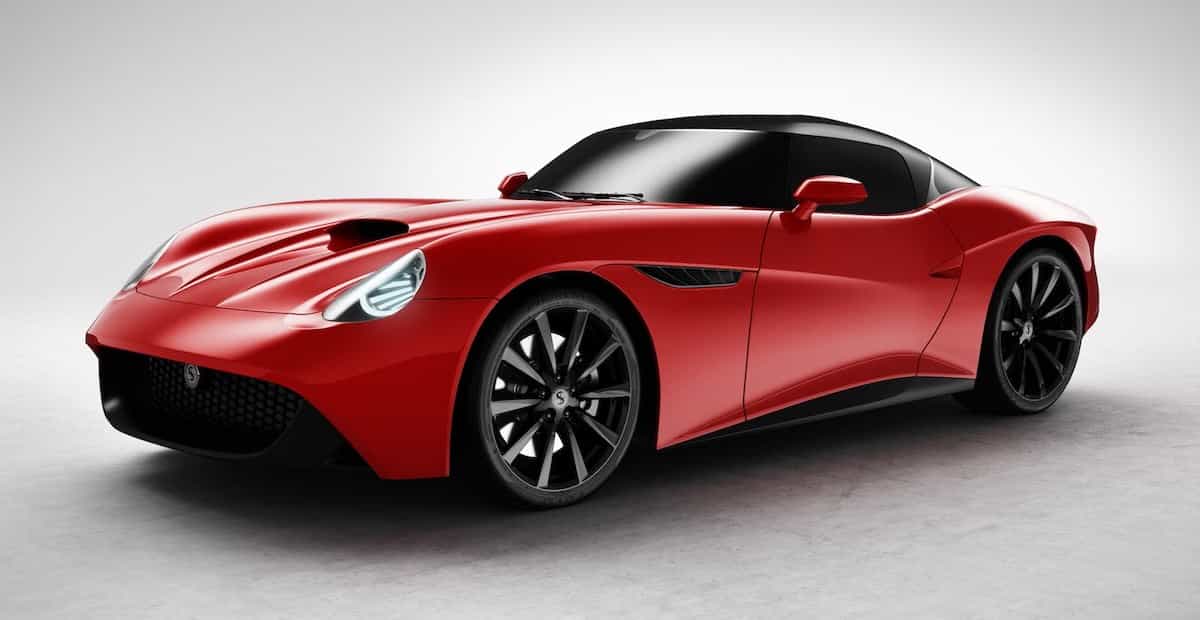
Syrena was a Polish automobile manufacturer that operated from 1957 to 1983, producing compact cars and sedans. The brand is often discussed in the context of Eastern European automotive history, where design decisions were heavily influenced by local production realities and economic constraints.
Today, Syrena vehicles are of interest primarily to collectors and historians who focus on regional automotive heritage and the unique character of mid-century European manufacturing.
Sylva Autokits
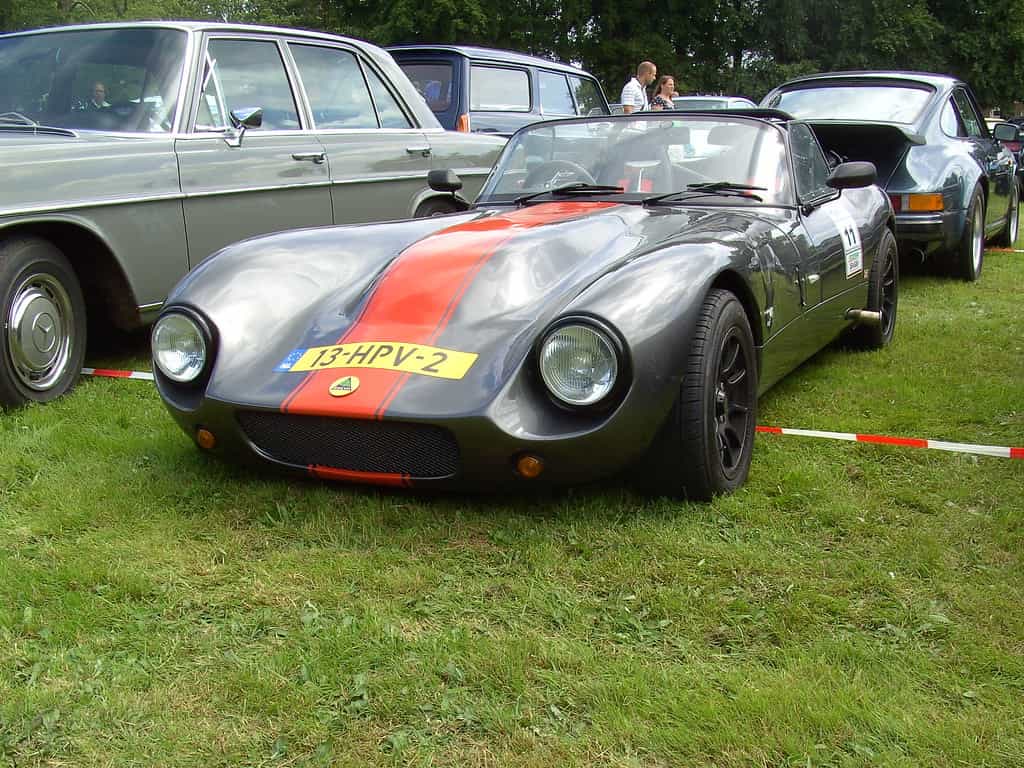
Sylva Autokits is a British name associated with lightweight, enthusiast-oriented sports cars—often in kit form. This niche is built on a simple principle: reduce weight, keep the mechanicals straightforward, and prioritize driver feedback. For many hobbyists, kit cars provide a hands-on way to experience performance and engineering without the cost structure of high-end factory sports cars.
How “S” Brands Stand Out: Performance, Safety, Style, and Sustainability
Looking at these brands as a group is useful because it reveals patterns. “S” brands aren’t confined to one identity—some are built around performance, others around durability or value, and several have made their reputations through safety or innovative engineering approaches.
Satisfying Performance
If performance is your priority, “S” brands offer everything from tuner energy to supercar ambition. Shelby and Saleen represent American horsepower culture, while SSC North America, Spyker, Siata, and niche builders like SIN Cars show how boutique manufacturers chase speed, exclusivity, and track credibility. Subaru, meanwhile, delivers a more everyday form of performance—confidence and traction in real-world conditions, including poor weather and mixed surfaces.
Safety and Stability
Safety doesn’t always look exciting on paper, but it shapes real-world ownership more than many buyers realize. Brands like Saab built their identity around safety-centric thinking and innovative engineering. Subaru has similarly grown a reputation for stability and confident handling, especially where traction matters. Even Smart, despite its compact form factor, gained attention for structural safety concepts in city-car design.
Style and Character
Design is often the first “yes” moment a buyer has. In this group, SEAT is known for modern European flair paired with practical packaging, while SsangYong has a reputation for bolder, more polarizing styling choices—an approach that appeals to drivers who dislike blending in. Spyker and Stutz represent an entirely different dimension of style: handcrafted luxury aesthetics where detail is part of the brand’s identity.
Affordable and Practical Ownership
Not every driver is shopping for a halo car. Brands such as Škoda, Suzuki, and SEAT are frequently associated with strong value—vehicles designed to be lived with, maintained without drama, and used every day. Defunct brands like Saturn and Scion can still be relevant in the used market where affordability and reliable basics matter more than the newest tech.
Innovation and Technology
Innovation isn’t limited to EVs and screens. Saab is still admired for engineering creativity (especially in turbo-era thinking), Smart for reimagining urban packaging, and SAIC Motor for scaling modern manufacturing and electrification across a huge market. Historic innovators like Stearns-Knight show that “technology-driven branding” is not new—it’s simply evolved.
Sustainable Mobility and Electrification
Many “S” brands now intersect with sustainability—primarily through electrified options and city-focused mobility planning. Smart is an obvious example due to its EV direction and urban focus, while large manufacturers such as SAIC Motor and brands within its umbrella illustrate how electrification is scaling quickly worldwide.
Conclusion
Car brands starting with S span nearly every automotive category: everyday commuters, all-weather crossovers, enthusiast sports cars, boutique supercars, vintage classics, and even heavy-duty commercial machines. That diversity is precisely what makes this letter-based exploration useful—because it introduces you to brands beyond the usual shortlist.
If you’re using this guide to support a real buying decision, don’t stop at the brand name. Consider the factors that actually shape ownership: parts availability in your region, service network strength, long-term reliability data, maintenance costs, insurance rates, and how the vehicle fits your daily driving needs. A test drive and careful research will always provide more value than assumptions based on badge reputation alone.
For enthusiasts, this list can be a roadmap for deeper discovery. Each of these brands—whether thriving today or preserved through history—contributes a different thread to the broader story of mobility. Enjoy exploring, and if one of these “S” marques sparks your interest, it’s worth digging into its models, engineering philosophy, and community of owners.

