
The high-end collector-car market is a surprisingly intimate world—part romance, part research library, part financial arena. For some buyers, the thrill is purely emotional: the hunt, the win, and the moment a rare chassis number finally joins the stable. For others, collecting looks more like curatorship: acquiring historically important machines, preserving them under controlled conditions, and maintaining documentation so future historians can trace every major decision the car has endured.
Either way, the most valuable cars are almost never “just expensive transportation.” They are artifacts that capture turning points in design, engineering, or motorsport—sometimes all at once. Many now live in climate-controlled garages or museum collections, but almost all of them spent time where reputations are forged: on the track, in record attempts, on the concours lawn, or in cultural moments that turned a specific model into a global icon.
It also helps to understand that auction prices aren’t solely determined by a car’s horsepower or top speed. The buyer at the top end is often paying for a combination of scarcity, story, and certainty. “Certainty” is crucial: the more clearly a car’s provenance and originality can be proven, the more confident buyers feel pushing into eight-figure territory.
To make sense of why certain vehicles reach astonishing results under the hammer, here’s what experienced collectors and auction specialists tend to value most (reordered by how often these factors decide the final price in real auctions):
- Provenance: a documented ownership chain, period photos, competition entries, factory records, restoration invoices, and known caretakers.
- Historical importance: firsts, prototypes, record-setters, championship winners, or cars that close (or open) an era.
- Rarity: low build numbers, low survival numbers, and uncommon specifications (factory options, coachbuilder variants, unique colors).
- Originality: matching numbers, period-correct components, original bodywork, and evidence that the car hasn’t been “rebuilt into something it never was.”
- Design and coachbuilding: signatures like Touring, Zagato, Saoutchik, and Scaglietti are treated almost like fine art provenance.
With that framework, let’s tour a selection of some of the most expensive cars sold at auction—each one a case study in why the collector market rewards certain machines with extraordinary numbers.
Note: Auction prices reflect the specific time, venue, documentation, condition, and buyer competition on the day. Values can shift with market cycles, restoration standards, and collector tastes.
1939 Alfa Romeo Tipo 256 Cabriolet Sportivo ; $4,000,000
Chassis 915026 is the kind of pre-war Alfa that makes seasoned collectors pause—not because it’s merely old, but because it sits in a historically dense intersection of racing development, coachbuilding craft, and Italian motorsport politics. It began life inside Alfa Romeo’s competition-centric Tipo 256 circle, at a time when racing programs weren’t marketing exercises; they were the research laboratories that built the next generation of road and competition engineering.
The first coachwork was executed by Carrozzeria Touring, and Touring’s name alone carries meaningful weight in this era. Touring’s approach—lightweight construction principles and elegant, functional forms—helped define what “fast luxury” looked like before WWII reshaped the industry.
The “Tipo 256” designation matters because it appears near the end of the historic Alfa Romeo–Scuderia Ferrari collaboration period. That connection ties the car to a transitional moment in Italian racing history—when organizations and personalities were still solidifying the identities that would later dominate the sport’s mythology.
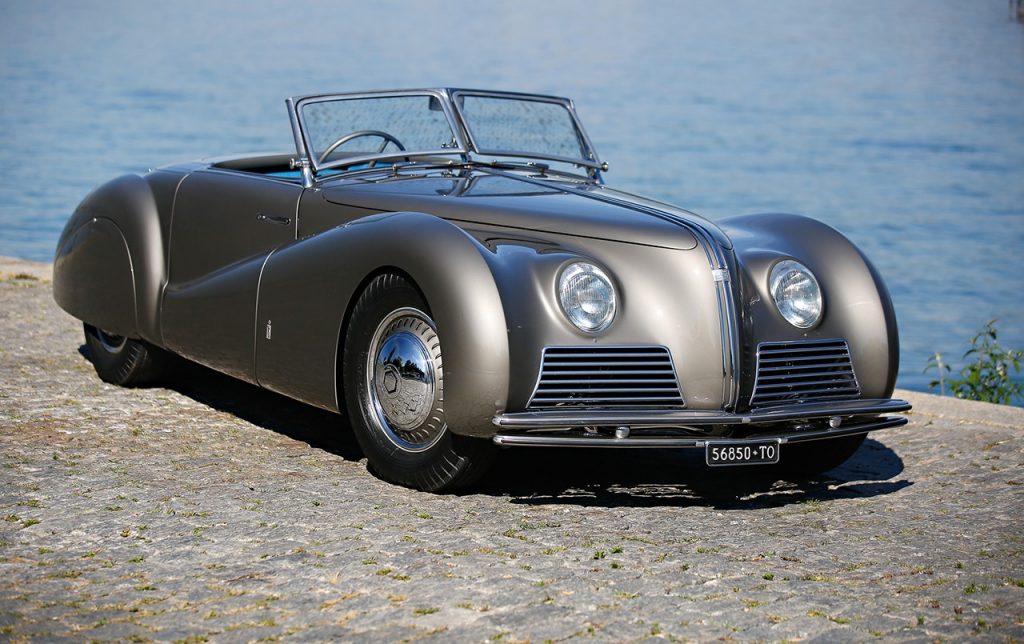
Power came from an Alfa 2.5-liter inline-six developed and installed by Enzo Ferrari’s Modena-based team, producing up to around 125 hp at close to 5,000 rpm—serious output for its time and purpose. With only about 20 examples produced, rarity is baked into its identity. And in the collector world, that kind of scarcity doesn’t merely justify a price—it creates the conditions where a buyer may only get one chance in a decade to secure an example.
From an auction specialist’s perspective, cars like this sell for two reasons at once: the historical narrative is strong enough to attract global interest, and the production rarity is tight enough that multiple serious buyers can collide in bidding.
1935 Aston Martin Ulster ; $4,406,693
Aston Martin’s pre-war reputation was built in competition, and the Ulster sits near the heart of that identity. After acquiring Aston Martin in 1927, racer and engineer A. C. Bertelli guided development of the 1.5-liter SOHC engine that would eventually power the Ulster at Le Mans—an engine refined over time and strengthened with upgrades such as dry-sump lubrication to withstand racing conditions more reliably.
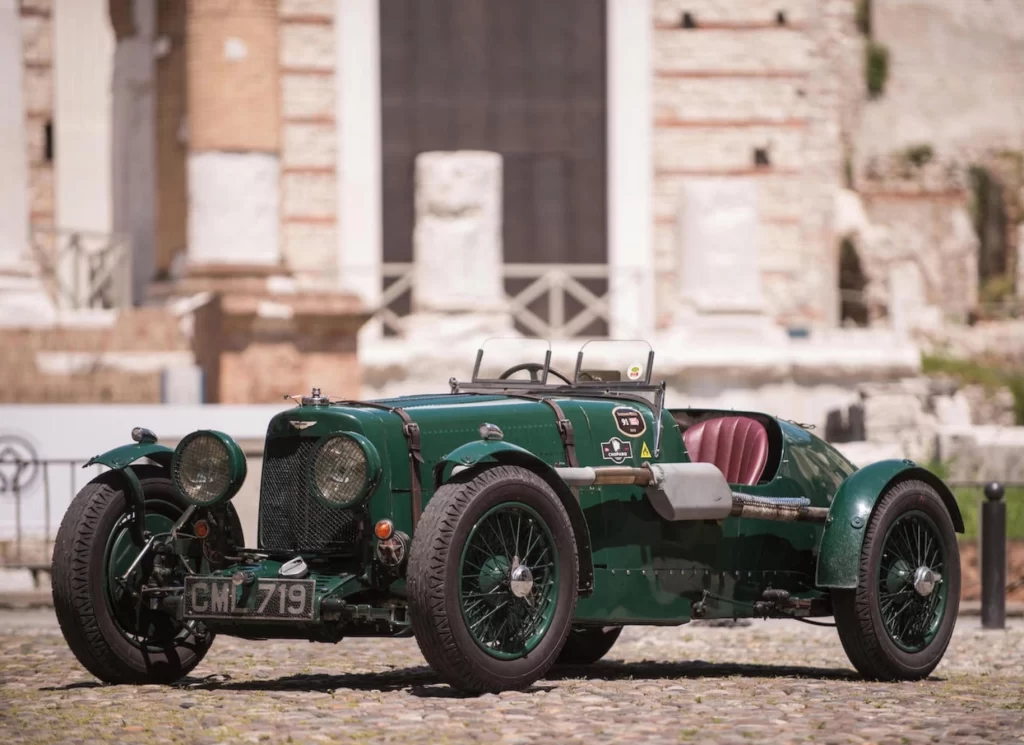
Although the Ulster’s competition span was short in the grand timeline, its impact was concentrated. Borrowing inspiration from the earlier Mark II, the Ulster gained status quickly—especially with British Tourist Trophy success at Goodwood. When Ulsters swept first, second, and third at the 1934 event, the model effectively became a rolling certificate of Aston Martin’s credibility in pre-war motorsport.
Collectors value this kind of car because it represents a brand’s “proof of life” in the era when racing results were a manufacturer’s loudest statement. When you buy an Ulster, you’re not buying a generic vintage racer—you’re buying a chapter of Aston Martin’s origin story.
1964 Aston Martin DB5 ; $4,620,000
Very few cars show how cultural storytelling can elevate value like the Aston Martin DB5. After Aston Martin stepped away from racing, the brand gained an entirely new global stage through cinema. When Goldfinger reached theaters in 1964, James Bond’s car became a Silver Birch DB5—and the model’s identity changed permanently.
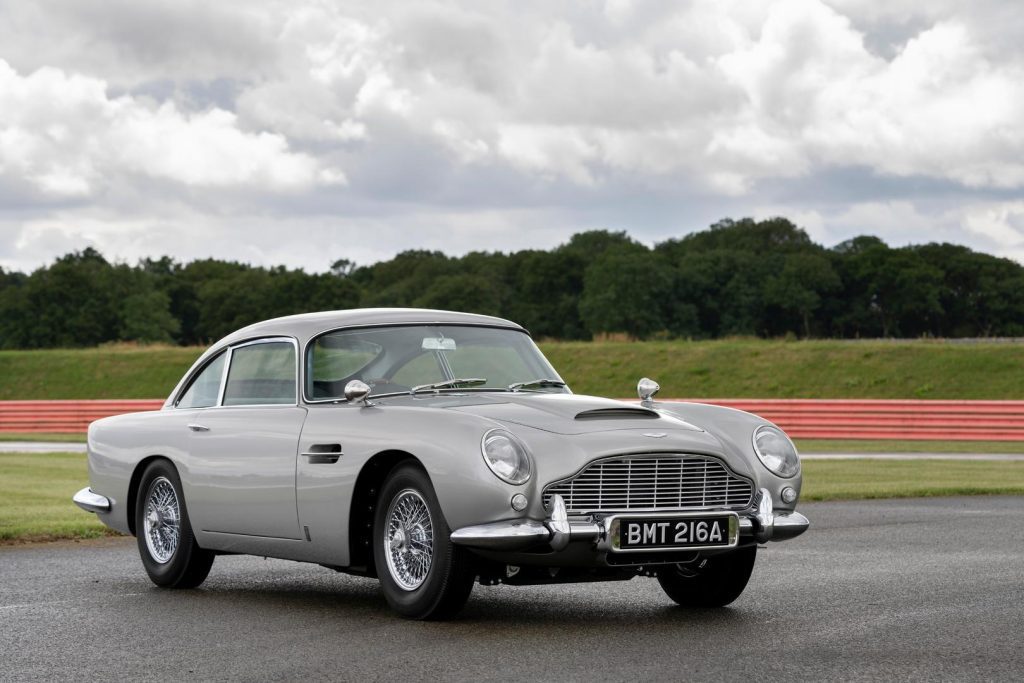
Outfitted with the film’s famous “spy” enhancements, the DB5 became an overnight icon. Sean Connery’s time behind the wheel—about 13 minutes on screen—was enough to turn the car into one of the most recognizable vehicles in pop culture history. That kind of recognition becomes a value engine of its own: collectors aren’t just buying a car, they’re buying a symbol that non-car people recognize instantly.
From an auction-market standpoint, the DB5 is a reminder that engineering significance isn’t the only route to premium value; cultural importance can function like historical importance, and sometimes the two overlap.
1955 Mercedes-Benz 300SL ; $4,620,000
Mercedes-Benz built the 300 SL as a road-going extension of serious racing success, and the aluminum-bodied variants take that DNA a step closer to the track. To remain competitive in sports car racing, Mercedes produced a limited number of 300 SL Coupes with aluminum-alloy bodywork—cutting weight while preserving the visual identity that made the 300 SL legendary.
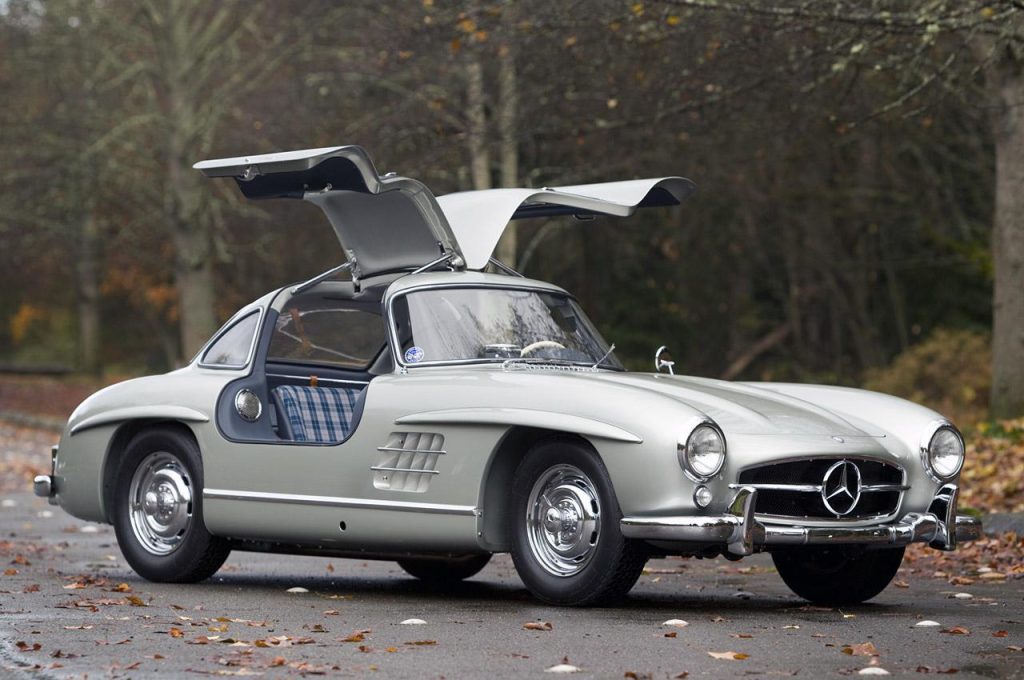
The 300 SL wasn’t designed as a styling exercise; it was rooted in the W194 racecars that proved themselves in endurance competition, including Le Mans and the Mille Miglia. The approximate 200-pound weight reduction of the alloy cars gave them a meaningful advantage where it mattered—acceleration, braking, and overall agility. With only 29 aluminum-alloy examples produced, this is a clear case where rarity and functional engineering align perfectly, creating strong auction gravity.
Collectors also appreciate that these cars represent a manufacturer willing to translate race-derived engineering into limited production. That “race-to-road” credibility is a long-term value stabilizer in the collector market.
1936 Mercedes-Benz 540K Special Roadster ; $4,620,000
The 540K Special Roadster is often viewed as one of the defining Mercedes-Benz vehicles of the pre-war Classic Era, particularly in coveted high-door, long-tail configurations. It isn’t simply a luxury car; it is a sculpted display of coachbuilt authority—an object designed to communicate power and wealth as clearly as it delivers performance.
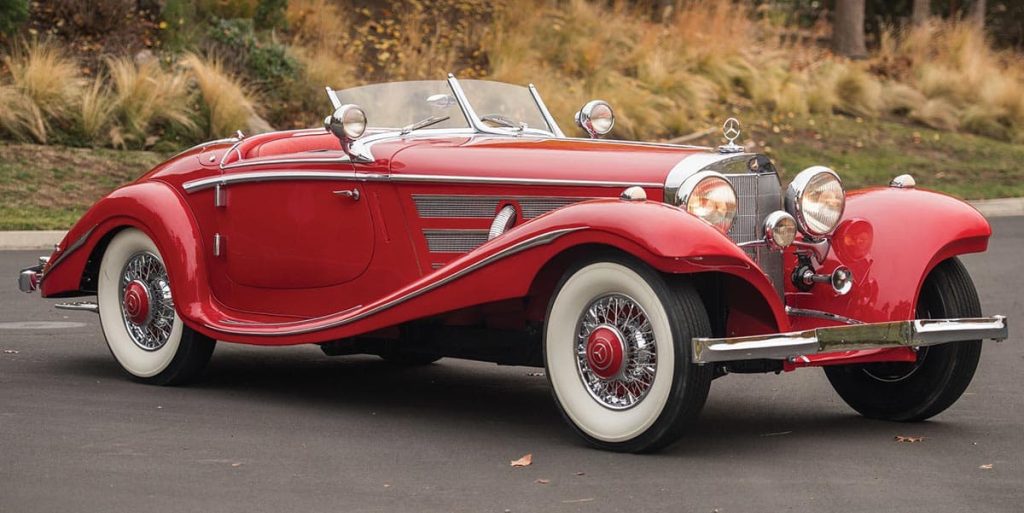
This example’s personal commission story adds an extra layer of appeal: Josephine von Krieger ordered it as a graduation gift for her child Henning. The car’s bespoke details—Telefunken radio, distinctive interior fittings, and a family crest hand-painted on the driver’s door—read like a checklist of elite customization from an era when “factory options” were often just the starting point.
Finished in black with pigskin upholstery, it embodies a period when luxury was unapologetically theatrical. For collectors, that authenticity matters: cars like this are hard to “restore into existence” if they weren’t built this way originally, and that’s why original specification and documentation can push values upward.
1956 Maserati 450S Prototype ; $4,816,350
The Maserati 450S prototype story is pure 1950s racing industry: money meets opportunity, and engineering ambition follows. In 1956, American businessman Tony Parravano worked with Maserati, seeking a V8 for a Kurtis Indy chassis. Maserati recognized the strategic opening and used the effort to revive its Tipo 54 program.
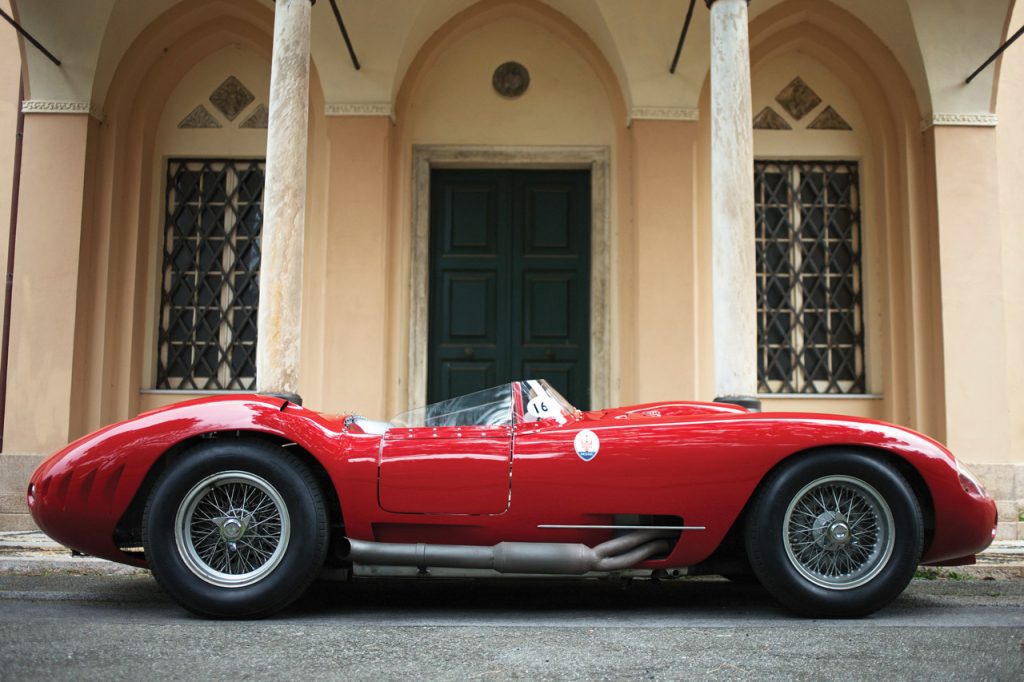
The original V6-powered chassis (3501) served as a test vehicle, but the 450S quickly proved it had something special. During Swedish Grand Prix practice in August 1956, the car impressed with remarkable acceleration and speed—exactly the kind of debut that makes prototypes historically “loud.”
Prototypes often carry premiums because they represent the closest thing to a factory’s engineering draft made physical. They’re not merely rare; they’re developmental milestones. For serious collectors, that can be more compelling than a later production example—because it’s closer to the moment of invention.
1955 Jaguar D-Type ; $4,947,835 (Serial: XKD520)
The Jaguar D-Type arrived with a clear mission: it needed to extend Jaguar’s Le Mans success after the C-Type. Jaguar advanced the concept with a monocoque tub and load-bearing exterior panels—an engineering shift that reduced weight and increased stiffness. In a racing environment, those are not minor improvements; they are competitive weapons.
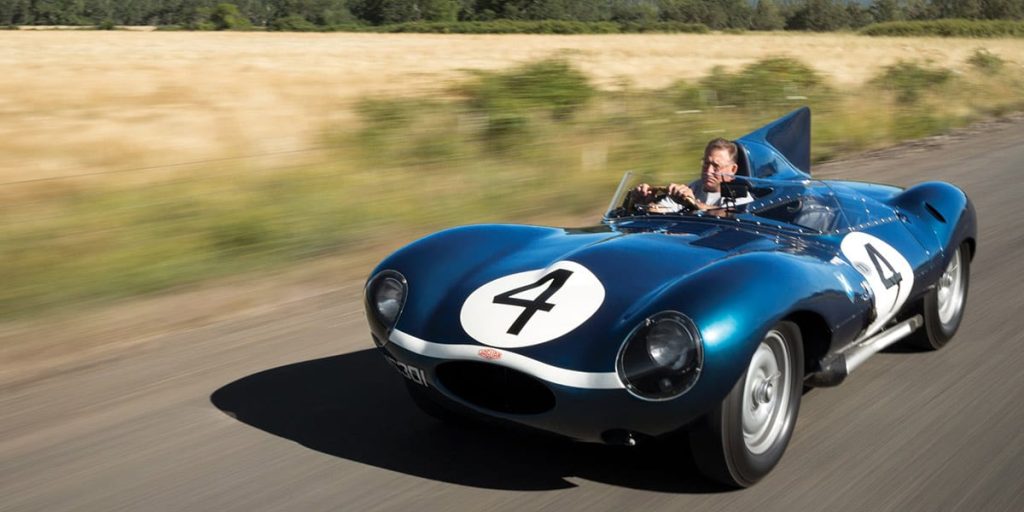
Development work revealed aerodynamic needs—most famously addressed through an extended bonnet profile. In 1955, five “long-nose” D-Types lined up for the Le Mans start, including a prominent showcase car. Jaguar’s victory cemented the D-Type as historically decisive rather than merely attractive.
From a collector-market perspective, Le Mans-connected cars hold special power. Even when a given chassis did not win, cars tied to that era and spec can be valued because they represent the engineering and design that achieved the victory—and that connection has global recognition.
1965 Shelby Daytona Cobra Coupe ; $7,685,000
By 1963, the Shelby Cobra roadster had already established itself as a force, famously overwhelming the Corvette on American circuits. But Le Mans demanded more than brute power; it required stability, aerodynamics, and endurance at sustained high speed. The Daytona Coupe was Shelby’s response—a hardtop variant built to compete on the world’s most prestigious stage.
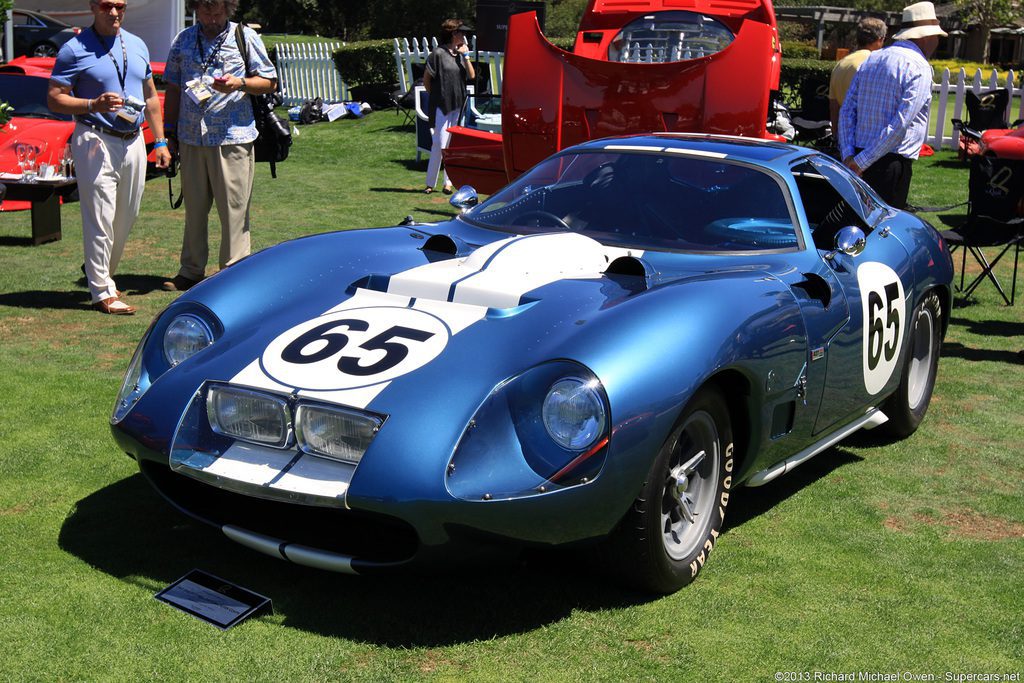
Designer Pete Brock persuaded Carroll Shelby to redesign the 289 Cobra body with an enclosed cockpit for improved aerodynamic efficiency. The outcome became more than an upgraded Cobra; it became a symbol that America could design and build machines capable of challenging Europe at the highest level of GT racing.
The Daytona’s value reflects both performance and significance. “Hand-built” is frequently used as marketing language today, but for cars like the Daytona Coupe, it’s literal craftsmanship—part of why collectors treat these as historically important objects rather than simply “old race cars.”
1929 4½-Litre Supercharged ‘Blower’ Bentley ; $7,906,745
Bentley expanded its 3 Litre model to 4.5 Litres in late 1927, and the larger displacement platform quickly became synonymous with endurance success. Woolf Barnato, with co-driver Bernard Rubin, won the 1928 24 Hours of Le Mans in a 4.5 Litre—an achievement still central to Bentley’s identity among collectors.
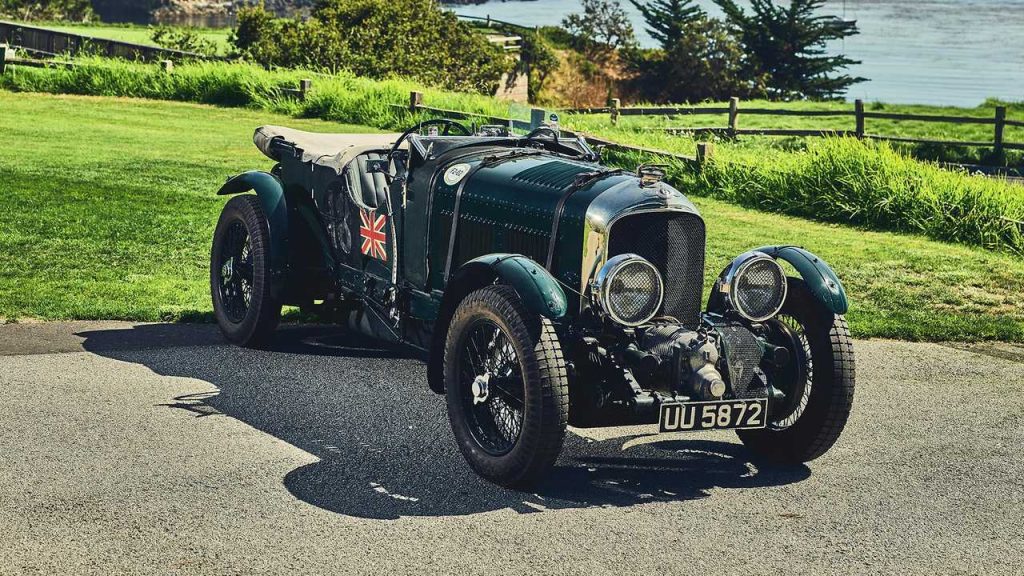
In the period, Bentley supplied the 4.5 Litre as a bare chassis intended for separate coachbuilders to body. Over decades, many examples have worn replacement bodies, including duplicate Vanden Plas Le Mans Tourer bodies—details that matter tremendously in the auction world because body history affects authenticity, originality, and long-term value stability.
“Blower” Bentleys sit at the intersection of performance heritage and aristocratic image—rugged endurance credibility paired with a social aura that still resonates. That cross-appeal attracts both racing-history collectors and luxury-history collectors, which can intensify auction competition.
1928 Mercedes-Benz 680S Torpedo Roadster ; $8,226,000
The Mercedes-Benz 680S Torpedo Roadster was developed to succeed the 6,246cc Model K and helped cement Mercedes-Benz’s legacy as a leader in high-performing luxury. Its cultural timing matters: the Jazz Age was defined by wealth, bold style, and shifting social norms, and the cars of the era reflect that confidence without apology.
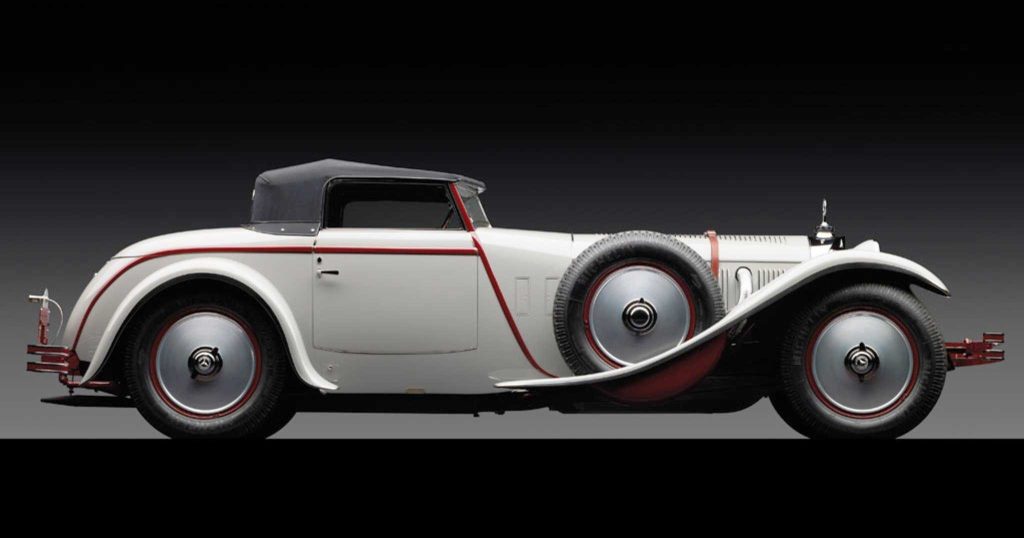
The Type S became known as brisk, strong, and focused—qualities not guaranteed in large luxury cars of the era. Collectors pay for its symbolism as much as its performance: it represents a moment when automotive ambition felt limitless, when craftsmanship and extravagance were central to the luxury definition.
In auctions, cars from this period often command premiums when coachwork is particularly dramatic and well-documented. Buyers aren’t only purchasing a machine; they’re acquiring a piece of design history that cannot be recreated in modern manufacturing culture.
1951 Ferrari 340 America Barchetta ; $8,250,000
The Ferrari 340 America marks the beginning of Ferrari’s “America” export strategy—cars built specifically to strengthen Ferrari’s presence in the U.S. market. Ferrari understood what American buyers wanted: larger displacement, stronger performance, and a prestige product that didn’t feel like a compromised racing refugee.
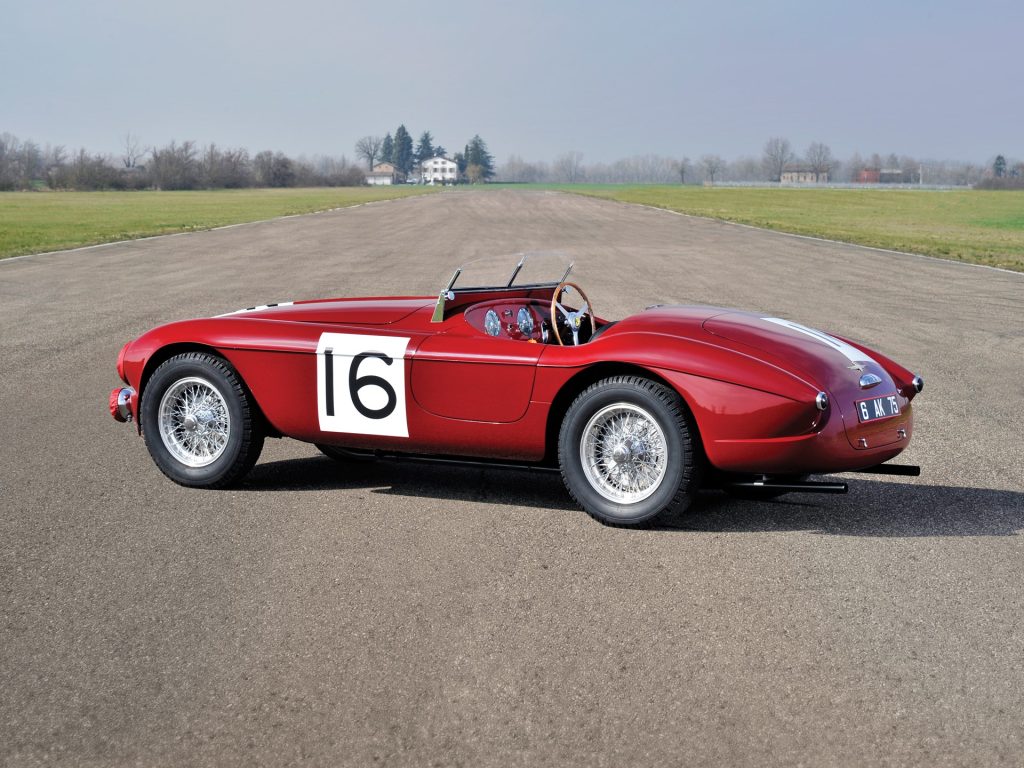
It carried a Lampredi V-12—an engine family that eventually found relevance in Formula 1. To reinforce credibility, Ferrari ran these cars at Le Mans in the early 1950s. That combination of export intent and racing legitimacy is exactly what collectors value: it shows Ferrari wasn’t simply selling cars; it was building an identity internationally.
At auction, early “America line” Ferraris appeal to buyers who want more than “a Ferrari”—they want the moment Ferrari began thinking globally.
1962 Ferrari 330 TRI/LM Spider ; $9,281,250
The Ferrari 330 TRI/LM sits at the end of a major Ferrari lineage: the front-engine Testa Rossa family that dominated endurance racing in the early 1960s. This model represents the most advanced development of that concept—and carries the prestige of Le Mans victory.
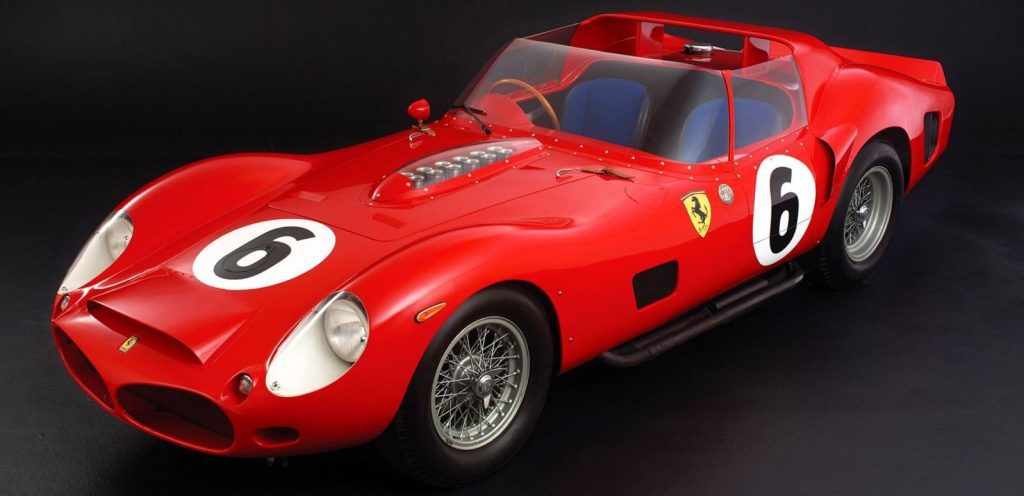
Ferrari’s three consecutive Le Mans wins with front-engine Testa Rossas ended a chapter just as the sport pivoted toward mid-engine layouts. Collectors pay strongly for “closing chapter” cars—machines that represent the last and best iteration before the rules, competitors, or engineering philosophy shifted. This is history you can park in a garage.
When a car carries both technical significance and a major event victory reputation, its auction appeal becomes truly global, drawing bidders from outside the usual brand loyalists.
1937 Bugatti Type 57SC Sports Tourer ; $9,735,000
The Bugatti Type 57 series is central to the brand’s mythology, and the 57SC Sports Tourer is one of the most prized variants. Presented in late 1936 at the Paris Auto Salon, the Type 57’s identity was shaped by Jean Bugatti and built on chassis knowledge refined through years of racing excellence. The engine—a 3.3-liter twin overhead-cam straight-eight—was advanced for its time and delivered the performance Bugatti buyers expected.
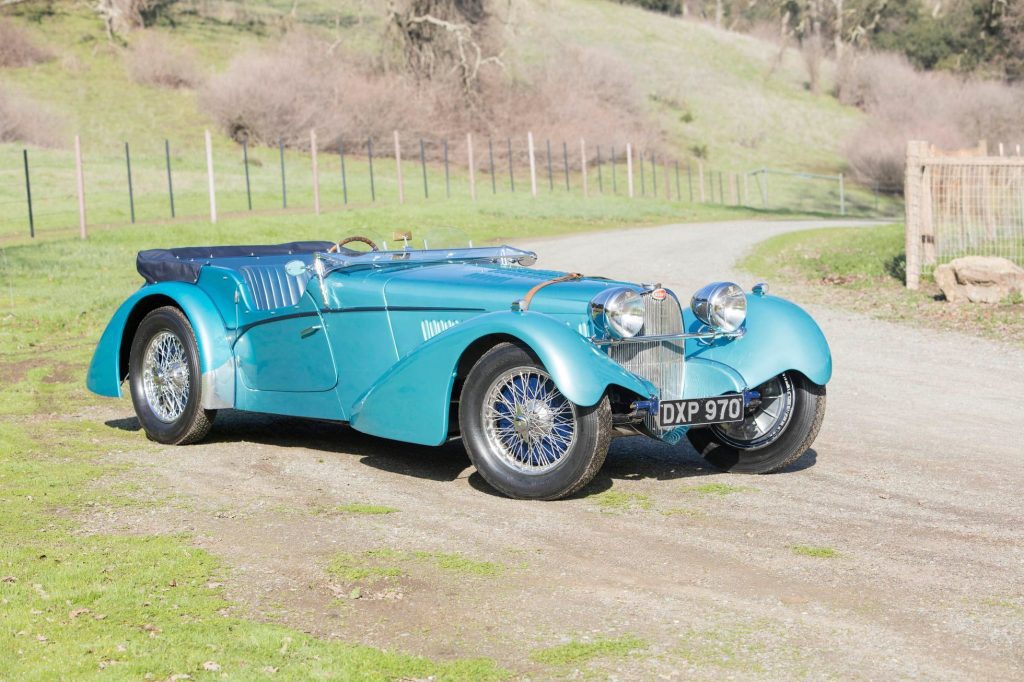
Bugatti also explored higher-performance derivatives such as the supercharged 57C and the lower, more aggressive 57S. The “S” comes from surbaisse, meaning “lowered,” reflecting a chassis engineered to be shorter and lower for improved handling and stance. Collectors prize these cars because they merge engineering sophistication with design drama in a way few pre-war vehicles can match.
In auctions, Bugattis often attract buyers who treat them like art objects—and rightly so. The best examples represent a unique fusion of performance, proportion, and prestige that modern manufacturers can imitate but not authentically reproduce.
2017 Ferrari LaFerrari Aperta ; $9,982,000
The LaFerrari arrived as a modern halo car—one designed to define Ferrari’s next era rather than merely honor its past. The Aperta variant multiplies desirability by pairing hypercar performance with open-top exclusivity, which in this segment functions like a multiplier on scarcity.
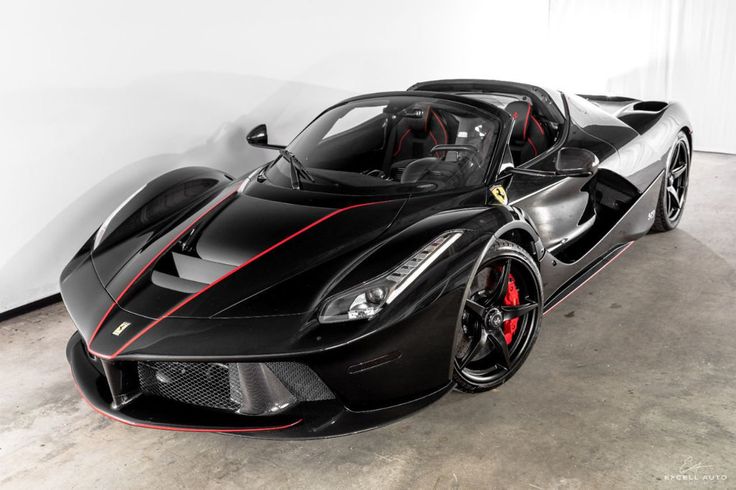
It was Ferrari’s first road car equipped with a hybrid drivetrain—an important milestone that signaled the direction performance would take under modern efficiency and emissions constraints. It was also the first Ferrari since 1973 not created by Pininfarina, adding design-history weight. Positioned as a successor to icons like the Enzo and F50, the LaFerrari carries a “continuity of legends” storyline that collectors understand immediately.
Only 499 were produced, and in the collector world, small numbers plus flagship status typically translate into high auction ceilings—especially when demand exceeds supply across global markets.
1982 Porsche 956 ; $10,120,000
Porsche created the 956 to meet Group C rules, and it quickly became one of endurance racing’s most dominant platforms. Under Norbert Singer, Porsche focused intensely on Le Mans 1982 and delivered a statement performance: first, second, and third overall.
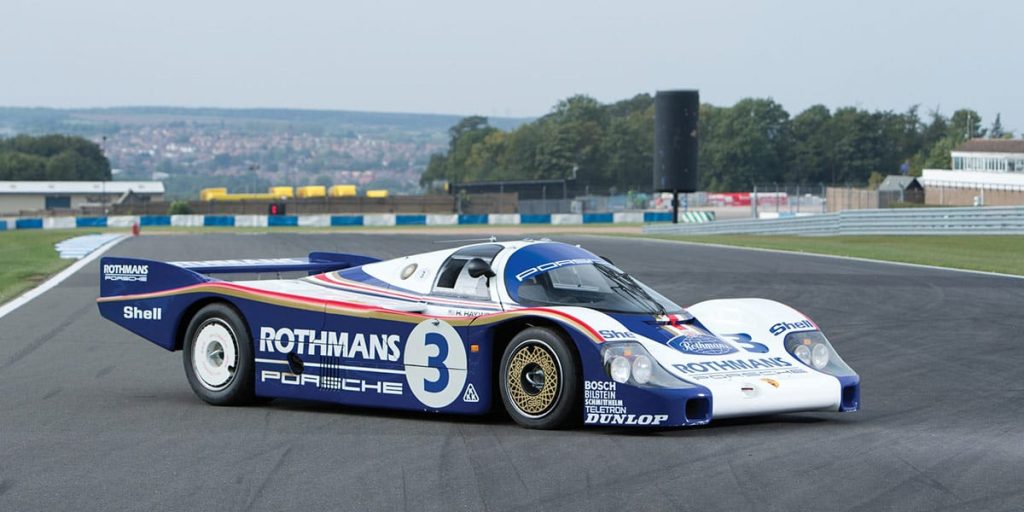
Supported by the Weissach development environment, Porsche turned the 956 into a customer-racing concept that would dominate for years. Even when competition in 1982 wasn’t at peak density, “dominance” becomes its own historical credential. Collectors pay for cars that changed the competitive landscape, and the 956 did exactly that.
Additionally, Group C has a special place in collector culture because it was an era where engineering creativity and endurance performance intersected in ways that still feel modern. That broader appreciation helps keep values high.
1931 Duesenberg Model J Long-Wheelbase Coupe ; $10,340,000
Fred Duesenberg’s influence on American performance and prestige is enormous. By the 1920s, the Duesenberg name represented top-tier ambition: engineering excellence paired with a luxury presence that made competitors feel ordinary. The brand’s competitive achievements—records, major victories, and prestige events—helped build an aura that later translated directly into collector value.
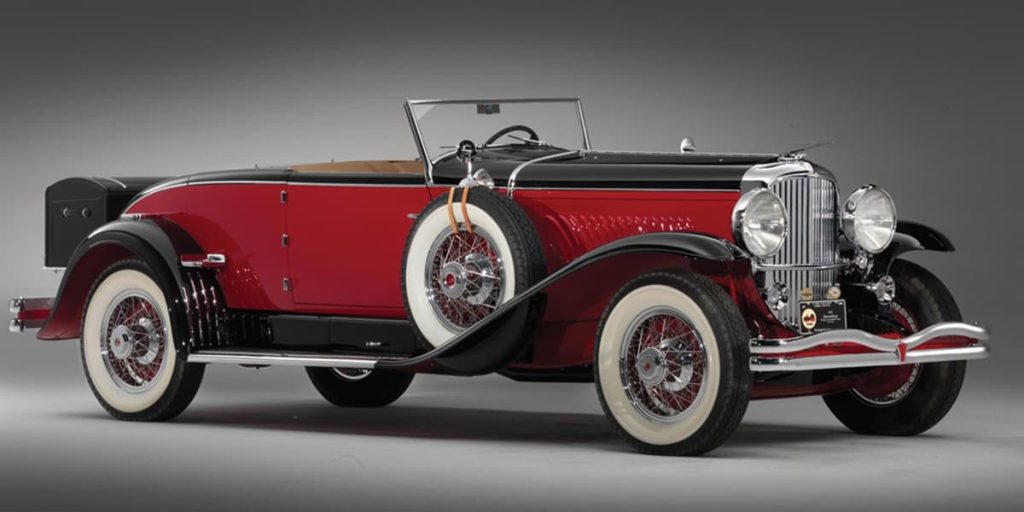
The Duesenberg story includes landmark successes like Jimmy Murphy’s French GP win and Indianapolis 500 victories in the mid-1920s. That combination—motorsport credibility plus bespoke luxury—makes Model J variants especially desirable. Long-wheelbase coupes appeal to collectors who value proportion, road presence, and coachbuilt uniqueness. In this category, “long-wheelbase” is not a footnote; it’s often the difference between a car that looks formal and a car that looks commanding.
In auctions, Duesenberg values are often supported by cross-collecting interest: American luxury collectors, motorsport history collectors, and design/coachbuilding collectors all overlap in this segment.
1932 Bugatti Type 55 ; $10,400,000
The Bugatti Type 55 belongs to a category we might call “pre-war supercar thinking.” Bugatti had already experimented with road-going performance using Grand Prix-derived engineering—such as earlier high-speed touring concepts that blurred the line between competition and road use. By the early 1930s, Bugatti’s road machines carried increasingly sophisticated hardware and presence.
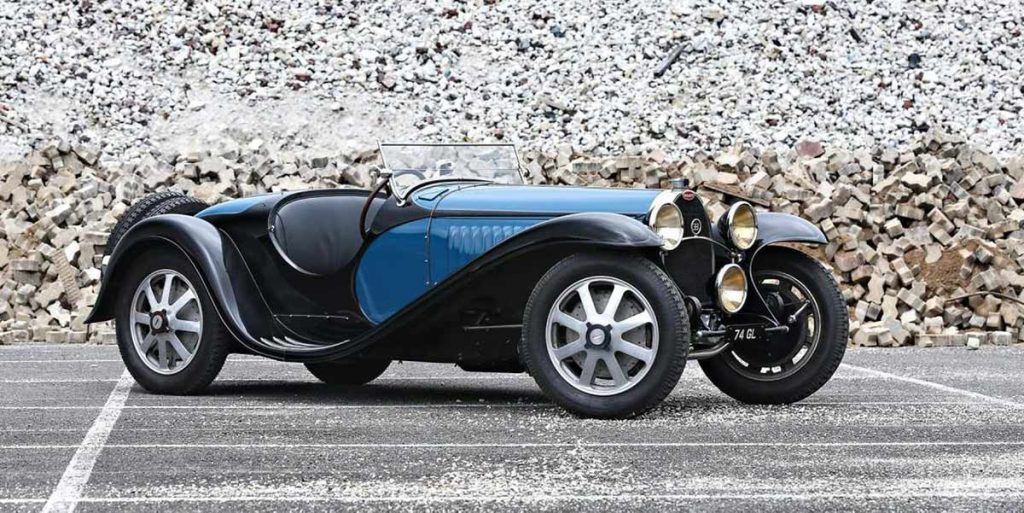
Enthusiasts often referred to this kind of machine as “Super Sport”—a luxurious touring car that could deliver performance that felt extreme for its day. That “dual identity” is exactly what modern collectors love: a car that can be appreciated as sculpture, as engineering, and as a marker of how early the supercar idea truly began.
Bugattis at this level also benefit from the brand’s mythic reputation. Auction bidders often pay not only for what the car is, but for what “Bugatti” means in the pre-war imagination.
1968 Ford GT40 ; $11,000,000
When racing rules changed in 1967, limiting prototypes to three liters, several high-displacement programs were effectively pushed out of the prototype spotlight. Yet the GT40 still had room to thrive under Group 4 rules. Under John Wyer, J. W. Automotive Engineering Ltd. (with Gulf Oil support) saw a path not just to compete, but to build a durable program around the GT40 platform.
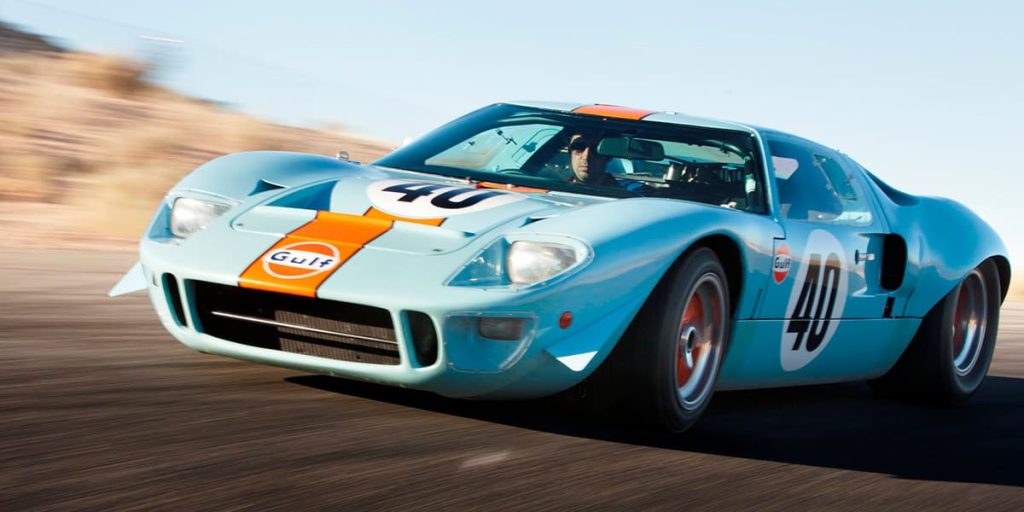
Two lightweight chassis from the 1967 season (known as Mirage M1s) were upgraded with bodywork that echoed the GT40 Mk I while retaining lightweight construction philosophy. The GT40’s auction value is powered by a combination of racing history, cultural status, and one of the most iconic liveries in endurance racing. Even for collectors who focus on European racing, the GT40 is a universal symbol of competition at its highest level.
In practical terms, the GT40 also benefits from recognizability. A car that the public can identify instantly tends to attract broader bidder competition, which can influence pricing at the high end.
1933 Alfa Romeo 8C 2300 Monza ; $11,990,000
Vittorio Jano’s Alfa Romeo 8C 2300 design is one of early motorsport’s most respected foundations. Variants achieved Le Mans victories (1931 and 1934) and produced dominant results in the 1931 Italian Grand Prix, where legendary driver pairings delivered top finishes. The “Monza” nickname was earned through competition—an important point, because in the collector world, names that were earned (not marketed) carry deeper credibility.
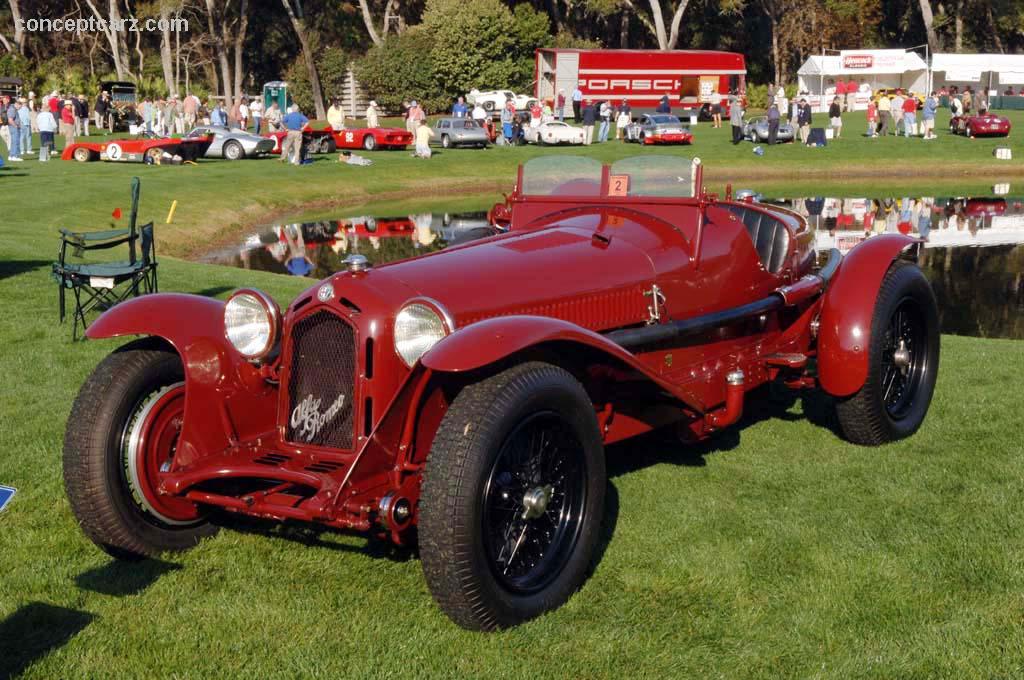
Its racing résumé reads like a hall of fame—Nuvolari, Campari, Borzacchini, Caracciola, Etancelin, Sommer—and the car accumulated a staggering number of wins. In auctions, cars with this kind of competitive footprint are valued as tangible motorsport history. They also represent a time when the best drivers in the world competed in machines that were still mechanically relatable to road-going production, which adds another layer of fascination for collectors.
For many buyers, the Monza isn’t just a desirable Alfa; it’s a symbol of how racing excellence looked before modern corporate racing structures took over.
1953 Jaguar C-Type Works Lightweight ; $13,200,000
The Jaguar C-Type is one of the few sports-racing vehicles that became truly iconic beyond the enthusiast sphere. Jaguar’s Le Mans victories—twice—anchor its reputation, but so does the C-Type’s genetic link to the XK120 roadster’s engineering breakthrough, including the dual-overhead-cam lineage that transformed Jaguar’s technological reputation.
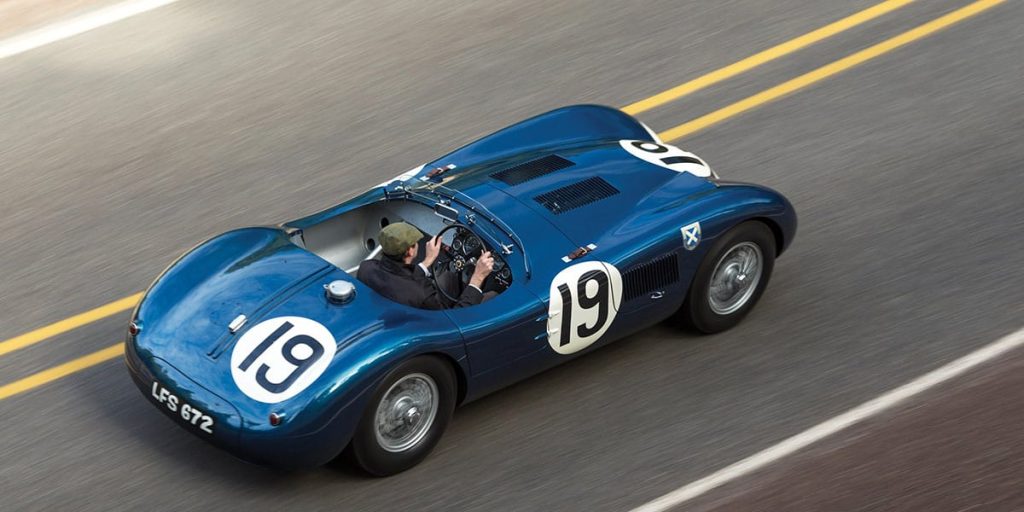
Jaguar’s 1951 win was particularly historic: it was the first British victory at Le Mans in over two decades. That kind of “first” is permanently valuable in collector psychology. It becomes part of the car’s identity, even for later examples, because it signals the moment Jaguar moved from respected manufacturer to internationally validated competitor.
Works lightweight significance adds another layer. “Works” implies factory involvement and intent, and “lightweight” signals engineering focus. When those labels are authentic and documented, auctions tend to reward them heavily.
1960 Ferrari 250 GT SWB Competizione ; $13,500,000
The Ferrari 250 GT SWB Competizione is often celebrated as one of the most balanced competition platforms of its era—compact, purposeful, and tuned for real racing rather than showroom theater. When Ferrari unveiled the SWB Berlinetta at the 1959 Paris Salon, it carried the intent of a pure racer, not a softened road compromise.
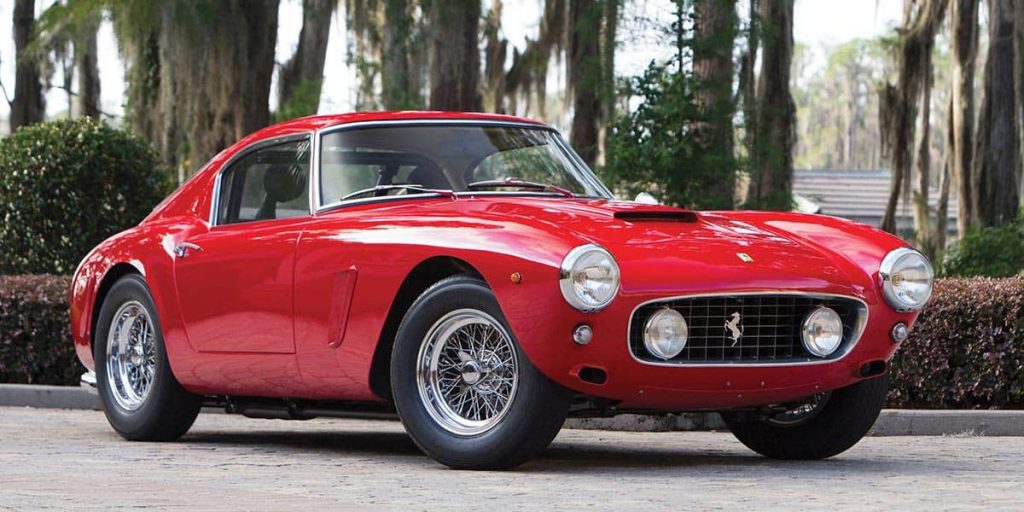
Collectors pay attention to early production traits and specification details—missing or different vents, blinkers, cooling duct treatments, and trunk plate recesses compared to later models—because those elements help map the car’s position in the development timeline. Clean designs with fewer interruptions also appeal because they communicate the SWB’s intent clearly: functional beauty, shaped by racing necessity.
From an expert valuation viewpoint, SWBs are valuable not only because they are Ferraris, but because they represent an ideal balance between drivability, competition capability, and style. That balance tends to create sustained collector demand across decades.
1962 Shelby 260 Cobra CSX 2000 ; $13,750,000
CSX 2000 is more than a Cobra—it’s the starting point for a defining American performance narrative. While Cobra models are already desirable, chassis CSX2000 carries a unique premium because it is the “beginning” in a tangible sense. Collectors often pay extra for origin cars because they represent the moment a concept became a reality.
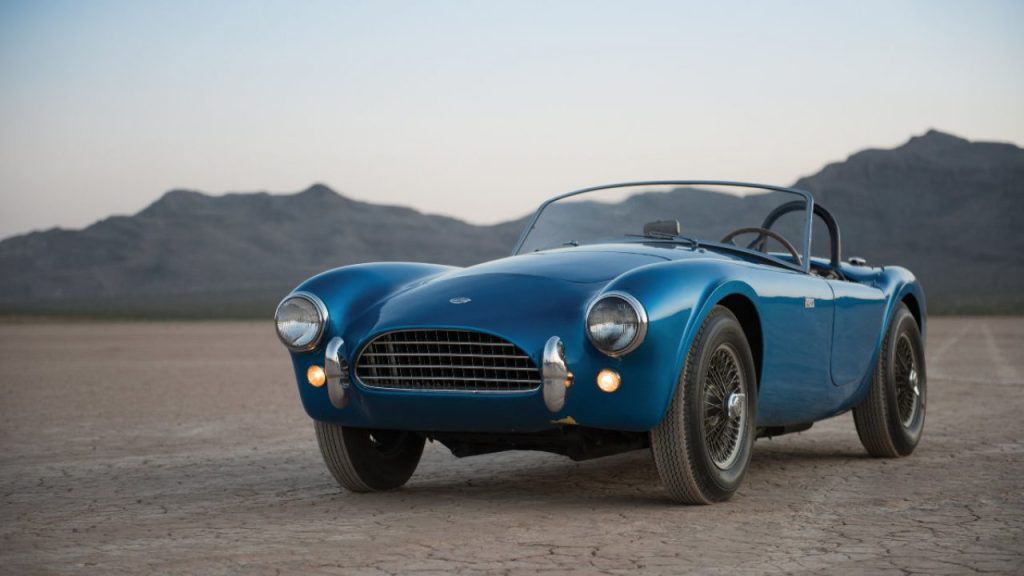
Built by modifying an AC Ace with direct involvement from Carroll Shelby at AC Cars in Thames Ditton, England, the CSX name stood for “Carroll Shelby Experimental 2000.” With a 260-hp V8 and lightweight aluminum body, the car delivered performance that felt shocking for its era. That performance is important, but what matters more at auction is what CSX2000 represents: a pivot point for American sports car identity.
In auction dynamics, “first-of-line” vehicles often attract bidders who want the ultimate story version of a model. CSX2000 is exactly that.
1969 Porsche 917K ; $14,080,000
The Porsche 917K is one of motorsport’s most famous silhouettes—so iconic that even casual viewers recognize it. Debuting as the Kurzheck (short tail) variant, it became the configuration that most meaningfully influenced the 917’s overall performance identity. With a cut-off tail designed to increase downforce and stability, the 917K helped Porsche translate terrifying speed into usable endurance pace.
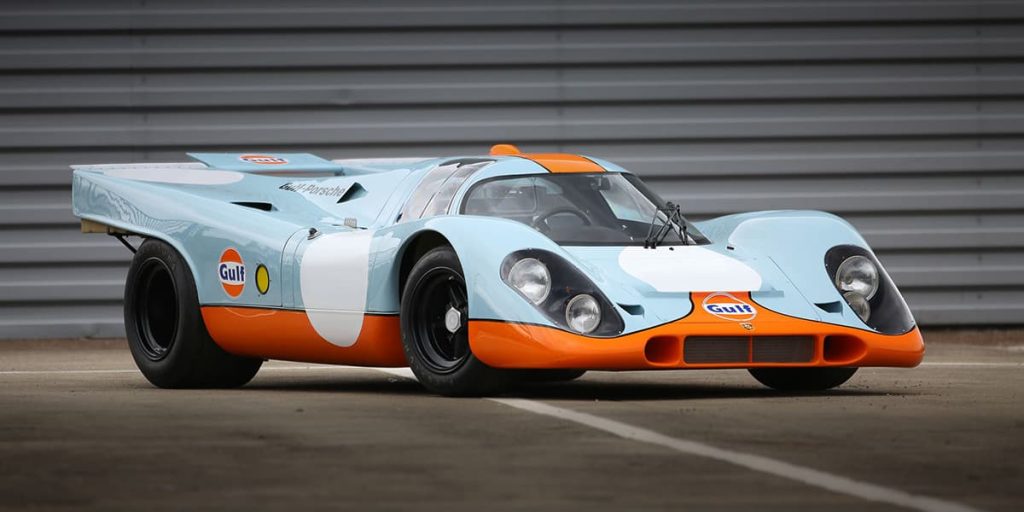
It also contributed to two Le Mans victories and played a decisive role in Porsche’s transformation into an endurance powerhouse. At Le Mans in 1970, the 917 was fast enough to be intimidating but dependable enough to deliver Porsche’s first outright win—an emotional milestone in the brand’s narrative.
Collectors pay for that dual identity: raw speed plus proof of endurance success. Few race cars are both feared and trusted; the 917K is one of them.
1964 Ferrari 250 LM ; $14,300,000 (Serial: 6107)
The Ferrari 250 LM is defined by achievement. It won the 1965 Le Mans—the event that effectively completes its name—and delivered the kind of victory that collectors treat as permanent historical capital. Jochen Rindt and Masten Gregory’s win made the car not just a competitor, but a proven machine at the highest endurance level.
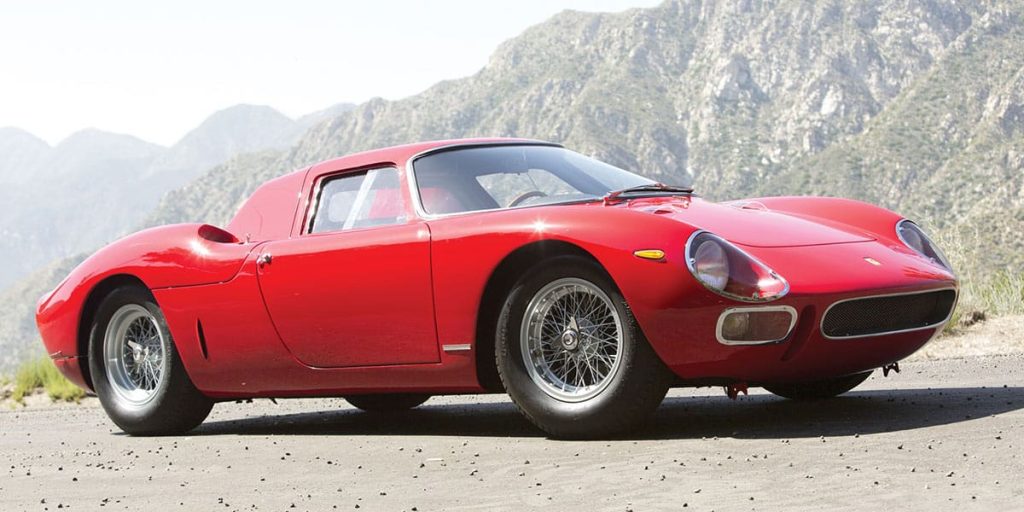
Its engineering—mid-mounted V12 inside low-drag bodywork—reflects a broader layout shift in the mid-1960s, when competition design moved decisively toward mid-engine packaging. Even the naming and brochure history matters: references to “Berlinetta 250/Le Mans” appeared prior to the victory, demonstrating how central the event was to the car’s identity.
At auction, Le Mans-winning Ferraris occupy a special tier. They attract collectors who may not normally chase Ferraris, simply because Le Mans winners are global motorsport landmarks.
1962 Aston Martin DB4 GT Zagato ; $14,300,000
The DB4 GT Zagato is one of the most thrilling British sports cars ever styled, largely thanks to Zagato’s Milanese bodywork. While it didn’t sell in massive numbers when new, collectors often reward “underappreciated at the time” cars that later become recognized as design and engineering peaks—especially when the original intent was to challenge dominant competitors.
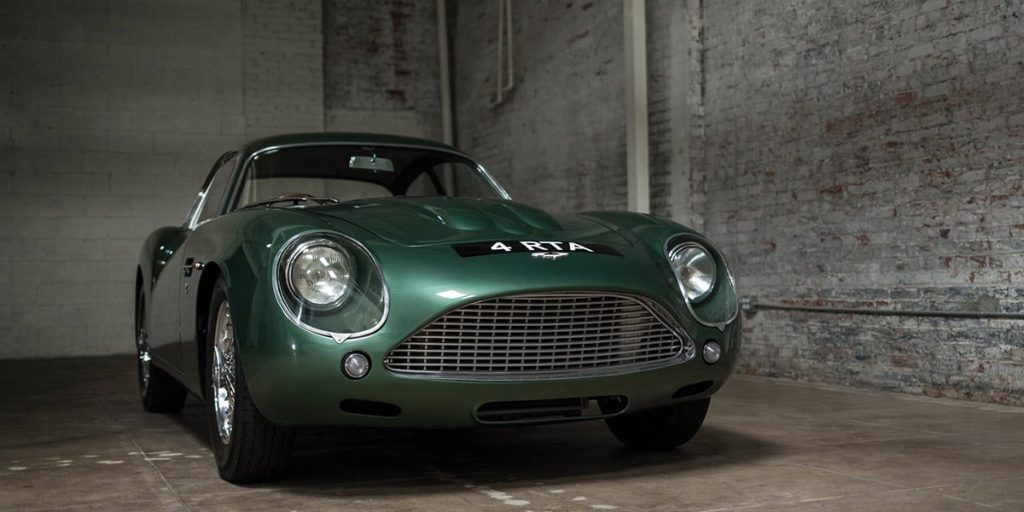
Its competitive aim was clear: take the fight to Ferrari’s 250 GT competition lineage. Most of the 19 examples were developed as race cars, and several were sold to private teams who ran them against heavy hitters like the Ferrari GTO. That matters because “race intent” and “race use” are different; documented competition activity tends to strengthen a car’s historical weight at auction.
In the collector world, Zagato also functions like a signature. When the badge on the fender is a recognized coachbuilder, the car’s desirability becomes less dependent on brand loyalty and more tied to design heritage.
1957 Ferrari 250 Testa Rossa ; $16,390,000
The Ferrari 250 Testa Rossa is widely regarded as one of Ferrari’s most successful racing families. It also wore bodywork that was unconventional yet clearly functional—crafted by Scaglietti & C. Designed for the 1958 season, the car was intended for both Scuderia Ferrari and independent competitors, expanding its footprint across events and teams.
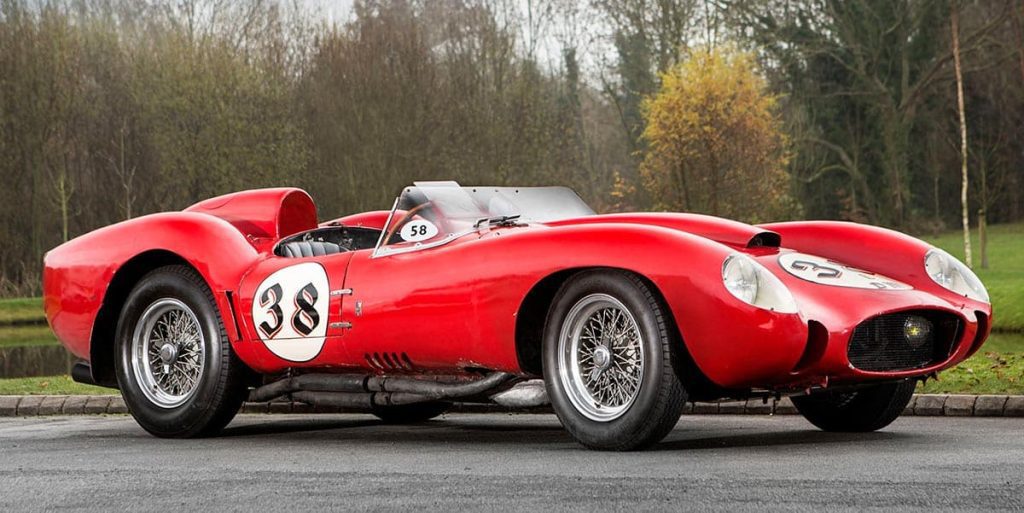
When CSI restricted engine capacity to 3.0 liters to reduce speeds, engine choice became a strategic centerpiece. Ferrari’s work in 1957 to determine the best configuration for its new sports racer is part of why collectors prize this era: regulation shifts forced innovation, and innovation creates historically important engineering.
At auction, Testa Rossas are treated like blue-chip assets because they combine Ferrari prestige with endurance racing legitimacy. They are not merely “fast old Ferraris”—they are foundational pieces of Ferrari’s racing empire.
1962 Ferrari 250 GT SWB Berlinetta Speciale ; $16,500,000
Ferrari’s collaboration with Pinin Farina produced some of the brand’s most elegant and influential one-off designs. In 1956, Ferrari hired Pinin Farina to create a demonstration vehicle using chassis 0425GT from the upcoming 250 GT line. That kind of project often functions as a design laboratory: the car is not just a showpiece; it’s a visual thesis about where a brand wants to go.
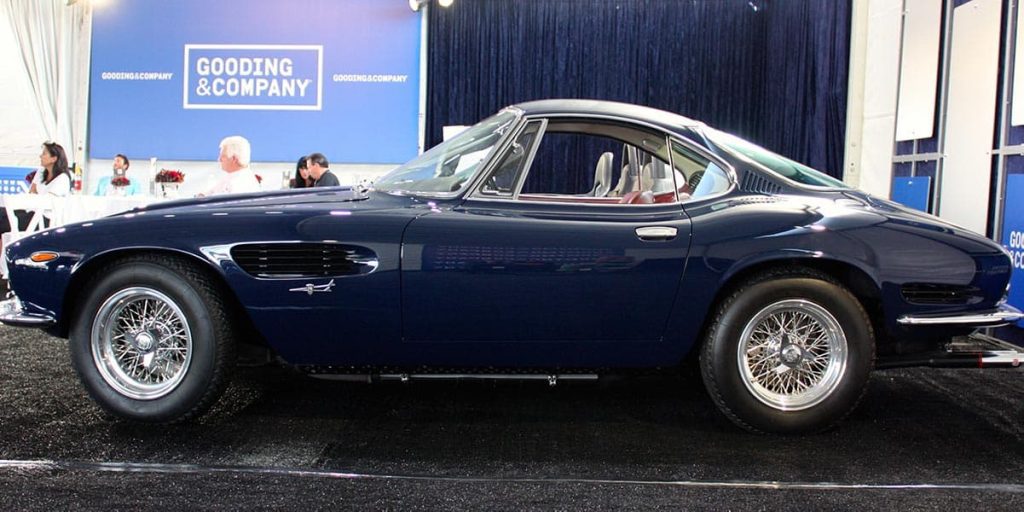
As a first-of-its-kind concept, it carried unique visual elements—egg-crate grille, recessed headlight trim, tail fins with integrated lights, oversized louver vents, and a fastback profile that echoed Ferrari’s competition direction. Speciale cars command strong auction prices because they aren’t simply rare; they are “design statements” that influenced or previewed future cars.
Collectors who buy cars like this often think like art collectors: uniqueness, authorship, and historical placement are more important than raw performance metrics.
1959 Ferrari 250 GT LWB California Spider Competizione ; $18,150,000
Among the LWB California Spyders, only a small portion were built with genuine competition features and lightweight aluminum bodywork. That distinction changes everything. The California Spider is already a desirable open-top Ferrari, but competition specification turns it into a dual-purpose machine—a road car that can still fight effectively at the track.
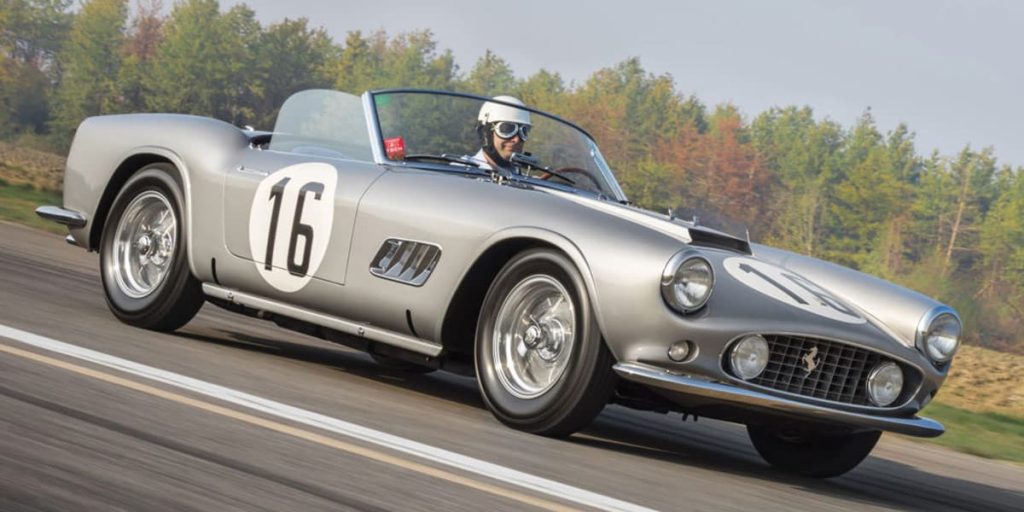
The typical buyer wanted a fully functional road car that could also succeed at events like Sebring, Bridgehampton, Nassau, and Watkins Glen. When a model can deliver both glamour and documented class wins, the collector market tends to respond aggressively—particularly when production numbers remain low and survival is limited.
From a valuation standpoint, competition features and lightweight construction create a “double premium”: you get the California Spider’s desirability plus the credibility of true motorsport intent.
1954 Ferrari 375 Plus Spider ; $18,400,177
Ferrari’s post-war racing record is unmatched by many manufacturers, and the 375 Plus Spider Competizione stands among the most important vehicles of that period. With a V12 under its long nose, it combined visual drama with serious racing capability—exactly the kind of combination that makes collectors call a car “timeless.”
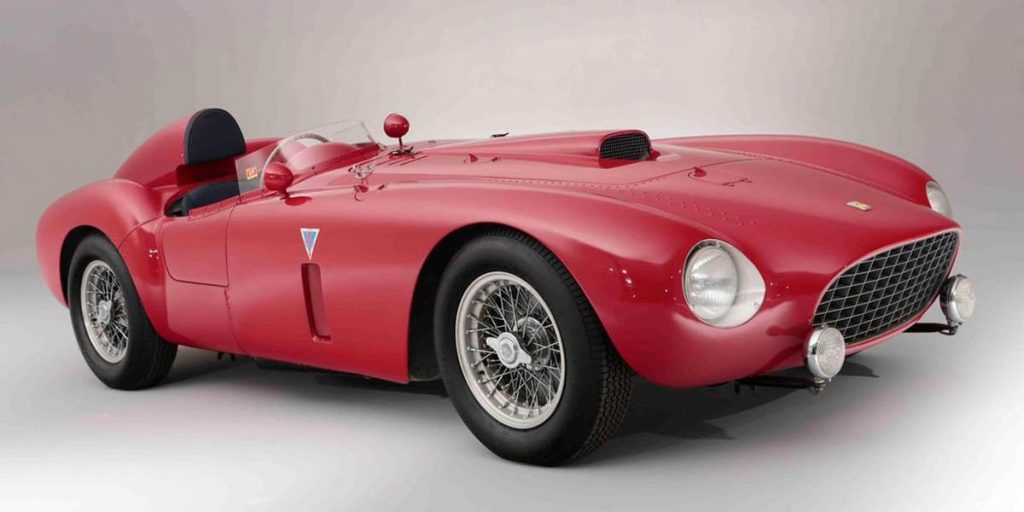
Its race record—wins at the Carrera Panamericana, Silverstone, and Le Mans—anchors the car’s value in results, not myth. Only a small number were produced, and only three of the four are believed to survive. Survival rarity matters because it creates a hard limit on supply; no amount of money can produce new original examples, which is exactly why the collector market treats these like finite assets.
Collectors also prize these cars because they represent Ferrari at a time when the company’s racing identity was being built and proven on the world stage, not merely remembered.
1961 Ferrari 250 GT SWB California Spider ; $18,454,304
The Ferrari 250 line is among the most celebrated early Ferrari families, and the SWB California Spider sits high in desirability. Scaglietti created the roadster with North America in mind—balancing performance, elegance, and the open-top charisma buyers wanted.
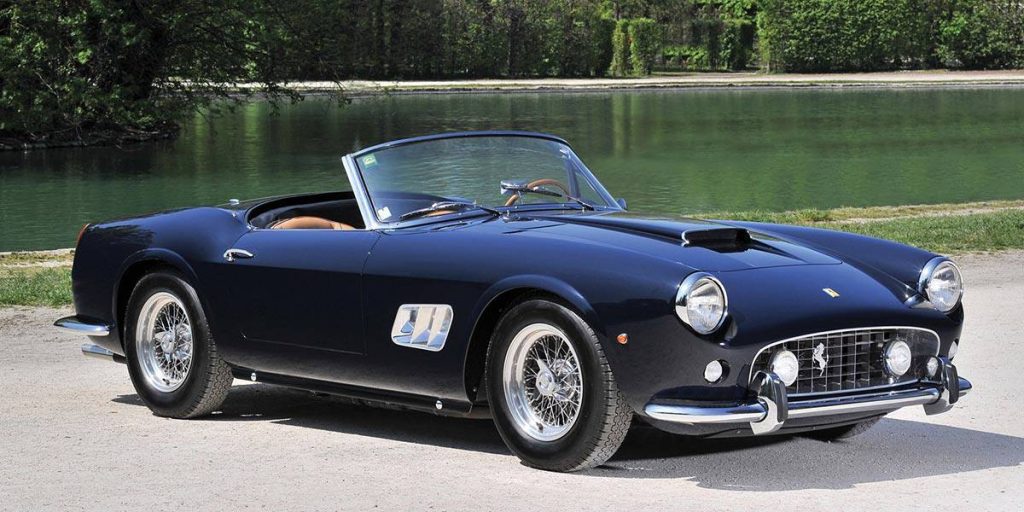
Only 37 examples were produced with covered headlights, a detail collectors treat like a rare stamp: it instantly identifies a more exclusive specification. This particular car also carries celebrity provenance, having been owned by French actor Alain Delon. Finished in dark blue rather than Rosso Corsa, with a black interior, it demonstrates how non-standard colors can increase appeal when backed by a clear, documented story.
In auctions, celebrity ownership is not always a guaranteed premium—but when it’s paired with a rare specification and strong documentation, it can reinforce the car’s uniqueness in a way that pushes bidders higher.
1939 Alfa Romeo 8C 2900B Touring Berlinetta ; $18,997,883
Before WWII, the Alfa Romeo 8C 2900 was widely regarded as among the fastest road cars available, but its collector appeal goes far beyond speed. Touring-bodied Berlinettas are often described as rolling masterpieces because they combine mechanical excellence with coachbuilding artistry at an extremely high level.
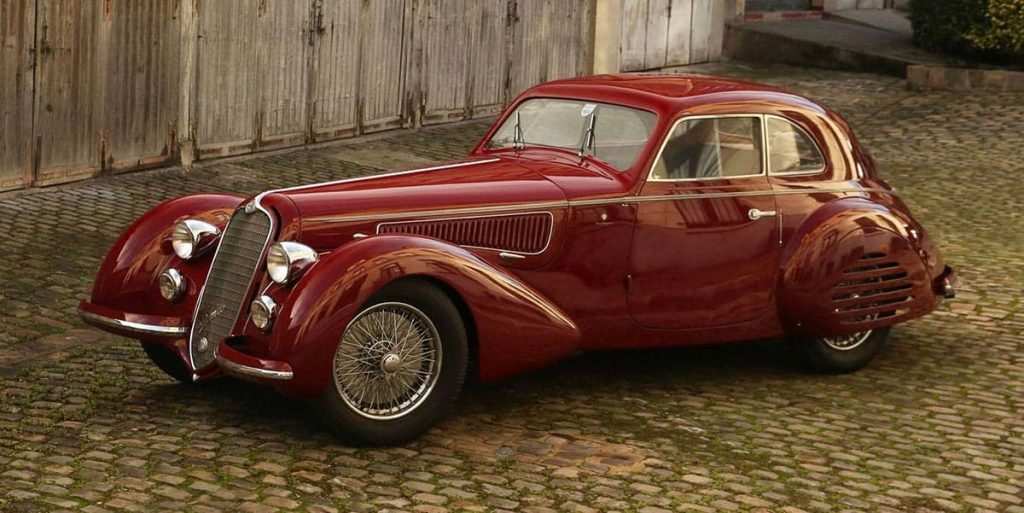
This example is the second of only five Touring-bodied specimens ever made. That kind of rarity is not “limited edition”—it’s essentially “nearly unrepeatable.” When it sold for nearly $19 million in 2019, the price reflected both its beauty and the fact that collectors may only see one available for purchase in a lifetime.
For high-end auctions, cars like this often create emotional bidding because buyers recognize how rarely the opportunity occurs—and that urgency can push values into extraordinary territory.
1939 Alfa Romeo 8C 2900B Lungo Spider ; $19,800,000
The Alfa Romeo 8C 2900B Lungo Spider is often described as Italy’s elegant response to the Bugatti Atlantic: an open-top machine that blends speed and sophistication in a way that still feels unmatched. Only 32 Lungo Spiders were built, and far fewer survive—especially Touring-bodied convertibles.
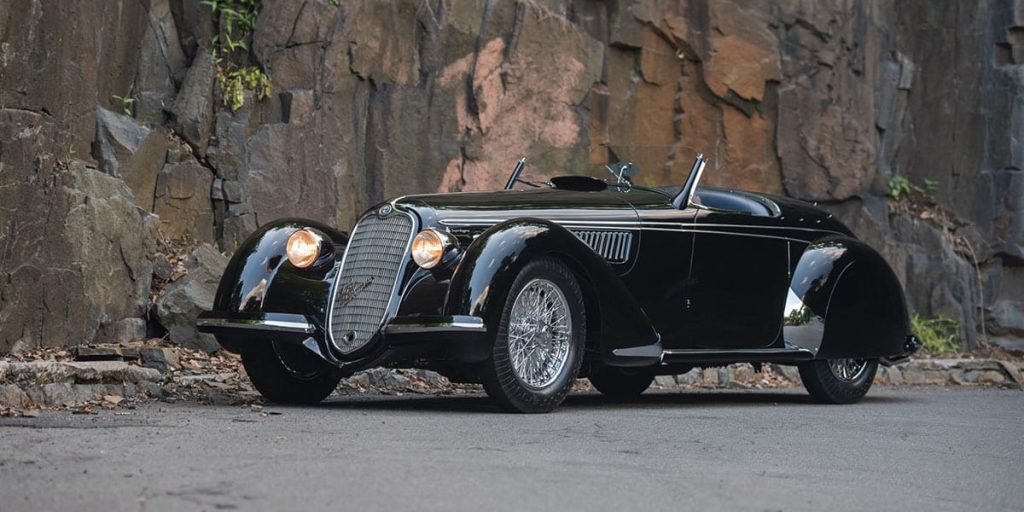
Only about 12 Touring convertibles are believed to remain. That scarcity explains the $19.8 million auction result in 2016 and why the model is treated as a near-unobtainable prize. With cars like this, pricing is often less about “book value” and more about “competitive access”: what it takes to secure something the market almost never offers.
In other words, the buyer isn’t only paying for a car—they’re paying to end the search.
1994 McLaren F1 ‘LM-Specification’ ; $19,805,000
The McLaren F1 remains a masterclass in uncompromising design. Even decades later, it still looks modern, partly because its proportions are dictated by function rather than trend. Gordon Murray’s central driving position and lightweight philosophy created a road car that continues to define what “driver-focused engineering” means.
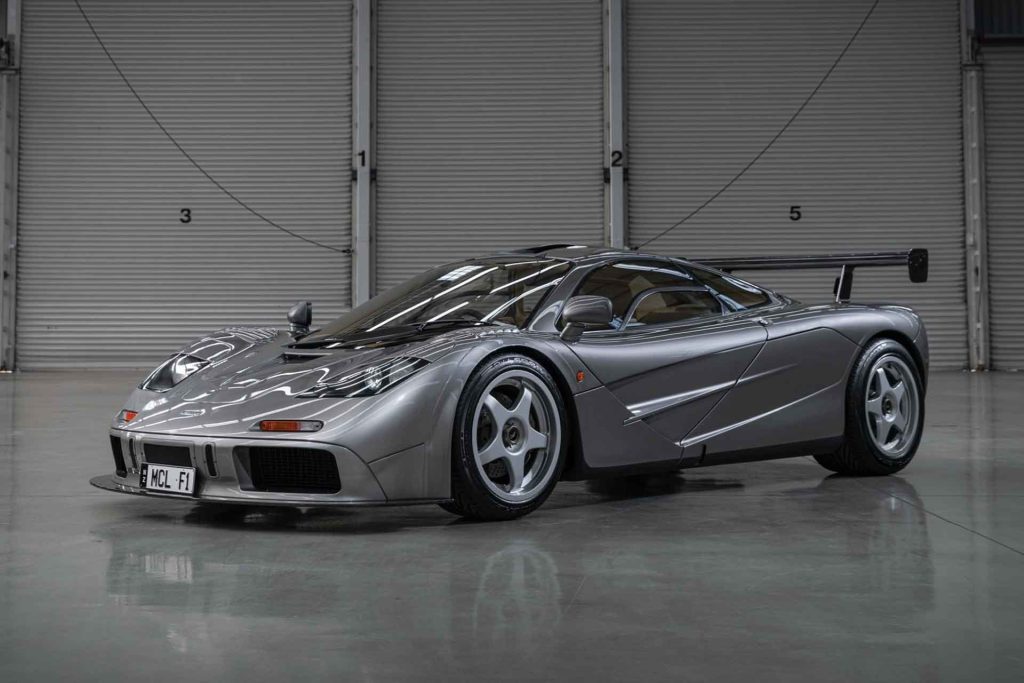
The BMW-sourced V12 helped the F1 become the world’s fastest production car at one time, and LM-specification examples add another layer of desirability through motorsport association and rarity. When LM-specified examples sold for just under $20 million in 2019, the market was effectively saying: this isn’t merely a great modern supercar—it’s a modern historical pillar.
In collector terms, the F1 has graduated from “expensive used supercar” into “heritage object,” which is why values have continued to climb.
1995 McLaren F1 ; $20,465,000
If there is a single modern-era car that the collector world treats as a crown jewel, it is the McLaren F1. Total production reached only 106 units across all variants, and only 64 were road-legal. Those numbers alone create scarcity, but what truly pushes value is how widely the F1 is respected across the entire industry.
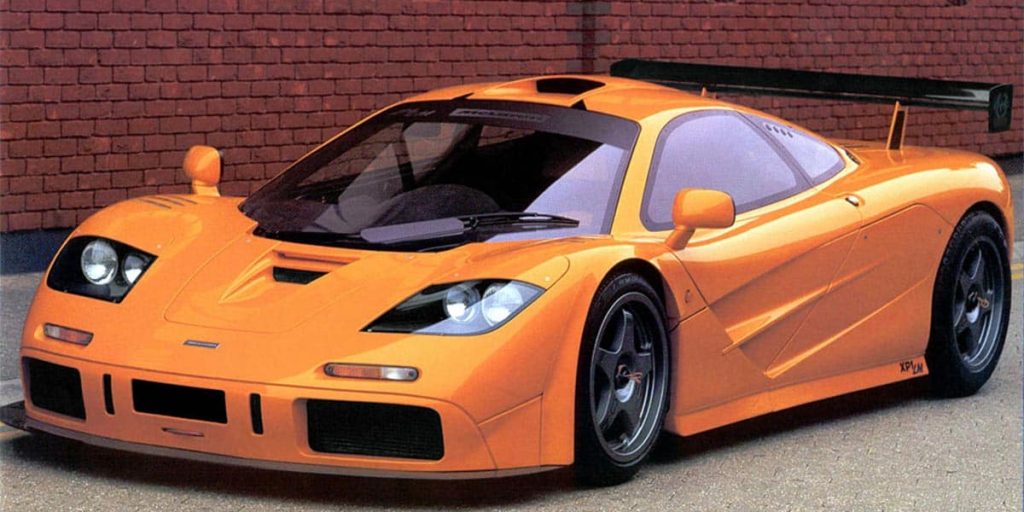
This example’s appeal was magnified by an astonishing odometer reading of 242 miles—essentially preserved as a time capsule. Ultra-low mileage can dramatically shift valuation because it offers the closest possible experience to acquiring a “new” example of something that can never be produced again. For some collectors, preservation is as valuable as competition history; it represents purity.
At this price level, mileage isn’t merely a number. It’s a measure of how much of the car’s “original life” remains untouched—an intangible that can be worth millions to the right buyer.
1963 Aston Martin DP215 ; $21,455,000
Aston Martin’s DP215 is the kind of car that auction catalogs describe with almost reverence—and for good reason. It’s a 1963 prototype and the final of David Brown’s four “project cars.” Prototypes carry an aura because they represent factory intent in its purest form, often faster, rarer, and more historically potent than later production derivatives.
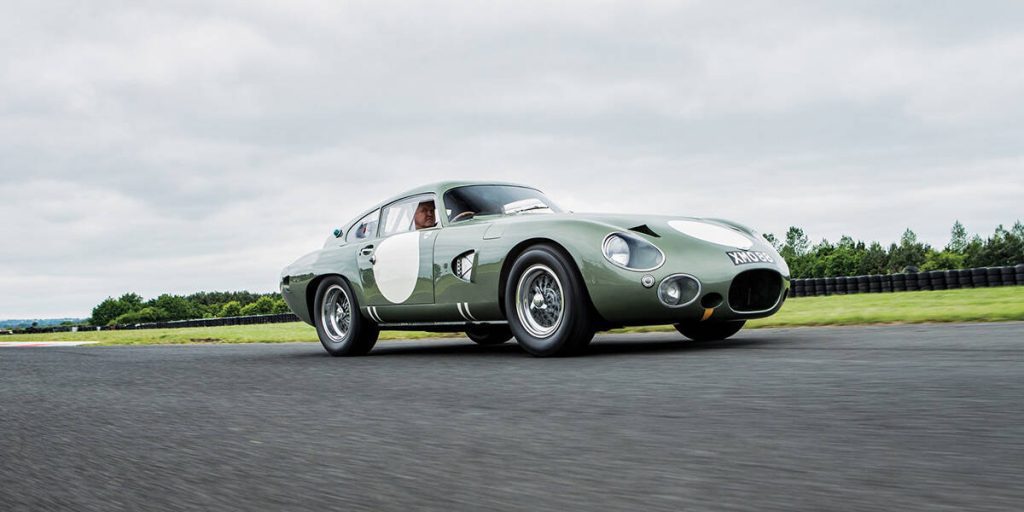
DP215 competed at Le Mans soon after being conceived and achieved a lasting milestone by becoming the first car to exceed 300 kph on the Mulsanne Straight, reaching approximately 319.6 kph (198.6 mph). Even without a win, that kind of record becomes a “forever fact,” and collectors pay heavily for forever facts.
In the collector market, prototype status plus documented record performance tends to create an unusually stable valuation floor—because the car’s historical identity is not easily challenged or diluted by replicas or later variants.
1935 Duesenberg SSJ ; $22,000,000
Duesenberg no longer exists as a manufacturer, but in collector culture, the name still signals peak American luxury and engineering ambition. The SSJ is one of the most famous survivors of that status, and this 1935 convertible was built specifically for Hollywood star Gary Cooper. Add coachwork by LaGrande, and you have a blend of celebrity provenance and elite craftsmanship that collectors find irresistible.
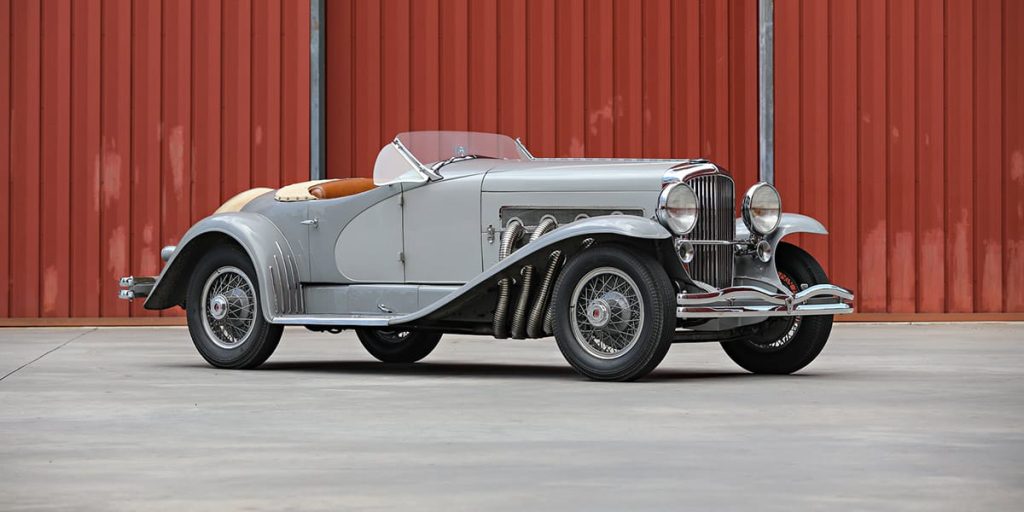
Only two SSJ roadsters were produced; the other was sold to Clark Gable, and stories persist of the two stars racing one another. Whether every detail of the legend is perfectly preserved matters less than the broad truth: extreme rarity plus cultural history creates a powerful auction cocktail. That is why the Pebble Beach sale in 2018 reached $22 million—far beyond pre-sale estimates.
Celebrity provenance can be a risky valuation factor if documentation is weak, but when it’s strong and paired with extreme rarity, it becomes a legitimate multiplier.
1956 Aston Martin DBR1 ; $22,550,000
If the DB5 is Aston Martin’s most widely recognized road car, the DBR1 is arguably its most important racing car. That makes it unsurprising that the first of the four DBR1 prototypes commanded such a premium. First-built cars frequently carry special collector weight because they represent the origin of a program—the first physical expression of a design strategy.
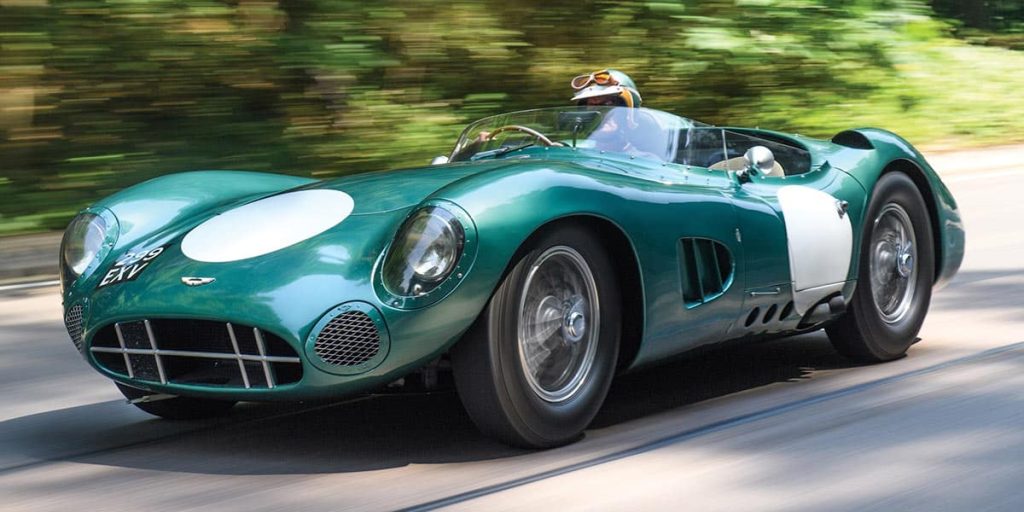
Its racing story includes a famous Nürburgring 1000 KM win in 1959 with Sir Stirling Moss, who delivered a comeback drive that became part of motorsport legend. This is where restoration quality and authenticity matter: buyers don’t just want “a DBR1,” they want a DBR1 that is correctly conserved and accurately presented—because at this level, historical integrity is part of the product.
From an expert point of view, DBR1 pricing also benefits from scarcity in the purest form: only a handful exist, and most are not available. Availability scarcity can be even more powerful than production scarcity.
1955 Ferrari 410 Sport ; $23,000,000
Carroll Shelby’s praise for the 1955 Ferrari 410 Sport Spider—calling it “the best Ferrari [he] ever drove”—often gets quoted because it captures how visceral and capable the car was. It was driven by elite talents including Juan Manuel Fangio, Phil Hill, and Masten Gregory. Driver associations like these matter because they verify that the car was considered serious equipment by serious people.
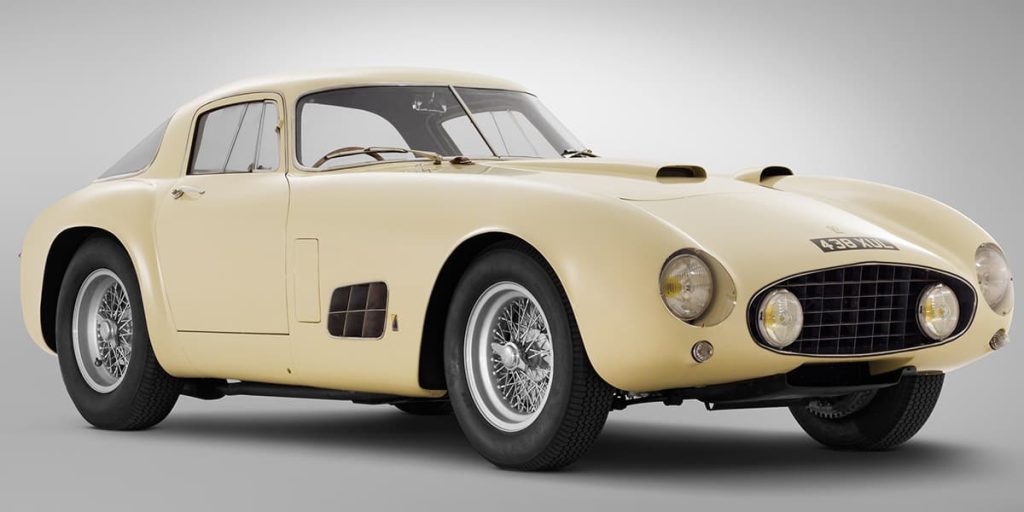
Chassis No. 0598 CM wasn’t just impressive on paper; it was proven in competition. Between 1956 and 1958 it finished first or second in 19 races and won 11. That kind of results record turns a car into a verified historical competitor, not merely a rare survivor. When it sold for $22 million in 2014, the market was paying for documented achievement, not speculation.
Ferrari sports racers from this era are especially valued because they represent a time when Ferrari’s racing dominance was built in public view—and these machines were the tools that built it.
1931 Bugatti Royale Kellner Coupe ; $9,800,000 (adjusted for inflation ; $23,375,000)
The Bugatti Royale (Type 41) is a special case in auction history. Most price milestones for ultra-expensive cars have occurred in the last decade, but the Royale set a benchmark much earlier. That’s significant: it suggests the car’s value isn’t simply a product of modern collector wealth—it has long been recognized as an extraordinary object.
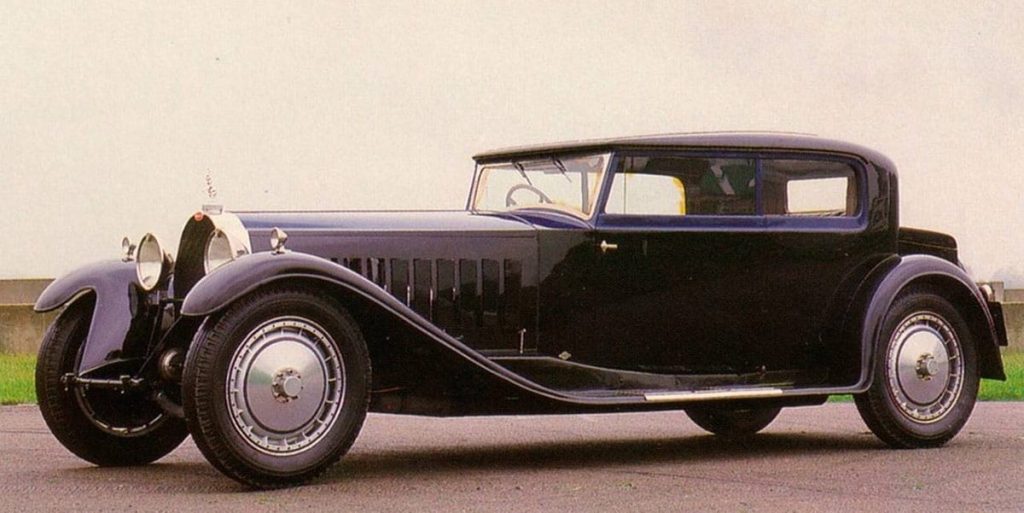
Purchased in 1987 for $9.8 million—about $23.375 million adjusted for inflation—it remains one of the most expensive automobiles ever sold in real terms. In collector language, the Royale is less “a car” and more “a crown jewel”: a statement piece whose value reflects legacy, rarity, and the near-mythic aura of Bugatti’s pre-war prestige ambitions.
When auction houses describe a Royale, the tone often resembles fine-art cataloging—and that’s appropriate. These cars exist in a category where standard automotive value logic becomes secondary to historical singularity.
1964 Ferrari 275 GTB/C Speciale ; $26,400,000
Scaglietti-designed Berlinetta Competizione Ferraris are rare by nature, because they were built for a purpose: factory-intended competition. For the 1965 24 Hours of Le Mans, only three 275 GTB/C Speciale cars were made. That kind of production figure immediately places the car in the category of “few will ever own one.”
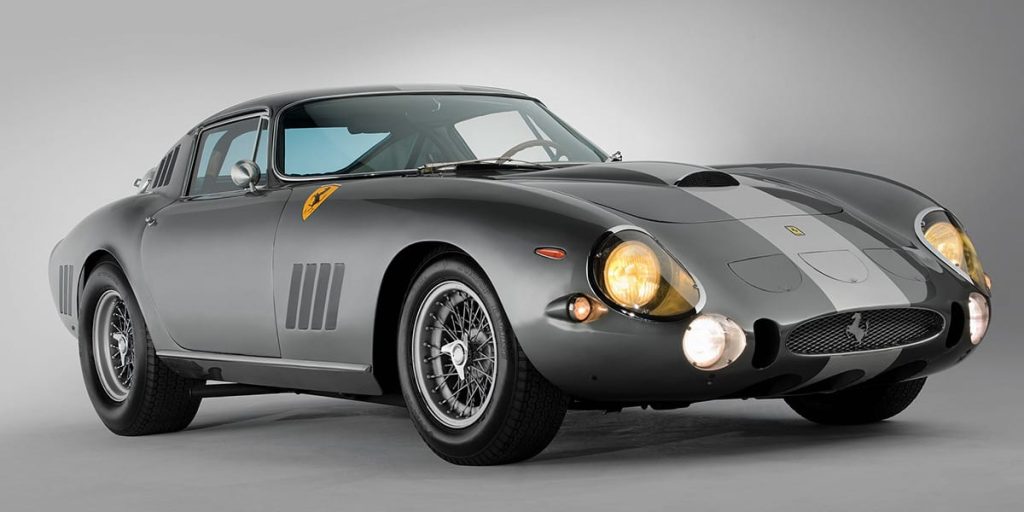
This specific example is notable for its condition and presentation: metallic dark grey with a lighter racing stripe, and it did not participate in the endurance event. That absence from the harshest racing use can help explain its strong preservation—something collectors consider when balancing “race history” against “original condition.”
At auction, some buyers prioritize battle scars and results; others prioritize untouched condition and correctness. Cars like this can appeal to both groups because they carry competition specification while remaining exceptionally presentable.
1967 Ferrari 275 GTB/4*S NART Spider ; $27,500,000
The Ferrari 275 GTB is already one of the most desirable road Ferraris of its era, but the NART Spider specification pushes it into a rarefied realm. For collectors chasing rare specs, production numbers become decisive—and only 10 NART Spiders exist. That kind of scarcity isn’t just low; it’s essentially “membership limited.”
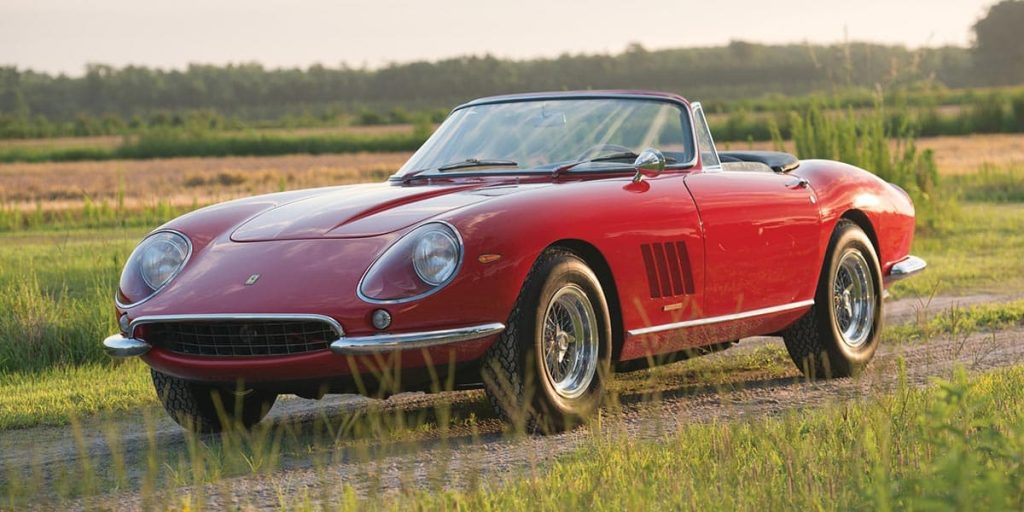
Collectors also obsess over correctness at this level: matching numbers, correct trim and components, documented history. This immaculately restored, number-matching example reached $27.5 million. The philanthropic detail—sale proceeds benefiting charity—adds a positive dimension to the narrative, but the core driver remains rarity plus authenticity.
When only 10 exist, there is no substitute. The only alternative is waiting, sometimes for years, and hoping one becomes available again.
1956 Ferrari 290 MM ; $28,050,000 (Serial: 0626)
Two 1956 Ferrari 290 MMs appear among the highest auction results because they sit at a compelling intersection: built for the Mille Miglia, visually dramatic, and tied to Ferrari’s strongest period racing narrative. This example’s driver association—five-time Formula 1 champion Juan Manuel Fangio—adds major historical weight.
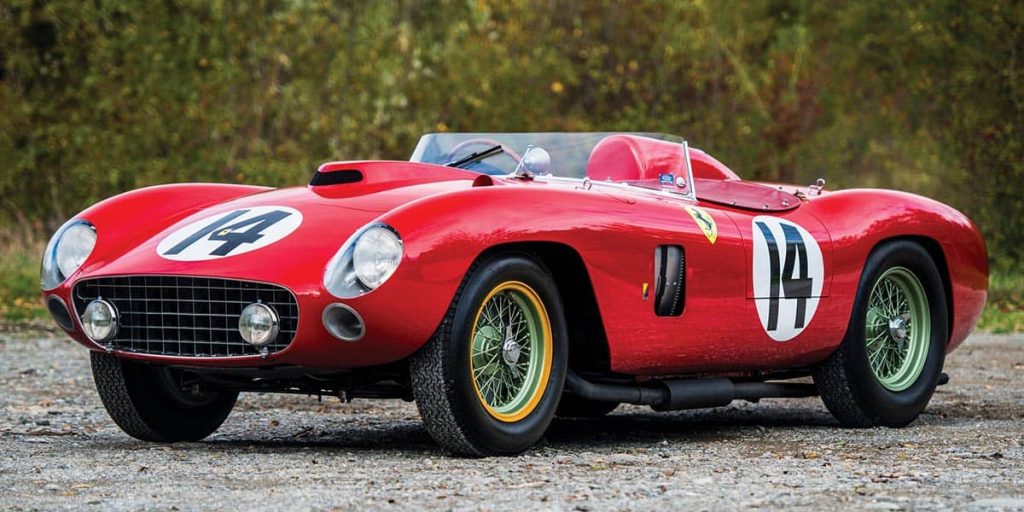
But Fangio alone doesn’t explain $28 million. The 290 MM is also a striking car visually, particularly with its blue-and-yellow front. At the highest auction levels, visual identity matters because buyers often view the car as both a historical object and a display piece. It needs to “read” as extraordinary from across a room.
When rarity, beauty, and legendary association converge, the market’s logic becomes simpler: the bidder who wants it most pays what it takes.
1954 Mercedes-Benz W196 ; $29,600,000
The Mercedes-Benz W196 is one of Formula 1’s most historically valuable machines. Driven by both Sir Stirling Moss and Juan Manuel Fangio during the 1954 and 1955 seasons, it won nine of the 12 races it entered—an extraordinary performance rate that underscores engineering dominance in a highly competitive environment.
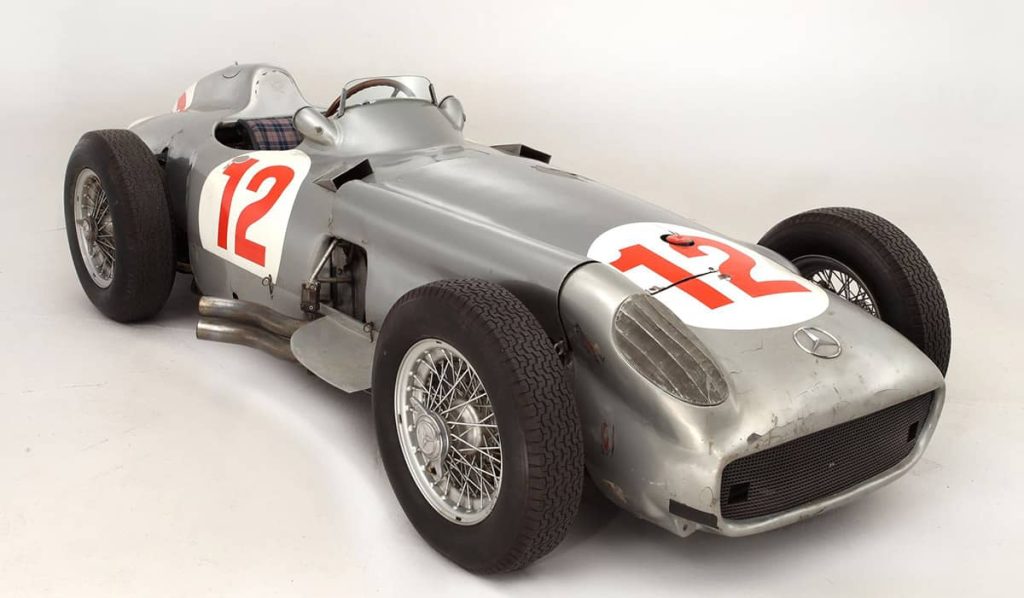
This specific model’s story includes a critical rarity detail: it was the only one not housed in a factory or museum collection, making it uniquely available to private bidders. That matters because many historically important F1 cars are effectively “off-market forever.” When a rare, historically elite F1 car becomes available, the market reacts strongly because opportunities are extremely limited.
Finished in classic silver with racing gumballs, it also holds the distinction of winning the 1954 French Grand Prix. For collectors, that’s the kind of resume entry that doesn’t fade with time—it only becomes more significant.
1957 Ferrari 335 S ; $35,730,510
The Ferrari 335 S is often considered among Ferrari’s most formidable 1950s sports racers. It helped Ferrari secure the Constructor’s World Championship in 1957 and finished runner-up at the Mille Miglia—results that define an era of factory superiority.
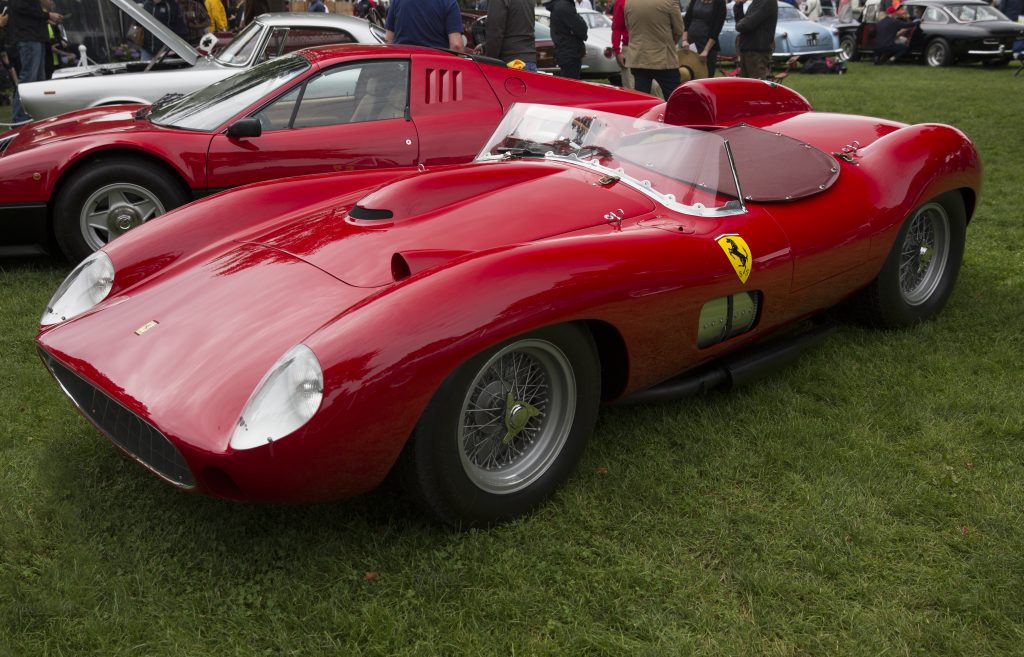
Sold by Artcurial for roughly $35.75 million, it also carries the driver roster that collectors love: handled by major Ferrari pilots of the era such as Peter Collins, Wolfgang von Trips, and Luigi Musso. At this level, drivers function like museum placards. Their association verifies that the car was significant enough to be entrusted to the best.
In auction terms, this is the kind of car that attracts “category buyers”—collectors who specifically acquire only the most important racers from a brand or era. When multiple category buyers converge, records tend to fall.
1962 Ferrari 250 GTO ; $48,405,000 (Serial: 3413GT)
The Ferrari 250 GTO is arguably the most recognized “holy grail” of classic car collecting. It occupies a category where ordinary valuation logic almost disappears because the model is treated as a benchmark of desirability across the entire collector market, not just among Ferrari enthusiasts.
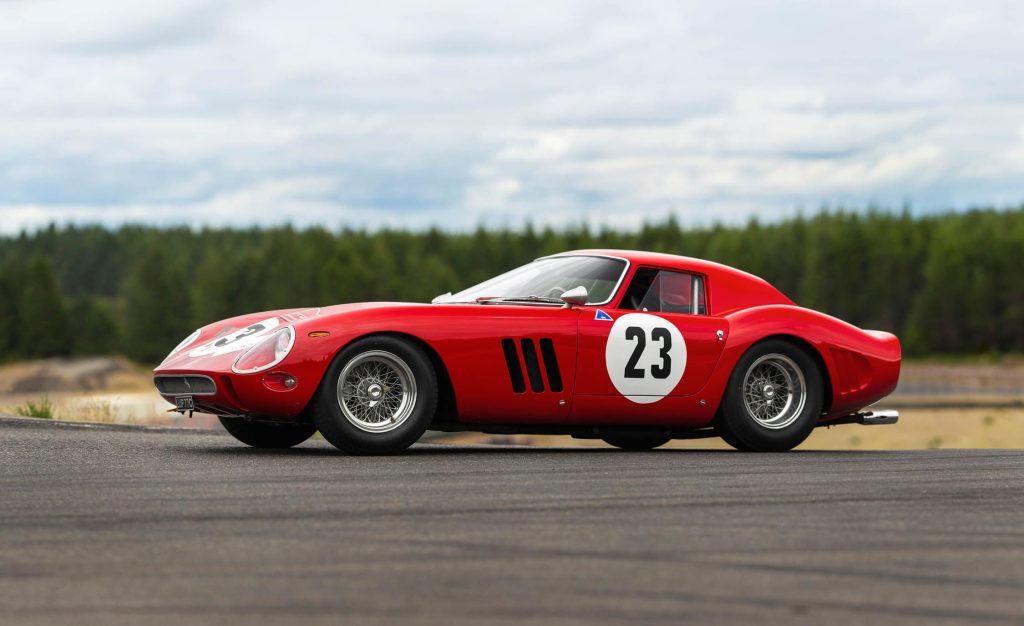
When RM Sotheby’s sold this example for $48.41 million, it reinforced what the market already understood: top-tier GTOs are effectively their own asset class. What separated this higher-priced GTO was its exceptional originality, reportedly retaining over 95% of its original components. In a world where many historic cars have been repaired, updated, re-bodied, or re-engined, that level of originality is priceless because it is irreproducible.
In practical terms, a buyer may be willing to pay an additional $10 million for a car that remains this close to factory-correct reality because it reduces uncertainty and increases long-term historical integrity. At the top end, collectors aren’t only buying a Ferrari—they’re buying the best possible version of a Ferrari that the market recognizes as iconic.
Closing perspective: what these auction results really show is that “most expensive” doesn’t always mean “most powerful.” It often means “most meaningful”—the cars that are rare, verifiable, historically consequential, and visually unforgettable tend to rise to the top, because collectors treat them as irreplaceable pieces of automotive history.

