
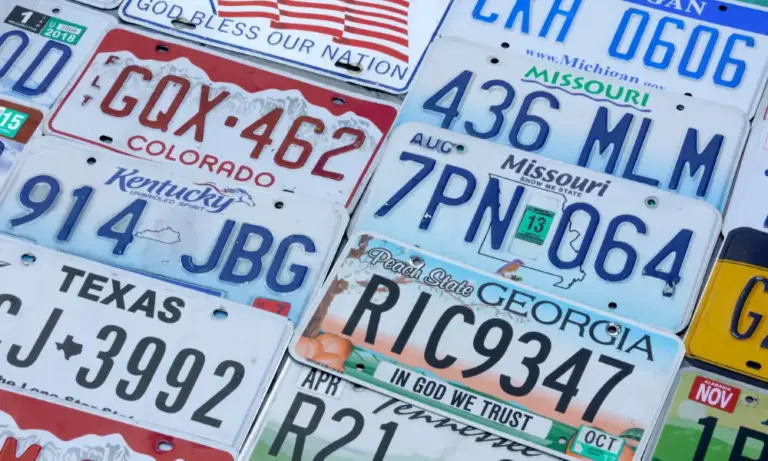
Got a stack of old license plates sitting in the garage? You’re not alone. Most people toss them in a drawer after selling a car or getting new tags and never think about them again—until they trip over them years later.
Here’s the thing: you can recycle, donate, upcycle, or properly dispose of old plates—but you need to do it the right way. Depending on your state, just throwing them in the trash could expose you to identity theft or even legal trouble. Let’s walk through your options so you can clear out the clutter without creating new problems.
Why You Can’t Just Ignore Old Plates
What Happens to Plates When You’re Done With Them?
When your vehicle is sold, totaled, or you simply get new plates, the old ones need to be handled properly. They’re typically made of aluminum—which means they’re recyclable—but they also carry identifying information that can be misused if they fall into the wrong hands.
Before doing anything, peel off any registration stickers. Some people also scratch off or obscure the numbers and letters to prevent misuse, especially if they’re planning to recycle or throw the plates away.
Your State’s Rules Matter (A Lot)
Every state handles retired plates differently. Some require you to surrender your plates to the DMV when you sell a vehicle or move out of state. Others let you toss them in the recycling bin at home. In a few states, you may need to mail them back to the DMV office.
Before you do anything, check your state’s DMV website for specific instructions. Some states even provide guidelines on how to deface and recycle plates correctly. Five minutes of research now can save you from fines or headaches later.
3 Ways to Properly Dispose of Old License Plates
Option 1: Surrender Them at the DMV
The most straightforward route. Visit your local DMV, bring the plates along with your vehicle’s registration and VIN number, and hand them over. Some states charge a small fee for this service, so check ahead of time.
This is the safest method because it officially records your plates as no longer in use—eliminating any future liability.
Option 2: Mail Them In
Can’t make it to the DMV? Many states let you mail your plates back. Contact your state’s DMV for the correct mailing address, and include a note with your vehicle’s VIN and registration details.
Use certified mail or a traceable shipping method so you can confirm the DMV received them. This is especially useful if you’ve moved out of state and can’t easily visit your old DMV in person.
Option 3: Destroy Them at Home
If your state allows it, you can cut your plates into smaller pieces at home using heavy-duty scissors or tin snips. Make sure to scratch off or completely cover any registration decals so nobody can reuse them.
Once they’re cut up and defaced, the pieces can go into your recycling bin—assuming your local program accepts scrap aluminum.
Recycling and Upcycling: Give Old Plates a Second Life
Drop Them at a Recycling Center
Most license plates are aluminum, which is one of the easiest materials to recycle. Check if your local recycling center or scrap metal dealer accepts old plates. Just remember to remove any stickers or decals first—those aren’t recyclable.
Recycling your plates keeps them out of the landfill and reduces the demand for new raw materials. Simple, responsible, done.
Turn Them Into Something Cool
If you’re the crafty type, old license plates are surprisingly versatile. Here are a few ideas people actually do:
- Planters — Bend a plate into a cylinder, attach it to a wooden board, add soil and plants for a rustic garden feature.
- Wind chimes — Drill holes in the bottom and hang old spoons or scrap metal. The wind does the rest.
- Wall art or signs — Cut out letters or shapes and mount them. Great for a garage, man cave, or kid’s room.
- Ornaments — Cut plates into snowflakes, hearts, or stars for holiday decorations.
- Garden markers — Label your herb garden or flower beds with cut plate pieces.
- Lampshades — Repurpose plates into a unique, industrial-style light fixture.
Not into crafts? Some vintage plates are actually valuable to collectors. Check online marketplaces—you might be surprised what people will pay for plates from certain states or years.
How to Protect Yourself From Plate Misuse
Deface Them Before Disposal
Old plates that are still legible can be stolen and used for criminal activity. Before you dispose of yours—whether recycling, trashing, or donating—take a few steps to make them unusable:
- Use a permanent marker to obscure the letters and numbers
- Bend or cut the plates — aluminum plates bend easily by hand; older iron or steel plates may need a hammer or pliers
- Don’t leave plates in accessible areas before disposal — keep them stored securely until you’re ready to get rid of them
Some states—including New York, Connecticut, and Maryland—require you to surrender plates directly to the DMV. That’s not a suggestion; it’s the law.
The Legal Risks of Doing It Wrong
Tossing plates in the trash without defacing them isn’t just careless—it can create real legal problems. States like Florida, Kentucky, and Pennsylvania may impose fines if plates aren’t surrendered according to their rules.
In Alaska and Nevada, failing to return plates can actually void your insurance, which sets you up for a nightmare if there’s an accident or vehicle sale. States like Vermont, South Carolina, and Wyoming have specific recycling rules for old plates. Bottom line: you’re responsible for your plates until they’re properly disposed of.
Need Replacement Plates? Here’s How to Get Them
Getting New Plates Issued
If your current plates are damaged, lost, or stolen, visit your local DMV or their website. Many states let you apply online. You’ll fill out a form, pay a replacement fee (varies by state), and provide your current registration.
For stolen plates, some states require a police report. Once your application is processed, new plates—usually with fresh registration stickers—arrive by mail within a few weeks. If possible, bring a photograph of the damaged plate to speed things up.
Keep Your Registration Current
While you’re handling plates, make sure your registration is up to date. Renewal notices typically go out a month or two before expiration. You can renew online, by mail, or in person at the DMV.
Have your proof of insurance and any required emissions test results ready. Once you pay the renewal fee, you’ll get new stickers for your plates. Letting registration lapse can mean fines, so don’t sit on it.
Don’t Forget the Paperwork
Fees for Plate Disposal
Depending on your state, there may be a small handling fee when you surrender plates at the DMV or a recycling center. Check with your local office so you’re not caught off guard. When you pay, always get a receipt—it’s your proof that the plates were properly disposed of.
Keep Proof of Disposal on File
Whether it’s a DMV receipt, a confirmation email, or a certified mail tracking number, hang onto your proof of disposal. File it with your vehicle’s other important documents—registration, insurance papers, title.
This documentation protects you if the plates are ever misused after they leave your hands. It also shows you followed state regulations, which matters if questions come up later about your vehicle’s registration history.
Old license plates are one of those things that seem harmless to ignore—until they’re not. Whether you recycle them, turn them into garden art, or surrender them at the DMV, just make sure you handle them properly. It takes 10 minutes and saves you from potential fines, fraud, or legal hassles down the road.