
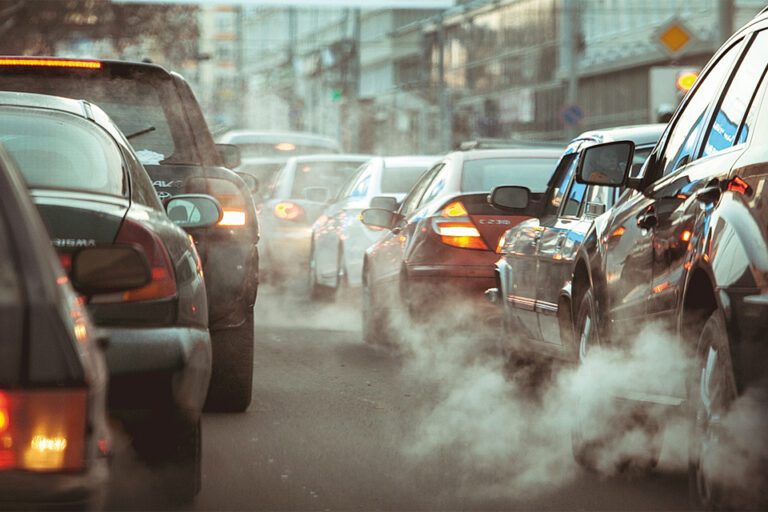
If you drive in New York, emissions testing is part of the deal. It helps keep the air cleaner, and yes, your vehicle has to pass. The good news is that this usually isn’t some mysterious process. If you know what inspectors are looking for and prep your car ahead of time, you can avoid a lot of hassle.
In this guide, we’ll walk through how New York emissions testing works, which vehicles are subject to inspection, what to check before you go, what it may cost, and what to do if your car fails. If your inspection date is coming up, this is the checklist you want in your glove box.
How New York Emissions Testing Really Works
What Happens During the Emissions Inspection
New York State is required by the federal Clean Air Act to run an emissions inspection program. The goal is simple: reduce harmful emissions from passenger cars and light-duty trucks.
Your vehicle will usually need an emissions test if it’s:
- Gasoline-powered and model year 1996 or newer
- Diesel-powered and model year 1997 or newer
- Under a GVWR of 8,501 pounds
- Up to 25 years old
The emissions inspection—sometimes called a smog check—is done at the same time as your annual safety inspection. So when you go in, you’re not just checking tailpipe-related systems. You’re also dealing with brakes, tires, lights, and other road-safety basics.
One of the biggest deal-breakers is the check engine light. If it’s on, your odds of passing drop fast. And here’s the part that trips people up: clearing the codes without fixing the actual problem won’t help. The inspection station’s computer can still detect the issue.
What the Safety Inspection Checks at the Same Time
New York’s annual safety inspection looks at the parts of your vehicle that affect how safely it operates on the road. That includes the obvious items, like brakes and tires, but also components many drivers don’t think about until something fails.
During the safety inspection, the shop may check:
- Brakes
- Steering
- Suspension
- Tires
- Lights
- Windows
- Mirrors
- Other essential components
A smart move is doing your own quick once-over before the appointment. That’s especially helpful if your inspection sticker is about to expire and you don’t want to get blindsided by something simple, like a bad bulb or worn wiper blades.
Pay extra attention to these items:
- Tires: Check inflation and tread depth
- Lights: Make sure headlights, taillights, brake lights, and turn signals work properly
- Windshield: Look for cracks, chips, or damage, and make sure the wipers are in good shape
- Mirrors: Confirm they’re secure and undamaged
If you stay current with your yearly inspection under the New York Vehicle Inspection Program, you’re not just keeping your registration valid—you’re also reducing the chances of a last-minute failure.
Which Vehicles Need Inspection—and Which Ones Don’t
Motorcycles
Motorcycles still need a New York State vehicle safety inspection. That said, they’re exempt from emissions testing.
So if you ride, you don’t need to worry about the emissions side of the inspection. You do still need to keep the bike properly maintained so it meets the state’s minimum safety standards.
Diesel Vehicles
Diesel vehicles are subject to emissions testing in New York, and the exact test depends on the vehicle’s age and weight. The purpose is to make sure the exhaust stays within legal emissions limits.
If you own a diesel, routine maintenance matters even more here. A diesel engine that’s been neglected tends to advertise that fact during inspection.
Electric Vehicles
Electric vehicles don’t produce tailpipe emissions, but they’re still subject to New York State vehicle safety inspections. So while the emissions piece doesn’t apply, the safety inspection absolutely does.
That means tires, lights, brakes, and the rest still need to be in proper working order. Zero tailpipe emissions doesn’t mean zero inspection.
Out-of-State Inspections
If you recently moved to New York and your vehicle still has a valid out-of-state inspection, you’re not off the hook for long. You still need to register and inspect the vehicle in New York within 10 days of registration.
And if you’ve got some kind of extension from another state, don’t assume New York will honor it. In most cases, the safest move is to get inspected as soon as your vehicle is registered here.
Historic Vehicles
Historic vehicles with historical plates in New York still need a safety inspection, but they do not need an emissions inspection. That makes life a little easier for owners of older collector vehicles.
Even so, the responsibility doesn’t go away. If you own a historic vehicle, keeping it roadworthy is still part of the deal.
How to Prepare Before You Pull Into the Inspection Bay
Showing up unprepared is one of the easiest ways to waste time—and sometimes money. Before your New York inspection, make sure both your paperwork and your vehicle are ready to go.
Bring Proof of Identification
Have a valid form of ID with you when you arrive. A driver’s license or state-issued ID will typically work.
You should also bring your vehicle registration. The inspection is tied directly to the registration, so having that paperwork on hand helps prevent delays.
Bring Proof of Insurance
You’ll also want proof of current insurance coverage. A physical insurance card works, and in many cases, a digital version on your phone will too.
Just make sure the insurance information matches the vehicle registration details. If those don’t line up, the inspection process can get messy fast.
Beyond paperwork, give your car a quick pre-inspection check. It doesn’t need to be perfect, but it should be in decent shape.
Here’s a simple checklist worth doing the day before:
- Check the check engine light: If it’s on, fix the problem before the inspection
- Inspect the tires: Make sure they’re properly inflated and not badly worn or damaged
- Replace the air filter if needed: A clean air filter helps the engine run more efficiently and can lower emissions
- Check the gas cap: It should be secure, undamaged, and sealing properly
A loose gas cap sounds minor, but it can absolutely cause problems during inspection. The same goes for a warning light you were planning to “deal with later.” New York’s test equipment doesn’t care about good intentions.
What Inspectors Actually Check During the Test
New York’s inspection process is built around both safety and emissions compliance. Knowing what’s being checked makes it much easier to prepare instead of guessing.
OBDII Emissions Inspection
If your vehicle is gasoline-powered and model year 1996 or newer, or diesel-powered and model year 1997 or newer, you’ll most likely need an OBDII emissions inspection.
This test checks your vehicle’s On-Board Diagnostics system. That system monitors major engine components and the emissions systems that keep the car within legal limits.
If the OBD system sees a problem—or if warning lights are active—you’re setting yourself up for a failure. The best approach is simple: deal with those issues before the appointment, not in the parking lot outside the station.
Emissions Control Devices
Your vehicle also needs its emissions control equipment to be present and working correctly. These parts are there to cut down on harmful pollutants, and inspectors expect them to function as designed.
Some of the common emissions control devices include:
- Catalytic converter: Converts harmful exhaust gases into less harmful emissions
- Exhaust gas recirculation (EGR) system: Helps reduce nitrogen oxide emissions
- Positive crankcase ventilation (PCV) valve: Helps reduce pollution caused by blow-by gases
- Evaporative emissions control (EVAP) system: Prevents fuel vapors from escaping into the atmosphere
If one of these systems isn’t working, the car may still drive “fine” in everyday life. But inspection equipment is much less forgiving than your daily commute.
Gas Cap Test
Your gas cap gets checked too. A missing, loose, or damaged gas cap can allow fuel vapors to escape, which increases emissions and can lead to a failed test.
Before the inspection, inspect the cap for cracks, wear, or damage. If it doesn’t seal tightly, replace it. This is one of the cheapest problems to fix before it becomes an inspection failure.
Tampering Will Cost You
New York doesn’t play around with emissions tampering. It’s illegal to disconnect, alter, remove, or intentionally modify emissions-related components.
That includes anything that affects how your vehicle controls or reports emissions. The inspection is designed to verify that required devices are still there and still functioning, so trying to outsmart the system can lead to fines, penalties, and a failed inspection.
If your goal is to pass, keep the emissions system intact and repair it properly when something goes wrong.
The Safety Components That Can Make or Break Your Inspection
Emissions get most of the attention, but the safety inspection can fail your vehicle just as easily. Here’s what you should look at before you go.
Brakes
Your braking system needs to be in good working order. Inspectors will want to see that the major components are functioning properly and that there are no obvious safety issues.
Check these basics:
- Brake pads and rotors are functioning correctly
- Brake fluid is topped off
- Brake hoses and lines are in good shape and not leaking
Tires
Tires are one of the easiest things to check yourself, and one of the easiest ways to fail if you ignore them.
Make sure:
- Tread depth meets the minimum requirement of 2/32 inches
- Tire pressure is within the recommended range
- Sidewalls don’t show cracking, bulging, or damage
If a tire looks questionable now, it’ll probably look worse under inspection lighting.
Lights
Burned-out bulbs are one of those frustratingly avoidable reasons people fail. Before your appointment, walk around the car and check every light.
- Headlights
- Taillights
- Brake lights
- Turn signals
Also make sure the lenses are clean and not cracked, and that the headlights are aimed correctly.
Steering and Suspension
Your steering and suspension affect how the vehicle handles, tracks, and responds. If something feels loose, clunky, or unstable on the road, don’t ignore it before inspection.
Check or have someone check:
- Tie rods, ball joints, and control arms
- Shock absorbers and struts
- Front-end alignment
Windshield Wipers and Chassis
Visibility matters, especially in New York weather. Worn wipers and a dry washer reservoir are small issues—until they aren’t.
- Replace worn or damaged wiper blades
- Top off windshield washer fluid
- Inspect the chassis for rust, corrosion, or visible damage
Wheel Fasteners and Frame
This is the kind of stuff most drivers never think about until a mechanic points it out. But it matters.
- Wheel fasteners should be tightened to the manufacturer’s torque specification
- The frame should be free from cracks or serious damage
- There shouldn’t be excessive rust or corrosion on the frame
Taking a little time to check these items before inspection can spare you the aggravation of a preventable failure.
What New York Emissions Testing Costs—and the Fines to Avoid
Inspection Fees
The amount you’ll pay depends on where you are in the state and which test your vehicle needs. In the New York Metropolitan Area, the NYVIP OBD II test costs $27.00.
In other areas, the NYVIP low enhanced test costs $11.00. Those prices do not include the separate safety inspection charge.
Late Fees and Registration Trouble
Your inspection needs to be done every year. If you miss the deadline, you may run into late fees tied to registration and inspection timing, though the NY DMV doesn’t spell out one universal late-fee amount.
What it does say is this: you can’t renew your registration if New York State DMV records don’t show an inspection within the past 12 months. So even if you’re not immediately fined, putting it off can create a bigger paperwork problem fast.
The $10 State Surcharge
New York adds a $10 state surcharge to the cost of inspection. This applies to vehicles undergoing either an emissions test or a safety inspection.
It’s a standard fee, so don’t be surprised when the total is higher than the base test cost. If you’ve dealt with inspections in other states, you may have seen similar surcharges there too.
Fines for Driving Without a Valid Inspection Sticker
Driving with no valid inspection sticker—or with an expired one—can cost you. In New York State, the fine can range from $25 to $50, plus any court fees.
If you want to avoid that completely, renew your inspection sticker on time and follow DMV requirements. It’s a lot cheaper than explaining an expired sticker to a judge.
Exemptions and Waivers: When the Rules Change
Vehicles That May Be Exempt from Smog Checks
Not every vehicle gets the same treatment under New York emissions rules. Some are exempt, depending on model year or powertrain.
Examples mentioned under New York rules include:
- Model year 1995 or older: Exempt from the OBDII test
- Electric vehicles: Exempt from smog checks because they don’t produce emissions
- Newer hybrids: May be exempt from certain types of emissions testing
Rules can vary depending on the specific vehicle, so if there’s any doubt, confirm it with the New York DMV or a local inspection station before your appointment.
How an Emissions Testing Waiver Works
If your vehicle fails, that doesn’t automatically mean you’re out of options. New York does offer waivers in certain cases, but you have to meet specific requirements.
To qualify for an emissions waiver, you generally need to show three things:
- Retest: After the initial failure, the vehicle must go through a retest
- Repairs: You need proof of emissions-related repairs that exceed the required cost threshold
- Test results: The vehicle must be close to the allowable emissions limit, even if it still doesn’t fully pass
That last part matters. A waiver isn’t for vehicles that are wildly out of compliance. It’s for vehicles that have been repaired, retested, and are still just short of passing.
To apply, contact the New York State Emissions Inspection Program and submit the required documentation. Keep every repair receipt. Without paperwork, the process gets much harder.
What to Do If Your Vehicle Fails the Inspection
OBDII Retest: Don’t Rush It
If your vehicle fails the emissions inspection, don’t panic. Your next step is to identify the reason, fix it, and go back for an OBDII retest.
One important detail: after repairs, you may need to drive the vehicle for a few days before the OBDII system resets and recognizes that the problem is gone. That’s known as the drive cycle, and it varies by make and model.
During that period, don’t clear the codes again. Doing that can reset the monitoring system and drag out the process even longer. This is one of the most common reasons people fix the issue but still aren’t ready for the retest.
Typical Repair Costs You Might Be Facing
Repair costs vary depending on what failed and what kind of vehicle you have. Some fixes are cheap. Others, not so much.
Here are a few typical repair-cost estimates:
- Replacing the oxygen sensor: $100–$300
- Replacing the catalytic converter: $800–$2,500
- Fixing a damaged gas cap: $15–$50
- Replacing an ignition coil: $100–$250
Those are just estimates, of course. Your actual cost depends on the vehicle, the shop, and how serious the issue is.
If you’re trying to keep repair costs under control, here are a few practical ways to do it:
- Shop around: Get quotes from more than one repair shop
- Buy parts yourself: In some cases, supplying the part can reduce the final bill
- Handle small repairs yourself: Only if you have the tools and know-how
- Check the owner’s manual: It may mention warranties or manufacturer guidance for emissions-related repairs
The goal isn’t just to pass the retest. It’s to fix the problem once, fix it correctly, and avoid paying for the same issue twice.
How to Find the Right New York Inspection Station
Finding an inspection station in New York is usually pretty straightforward. Licensed stations display a yellow and black sign that reads “Official Inspection Station.” If you see that sign, you’re in the right place.
The New York DMV also provides tools and location resources on its website, which makes choosing a convenient station a lot easier. If you’re new to the state or just trying to find a shop closer to home or work, that’s the fastest way to narrow it down.
There are three main types of testing mentioned in New York:
- Low enhanced emissions test
- OBDII test
- Diesel test
The test your vehicle gets depends on its age and fuel type. For example, hybrid and gasoline-fueled vehicles that are 25 model years old or older require the low enhanced emissions test, which costs $11. All other hybrid and gasoline-powered cars that are less than 25 years old generally need the OBDII test.
Before you head out, do one last check: bring your paperwork, make sure the tires and fluids are in decent shape, and deal with any warning lights first. A little prep makes the inspection a whole lot less painful.
Check your inspection date now—not next week, not when the sticker’s already expired. A warning light, a loose gas cap, or a missed deadline can turn a routine inspection into an avoidable mess.