
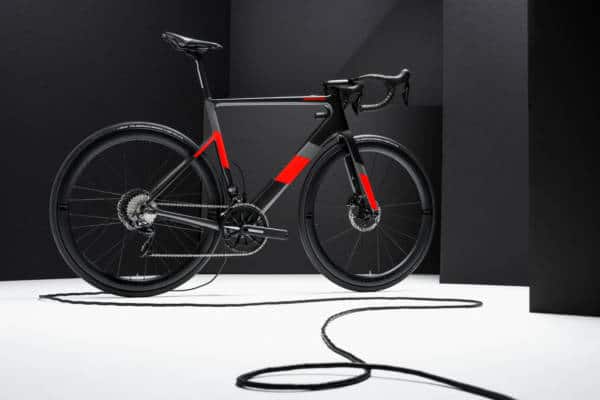
Shopping for a bike sounds simple — until you realize just how many types of bicycles exist. Road bikes, mountain bikes, e-bikes, cargo bikes, fat bikes, folding bikes… it gets overwhelming fast.
But here’s the upside: with that many options, there’s almost certainly a bike that fits exactly what you need. The trick is knowing what each type does best and who it’s built for. Let’s run through 19 types of bicycles so you can figure out which one belongs in your garage.
1. Road Bike — Built for Speed on Smooth Pavement
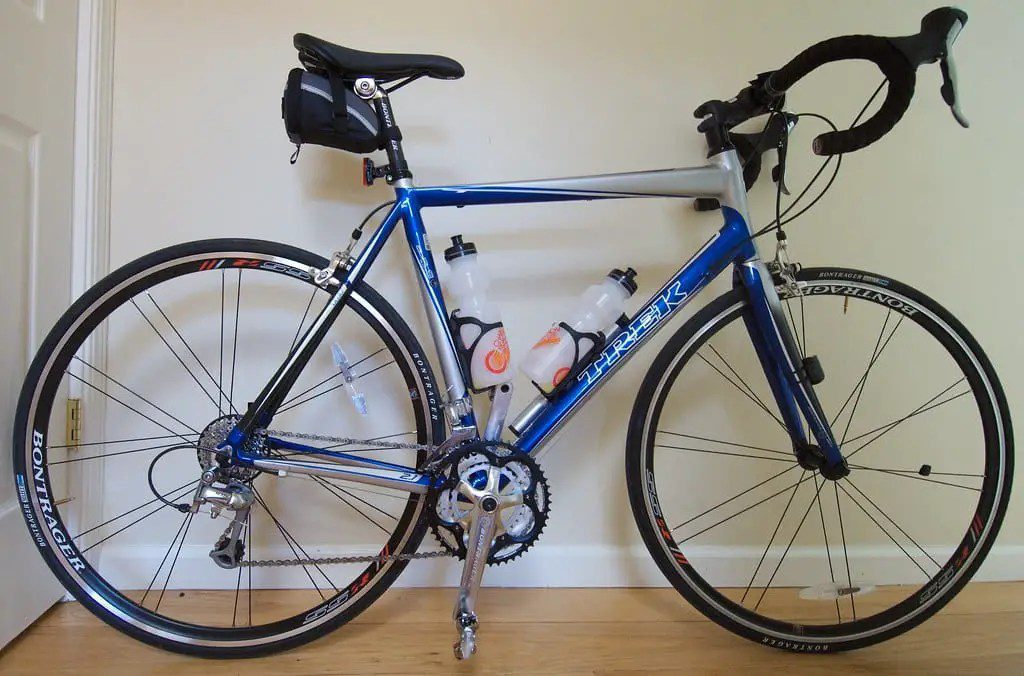
Road bikes are one of the oldest bicycle types, and while the technology has evolved, the basic shape hasn’t changed much. Lightweight aluminum or carbon frames put the rider in a forward-leaning, almost horizontal position over the pedals — designed purely for aerodynamics and speed.
They typically have no suspension, which means they’re uncomfortable on anything rougher than smooth pavement. Some models include rear rack mounts, but the lightweight spokes and rims aren’t built to handle heavy loads. If your riding is mostly on paved roads and you want to go fast, this is your bike. If you’re planning to hit gravel or trails, look elsewhere.
2. Mountain Bike — Made to Handle the Rough Stuff
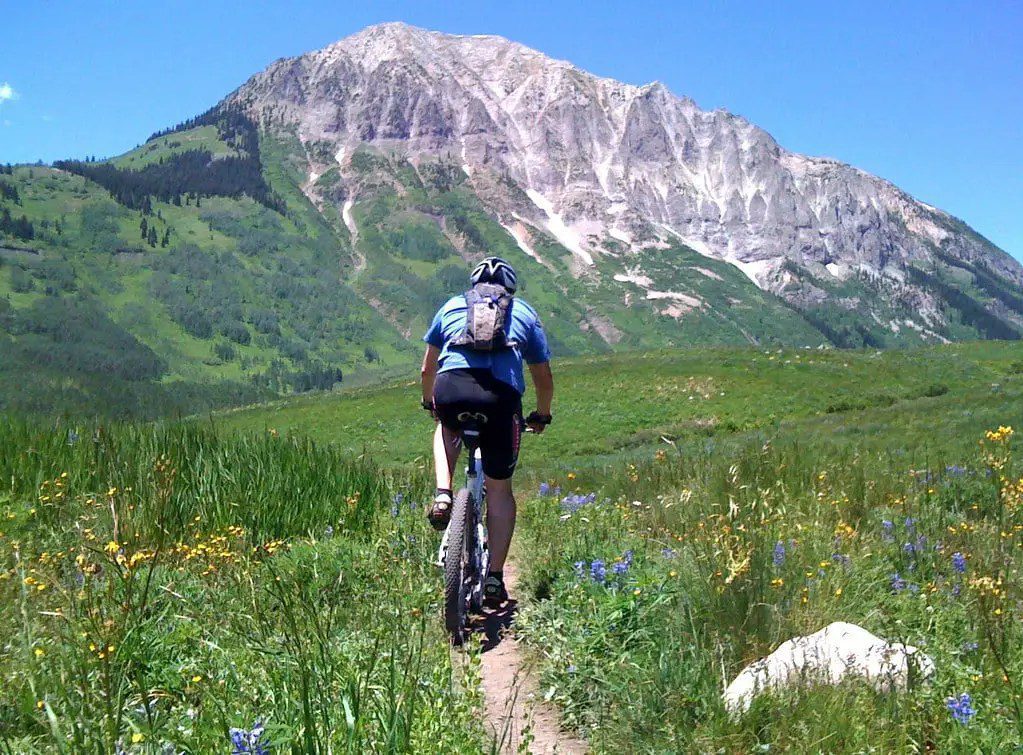
Mountain bikes are built for off-road trails, rocky terrain, and steep climbs. They’re chunkier than road bikes, with knobby tires for traction and frame geometry designed to absorb punishment.
Suspension is where the options get interesting:
- Hardtail — Front suspension only, rigid in the back. Good for cross-country and smoother trails.
- Full-suspension (full sus) — Front and rear suspension to cushion jumps, drops, and rough terrain.
- Rigid — No suspension at all. Lighter and simpler, but less forgiving.
If your riding is primarily off-road — trails, mountains, dirt — a mountain bike is the obvious choice.
3. Touring Bike — Your Long-Distance Travel Companion
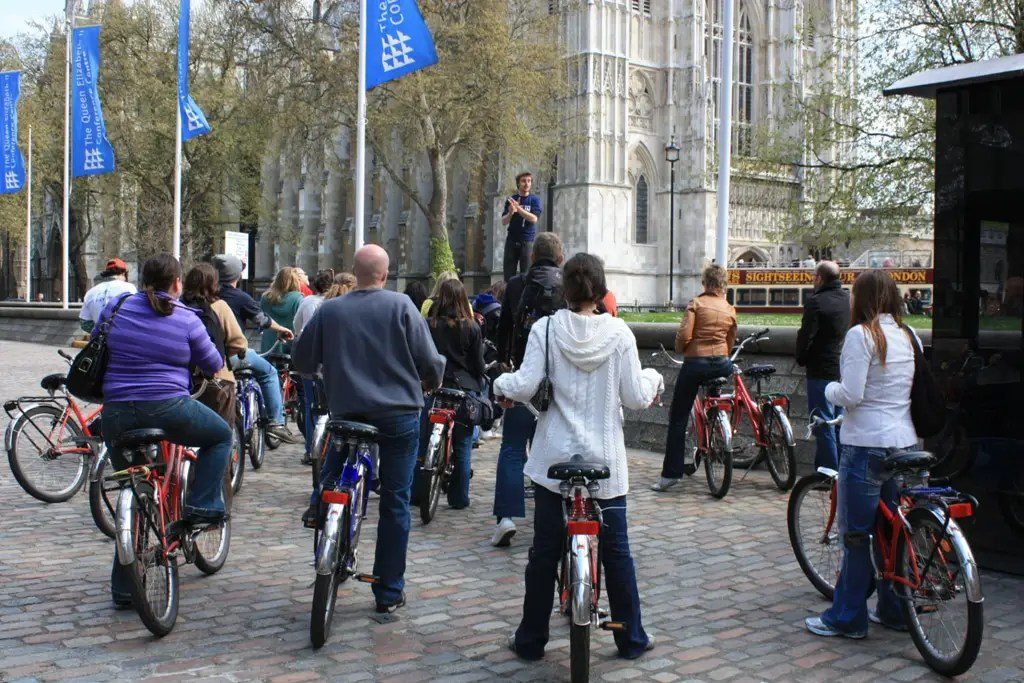
Touring bikes look a lot like road bikes, but they’re engineered for long-distance journeys with heavy loads. They’re covered in attachment points for fenders, pumps, lights, racks, water bottles, and other accessories — basically everything you’d need for multi-day rides.
The frames are sturdier to handle fully loaded front and rear racks, and the wheelbase is longer for better stability and control. That lower center of gravity makes a real difference when you’re carrying 30+ pounds of gear.
Most touring bikes come with disc brakes for reliable stopping power (especially on wet or unpaved surfaces) and wider or semi-knobby tires that can handle gravel roads without any drama.
4. Hybrid Bike — A Little Bit of Everything
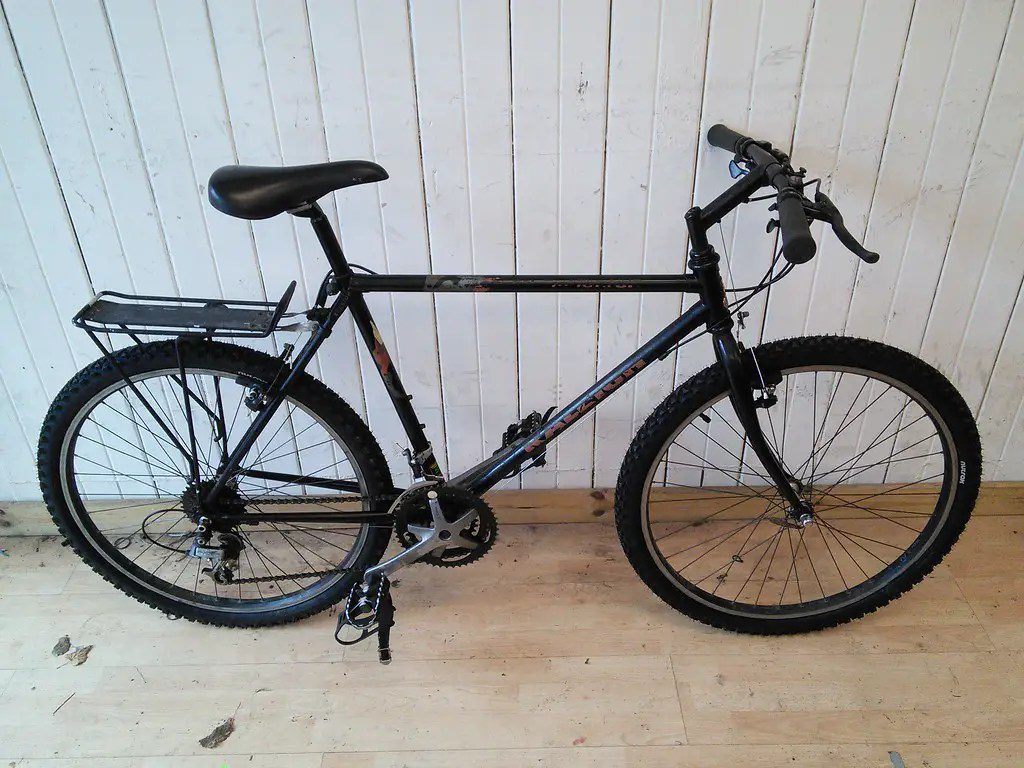
A hybrid bike is exactly what it sounds like — a blend of road bike and mountain bike features. It has tires that work on both pavement and dirt, an upright riding position, and flat handlebars (not the drop bars you’d find on a road bike).
The trade-off? It won’t excel at serious road racing or aggressive mountain biking. But that’s not what it’s for. If you’re a beginner who wants a comfortable, versatile bike for casual rides, commuting, or light trail use, a hybrid is a great starting point.
5. Cyclocross Bike — The Year-Round Road Bike
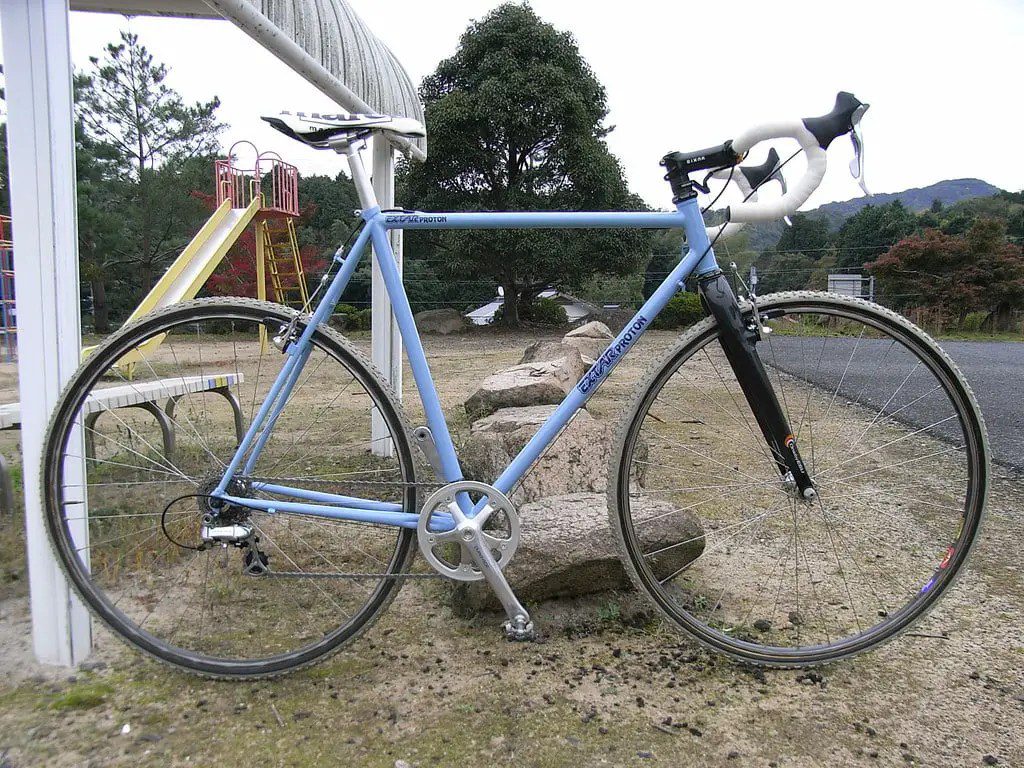
Cyclocross bikes — often called “cross bikes” — were born from road cyclists who wanted to keep training through winter. They’d swap their slick road tires for knobbier ones and hit the trails. Eventually, that idea became its own bike category.
The easiest way to spot a cross bike? It has drop handlebars like a road bike but with enough clearance around the wheels for knobby tires and mudguards. It rides and feels closer to a road bike than a hybrid — faster and more responsive — but it can handle off-road terrain too. If you want one bike that works on pavement and dirt year-round, this is worth a serious look.
6. Folding Bike — The Commuter’s Secret Weapon
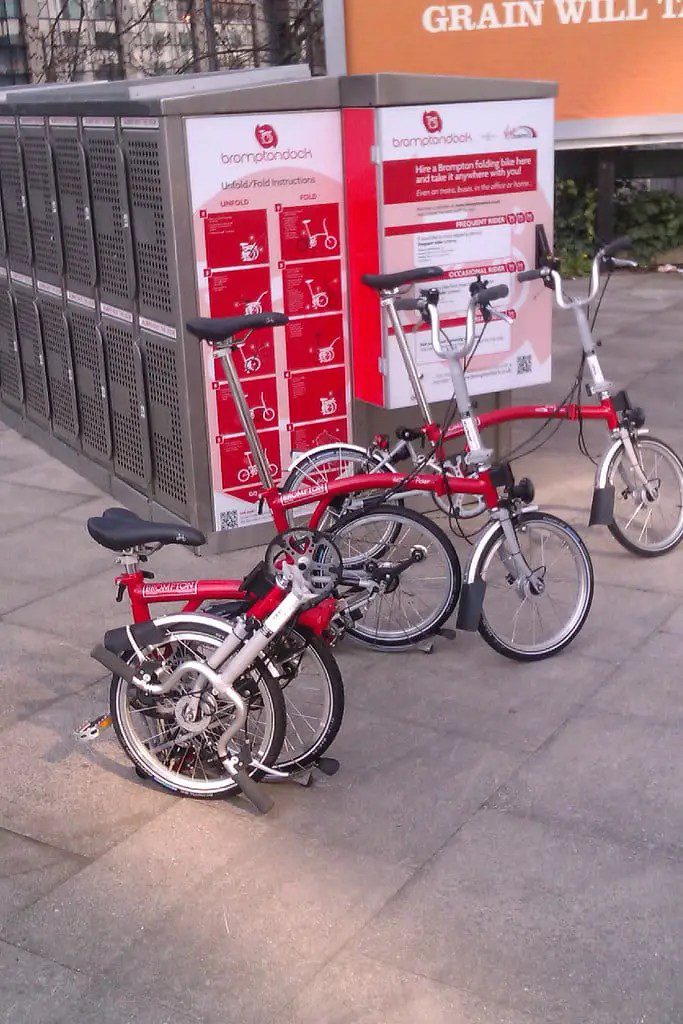
Folding bikes collapse into a compact package you can carry onto a train, tuck under a desk, or stash in a hallway closet. Brompton is the brand most people think of, but there are plenty of options out there.
They feature upright designs, folding frames, and small wheels. If your commute involves a bus or train connection, or you want to own a bike but don’t have space to store a full-sized one, a folding bike solves both problems at once.
7. City Bike — Purpose-Built for Urban Riding
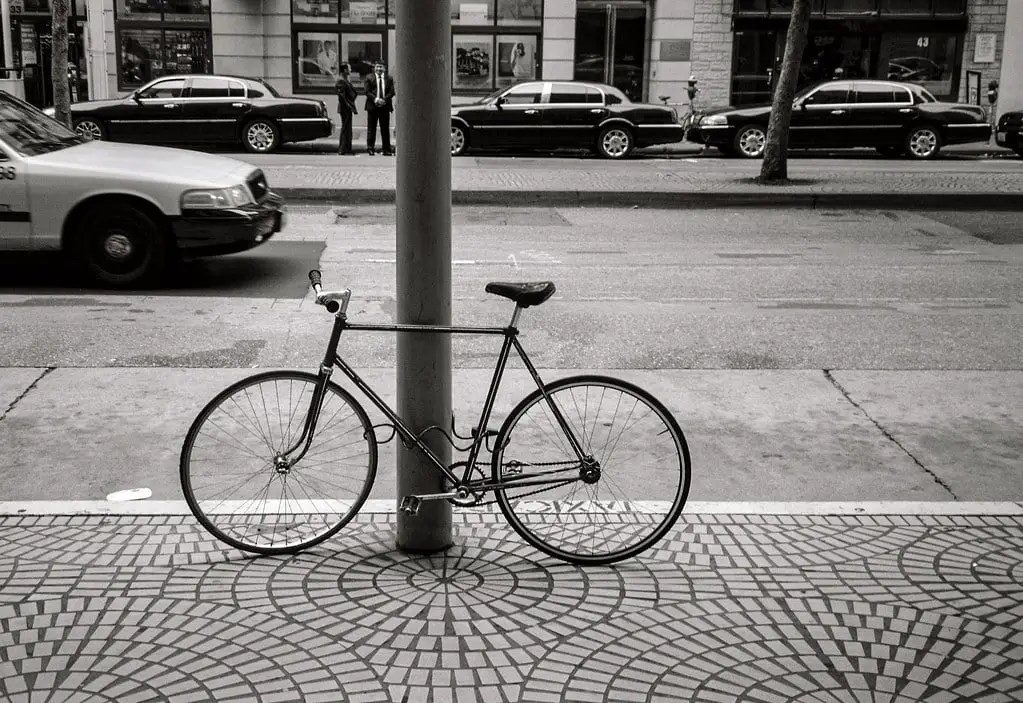
City bikes often get confused with hybrids, but they’re not the same thing. While hybrids are designed for both on-road and off-road use, city bikes are optimized specifically for urban riding. Could you take one on a light trail? Sure. But the components and comfort level are built for city streets.
These bikes prioritize comfort and convenience. The handlebars sit higher than the saddle for an upright position, and the saddle itself is usually soft and cushioned. Most city bikes come loaded with practical features: fenders, racks, a basket, lights, a dynamo hub, a bell, and hub gearing. You hop on, ride to work or the store, and everything you need is already built in.
8. Fixed Gear / Track Bike — Simple, Raw, and Unforgiving
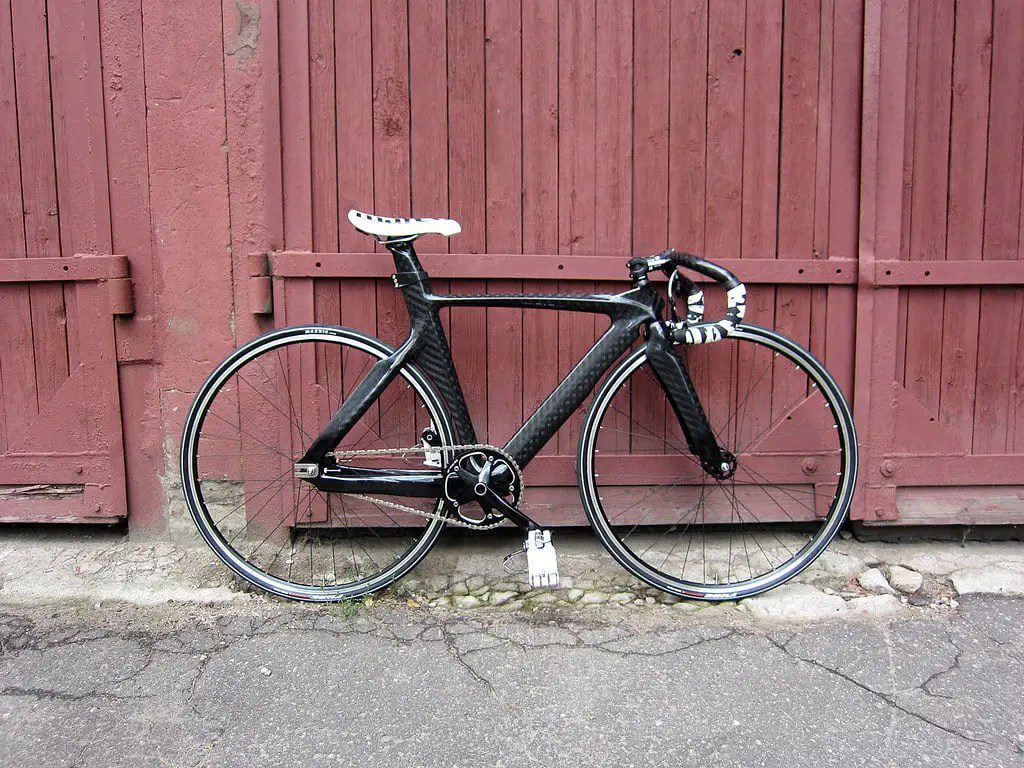
Fixed gear bikes — “fixies” — are the stripped-down purists of the cycling world. They have a single fixed gear, which means you can’t coast or freewheel. If the wheels are turning, your legs are turning. To slow down, you resist the pedals with your leg strength.
They’re mainly used by racers and athletes training for track events, though they’ve also become popular with urban riders who appreciate the simplicity. Some fixies have brakes; others don’t. The riding style demands a higher pedaling cadence and constant leg engagement. It’s not for everyone, but the riders who love them are passionate about the direct, unfiltered connection to the road.
9. Cruiser Bike — Relaxed Rides on Flat Ground
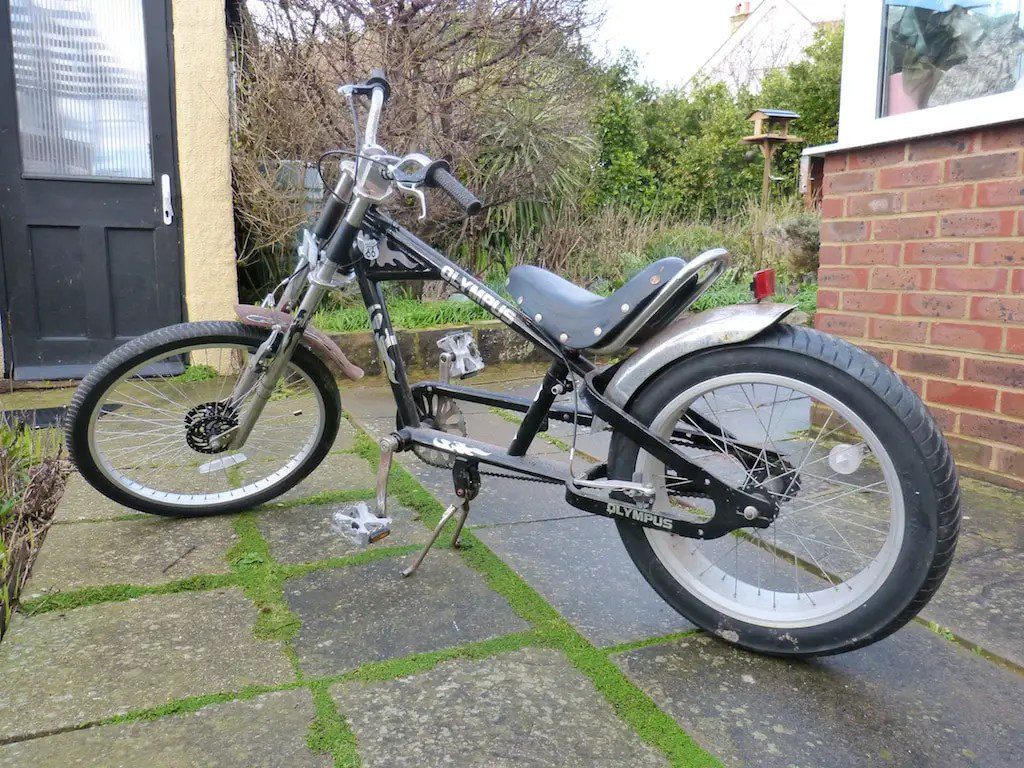
Sometimes called “beach cruisers,” these bikes are built for one thing: comfortable, leisurely rides. Upright riding position, wide tires, and usually loaded with accessories like fenders, kickstands, and baskets.
Cruisers work great on paved paths, boardwalks, and light gravel. They’re not built for serious road cycling or mountain biking — and they’re not trying to be. If you want something for short, relaxed rides where comfort matters more than speed, a cruiser is hard to beat.
10. Electric Bike — Pedaling with a Built-In Boost
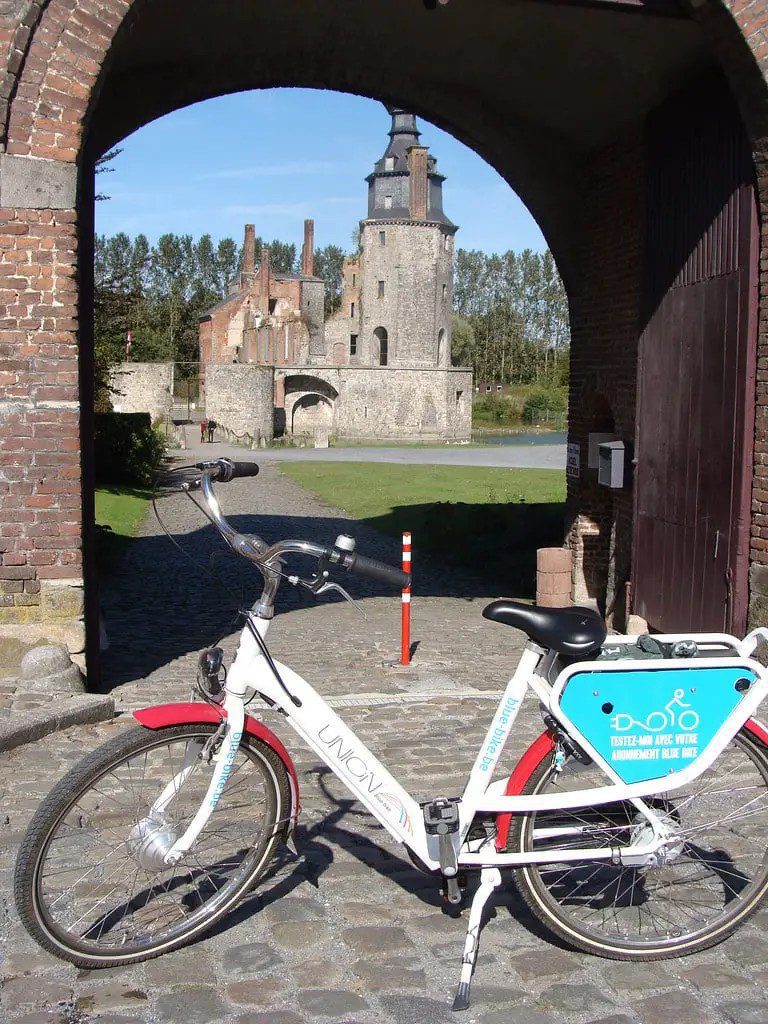
Electric bikes — e-bikes — are regular bicycles with a battery and a quiet motor. They’re a bit heavier than standard bikes, but the payoff is huge: when you start pedaling, the motor kicks in and gives you a boost, like riding with a strong tailwind at your back. Hills that used to make you groan? Barely noticeable.
The best part is that e-bikes come in nearly every style — road, mountain, cruiser, cargo, folding. Whatever type of bike you need, there’s probably an electric version of it.
11. Fat Tire Bike — Rolling Over Sand, Snow, and Soft Terrain
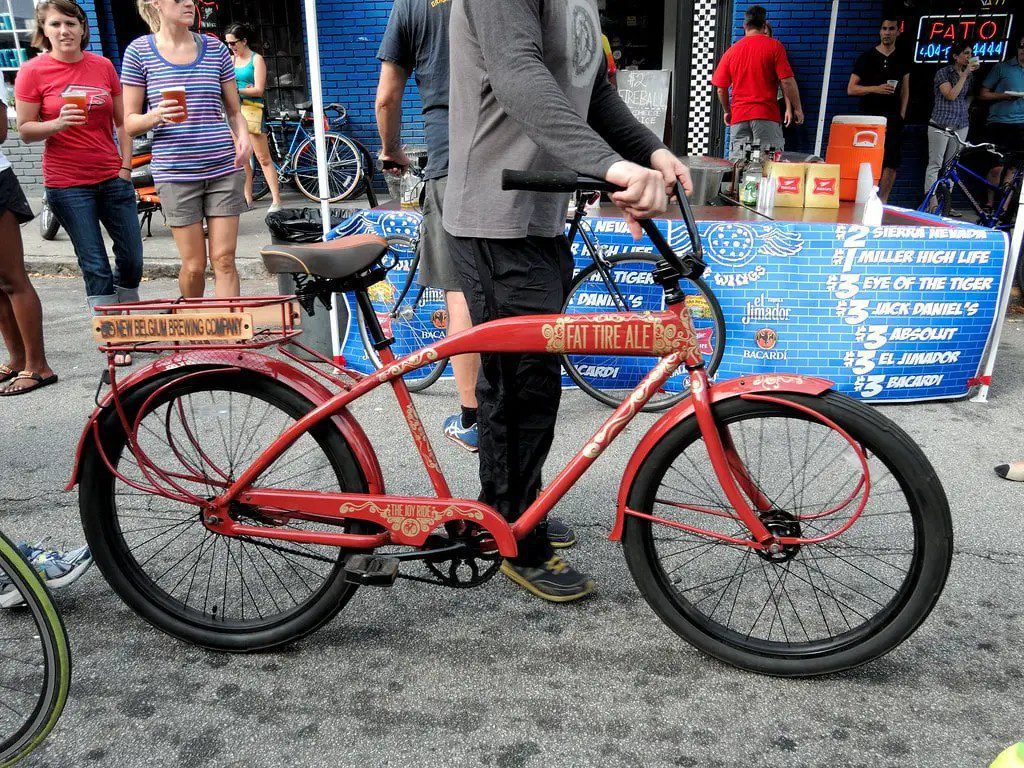
Fat tire bikes have exploded in popularity over the last decade, especially in coastal communities and ski towns. The defining feature is obvious: massively wide tires that let the bike float over soft terrain like snow and sand instead of sinking into it.
The concept goes back to the 1980s, when some adventurous mountain bikers modified single-speed balloon-tire cruisers to ride deep into the backcountry. Early fat bikes used widened mountain bike forks to fit tires up to 3 inches thick, and they often had no brakes at all — caliper brakes couldn’t fit over the massive tires, and disc brakes weren’t widely available yet. Today’s versions are far more refined, but the spirit remains the same: go where other bikes can’t.
12. BMX — Built for Tricks, Jumps, and Dirt Tracks
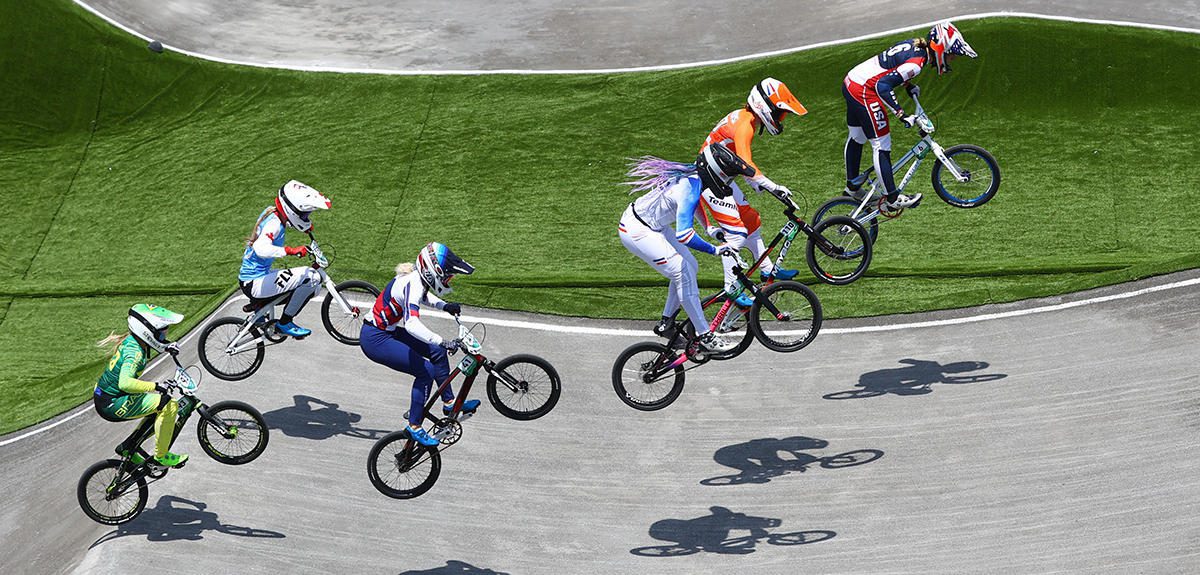
BMX stands for Bicycle Motor Cross — a single-speed bike raced around short dirt tracks, inspired by motocross. The term also broadly covers any bike with a single-speed drivetrain and 20-inch wheels.
BMX bikes are purpose-built for tricks, jumps, and stunts. Compact frames, a single gear, and 20-inch wheels make them tough, low-maintenance, and nearly indestructible compared to regular bicycles. If you want a bike to shred a skate park or fly off dirt jumps, BMX is the answer.
13. Cargo Bike — Haul Almost Anything Without a Car
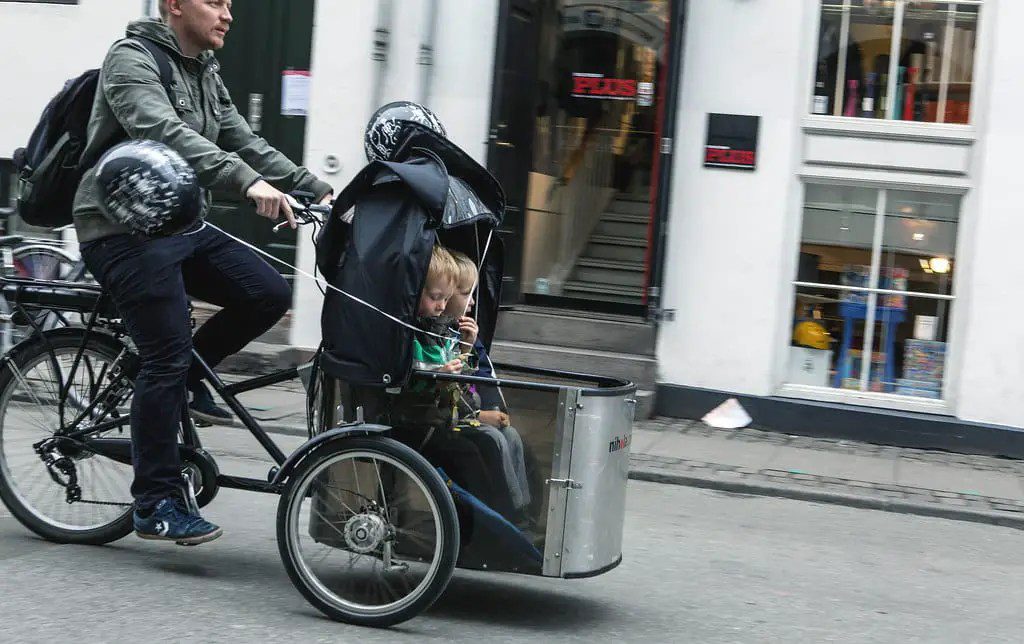
If you need to transport a serious amount of stuff by bike — groceries, kids, tools, or even a small appliance — a cargo bike can handle it. Most people underestimate just how much you can move on two (or three) wheels.
Cargo bikes come in a wide range of configurations, from standard road bikes with small front and rear baskets to giant trikes big enough to carry a refrigerator. Common styles include cycle trucks, long Johns, and long-tail bikes, each designed for different load sizes and riding situations.
14. Recumbent Bike — Ride in Total Comfort
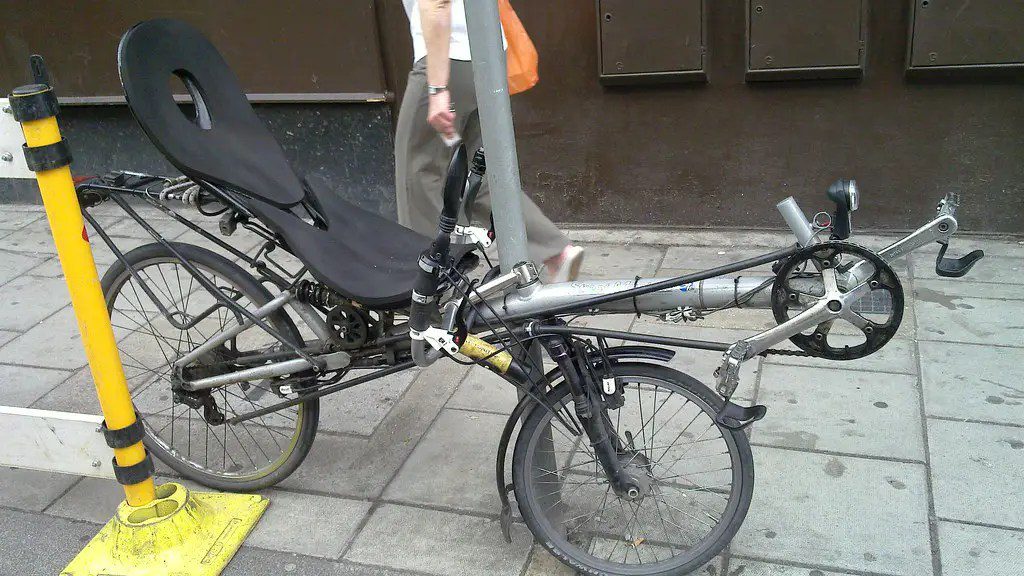
A recumbent bike — sometimes called a “bent” — puts the rider in a laid-back, reclined position. The body weight is distributed across a larger area, which significantly reduces lower back pain and the discomfort that comes with traditional upright cycling.
Some cycling enthusiasts consider the recumbent position the most efficient way for humans to pedal because it places the body in an ergonomic posture that maximizes both comfort and power output.
Recumbents come in tons of styles — rear-wheel drive, front-wheel drive, under-seat steering, over-seat steering, and various wheel sizes. You’ll also find recumbent trikes with two wheels on either the front or rear, which are widely considered safer than standard two-wheeled bikes.
15. Women’s Bike — Geometry Built for a Different Frame
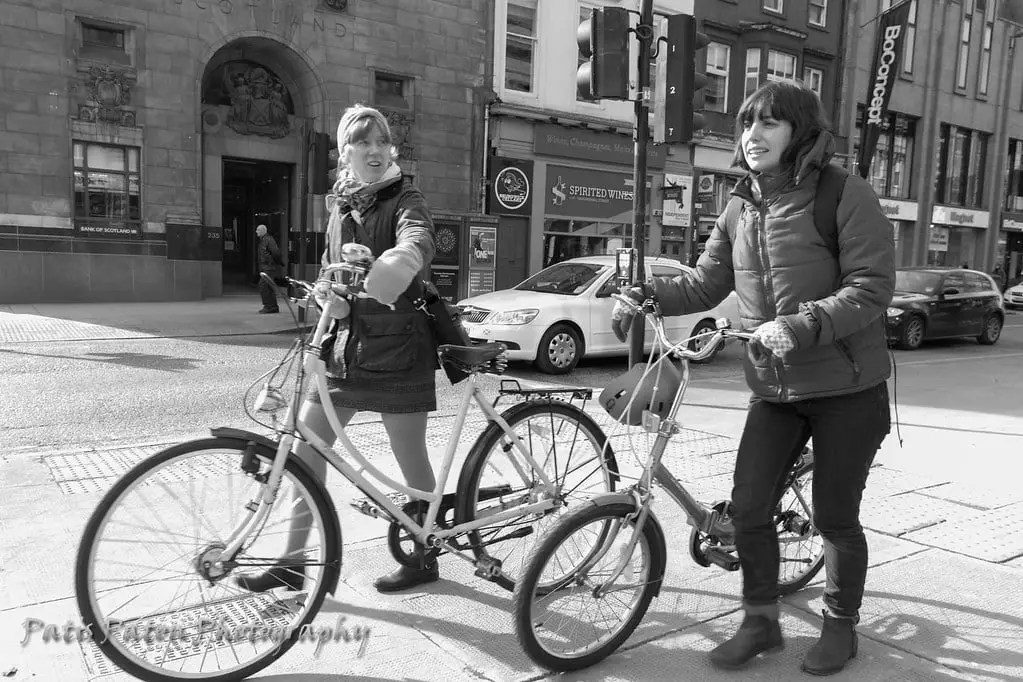
Women’s bikes feature smaller frame sizes and different geometry than men’s bikes. The frames are lighter, with a shorter top tube (crossbar), a wider and shorter saddle, and often narrower handlebars with smaller grips.
Many also include a step-through frame design — originally created to accommodate riders wearing dresses or skirts, though plenty of riders prefer the step-through simply because it’s easier to get on and off.
16. Kids’ Bike — From Balance Bikes to First Pedals
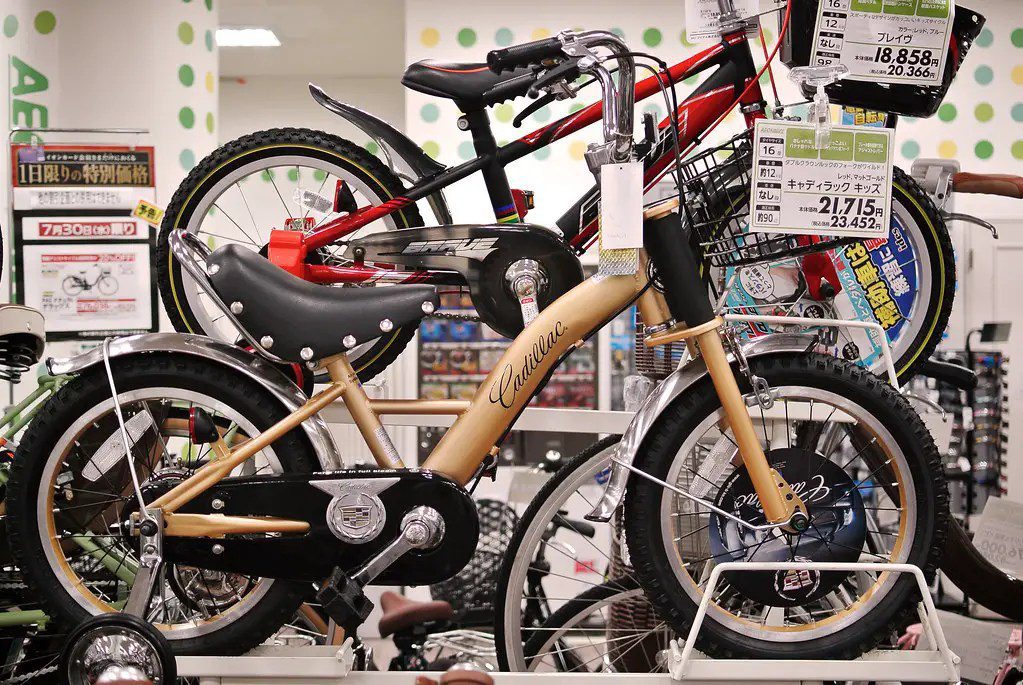
Kids’ bikes have come a long way from the days of basic single-speeds with training wheels. Today they cater to children of all ages and abilities, starting with the most fundamental option:
Balance bikes are simple two-wheeled bikes with no pedals, gears, or brakes. The child sits low enough to keep their feet on the ground and pushes forward to move. They’re perfect for 2 to 3-year-olds still learning to balance.
From there, kids move up to single-speed pedal bikes with 12″ or 14″ tires, designed for 4 to 5-year-olds who’ve mastered balancing. Training wheels can be added if the child isn’t ready to pedal solo. These bikes also introduce back-pedal brakes, so the child’s feet can always reach the ground while riding.
17. Gravel Bike — The Newest Category Taking Over
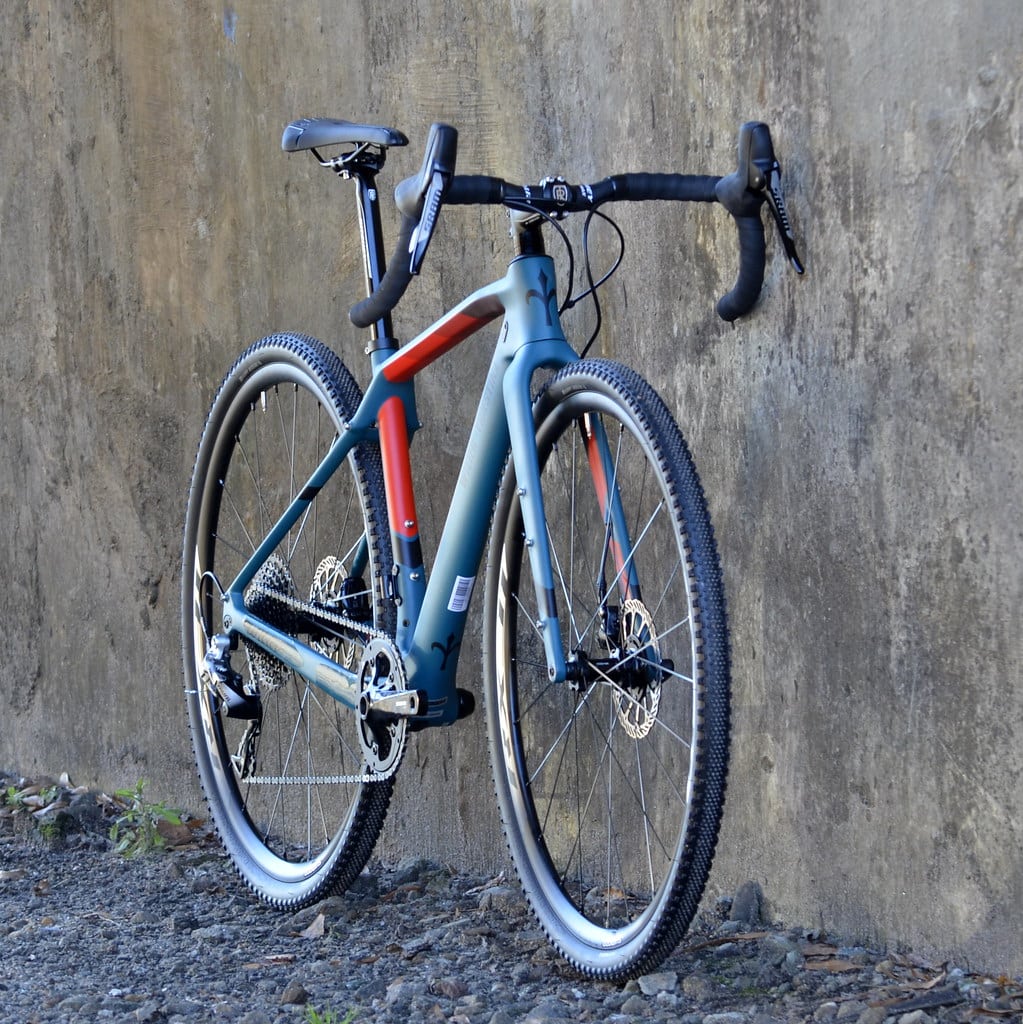
Gravel bikes are a relatively new category that’s surged in popularity over the past few years. Think of it as a cyclocross bike optimized for long-distance riding on unpaved roads.
They’re ideal for riders who want to explore forest service roads, singletrack, and everything in between — mixing pavement, dirt, and long gravel stretches in a single ride. If you like the idea of pointing your bike down a road and not caring whether it’s paved or not, a gravel bike is built for exactly that mindset.
18. Tandem Bike — Two Riders, One Machine
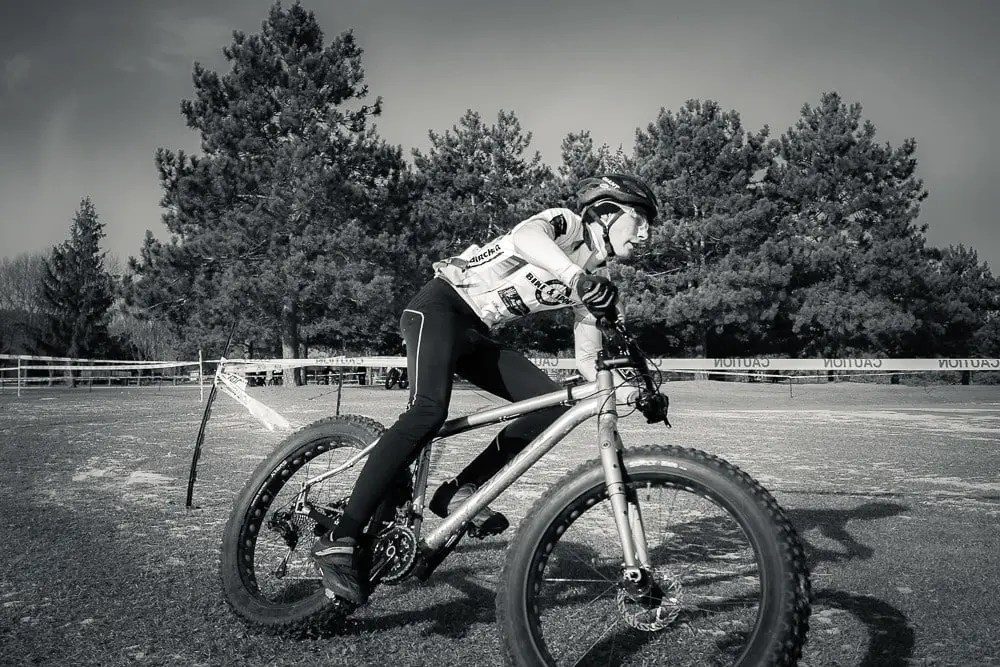
A tandem bike seats two riders on a single frame. It’s a great solution for couples or riding partners with different fitness levels — both people pedal, but the stronger rider can compensate for the other without anyone getting left behind.
Tandems come in several styles: road, mountain, cruiser, and more. They’re genuinely fun, and they’re a fantastic way to share a ride with a partner or friend without worrying about keeping pace.
19. Fat Bike — When the Ground Goes White (or Sandy)
If you refuse to hang up your helmet just because it snowed, a fat bike is the way to keep riding. Those extra-wide tires let you roll across snow and sand where every other bike would sink and stall.
Fat bikes are purpose-built for conditions that would stop a normal bicycle cold. If year-round riding matters to you — regardless of what the ground looks like — this is the bike that makes it possible.
Still not sure which type fits you best? If fitness is your main goal and you’re already fairly active, a road bike will give you the best workout. If you’re just starting out and want something forgiving and versatile, a hybrid is the safest bet. And if your riding involves anything other than smooth pavement, look at gravel bikes, mountain bikes, or cyclocross — depending on how wild your routes get.