
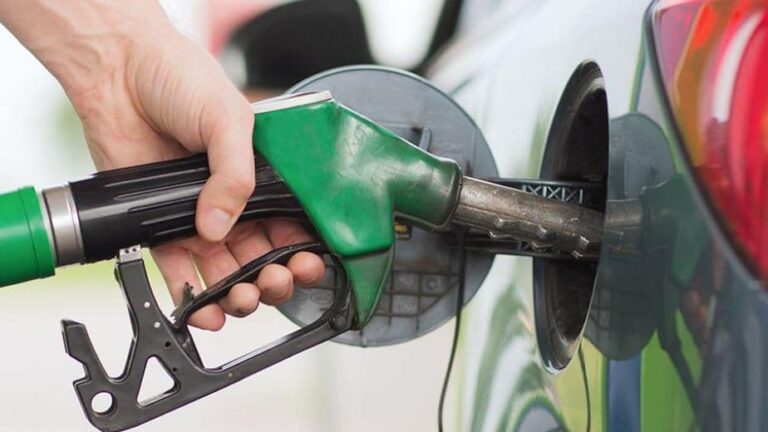
Yes, you can absolutely use ethanol-free gas in your car. It’s safe, it’s compatible with virtually every gasoline engine, and it can actually offer some real benefits—better mileage, less risk of engine corrosion, and a longer shelf life for the fuel itself.
But it’s not a slam dunk for every situation. Ethanol-free gas costs more, it’s harder to find, and it doesn’t offer the same environmental perks as ethanol blends. So let’s break down what you’re actually dealing with and figure out if it makes sense for your vehicle.
What’s the Difference Between Ethanol and Ethanol-Free Gas?
Before deciding what to pump, it helps to understand what’s actually in the fuel.
Ethanol Gasoline
Most gasoline sold in the U.S. is E10—regular gas blended with 10% ethanol. Ethanol is a renewable fuel made from plant materials like corn, and it helps cut greenhouse gas emissions. The trade-off? It has lower energy content than pure gasoline, which means you get slightly fewer miles per gallon.
Ethanol-Free Gasoline
Sometimes called “clear gas” or “pure gas,” this fuel contains zero ethanol. It packs more energy per gallon, which can improve your fuel economy. It also doesn’t attract moisture the way ethanol does, so it’s gentler on fuel systems—especially older ones that weren’t designed for ethanol blends.
Ethanol vs. Ethanol-Free: How They Stack Up
Here’s a quick side-by-side on the key differences:
Energy content: Ethanol has about 40% less energy than gasoline. In practical terms, E10 delivers roughly 4% less energy per gallon than ethanol-free gas. That translates directly to fewer miles per tank.
Octane rating: Both types can carry high octane ratings. In fact, ethanol is sometimes added to gasoline specifically to boost its octane number—which helps prevent engine knocking.
Cost: Ethanol-blended gas is typically cheaper at the pump because ethanol is produced from renewable crops. But that lower price tag can be misleading when you factor in the reduced fuel economy.
Environmental impact: Ethanol is renewable and reduces carbon emissions. Ethanol-free gas doesn’t offer those green benefits—but it’s kinder to certain engines and delivers better mileage.
What About E85?
E85 is a high-ethanol blend containing 51% to 83% ethanol, with the rest being gasoline. It’s made specifically for flex-fuel vehicles (FFVs) that are built to handle that much ethanol. Don’t put E85 in a regular car—it’s not designed for it.
E85 supports the Renewable Fuel Standard (RFS) program, which aims to reduce fossil fuel dependence. It has a high octane rating and burns cleaner than regular gas, but the lower energy content means you’ll see a noticeable dip in fuel mileage. It’s also not as widely available—look for the yellow nozzle at gas stations that carry it.
How Ethanol Affects Your Engine and Performance
Will Your Engine Handle Ethanol Blends?
Most modern cars are engineered to run on E10 and E15 without any issues. But here’s where it gets tricky: if you drive a classic or vintage car, higher ethanol blends can cause real problems. Ethanol is corrosive, and older engines often lack ethanol-resistant components. That means potential damage to carburetors, fuel injectors, and engine seals.
Flex-fuel vehicles are the exception—they’re specifically built with fuel system components that resist ethanol’s corrosive effects and can run on blends up to E85.
What Ethanol Does to Performance
Ethanol’s lower energy content means reduced fuel mileage—typically around a 3% drop compared to pure gasoline. You’ll burn through a tank faster.
On the flip side, ethanol boosts octane ratings, which can actually improve performance in turbocharged or high-compression engines. That said, for most daily drivers, the mileage penalty tends to outweigh the octane benefit.
The Emissions Angle
Ethanol blends burn cleaner than pure gasoline, producing lower levels of carbon monoxide, particulate matter, and other pollutants. That’s a genuine environmental win.
But there’s a catch. Ethanol attracts water. Over time, this can cause phase separation—where the ethanol and water settle to the bottom of the tank, creating a corrosive mix that can damage your fuel system. This is especially problematic if you store your vehicle for long periods or don’t drive frequently.
The Real Pros and Cons of Ethanol-Free Gas
Why People Choose It
- Better gas mileage. Without ethanol diluting the energy content, your engine extracts more power per gallon. The difference is modest but adds up over time.
- Less corrosion risk. No ethanol means no moisture attraction—which means less rust and fewer fuel system headaches, particularly in older vehicles.
- Longer shelf life. Ethanol-free gas is more stable in storage. Great news if you own a boat, lawnmower, or seasonal vehicle that sits unused for months.
- Better for small engines. Lawnmowers, chainsaws, snowmobiles, and outboard motors all tend to run better and last longer on pure gasoline.
The Downsides You Should Know About
- Higher price at the pump. Ethanol-free gas consistently costs more. If you’re a high-mileage driver, that adds up fast.
- Harder to find. Not every gas station carries it. Depending on your area, you might need to go out of your way to fill up.
- Fewer cleaning additives. Some ethanol blends include detergents that help keep your engine clean. Pure gas doesn’t always include these, so you may need to add a separate fuel treatment periodically.
- Not as eco-friendly. Ethanol is renewable. Pure gasoline comes from petroleum—a nonrenewable resource that generates higher carbon emissions.
Storing and Maintaining Ethanol-Free Fuel
How to Store It Properly
Ethanol-free gas lasts longer than ethanol blends, but it still needs proper handling. Keep it in approved fuel containers, sealed tightly to prevent contamination. Store in a cool, dry place, and check containers regularly for leaks or damage.
Keep Your Fuel System Clean
Even though ethanol-free gas reduces corrosion risk, your fuel system still needs regular attention. Make sure your gas tank and fuel lines stay clean, and use a fuel system cleaner periodically to clear out deposits and buildup. This keeps combustion efficient and your engine running smoothly.
Can You Mix Ethanol and Ethanol-Free Gas?
Yes, you can mix them without harming your engine. Ethanol blends will reduce your overall mileage slightly compared to pure gas, but the mix won’t cause any mechanical damage.
That said, check your vehicle’s owner’s manual for any specific recommendations. Different engines may respond differently to mixed fuels, and it’s always smart to follow the manufacturer’s guidance.
Which Vehicles and Equipment Benefit Most From Ethanol-Free Gas?
Small Engines and Outdoor Equipment
This is where ethanol-free gas really shines. Lawnmowers, boats, chainsaws, and snowmobiles all run better on pure gasoline. Ethanol attracts water, and in small engines, that moisture leads to phase separation, corrosion, and rust in the fuel system.
Ethanol-free gas might cost a bit more upfront, but it extends the life of your equipment and cuts down on maintenance. For seasonal machines that sit idle for months, it’s basically a no-brainer.
Classic and Vintage Cars
Older vehicles with carburetors were never designed for ethanol. Over time, ethanol can deteriorate rubber hoses, gaskets, and seals—leading to leaks and mechanical failures. Using ethanol-free gas preserves the engine’s integrity and keeps everything running the way it was designed to.
It costs more than regular gas, sure. But if you’re maintaining a vintage car, protecting the engine from ethanol damage is well worth the premium. You’ll also likely notice better gas mileage.
What About Electric Vehicles?
EVs are changing the fuel conversation entirely. They don’t need gasoline at all—ethanol-blended or otherwise—which eliminates every fuel-related concern we’ve discussed here. No phase separation, no corrosion, no octane decisions.
EV adoption is growing fast, and as it does, overall demand for petroleum-based fuels will keep declining. But for the millions of gas-powered cars still on the road today, choosing the right fuel still matters—and ethanol-free gas remains a smart option for the right applications.
If you drive a modern daily commuter, standard E10 is perfectly fine. But if you own a classic car, run small engines, or store fuel for seasonal equipment, ethanol-free gas is worth the extra cost—your engine will thank you for it.