
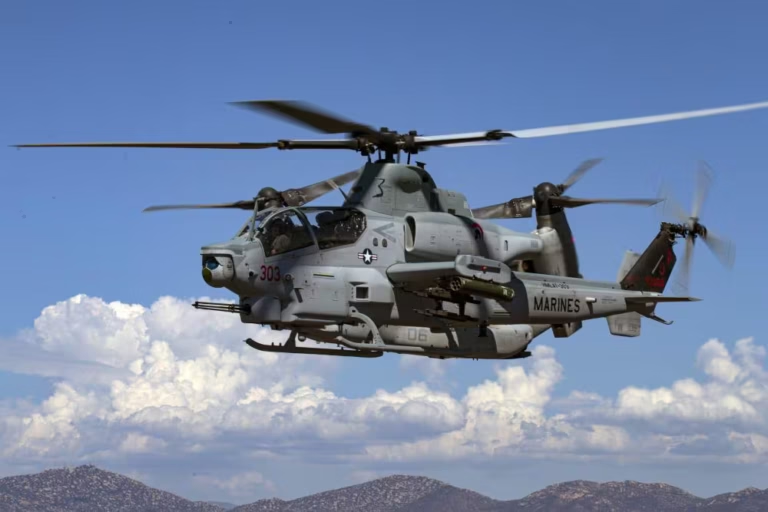
There are plenty of different helicopters in the world, and each one is built around a specific job. Some move troops. Some handle rescue work. Others are designed for one thing above all else: hitting the enemy hard and supporting forces on the ground.
That’s where attack helicopters come in. They carry weapons like rockets, machine guns, and missiles, and they’re built to strike fast when the pressure is on. In real-world combat, that can mean escorting transport aircraft, taking on armored vehicles, or helping defend a base under attack.
Here’s a closer look at 16 of the best attack helicopters in the world.
1. Bell AH-1G Cobra — The Vietnam-Era Gunship That Set the Tone
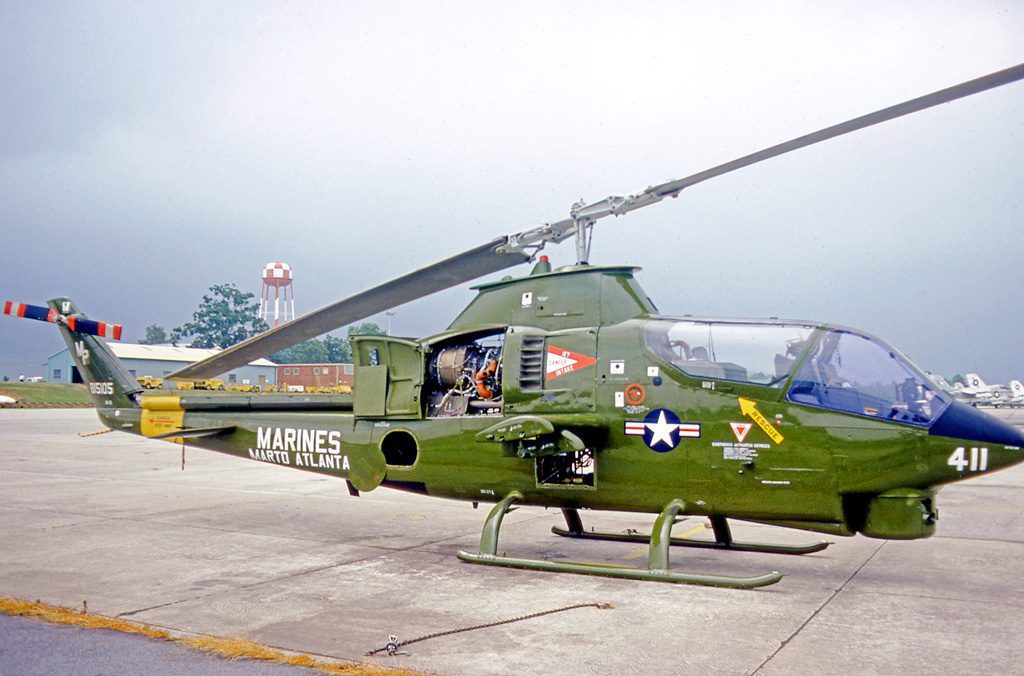
First on the list is the Bell AH-1G Cobra, an American attack helicopter that helped define the role. It first flew as a prototype in 1967 and entered U.S. Army service in 1971 during the Vietnam War.
The United States Marine Corps has about 100 Cobras. They used the helicopter to support amphibious operations during Operation Desert Storm in Southwest Asia and Africa.
It also served as a tank-killer against armored personnel carriers and tanks. On top of that, it helped defend U.S. bases and friendly units from Iraqi infantry attacks backed by armor. Today, most Cobras serve with training units inside U.S. military services.
2. Bell UH-1 Iroquois — The Huey That Ended Up Doing Everything
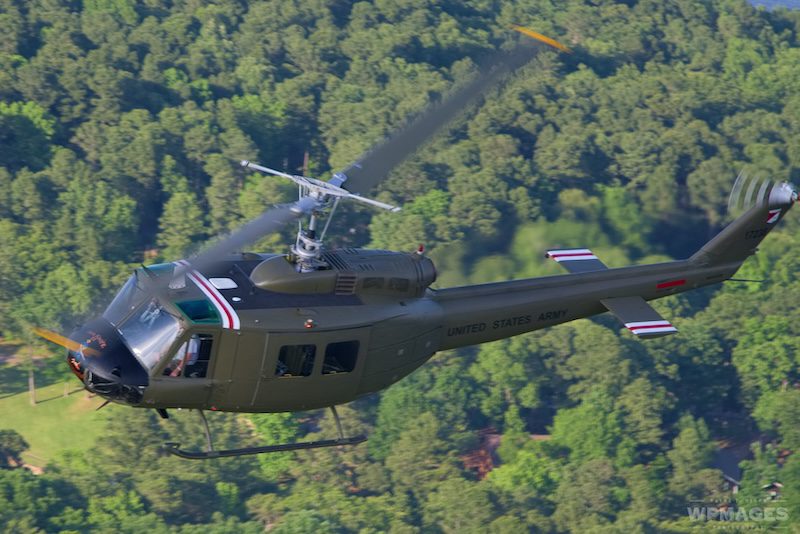
The Bell UH-1 Iroquois, better known as the Huey, remains one of the most widely used helicopters ever built. And yes, it earns a place on this list because of how many roles it has handled over the years.
This versatile helicopter has done just about everything—transporting troops, dropping bombs, and carrying out air rescues. That kind of flexibility is rare, which is one reason the Huey stayed relevant for so long. According to the original timeline here, Huey helicopters were scheduled to remain active until 2023.
3. Bell H-13 Sioux — Bell’s Early Multi-Role Success Story
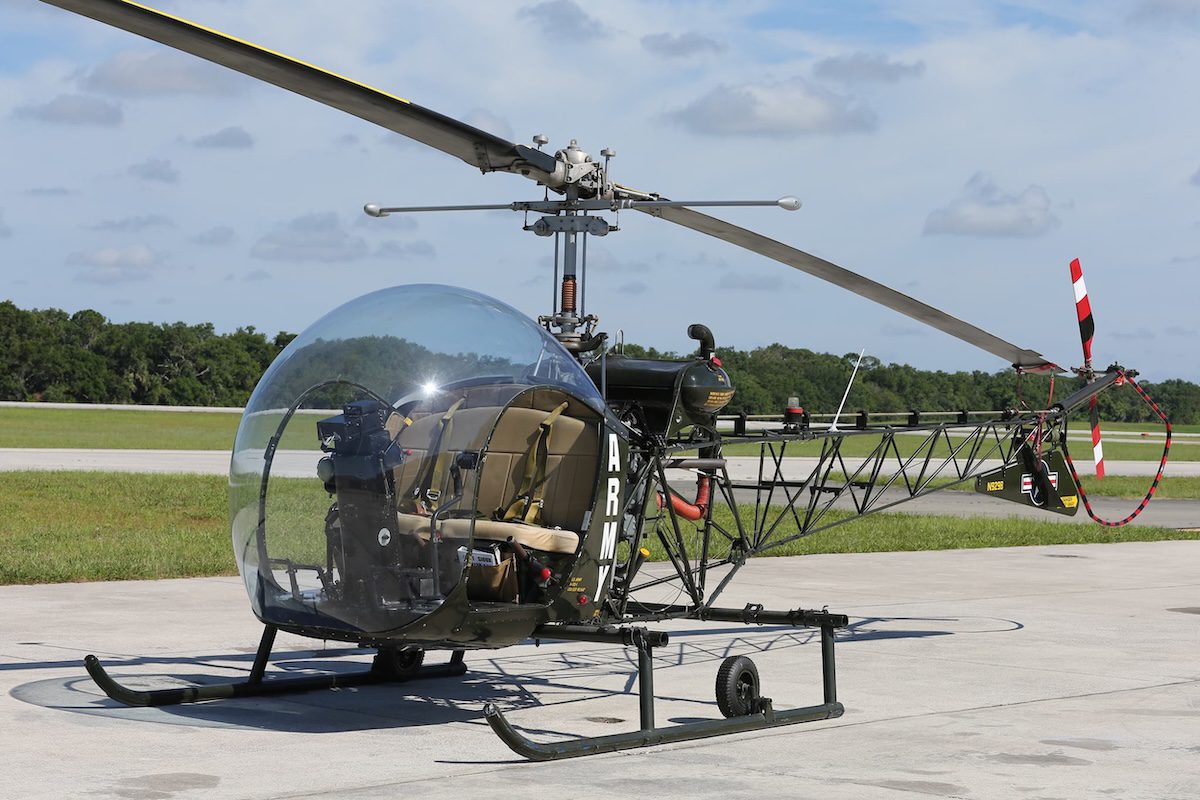
The Bell H-13 Sioux was a three-seat, tandem-rotor helicopter developed by Bell Aircraft Corporation. It first flew on November 6, 1947, and deliveries began in 1948.
Military retirement started in 1956, but not before the helicopter had built a strong reputation. More than 800 were produced, making it one of Bell’s most successful early models.
The H-13C was just one of many variants Bell built for different roles, including crop dusting and luxury passenger transport. At its peak, about 300 H-13 Sioux helicopters were in operation across all branches of the U.S. armed forces between 1954 and 1962, before it finally left service for good.
4. Kaman SH-2 Seasprite/H-2 Tomahawk — Built for Tight Naval Spaces
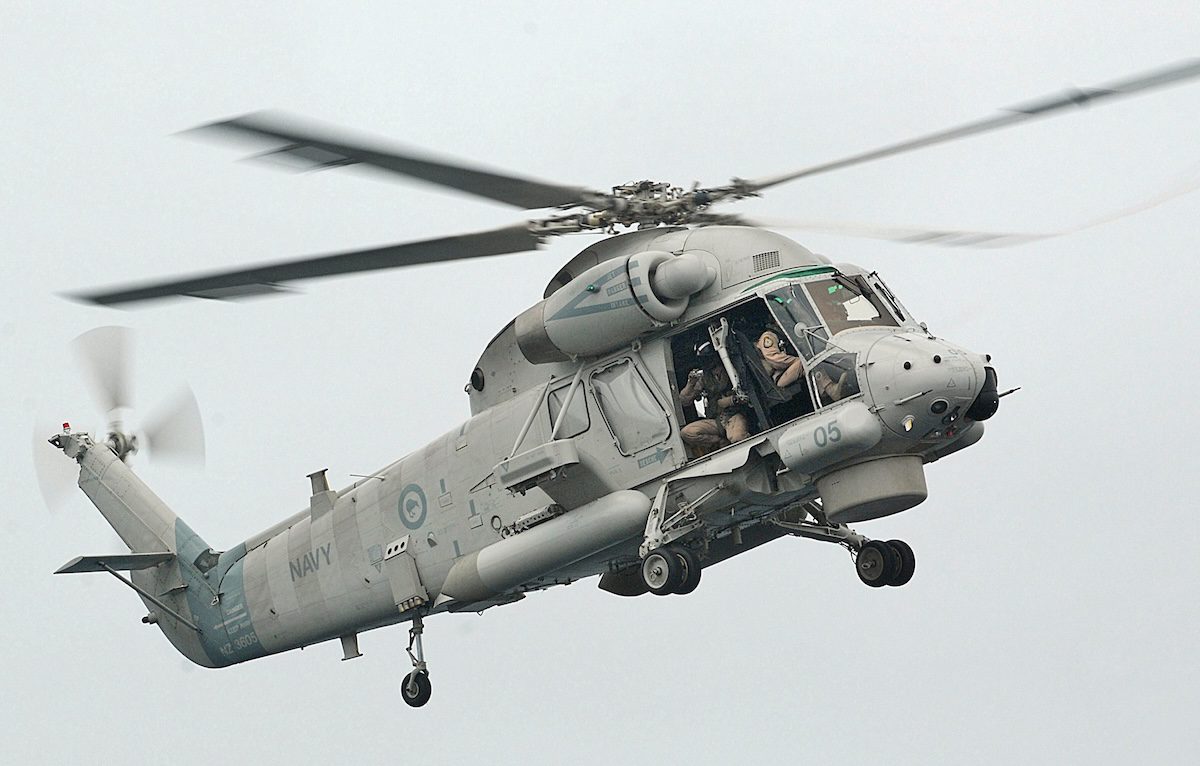
The Kaman SH-2 Seasprite/H-2 Tomahawk was a single- or two-seat anti-submarine warfare aircraft. Kaman Aircraft Corporation developed it from a larger three-seat shipboard helicopter.
It belonged to a broader aircraft family that included both helicopter and fixed-wing variants. The helicopter was also designed for use on smaller warships, including frigates and corvettes.
The U.S. Navy’s Swift-class patrol boats were the only vessels to use it operationally. The Seasprite is widely regarded as one of the standout attack helicopters in its class, and soldiers used it on all American nuclear submarines during their operational life.
5. Agusta/Westland A129 Mangusta — Italy’s Precision Strike Helicopter
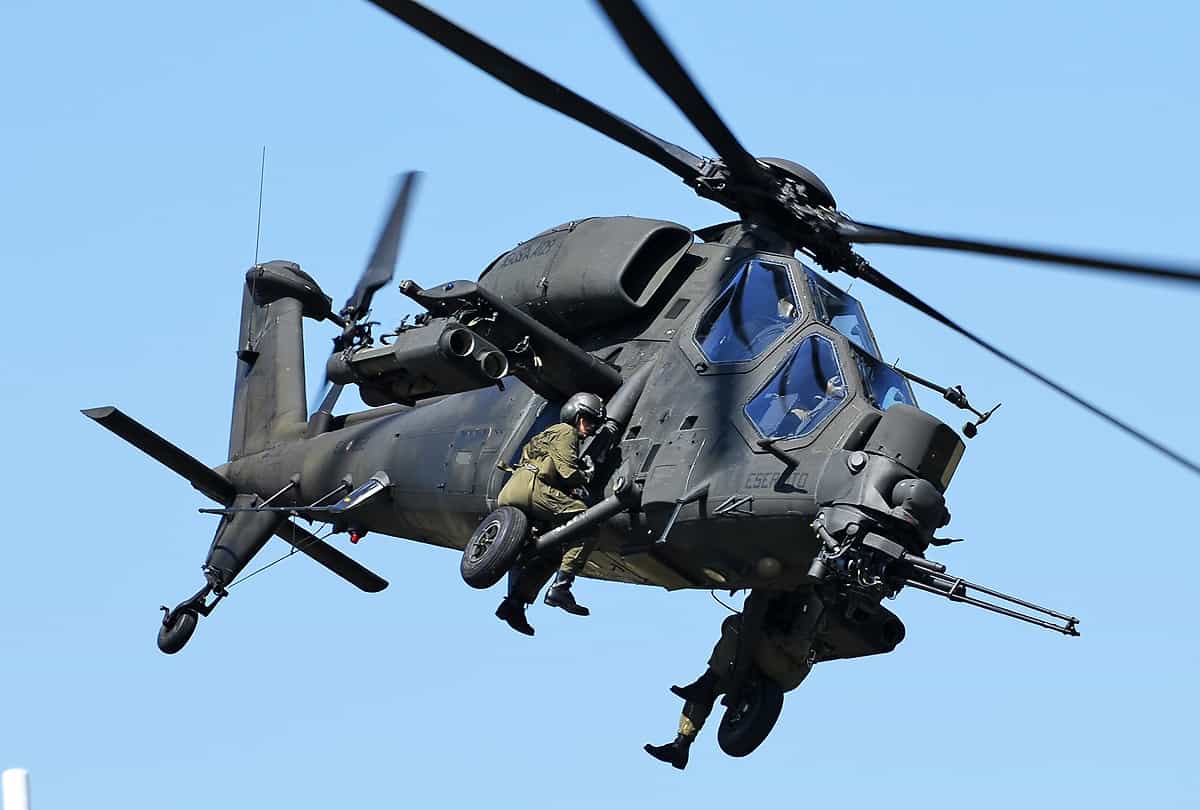
The A129 Mangusta is one of Italy’s best-known attack helicopters. It’s often confused with its American counterpart, but it stands on its own as a capable and heavily armed platform.
It carries eight air-to-surface missiles across four hardpoints under its stub wings, giving it the flexibility to attack a wide range of ground targets. Its main air-to-air weapon is a Mauser BK27 revolver cannon, and it can carry up to 150 rounds.
The A129 entered service with Italian Army Aviation in 1994. It’s used mainly as an anti-tank and scout helicopter, especially in low-intensity conflict scenarios such as counterinsurgency and peacekeeping operations.
6. Cheyenne Attack Helicopter AH-56 — Fast, Heavily Armed, and Ambitious
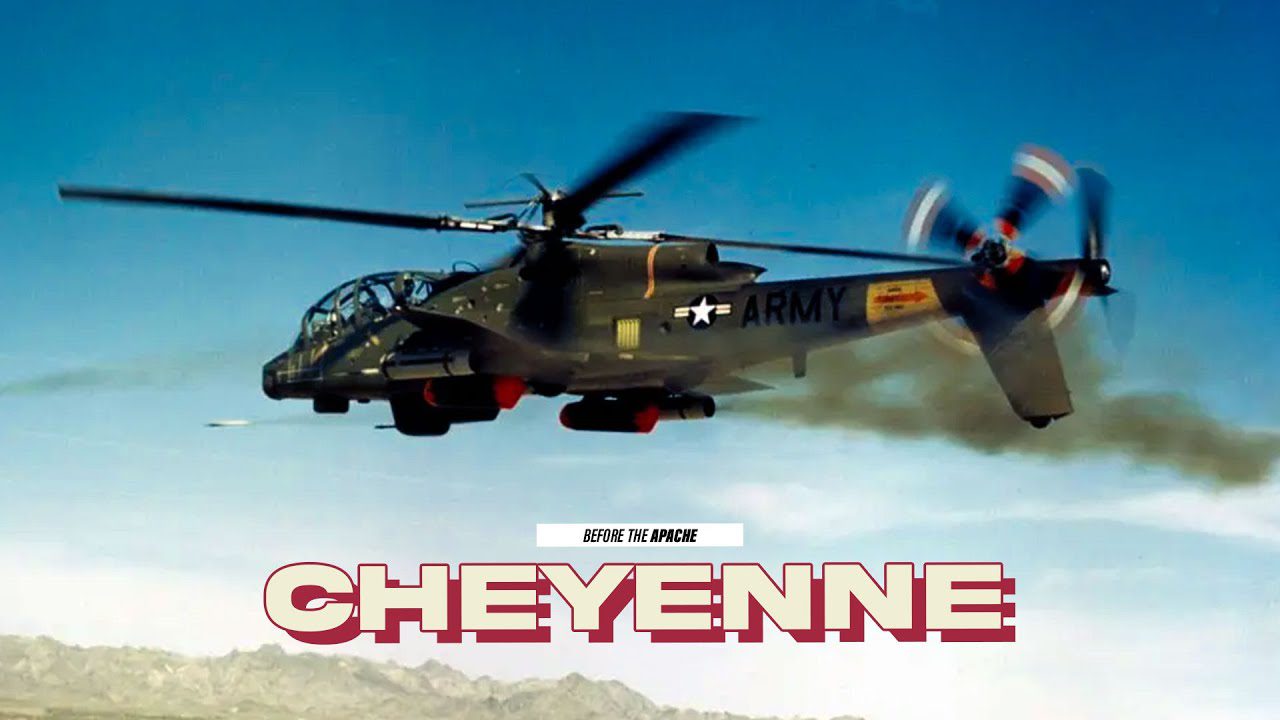
The AH-56 Cheyenne was made by the American aviation company McDonnell Douglas, formerly Boeing Rotorcraft Systems. It was powered by two General Electric T700-GE-701C turboshaft engines.
This helicopter was armed with a 7.62mm M134 minigun on the nose that could fire around 2,000 rounds per minute. Under its chin sat a single six-barreled 20mm M197 cannon, which added even more punch.
Its AH-56 designation stands for Attack/Heavy armed Helo/Defense: Rotorcraft Longbow (RBL)/Alliant Hughes Missile Electronics (AIM). The Cheyenne could reach a top speed of 300 mph, had an operational range of 600 miles, and could hover as low as five feet off the ground.
7. AH-64 Apache — The Name Most People Think of First
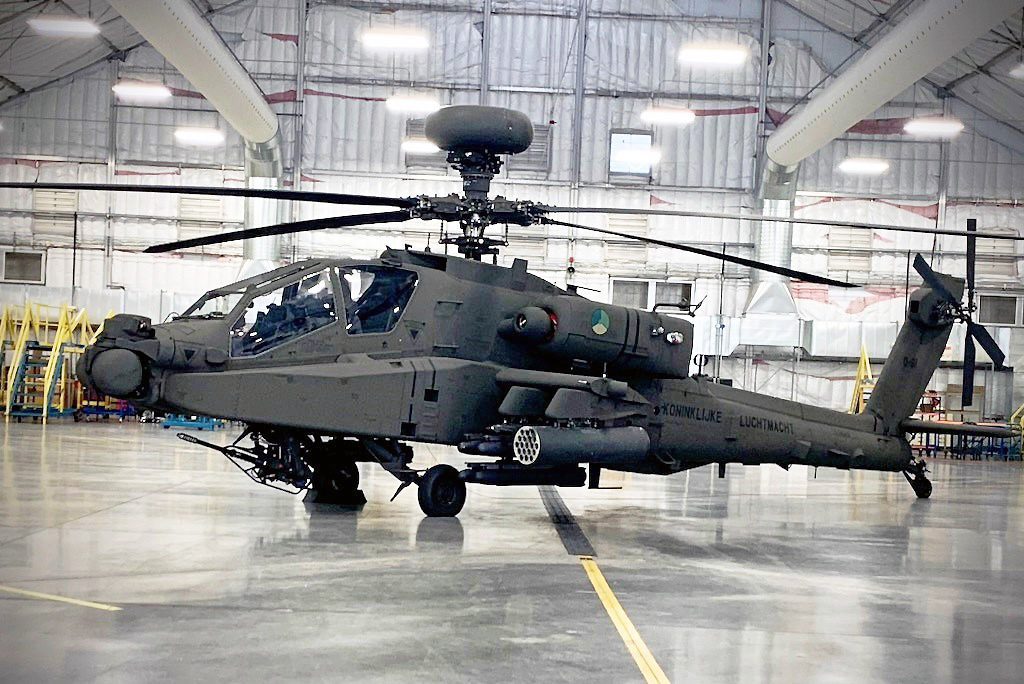
The AH-64 Apache is a four-blade, twin-turboshaft American attack helicopter. It uses a tailwheel-style landing gear setup and has a tandem cockpit for a two-person crew.
One of its standout features is the nose-mounted sensor suite for target acquisition and night vision. In practical terms, that means crews can find and engage targets in conditions where older helicopters would struggle.
The Apache is armed with a 30 mm M230 chain gun mounted between the main landing gear and beneath the forward fuselage. It also carries four hardpoints on stub-wing towers above the landing gear, which is part of what made it one of the most popular attack helicopters in service.
8. Mi-28 Havoc — Heavy Weapons and Escort Duty
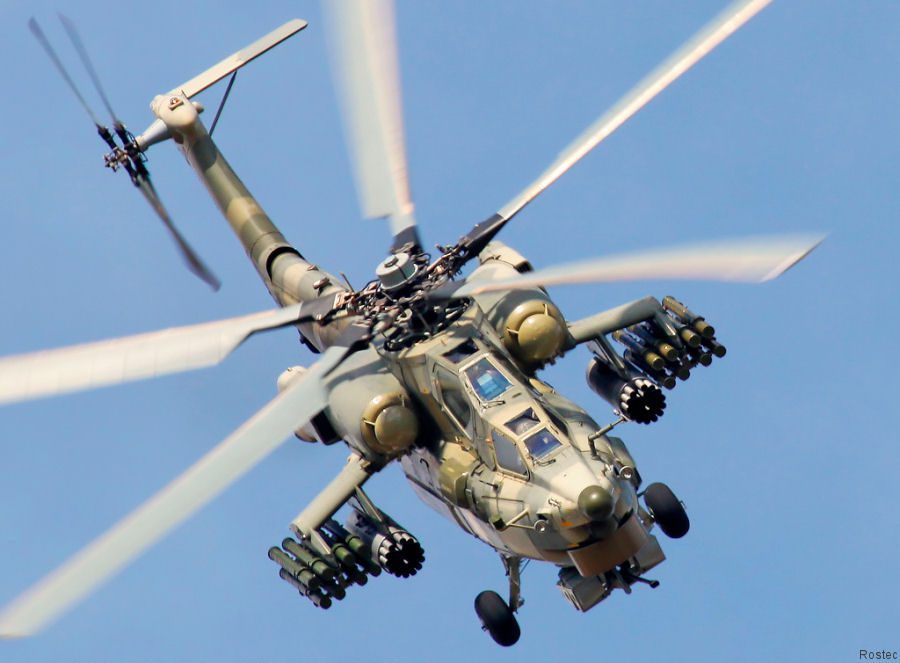
The Mi-28 Havoc entry here points to a helicopter Bell created for use in Vietnam. The SuperCobra was used as an escort helicopter and for passenger transport.
In Vietnam, it earned the nickname Cobra because of its close resemblance to the snake. It could be equipped with up to six .50-caliber machine guns, two rocket pods, and four Sidewinder missiles.
Later Cobra variants were fitted with Longbow radar for better air-to-air missile accuracy. According to some reports, these helicopters were still used by Pakistan and Greece against terrorist groups such as al Qaeda, and in 2012 one Pakistani pilot described it as extremely capable despite outdated electronics.
9. Eurocopter Tiger — Europe’s Long-Endurance Attack Platform
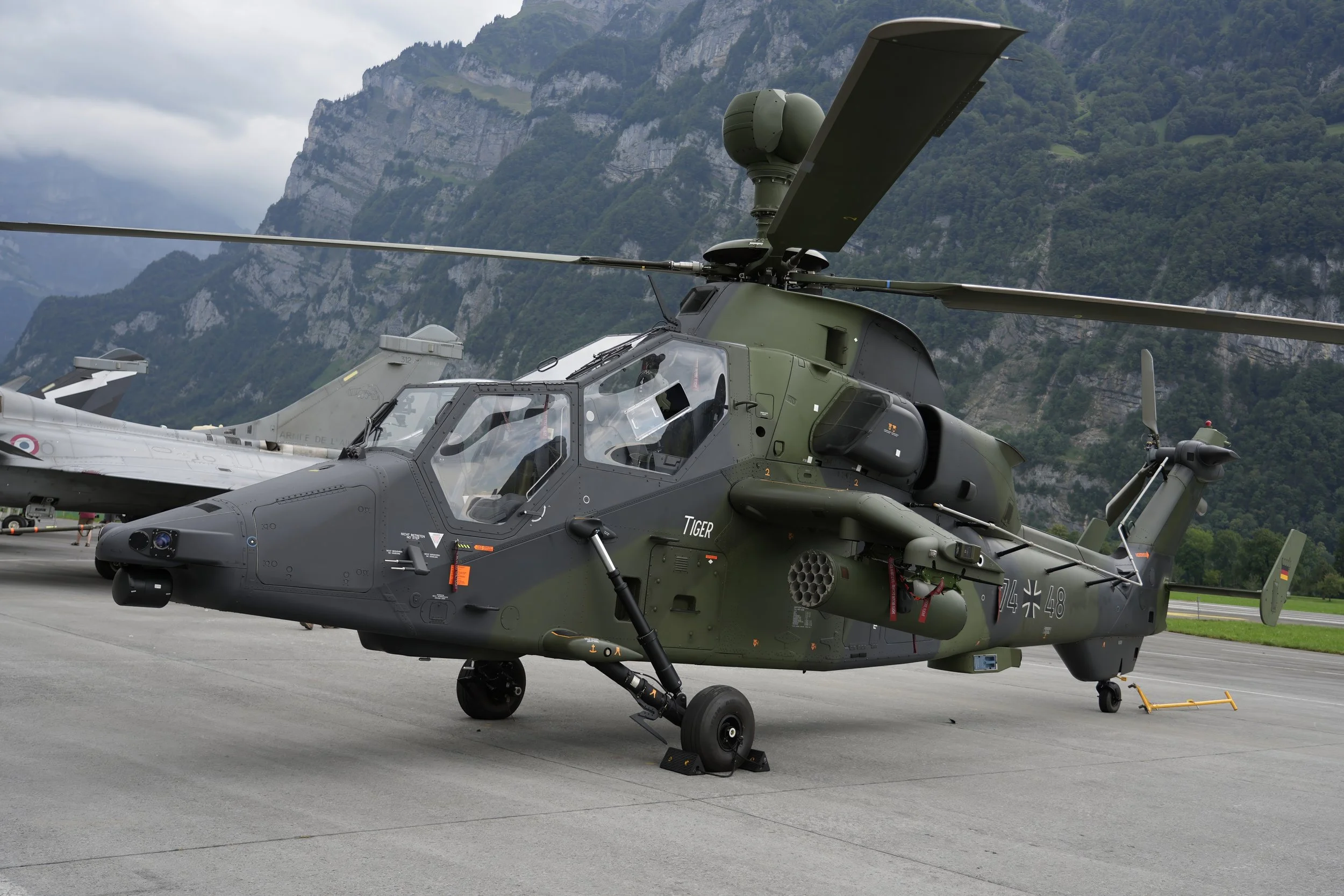
The Eurocopter Tiger was developed by a consortium of European companies led by EADS, the European Aeronautic Defence and Space Company. It was built for ground support and armed reconnaissance.
One of its biggest advantages is endurance. Its large fuel tanks let it stay in the air for more than seven hours, which matters when missions run long or the aircraft has to loiter over an area.
The Tiger is considered one of Europe’s best attack helicopters. It has been put into service with Italy, Germany, Spain, and Singapore.
10. Bell AH-1 SuperCobra — A Combat Veteran That Kept Evolving
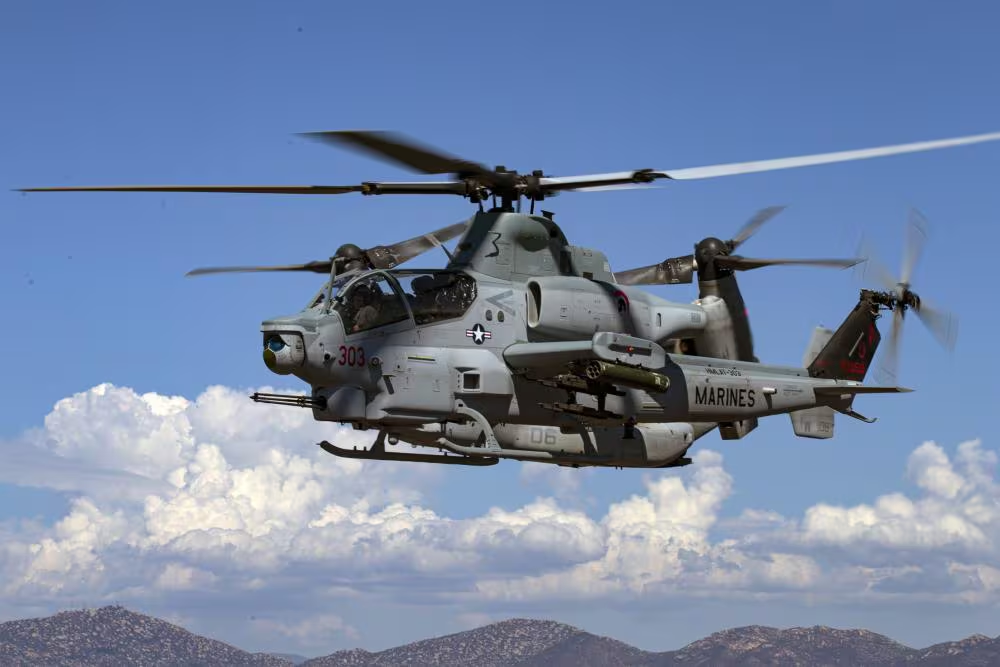
The Bell AH-1 SuperCobra is a single-engine attack helicopter built by Bell Helicopter. It first saw combat service during Operation Desert Storm.
Since then, it has appeared in multiple theaters, including Bosnia, Kosovo, Iraq, and Afghanistan. That kind of service history says a lot about how adaptable the platform has been.
The most advanced production model is often called the Cobra Mk. III. It brought in new turboshaft engines, avionics upgrades, and a range of other improvements over earlier variants, while refurbishment programs kept many SuperCobras operational into the 2020s. Production numbers aren’t certain, but it’s believed that more than 1,200 Cobras have left Bell assembly lines since 1970.
11. Mi-24 Hind — The Heavy Soviet Workhorse
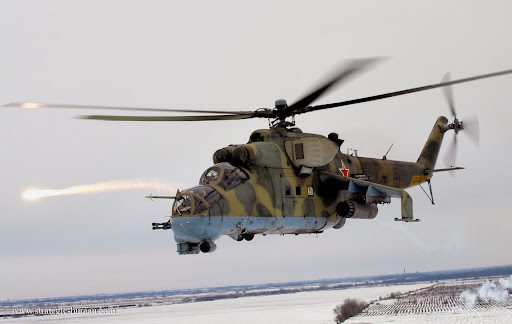
The Soviet-built Mi-24 Hind was designed as a troop-carrying assault helicopter, and that dual-role DNA gave it a very different personality from lighter gunships. It first saw combat during Russia’s invasion of Afghanistan.
It was too big and slow to shine over open land, but above nine feet of snow, the Hind ruled. That image of a hulking helicopter pushing through brutal conditions is a big part of its legend.
The Mi-24 is also famous for showing up in Apocalypse Now and Rambo III. Many countries have started replacing aging Mi-24s with newer models like Ukraine’s Mi-35, but it still remains one of only two attack helicopters on active duty with militaries around the globe—the other being its successor, the Mi-28N Night Hunter.
12. AH-6 Little Bird — Small, Fast, and Built for Quick Missions
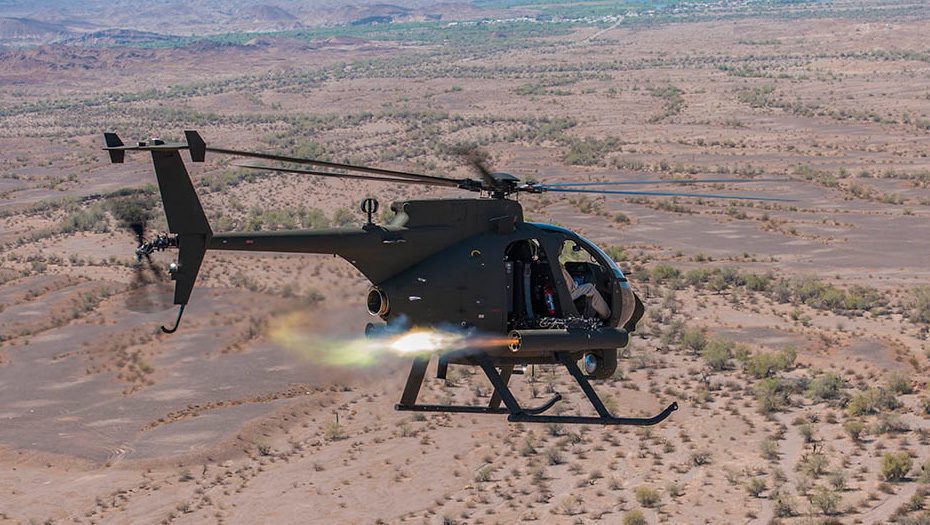
The AH-6 Little Bird is a compact, lightweight helicopter made for quick missions. In military use, it often serves as a scout or escort thanks to its speed and agility, while on routine assignments it’s more commonly used for light transport.
Hughes Helicopters developed the Little Bird, and it first flew in September 1975. Production continued until 2000, which gave the aircraft a long service life for such a small helicopter.
Boeing later took over the production of military and civilian helicopters from McDonnell Douglas, also known as M.D. Helicopters. The Little Bird saw action with U.S. forces during Operation Desert Storm, and several dozen remain on active duty across different branches of the U.S. military, including at Fort Hood where pilots are trained to fly them.
13. Black Hawk Utility Helicopter UH/HH-60 — The Armed Utility Workhorse
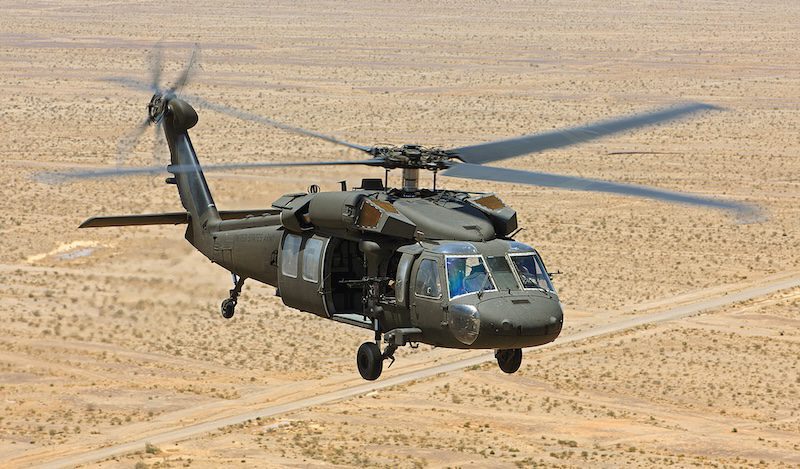
The HH-60 Pave Hawk is a variant of the UH-60 Black Hawk utility helicopter. Sikorsky Aircraft manufactured it, and the Pave Hawk was developed in 1978.
It entered service with the United States Air Force Special Operations Command in 1983. While it’s widely known as a utility platform, it has taken on a long list of demanding roles: combat search and rescue, electronic warfare, special operations, disaster relief, and troop transport.
Some variants carry mounted machine guns or cannons for short-range engagements. NASA also used them from 1990 to 2002 as high-speed transport between facilities, and they’ve since been replaced in that role by aircraft with similar functions, such as the Bell Boeing V-22 Osprey.
14. Ka-50 Hokum — Anti-Tank Power With Solid Speed
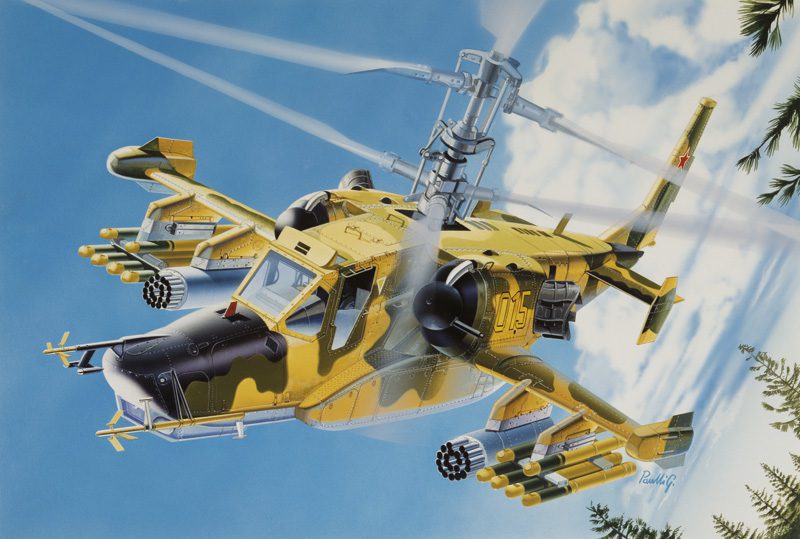
The Ka-50 Hokum—described here as Russian for Hokum-Bumblebee—is a two-seat Russian attack helicopter developed by Kamov. It was designed mainly as an anti-tank platform, though it could also engage surface and air targets.
The Ka-50 made its first flight in September 1995. It can reach 300 km/h (180 mph) and has an operational range of about 510 kilometers, or 310 miles.
A fully loaded Hokum can carry 2,800 kilograms, or 6,200 pounds, of payload, including guided missiles and rockets. Eight are in service with Russia’s Army Aviation branch, and more than 60 have been built so far.
15. Boeing AH-64 Apache Longbow — Radar, Hellfires, and Serious Reach
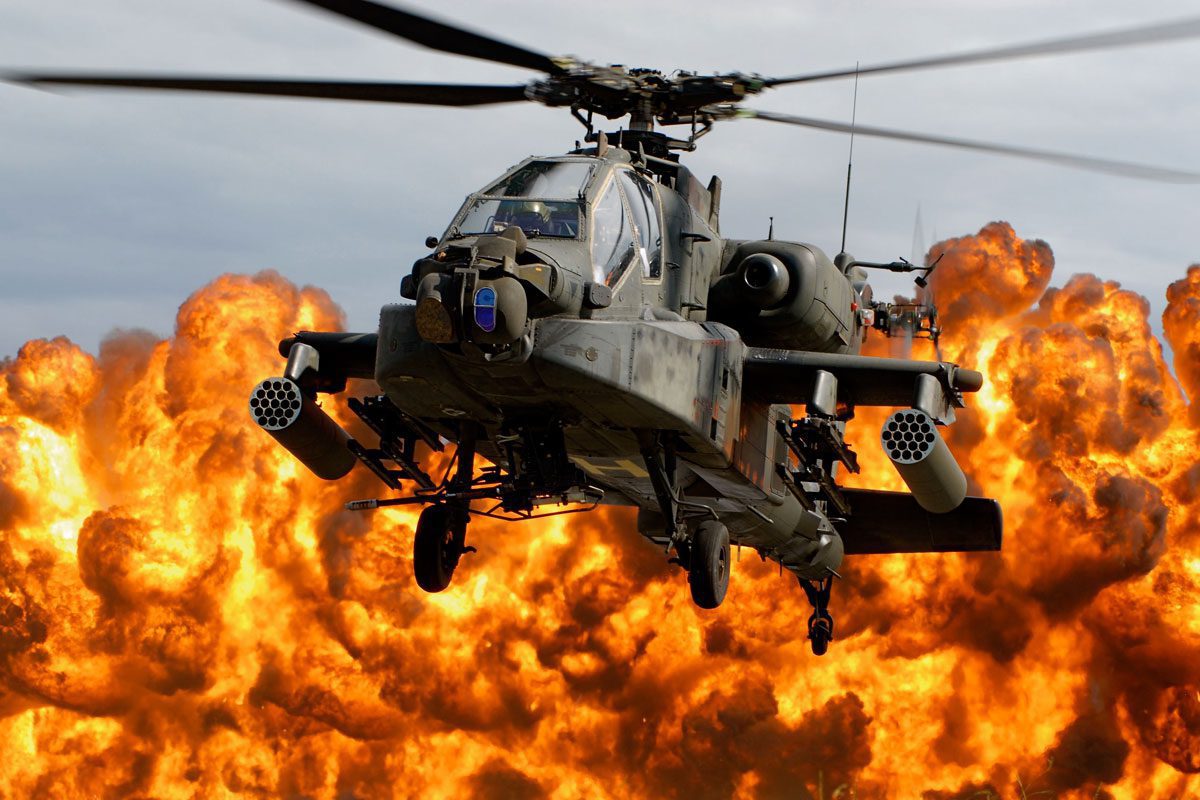
The Apache Longbow entered service with U.S. Army attack helicopter units in 1994. It remains one of the most advanced attack helicopters ever built.
With twin turbine engines, the Longbow Apache can hit a maximum speed of 173 mph. Its 30mm chain gun—the same size used on armored vehicles—can destroy targets from 2 miles away.
The Apache can also carry up to 16 Hellfire missiles at once, each capable of taking out tanks or fortified positions. It has been exported to 19 countries, including Australia, Egypt, and Israel.
16. Mil Mi-28 Havoc — Built for Front-Line Fire Support
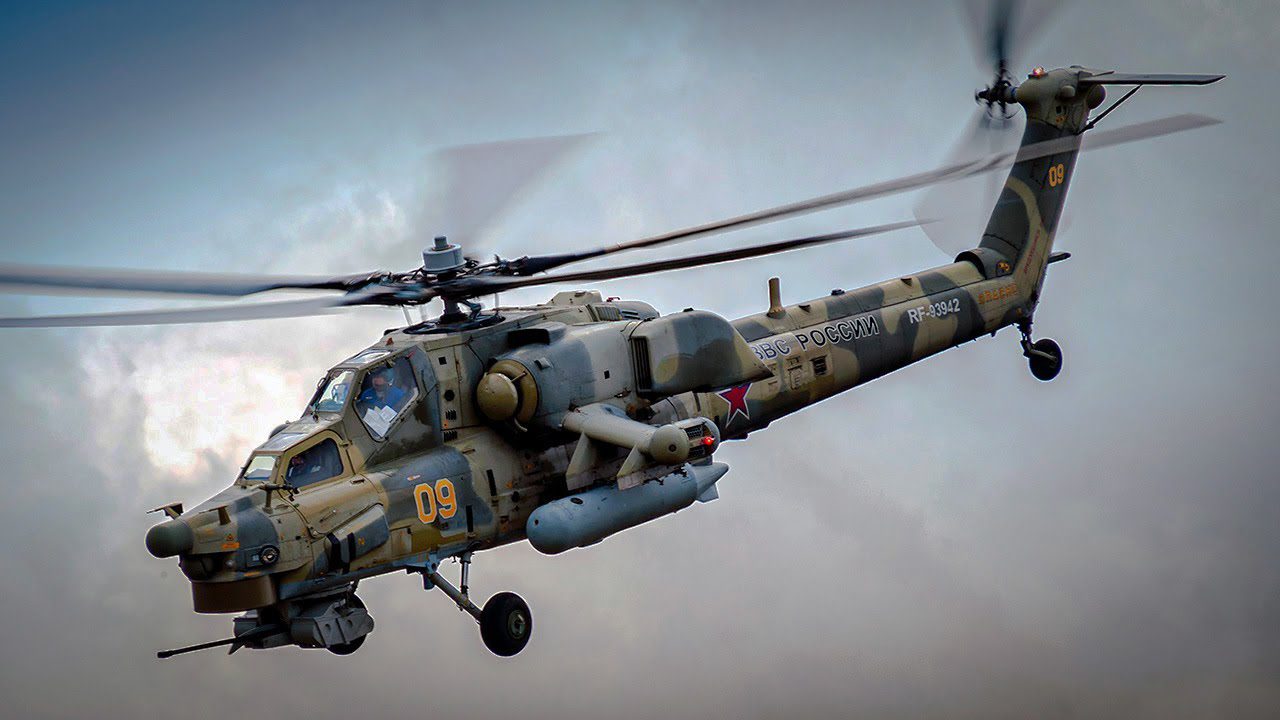
The Mil Mi-28 Havoc is a Russian attack helicopter designed for front-line support of ground forces. It combines maneuverability, speed, altitude, and weapons payload in one package.
Its maximum speed is 320 km/h (199 mph), its service ceiling is 5,000 meters (16,400 feet), and its range is 1,100 km (684 miles). Those numbers make it a serious battlefield machine, especially when mobility matters.
This multipurpose helicopter has four hardpoints for carrying missiles or bombs, plus anti-tank guided missiles on two underwing hardpoints. It also has an internal gun operated by either the pilot or gunner, allowing it to maintain a high rate of fire while supporting ground troops as they move against enemy positions or engage targets out of direct sight from the launch aircraft.
Why These Helicopters Still Matter on the Battlefield
Attack helicopters are some of the most powerful military vehicles in service, and they’ve earned that reputation. They fill essential roles for armed forces around the world because they combine speed, firepower, and flexibility in a way very few machines can.
The best attack helicopters aren’t just built to fire missiles. They’re also used for troop movement and transportation, and they remain some of the most effective weapons against enemy armor, especially tanks.
The six Russian-made helicopters on this list can operate day or night, and their multi-barrel gun turrets are equipped with high-explosive rockets and 12.7 mm machine guns. When an army needs fast-moving firepower close to the fight, these helicopters are still among the first machines called in.