
When the cold season hits, your car heater goes from being a nice-to-have feature to something you absolutely depend on every single time you get behind the wheel. A warm cabin is not just about comfort, it keeps your windows clear, your hands functional, and your focus on the road rather than on how cold your feet are.
But here is the thing. A lot of drivers only discover their heater has a problem when they are already freezing in traffic, fogged-up windows making it nearly impossible to see, and no easy fix in sight. That is a miserable situation, and in some conditions, it is a genuinely dangerous one.
The good news? Most car heater problems have clear warning signs, and most of them are preventable with a bit of routine attention. To understand what goes wrong and why, it helps to first understand how the whole system actually works.
How Your Car’s Heating System Actually Works
Your car’s heater is not a standalone unit. It is a byproduct of your engine’s cooling system, and the two are deeply connected. Here is a simple breakdown of what happens when you turn the heat on.
Your engine generates a tremendous amount of heat as it runs. Coolant (antifreeze mixed with water) circulates through the engine, absorbing that heat and carrying it away to prevent the engine from overheating. Some of that hot coolant is routed through a small radiator inside your dashboard, called the heater core. A fan then blows air across this hot heater core, and that warm air is what you feel coming through your vents.
Think of the heater core as a mini radiator sitting behind your dashboard. Hot coolant flows in, gives off heat into the cabin, and cool coolant flows back out to be reheated by the engine. The whole system is elegant in its simplicity, but when any one part of it fails, the heat stops.
The main components involved in your heating system include:
- The heater core (the mini radiator behind your dashboard)
- The thermostat (regulates coolant flow based on engine temperature)
- The coolant pipes and hoses (carry coolant between the engine, main radiator, and heater core)
- The heater fan (blower motor) (pushes air through the heater core and into the cabin)
- The cabin air filter (filters air before it enters the cabin)
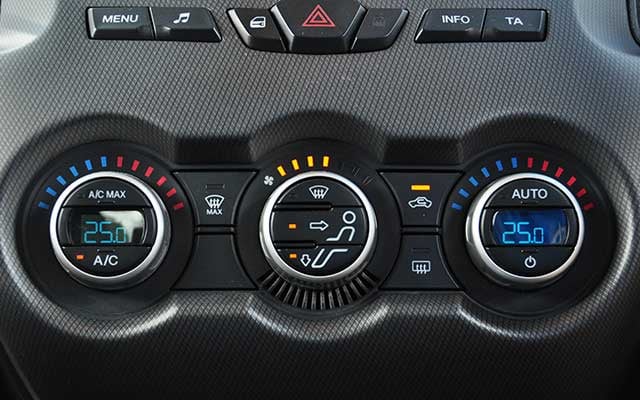
- The heater control unit (lets you adjust temperature and fan speed)
- The air temperature sensor (monitors and regulates cabin temperature in automatic systems)
- The radiator flap and air vents (control airflow into the system)
Every single one of these parts needs to be in reasonable working order for the heater to do its job. A failure anywhere in this chain can leave you with weak heat, no heat, or in some cases, cold air blowing out of warm-looking vents. Let us go through the most common causes of heater failure one by one.
Why Your Car Heater Is Not Working: The Most Common Causes
1. Air Trapped in the Cooling System
This is one of the most overlooked causes of a poorly performing heater, and it catches a lot of people off guard. When you replace the coolant in your car, air can get trapped inside the system. That trapped air creates what is called an air pocket or air bubble inside the coolant passages.
Here is why this matters: coolant needs to flow freely through the heater core to transfer heat into the cabin. If an air bubble is sitting in the heater core, the coolant cannot fill that space, and you end up with significantly reduced heat output. In some cases, you get no heat at all, even though the rest of the cooling system is working perfectly fine.
Air can also enter the cooling system if there is damage to the cylinder block or a head gasket issue, which is a more serious underlying problem worth investigating separately. If you notice your heater performance dropped noticeably after a coolant change or any cooling system work, trapped air is a very likely culprit.
2. A Stuck or Failing Thermostat
The thermostat is a small but critical valve that regulates how coolant flows through the engine based on temperature. When the engine is cold, the thermostat stays closed, allowing the engine to warm up faster. Once the engine reaches its normal operating temperature, the thermostat opens, letting coolant circulate freely to prevent overheating.
When a thermostat fails, it typically gets stuck in one of two positions: open or closed. Each causes a different problem.
- Stuck open: The coolant circulates constantly, even when the engine is cold. This means the engine takes forever to warm up, and the heater never gets hot enough to properly warm the cabin. You might notice it blows decent heat at highway speeds but feels cold at idle — a classic stuck-open thermostat symptom.
- Stuck closed: This is the more dangerous scenario. Coolant cannot circulate, the engine overheats rapidly, and you risk serious engine damage. The heater may initially blow very hot air, followed quickly by the temperature gauge climbing into the red.
A bad thermostat is not something to put off. It is an inexpensive part, and replacing it early is a fraction of the cost of dealing with an overheated engine.
3. A Clogged or Damaged Heater Core
The heater core is essentially a small radiator, and like all radiators, it can get clogged over time. Several things can cause this:
- Using poor-quality coolant or water instead of proper antifreeze, which leads to corrosion and scale buildup inside the coolant passages
- Sealant or stop-leak products that were added to the cooling system (these can clog the fine passages of the heater core)
- Normal buildup of deposits over time, especially if the coolant has not been changed regularly
When the heater core is partially clogged, coolant flow through it slows down, reducing the amount of heat transferred to the cabin air. If it is fully blocked, you get zero heat. You might also notice a sweet smell inside the car (the smell of coolant) or fogging on the inside of your windscreen, both of which are signs that the heater core may be leaking rather than just clogged, which is a more urgent problem.
4. A Clogged Cabin Air Filter
This one is surprisingly easy to overlook because the cabin air filter is out of sight and out of mind for most drivers. But it plays a direct role in heater performance.
The cabin filter sits in the airflow path between the outside air and your cabin. Its job is to trap dust, pollen, debris, and other particles before they get blown into the car. When it gets clogged, which it will if it is not changed regularly, airflow through the entire ventilation system drops significantly.
The result? Your heater core might be working perfectly and getting nice and hot, but the restricted airflow means very little warm air actually makes it into the cabin. You feel weak, barely warm air coming through the vents. A lot of drivers assume the heater is broken when the real fix is a fifteen-dollar cabin filter replacement.
Most manufacturers recommend replacing the cabin filter every 12,000 to 15,000 miles, or once a year. If you drive on dusty roads or in a heavily polluted area, you may need to replace it more often.
5. A Failing Heater Fan (Blower Motor)
The blower motor is the fan that pushes air through the heater core and out through your vents. Without it, you have heat at the core but no way to get that heat into the cabin.
Blower motor failures usually show up in one of a few ways. The fan might only work on certain speed settings (often the higher ones), which points to a failing blower motor resistor. It might make a grinding, rattling, or squealing noise, which suggests worn bearings. Or it might stop working entirely.
There can also be electrical issues causing the fan to malfunction, a blown fuse, a faulty relay, or a wiring problem. Before assuming the motor itself is dead, it is worth checking the fuse and relay first, as those are much cheaper fixes.
6. A Broken or Damaged Heater Pipe
This one is less common but worth knowing about. The heater hoses carry hot coolant from the engine to the heater core and back. On some vehicles, depending on how they are routed, these hoses can be in a vulnerable position where they might get damaged by road debris, accidentally knocked during other repair work, or simply crack and split with age.
A damaged heater hose will leak coolant, which drops your coolant level and reduces heat output. In more severe cases, it can lead to the engine overheating. If you notice coolant on the ground under your car, a sweet smell, or your coolant level dropping without an obvious external leak, the heater hoses are worth inspecting.
7. A Faulty Heater Control Unit
The heater control unit is the panel you interact with to adjust temperature, fan speed, and airflow direction. Behind that panel is either a simple electrical switch assembly or, in modern vehicles, a more complex electronic control module.
When this unit fails, you might notice that the fan does not respond in certain speed settings, often the lower settings stop working first while the high setting still works. Or the temperature control stops responding accurately. Or the entire panel becomes unresponsive.
Replacing the heater control unit is not always expensive for the part itself, but in some vehicles the panel is integrated with other systems and the whole unit needs to be replaced rather than just the faulty component within it. A mechanic can diagnose this quickly.
8. A Malfunctioning Radiator Flap or Blend Door
Inside your heating and ventilation system, there are flaps (also called blend doors or air mix doors) that control how much hot or cold air gets mixed together before entering the cabin. These flaps are controlled either by cables connected to your temperature knob or by small electric actuators in more modern systems.
When a blend door breaks or gets stuck, the heater loses the ability to regulate temperature properly. You might find the temperature is stuck on full cold regardless of what you set, or you get heat on one side of the car but not the other in dual-zone climate systems. A broken blend door actuator is a fairly common issue in many vehicles, and the plastic components inside these actuators can crack over time.
9. A Faulty Air Temperature Sensor
Modern cars with automatic climate control systems use air temperature sensors to monitor cabin temperature and adjust the heating or cooling output accordingly. If this sensor fails or gives inaccurate readings, the climate control system can make the wrong decisions, blowing cold air when you need heat, or vice versa.
This kind of fault often shows up as erratic temperature behavior rather than a complete absence of heat. The system might work fine for a while, then suddenly start blowing the wrong temperature without any input from you. A diagnostic scan can usually confirm whether a sensor fault is the cause.
How to Fix and Prevent Car Heater Problems Before They Get Expensive
Understanding what causes heater problems is only half the battle. Knowing what to do about them and how to stop them from happening in the first place, is what actually saves you money and keeps you warm. Here is a practical breakdown.
Flush and Replace Your Coolant Regularly
Old coolant is one of the leading causes of heater core blockages, thermostat failures, and general cooling system deterioration. Over time, coolant breaks down, becomes acidic, and starts corroding the metal components it is supposed to protect. The scale and debris that result from degraded coolant can clog the fine passages in your heater core and reduce its effectiveness dramatically.
Change your coolant at least once every two years, or follow your manufacturer’s specific interval. Always use the correct coolant type for your vehicle, using the wrong type, or diluting antifreeze with plain tap water, can accelerate corrosion and deposit buildup significantly.
If you suspect the heater core is already partially clogged, there is a trick you can try before removing it. Swap the inlet and outlet hoses on the heater core so that flow runs in the opposite direction, then let the engine run for a while. This reverse-flush technique can sometimes dislodge soft deposits. You can also run a diluted solution of citric acid through the system or use a commercial radiator flush product. For stubborn clogs, removal and professional flushing may be necessary.
Bleed the Air Out of Your Cooling System
If you have had coolant work done recently and your heater performance dropped afterward, trapped air is a strong suspect. Getting the air out is called bleeding or burping the cooling system, and here is a simple way to approach it:
- Make sure the engine is cold before starting. Never open the coolant reservoir cap on a hot engine.
- Open the coolant reservoir cap.
- Locate the hose that runs from the reservoir to the radiator. Gently squeeze and release it repeatedly to help push air bubbles toward the reservoir opening.
- Top up the coolant as needed while doing this.
- If the manual method does not clear the air, start the engine and let it idle with the heat turned on full blast and the temperature set to maximum hot. Let it run until it reaches normal operating temperature. The coolant will circulate, and air bubbles should work their way out. Keep an eye on the coolant level and top up as needed.
- Once done, replace the cap securely and monitor the heater performance over the next few drives.
Some vehicles have a specific bleed valve or bleed screw on the cooling system for this exact purpose. Check your owner’s manual to see if your car has one.
Replace a Faulty Thermostat Without Delay
Do not put off a thermostat replacement. Seriously. A thermostat typically costs between $10 and $50 for the part, and while labor costs vary, the job is often straightforward. Compare that to the cost of dealing with an overheated engine, warped cylinder heads, blown head gaskets, or worse and the math is obvious.
If your heater is blowing barely warm air and the engine is taking noticeably longer than usual to warm up, have the thermostat tested. If the temperature gauge is behaving erratically or climbing higher than normal, do not delay. Get it checked immediately.
Change the Cabin Air Filter Every Year
This is one of the simplest maintenance tasks on most modern vehicles, and one of the most consistently neglected. On many cars, the cabin filter is accessible without any tools at all, it is usually located either behind the glove box or under the hood near the base of the windscreen. You can often find a step-by-step guide for your specific vehicle with a quick search.
A clogged cabin filter does not just hurt your heater performance. It also reduces the effectiveness of your air conditioning, makes the whole ventilation system work harder, and allows unfiltered air into the cabin if the filter gets so blocked that airflow completely bypasses it. A fresh filter every 12 to 15 months is cheap insurance for both comfort and air quality.
Keep the Heater Fan Bearings Lubricated and Clean
The blower motor runs for extended periods in cold weather, and its bearings can wear out or seize if they are not periodically lubricated and kept free of dust buildup. A grinding or rattling noise from behind the dashboard when the fan is running is a sign the bearings may be wearing. Catching this early and lubricating the bearings can extend the life of the motor significantly.
If the motor has already failed, replacement is usually the only option, as blower motors are not typically repairable at home. The part cost varies widely depending on the vehicle, but labor for accessing it can sometimes be significant if the dashboard needs partial disassembly to reach it.
Check the Heater Control Cables and Valve
On older vehicles especially, the temperature control is linked to the heater valve or blend door by a physical cable. These cables can slip off their mountings, stretch, or snap over time. If your temperature control feels loose or like it is not doing anything, or if the heat seems stuck at a fixed temperature regardless of your adjustments, a disconnected or broken control cable is worth checking.
This is often a straightforward fix once you locate the cable, but it can be fiddly depending on where everything sits in your specific vehicle. On newer cars with electronic actuators, the fix is replacing the faulty actuator rather than a physical cable.
Clean the Radiators Inside and Out
The external radiator at the front of your car can accumulate insects, leaves, road debris, and dust in the fins over time. This does not directly affect the heater core, but it reduces the main radiator’s cooling efficiency, which can affect the overall temperature regulation of the engine and, by extension, the heating system.
Cleaning the external radiator with a gentle blast of compressed air (blowing from the engine side outward, not pushing debris deeper into the fins) keeps it working efficiently. For more stubborn debris, removing the radiator and rinsing it with a low-pressure water stream works well.
The internal heater core is harder to access physically, but if the contamination level is mild, running a flush solution through the cooling system can address internal deposits without requiring heater core removal.
What Good Heater Performance Actually Looks Like
Here is a practical benchmark worth knowing. If the outside temperature is around -25 degrees Celsius (-13 degrees Fahrenheit), a fully functional car heater should be able to warm the lower part of the cabin to approximately +16 degrees Celsius (61 degrees Fahrenheit) and the upper area to around +10 degrees Celsius (50 degrees Fahrenheit). In the rear seats, you should see roughly +15 degrees Celsius (59 degrees Fahrenheit).
That temperature gradient, warmer at floor level, slightly cooler at head height, is actually intentional and ideal for comfort. Warm air at your feet and fresh, slightly cooler air at face level is the most comfortable configuration for most people. If your heater is achieving these approximate temperatures in extreme cold, it is working as it should.
If you are getting significantly less than this, or if the heat distribution is uneven in ways that do not match your settings, something in the system is not performing correctly.
A Quick Diagnostic Guide: Matching Symptoms to Likely Causes
Not sure where to start? Use this table to match what you are experiencing with the most likely culprit:
| Symptom | Most Likely Cause | Urgency |
|---|---|---|
| No heat at all from vents | Clogged heater core, stuck thermostat, or failed blower motor | High |
| Weak airflow, but air is warm | Clogged cabin air filter or failing blower motor | Medium |
| Cold air only, even on max heat | Stuck thermostat (open position), blend door failure, or low coolant | High |
| Heat works at highway speed but not at idle | Thermostat stuck open | High |
| Sweet smell inside the cabin | Leaking heater core | Very High |
| Foggy windscreen from the inside | Leaking heater core | Very High |
| Fan works on high only | Failed blower motor resistor | Medium |
| Fan does not work at all | Blown fuse, failed blower motor, or faulty control unit | High |
| Temperature control unresponsive | Broken control cable, faulty actuator, or failed control unit | Medium |
| Erratic temperature despite correct settings | Faulty air temperature sensor | Medium |
| Heat dropped after coolant change | Air trapped in cooling system | Medium |
| Coolant level dropping with no visible leak | Internal heater core leak or head gasket issue | Very High |

Any symptom marked “Very High” urgency should be addressed before you drive the car further if at all possible. A leaking heater core, for example, is releasing coolant into your cabin and depleting your coolant level at the same time, both of which can lead to serious engine damage if left unchecked.
How Driving Habits and Vehicle Age Affect Heater Health
One thing that does not get enough attention is how your driving patterns and the age of your vehicle interact with the heating system. The more miles you put on a car, the more wear accumulates on every component in the heating system.
Short trips are particularly hard on the heating system. When you only drive for five or ten minutes at a time, the engine barely reaches full operating temperature before you shut it off. The thermostat spends most of its time partially open, the coolant never fully circulates and warms through the system, and condensation inside the engine does not fully evaporate. Over time, this can accelerate corrosion in the cooling system and reduce thermostat reliability.
Older vehicles also tend to have cooling system components that are simply worn out, rubber hoses that have hardened and cracked, seals that have dried out, and heater cores that have been slowly silting up for years. If you drive an older car, it is worth having the entire cooling system inspected before winter arrives, not just after a problem develops. Proactive inspection costs far less than reactive repair.
When to Call a Mechanic Instead of DIYing It
Some heater fixes are genuinely straightforward for any reasonably handy car owner. Replacing a cabin air filter, bleeding air from the cooling system, checking fuses, and even replacing a thermostat on many vehicles are all within the reach of a motivated DIYer with basic tools and a YouTube tutorial.
Other jobs are not. Replacing a heater core, for example, is one of the most labor-intensive jobs on many vehicles. On some cars, it requires nearly complete disassembly of the dashboard, which can take a professional mechanic six to eight hours or more. This is not a weekend DIY project for most people.
Here is a simple guide for deciding when to DIY and when to call a professional:
| Task | DIY Friendly? | Notes |
|---|---|---|
| Replace cabin air filter | Yes | Usually takes under 10 minutes |
| Bleed cooling system air | Yes | Simple but requires patience |
| Check and replace fuses | Yes | Owner’s manual shows fuse locations |
| Replace thermostat | Usually yes | Varies by vehicle accessibility |
| Flush coolant system | Yes | Requires proper disposal of old coolant |
| Replace blower motor resistor | Often yes | Usually easy to access |
| Replace blower motor | Sometimes | Depends on vehicle layout |
| Replace heater core | Rarely | Dashboard removal often required |
| Replace blend door actuator | Sometimes | Can be buried deep in the dash |
| Diagnose electronic faults | No | Requires a diagnostic scan tool |
When in doubt, at least get a professional diagnosis before diving into a repair you are uncertain about. A diagnostic visit that confirms what the problem is will save you time, money, and frustration compared to guessing and replacing parts that turn out to be fine.
Pre-Winter Heater Checklist: What to Do Before the Cold Hits
The best time to deal with heater problems is before they strand you in the cold, not after. Run through this checklist before autumn turns to winter:
- Test the heater now. Turn it on, run it at all fan speeds, and check that you get adequate heat from all vents. Do not wait until the first freezing morning to find out something is wrong.
- Check the coolant level and condition. Pull out the dipstick or check the reservoir level. If the coolant looks rusty, discolored, or has visible debris floating in it, it is time for a flush and refill.
- Check the coolant hoses. Squeeze them gently. They should be firm but pliable. Hard, brittle, or mushy hoses are overdue for replacement.
- Replace the cabin air filter. If you cannot remember the last time it was changed, replace it now. A fresh filter going into winter makes a noticeable difference in airflow and heat distribution.
- Listen for unusual noises from the blower. Run the fan at different speeds and listen for rattling, grinding, or squealing. These sounds get worse with time, not better.
- Check that all vents open and direct airflow correctly. Physical vent vanes that are broken or stuck open in the wrong direction reduce heating effectiveness.
- Inspect the heater hoses for cracks, bulges, or soft spots. Pay particular attention to the hoses that go to and from the heater core.
- Have the thermostat tested if your car is older or if you have noticed slow engine warm-up times.
Spending an afternoon on this checklist before the cold arrives is a habit that pays for itself every winter. The drivers who skip it are the ones you see pulled over on the highway in January, freezing while waiting for roadside assistance.
Your car’s heating system is not complicated, but it does require consistent attention. Every component in that system is working hard every time you drive in cold weather. Give it the maintenance it needs, address problems early, and it will keep you warm without fail. Ignore it, and it will fail at the worst possible moment. The choice is genuinely that simple.