
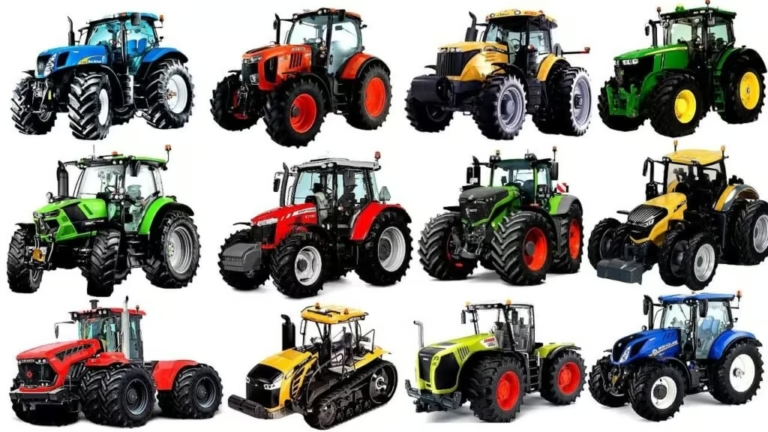
Tractors are not one-size-fits-all machines. That is easy to forget when you picture the classic image of a big green or red machine rolling through a cornfield. In reality, the word “tractor” covers an enormous range of vehicles, from a compact walk-behind garden machine to a GPS-guided autonomous unit running without a driver, to a massive military hauler built to survive a landmine blast.
What they all share is the same basic design purpose: delivering high torque at low speed to tow, push, pull, or power the equipment attached to them. Whether that equipment is a plow, a crane, a harvester, or a demolition attachment depends entirely on what kind of tractor you are dealing with.
Farmers have always needed different tools for different jobs. Planting a row of corn requires a completely different machine than harvesting grapes in a narrow orchard aisle, or moving tons of earth on a construction site, or carrying weapons across rough military terrain. That is why so many distinct tractor types have been developed over the decades.
If you are trying to figure out which type fits your needs, or you simply want to understand what these machines are and what they do, this guide breaks it down clearly. Here are eleven different types of tractors, what makes each one unique, and where they are used in the real world.
1. Earth Moving Tractors: The Heavyweights of Construction Sites
Earth moving tractors are exactly what the name suggests. These are powerful, heavy machines built to move enormous quantities of soil, rock, debris, and other materials. They come in both tire and track configurations depending on the terrain and the job.
On a construction site, an earth moving tractor is often indispensable. Think about a dam being built, a quarry being excavated, or a basement being dug under a new building. None of that happens without serious earth moving capacity.
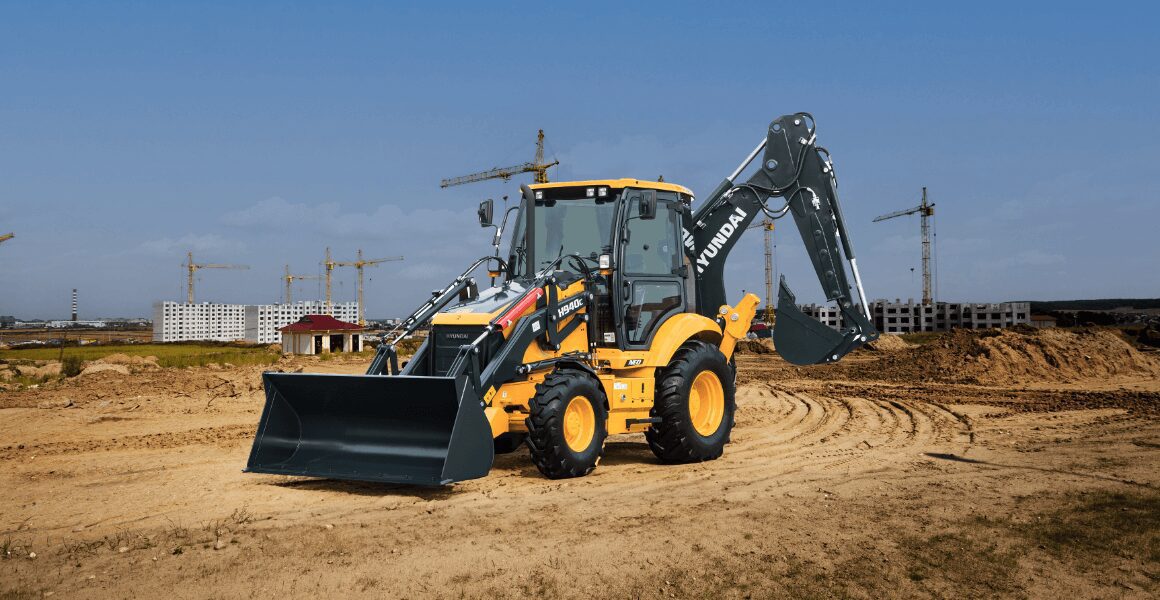
These machines are used to:
- Move and reposition dirt, mud, debris, boulders, and lumber
- Dig holes for basements and foundations
- Grade and level large areas of ground
- Clear land before construction begins
Earth moving tractors are built to last under extreme conditions. They are not cheap, but on a serious job site, the investment pays for itself quickly.
There are three core types that fall under this category:
- Excavators: Long-arm machines with a rotating cab, used for deep digging and material handling
- Backhoes: Versatile machines with a loader on the front and a digging arm at the rear
- Bulldozers: Heavy tracked machines with a front blade used for pushing and grading large volumes of earth
Before purchasing one of these machines, it is worth identifying exactly which type of work you need to do. Each of the three has a distinct strength, and buying the wrong one for your site is a costly mistake.
2. Utility Tractors: The Go-To Machine for General Farm Work
If there is one tractor type that most farmers think of first, it is the utility tractor. These are designed for general-purpose agricultural work, and that versatility is exactly what makes them so popular.
A farmer who cannot justify buying a separate specialized machine for every individual task can rely on a utility tractor to handle a wide range of jobs. They typically produce between 45 and 140 horsepower, which gives them enough muscle to run a variety of implements while staying manageable for daily use.
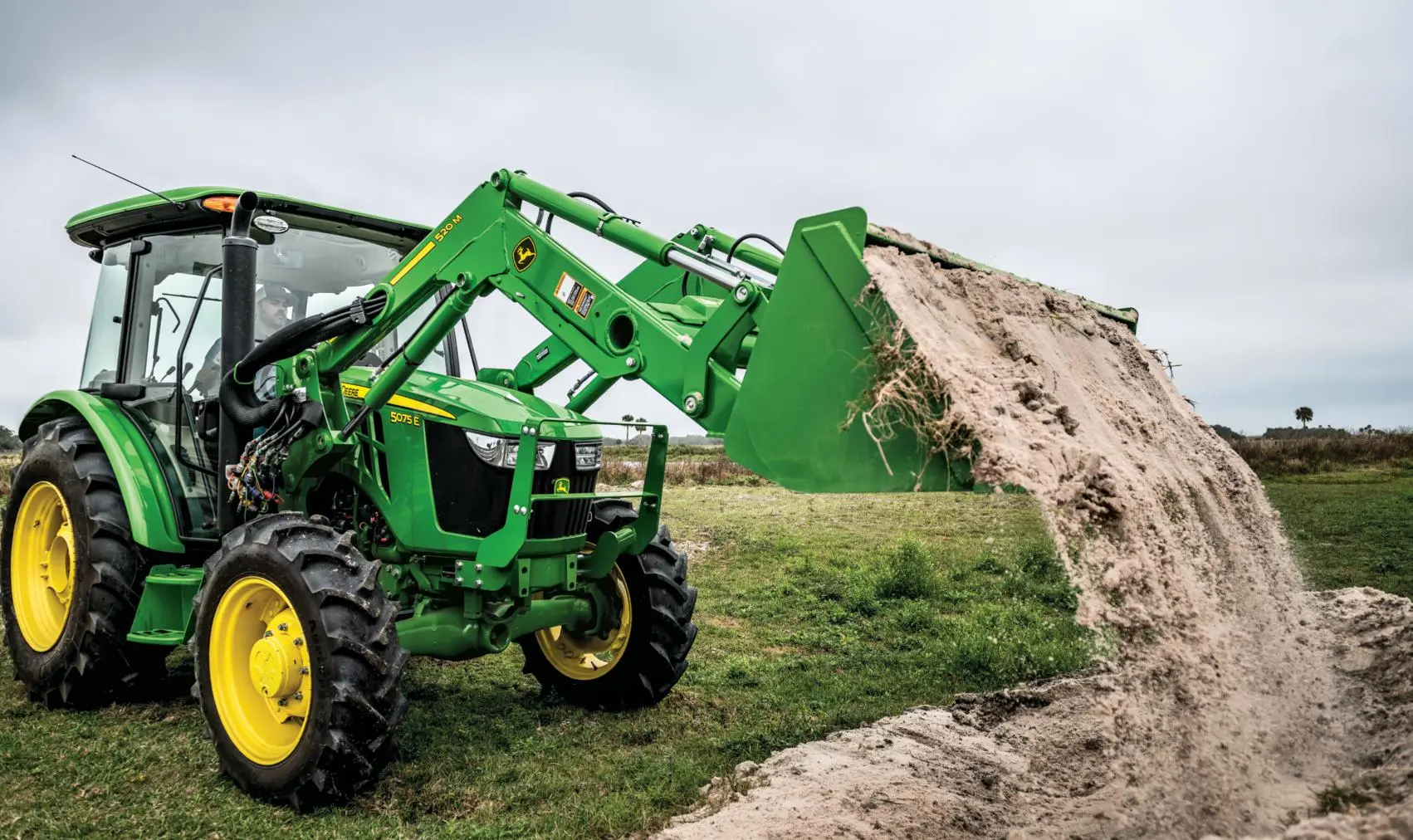
Utility tractors can power and pull:
- Tillers
- Harvesters
- Threshers
- Hay cutters
- Plows
They run on either gasoline or diesel engines depending on the model and manufacturer. John Deere and Mahindra are two of the most recognized names in the utility tractor space, though many other manufacturers produce solid options across different price ranges.
These tractors are also commonly used in landscaping, not just crop farming. If you own a mid-size property and need a machine that can handle multiple attachment types across different seasons, a utility tractor is usually the most practical starting point.
3. Industrial Tractors: Built for Hauling, Not Harvesting
Industrial tractors look somewhat like their agricultural cousins at first glance, but they serve a completely different purpose. These machines are designed for industry rather than farming, and they were historically called tuggers, which tells you a lot about what they are built to do.
The primary job of an industrial tractor is to pull heavy loads in industrial environments such as warehouses, shipyards, airports, and manufacturing plants. Many are also equipped with cranes capable of lifting heavy weights, which makes them valuable for material handling operations where both pulling and lifting are required.
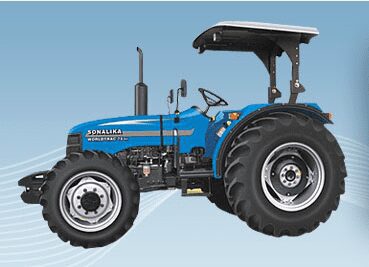
A few key differences set industrial tractors apart from agricultural models:
- They do not have a three-point hitch, which is standard on farm tractors for attaching implements
- They use drawbars instead
- They are available in a wide range of horsepower ratings depending on the load capacity needed
These are not machines you would bring into a field. They are purpose-built for structured industrial environments where heavy, predictable loads need to be moved efficiently and repeatedly.
4. Garden Tractors: Small Machines That Handle a Big Range of Tasks
Garden tractors sit at the compact end of the tractor spectrum. Most models produce between 1 and 10 horsepower, though some newer designs have pushed that ceiling up to around 20 HP. They are sized and powered appropriately for residential and small-property use.
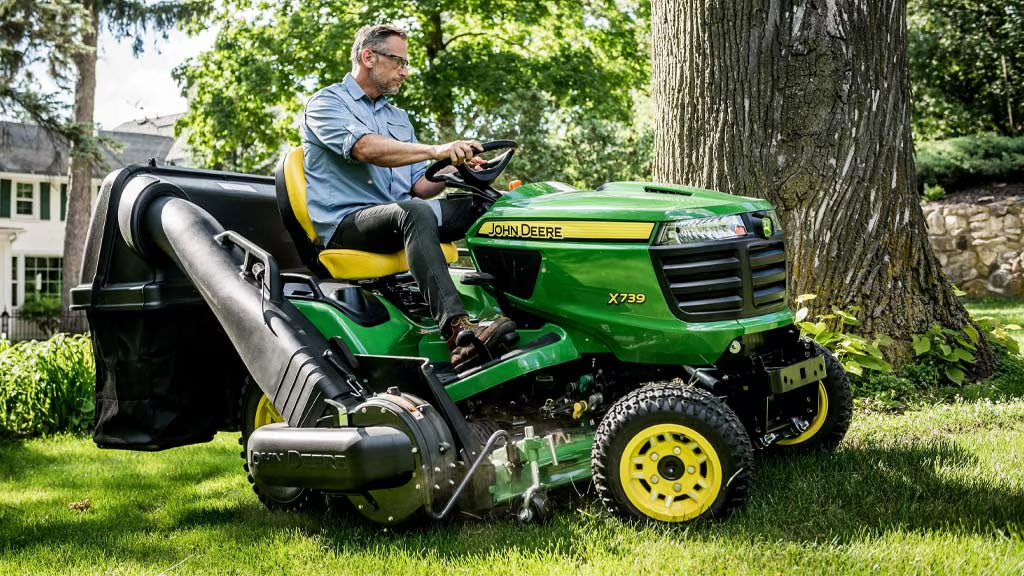
These machines are primarily used for:
- Grass cutting and lawn maintenance
- Creating new garden beds
- Light tilling and landscaping work
One thing worth knowing is that garden tractors come in an enormous variety of designs. There are over 100 different types and models currently available, with prices ranging from under $2,000 to more than $4,000 depending on size, features, and capability.
The wheels on garden tractors are noticeably wider and thicker than they might appear at first, providing better traction on grass without the heavy weight that would damage a lawn surface.
If you know exactly what jobs you need the machine to handle and what size property you are working with, narrowing down the right garden tractor becomes much more manageable. The range of options is wide, but so is the opportunity to find exactly the right fit for your situation.
5. Autonomous Tractors: The Future of Farming Is Already Here
Autonomous tractors are one of the most talked-about developments in modern agriculture, and with good reason. These are driverless machines controlled by artificial intelligence rather than a human operator sitting in the cab.
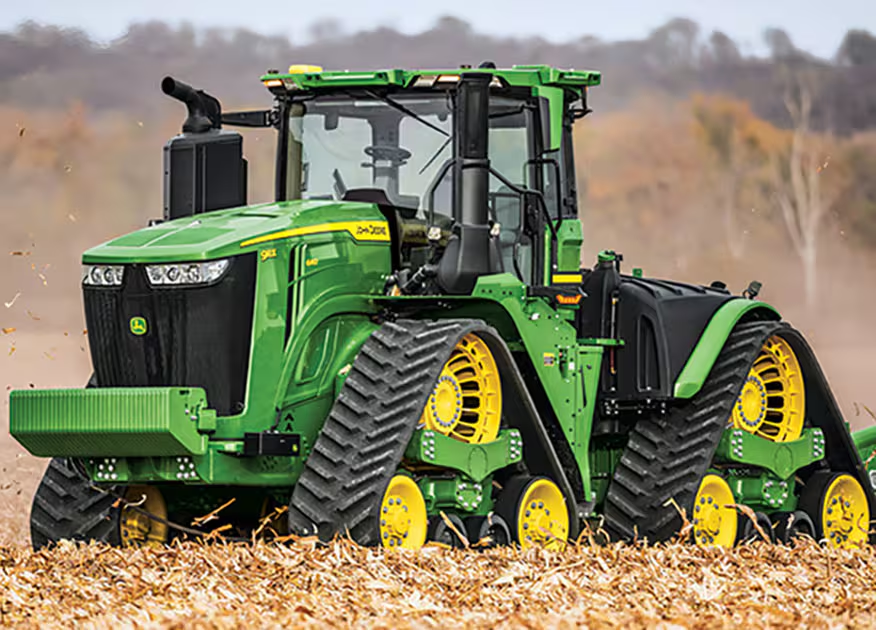
They rely on a combination of technologies working together:
- Onboard computers and AI systems
- GPS navigation
- Drone technology for field mapping and monitoring
- Satellite communication
The appeal is obvious. A single operator working from a central location could theoretically manage multiple autonomous tractors running simultaneously across different fields. Some industry projections suggest one operator managing up to a dozen or more units at once, though more conservative estimates put the realistic number lower for now.
The agricultural community has been closely watching the development of autonomous tractors for years, and interest is growing rather than slowing. These machines have the potential to address labor shortages, reduce operational costs, and allow precision farming operations to run around the clock without fatigue.
Whether they fully replace traditional tractors in the near term is still an open question, but autonomous units are no longer just a concept. They are already operating on working farms in several countries, and the technology continues to improve with each generation.
6. Row Crop Tractors: Designed Around the Geometry of Planted Fields
Row crop tractors are purpose-built for fields where crops are planted in parallel rows. That specific application drives every design decision on these machines.
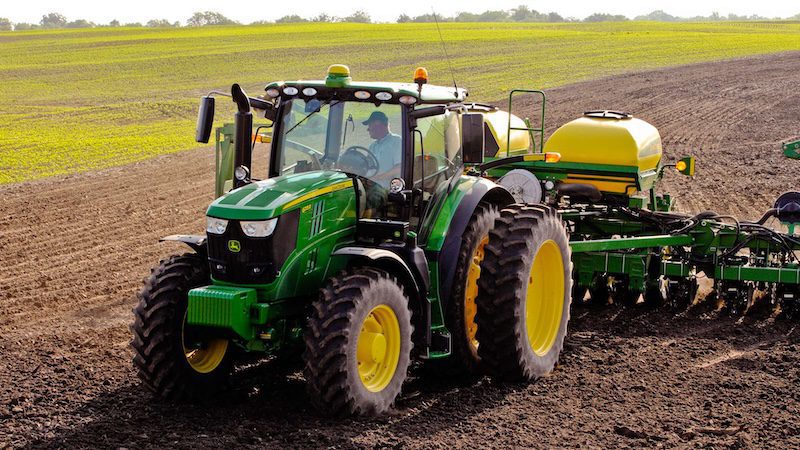
They are used for a range of agricultural tasks including:
- Plowing
- Harvesting
- Leveling
- Harrowing
- Dragging seed drills
What sets row crop tractors apart from standard utility machines is a set of features specifically tailored to working between planted rows without damaging the crop:
- Increased ground clearance so the machine can pass over growing plants without contact
- Adjustable row spacing to accommodate different crop layouts and row widths
- Precise steering for accurate passes between rows with minimal overshoot
- Quick implement changes for transitioning between tasks efficiently
Row crop tractors cost more than utility tractors, but for a farmer who plants in rows and needs to work between those rows throughout the growing season, the additional investment delivers real value. The design advantages are not cosmetic. They directly reduce crop damage and improve working efficiency in the field.
7. Orchard Tractors: Narrow, Specialized, and Built for Trees
Orchards present a unique challenge. The trees are tall and closely spaced, the canopy hangs low, and the ground between rows is often uneven or covered in low-growing vegetation. A standard farm tractor would knock branches, damage bark, and crush the soil in ways that harm the trees and the harvest.
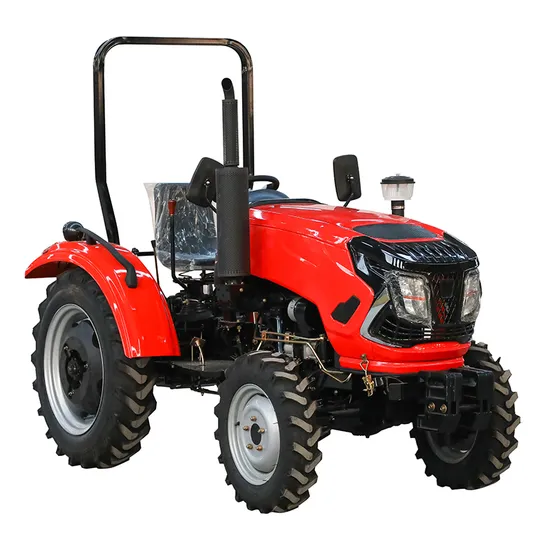
Orchard tractors solve those problems through specific design features:
- They are narrow, allowing passage through tight rows between trees
- They have no external protrusions that could catch on branches or tree limbs
- The driver sits in an enclosed cab or protected area to avoid being struck by low branches
- The height of the machine allows the operator to reach fruit or trim branches while seated
- Even the tires are purpose-designed for orchard use, resistant to the thorns common on many fruit trees
These tractors work across different types of orchards, whether the crop is apples, pears, citrus, grapes, or other tree or vine fruits. The specific configuration may vary depending on the orchard layout, but the core design priorities stay the same: protect the trees, protect the operator, and fit into the tight spaces that a standard agricultural machine simply cannot navigate.
The level of customization available in orchard tractors reflects how specialized this application really is. This is not a machine that was adapted from a general-purpose design. It was built from the ground up around the specific demands of orchard work.
8. Rotary Tractors: The Hill Farmer’s Practical Solution
Rotary tractors, sometimes called rotary tillers or walk-behind tractors with rotary attachments, are primarily used in small fields on hillside terrain where the ground changes elevation frequently and standard equipment cannot operate safely or effectively.
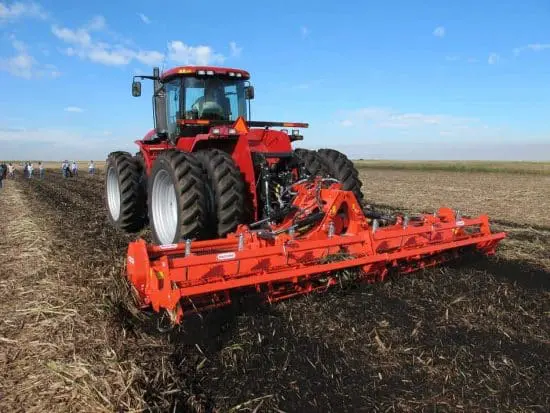
The design is built for environments where larger machines simply do not work well:
- Small, irregularly shaped fields
- Sloped terrain at different height levels
- Areas where turning radius and machine weight are major concerns
They come equipped with rotary blades that can prepare seedbeds, till soil, and handle basic planting preparation. Their compact size and maneuverability make them far better suited for hillside farming than a full-size tractor that would struggle with traction and stability on steep or uneven ground.
Mahindra is one of the manufacturers frequently mentioned in this category, with their rotary tiller tools receiving consistently strong reviews from hillside farmers who need reliable performance on demanding terrain.
For anyone farming small plots on slopes, a rotary tractor is not just a convenience. It is often the only realistic option.
9. Military Tractors: Engineered for the Harshest Environments on Earth
Military tractors occupy a category entirely their own. These machines are built for high-risk environments where civilian equipment would fail or become a liability. They share some visual similarities with industrial tractors, but the engineering underneath is in a different class.
Historically known as artillery tractors, they were widely used from the mid-twentieth century onward to transport weapons, heavy artillery pieces, and military equipment across terrain that would stop conventional vehicles.
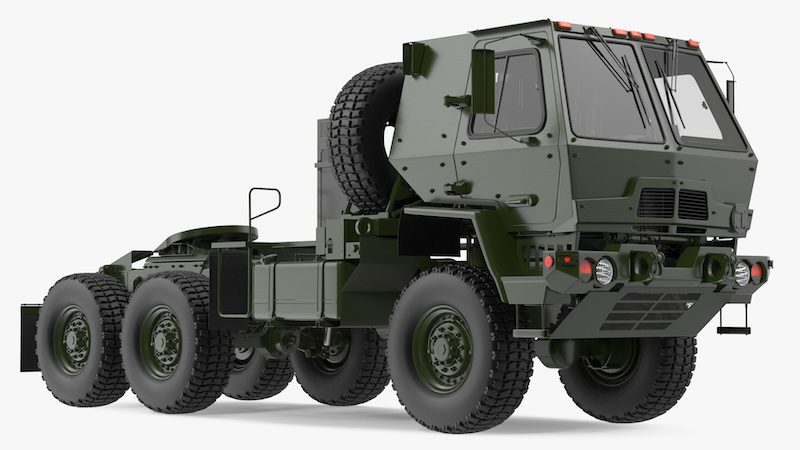
Their applications include:
- Construction and demolition in combat or post-conflict zones
- Temporary road construction under field conditions
- Transporting heavy military hardware across rough terrain
- High-risk recovery and clearing operations
The structural differences from civilian machines are significant. Military tractor frames and undercarriages are reinforced to withstand landmines and explosive devices. Some models include amphibious or semi-amphibious features for water crossings. They can be transported via tracks, wheels, or semi-trucks depending on the deployment situation.
These are not machines you encounter in everyday civilian life, but understanding that tractor design extends this far into specialized use cases gives you a sense of how broadly the category really stretches.
10. Implement Carrier Tractors: Designed Around the Equipment They Carry
Implement carrier tractors are built with a specific structural purpose: making it easier to attach and use a wide range of implements by extending the chassis between the front and rear axles. That extended frame creates a platform between the wheels where implements can be mounted, carried, and operated.
This design makes these tractors particularly useful when the implement needs to be positioned under or between the tractor rather than simply pulled behind it. Cultivation tools, sprayers, and certain planting equipment benefit from this arrangement because the implement sits closer to the ground and can be positioned more accurately relative to the row or plant.
Implement carrier tractors are available in a range of styles and sizes to suit different applications and farm sizes. Their defining characteristic is that the implement is part of the machine’s working profile rather than just an attachment trailing behind.
For operations where precise implement positioning matters, this design offers real advantages over a standard tractor pulling a trailing attachment.
11. Two-Wheel Tractors: Simple, Practical, and Widely Used Around the World
Two-wheel tractors go by several names: walk-behind tractors, single-axle tractors, or simply walking tractors. Whatever you call them, they are among the most widely used small farm machines in the world, particularly in developing agricultural regions where full-size tractors are not practical or affordable.
These machines are compact, lightweight, and powered by small gasoline engines. The operator walks behind the unit, steering it using handlebars, rather than riding in a cab or seat.
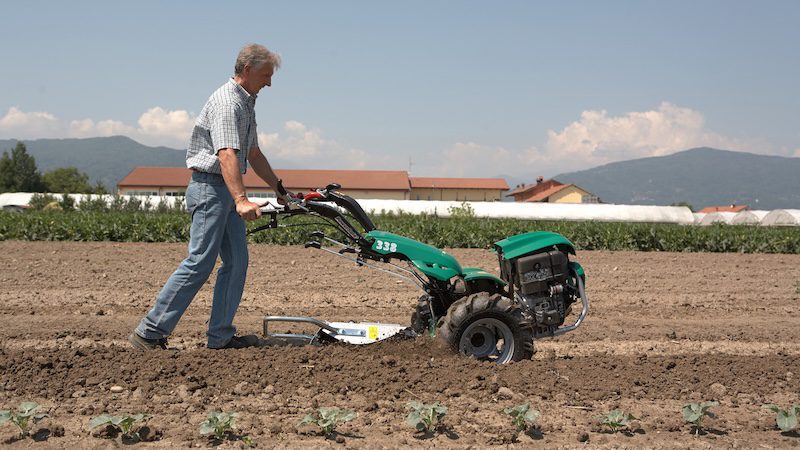
Common uses include:
- Tilling small plots of land
- Plowing garden-scale fields
- Towing smaller implements such as seeders, harvesters, and small trailers
They are ideally suited for small farms and home gardens where the scale of the operation does not justify a larger machine. Their low cost, ease of maintenance, and ability to work in tight spaces where larger equipment cannot reach make them a practical first choice for smallholder farmers and serious home gardeners alike.
In many parts of Asia, Africa, and South America, two-wheel tractors are the backbone of small-scale agriculture. They are simple enough to repair with basic tools, affordable enough to purchase without heavy financing, and capable enough to handle the core tillage and transport tasks that small farms depend on.
Choosing the Right Tractor Starts With Knowing What the Job Actually Demands
| Tractor Type | Primary Use | Typical Power Range | Best For |
|---|---|---|---|
| Earth Moving | Construction and excavation | High horsepower | Dam, quarry, foundation work |
| Utility | General farm tasks | 45 to 140 HP | Mid-size farms, multiple implements |
| Industrial | Hauling heavy loads | Varies by model | Warehouses, shipyards, manufacturing |
| Garden | Lawn and garden maintenance | 1 to 20 HP | Residential and small properties |
| Autonomous | AI-controlled farming | Varies | Large precision farming operations |
| Row Crop | Working between crop rows | Mid to high HP | Row-planted crop farms |
| Orchard | Working in orchards and vineyards | Mid HP | Fruit and grape growers |
| Rotary | Hillside tilling and seedbed prep | Low to mid HP | Small hillside farms |
| Military | Combat and field operations | High HP | Military and high-risk environments |
| Implement Carrier | Precision implement positioning | Varies | Cultivation and precise field work |
| Two-Wheel | Small-plot tilling and towing | Low HP | Small farms and home gardens |
The variety here is genuinely impressive. From a walk-behind two-wheel machine working a backyard garden plot, to a GPS-guided autonomous unit covering hundreds of acres without a driver, to a blast-resistant military hauler moving across hostile terrain, the category of “tractor” covers far more ground than most people realize.
Each type exists because a specific job demanded it. The design features that make an orchard tractor valuable are useless on a construction site, and a bulldozer would destroy an orchard in minutes. That is the point. Every type on this list was built in response to real working conditions and real farming or industrial challenges.