

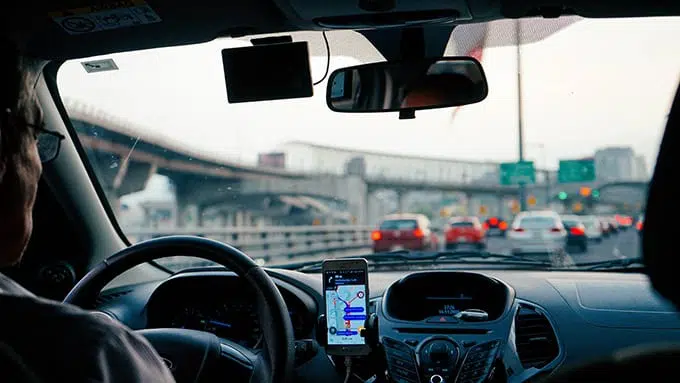

According to insurers, the number of road accidents in the United States is on the rise. This increase in auto accidents has consequently contributed to an increase in auto insurance rates.
According to research, this tendency is mostly attributable to the broad and rising prevalence of concurrent smartphone use behind the wheel.
36 percent of all respondents surveyed by State Farm Mutual Automobile Insurance Co. in 2015 acknowledged to texting behind the wheel, while 29 percent did not hide the fact that they have surfed the web while driving – a worrisome increase compared to earlier polls.
It is also quite intriguing that State Farm’s study has garnered the attention of more consumers over the past year. “The overall proportion of smartphone owners participating in State Farm’s surveys has also climbed significantly over the past few years, from 52 percent in 2011 to 88 percent in 2015,” according to State Farm.
Despite State Farm’s research, the connection between distracted drivers on the road, increased and widespread smartphone usage, and the escalating number of traffic incidents remains unclear. Researchers believe that the problem’s breadth is significantly larger than is commonly believed. Why? Because a considerable proportion of drivers implicated in these incidents rarely admit to using their phones while driving.
However, there are still other other variables that may be contributing to the troubling trend. Lower petrol prices, the current economic state of the United States, and other factors have contributed to an increase in the number of drivers on the road. More drivers, more accidents. (Especially when these drivers lack adequate training and experience). Quite basic and not too rational.
In conclusion, for the average American citizen and pedestrian, America’s drivers are becoming a reason to be extra cautious every time one ventures outside. Their irresponsibility behind the wheel is also causing insurance firms difficulty, as they fight to keep up and are forced to increase vehicle insurance rates.
Utilize your mobile device while driving? Perhaps the time has come to stop.