

Most of us have been to an airport at some point. But here’s the thing, not all airports are the same. Not even close.
Some are sprawling international mega-hubs with luxury lounges and duty-free shops stretching for miles. Others are tiny airstrips carved out of the wilderness, barely big enough for a single propeller plane. And then there are airports built exclusively for helicopters, cargo, or the military.
Each type exists for a reason, and understanding the differences can actually make you a smarter traveler. So let’s break down all 14 types and what sets them apart.
1. International Airports — The Global Connectors
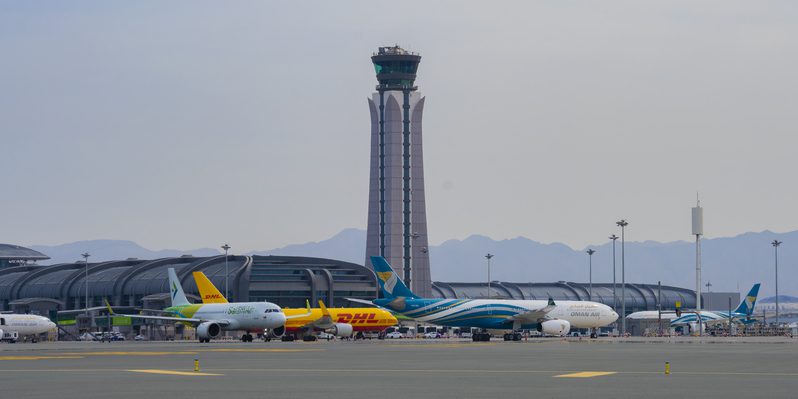
These are the big ones. Think Dubai International, Heathrow, JFK. International airports handle flights crossing national borders, which means they’ve got customs facilities, immigration checkpoints, and passport control built right in.
They’re among the busiest airports on the planet, and they come in a few different flavors:
- Hub airports — Where airlines base their main operations, routing connecting passengers through a central point.
- Focus city airports — Where airlines fly to destinations not covered by their primary hub.
- Gateway airports — The entry and exit points for passengers coming into or leaving a country.
Beyond flights, international airports are practically small cities. You’ll find duty-free shopping, restaurants, lounges, and rigorous security measures like baggage screening and multi-step checks. They also move massive amounts of cargo, making them a vital piece of the global supply chain.
Whether you’re flying for work or vacation, there’s a good chance an international airport is your starting point.
2. Primary Commercial Service Airports — The Workhorse Hubs
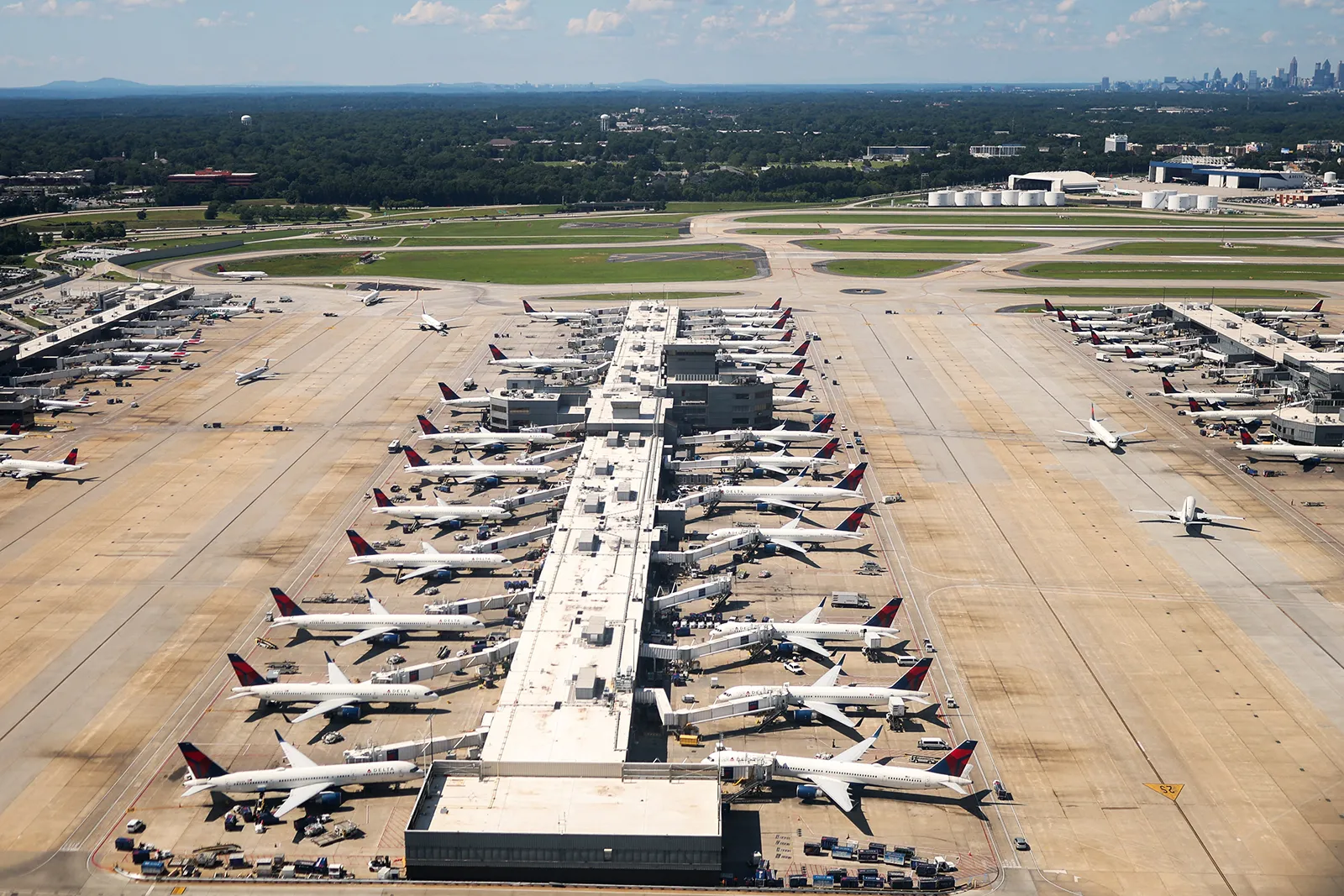
Primary commercial service airports are the airports most people picture when they hear the word “airport.” They handle high volumes of passenger traffic, host numerous commercial airlines, and feature large runways, modern terminals, and full-service facilities.
We’re talking about places like JFK, London Heathrow, and Beijing Capital International. These airports manage both domestic and international travel, operating everything from small regional jets to wide-body giants like the Boeing 777 and Airbus A380.
Despite the sheer volume of travelers passing through daily, these airports work hard to keep the experience smooth. Expect shops, restaurants, lounges, and highly trained security teams keeping everything running safely.
In short, these are the backbone of commercial aviation.
3. Non-Primary Commercial Service Airports — The Regional Lifelines
Not every community has a massive international airport nearby—and that’s where non-primary commercial service airports step in. They handle less traffic than the big commercial hubs, but they’re essential for connecting smaller cities and towns to the broader aviation network.
You’ll still find amenities like restaurants, rental car services, and airport lounges. But don’t expect a wide selection of international routes or flights departing every 20 minutes. These airports focus primarily on regional connectivity.
A good example? Manchester-Boston Regional Airport in New Hampshire. It serves as a hub for several airlines and offers direct flights to destinations like Las Vegas and Orlando. Others include Long Beach Airport in California, Savannah/Hilton Head International in Georgia, and Akron-Canton Airport in Ohio.
If you’re visiting family in a smaller town or heading somewhere off the beaten path, a non-primary commercial airport might be your best friend.
4. Cargo Service Airports — Where Goods Move, Not People
When most of us think “airport,” we picture terminals full of passengers clutching boarding passes. But cargo service airports flip that script entirely. These facilities are built for moving goods and packages—not people.
They’re often located near major shipping centers and come equipped with specialized machinery: forklifts, cranes, conveyor belts, and climate-controlled storage for temperature-sensitive items. Major logistics companies or individual businesses may operate them.
They’re not glamorous. You won’t find a Starbucks or a duty-free perfume shop here. But cargo airports are absolutely vital to the economy. They keep the supply chain moving and help businesses ship products quickly across long distances.
Next time you see a cargo plane landing, know that it’s part of a completely different airport ecosystem than the one you’re used to.
5. Regional Airports — Smaller Scale, Big Impact
Regional airports serve a specific geographic area and connect smaller cities and towns to larger hubs. They tend to have limited facilities and are primarily used by regional airlines running shorter routes.
Within this category, you’ll find two sub-types:
- Hub airports — Act as a central point for connecting flights.
- Spoke airports — Feed passengers into those larger hubs.
Some regional airports even have international connections, though domestic flights remain their bread and butter. The real perks? They’re typically less crowded, easier to navigate, and far more convenient than battling through a major international terminal.
They also bring serious economic benefits—promoting tourism, attracting businesses, and improving access to goods and services in areas that might otherwise be cut off from the rest of the country.
6. Seaplane Base Airports — Taking Off From the Water
This one’s a bit different. Seaplane base airports cater to seaplanes and amphibious aircraft that take off and land on water instead of traditional runways. They’re often found in remote coastal regions or areas where waterways serve as the primary mode of transportation.
In some locations, seaplanes are the main way to get around—both for residents and tourists. Some seaplane bases even offer scenic tours and sightseeing flights, which makes for a pretty unforgettable travel experience.
The infrastructure here is unique too. Instead of runways and taxiways, you’ll find docks, piers, and waterfront hangars. These airports are still regulated by aviation authorities, but the requirements look very different from your typical tarmac-and-terminal setup.
They’re niche, sure. But if you ever get the chance to fly into or out of one, take it.
7. National Airports — A Country’s Aviation Flagship
National airports are the largest and most prominent airports in a country. They function as the main hubs for major airlines and offer a full range of services—shopping, dining, accommodations, you name it.
These airports can handle enormous passenger volumes daily, with multiple runways and terminals to keep things moving. In the U.S., Hartsfield-Jackson Atlanta International Airport takes the crown, seeing over 100 million passengers per year. Globally, names like London Heathrow, Beijing Capital International, and Dubai International top the list.
Because of their size and importance, national airports are heavily regulated and maintain extensive security protocols. They’re a cornerstone of a country’s transportation infrastructure—and a significant driver of economic growth through business travel and tourism.
8. General Aviation Airports — Built for Private and Small Aircraft
General aviation airports cater to smaller aircraft and private pilots. You won’t find commercial flights here, but that doesn’t make them any less important. They’re used for flight training, emergency services, corporate travel, and recreational flying.
These airports range from small landing strips with minimal amenities to larger facilities offering fuel, hangar space, and maintenance services. Because the aircraft using them are smaller, runway lengths and overall infrastructure tend to be more modest than at commercial airports—but they’re still governed by FAA regulations and safety standards.
Think small municipal airports, private airfields, and regional general aviation hubs. If you’re a private pilot or aviation enthusiast, these are your playgrounds.
9. Heliport Airports — Landing Pads, Not Runways

Heliport airports are designed exclusively for helicopters. No runways, no taxiways—just designated landing pads or areas where helicopters touch down and take off.
You’ll find them in urban areas, on hospital rooftops, and on offshore oil platforms. They’re commonly used for emergency medical transport, search and rescue operations, and corporate travel. For business travelers, heliports offer a fast, convenient way to hop between locations within a city or nearby areas without dealing with road traffic.
They might not get much attention, but heliports are a critical part of the aviation network—especially in dense urban environments where speed matters.
10. Local Airports — Quick, Convenient, and Close to Home
Local airports (sometimes called regional airports) serve a smaller catchment area than international hubs. They typically handle short-haul flights connecting nearby cities or towns.
The biggest selling point? Convenience. Shorter security lines, faster check-ins, reduced wait times, closer parking, and less time stuck in traffic getting to the airport. Business travelers, in particular, love them for exactly these reasons.
Local airports also give a real economic boost to smaller communities by making them more accessible. While you won’t find the same level of amenities as a major hub, most still offer basic facilities—passenger lounges, retail shops, and food options.
11. Domestic Airports — Keeping a Country Connected
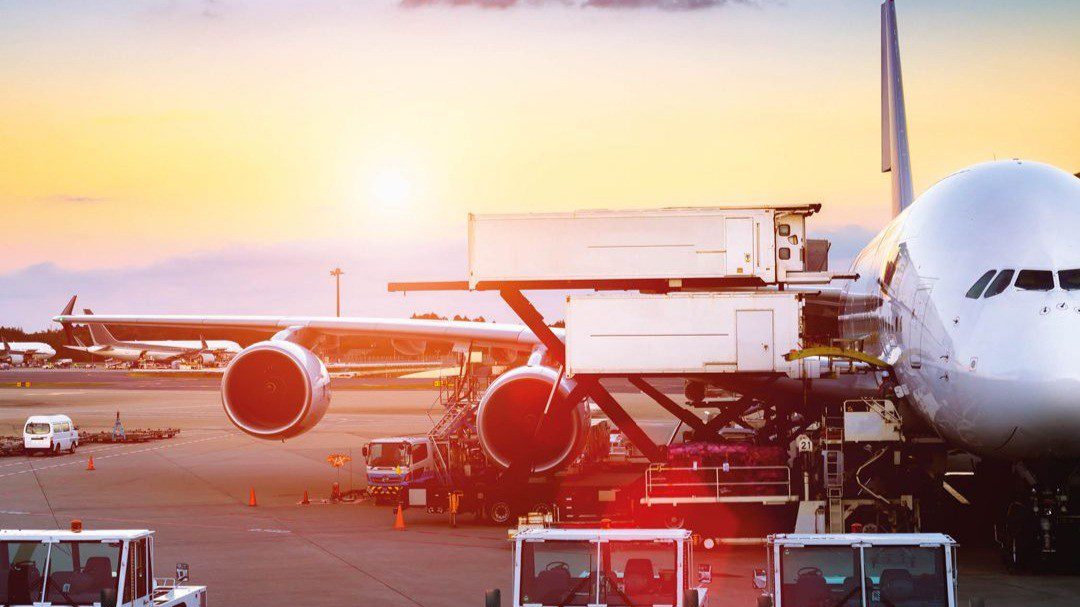
Domestic airports operate within a single country’s borders. They’re the backbone of internal air travel, connecting cities and regions while facilitating the movement of people and goods.
These airports typically host multiple airlines and offer a high frequency of flights, giving travelers plenty of options. Facilities vary by location, but most include restaurants, shops, and ground transportation services. Many also have a separate terminal or section for private and business aviation.
In the U.S., well-known domestic airports include Hartsfield-Jackson Atlanta International, Chicago O’Hare, and LAX. They’re essential for keeping a country’s economy moving by connecting people across vast distances.
12. Reliever Airports — Taking the Pressure Off Major Hubs

Ever wonder how busy airports keep from being completely overwhelmed? That’s where reliever airports come in. They’re typically located within 20 to 25 miles of a major airport and absorb overflow traffic—especially smaller private planes and general aviation aircraft.
But they do more than just ease congestion. Reliever airports also:
- Provide access to smaller, more remote destinations
- Serve as training grounds for student pilots in less crowded airspace
- Support emergency medical transport and firefighting operations
- Offer more affordable parking and landing fees compared to the big airports
They’re a vital—if often overlooked—link in the national transportation network, keeping the skies safer and more efficient for everyone.
13. Military Airports — Restricted Access, National Importance

Military airports, also called air force bases, are owned and operated by a country’s armed forces. They’re used for air support, training exercises, and transporting military personnel and equipment.
Take Ramstein Air Base in Germany—the largest U.S. Air Force base outside American soil. It’s home to roughly 54,000 people, including military personnel, civilians, and their families, and it serves as a hub for operations throughout Europe and the Middle East.
Security at military airports is intense. Restricted access, extensive screening, and tight protocols are standard—all to protect personnel and sensitive equipment. While some military airports do handle limited commercial flights, most aren’t open to the public.
They may stay out of the spotlight, but military airports are foundational to national defense and emergency response capabilities. Without them, a country’s ability to project power and respond to crises would look very different.
14. Unclassified Airports
These are airports that don’t fit neatly into any of the categories above. They still provide access to the aviation system, but they lack a formal classification from aviation authorities. It’s essentially a catch-all label — if an airport doesn’t meet the criteria for any other category, it lands here by default. That said, this is rare. Most airports fall into one of the established types.
So, which type of airport have you spent the most time in, and which one surprised you on this list?

