
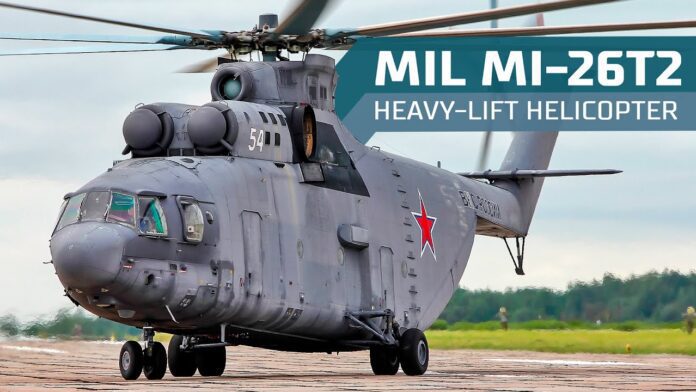
When you need to move troops, haul supplies into a combat zone, or extract people from a disaster area, there’s no substitute for a military cargo helicopter. These machines are built to carry heavy loads into places that are hostile, remote, or both—and they’ve been doing it for decades.
From the iconic twin-rotor Chinook to cutting-edge tiltrotors that blur the line between helicopter and airplane, here are 16 of the most capable military cargo helicopters operating around the world.
The Heavy Lifters
1. CH-47 Chinook — The Undisputed Workhorse
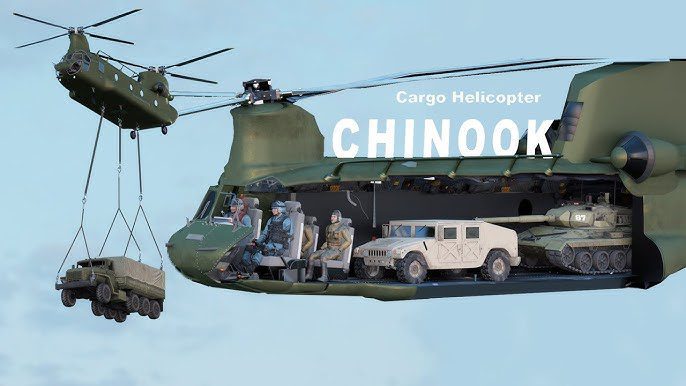
The CH-47 Chinook has been the go-to heavy-lift helicopter for military and humanitarian operations for decades—and for good reason. Built by Boeing, it can haul up to 38,000 pounds of cargo and has an impressive range of 3,100 miles without refueling.
It carries multiple troops and heavy artillery with ease. Militaries worldwide rely on it, including Canada and Israel. When something big needs to move somewhere difficult, the Chinook is usually the first call.
2. CH-53E Super Stallion — The Biggest Beast in the Fleet
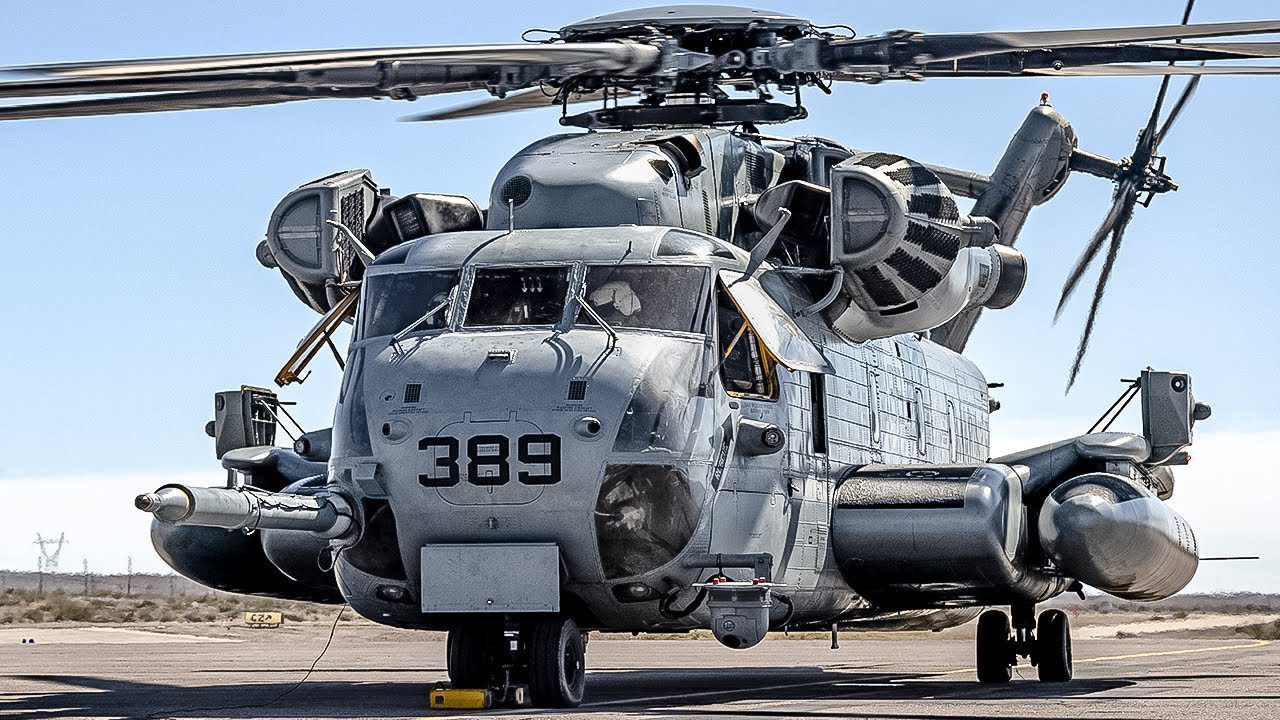
In terms of sheer size, the CH-53E Super Stallion is hard to beat. This massive helicopter has shown up in films and video games, and it’s easy to see why—there aren’t many aircraft that can fit a tank in their cargo bay.
It carries up to 28 soldiers or 19,000 pounds of cargo and serves seven different militaries around the world. NATO has designated it as an International Common Aircraft. If you need something delivered across open water or into a hot zone, this is the helicopter that gets it done.
3. Mi-26 Halo — Russia’s Heavy-Lift Giant
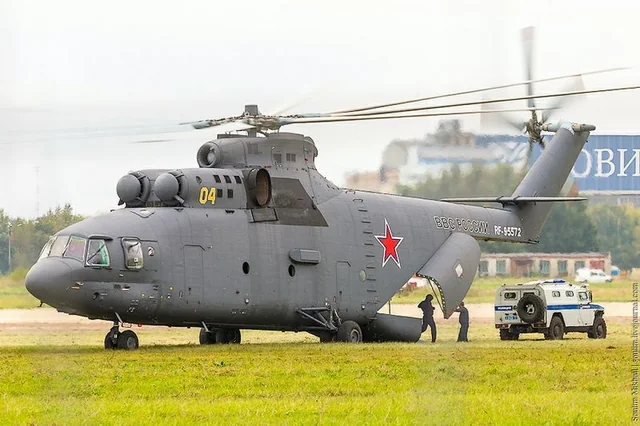
The Mi-26 Halo is a Soviet/Russian twin-engine heavy-lift helicopter—and it’s the largest production helicopter in the world. It’s designed to move massive loads that most other helicopters simply can’t handle.
Used for both military transport and humanitarian operations, the Halo has proven itself in conflicts and disaster relief scenarios across multiple continents. When a job is too heavy for everything else, the Mi-26 steps in.
The Versatile Utility Haulers
4. UH-60 Black Hawk — America’s Most Recognizable Military Helicopter
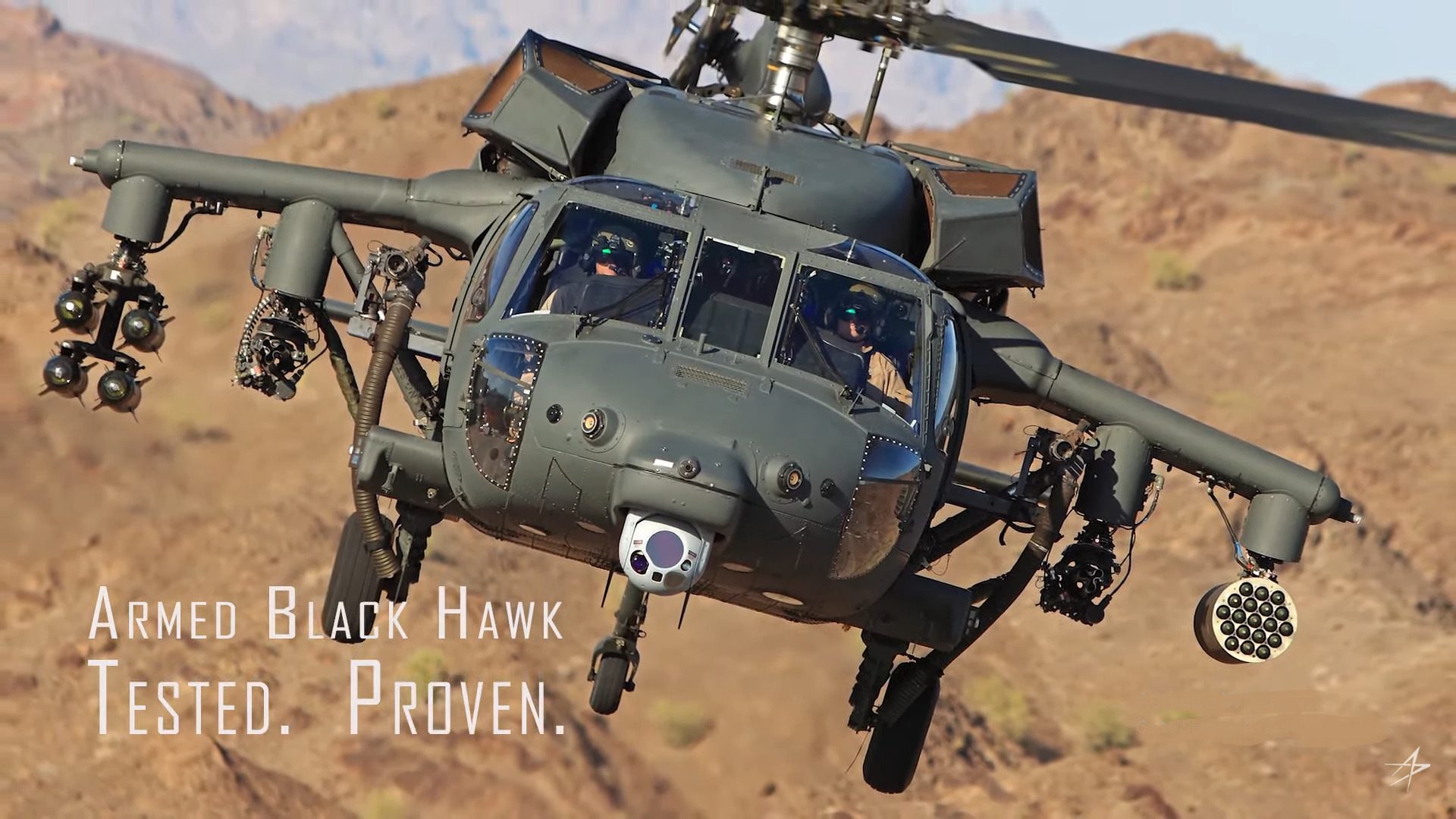
The Sikorsky UH-60 Black Hawk is a four-bladed, twin-engine, medium-lift utility helicopter that’s become synonymous with American military aviation. Sikorsky submitted the S-70 design for the U.S. Army’s Utility Tactical Transport Aircraft System (UTTAS) competition in 1972, and the Army selected it for production in 1976 after a fly-off against Boeing’s YUH-61A.
Named after a Native American war leader, the Black Hawk first flew on October 14, 1975. Production deliveries to operational units began in March 1978. It’s been the backbone of Army aviation ever since—used for troop transport, medevac, special operations, and just about everything in between.
5. SA330 Puma — The Global Standard
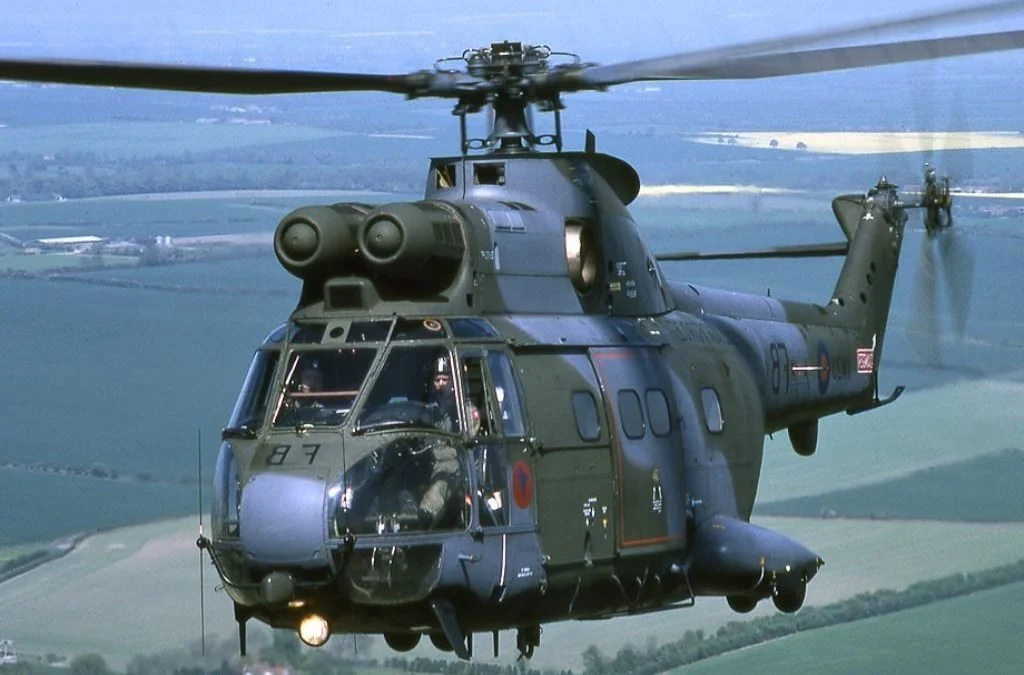
Manufactured by Eurocopter, the SA330 Puma is a medium-weight, twin-engine utility helicopter used by over 30 nations. NATO operates it as a standard military cargo helicopter, and it’s proven its value in roles far beyond simple transport.
Variants can serve as gunships with pintle-mounted weapons, and many are equipped for search and rescue missions. The French Air Force even uses an electronic surveillance version called the Scénichelonneur for gathering signals intelligence on the ground and at sea. The French Army operates a modified version known as the AS332 Super Puma.
6. AgustaWestland AW101 — The Anglo-Italian Multitasker
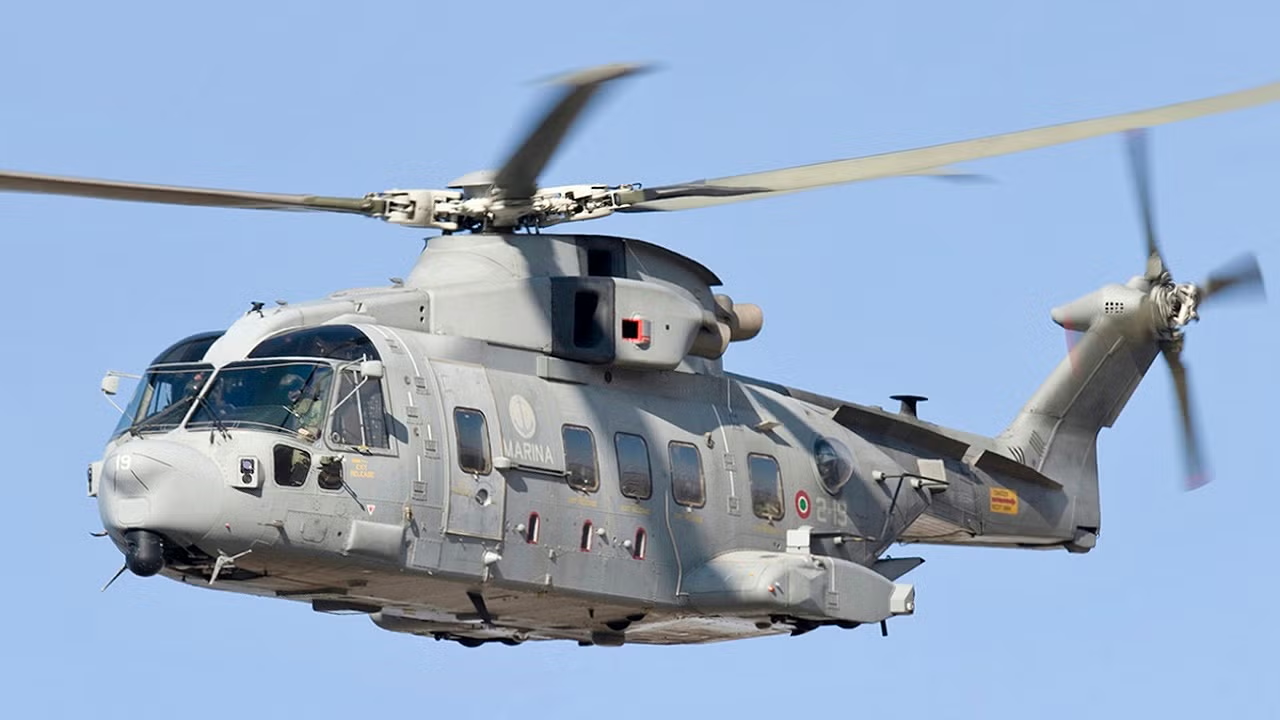
The AgustaWestland AW101 Merlin is a three-engine, medium-sized utility helicopter developed as a joint venture between Italy’s Agusta and Britain’s Westland. It entered service with both nations’ armed forces in 2004 and has since been exported to Germany, Ireland, Japan, Portugal, and Poland.
It can carry 12 troops internally and handle a maximum external load of 5,000 pounds, split among four external hook points. The UK, Italy, and Australia all operate variants of the AW101 for a range of missions from troop transport to anti-submarine warfare.
7. Eurocopter AS565 Panther — Proven in Afghanistan
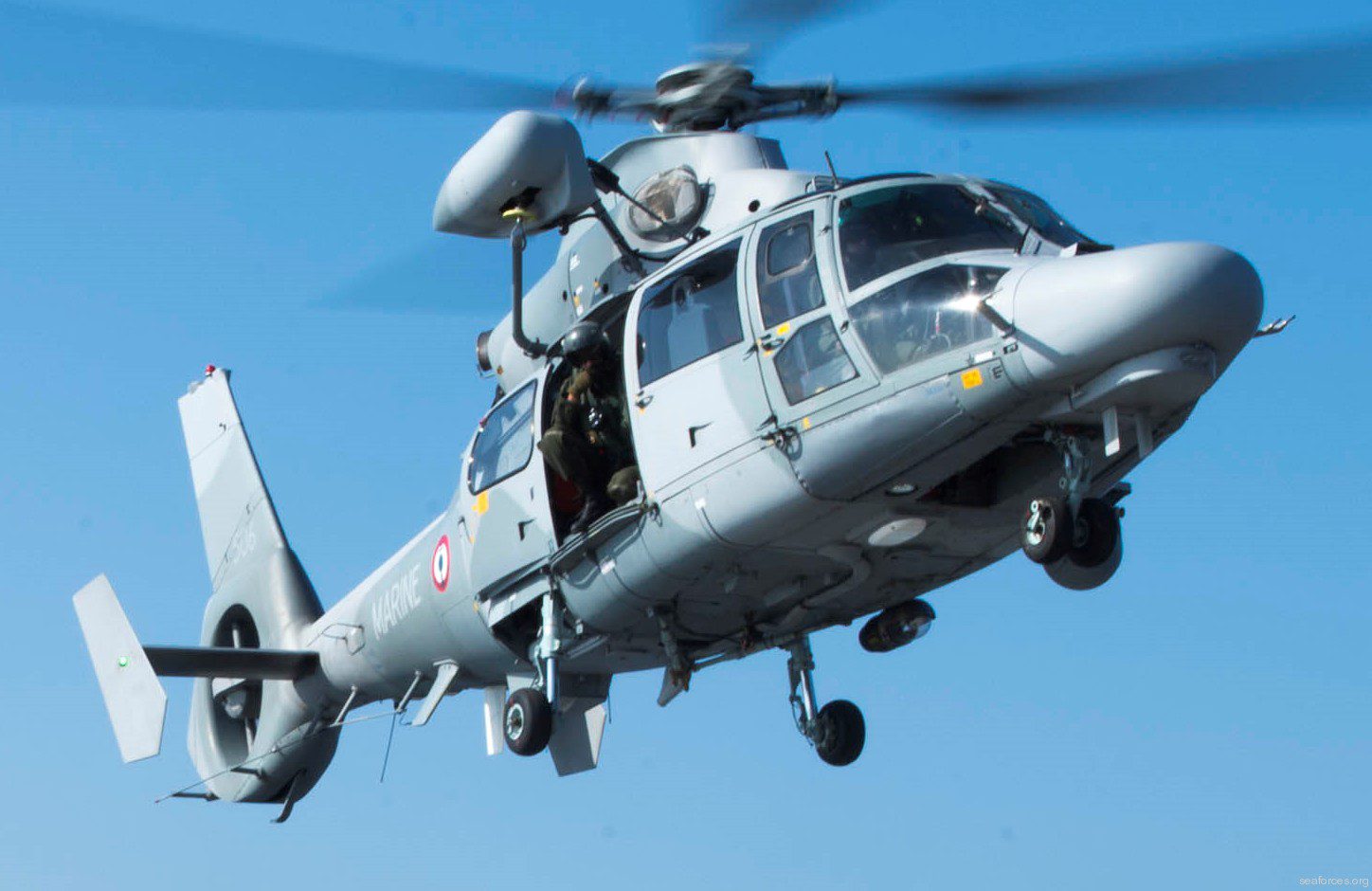
The AS565 Panther is a twin-engine multipurpose helicopter that’s become a fixture of military cargo operations. Along with its predecessor—the Super Puma/Cougar—it saw heavy deployment in Afghanistan, carrying soldiers and supplies into remote forward operating bases.
Its versatility extends to search and rescue, external load operations, and special operations support. Known operators include Australia, Brazil, Germany, and France. Eurocopter delivered over 100 aircraft to 25 countries in 2010 alone, with about 20% of production earmarked for export.
8. Eurocopter EC725 — Europe’s Combat Search and Rescue Specialist
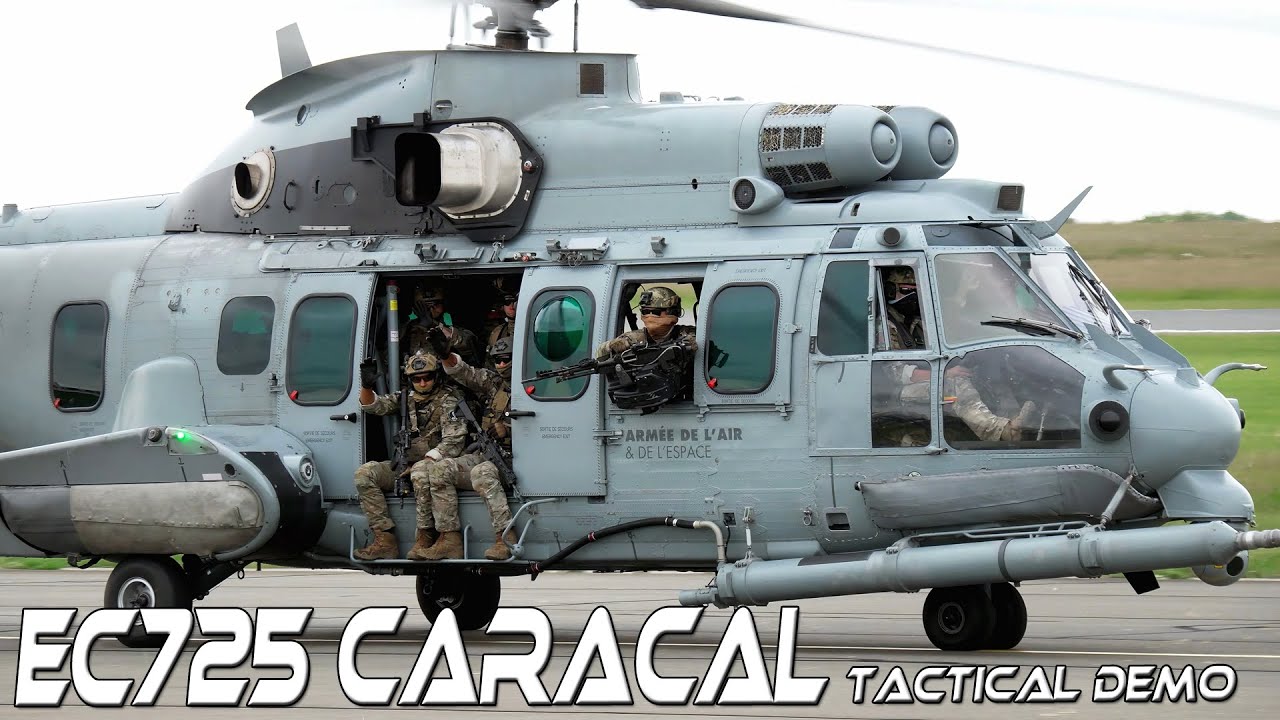
The EC725 is a twin-engine, medium-sized multirole military helicopter based on Airbus’s civilian Super Puma/Cougar platform, first introduced in 2008. It serves European countries and Australia, carrying a payload of up to 7,000 pounds.
Mission profiles include combat search and rescue, firefighting, and special operations support. It has an operational range of 346 miles—or up to 485 miles with additional fuel tanks. Power comes from two LHTEC T800 turboshaft engines made by Honeywell Aerospace, each producing 1,674 horsepower.
9. NHIndustries NH90 — Europe’s Next-Gen Transport
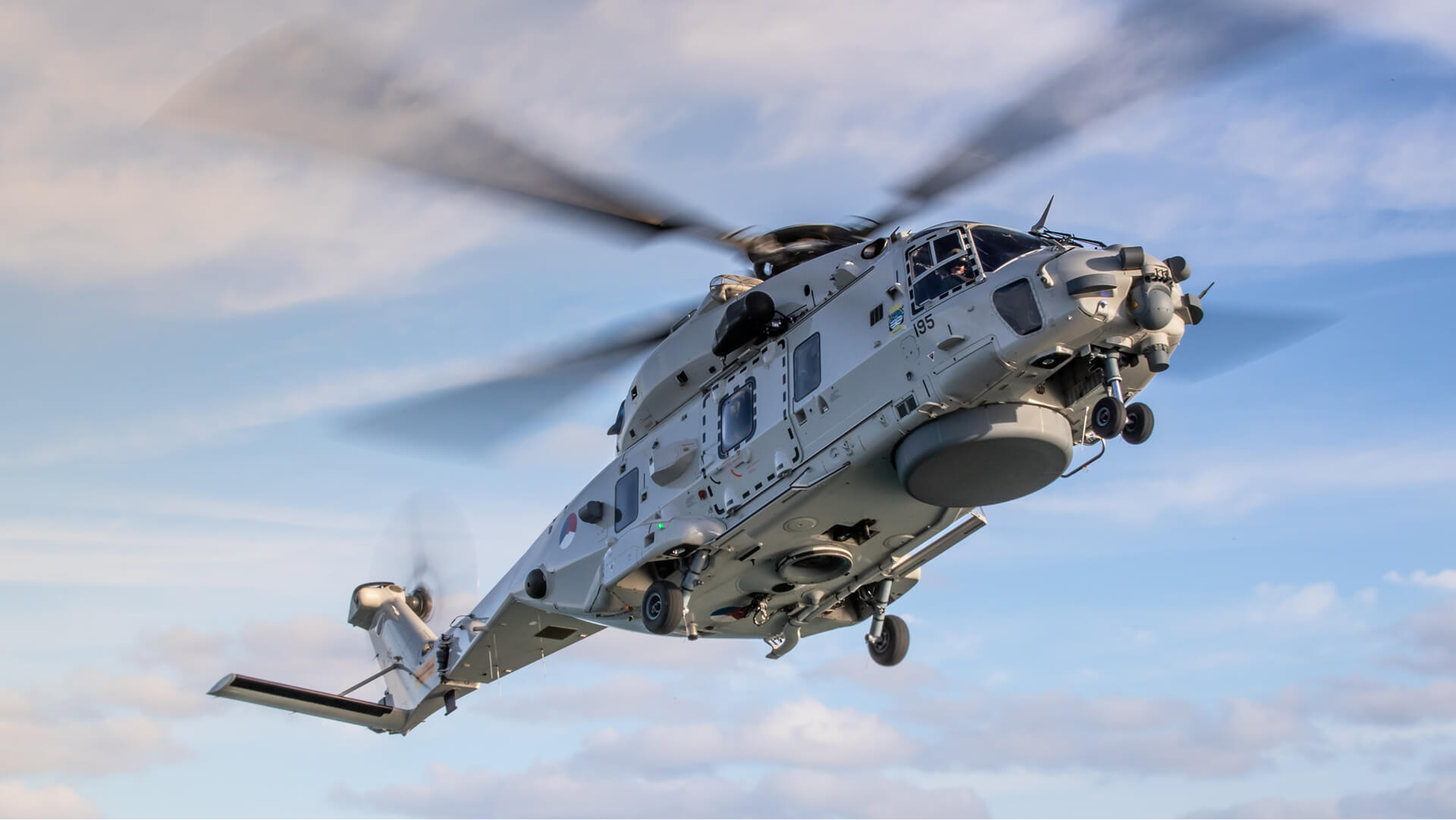
Built through a partnership between Airbus and Eurocopter (now Airbus Helicopters), the NH90 is designed to transport troops and supplies onto active battlefields. It averages 130 mph, stays airborne for up to six hours, and carries up to 11,000 pounds of cargo.
Even more impressive—it can travel 2,000 miles without refueling. German and Italian armed forces have used it extensively since its introduction in 1996, though it didn’t become fully operational with France’s Air Force until 2004. Technical issues slowed its development for much of its life cycle, but it remains one of Europe’s most capable cargo helicopters.
The Tiltrotor Game-Changers
10. MV-22 Osprey — Half Helicopter, Half Airplane
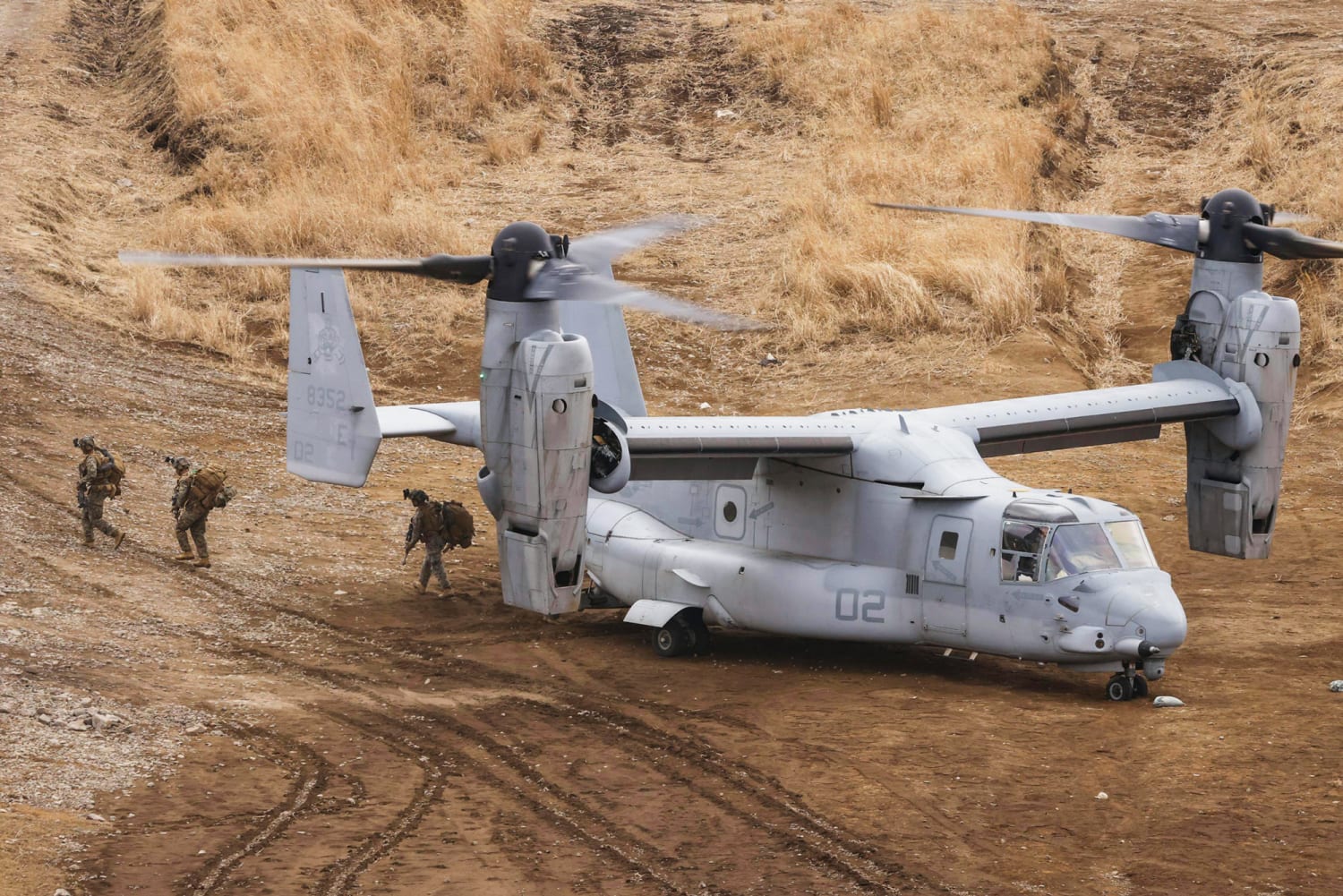
The MV-22 Osprey is one of the most unusual military aircraft ever built. It’s a tiltrotor—meaning it takes off vertically like a helicopter, then converts to fly at high speeds like a fixed-wing airplane. No tail rotor needed.
Marines first used the Osprey in combat during Operations Enduring Freedom, Iraqi Freedom, and New Dawn. In cargo configuration, each nacelle can carry 9,000 pounds of gear, and the aircraft has an operating range of over 500 miles. That combination of vertical takeoff capability and airplane-like speed gives pilots flexibility that traditional helicopters simply can’t match.
11. Bell V-280 Valor — The Future of Army Aviation
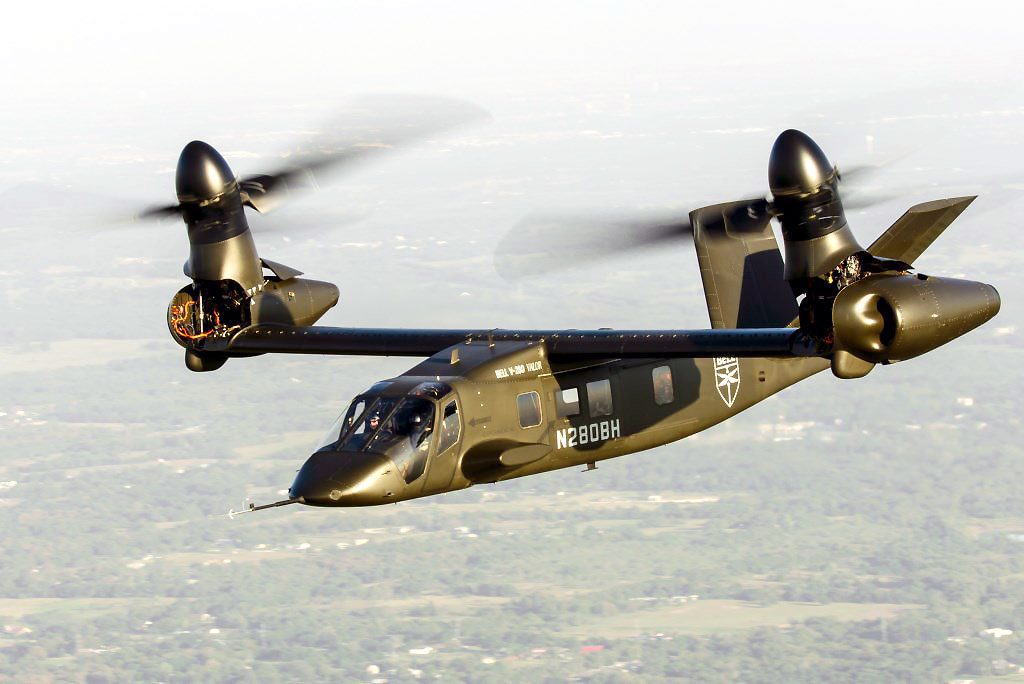
The Bell V-280 Valor is a tiltrotor aircraft being developed by Bell Helicopter in cooperation with Lockheed Martin for the U.S. Army as a medium-lift utility helicopter. The program was announced in January 2013, and its first unpowered flight took place on November 24, 2017, at Fort Worth, Texas.
The Valor represents the next generation of military tiltrotor technology—designed to eventually replace aging helicopter fleets with something faster, more agile, and more capable over long distances.
The Specialized Performers
12. Kamov Ka-60 — Russia’s Dual-Purpose Machine
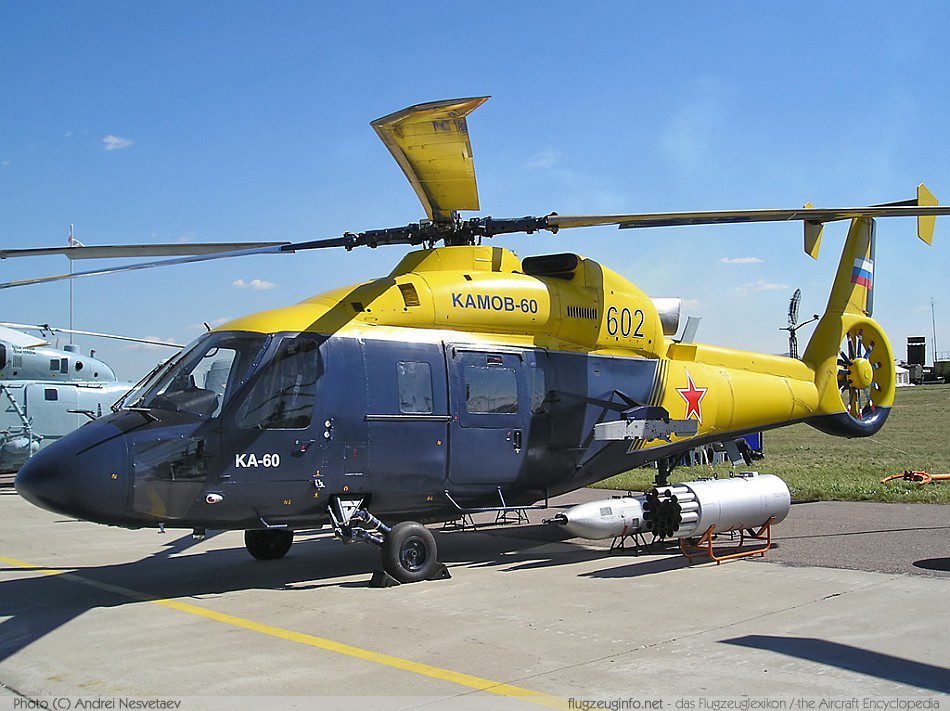
The Ka-60 is a twin-engine, coaxial-rotor helicopter built for personnel and cargo transport. It reaches a maximum speed of 300 km/h and handles a wide range of missions—search and rescue, medevac, humanitarian aid delivery to remote locations, VIP transport, aerial surveys, and patrol.
What makes the Ka-60 unique is its hybrid control system, which lets it function as both an attack platform and an assault transport. It carries up to 4 combat troops or stretchers, plus a crew of four (pilot, co-pilot/navigator, and two technicians). Passengers can also be accommodated in external side-facing seats.
13. Aérospatiale Gazelle — Light, Fast, and Surprisingly Capable
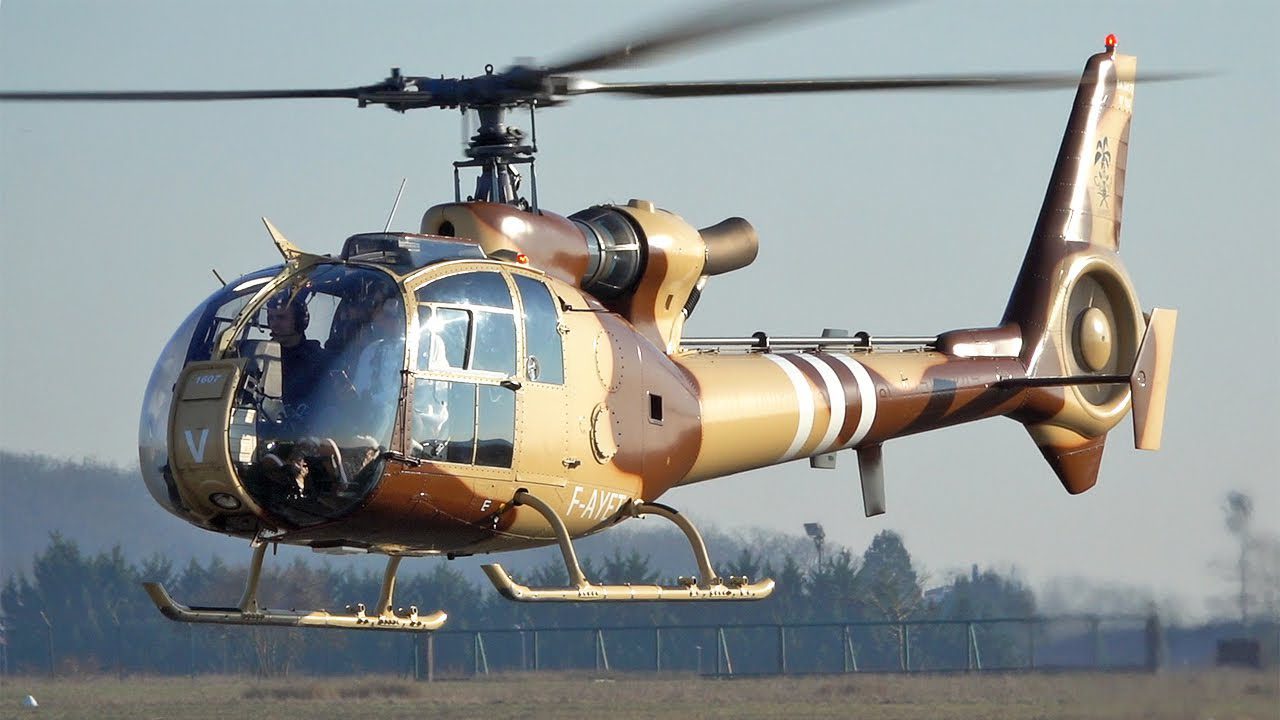
The Aérospatiale Gazelle comes in two major variants: transport and combat. The transport version can hold over 12,000 pounds—nearly double the capacity of its closest competitor at 6,500 pounds. It’s also significantly more fuel-efficient, with a maximum cruising speed of 120 mph that lets it cover long distances with minimal downtime.
The combat variant is no joke either—it comes equipped with a 20mm Gatling gun for engaging multiple targets and two side-mounted automatic grenade launchers for short-range threats. Don’t let the smaller profile fool you.
14. Sikorsky H-92 Superhawk — Built for Global Operations
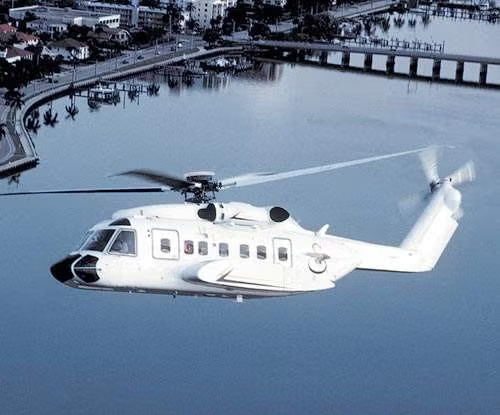
The Sikorsky H-92 Superhawk (also known as the S-92) is a twin-turbine helicopter developed by Sikorsky Aircraft Corporation. It handles military cargo and equipment transport, but it’s also used for medevac, search and rescue, and electronic newsgathering.
About 60 of these aircraft have been produced, with orders from countries around the world. Production started in 1997, with deliveries beginning the following year. The U.S. Air Force ordered 13 Superhawks to replace aging Lockheed C-130 Hercules transport planes, though only six were delivered by early 2011 before budget cuts at the Pentagon eliminated funding for the remaining units.
15. HAL Dhruv — India’s Homegrown Military Helicopter
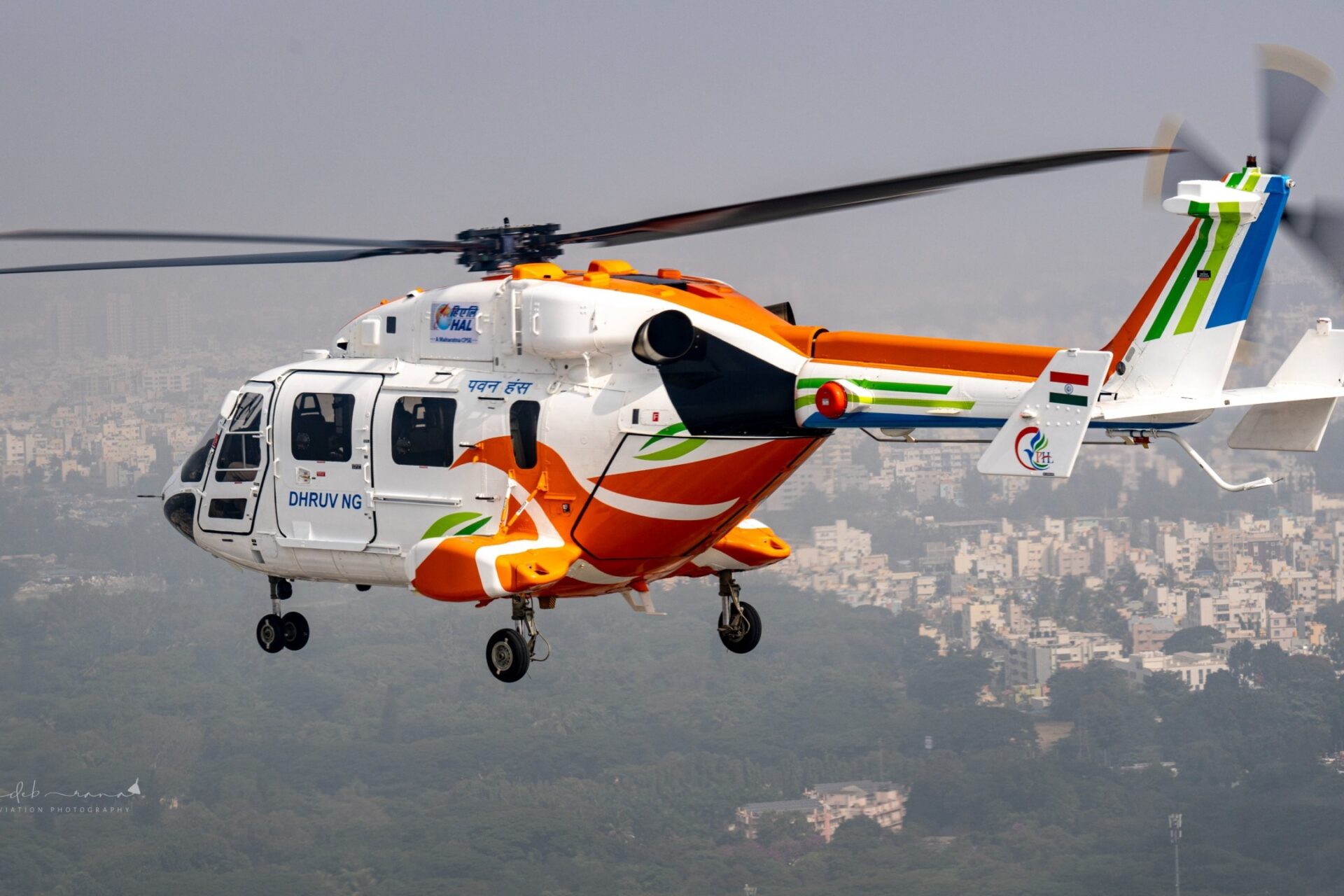
The HAL Dhruv is India’s first modern military helicopter, designed and built by Hindustan Aeronautics Limited in Bangalore. It’s been adopted by several military forces worldwide, primarily for tactical transport and utility missions.
The Dhruv comes in three variants:
- Anti-submarine warfare (ASW) — features a search radar mounted on a mast atop the fuselage
- Surveillance/electronic intelligence (ELINT)
- Troop transport
China operates both variants, with 50 out of 55 assembled at China’s Changhe Aircraft Industries Corporation factory in Liuzhou, Guangxi province.
16. V-22 Osprey (Cargo Configuration) — Long-Range Heavy Hauler
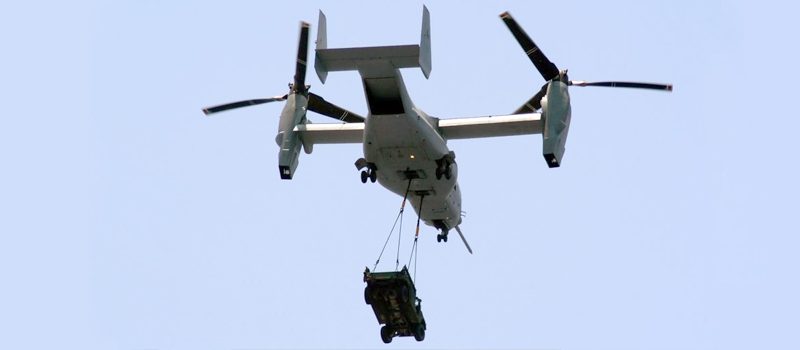
The V-22 Osprey earns a second mention here because its cargo configuration deserves its own spotlight. In this role, each nacelle carries 9,000 pounds of gear, and the aircraft has been in service since 2007 with an operating range exceeding 500 miles.
The tiltrotor design gives it a unique advantage over traditional cargo helicopters—it can take off vertically from confined spaces, then cruise at airplane speeds to cover long distances fast. For the U.S. Marines and other operators, that combination of speed and VTOL capability is a massive tactical advantage.
Military cargo helicopters don’t get the same spotlight as fighter jets or stealth bombers, but they’re arguably more important to day-to-day operations. Without them, troops don’t get supplied, casualties don’t get evacuated, and equipment doesn’t reach the front lines. Which one on this list surprised you the most?

