
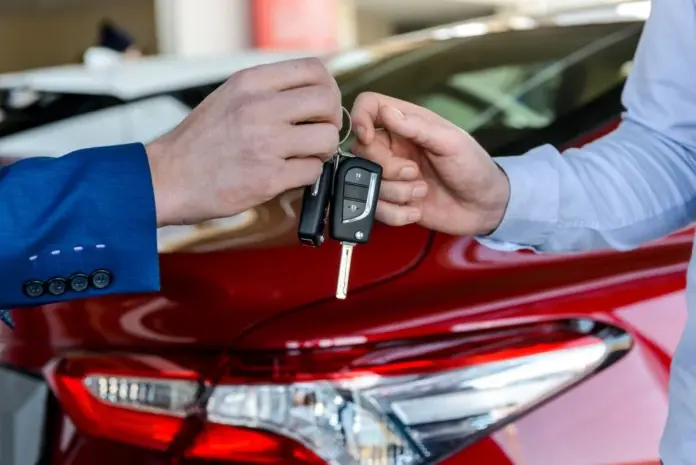
So you’re ready to buy a car in Texas. Whether it’s your first or your fifth, the process comes with specific paperwork, fees, and legal boxes to check. None of it is particularly hard — but skip a step and a smooth purchase turns into a frustrating one real fast.
At a minimum, you need to handle the title transfer, vehicle registration, and proof of insurance. Nail those three things and everything else falls into place. Here’s exactly what to expect from start to finish.
The Paperwork That Proves You Actually Own the Car
Before you worry about registration or insurance, lock down the ownership side first. That means the title — and a solid understanding of the vehicle’s history.
No Title, No Deal — Period
The vehicle title is the single most important document in any car purchase. It’s your legal proof of ownership, and you literally can’t register the car without it.
Buying from a dealership? They’ll typically handle the title paperwork for you. Buying from a private seller? That’s on you. The seller signs the back of the title, and you take it to your local county tax office to transfer it into your name.
One thing to check before you hand over any cash: make sure the title is clear of liens. A lien means a creditor still has a financial claim on the vehicle — and it has to be settled before the title can fully transfer to you. You’ll also want a bill of sale. It documents the transaction value and terms, and it’s useful if any questions come up later.
Run the VIN Before You Buy — Not After
Every vehicle has a unique Vehicle Identification Number (VIN) — think of it as the car’s fingerprint. It tells you the manufacturer, model, year, and a lot more. But the real value is in what a vehicle history report tied to that VIN reveals.
A history report shows previous accidents, ownership changes, reported thefts, and other red flags. Say you’re looking at a 2019 Camry that looks perfect on the outside — the report might reveal it was in a major flood two years ago. That’s the kind of information that completely changes your decision. Run the VIN through a trusted service before committing. It’s a small investment that can save you from a very expensive mistake.
Dealership vs. Private Seller: Different Routes, Different Trade-Offs
Where you buy the car affects how much of the process you handle yourself. Both routes work — they just come with different trade-offs.
Buying From a Dealership
Dealerships make the process more structured. You’ll need a valid driver’s license and proof of insurance to complete the purchase. The dealer typically handles the heavy paperwork, including the Application for Texas Certificate of Title, which takes a lot off your plate.
You also get access to financing through the dealer, plus warranties and service agreements on both new and used cars. The downside? Dealerships have overhead, so prices tend to be higher. And there are fees to budget for — registration, title transfer, inspection, and insurance all add up.
That said, the convenience factor is real. If you don’t want to deal with DMV paperwork yourself, a dealership handles most of it for you.
Buying From a Private Seller
Private sales are less formal and often cheaper. Sellers don’t have dealership overhead, so you might get a better price on the same vehicle. But here’s the trade-off: you’re responsible for everything — title transfer, registration, inspection, and making sure the car is actually worth what you’re paying.
Make sure the seller provides the car title and a bill of sale. There’s no warranty, no service guarantee, and no one managing the paperwork for you. Always ask for maintenance records, and if possible, have an independent mechanic inspect the car before you buy.
And definitely verify there are no liens on the vehicle. Check the title carefully and run the VIN through a history report service. A clean title from the seller is the bare minimum — don’t accept anything less.
New vs. Used: Which One Actually Makes Sense?
New cars come with full warranties, the latest features, and that new car smell. They also depreciate fast — a new car can lose 20–30% of its value in the first year alone.
Used cars are cheaper upfront and depreciate slower since someone else already absorbed the biggest hit. If you go the used route, look for any remaining warranty or consider a certified pre-owned vehicle, which often includes limited warranty coverage.
Either way, think about the full picture: purchase price, insurance costs, maintenance, and how long you plan to keep the car. The cheapest option to buy isn’t always the cheapest option to own.
Legal Requirements You Can’t Skip in Texas
Texas has specific legal requirements for every car purchase. Miss any of them and you’ll hit roadblocks — sometimes literally.
Title Transfer and Registration
The seller signs the back of the title, you fill out the required sections, and then you’ll need the Application for Texas Certificate of Title (Form 130-U). Pick it up at your local county tax office.
Registration typically costs $51.75, though it can vary slightly by county. You’ll get new license plates or you can transfer existing ones if you prefer. The title transfer fee also varies by county, so check with your local office for the exact number.
Sales Tax and Local Fees
Texas charges a 6.25% sales tax on the purchase price of the vehicle. Some counties tack on local fees on top of that — for things like road improvements or county-specific needs.
Check with your local tax office before you go in so you know exactly what you’ll owe. Nothing’s worse than showing up at the counter and realizing you’re $200 short because of fees you didn’t see coming.
No Insurance? Don’t Even Bother Showing Up
You can’t register a car in Texas without proof of insurance. The state requires liability coverage at minimum, and you’ll need to show an active insurance card at registration.
Texas minimums:
- $30,000 per injured person
- $60,000 per accident for bodily injury
- $25,000 for property damage
Have your policy in place before you head to the county tax office. No insurance, no registration — it’s that simple.
Affidavits and Special Situations
Sometimes car purchases aren’t straightforward. If the previous owner passed away without a will, you may need an Affidavit of Heirship for a Motor Vehicle to transfer the title to the rightful heir.
For inherited vehicles, out-of-state transfers, or other unusual situations, extra documentation may be required. When in doubt, call your county tax office before your visit — they can tell you exactly what to bring so you don’t waste a trip.
What Texas Requires Before You Hit the Road
The State Inspection (And What’s Changing in 2025)
Right now, all cars in Texas must pass a vehicle inspection covering safety and emissions standards before they can be registered. You’ll need valid insurance, and the specific tests vary by county.
But here’s the thing: starting January 1, 2025, non-commercial vehicle inspections are going away. Instead, a $7.50 fee gets added during registration. Until then, you’ll still need to pass inspection and keep the Vehicle Inspection Report (VIR) as proof your car meets state standards.
Odometer and Safety Checks You Shouldn’t Skip
The odometer reading matters more than people realize. It tells you how much life the car has lived, and an accurate reading directly affects value. Make sure it hasn’t been tampered with — odometer fraud is more common than you’d think, especially in private sales.
Texas also requires safety checks covering brakes, steering, and seat belts. These confirm the car is actually roadworthy. Both the odometer verification and safety inspection need to pass before you can complete the sale and registration.
What to Do Right After You Buy
Register Within 30 Days — No Exceptions
Once you’ve bought the car, you have 30 days to register it with the Texas Department of Motor Vehicles (TxDMV). Head to your local county tax office with the signed title, completed Application for Texas Title and/or Registration, and proof of sales tax paid.
Bring your Vehicle Inspection Report and proof of insurance too. Once everything’s processed, you’ll get your plates and a registration sticker. Slap the sticker on and you’re officially legal.
Get Insurance Sorted Before Everything Else
Auto insurance is mandatory in Texas — no exceptions, no grace period for new purchases. You need at least the state minimum liability coverage: $30,000/$60,000/$25,000.
Shop around before settling on a policy. Rates vary wildly between providers, and what your neighbor pays for the same coverage could be very different from your quote. Collision and comprehensive coverage are optional but worth considering — especially if you’re financing the car, since most lenders require them anyway.
Keep your insurance card in the car at all times. You’ll need it for registration, and you’ll definitely need it if you ever get pulled over.
Special Situations Worth Knowing About
Buying an Electric or Salvage Vehicle
Thinking about going electric? Texas’s charging network is growing, but availability depends heavily on where you live — rural areas still have gaps. On the upside, tax incentives may be available that bring the purchase price down.
Salvage vehicles are a different story. A salvage title means an insurance company declared the car a total loss at some point, usually due to major damage. These cars can be significantly cheaper, but they may need serious repairs. Always get a thorough inspection before buying, and know that insuring a salvage vehicle can be harder and more expensive than a clean-title car.
Know Your Rights Under the Texas Lemon Law
The Texas Lemon Law protects buyers who end up with a new vehicle that has recurring, unfixable defects. If the manufacturer can’t repair a substantial problem after multiple attempts, you may be entitled to a refund or replacement. This typically applies to new cars, not used ones.
You might also run across manufacturer buyback vehicles — cars that were repurchased because they qualified as lemons. If you’re considering one, it should have a label disclosing its buyback status and history. Check the Texas Lemon Law page to understand your rights fully before any purchase.
Buying a car in Texas isn’t complicated — it just rewards preparation. Get your documents in order, budget for the fees and taxes, handle registration within 30 days, and don’t skip the VIN check. Do those things and you’ll be on the road without a single hiccup.

