
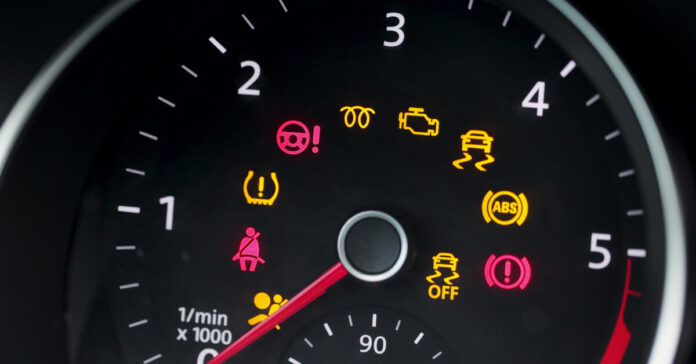
Non-functional dashboard lights can do more than annoy you; they can leave you effectively “blind” to what your vehicle is trying to tell you. Without proper illumination and warning indicators, you may not realize you’re overspeeding, running low on fuel, or dealing with a developing engine problem (like overheating) until the situation escalates. In real-world driving, that delay can translate into preventable breakdowns, expensive repairs, or even safety hazards. For that reason alone, keeping your dashboard lighting system working correctly isn’t optional; it’s essential.
The good news is that most dashboard light failures aren’t mysterious. In many cases, the fix is straightforward and can be handled at home with a few basic tools and a careful, methodical approach. Before you assume the instrument cluster needs replacement (which can be costly), it’s worth checking the usual suspects: the dimmer switch, the relevant fuses, the bulbs (on older clusters), and the health of the charging and grounding circuits.
In the sections below, I’ll walk you through the same diagnostic logic a seasoned technician would use; starting with the fastest checks and moving toward deeper electrical considerations only if necessary. You’ll learn where the dashboard light fuse typically lives, why it can share circuits with other lights, how to tell if a fuse is blown beyond simple guesswork, and what to do when everything looks “fine” but the dash remains dark.
Important clarification up front: many drivers refer to every light on the instrument panel as a “dashboard light,” but there are actually two categories:
- Instrument illumination/backlighting: the lighting that makes the speedometer, tachometer, fuel gauge, and other markings visible at night. This is usually controlled by the headlight switch and dimmer.
- Warning/indicator lamps: check engine, ABS, airbag, battery, oil pressure, high beam, turn signals, etc. These are controlled by modules and the cluster itself and may still work even if the backlighting fails.
The reason this matters is diagnostic: if your warning lamps work but the cluster is dark at night, you’re chasing the illumination circuit, dimmer, bulbs/LED backlighting, or related fuse. If the entire cluster is dead (no gauges, no odometer, no warning lights), that points to a different fuse, ignition feed, ground, or cluster power problem.
Which Fuse is for the Dashboard Lights?
A fuse protects each section of the electrical system from amperage overload. This is one of the simplest but most important safety designs in your vehicle: when something draws too much current (for example, a short circuit or a failed component), the fuse is engineered to fail first so the rest of the car’s wiring and modules are not damaged. Even if your dashboard lights and switches are otherwise in good operating order, electric power cannot reach them if the fuse blows. That’s why a fuse check is often the first step when dash lights go dark.
You can typically find the fuse for the dashboard lights in the fuse box or power distribution center. Most vehicles have at least one fuse box in the cabin and another under the hood. However, the exact location and labeling vary by make, model, and year, and some automobiles have more than one fuse box inside the cabin itself.
The location of the power distribution center varies from vehicle to vehicle. Common places to check include the area around the glove box, under the dashboard, near the driver’s footwell, or in the engine bay. Many vehicles also have a smaller “interior fuse panel” on the side of the dashboard; visible when you open the driver’s door.
After you locate the fuse box or boxes, take the lid off and look at the schematic on the underside of the cover. You’re usually looking for labels like “dash lights,” “panel,” “illumination,” “cluster,” “meter,” “park lamps,” or simply “lights.” The naming convention differs. On many vehicles, the instrument illumination shares power with parking/tail lighting, so the fuse might be labeled “TAIL” or “PARK” even though it affects the dash illumination.
Consult your car’s owner’s manual if you can’t find the fuse box or the correct fuse label. The owner’s manual is more than a formality here; it often includes a fuse map and identifies which fuse controls which circuit. In some cases, the cover diagram is simplified and the manual provides the precise naming (and amperage rating).
Also, your dashboard lights may stop working if you knock on the dashboard light control switch or dimmer switch. That sounds almost too simple, but it happens regularly: a dimmer wheel can be bumped into the “off” position, or a dimmer knob can fail internally (especially in older vehicles where the dimmer includes a rheostat that wears with time).
So, if your dashboard lights go out, you should start by checking your dimmer switch to find out if you accidentally turned it off. The dimmer control may be on the console close to the steering column, integrated into the headlight switch assembly, or positioned on the dash as a dial or roller. Consult the owner’s manual if you need more assistance identifying the dashboard light control switch.
If you suspect a defective dashboard light control switch, check it out by turning your vehicle and headlights on. Then, turn the dial or knob up and watch for any change. If the dashboard lights turn on or get brighter, your issue was likely the dimmer being turned down (or the dimmer making intermittent contact).
If there is no response, check the fuse or the lightbulb. Alternatively, the entire switch is faulty, or there is a more serious electrical problem; in which case you should have a qualified mechanic repair it.
Expert diagnostic tips that save time:
- Compare day vs night behavior: if you can still see gauges and warning lights during the day but not at night, it’s likely an illumination/backlight issue rather than a cluster power issue.
- Check other lights tied to the same circuit: do your tail/parking lights, license plate lights, or radio backlighting also go out? That pattern strongly suggests the same fuse or circuit is involved.
- Don’t “shotgun” fuses: replacing fuses randomly can mask the root issue. Identify the correct circuit first, then test it properly.
Understanding what the dash illumination circuit usually looks like: On many vehicles, dash illumination is powered when the parking lights/headlights are turned on. The dimmer modifies voltage (older systems) or sends a signal to a body module (newer systems). The cluster receives that illumination command and lights the backlights accordingly. If any link in that chain fails; a fuse, headlight switch, dimmer, body module output, ground, cluster LED driver; your dashboard may go dark even though the car runs perfectly.
A quick at-home toolkit for this job: You don’t need a full shop to diagnose dash lights, but you’ll work faster if you have: (1) a fuse puller or needle-nose pliers, (2) a flashlight, (3) spare fuses of correct ratings, and ideally (4) a basic multimeter or a test light. A multimeter turns fuse checking from “guessing by sight” into reliable verification.
One more common cause worth mentioning: sometimes the “dash lights” aren’t the problem; the driver thinks the dash is out, but the cluster is simply stuck at minimum brightness due to a dimmer wheel issue. Some dimmers also include a “click” at maximum brightness that turns on dome lights, and that internal mechanism can fail and affect illumination. So, if you have intermittent dash illumination, gently moving the dimmer while watching the cluster can reveal whether the control itself is failing.
Is the Dashboard Light Fuse the same as Tail Light Fuse?
In many vehicles, yes; the taillights and dashboard illumination can share a fuse or share a power feed through the same lighting circuit. This is why both can go out at the same time, and why drivers sometimes discover a “dashboard light problem” only after noticing the rear lights are also off. Manufacturers do this intentionally: the tail/parking lamp circuit and the dash illumination circuit often activate together when you turn on the headlights or parking lights.
For this reason, if you find that the relevant fuse has failed, don’t stop at replacing it; determine why it blew. A fuse typically blows for a reason: short-to-ground wiring, a bulb socket with corrosion bridging contacts, a damaged harness near the trunk hinge, a trailer wiring fault, or a failing light switch that’s internally shorting.
Your issue can be caused by a defective light switch or a circuit short. Another frequent trigger is damage in the rear lighting harness, especially where wiring passes through tight areas (trunk hinges, tailgate boots, or behind bumper covers). If a wire chafes and touches metal, it can repeatedly blow the same fuse, taking out dash illumination and tail lights in one hit.
A malfunction with the charging system is most likely to blame for the dashboard lights flashing and the vehicle shutting off. That symptom pattern; flickering dash, random warning lights, vehicle dying; often points to unstable voltage from a failing alternator, a loose battery terminal, or a poor main ground. When voltage drops too low, modules can behave unpredictably: you might see a “Christmas tree” of dash lights even though nothing is truly wrong with the engine itself. It’s simply the electronics losing stable power.
Often, all the dashboard lights turn on without an alternator output, and low voltage might result in unique electrical issues. Ensure that when you change the battery, you check that the alternator is operating.
Expert voltage note: a battery can be new and still not solve the problem if the alternator is undercharging or if the alternator’s voltage regulator is failing. Similarly, a good alternator won’t fix a poor battery connection. The system works as a chain: battery + alternator + cables + grounds.
You can avoid short-circuiting by checking for damage to the battery and wiring. Inspect battery terminals for looseness, corrosion, and frayed cable ends. Also check that ground straps are intact (engine to chassis, chassis to body). Poor grounds can create voltage drops that cause flickering illumination or intermittent shutoffs.
Dashboard lights may remain on even after the automobile is turned off due to issues with the ignition system, low engine oil, and malfunctioning batteries. While low oil pressure is typically a warning-lamp condition (not illumination), a faulty ignition switch or a body module that fails to go to sleep can keep the cluster partially awake. A weak battery can also create odd behaviors where some lights appear to “stay on” or glow faintly.
Practical troubleshooting approach if both tail lights and dash illumination are out:
- Verify parking/tail lights and license plate lights. If all are out, suspect a shared “TAIL/PARK/ILLUM” fuse or the headlight switch feed.
- Inspect the fuse and replace with the correct amperage only. If it blows immediately, stop and look for a short (especially in rear harness areas or trailer wiring).
- If the fuse is fine, test the headlight switch/dimmer output. Some vehicles route illumination control through a body module, so a scan tool may be necessary for deeper checks.
- Check charging voltage: with engine running, most vehicles should show approximately 13.5–14.7V at the battery (exact range varies). If it’s far below, charging issues may be present.
Why this section matters: Drivers often replace dash bulbs or instrument clusters, only to discover the real culprit was a tail/park fuse being blown repeatedly by a shorted rear bulb socket. Understanding the shared-circuit possibility prevents that expensive mistake.
Are Dashboard Lights and Brake Lights on the Same Fuse?
In most vehicles, dash illumination and brake lights are on separate circuits, but the broader question is valid because different manufacturers group electrical loads differently. What matters is not what “should” be shared, but what your vehicle actually shares. That said, if your brake lights stop working, it is unlikely that all three brake light bulbs burned out at the same time. There is a much higher likelihood that you have an electrical system issue. And although it can sometimes be a complicated and pricey electrical system problem, in most cases it is simply a blown brake light system fuse.
The single bulb used for both the brake and tail lights contains two distinct circuits. This is why it’s possible for one to work while the other is non-functional (for example, tail light works but brake light doesn’t, or vice versa). You will typically find the brake light system fuse in the power distribution center or fuse box hidden behind the hood or under the dashboard.
The brake light has a 15amp fuse. Installing the wrong fuse can prompt a circuit short, causing all the lights to go out. This is a critical point: never “upgrade” a fuse to a higher rating because the correct fuse keeps wiring from overheating. If you install a 20A fuse where a 15A is required, the fuse might survive a fault long enough for wiring to melt; creating a much bigger (and more expensive) problem.
Professional diagnostic thinking for brake lights: If brake lights fail, technicians typically check the circuit in this order: brake fuse → brake pedal switch → wiring to rear → lamp sockets/grounds → bulbs/LED modules. If the fuse is blown, you replace it once. If it blows again, you stop replacing fuses and locate the short.
Brake light issues that can mimic a fuse problem:
- A bad brake pedal switch that never sends “brake applied” signal (common on some models)
- Corrosion in the rear lamp ground that causes erratic or dim operation
- Aftermarket trailer wiring splices that short intermittently
- LED retrofit bulbs that confuse monitoring circuits on some vehicles
So are they on the same fuse? Sometimes a vehicle may share “rear lighting” circuits in a way that makes it seem like dash lighting and brake lighting are connected; but most of the time, brake lights are protected by their own fuse because they are safety-critical. Dash illumination more commonly shares with tail/park lighting. If you’re unsure, your owner’s manual and fuse box legend will settle it instantly.
Where is the Instrument Cluster Fuse?
The instrument cluster (or digital dash) supplies the driver with essential information for a secure drive. The instrument panel on the driver’s dashboard houses the speedometer, fuel gauge, and odometer, as well as warning indicators and other driver-information displays depending on the vehicle.
The instrument cluster fuse safeguards the meters when there is an electric overload to the gauge cluster. Often, odometers and speedometers share a fuse, so if one fails to function because of a blown fuse, it is likely the other will as well. The instrument panel fuse block may be located in the instrument panel on the driver’s side of the vehicle, but placement depends on the model.
Some vehicles place this fuse behind a small access panel near the steering column or behind a storage compartment. Open the storage compartment to get to the fuses if your vehicle is designed that way. On other models, the cluster fuse is in the engine bay fuse box; either to the side or under the dash; depending on how the manufacturer designed the power feeds.
The same fuse likely serves your fuel gauge and the instrument panel in many designs. This suggests that if your fuel gauge and odometer fail together, you may be dealing with the same fuse or the same cluster power feed. You can use the owner’s manual for your car to determine the location of the fuse position and the label you should look for. Common labels include “CLUSTER,” “METER,” “GAUGE,” “IPC,” “INST,” or “IGN” (if cluster power is tied to ignition feed).
Expert distinction worth repeating: there is often a difference between the instrument cluster illumination fuse and the instrument cluster power fuse. Your backlighting may be on a “TAIL/ILLUM” fuse, while the cluster electronics may be on an “IGN/GAUGE” fuse. That’s why you can have a cluster that still “works” (gauges move, warning lights show) but is dark at night; or the opposite, where illumination exists but gauges are dead (less common).
Typical instrument cluster failure patterns:
- Illumination out only: dimmer/illumination fuse/backlight driver/bulbs (older clusters) are suspects.
- Gauges dead + odometer dead + warning lights dead: cluster power fuse, ignition feed, ground, or cluster failure.
- Some gauges dead, some work: possible cluster internal fault or sensor input issue; a scan tool may be needed.
- Cluster flickers with bumps: connector pin tension, ground problem, or failing solder joints inside cluster.
When diagnosing a cluster fuse, it’s smart to confirm which features died together. That symptom grouping often tells you whether you’re chasing illumination, ignition power, or the cluster itself.

Professional note about modern vehicles: On newer cars, the “cluster” may not be a simple gauge unit; it may be a networked module that communicates with the body control module, engine control module, and other computers. In those cases, a blown fuse can still cause a total failure, but so can communication issues, software faults, or internal cluster electronics problems. That’s why checking fuses first is valuable: it rules out the simplest cause before deeper diagnostics.
How can You Tell if a Fuse is Blown?
Begin by removing the fuse from its holder. Many fuse boxes include a small plastic fuse puller tool. If not, needle-nose pliers can work; just be gentle. In some cases, you may require a little screwdriver to open a fuse holding cap (typically on older glass-fuse holders). Carefully examine the fuse. A burnt fuse usually has a clear gap in the metal strip (blade fuse) or a gap in the wire (glass fuse), and you may see a black or metallic stain inside the glass or plastic window.
If you find any damage, change the fuse. Replace it only with another fuse of the same amperage rating. This is not a suggestion; it’s essential electrical safety. Using the wrong fuse can allow the circuit to overload, potentially melting wiring or damaging modules. Once replaced, test the dashboard lights again.
Disconnect the battery from your car and physically replace the bulbs to bring the dashboard lights back on.
Expert refinement on the bulb step: On older vehicles, dashboard illumination uses replaceable incandescent bulbs that twist into the back of the cluster. If the fuse and dimmer are fine, and the cluster works but illumination is out, burned bulbs are a realistic possibility; especially if multiple bulbs were already dim and then finally quit. On many newer vehicles, cluster lighting is LED-based and not “bulb replaceable” in the traditional sense; repair may require cluster service or replacement.
Better than eyeballing: test the fuse electrically. Visual inspection is helpful, but small cracks can be hard to see. A technician will often verify a fuse using one of these methods:
- Continuity test with a multimeter (fuse removed): confirms whether the metal strip is intact.
- Voltage test with a test light or multimeter (fuse installed): confirms power is present on both sides of the fuse.
Why “power on both sides” matters: Sometimes the fuse isn’t blown; the problem is that power isn’t reaching the fuse at all (bad relay, bad headlight switch feed, or wiring issue). Testing for power on both sides prevents you from replacing good fuses and missing the real issue.
What to do if the fuse blows again immediately: Stop and diagnose. A fuse that repeatedly blows indicates a short circuit or component failure drawing excessive current. Replacing fuses repeatedly is like repeatedly resetting a breaker without fixing the wiring; it can make the eventual failure more severe. At that point, professional diagnosis (often using a wiring diagram and circuit testing) is the safest path.
Common places a “dash/tail” fuse blows from:
- Trailer wiring faults (very common)
- Rear bulb socket corrosion bridging contacts
- Chafed wiring in trunk hinge/tailgate boot
- Aftermarket radio/illumination wiring splices
- Damaged headlight switch/dimmer module
Once you identify the cause of the blown fuse and correct it, the replacement fuse should hold and your dash illumination should operate normally.
Conclusion
When dashboard lights stop working or malfunction, the impact can range from a minor inconvenience to a genuine safety threat; especially at night or during long drives where you rely on your gauges and warning indicators. It’s critical to identify the issue and fix it correctly rather than hoping it resolves itself. Begin with the simplest and most common cause: check whether the dimmer switch on the dashboard is turned down or accidentally switched off.
Next, inspect whether there is a burnt fuse or a failed lightbulb/backlight source. Luckily, it’s usually not too difficult to solve all three of these issues with basic tools and careful steps. But if the switch, fuses, and bulbs are not at fault, you likely have a deeper electrical or wiring issue. At that point, the responsible next step is to take your car to a qualified mechanic for accurate diagnosis and repair; especially if the fuse keeps blowing or the cluster behaves erratically.
Bottom line: A working dashboard is not just about convenience; it’s your vehicle’s information center. Keep it functional, and you keep control of your driving decisions.

