
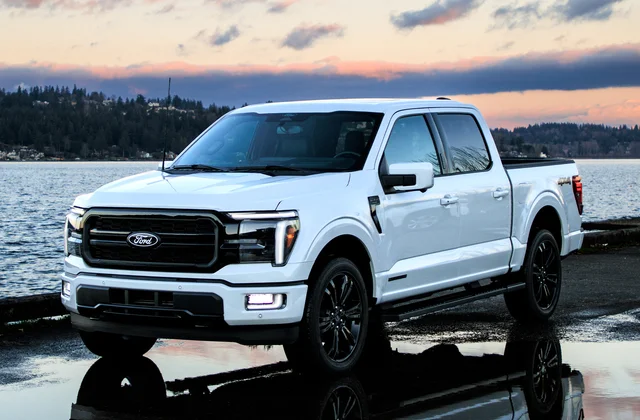
Need to find the starter location on your Ford F-150? Whether you’re diagnosing a no-start condition or swapping in a replacement, knowing exactly where to look saves you a lot of time crawling around under the truck.
The starter motor on a Ford F-150 sits on the passenger side of the engine block, down low, near the transmission bellhousing. Once you know where to look, it’s pretty easy to spot. Here’s everything you need to know about locating it, removing it, and installing a new one.
Where Exactly Is the Starter on a Ford F-150?
Finding It Under the Hood
Pop the hood and look toward the back of the engine block where it meets the transmission. The starter motor mounts right near the transmission bell housing, that’s the large bell-shaped section where the engine and transmission connect.
You’ll likely get a better view from underneath the truck than from above. Clear away any obstructions like air intake components to improve visibility. If you’re having trouble spotting it, a starter location video can give you a visual reference for your specific model year.
What the Starter Actually Looks Like
The starter motor is a cylindrical component bolted to the engine block. You’ll notice two wires attached to it: a thick battery cable (that’s the main power supply) and a smaller ignition wire (the signal wire that tells it when to crank).
Don’t be surprised if it’s covered in dirt, grime, or engine oil, it sits in a spot that collects all of that. A quick wipe-down of the area can help you identify it more clearly and check the wiring connections for any damage or fraying.
What You Need Before You Start Working
Tools and Safety Gear
Get everything together before you slide under the truck. Here’s your tool list:
- Socket set (10mm and 13mm sockets especially)
- Wrench set
- Ratchet
- Torque wrench
For safety, wear safety glasses to keep debris out of your eyes, and gloves to protect your hands from sharp edges and hot surfaces. You’ll also need a jack and jack stands, never work under a vehicle supported only by a jack. Jack stands keep the truck stable and keep you safe.
Getting to the Starter Motor
The starter is easiest to access from underneath the truck. Safely lift the vehicle on the passenger side using a jack, then set it securely on jack stands. This gives you the room you need to maneuver.
Once underneath, you may need to remove a protective cover or skid plate to see the starter clearly. It’s held in place by bolts and connected by several wires. For a visual walkthrough, this Ford F-150 starter replacement video shows the exact positioning and any obstacles you might encounter.
Disconnect the Battery First, Every Time
Safety Precautions You Shouldn’t Skip
Before touching anything electrical, park the truck on a flat surface and turn the ignition off. Put on safety gloves and goggles, batteries can leak acid, and accidental sparks are always possible.
Make sure all electrical accessories are off; lights, radio, everything. Working in a well-ventilated area is smart, and keeping a fire extinguisher nearby is even smarter. It takes 30 seconds of preparation to avoid a situation you really don’t want to deal with.
How to Remove the Battery Terminals
Always disconnect the negative terminal first—it’s marked with a “-” symbol. Use a wrench to loosen the clamp, then carefully lift it off the post. This prevents short circuits.
Next, disconnect the positive terminal (marked with a “+”) the same way. Keep both terminals away from the battery posts so they can’t accidentally make contact. This is basic but worth emphasizing, accidental contact can cause sparks or damage electrical components.
How to Remove the Old Starter
Disconnect the Starter Wires
With the battery disconnected and the truck safely supported on jack stands, locate the starter motor underneath.
You’ll see wires connected to it, use a wrench to unscrew the nuts or bolts holding them in place. Pull the wires away gently. Here’s a tip that’ll save you frustration later: take a photo of the wire connections before you disconnect anything. When it’s time to hook everything back up, you’ll know exactly what goes where.
If any connections are corroded or stuck, apply some penetrating oil and give it a few minutes to work. Yanking on corroded wires is a great way to break them and then you’ve got a bigger problem on your hands.
Remove the Mounting Bolts
With the wires out of the way, it’s time to tackle the mounting bolts. These are what hold the starter to the engine block, and they’re usually tight, intentionally so.
Use the correct size socket wrench and expect to put some muscle into it. As you remove the last bolt, support the starter with your other hand. These things are heavier than they look, and dropping one can damage the starter, the truck, or your face if you’re lying underneath it.
Once all bolts are out, carefully pull the starter away. Before setting it aside, take a quick look at the bolt holes and the mounting surface for any signs of wear or damage.
Installing the New Starter
Get the Alignment Right
Guide the new starter into position, making sure the gear aligns properly with the flywheel. Hold it steady as you move it into place, any shifting can make it difficult to get the bolts started.
The starter should sit flush against the mounting surface. If it doesn’t, something’s off. Don’t force it. Check for obstructions or misalignment before proceeding. Having a second pair of hands here makes things much easier, one person holds the starter while the other starts the bolts.
Bolt It Down Properly
Thread the bolts in by hand first. This is the single best way to avoid cross-threading, which can strip the holes and create a much more expensive problem. Once they’re hand-tight, use a wrench to snug them up.
For most F-150 models, torque the mounting bolts to about 18 ft/lbs. Tighten them evenly, uneven pressure on the mounting can cause alignment issues or damage over time. Double check everything before moving on to the electrical connections.
Reconnect the Electrical Wires
Reattach the wires to the correct terminals, this is where that photo you took earlier pays off. Start with the battery cable, then connect the exciter wire. Use a 10mm or 13mm socket (depending on your model) to tighten each connection securely.
Loose connections are one of the most common causes of starting problems after a replacement. Make sure everything is snug. Before reconnecting the battery, do one final visual check of all the starter connections, it’s much easier to fix something now than after you’ve buttoned everything back up.
Test Everything Before You Call It Done
Double Check Your Connections
Before you test the starter, verify that the battery terminals are clean and secure. Corrosion on the terminals is one of the most overlooked causes of starting issues. A wire brush cleans them quickly, and a dab of petroleum jelly helps prevent future corrosion.
Check the electrical connections at the starter for tight fits and intact insulation. Inspect the ground connection too, if it’s loose or corroded, the starter won’t have a complete circuit and may not crank properly.
Fire It Up
Get in the driver’s seat and turn the key. Listen for the starter engaging the engine. A smooth, confident crank means everything’s right.
If you hear clicking instead of cranking, go back and recheck your connections, something’s loose or mispositioned. Unusual vibrations or grinding sounds can indicate an alignment issue between the starter gear and the flywheel.
Watch the dashboard too. If any warning lights stay on after starting, there may be an issue with the battery connections or the starter wiring that needs attention.
Keep Your Starter and Electrical System Healthy Long-Term
A new starter should last for years if you take care of the basics. Your battery is the foundation of the entire electrical system, keep the terminals clean and corrosion-free with periodic wire brush cleaning.
Inspect your connections regularly. Loose or dirty contacts at the starter can cause intermittent starting problems that slowly get worse. If you hear clicking when you turn the key, that’s often a sign of a weak battery or a starter on its way out, don’t ignore it.
Watch for moisture buildup in the engine bay, especially if you drive through water or in heavy rain frequently. Water and electrical components don’t mix. Check the starter area for excess heat exposure or oil leaks too, both can shorten the life of the motor.
A few minutes of inspection every couple of months keeps your F-150 starting reliably for years. It’s the kind of simple maintenance that pays for itself every cold morning when the engine fires up on the first crank.

