
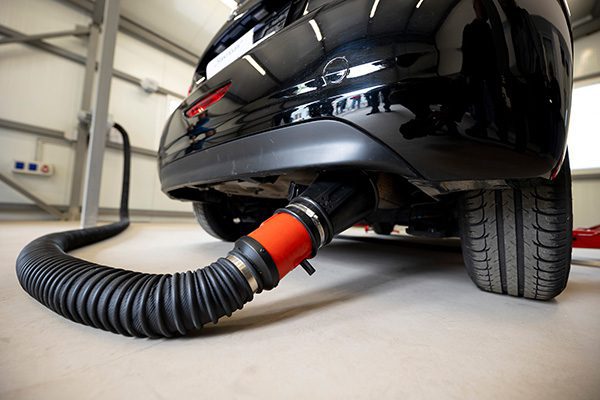
If you live in certain parts of Georgia, your car needs to pass an emissions test before you can renew your registration. No test, no renewal. It’s that straightforward.
Thirteen Georgia counties require emissions testing, and if you’re in one of them, understanding the process saves you time, money, and a lot of unnecessary stress. The rules aren’t complicated once you know what applies to your vehicle and what doesn’t. Let’s walk through it.
Who Makes the Rules and Which Counties Are Affected
The Organizations Behind the Testing
Two agencies run the show: the Georgia Department of Revenue (DOR) and the Georgia Clean Air Force (GCAF). The DOR handles enforcement and registration, while the GCAF manages the actual testing program updating requirements, implementing tests, and making sure everything aligns with federal and state air quality standards.
They work together to keep the process running. If you’ve ever wondered who decides what test your car needs or where you can get it done, these are the two organizations pulling the strings.
The 13 Counties That Require Testing
Not every county in Georgia requires an emissions test. Only 13 do and they’re all in the metro Atlanta area where traffic density and air quality concerns are highest:
Cherokee, Clayton, Cobb, Coweta, DeKalb, Douglas, Fayette, Forsyth, Fulton, Gwinnett, Henry, Paulding, and Rockdale.
If your car is registered in any of these counties, you need a passing emissions test before you can renew your registration. Live in one of the other 146 counties? You’re off the hook.
Which Vehicles Need Testing (And Which Don’t)
Here’s where it gets specific. The testing requirement applies to gasoline-powered cars from model years 2000 through 2021 and light-duty trucks over 8,500 lbs.
But plenty of vehicles are exempt:
- Cars that are three years old or newer
- Vehicles 25 model years or older
- Diesel-powered vehicles
So if you just bought a brand-new 2024 model, you won’t need an emissions test for a few years. And if you’re driving a classic 1998 truck, you’re also in the clear. It’s really that middle range, roughly 4 to 24 years old, that needs to be tested.
What Happens During the Emissions Test
What They Actually Check
The main component is the OBD Test (On-Board Diagnostics Test). A technician plugs a computer into your car’s diagnostic port and reads the data your vehicle’s own systems have been collecting. It checks for issues with the emissions control system, things like catalytic converter efficiency, oxygen sensor readings, and whether your check engine light is on for an emissions-related reason.
Older vehicles may also get a fuel cap inspection to make sure the gas cap seals properly. A loose or damaged cap can release harmful vapors, which is an automatic fail.
The testing fee typically runs between $10 and $25. Once it’s done, you’ll get a Vehicle Emission Inspection Report showing your results. Pass, and you’re good to go. Fail, and you’ll need to make repairs and come back for a retest.
How Often You Need to Test
Emissions testing in Georgia is annual. You need a passing test every year before you can renew your registration.
The Georgia Clean Air Force recommends getting tested four to six weeks before your registration is due. That buffer gives you time to handle repairs and retesting if your car doesn’t pass on the first try. Waiting until the week before your deadline is a gamble, if you fail, you won’t have time to fix the problem before your registration expires.
Where to Go and When to Avoid the Crowds
Testing stations are located throughout the 13 required counties. You can find nearby locations through the Georgia Clean Air Force website or by calling their customer service line.
Pro tip: avoid going before work, after work, or around lunch, those are peak times and you’ll be waiting in line. Mid-week, mid-month, and mid-morning tend to be the sweet spots. A little planning here can turn a two-hour ordeal into a 20-minute errand.
Registration: First Time and Renewals
Registering a Vehicle for the First Time in Georgia
If you’re registering a car in Georgia for the first time and it falls within the testing requirements (gasoline-powered, model years 2000 –2021), you’ll need a passing emissions inspection before you can complete registration.
Find an inspection station through the Georgia Clean Air Force website, get your test done, and you’ll receive a certificate that’s valid for 12 months. Take that certificate to your local tag office along with proof of ownership (vehicle title) and proof of insurance.
Moving from another state? Bring your out of state title and registration, plus any lienholder information if you’re still making payments on the car.
Renewing Your Registration Without the Hassle
Renewal is simpler than the initial registration, but you still need that current emissions certificate. No certificate, no renewal, doesn’t matter how you try to do it.
The good news is Georgia lets you renew online through DRIVES e-Services, which is fast and secure. You can also renew by mail or in person at a tag office. Whichever route you choose, make sure your emissions test is already done and your certificate is on file.
Don’t Miss Your Deadline
Here’s something a lot of Georgia drivers don’t realize: your registration renewal date is based on the vehicle owner’s birthday. Not the date you bought the car. Not some random month. Your birthday.
Get your emissions test done four to six weeks before that date. You can also renew early, up to 60 days before your registration date, by contacting your local tag office. Waiting until the last minute risks late fees and driving with an expired registration, which is a ticket waiting to happen.
Who’s Exempt From Emissions Testing
Vehicles That Don’t Need Testing
Several vehicle types are completely exempt from Georgia’s emissions requirements:
- Electric vehicles and alternatively fueled vehicles
- Motorcycles
- Recreational vehicles
- Antique/collector vehicles (25 years or older)
- New vehicles less than 3 years old
If your car falls into any of these categories, you can skip the emissions test entirely. That’s one less thing to deal with during registration.
Out of Area Extensions
What if your car is registered in one of the 13 required counties but you’re actually living or working outside the metro Atlanta area? You can apply for an out of area extension, which is valid for up to one year.
You’ll need to renew it annually before your registration date. When you return to the metro area, your vehicle has to pass an emissions inspection. This is a useful option if your job or lifestyle keeps you away from Atlanta for extended periods.
Senior Exemptions and Hybrid Vehicles
Senior citizens may qualify for a senior exemption. If you’ve received one before, you can renew it by phone, just have your mileage and Vehicle Identification Number (VIN) ready when you call.
Hybrid vehicles have their own set of rules that may qualify them for exemptions or extensions, but these guidelines can change. Check the latest requirements before assuming your hybrid is covered. A quick call to the Georgia Clean Air Force can save you a wasted trip to the testing station.
What to Do If Your Car Fails the Emissions Test
Repair Waivers: When You’ve Spent Enough on Fixes
If your car fails and you’ve already spent a significant amount on emissions-related repairs, you may qualify for a Repair Waiver. This lets you register the vehicle even though it didn’t pass, essentially acknowledging that you’ve made a good-faith effort to fix the problem.
To qualify, your repair receipts need to include:
- Vehicle Identification Number (VIN) or tag number
- Year, make, and model
- Date of repair (within 60 days before or after the failed test)
Common qualifying repairs include replacing or fixing the catalytic converter, oxygen sensor, air filter, or spark plugs. The total repair cost has to meet or exceed a specific threshold set by the state, you can’t just swap an air filter and call it a day.
Finding Help If Repairs Are Too Expensive
The Georgia Clean Air Force doesn’t offer direct financial assistance for repairs but that doesn’t mean help isn’t available. Local charities and non-profit organizations sometimes cover emissions-related repair costs, particularly for things like catalytic converter or oxygen sensor replacements that can run into the hundreds or thousands of dollars.
It’s worth reaching out to community organizations in your area that focus on transportation assistance. If you’re struggling to afford the repairs needed to pass your emissions test, these resources can be the difference between keeping your car on the road and being stuck without transportation.

