
The engine immobilizer is one of the most effective anti-theft technologies ever added to everyday vehicles. While alarms can draw attention, an immobilizer is designed to stop the car from starting in the first place, unless the correct, coded key (or key fob) is present. That single design choice dramatically reduces opportunistic theft and “hotwire-style” attacks.
That said, there are legitimate situations where owners and technicians need to service the immobilizer system or perform ECU-related work that involves immobilizer synchronization—such as ECU replacement, immobilizer module replacement, key loss, water damage repairs, or correcting incorrect programming after a battery or module swap. Some people phrase this as “removing the immobilizer from the ECU,” but in professional repair language, the correct goal is almost always repairing, reprogramming, or re-matching the immobilizer—not bypassing it.
Important safety and legal note: I can’t provide instructions for bypassing or defeating an immobilizer (for example, cutting/shorting wires to force-start a vehicle). That information can be misused for theft. What I can do—and what this article focuses on—is explain how immobilizers work, why they can prevent a car from starting, and what legitimate, industry-standard steps owners and qualified technicians use to restore proper operation through diagnostics and programming.
What You Should Know About an Immobilizer
An immobilizer system is an in-built security system designed to prevent unauthorized starting. In most modern vehicles, the “authorization” comes from a coded key or smart key fob that contains a transponder chip (or communicates through a proximity system). When you attempt to start the vehicle, the immobilizer system checks whether the correct digital code is present. If authentication succeeds, the ECU/PCM allows the engine to start and run. If it fails, the ECU will typically inhibit one or more of the following:
- fuel injection / fuel pump operation
- ignition coil firing
- starter relay engagement (on some vehicles)
- ECU “run authorization,” meaning it may allow a brief start and then stall
This authorized and coded key usually contains a transponder chip. The chip stores an identification code and transmits it to the vehicle when prompted. Depending on the design, the key’s chip is energized by an antenna ring around the ignition cylinder (older/standard key systems) or communicated via antennas in the cabin for push-button start systems.
When you insert your key fob or bring a smart key into the vehicle, the chip passes the code to the vehicle’s ECU (often through an immobilizer control unit or body control module). Then the immobilizer validates the code. If it matches what the vehicle is programmed to accept, your vehicle will start. If the code isn’t recognized, the ECU will not enable the fuel system or ignition authorization.
Many immobilizer systems also interact with an alarm, but they are not the same thing. An alarm is primarily an attention device—it makes noise and may flash lights. An immobilizer is a prevention device—it stops starting. That’s why immobilizers are widely considered far more effective at preventing theft than alarms alone.
Historically, thieves relied on crude methods (hotwiring, forcing the ignition switch, using tools to manipulate the steering lock, etc.). Immobilizers were introduced specifically to defeat those traditional techniques by requiring cryptographic-style authorization rather than simply turning a mechanical switch.
Technically, it is possible in some cases to alter immobilizer behavior through ECU programming. However, in legitimate repair scenarios, the correct approach is almost always restoring immobilizer function through proper key programming, ECU/immobilizer synchronization, or replacement of faulty components—not disabling the feature.
Tips on How To Remove Immobilizer from ECU
Owners typically start searching for “removing the immobilizer from the ECU” when the vehicle won’t start and the immobilizer light is flashing, or when a replacement ECU/BCM/immobilizer module has been installed and the car now refuses to recognize keys. In a shop environment, the goal isn’t to defeat security—it’s to re-establish correct authorization so the engine can start legally and reliably.
Legitimate situations that commonly lead to immobilizer-related work include:
- Immobilizer module failure: internal faults, water intrusion, corrosion, or damaged connectors.
- ECU replacement: many ECUs must be “married” to the immobilizer system before the engine will run.
- Lost keys / all keys lost scenario: requires immobilizer/key relearn via diagnostic tools or locksmith equipment.
- Battery replacement or low voltage events: can cause communication or synchronization issues, especially in push-button start vehicles.
- Aftermarket alarm/remote start installation issues: improper wiring or modules can interfere with immobilizer recognition.
- Electrical surges or ECU damage: power spikes can corrupt module memory or damage immobilizer-related circuits.
Again, if you remove or replace your car’s battery, you can lose certain learned values. And if an electrical surge damages your ECU, you may need to replace the ECU. In those cases, the immobilizer system often requires programming so that the new ECU and the immobilizer/key system recognize each other.
Another common case is losing the original key and getting a replacement that is not correctly programmed. The mechanical key may turn the ignition, but without a properly learned transponder code, the immobilizer will block the start. The fix is not to bypass the immobilizer—the fix is to program the key correctly.
How to Remove Immobilizer from ECU: Simple Steps
Many online guides describe physical bypass methods. I won’t provide bypass instructions. Instead, below is a safe, legitimate, professional workflow that achieves what most owners actually need: restoring the ability to start the car by repairing the immobilizer system or correctly synchronizing modules after replacement. The example vehicle referenced in the original scenario is a Mazda 93MX-5, but the diagnostic logic applies broadly across makes and models.
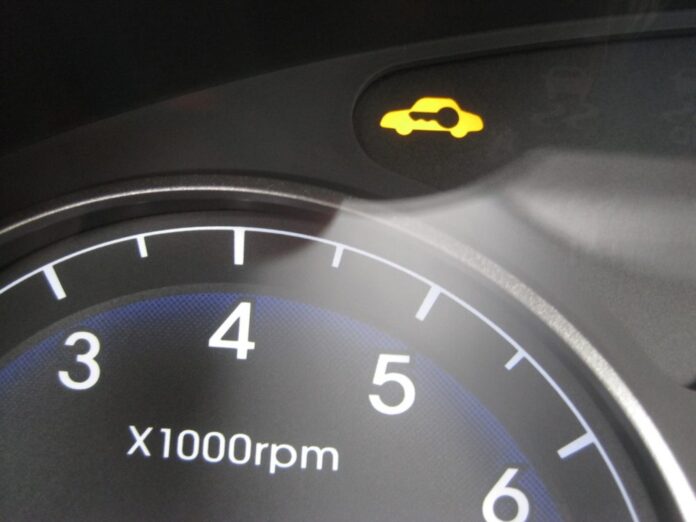
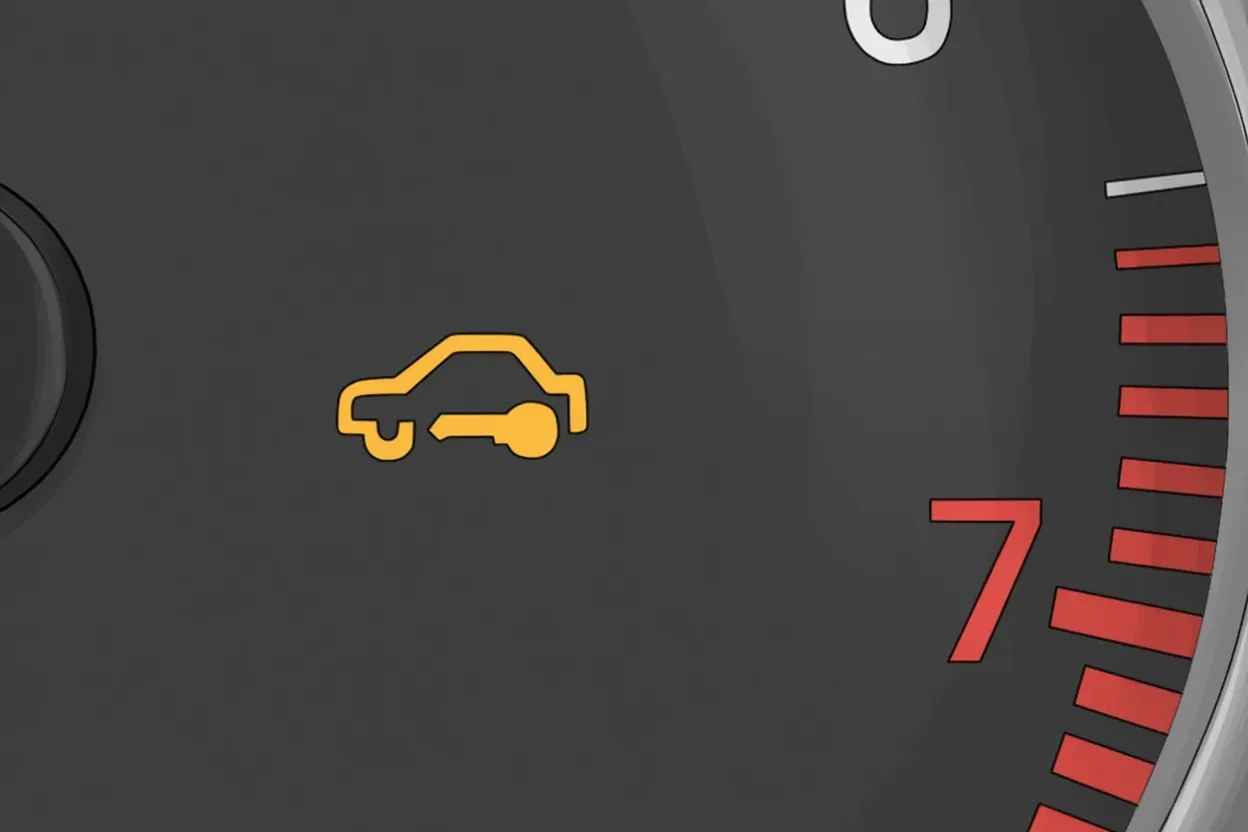
Step 1: Confirm the symptom and security indicator behavior: Before disassembling anything, observe what the vehicle is doing. Does the engine crank but not start? Does it start and stall? Is there a flashing key icon or “SECURITY” light? Does the scan tool show “immobilizer active” or “start inhibited”? These details narrow the diagnosis immediately.
Step 2: Verify key and key battery condition: If your vehicle uses a smart key (push-button start), a weak fob battery can create intermittent recognition problems. Replace the fob battery and attempt a start using the manufacturer’s emergency start procedure (often holding the fob close to the start button). For transponder keys, ensure you’re using the correct key with the correct chip type.
Step 3: Check for immobilizer-related diagnostic trouble codes (DTCs): Use a scan tool that can access immobilizer/anti-theft modules (not just generic engine codes). Many immobilizer faults will not appear in a basic OBD-II engine scan. Look for codes related to key recognition, antenna ring faults, module communication, or ECU authorization.
Step 4: Inspect the immobilizer antenna/receiver and wiring (non-destructively): On keyed ignitions, the antenna ring around the ignition cylinder is a common failure point. On smart-key cars, cabin antennas and the start button reader circuit can fail. Check connectors for looseness, corrosion, or damage—especially if the car has had steering column work, ignition switch replacement, or aftermarket accessories installed.
Step 5: Perform module synchronization or key relearn using an approved method: If the ECU, immobilizer module, BCM, or instrument cluster was replaced, a “match” procedure is often required. This may be called immobilizer pairing, ECU learning, key registration, or parameter reset. The procedure varies by manufacturer and typically requires a diagnostic tool with security access (dealer tool, approved aftermarket tool, or qualified automotive locksmith equipment).
Step 6: Confirm ECU and immobilizer compatibility: Not every ECU is interchangeable, even within the same model year. ECU hardware versions and immobilizer data formats must match. If a used ECU is installed without the matching immobilizer set (ECU + immobilizer + keys), you may need a specialist to transfer immobilizer data legally or obtain a matched set.
Step 7: Validate power, grounds, and voltage stability: Immobilizer systems are sensitive to low voltage. A weak battery, poor grounds, or charging system issues can cause intermittent no-start with immobilizer symptoms. Confirm battery health, terminal tightness, and stable voltage during crank.
Step 8: Re-test and verify with live data: After repairs/programming, confirm the anti-theft module recognizes the key, the ECU reports start authorization, and the engine runs normally. Verify that security indicators behave correctly (often: light on briefly at key-on, then off when authorized).
If your goal is simply “get the car running again,” the workflow above is what professionals use—because it’s repeatable, legal, and doesn’t create new electrical problems. In contrast, destructive wiring attempts often lead to blown fuses, damaged modules, and far higher repair costs.
There you have a safe and legitimate way to address immobilizer/ECU start inhibition. If you’re not equipped with the right diagnostic tools or security access, the correct next step is usually an automotive locksmith or dealership—not trial-and-error wiring changes.

Note: The video above is included as a reference resource. Always follow local laws and manufacturer procedures. If a method involves bypassing security or defeating anti-theft systems, do not use it.
FAQs
How can I tell if my vehicle has an immobilizer?
There are a few reliable indicators. First, check your dashboard for an immobilizer/security/key icon (often a key symbol or a “car with a key” indicator). Many vehicles will flash this light when the ignition is off and then change behavior when a key is recognized.
Second, check your owner’s manual or the vehicle’s security section—manufacturers typically document immobilizer operation, warning lights, and what to do if the vehicle doesn’t recognize the key. If you’re unsure, a scan tool that can access the anti-theft module can also confirm whether an immobilizer system is present and active.
Will my car stop working after removing the immobilizer?
In normal, legal repair practice, the immobilizer is not “removed” as a bypass. Instead, it’s repaired or reprogrammed so the car starts with the correct key. If an immobilizer system is malfunctioning, it can absolutely prevent a vehicle from starting—so fixing the immobilizer can “bring the car back to life.”
Attempting to disable or bypass the immobilizer can create new problems, including permanent no-start conditions, damaged control modules, and insurance/legal complications. If your car is immobilized due to a key or module mismatch, a proper key registration or ECU/immobilizer synchronization is the correct solution.

Note: As with any online video, be cautious. Some videos demonstrate unsafe or illegal bypass techniques. For legitimate repairs, rely on manufacturer procedures, qualified locksmiths, or certified technicians.
What are the most common reasons an immobilizer prevents starting?
In practice, these are the most common causes technicians see:
- Incorrect or unprogrammed key (especially after key replacement)
- Weak smart key fob battery causing intermittent authorization
- Faulty antenna ring/receiver near ignition or start button
- Module replacement without immobilizer pairing (ECU/BCM/immobilizer mismatch)
- Low battery voltage during start attempts
- Aftermarket alarm/remote start interfering with the factory immobilizer
The good news is that many of these issues can be diagnosed quickly with the right scan tool and repaired without replacing large numbers of parts.
Can a locksmith fix immobilizer issues, or do I need a dealership?
A qualified automotive locksmith can often handle key programming, all-keys-lost scenarios, and certain immobilizer resets—sometimes faster and cheaper than a dealership. Dealerships are often necessary when the system requires manufacturer server access, security credentials, or very specific OEM software. The best choice depends on your vehicle make/model/year and what exactly failed.
Final Thoughts
An immobilizer is your car’s security system that prevents engine start authorization unless the correct coded key is present. It plays a major role in reducing theft risk by blocking the fuel/ignition/starter logic when authorization fails. Even so, no security system is perfect, and determined thieves may still attempt other methods—so layered security (good locks, parking habits, tracking, etc.) always helps.
Immobilizers can also create real inconvenience when something goes wrong: key programming errors, antenna/receiver faults, wiring issues, module mismatches after ECU replacement, or low-voltage events can leave a perfectly good car unable to start. In those cases, the right fix is almost always diagnosis and correct programming, not bypassing the system.
Finally, remember that immobilizer-related work often requires specialized tools and security access. If you suspect immobilizer malfunction, the most efficient path is usually a qualified technician or automotive locksmith who can read immobilizer data, run key registration procedures, and confirm module synchronization. Under normal conditions, this work doesn’t take long—but the exact cost varies by vehicle, region, and whether keys/modules must be replaced or reprogrammed. I hope this helps you approach the problem safely and intelligently.

