
Can you pay tolls with a credit card? It depends on where you’re driving—but in many cases, yes. Some toll booths accept credit cards directly, while others funnel you through electronic systems like E-ZPass or SunPass. And then there are roads that have ditched cash and cards entirely, relying solely on transponders or license plate billing.
If you’ve ever rolled up to a toll plaza with no cash, no transponder, and a growing sense of dread, you know the struggle. Let’s break down exactly how credit cards fit into the toll-paying picture—and how to avoid getting caught off guard.
How Toll Payments Actually Work Today
Toll payments have come a long way. Not that long ago, you’d dig through your cup holder for exact change, hand it to a booth attendant, and crawl through bumper-to-bumper traffic at the plaza. That was the only option.
Now? You’ve got choices. Cash still works at some booths, but credit and debit cards are accepted at a growing number of locations. Electronic transponders like E-ZPass and SunPass let you blow through without even tapping the brakes. And some toll roads use toll-by-mail—a camera snaps your license plate, and a bill shows up at your door.
The bottom line: paying tolls is faster and more flexible than it used to be, but you still need to know what’s accepted on the specific road you’re driving.
The Upside (and Downside) of Using a Credit Card for Tolls
Using a credit card for tolls is genuinely convenient. You don’t need to carry cash. You don’t need exact change. And many cards can be linked directly to electronic toll accounts, so everything’s automated.
But here’s the thing—not every toll booth accepts cards. Some older plazas or certain regional roads are cash-only or transponder-only. So if you’re relying on plastic alone, you might hit a dead end. Also, if you’re linking your card to a toll account and forget to pay the credit card bill, interest charges can pile up fast.
On the bright side, plenty of credit cards offer rewards points or cash back on purchases—including toll payments. So you could actually earn a little something back every time you hit a tollway.
Three Ways to Pay Tolls With a Credit Card
There’s more than one way to use your credit card for tolls. Here are the three main methods, each with its own setup and quirks.
1. Swipe or Insert at the Toll Booth
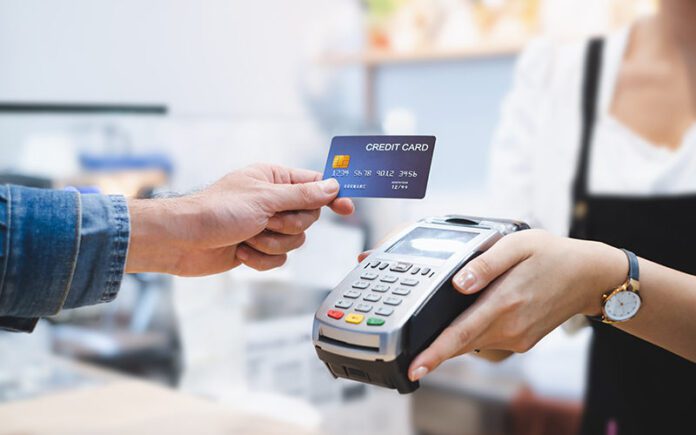
Some toll plazas have card readers right at the booth. You swipe, insert, or tap your card—just like paying at a gas station. If there’s an attendant, you can hand it over directly.
Stick with major cards like Visa or Mastercard, since those are the most widely accepted. Just keep in mind: this isn’t available everywhere, and during rush hour, it can slow things down. Always check the specific toll road’s payment policy before you hit the road.
2. Link Your Card to an Automatic Toll System
This is the most popular option for regular commuters. Systems like E-ZPass and SunPass use a small transponder mounted on your windshield. When you drive through a toll plaza, the system reads the device and deducts the toll automatically from your linked account.
You can buy transponders online or at retail locations, then register them with your credit card. The best part? These systems often offer discounted toll rates compared to cash or pay-by-plate pricing. If you drive toll roads regularly, this is the way to go.
3. Use a Mobile Payment App
In some regions, you can pay tolls straight from your phone. Apps like TollGuru—or state-specific toll apps—let you link a credit card and handle payments on the go. Some of these apps use GPS to detect when you enter and exit toll roads, calculating your charges in real time.
To get started, download the app, create an account, and add your card. It’s flexible and convenient, but you’ll need a reliable phone connection and enough battery to keep the app running. Not ideal if your phone’s already at 3%.
Electronic Toll Systems You Should Know About
Electronic toll collection has made life easier for millions of drivers. Here’s a quick rundown of the main systems and how they work.
E-ZPass and Similar Transponder Programs
E-ZPass is the big one. It’s used across 17 states, mostly along the East Coast—including New York, New Jersey, Pennsylvania, and Delaware. A small transponder on your windshield gets read by an antenna at the toll plaza, and your account is charged automatically.
You can reload your account with a credit card, and many states have their own versions of this same concept. The device might look different or go by another name, but the idea is identical: drive through, get charged, keep moving.
Prepaid Toll Accounts
Some systems—like ExpressToll on Colorado’s E-470 and I-25 Express Lanes—require a prepaid account. You load funds in advance, and tolls are deducted as you drive.
Link a credit card to the account, and it’ll auto-reload when your balance drops below a set threshold. That way, you never get caught with an empty account. If you’re a frequent toll road user, this setup is practically set-it-and-forget-it.
License Plate Tolling (Pay by Plate)
With license plate tolling, a camera photographs your plate at the toll point, and a bill gets mailed to the registered vehicle owner. Most toll roads in the U.S. accept this method.
It’s handy if you don’t have a transponder—but it usually costs more than prepaid or transponder-based tolling. You can typically pay the bill online or by mail. Just don’t sit on it. Late payments can trigger penalties that add up quickly.
Paying Tolls Across State Lines: What to Expect
Road-tripping through multiple states? Toll systems don’t always play nice with each other. Here’s what you need to know.
Which Passes Work Where
E-ZPass has the widest coverage, especially along the East Coast—think New York, New Jersey, Pennsylvania, Ohio, and beyond. If you’re driving from Florida up through Georgia or the Carolinas, SunPass covers several southeastern routes.
Some toll booths will also accept Visa or Mastercard payments directly, while others rely on electronic billing tied to your license plate. The key is checking before you go—most toll authority websites list exactly which payment methods they accept.
Regional Systems That Don’t Cross Over
Not every pass works everywhere. California has FasTrak, Texas runs on TxTag, and Colorado uses ExpressToll—all separate from E-ZPass. Florida also has the Uni pass, which works across parts of the Southeast.
Each system typically has a website with maps showing covered roads. Five minutes of planning before a trip can save you from scrambling at a toll plaza in an unfamiliar state.
What to Do When Toll Payments Go Wrong
Toll systems aren’t perfect. Missed tolls, surprise charges, and billing mistakes happen. Here’s how to deal with them.
You Missed a Toll—Now What?
If you accidentally blow through a toll without paying, don’t panic. Most systems will send a toll invoice through the mail, tied to your license plate. The invoice will include instructions for settling the payment—usually online with a credit card.
Act fast, though. If you ignore the invoice, it turns into a violation, and fees start stacking up. Most tolling authorities give you a reasonable window to pay before penalties kick in.
Spotted a Billing Error? Here’s How to Fix It
Wrong charge? Duplicate fee? It happens. Start by reviewing your toll invoice or account statement carefully. Compare the charges against your actual trip details.
Then contact the customer service center for your toll pass system (E-ZPass, SunPass, etc.). Have your account info and the specifics of the error ready. Most tolling websites also have an online form for reporting issues, which can speed things along.
Getting Help From Customer Support
When you need to reach a human, start at the toll authority’s official website. Most have FAQs, troubleshooting guides, and contact details for phone, email, or online chat.
Before you call, gather your account details, license plate number, and any invoices. The more specific you are, the faster they can help. Some representatives are more helpful than others—being clear and patient goes a long way.
How to Save Money on Tolls
Tolls add up—especially if you’re commuting daily or taking a long road trip. Here’s how to keep costs under control.
Know What You’ll Pay Before You Drive
Toll rates vary by location, road, and sometimes even time of day. Some roads use variable pricing, meaning you’ll pay more during rush hour. Checking rates ahead of time keeps you from getting blindsided.
Most toll authority websites and apps have route calculators that estimate your total cost, including any administrative fees. If you’ve linked a credit card to a prepaid account like E-ZPass, you’ll also get detailed transaction statements—handy for budgeting and expense tracking.
Take Advantage of Discount Programs
Many toll systems reward frequent users. E-ZPass, for example, offers discounts in several states just for using the pass. Other systems offer reduced rates for carpooling, specific vehicle types, or off-peak travel.
It’s also worth watching for promotions. Some toll providers offer bonus credits or discounts when you set up or reload a prepaid account with a credit card. A few minutes of research can translate into real savings over the course of a year.
The smartest move? Pick the toll payment method that matches how often you drive toll roads, link it to a rewards credit card, and let the savings—and the points—stack up.

