

Deep within the electrical heart of your vehicle lies a small but mighty component: the AM2 fuse. This often-overlooked fuse is a critical link in the ignition system ; the silent gatekeeper that allows your engine to roar to life every time you turn the key (or press the start button).
When everything is working perfectly, you barely notice it. But the moment this fuse fails, your once-reliable car can suddenly become a very expensive paperweight. The good news? Most AM2 fuse issues are surprisingly affordable to diagnose and fix ; and understanding how this little piece of metal and plastic works can save you both time and frustration.
What Exactly Is the AM2 Fuse and Why Does It Matter?
Automotive engineers are creatures of habit ; once they perfect a system, they tend to keep it for decades unless a major redesign forces change. That’s why, beneath the flashy new body panels, touchscreens, and LED lighting, many vehicles from different model years and even different brands share remarkably similar electrical architectures.
Enter the AM2 fuse ; a design staple that has powered ignition systems in millions of vehicles (especially Toyota, Lexus, and several other Japanese brands) for over 20 years. It’s not a fancy high-tech gadget; it’s a classic blade-style fuse (usually 30A, sometimes 40A depending on the model) that sits quietly in the fuse box, doing one very important job:
It supplies battery power to the ignition switch and starter circuit.
When you turn the ignition key to the “ON” or “START” position, current flows through the AM2 fuse to activate the starter relay, energize the ignition coils, power the fuel injectors (via the EFI relay), and wake up critical engine control systems. Without this fuse functioning properly, the entire starting sequence collapses ; no crank, no start, no exceptions.

The Most Common AM2 Fuse Problems Every Driver Should Know
A blown or faulty AM2 fuse almost always results in the same heartbreaking symptom: your vehicle simply refuses to start. But that single symptom can have several different root causes ; and not all of them point directly to the fuse itself.
Here are the top real-world issues that most frequently involve the AM2 fuse:
1. Total No-Start Condition
The most obvious and frustrating scenario: turn the key, nothing happens ; no clicking, no cranking, no life. The dashboard lights may come on dimly, but the starter motor stays silent. Nine times out of ten, a blown AM2 fuse is the culprit.
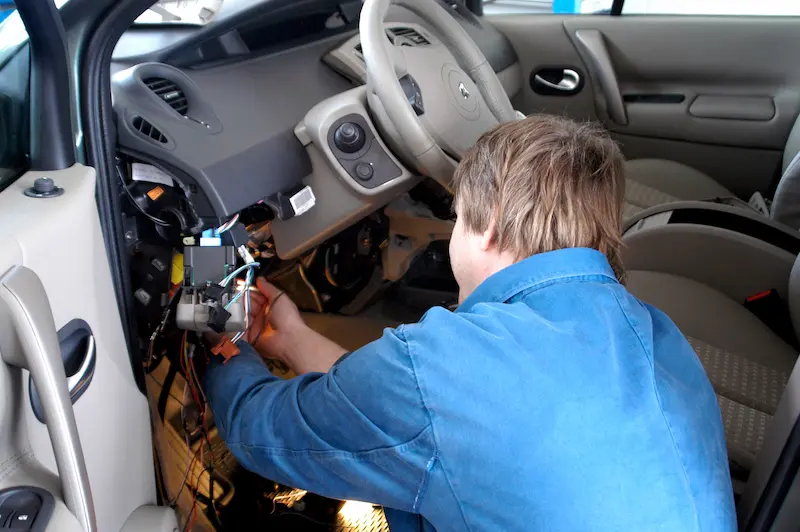
2. Steering Wheel Lock Won’t Release
Modern vehicles are equipped with a steering column lock ; a simple but effective anti-theft feature. When you remove the key and turn the wheel slightly, the lock engages to prevent the car from being driven away.
Sometimes, though, the mechanism sticks ; especially after parking on an incline or when components begin to wear. The result? The key won’t turn, and the wheel feels like it’s welded in place.
Quick fix you can try right now:
Sit in the driver’s seat, grip the steering wheel firmly at the 10 and 2 o’clock positions, and gently rock it left and right while applying light turning pressure to the ignition key. In most cases, the lock pins disengage within a few seconds, freeing the wheel and allowing the car to start normally.
3. Immobilizer / Smart Key System Fails to Recognize the Key
Over the last 15 years, keyless entry and push-to-start systems have become the industry standard. These systems rely on a tiny transponder chip inside the key fob that broadcasts a unique security code.
An antenna ring (usually located around the start button or ignition cylinder) reads this code every time you attempt to start the vehicle. If the antenna can’t detect the correct code ; even when the fob is inches away ; the engine stays locked out.
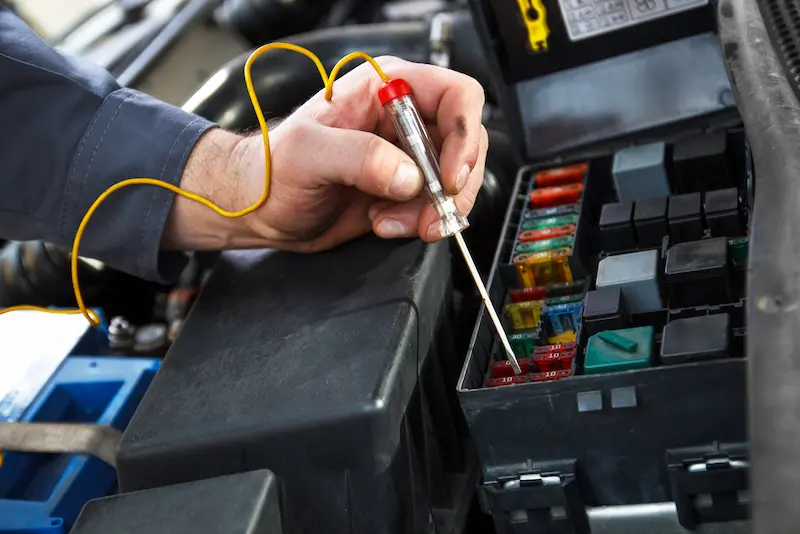
Common causes include:
- Dead or weak key fob battery
- Damaged or corroded immobilizer antenna wiring
- Power supply issues to the antenna (yes ; the AM2 fuse can play a role here)
Best practice: Always start with a fresh fob battery. If that doesn’t solve it, a qualified technician with an OBD-II scanner and immobilizer programming tools will need to diagnose and repair the antenna circuit.
4. AM2 Fuse Repeatedly Blows (The Red Flag Scenario)
Replacing the fuse once and having the car start is normal. Replacing it again… and again… and again? That’s a major warning sign.
A fuse that keeps blowing means something in the circuit is drawing far too much current. Common culprits include:
- Shorted wiring between the fuse and ignition switch
- Faulty ignition switch internals
- Defective starter relay or solenoid
- Aftermarket accessories wired incorrectly
- Shorts in downstream components (ignition coils, injectors, etc.)
Critical safety note: Never install a higher-amperage fuse to “fix” the problem. Doing so can cause wiring to overheat, melt insulation, or even start a fire.
How Much Does It Really Cost to Fix AM2 Fuse Problems?
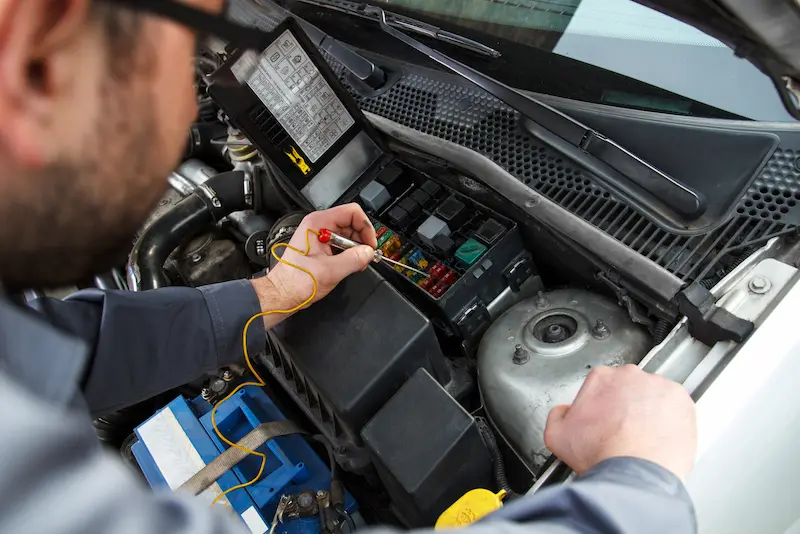
The AM2 fuse itself is one of the cheapest parts in your entire vehicle. A quality replacement pack of three fuses typically costs less than $15 at any auto parts store or online.
For older vehicles (15+ years), exact matching fuses are still widely available, though you may need to double-check the amperage rating printed on the top of the fuse.
Typical repair costs breakdown (2026 average prices):
- Simple AM2 fuse replacement
DIY: $0–$15
Shop labor: $40–$90 - Ignition switch replacement
Parts: $120–$320
Labor: $150–$280
Total: $270–$600 - Immobilizer antenna repair or replacement
Parts + programming: $180–$550 - Wiring short diagnosis and repair
$200–$900+ (depending on severity and location)
Bottom line: catching an AM2 fuse issue early usually keeps repair bills very reasonable.
Final Thoughts: Master Your AM2 Fuse and Stay on the Road
The AM2 fuse may be small, but it plays an enormous role in your vehicle’s ability to start and run. It quietly delivers the power that brings your engine to life ; and when it fails, it can bring everything to a sudden halt.
Key warning signs to watch for:
- Complete no-start condition
- Steering wheel lock that refuses to release
- Immobilizer/smart key rejection
- Repeatedly blowing fuses (the most serious red flag)
Armed with this knowledge, you can approach AM2 fuse problems with confidence ; whether it’s a quick DIY fuse swap in your driveway or knowing exactly what to tell your mechanic to avoid unnecessary repairs.
Your car’s ignition system is more durable than most people realize. Treat it with respect, catch small problems early, and it will reward you with thousands of trouble-free starts for years to come.
Happy driving ; and may your AM2 fuse always stay intact!

