
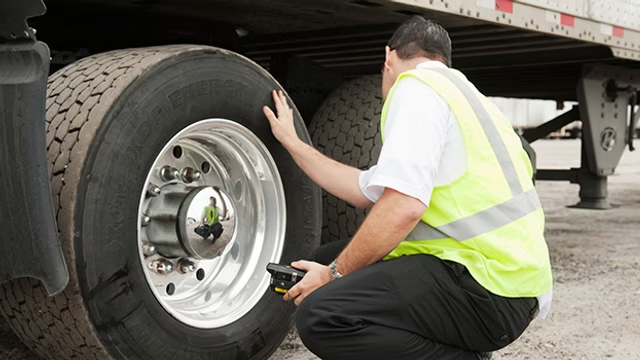

If you’re a first-time trailer owner, DOT inspection requirements can feel like a lot to take in. And honestly? They are. But here’s the good news: once you understand what inspectors are looking for and how to prepare, the whole process becomes much more manageable. Getting familiar with the Department of Transportation’s inspection checklist can save you from expensive fines and keep your commercial vehicle safe on the road.
From brake connections to coupling devices to cargo securement, there’s a specific list of items that need to be in working order. Let’s walk through everything you need to know so you can stay compliant and avoid surprises.
What DOT Trailer Inspections Actually Cover (And Why They Matter)
DOT trailer inspections exist for one primary reason: safety. They’re designed to make sure your trailer meets federal standards before it shares the road with everyone else. But beyond safety, staying compliant also protects your wallet and your ability to operate.
What Happens If You Don’t Stay Compliant
Let’s not sugarcoat it. If your trailer doesn’t meet DOT standards, you could face penalties, fines, or have your trailer pulled out of service entirely. That means lost revenue, downtime, and potentially serious legal headaches.
Regular inspections catch problems early, before they turn into violations during a roadside check. Think of it this way: spending a little time and money on proactive maintenance is always cheaper than dealing with the consequences of a failed inspection.
The Major Components Inspectors Look At
DOT inspections aren’t a quick once-over. Inspectors go through a detailed checklist that covers the most safety-critical parts of your trailer:
- Brakes: Checked for proper function, wear, and any signs of damage
- Lights: Every light needs to be operational and clearly visible
- Tires: Must have adequate tread depth with no cuts, bulges, or damage
- Frame and suspension: Inspected for cracks, excessive wear, or structural damage
- Coupling devices: The connection between your trailer and towing vehicle must be secure and undamaged
After everything’s been reviewed, you’ll receive an inspection report noting any violations or repairs that need to happen.
Who Actually Performs These Inspections
Several different entities can conduct DOT trailer inspections. Certified inspectors, state police officers, and DOT personnel all have the authority to perform annual inspections and enforce compliance. Some inspections happen at weigh stations or during random roadside checks, which is why it’s so important to always be prepared.
Certified inspection stations handle scheduled, periodic inspections. And if getting to a station isn’t practical, mobile inspection services can come to you. Knowing your options ahead of time makes scheduling a lot easier.
How to Prepare Before Your Trailer Inspection
Walking into an inspection without preparation is asking for trouble. A little effort beforehand can be the difference between a clean pass and an expensive list of violations.
Get Your Paperwork Together First
Before anything else, gather all your documentation. You’ll need:
- Trailer registration
- Proof of insurance
- Previous inspection reports
- Certificates for installed safety equipment (brakes, coupling chains, etc.)
Keep everything organized and accessible. Scrambling for paperwork during the inspection wastes everyone’s time and doesn’t exactly inspire confidence. Having your documents ready also helps the inspector verify that your trailer meets DOT standards more quickly.
Finding an Inspector You Can Trust
Not just anyone can perform a DOT inspection. Your inspector needs to be properly certified and trained. A good inspector knows exactly what to look for across brakes, tires, coupling devices, and every other component on the checklist.
Ask other trailer owners for recommendations, or check online reviews. The right inspector won’t just rubber-stamp your trailer. They’ll give you a thorough, honest assessment that keeps you safe and compliant. That’s what you want.
What Inspectors Check: A Component-by-Component Breakdown
Here’s where we get into the specifics. Knowing exactly what gets inspected helps you maintain your trailer year-round, not just when inspection time comes around.
Brake Systems: Where Most Failures Happen
Your trailer’s brakes are arguably the most important safety system, and they’re one of the most common reasons trailers fail inspection. Here’s what gets checked:
- Brake pads and shoes: Checked for thickness, cracking, and wear
- Brake drums: Examined for scoring, heat spotting, or excessive wear
- Brake hoses and lines: Inspected for leaks, cracks, or bulges
- Brake connections: Verified for signs of wear or damage
Every single component needs to function properly. If there’s a weak link anywhere in the brake system, you’re not passing. It’s that straightforward.
Tires and Wheels: More Than Just Kicking the Rubber
Inspectors don’t just glance at your tires. They check inflation levels (both under and overinflation are problems), tread depth, and the overall condition of the rubber. Cuts, punctures, bulges, and uneven wear patterns are all red flags.
Wheels and rims get attention too. Bent rims, loose lug nuts, or missing hardware will all earn you a violation. It sounds basic, but you’d be surprised how often these simple issues trip people up. A five-minute check before the inspector arrives can save you a lot of grief.
Suspension and Steering: Keeping Your Trailer Stable
The suspension keeps your trailer stable, especially under load and on rough roads. Inspectors look at leaf springs, shock absorbers, and all related components for wear, damage, or missing parts.
Steering linkage gets checked for loose or worn-out components as well. If your suspension or steering is compromised, your trailer becomes unpredictable during turns and lane changes. That’s a danger to you and everyone around you.
Lighting and Electrical: The Violations People Don’t See Coming
Here’s something that catches a lot of people off guard: lighting issues are one of the most common inspection failures, and they’re usually the easiest to fix. Every light on your trailer needs to work. Brake lights, turn signals, side markers, clearance lights. All of them.
Inspectors also examine electrical wiring for wear, corrosion, or loose connections. A burned-out bulb costs a few dollars to replace. A violation costs a lot more. Check your lights before every trip, and definitely before an inspection.
Coupling Devices and Cargo Securement: The Connection That Holds It All Together
The coupling mechanism between your trailer and towing vehicle needs to be in solid condition. Inspectors look for cracks, wear, and any damage to the hitch. It must lock securely with no play or looseness.
Cargo securement is equally important. All cargo needs to be properly tied down using straps, chains, or other appropriate equipment. Loose or poorly secured cargo can shift during transit, creating a serious accident risk. Imagine a 2,000-pound load shifting on a highway curve. That’s the kind of scenario inspectors are trying to prevent.
What to Do After Your Inspection Is Complete
The inspection itself is only half the equation. What you do with the results matters just as much.
How to Read and Act on Your Inspection Report
Once the inspection wraps up, you’ll get a report listing everything that was checked. It’ll clearly indicate whether each component is in compliance or needs attention. Pay close attention to any items flagged for brakes, coupling chains, or emergency doors, as these are common trouble spots.
Don’t just file the report away and forget about it. Use it as a roadmap for what needs to be fixed. Understanding the specific terms and statuses in the report helps you prioritize which repairs to tackle first.
Fix Problems Fast (Don’t Let Violations Linger)
If the report identifies issues, address them promptly. Common repairs include fixing brake connections, replacing signal lights, or updating safety markings. Make a checklist of everything that needs attention and cross items off as they’re completed.
Sitting on violations is a bad idea. The longer you wait, the more likely you are to get caught during a roadside check with unresolved issues. That turns a minor repair into a major problem.
Build an Inspection Record System You Can Actually Use
The FMCSA requires you to maintain records of all inspections and repairs. Set up a system, whether digital, physical, or both, that makes these documents easy to find when you need them.
Each file should include the inspection report, details of any repairs made, and dates for everything. Good record-keeping isn’t just a legal requirement. It’s your proof of ongoing maintenance and compliance if you’re ever audited or questioned during a roadside stop.
For the full regulatory details, you can reference 49 CFR Part 396 or the FMCSA guidelines.
Different Trailers, Different Rules: What You Need to Know
Not all trailers are treated the same under DOT regulations. The type of trailer you operate affects what gets inspected and which rules apply.
Full Trailers vs. Semi-Trailers
Full trailers have axles at both ends and are pulled with a drawbar. Because of this design, inspectors need to check brake systems and coupling mechanisms at both ends of the trailer.
Semi-trailers only have axles at the rear and depend on the towing vehicle for front support. Inspection focus areas include brake connections, suspension systems, and the kingpin. Both types must follow Federal Motor Carrier Safety Administration guidelines, but the specifics differ based on design.
Intermodal Equipment: A Whole Different Ball Game
Intermodal equipment, which includes trailers, chassis, and containers that move between ships, trains, and trucks, has its own set of challenges. Intermodal Equipment Providers (IEPs) are responsible for maintenance, but their equipment gets used across multiple transportation modes by different operators.
Inspections for intermodal equipment focus heavily on structural integrity of chassis, securing mechanisms, and compatibility with different transport systems. Coordination between multiple agencies is often required, which adds another layer of complexity.
State vs. Federal Rules: Where Things Get Tricky
Federal regulations set the baseline, but individual states can pile on additional requirements. Colorado, for example, has its own set of trailer laws that may differ from federal guidelines, particularly for utility or livestock trailers.
If you operate across state lines, or even into Canadian provinces or Mexico, you’ll need to understand the regulatory differences in each jurisdiction. Ignorance isn’t a valid defense when you’re sitting at a weigh station with a citation in your hand. Do your homework on every region where your trailer operates.
How to Build a Long-Term Compliance Strategy That Actually Works
Passing one inspection is great. Staying compliant year after year is what separates professional operations from those that are constantly scrambling.
Create a Systematic Inspection Plan
Don’t leave compliance to chance. Build a schedule and stick to it. Start by setting up regular inspection dates and creating a checklist that covers all the key areas:
- Tires: Tread depth and inflation
- Brakes: Connections and overall functionality
- Coupling: Chains and devices secure
- Lights: All operational and visible
- Frame and suspension: No cracks, wear, or damage
Run self-inspections between your official checks to catch issues early. Log everything. Set calendar reminders for due dates. This kind of structure keeps your fleet in shape without requiring a last-minute scramble every time an inspection comes around.
Invest in Ongoing Training for Your Team
Your compliance strategy is only as good as the people executing it. Schedule regular training sessions that cover inspection procedures, safety protocols, and any recent regulatory changes. Hands-on practice is especially valuable because it builds real confidence in identifying problems.
Use visual aids to highlight common issues. Run periodic quizzes or assessments to reinforce what your team has learned. When everyone on your team understands what compliance looks like and why it matters, problems get caught earlier and resolved faster.
The reality is, DOT trailer inspections aren’t going anywhere, and the standards aren’t getting more relaxed. The operators who treat compliance as a daily habit rather than an annual chore are the ones who avoid fines, prevent breakdowns, and keep their trailers rolling. Which side of that equation do you want to be on?