
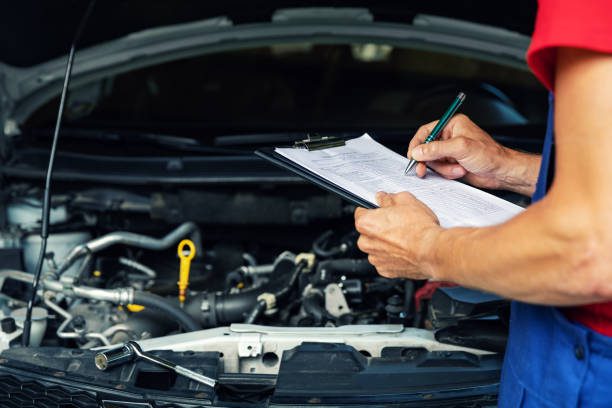

Missouri’s vehicle inspection rules aren’t exactly light reading. Between safety inspections, emissions testing, exemptions, and registration deadlines, there’s a lot to keep straight. But once you understand how it all works, the process is pretty painless.
Here’s everything you need to know: what’s required, what’s exempt, what it costs, and how to get it done without wasting time.
Why Missouri Requires Vehicle Inspections in the First Place
Missouri has two types of vehicle inspections, and they serve completely different purposes. One keeps you safe on the road. The other keeps the air clean.
What Each Inspection Is Actually For
Safety inspections make sure your car’s essential systems are in working order. We’re talking brakes, lights, tires, mirrors, and other components that directly affect whether your car is safe to drive. If something doesn’t meet the standard, you’ll need to fix it before the vehicle can pass. These are required statewide, no matter where you live in Missouri.
Emissions tests focus on pollution. They measure things like carbon monoxide output to make sure your car isn’t pumping out more than its fair share of exhaust pollutants. But here’s the thing: emissions testing isn’t required everywhere in Missouri. It’s only mandatory in certain areas, mainly around St. Louis and the surrounding counties. If you’re out in a rural area on the other side of the state, you probably won’t have to deal with this one at all.
Safety vs. Emissions: Know Which One Applies to You
Every Missouri driver needs a safety inspection. That’s universal. Whether you also need an emissions test depends entirely on your zip code. If you’re in the St. Louis metro area, expect both. If you’re in a county that doesn’t fall within a designated non-attainment zone, you’re likely only dealing with the safety inspection.
Worth noting: some vehicles are exempt from inspections altogether, like newer cars under five years old. Always verify whether your specific vehicle qualifies before scheduling an appointment you might not even need.
What You Need to Bring and What Gets Checked
Bring These Documents or Plan on Coming Back
Don’t show up empty-handed. You’ll need:
- Proof of insurance – Your card needs to be current, not the one that expired three months ago.
- Vehicle registration – Bring your current registration or renewal notice.
- Bill of sale – Required if you recently purchased the vehicle.
- Any DMV inspection notices – Sometimes the state sends specific notices about what’s required for your vehicle.
Having everything organized before you walk in makes the whole process faster. Forget a document and you’re making a return trip. Nobody wants that.
How the Inspection Process Actually Works
Schedule an appointment at a licensed inspection station. When you arrive, hand over your documents and a technician will examine the vehicle. It’s straightforward, but the key is making sure your car is actually ready to pass before you go. A little pre-inspection check at home can save you from a failed result and wasted time.
Here’s Exactly What They’re Looking At
The inspection covers the systems that directly affect whether your car is safe to operate:
- Brakes – Pedal function, responsiveness, and warning lights.
- Lights – Headlights, brake lights, turn signals. They all need to work.
- Mirrors and glass – Mirrors must be intact. Windshield must be free of major cracks or damage that obstructs your view.
- Seat belts – Present and functional for all required positions.
- Wipers – In good working condition with blades that actually clear the glass.
If your car passes, you’ll receive a certificate that’s valid for 60 days. That gives you a two-month window to get your registration squared away. If it fails, you’ll need to make the necessary repairs and come back for a retest.
How Inspections Tie Into Your Registration
No Inspection Means No Registration Renewal
This is where a lot of people get tripped up. In Missouri, you can’t renew your vehicle registration without a valid inspection certificate. Your renewal notice will tell you whether an inspection is needed, but for most vehicles, the answer is yes.
If your car fails the inspection, you can’t renew. And driving with an expired registration means fines. It’s a chain reaction that’s entirely avoidable with a little planning.
Why You Should Get Your Inspection Done Early
You’ll get a renewal notice in the mail before your registration expires. If an inspection is required, that notice will say so. The smart move is to get your inspection done weeks before the deadline, not days.
Here’s why: if your car fails, you need time to schedule repairs, get them done, and then retest, all before your registration lapses. Cutting it close leaves zero room for surprises. If you’re unsure about what’s required for your specific situation, contact the Missouri Vehicle Inspection Unit at (573) 526-6132 or check the Missouri DMV website for guidance.
Who’s Exempt From Inspections (And How to Apply)
Vehicles That Get a Pass
Not every vehicle in Missouri has to go through the inspection process. Here are the main exemptions:
- Vehicles less than 5 years old – No safety inspection needed, even if ownership changes. This applies to out-of-state titles too.
- Vehicles under 10 years old with fewer than 150,000 miles – May be exempt at the time of registration or renewal.
- Emissions testing exemptions – If you live outside the specific Missouri counties that require smog checks, you don’t need one.
- Motorcycles, historic vehicles, and certain diesels – Often exempt from emissions testing, though safety inspections may still apply.
Just because a vehicle might be exempt doesn’t mean you should assume it is. Verify your specific situation before skipping the inspection.
How to Actually Claim Your Exemption
To apply for an exemption, you may need to provide registration papers, title documents, and odometer readings. Contact the Missouri Department of Revenue or your local DMV for the specific forms required.
If your situation is unusual or doesn’t fit neatly into a category, call the Vehicle Inspection Unit at (573) 526-6132. For emissions-specific questions, especially if you’re in or near a non-attainment area, the Troop C Motor Vehicle Inspection Office at (314) 416-2180, Ext: 4357/4358 can help sort things out.
How to Find a Licensed Inspection Station
What Makes a Station Authorized
Not just anyone can inspect your vehicle. Authorized stations must meet specific standards set by the Missouri State Highway Patrol. They need an enclosed area large enough to accommodate the types of vehicles they’re certified to inspect, and they must follow state regulations for equipment and operation.
Station classes matter, too. Make sure you’re going to one that handles your type of vehicle:
- Class A and D stations – Handle commercial vehicles.
- Class B stations – Handle smaller, non-commercial vehicles.
- Class C stations – Handle motor tricycles and autocycles.
Only authorized stations can issue valid inspection certificates. Going somewhere that isn’t certified means the inspection won’t count.
Finding a Station Near You
The easiest way to find a nearby inspection station is through the Missouri State Highway Patrol’s website. They maintain an updated list of authorized locations, and it changes regularly, so always check for the latest info before heading out.
In bigger cities like St. Louis, you’ll have plenty of options. Use the search tools to filter by ZIP code or city name. The Missouri Department of Revenue’s Motor Vehicle Division is another solid resource that can confirm whether your vehicle needs an inspection and point you to the right location.
Motorcycles and Special Vehicles: What’s Different
What Gets Checked During a Motorcycle Inspection
Motorcycle inspections follow a specific checklist that’s a bit different from what you’d see with a standard car. Inspectors look at:
- Horn
- Tires, wheels, and rims
- Frame, fork, and steering head bearings
- Exhaust system and muffler
- Shock absorbers
If your bike has a windshield, that gets checked too, along with fuel system components. A quick once-over before your appointment helps you avoid the frustration of a failed inspection and a second trip to the shop.
Special Vehicles Come with Special Rules
Motor tricycles and autocycles get inspected at Class C stations, where the inspection area must be level and on a hard surface like asphalt or concrete. If you own a specialty vehicle, confirm that the station you’ve chosen is actually qualified to inspect it. Not all stations are.
Pay attention to any modifications you’ve made as well. All aftermarket changes must comply with Missouri’s safety standards, or your vehicle won’t pass. Check the latest inspection regulation updates so you’re not caught off guard by new requirements that may have gone into effect since your last inspection.
What Happens If You Skip the Inspection
The Penalties Are Real and They Add Up Fast
Driving without a valid inspection isn’t something Missouri takes lightly. Get pulled over without one and you’re looking at a ticket ranging from $75 to $150, depending on where you are in the state. That’s for a first offense.
It can get worse. If a law enforcement officer determines your vehicle isn’t compliant during a traffic stop, they can order an immediate safety inspection right then and there. If you’re involved in an accident and your inspections aren’t current, it could complicate your insurance claims. In a worst-case scenario, your vehicle gets impounded until it passes, which means towing fees, storage fees, and a whole lot of headache you didn’t need.
What Missouri Law Actually Requires You to Maintain
Missouri law is pretty clear about what needs to be functional and safe on your vehicle. Brakes, lights, mirrors, seat belts, tires, and other key components must all be in working condition. License plates must be securely fastened, clean, and visible at all times.
The inspection stations themselves have requirements too. They must be housed in buildings large enough to accommodate the types of vehicles they inspect. Class A and D stations need space for commercial vehicles, while Class B and C stations handle smaller vehicles and specialty types.
At the end of the day, staying current on your inspections isn’t just about avoiding fines. It’s about catching real problems, like worn brake pads, burned-out lights, or bald tires, before they leave you stranded on the side of I-70 or cause something far worse. A 20-minute inspection once a year or two is a pretty small price to pay for that kind of assurance. When’s yours due?