
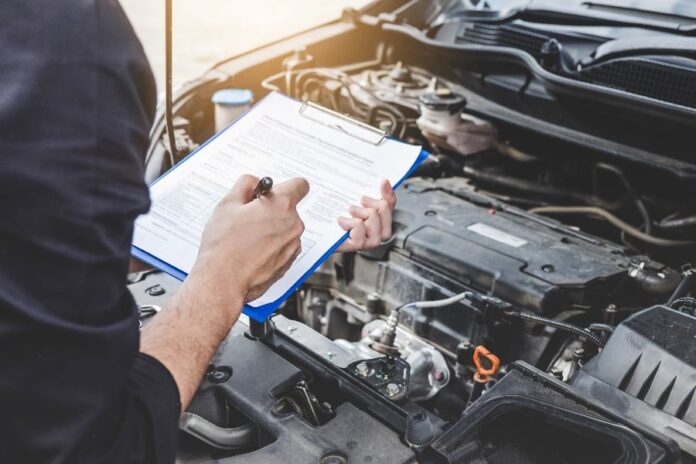

Every car registered in New York State needs an annual inspection. It’s the law, and it’s been that way for a long time. The state checks both safety and emissions to make sure the vehicles sharing the road with you, including yours, are actually safe to drive and not choking the air with excessive pollution.
The process is straightforward once you know what’s involved. Here’s everything you need to know about NYS vehicle inspections, from what gets checked to what happens if you fail.
The Two Inspections Every NY Driver Should Understand
Safety Inspection: The Non-Negotiable Annual Check
Every registered vehicle in New York must pass a safety inspection once a year at a DMV-licensed station. A certified inspector goes through your brakes, lights, steering, suspension, and other safety components to make sure everything meets minimum standards for driving on public roads.
If your car passes, you get a new sticker for your windshield. If it doesn’t, you’ll need to make repairs and come back. And don’t let that sticker expire, driving with an expired inspection sticker can mean fines and penalties you really don’t want.
Emissions Inspection: Keeping the Air Clean
On top of the safety check, most vehicles also need an emissions inspection. This one measures your car’s exhaust output and checks that the emissions control devices are actually working. The specific requirements depend on your vehicle’s age and fuel type.
You’ll need to visit a DMV-licensed station that offers emissions testing, not every station does both. Just like the safety inspection, get it done before your current sticker expires.
What Actually Happens at the Inspection Station
The Inspection Itself
Bring your vehicle registration, you’ll need it. The technician starts by going through the safety components: brakes, steering, suspension, tires, lights, and exhaust system. They’re looking for anything that doesn’t meet standards.
For most vehicles, the tech will also plug into your car’s on-board diagnostic system (OBDII) to check for engine or emissions issues. This applies to non-exempt vehicles with a gross vehicle weight rating (GVWR) under 8,501 pounds. The specifics of which model years require OBDII testing are outlined in the New York Vehicle Inspection Program (NYVIP3).
What You Get When It’s Done
After the inspection, you’ll receive a receipt detailing what passed and what didn’t, plus an inspection sticker for your windshield. Keep that receipt, it’s your proof of inspection.
If your vehicle fails, you’ll need to fix the identified problems and come back for a re-inspection. Need more time? You can get a 10 days extension for safety or emissions repairs. But here’s the thing, don’t just ignore a failure. Driving without a valid sticker means fines and hassle. Get it handled. Check the NYS inspection requirements page for full details.
Emissions Standards: What Your Car Needs to Meet
EPA Standards and Vehicle Weight
The Environmental Protection Agency (EPA) sets the baseline emissions standards, and your vehicle’s Gross Vehicle Weight Rating (GVWR) the maximum weight it can safely carry including passengers and cargo, determines which standards apply. Different weight classes face different requirements. Staying compliant keeps you legal and avoids fines.
Your OBDII System: The Car’s Built-In Emissions Monitor
Most modern vehicles have an On-Board Diagnostic (OBDII) system that continuously monitors your emissions control equipment. When something goes wrong, say a catalytic converter starts underperforming, the system flags it, usually by turning on that familiar “Check Engine” light.
During your annual inspection, the technician plugs into this system to see what it’s been reporting. If there are stored trouble codes or malfunctions, your car won’t pass until they’re resolved.
NYVIP3 and the Emissions Devices That Matter
New York’s NYVIP3 program specifically checks OBDII functionality and the condition of your emissions control devices. These devices work together to reduce harmful exhaust and comply with the Federal Clean Air Act.
The main ones inspectors care about:
- Catalytic converters – Convert harmful gases into less harmful ones before they leave the tailpipe.
- Exhaust gas recirculation (EGR) valves – Route a portion of exhaust back through the engine to reduce nitrogen oxide emissions.
- Evaporative emissions control systems – Prevent gasoline vapors from escaping the fuel system into the atmosphere.
If any of these are missing, damaged, or not functioning, you’ll fail the emissions portion of your inspection.
Which Vehicles Need What: A Quick Breakdown
Motorcycles and Light Trucks
Both motorcycles and light trucks need annual safety inspections under the NYS Vehicle Safety/Emissions Inspection Program. The safety check confirms they meet minimum standards for public road use. A well-maintained motorcycle or truck doesn’t just pass inspections easier, it runs better and uses less fuel too.
Heavy Vehicles
Buses, large trucks, and other heavy vehicles face their own specific safety inspection requirements. Depending on weight and fuel type, they may also need emissions inspections. The standards are stricter because when something goes wrong on a 20-ton truck, the consequences are a lot more serious than a sedan with a burned-out taillight.
Non-Exempt vs. Exempt Vehicles
Under NYVIP3, non-exempt vehicles get an OBDII check during their inspection. This includes gas and diesel vehicles with a GVWR under 8,501 pounds.
Exempt vehicles include:
- Vehicles with a GVWR over 8,501 pounds
- Vehicles older than the current year minus 25
- Certain fuel types
Some non-exempt vehicles may also need a low-enhanced emissions inspection depending on location and model year. Know your vehicle’s category before you schedule your appointment.
Electric Vehicles
EVs still need an annual safety inspection: brakes, tires, lights, and all the same mechanical components as any other car. But they’re exempt from emissions testing since they don’t produce tailpipe emissions. One less thing to worry about if you’ve gone electric.
Everything They Check: The Full Inspection Breakdown
The External Check
The inspector works their way around the outside of your vehicle, checking:
- Brakes – Function and condition
- Tires – Tread depth and pressure
- Lights – Headlights, taillights, turn signals
- Steering and front end – Responsiveness and condition
- Suspension – No excessive wear or damage
- Chassis and frame – Structural integrity
- Wheel fasteners – All secure
- Windshield and glass – No cracks or damage that obstruct visibility
- Wipers and blades – Functional and not worn out
- Horn – Works properly
- Mirrors – Intact and properly positioned
That’s a lot of items, but most of them are things you can check yourself in five minutes. A quick walk-around before your inspection appointment can catch obvious problems before they become failed inspection items.
The Internal Check
Inside the car, the inspector focuses on:
- Seat belts – All present, no fraying or damage, latches working
- Airbags – Functional and not compromised
- Fuel system – No leaks from fuel lines, connections, or the gas tank
Fuel leaks are especially serious. Even a small leak creates a fire risk and puts everyone in the vehicle at danger. If you’ve ever smelled gasoline inside or around your car, get that checked before your inspection, not during it.
What Happens After Your Inspection
If You Pass
You’ll get an inspection sticker for your windshield and a report for your records. Make sure your registration stays current too, an expired registration alongside an expired inspection is a one-two punch of problems you don’t need.
If You Fail
You’ll need to get repairs done and return for a re-inspection. In some cases, you can get a 10 days extension to complete the work. During that extension period, don’t drive the car on public roads without a valid sticker.
If your malfunction indicator light (check engine light) is on, that has to be resolved before attempting a re-inspection. The DMV has guidance on common causes if you’re not sure where to start.
Buying a car from a dealer? Make sure it has a valid inspection sticker—or insist on a valid inspection report at the time of registration. That’s on the dealer to provide.
What an Inspection Costs (And Whether You Can Get a Waiver)
Inspection fees in New York aren’t set at the state level. Each DMV-licensed station sets its own pricing, so costs can vary. There’s usually a base fee for the safety inspection plus additional charges if emissions testing is involved.
Smart move: call a few stations near you and compare prices before booking. There’s no reason to overpay for the same inspection.
Waivers exist for situations where a vehicle genuinely can’t meet inspection requirements at the time, like when emissions-related repairs exceed a certain cost threshold or necessary parts are temporarily unavailable. To apply, you’ll typically need documentation: repair invoices, diagnostic records, proof that you’ve made a real effort to get the car compliant.
Waivers are granted on a case by case basis. They’re not automatic and they’re not guaranteed. Talk to your inspection station about eligibility and the application process if you think you qualify.
Your Rights and Responsibilities as a Vehicle Owner
What to Do If You Fail Emissions
An emissions failure means your car isn’t meeting the pollution control standards. One common reason? A problem with your vehicle’s readiness monitors, the systems that evaluate whether your emissions equipment is performing correctly. The Consumer Guide to Readiness Monitor Failures has detailed info on diagnosing and resolving these issues.
Fix whatever’s flagged, then come back for a re-inspection. Don’t ignore it, the problem won’t fix itself, and you can’t renew your registration without a valid inspection.
Don’t Tamper With Emissions Equipment
This one’s serious. Removing, disabling, or altering your vehicle’s emissions control equipment is illegal in New York. Get caught and you’re looking at stiff fines and denial of your inspection certificate.
It’s not worth it. Keep your emissions equipment intact, maintain it properly, and if something fails, get it repaired through legitimate channels. Your owner’s manual or an authorized service center can answer questions about specific components.
Getting Repairs Done Out of State
Car break down while you’re traveling? It happens. If you get repairs done at an out of state shop, choose a reputable one and keep every receipt and piece of paperwork. Check the warranty on the work performed.
When you’re back in New York, you’ll still need to have your vehicle re-inspected to confirm it meets NYS standards. The out of state repair might have fixed the problem, but only a New York inspection station can verify compliance and issue your sticker.
Annual inspections aren’t just a box to check, they’re how you catch a worn brake pad before it becomes a failed brake, or a small exhaust leak before it fills your cabin with fumes. Schedule yours before the sticker expires, not after.