
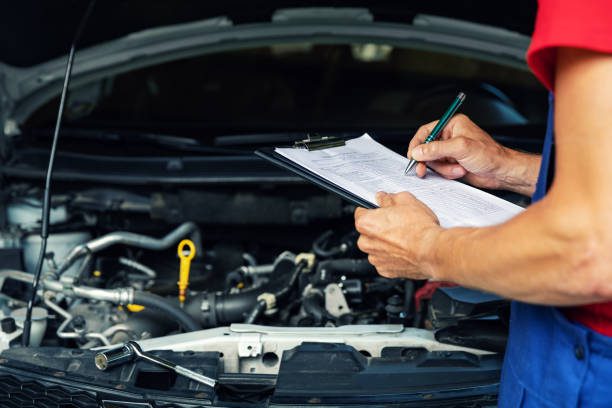

If you drive in Vermont, your vehicle needs to pass an annual inspection. No way around it. The state checks both safety equipment and emissions to make sure every car on the road is mechanically sound and not polluting more than it should.
With roughly 1,600 licensed inspection stations and 5,000 certified mechanics across the state, finding a place to get inspected isn’t hard. But knowing what’s actually required and preparing your car ahead of time can mean the difference between a quick pass and an expensive return trip.
Here’s everything you need to know.
How Vermont’s Inspection System Works
Vermont has been requiring safety inspections since 1935 one of the longest-running programs in the country. Emissions inspections were added in 1997. Today, the Vermont Department of Motor Vehicles (DMV) manages the whole system, licensing both inspection stations and certified mechanics.
Here’s the quick version of what you need to know:
- Frequency – Every vehicle needs an annual safety inspection. Emissions testing is also required depending on your vehicle’s age and type.
- What gets checked – Brakes, tires, lights, wipers, exhaust, suspension, and more. The full list is in the Periodic Inspection Manual.
- If you pass – You get an inspection sticker valid for one year.
- If you fail – You’ve got 15 days to make repairs and get re-inspected.
One recent change worth noting: Vermont now requires vehicles to be plugged into a computer during the inspection. This standardizes the process across all 1,600 stations and makes it harder for unsafe cars to slip through with a sticker they shouldn’t have.
What the DMV Actually Does Behind the Scenes
The Vermont DMV sits under the state’s Agency of Transportation and handles far more than just handing out license plates. When it comes to inspections, they set the standards and protocols, certify mechanics, license stations, and enforce compliance.
A few specifics worth knowing:
- Inspection frequency depends on your vehicle’s age and type.
- Emissions inspections include a visual check of the catalytic converter and gas cap, plus an electronic OBD scan for vehicles 16 model years old or newer.
- Warranty coverage on emissions components varies: a minimum of 3 years or 50,000 miles for the full system, and up to 8 years or 80,000 miles for the catalytic converter.
The DMV also provides an inspector map so you can find certified stations near you. And keep your inspection records, if any questions come up about your vehicle’s history, having documentation makes everything easier.
What the Safety Inspection Actually Checks
Vermont’s safety inspection follows standards set by both the EPA and Federal Motor Vehicle Safety Standards (FMVSS). These cover design, construction, performance, and durability of your vehicle and its safety components.
Brakes
This is the area where failures matter most. Inspectors check brake pads, shoes, drums, rotors, brake lines, and fluid levels. If you’ve noticed any unusual sounds when braking, grinding, squealing, pulsating, address those before your inspection. A brake problem isn’t just an inspection failure. It’s a genuine safety hazard.
Suspension
The mechanic will examine shock absorbers, springs, bushings, and tie rods for wear or damage. If your car pulls to one side, the steering feels loose, or your tires are wearing unevenly, those are all signs your suspension needs attention. A compromised suspension means less control, especially at highway speeds or in bad weather.
Everything Else They’re Looking At
Beyond brakes and suspension, the inspection covers:
- Seat belts – No fraying, cuts, or damage. They need to retract and latch properly.
- Lights – Headlights, brake lights, turn signals, hazard lights. All must work and be properly aimed.
- Wipers – Vermont winters demand good wiper blades. If yours are streaking or skipping, replace them.
- Tires – Proper tread depth, correct pressure, and no visible damage like bulges or cuts.
None of these are expensive fixes on their own. But put them off long enough and they’ll either fail your inspection or worse cause a problem on the road.
Where to Get Your Car Inspected
Vermont’s inspection stations are privately owned and operated, but they’re licensed by the DMV and must follow the state’s Periodic Inspection Manual. Only official inspection stations with certified mechanics can perform valid Vermont inspections.
There are also commercial fleet inspection stations designated specifically for businesses with five or more vehicles. These follow the same standards as regular stations.
Before you go, make sure your vehicle is ready. Fix any obvious issues with brakes, lights, tires, or exhaust beforehand. Walking in with a car that clearly needs work just means paying for two inspections instead of one.
What Gets Checked During the Full Evaluation
The inspection is comprehensive. Here’s a quick overview of the main areas:
- Brakes
- Tires
- Engine and transmission
- Lights and reflectors
- Safety equipment (seat belts, mirrors, horn)
- Emissions control system
Every component needs to be functional and in good condition. Your headlights need to work. Your tires need sufficient tread. Your emissions system needs to meet Vermont’s standards. If anything fails, you’ll need to make repairs and come back for a retest.
Emissions Testing: Who Needs It and What’s Involved
Not every vehicle in Vermont requires emissions testing. Here’s who does:
- Gasoline-powered vehicles that are 16 model years old or newer
- Diesel-powered vehicles that are 16 model years old or newer and weigh up to 8,500 lbs
During the emissions portion, the mechanic checks your On-Board Diagnostic (OBD) system. This computer continuously monitors your emissions control systems, catalytic converter, oxygen sensors, and other components and reports any malfunctions.
If your car fails emissions, you’ll need to fix whatever’s causing the problem before a retest. Common issues include a bad catalytic converter, faulty OBD system, or deteriorated engine components. Regular maintenance oil changes, air filter replacements, periodic OBD checks, goes a long way toward preventing emissions failures.
The Enforcement Side: Who’s Making Sure Shops Follow the Rules
Vermont’s Enforcement and Safety Division oversees the entire inspection system. They’re the ones making sure stations and mechanics are doing their jobs correctly.
The division has several sections:
- Commercial Vehicle Enforcement – Focuses on commercial vehicle compliance with safety standards.
- Investigative Section – Handles fraud cases and violations related to inspections and driver training programs.
- Administrative Support – Manages highway safety initiatives and driver education programs.
This is the team that keeps the system honest. If a shop is passing cars that shouldn’t pass, or a mechanic is cutting corners, these are the people who investigate and take action.
Keep Your Car Maintained and You Won’t Stress About Inspections
The best way to pass your inspection is to not treat it as a once a year event. Keep up with regular maintenance throughout the year, and the inspection becomes a formality rather than a source of anxiety.
Key areas to stay on top of:
- Brakes and brake components
- Exhaust system
- Suspension and steering
- Tires, wheels, and alignment
- Emissions control system (spark plugs, air filters, catalytic converter)
Remember: Vermont law requires your entire emissions control system to be warranted for at least 3 years or 50,000 miles. More expensive components are covered for 7 years or 70,000 miles, and the catalytic converter gets 8 years or 80,000 miles. If your car is still within those windows, emissions repairs might be covered.
If you have questions about inspection requirements or need help, contact the Enforcement and Safety Division at (802) 828-2094.
Federal and State Laws You Should Know About
Vermont’s inspection requirements don’t exist in a vacuum. They’re built on top of federal regulations from the EPA and FMVSS that set baseline standards for vehicle safety and emissions across the country.
On the state level, Vermont adds its own layer. Non compliance can result in administrative penalties, fines, and even suspension or revocation of a mechanic’s certification or a station’s license. For drivers, an expired inspection sticker means potential fines and legal trouble.
One important update: new rules for Vermont auto inspections took effect on July 1, 2019, including the computerized inspection system that now connects shops directly to the state. Staying current on these changes helps you avoid surprises.
Vermont also mandates specific warranty periods for emissions components 3 years/50,000 miles minimum for the full system, 7 years/70,000 miles for expensive parts, and 8 years/80,000 miles for the catalytic converter. If your car fails emissions and it’s still under warranty, the manufacturer may be on the hook for repairs.
Registration, Insurance, and Inspection: They’re All Connected
In Vermont, you can’t separate registration from inspection. When you register a new vehicle, you need proof of insurance and your car must be inspected within 15 days of getting a valid Vermont registration.
Miss that 15 days window and you’re violating state law. Driving without a valid inspection sticker can bring penalties, fines, and legal headaches you don’t want.
Keep your registration renewal, insurance coverage, and inspection sticker all current. When one lapses, it creates a domino effect that can get expensive fast.
Key Deadlines and Time Periods
A few important timelines to keep in mind:
- 15-day grace period – After registering your vehicle, you have 15 days to get it inspected. During this window, the car must still meet Vermont safety standards while being driven.
- Emissions warranty minimums – 3 years/50,000 miles for the full system, 7 years/70,000 miles for expensive components, and 8 years/80,000 miles for the catalytic converter.
- Annual renewal – Your inspection sticker is valid for one year. Plan ahead so you’re not scrambling at the last minute.
Those warranty periods can save you real money if your car fails emissions and the problem falls within the covered timeframe. Always check before paying out of pocket.
What Happens If You Skip or Fail Your Inspection
Don’t test this one. Vermont takes inspection compliance seriously.
If your inspection sticker expires, even by just a couple of weeks, you can face specific violation codes enforced by the DMV. Penalties can include fines, and in some cases, you may be required to attend a hearing where you’ll need to explain the non-compliance and potentially pay additional costs or take corrective action.
For mechanics and stations, the consequences are even steeper, certifications can be suspended or revoked for failing to follow proper inspection procedures.
The easiest way to avoid all of this? Keep your car maintained, know when your sticker expires, and don’t wait until the last week to schedule your appointment. A well-maintained car passes inspections without drama and keeps you safe every other day of the year too.