
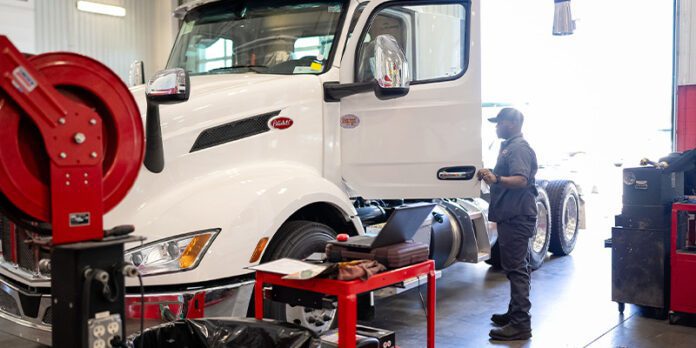

If you’ve ever found yourself wondering where to get your annual DOT inspection done, you’re not alone. It’s one of those things that sounds simple enough until you actually need to schedule one. Fleet Advisor, for example, offers a mobile service that comes directly to your location in the Denver metro area, which takes a lot of the headache out of the equation. But regardless of where you go, understanding what happens during a DOT inspection can make the whole experience a lot smoother.
Let’s break it all down so you know exactly what to expect, how to prepare, and what comes after.
What Exactly Is a DOT Inspection (And Why Should You Care)?
A DOT inspection is basically a safety checkup for commercial motor vehicles, carried out according to standards set by the Department of Transportation. The whole point is to make sure your truck, trailer, or other CMV is safe enough to be on the road. The FMCSA (Federal Motor Carrier Safety Administration) lays out the specific criteria that inspectors use.
Think of it like a physical for your vehicle. Just like a doctor checks your blood pressure and reflexes, a DOT inspector checks your brakes, tires, lights, and a whole list of other systems to confirm everything’s working the way it should.
Why Skipping Your Annual DOT Inspection Will Cost You
Here’s the thing: annual DOT inspections aren’t optional, and ignoring them can hit you where it hurts. We’re talking fines, penalties, and vehicles getting pulled off the road. But the bigger picture is safety. Mechanical failures cause accidents, and many of those failures come down to poor or inconsistent maintenance.
There’s also a practical side to this. If your vehicle gets pulled over for a roadside inspection and your paperwork isn’t current, you’re looking at delays, potential fines, and possibly having the truck put out of service right then and there. Having up-to-date inspection records on hand can save you a world of trouble.
The 6 Levels of DOT Inspections You Need to Know
Not all DOT inspections are created equal. There are actually six different levels, and each one covers different ground:
- Level 1 (North American Standard): This is the big one. It’s a full, comprehensive inspection of both the driver and the vehicle. Everything from brakes to paperwork gets scrutinized.
- Level 2 (Walk-Around): The inspector does a thorough external check and examines some internal components, but it’s less intensive than Level 1.
- Level 3 (Driver-Only): This one focuses entirely on the driver’s credentials, documents, and compliance. The vehicle doesn’t get touched.
- Level 4 (Special Inspection): A one-time check that zeroes in on a specific item or component.
- Level 5 (Vehicle-Only): Same scope as Level 1, but it’s done without the driver being present.
- Level 6 (Radioactive Materials): A specialized inspection reserved for vehicles carrying radioactive shipments.
Knowing which level applies to your situation helps you prepare properly and avoid surprises.
Where to Get Your Annual DOT Inspection Done
You’ve got more options than you might think when it comes to getting inspected. Here’s a rundown of the most common routes.
Local DOT Offices
Your state’s DOT office is always a solid option. They’ve got certified inspectors who stay current on regulations, and most states make it easy to find locations through their transportation websites. In Texas, for instance, the Department of Public Safety offers a Vehicle Inspection Locator that generates a list of nearby stations.
Inspections at DOT offices tend to be thorough and by the book. If you can, schedule an appointment ahead of time so you’re not sitting around waiting.
Authorized Inspection Facilities and Repair Shops
Plenty of repair shops and dedicated inspection centers are authorized to perform DOT inspections. Many specialize in commercial vehicles like semi-trucks, so they know exactly what to look for. Fleet Advisor, as one example, sends certified inspectors to your Denver metro area location. You can schedule by calling (303) 710-5213.
Some of these facilities also offer preventative maintenance services, which is a nice bonus. You get the inspection done and potentially catch other issues while you’re at it.
Mobile Inspection Services (The Most Convenient Option)
If you don’t want to drive your truck somewhere, mobile inspection services bring the inspector to you. This is a game-changer for fleet operators. Instead of pulling multiple vehicles off the road and sending them to a shop, a certified inspector shows up at your yard and works through the fleet on-site.
The result? Minimal downtime, less disruption to your operations, and full compliance without the logistical nightmare. For large fleets especially, this approach just makes sense.
How to Prepare So You Don’t Fail Your Inspection
Walking into a DOT inspection unprepared is like showing up to a test you didn’t study for. You might get lucky, but the odds aren’t in your favor. A little preparation goes a long way.
Know What the Inspector Is Looking For
The FMCSA Annual Inspection Form spells out everything that gets checked. Familiarize yourself with it. At a high level, inspectors are looking at:
- Brakes: All brake components need to be in good working condition. No exceptions.
- Lights: Headlights, brake lights, and turn signals all need to function properly.
- Tires: Adequate tread depth, no visible damage like bulges or exposed cords.
- VIN: The vehicle identification number needs to match your records.
Reviewing these criteria ahead of time lets you catch problems before the inspector does. That’s always a better situation to be in.
Run Your Own Pre-Inspection Checklist
Don’t wait for the official inspection to find out something’s wrong. Do your own walkthrough first:
- Visual inspection: Walk around the vehicle and look for obvious signs of wear, damage, or leaks.
- Functional tests: Turn on all the lights, test the brakes, and check every system that’s going to be evaluated.
- Maintenance records review: Are any scheduled services overdue? Now’s the time to take care of them.
Pro tip: Use a physical or digital checklist so you don’t skip anything. A quick pre-trip inspection can catch small issues before they turn into violations that cost you money and time.
Get Your Paperwork in Order Before Inspection Day
You’d be surprised how many people fail inspections not because of vehicle issues, but because their documentation isn’t right. Make sure you’ve got these ready to go:
- Current and previous annual inspection forms
- Detailed maintenance records showing all past work
- Inspector certifications (if prior inspections were done by a third party)
- Driver certificates and any required training documentation
Keep everything current and accessible. Scrambling to find paperwork during the inspection is a bad look and can slow the whole process down.
What Gets Inspected: A Component-by-Component Breakdown
Understanding exactly what an inspector examines helps you maintain your vehicle year-round, not just when inspection time rolls around. Here’s what they’re checking.
Brake Systems: The #1 Reason Vehicles Fail
Brakes are the single most common failure point during DOT inspections, and for good reason. Inspectors examine brake pads, rotors, and drums for wear and damage. They’ll also test the air pressure system and look for leaks, cracked hoses, or compromised brake lines.
Don’t overlook the parking brake either. It needs to fully engage and hold the vehicle in place. If any brake component is defective, you’re not passing. Period. Regular brake maintenance isn’t just smart; it’s non-negotiable.
Wheels and Tires: More Than Just Tread Depth
Yes, tread depth matters. Steer tires need at least 4/32 of an inch, and other tires need at least 2/32. But inspectors are looking at more than that. Cuts, bulges, or exposed cords on any tire will fail you.
They’ll also examine your wheels and rims for cracks, bends, or other damage. Lug nuts need to be tight with none missing. And your tires need to be properly inflated. Imagine getting a violation because of a low tire. It’s completely avoidable with a basic pre-inspection check.
Steering and Suspension: Keeping You in Control
The steering mechanism gets a close look during inspection. For a 20-inch steering wheel, inspectors allow no more than 10 degrees of play. They’ll also check the steering column, drag link, and steering gear box for wear or damage.
On the suspension side, they’re looking at leaf springs, shocks, and the suspension frame for anything broken, loose, corroded, or worn. These components directly affect how your vehicle handles, especially under load. Keeping them maintained isn’t just about passing inspection; it’s about keeping you and everyone else on the road safe.
Lights and Exterior: Don’t Let a Burned-Out Bulb Stop You
It sounds almost too simple, but burned-out or broken lights are one of the most common reasons vehicles fail DOT inspections. All lighting needs to work: headlights, tail lights, brake lights, turn signals, and clearance lights. Reflective tape on the sides and rear of your vehicle also needs to be in good shape.
Inspectors will also note any significant body damage like large dents or rust. While cosmetic issues alone might not fail you, they can point to structural concerns that warrant a closer look.
Interior Safety Equipment: The Easy Stuff People Forget
Seatbelts need to work and be free from frays or cuts. Your fire extinguisher should be fully charged and within easy reach. Emergency triangles and first aid kits may also be checked.
Keep the cab clean and free from obstructions. Loose items rolling around the interior might seem minor, but they can create safety hazards that an inspector won’t ignore.
Who’s Responsible for What: Drivers, Carriers, and Inspectors
Compliance isn’t just one person’s job. Everyone in the chain has a role to play.
What Drivers Need to Do Every Single Day
As a driver, you’re the first line of defense. Before you hit the road each day, you should be performing a pre-trip inspection. Check your brakes (hydraulic, antilock, and parking), lights, tires, and fluid levels. Keep a log of these inspections so you’ve got proof if someone asks.
If you spot something wrong, report it immediately. Driving a vehicle you know has a problem doesn’t just put you at risk. It puts everyone on the road at risk, and it can lead to serious fines and liability issues.
What Trucking Companies and Motor Carriers Owe Their Fleet
If you’re running a trucking company, you’re on the hook for making sure every vehicle in your fleet passes its annual DOT inspection. That means maintaining detailed records, scheduling regular maintenance, and using qualified mechanics for repairs.
A solid vehicle maintenance program isn’t just about checking a legal box. It protects your fleet, reduces the risk of breakdowns and accidents, and can even lower your insurance costs. Good maintenance habits pay for themselves over time.
What Makes a Qualified Inspector
Not just anyone can perform a DOT inspection. Inspectors need to meet specific criteria set by the DOT and be well-versed in both state and federal requirements. They need the expertise to thoroughly evaluate brakes, lights, safety systems, and every other component on the checklist.
Using a certified, qualified inspector isn’t just a regulatory requirement. It’s your assurance that the inspection is being done right and that small issues get caught before they snowball into expensive, dangerous problems.
What Happens After Your DOT Inspection
The inspection itself is only part of the process. What you do afterward matters just as much.
Deal with Reports and Citations Immediately
After the inspection, you’ll receive a report detailing whether your vehicle passed or failed, along with any issues that need attention. If you get citations, don’t sit on them. Address them quickly.
Keep the report somewhere safe. You may need to produce it during a roadside check or an audit. And if repairs were needed, make sure you’ve got documentation proving the work was completed. Inspectors and auditors want to see that you actually fixed the problem, not just that you acknowledged it.
Keep Organized Inspection Records (Both Digital and Paper)
Maintaining a detailed record of all your inspections isn’t optional. You need to track the date of each inspection, what issues were found, and what actions were taken to resolve them. Here’s why this matters:
- It keeps you compliant with FMCSA regulations
- It serves as proof of regular vehicle maintenance
- It can prevent citations during random roadside checks
Store both digital and hard copies. If one gets lost or damaged, you’ve got a backup. FMCSA requires you to keep these records for at least one year, but honestly, holding onto them longer is a smart move.
Stay Current with Changing FMCSA Regulations
Regulations evolve. What was compliant last year might not cut it this year. Make it a habit to check the FMCSA website regularly, subscribe to industry newsletters, or join professional associations that provide timely updates on regulatory changes.
If you run a fleet, assign someone the specific responsibility of tracking regulatory changes. That way, you’re never caught off guard by a new requirement. It’s a small investment of time that can save you from big headaches down the road.
The bottom line? Your annual DOT inspection isn’t something to dread or put off. With the right preparation, the right inspector, and a solid system for follow-up, it becomes just another part of running a safe, efficient operation. So when’s your next inspection due?