
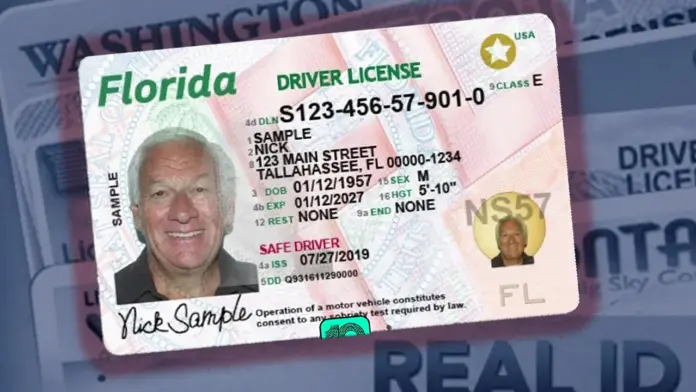
Just moved to Florida? There’s sunshine, no state income tax, and… a DMV visit in your near future. You’ve got 30 days after establishing residency to convert your out-of-state license to a Florida one. That’s not a suggestion—it’s the law.
The process isn’t complicated, but showing up without the right paperwork will cost you a wasted afternoon. Here’s exactly what you need, what it costs, and how to get through it as quickly as possible.
Do You Actually Need a Florida License?
Residency Requirements
Florida considers you a resident once you’ve done things like gotten a job here, enrolled your kids in public school, or established a permanent home. Military members stationed in Florida may have different requirements or exemptions—always check with your local DMV to confirm.
To prove residency, you’ll need documents that show your name and Florida address. Think lease agreements, utility bills, or a property deed. You’ll also need to show proof of your Social Security number—a Social Security card or W-2 form works.
Age-Specific Rules
If you’re 18 or older, the process is pretty straightforward—hold a valid out-of-state license, meet the residency requirements, and you’re most of the way there.
Under 18? It gets a bit more involved. Teen drivers may need to complete a Drug and Alcohol Traffic Awareness Course and potentially pass a Florida permit test, especially if they haven’t already done so in their home state. Handle these requirements early—you don’t want them holding up your license.
The Documents You’ll Need (Don’t Leave Home Without These)
Primary Identification
You need one primary ID document. Acceptable options include:
- U.S. birth certificate
- U.S. passport
- Consular Report of Birth Abroad
- Valid Permanent Resident Card (non-citizens)
- Employment Authorization Card (non-citizens)
- Foreign passport with an approved I-94 form (non-citizens)
Important: Florida doesn’t accept photocopies. Bring originals or certified copies only. Full details are available at Florida Highway Safety and Motor Vehicles.
Proof of Social Security Number
You’ll need to verify your Social Security number with one of these:
- Social Security card
- W-2 form
- Paycheck showing your full SSN
- 1099 tax form
The name on your Social Security document must match the name on your primary ID. If you don’t have a Social Security number, you’ll need a letter from the Social Security Administration confirming that. More info is available at DMV Florida.
Proof of Residential Address
You need at least two documents showing your Florida home address. Any of these work:
- Utility bill
- Lease or rental agreement
- Mortgage statement
- Florida voter registration card
- Florida vehicle registration
Living with someone else? You can provide a Certification of Address form filled out by your housemate, along with their proof of residency.
How the Application Process Works
Fill Out the Application
Start by completing the driver’s license application. You can do this online through the Florida Highway Safety and Motor Vehicles website. Have your proof of identity, Social Security number, and proof of Florida residency ready before you begin.
If you’ve never held a driver’s license before, you’ll have extra steps—including a Drug and Alcohol Traffic Awareness (DATA) course and a permit test, both of which can be completed online.
Book a DMV Appointment
Schedule an appointment at your local DMV office to submit your documents. Walk-ins are accepted, but appointments are strongly recommended—unless you enjoy sitting in a waiting room for hours.
Confirm what you need to bring: your out-of-state license, proof of ID, Social Security card, and proof of Florida residency. Check your local DMV’s website for any office-specific requirements.
Surrender Your Old License
At your appointment, you’ll hand over your out-of-state license. The exchange process includes document verification, a vision test, and any required driving tests.
If everything checks out, you’ll receive a temporary paper license on the spot. Your permanent Florida driver’s license gets mailed to you. Fees apply for the exchange—check the state website for exact amounts before you go.
Tests You’ll Need to Pass
Vision Test
Everyone takes a vision test. The DMV requires at least 20/40 visual acuity in each eye, with or without corrective lenses. If you wear glasses or contacts, bring them.
They’ll test each eye separately, then both together. If you don’t pass, you’ll need an eye exam from a licensed doctor and possibly corrective lenses before you can try again. It takes just a few minutes—quick and painless.
Written Knowledge Test
The written test covers Florida road signs, traffic laws, and safe driving practices. If you’re 18 or older, you can take it at the DMV or online beforehand.
It’s multiple-choice, and you need an 80% passing score. Expect questions about speed limits, road symbols, and right-of-way rules. Study the Florida Driver Handbook—it’s available free online and covers everything on the test.
Under 18? You’ll also need to complete the Drug and Alcohol Traffic Awareness (DATA) course before sitting for the written exam.
Driving Test (Road Test)
The road test evaluates your practical driving skills in real-world conditions. You’ll demonstrate turns, stops, lane changes, and parallel parking. The examiner watches your mirror use, signaling, and overall vehicle control.
Schedule your driving test through the Florida DMV’s website. Show up early and bring your own vehicle—it needs to meet safety standards like functioning lights and brakes. Practice beforehand, especially parallel parking. Nobody nails that one without some reps.
What It’ll Cost You
License and Test Fees
Here’s a breakdown of the typical costs:
- Standard Class E driver’s license: ~$48
- Written knowledge test: ~$10
- Road skills test: ~$20
You may pay extra for endorsements (like a motorcycle endorsement) or if you’re getting a Real ID-compliant license. Fees can vary slightly by DMV location, so verify the current amounts at the Florida Department of Highway Safety and Motor Vehicles before your visit.
How to Pay
The Florida DMV accepts cash, money orders, checks, and major credit cards (Visa, MasterCard, Discover, American Express). That said, some locations may not accept personal checks or may have limits on cash payments—call ahead to confirm.
Many fees can also be paid online through the DMV’s website, which saves you time and avoids the in-person line.
Don’t Forget: Insurance and Vehicle Registration
Florida’s Minimum Auto Insurance
Florida requires two types of coverage to drive legally:
- $10,000 Personal Injury Protection (PIP) — covers medical expenses for you and your passengers, regardless of fault
- $10,000 Property Damage Liability (PDL) — covers damage you cause to someone else’s property
These are mandatory. Collision and comprehensive coverage are optional but worth considering. If your insurance lapses, you risk fines, license suspension, or worse. Make sure your insurer is authorized to operate in Florida.
Registering Your Vehicle
You’ll need to register your car in Florida too. Head to the DMV with:
- Proof of Florida insurance
- VIN verification — done by a law enforcement officer, DMV official, or licensed Florida dealer
- Completed Application for Certificate of Title — required for out-of-state title transfers
There’s an initial registration fee of $225, plus standard fees based on your vehicle’s weight and type. You’ll get your Florida license plate once all documentation is approved.
After You’ve Got Your License: Renewals and Replacements
Renewing Your Florida License
You can renew up to 18 months before your expiration date. Do it online through GoRenew or in person at an FLHSMV office.
You’ll need your Social Security number, proof of citizenship or lawful presence, two documents proving Florida residency, and possibly a vision test. Pay the renewal fee, and you’ll get a temporary credential on the spot—your new license arrives by mail.
Lost or Stolen? Here’s What to Do
Report it immediately. Then head online to GoRenew or visit an FLHSMV office with your Social Security number, proof of identity, and proof of residence. Pay the replacement fee and you’ll get a temporary credential while your new license is mailed.
If you suspect identity theft, file a police report for the stolen license and bring a copy with you. Better safe than sorry.
The 30-day deadline is real, and it sneaks up on people faster than they expect. Gather your documents this week, book your DMV appointment, and get it crossed off the list—future you will be glad you didn’t procrastinate on this one.

