
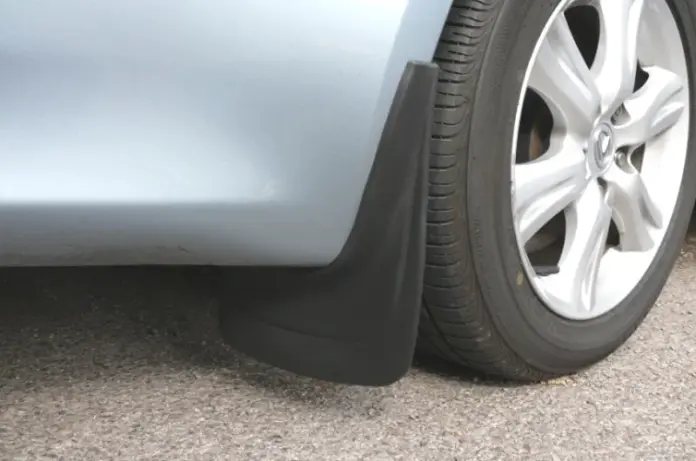
The disappearance of mud flaps from modern passenger cars marks a fascinating shift in automotive design, priorities, and real-world utility. Once a near-ubiquitous feature on many vehicles, these simple yet practical shields have largely vanished from factory installations on sedans, hatchbacks, and even some SUVs. Yet they remain essential in certain niches; like heavy-duty trucks, off-road rigs, and commercial fleets; where their protective role shines.
As a car enthusiast and expert who’s tracked these trends for years, I’ve seen how evolving technology, changing road conditions, consumer tastes, and subtle engineering trade-offs have quietly phased them out for everyday drivers. But don’t write them off entirely: in the right scenarios, mud flaps (also called splash guards or mudguards) deliver tangible benefits that can save you money on repairs, preserve your vehicle’s appearance, and even enhance safety for those sharing the road.
Let’s dive deep into the story behind their decline, their genuine advantages, potential pitfalls, and when they still make perfect sense today.
Why Modern Cars Largely Skip Factory-Installed Mud Flaps
Picture the automotive landscape of the 1970s and earlier: roads were rougher, unpaved stretches more common, and vehicles lacked many of today’s built-in defenses. Mud flaps were practically standard on trucks, SUVs, off-road-capable models, and even some passenger cars. A key driver? Emerging regulations in various regions aimed at curbing spray from tires that could blind following drivers or coat windshields with grime. In the U.S., while no overarching federal mandate ever required them on passenger vehicles, state-level rules (often inspired by earlier laws) pushed manufacturers to include them on certain models during that era.
One historical note: the modern mud flap concept traces back to World War II innovations. Oscar Glenn March, working at Tinker Air Force Base in Oklahoma, devised canvas flaps to shield sensitive radar gear on flatbed trucks from flying mud and rocks. His bracket-mounted design proved so effective that it spread rapidly, evolving from canvas to durable rubber and plastic. By the mid-20th century, they became a staple for protection and compliance.
Fast-forward to today, and you’ll rarely spot them on a new sedan or crossover rolling off the lot. Here’s why manufacturers pulled back:
First, advancements in vehicle design rendered them less critical. Contemporary cars boast integrated wheel well liners (often molded plastic shields inside the fenders), aerodynamic underbody panels, and splash-resistant coatings. These elements deflect debris more efficiently without external add-ons. Tires have also evolved dramatically; modern compounds and tread patterns minimize spray and kick-up compared to older bias-ply designs. On paved highways (where most driving occurs), the amount of mud, slush, or gravel flung upward is far lower than decades ago.
Second, aesthetics and consumer preferences play a huge role. Today’s buyers crave sleek, minimalist profiles; clean lines, flush surfaces, and a premium feel. Hanging rubber flaps can disrupt that polished look, appearing utilitarian or even dated. Luxury brands like BMW, Mercedes, and Audi, in particular, avoid them to maintain sophisticated styling. Even mainstream automakers prioritize wind-tunnel-tested aerodynamics for better fuel efficiency and quieter cabins; protruding flaps introduce minor drag, though the impact is small.
Third, limited real-world effectiveness on typical roads sealed their fate for many models. While they help in off-road or rural settings, on dry highways or well-maintained urban streets, they offer marginal gains. Manufacturers faced pressure to cut costs and simplify production; why add a part that few owners demand or notice?
That said, heavy trucks and trailers still require them in most U.S. states (and many countries) due to safety regs. Laws mandate flaps to reduce rear spray that could impair visibility for trailing vehicles. Commercial rigs often use aerodynamic slatted versions that cut drag while meeting standards.
The Clear Advantages of Adding Mud Flaps
Despite their decline on showroom floors, mud flaps remain a smart upgrade in targeted situations. Here’s where they truly excel:
- Shielding against rock impacts and road debris ; Tires constantly hurl small stones, gravel, and grit upward. Without protection, these strike the undercarriage, fenders, or paint, causing chips, dents, or worse; damage to brake lines, fuel tanks, or wiring. A sturdy flap absorbs the hit, redirecting energy harmlessly. This is especially valuable on gravel roads, construction zones, or during winter when salt and sand create abrasive mixes.
- Combating rust and corrosion from water, salt, and mud ; In rainy climates or regions with heavy road salting (think Northeast U.S. winters), constant exposure accelerates underbody rust. Flaps block much of the splash, keeping moisture away from vulnerable metal parts. Over years, this can extend a vehicle’s lifespan and maintain structural integrity.
- Preserving exterior paint and bodywork ; Rear quarter panels and rocker panels often bear the brunt of tire-thrown crud. Flaps keep your sides cleaner, reducing the need for frequent washing and cutting down on swirl marks or stone chips that diminish resale value.
- Off-road and adventure-ready protection ; Jeeps, Subarus, Ford Broncos, and dedicated 4x4s frequently retain or add flaps. They guard against branches, sand, gravel, and thick mud that could clog components or mar finishes. Owners report significantly less post-trail cleanup and fewer dings.
- Courtesy to other drivers ; By curbing excessive rear spray in wet conditions, flaps reduce hazards for motorcycles, cyclists, or low-slung cars behind you.
In short, if your driving involves unpaved paths, frequent bad weather, or heavy rural use, flaps provide meaningful defense.
Potential Drawbacks and Common Pitfalls
No accessory is perfect, and mud flaps come with trade-offs worth considering:
- Extra maintenance required ; They collect grime quickly. Neglect them, and caked mud hardens, potentially cracking the material or reducing flexibility. Regular hosing (especially after off-road trips) becomes part of your routine; another chore alongside washing the car.
- Risk of improper fit or installation ; Oversized or poorly mounted flaps drag on pavement, speed bumps, or steep driveways, leading to tearing, bending, or scraping. This not only negates benefits but can damage the flap or vehicle. Undersized ones offer little coverage. Always match flaps to your model’s clearance and wheel setup; custom or vehicle-specific options outperform universals.
- Aesthetic and performance concerns ; Many find them visually unappealing on sleek modern cars. They add slight aerodynamic drag (minimal for most, but noticeable in efficiency-obsessed EVs or hybrids). In rare cases, drilling for installation invites rust if not sealed properly.
- Limited effectiveness in extreme conditions ; No flap stops everything. High-speed highway driving or deep mud still allows some bypass. They’re supplements, not cure-alls.
If flaps drag or look mismatched, remove them and opt for tailored replacements or professional installation.
When Mud Flaps Make the Most Sense Today
Mud flaps aren’t obsolete; they’re situational heroes. Install them if:
- You frequently drive gravel, dirt, or poorly maintained roads.
- You live in a rainy, snowy, or salted-road area prone to rust.
- You own an off-roader, truck, or SUV that sees trails or rough terrain.
- You want to protect paint, underbody, or trailing vehicles.
For city commuters on smooth pavement? Skip them; modern built-in protections suffice.
Choose wisely: opt for flexible, durable rubber or polymer flaps sized correctly (typically hanging 6-10 inches from the ground when empty). Brands like Rally Armor or WeatherTech offer no-drill, custom-fit options. Professional installation ensures proper alignment and avoids warranty issues.
Final Thoughts
The automotive world has moved on from universal mud flaps because innovation; better tires, integrated shielding, aerodynamics, and shifting priorities; made them redundant for most daily drivers. Yet their core purpose endures: simple, affordable defense against the elements’ assaults.
If your lifestyle demands extra protection, they’re a worthwhile investment. Otherwise, admire their legacy on classic trucks and rigs while enjoying the cleaner, sleeker designs of today. The road evolves, and so do the tools we use to conquer it.

