
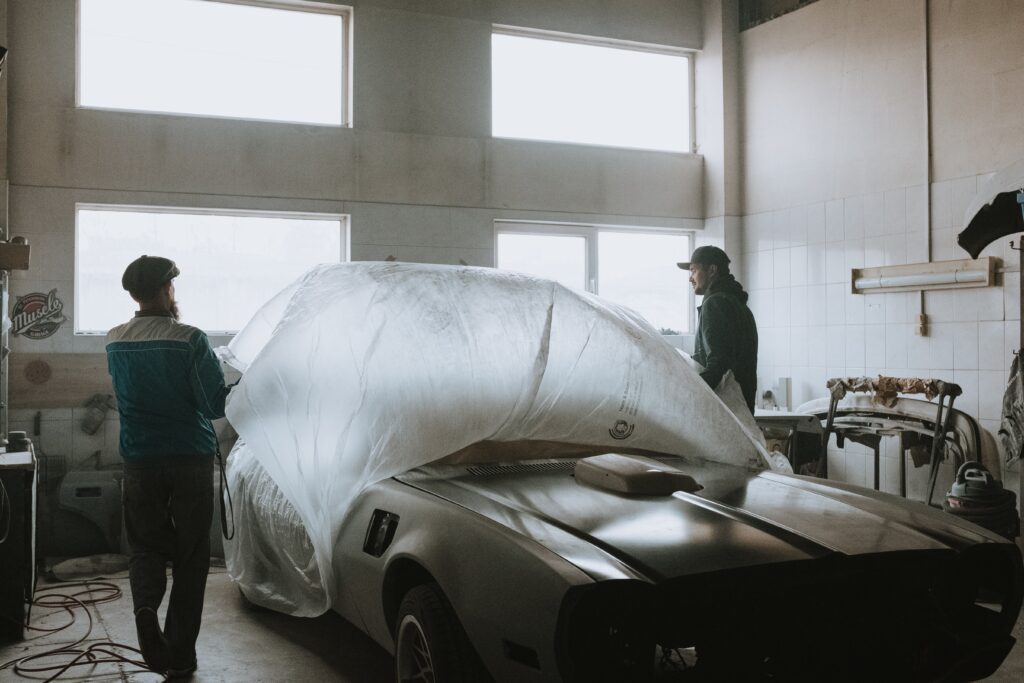
Every car owner wants their vehicle to stay in peak condition, even though real life keeps throwing challenges at it; tight garages, busy streets, unpredictable weather, and the occasional parking-lot surprise. When you can’t control the environment, a high-quality car cover becomes a practical layer of insurance. The right cover can shield your paint and body panels from UV exposure, acid rain, airborne contaminants, sap, bird droppings, and even light impacts from falling debris that can chip or scuff the surface.
This guide is designed to help you narrow down the search for the best car cover for your vehicle by breaking the decision into clear, expert-friendly checkpoints. You’ll learn what matters most (and what’s mostly marketing), how to match a cover to your climate and storage conditions, and how to avoid the common mistakes that actually cause scratches or trap moisture. Whether you’re protecting a daily driver, storing a weekend toy, or preserving a collector vehicle, the goal is identical: choose a cover that protects your finish and bodywork without creating new problems underneath.
To meet that goal, you need to think like both a detailer and a storage engineer. A cover is not just a fabric shell; it’s a material system that interacts with paint, air, moisture, wind, dust, and temperature changes. If you choose the wrong system (or use the right one incorrectly), the cover can become a slow-moving source of paint haze, corrosion risk, and trapped odors. If you choose wisely and handle it properly, it becomes one of the most cost-effective protective tools you can own.
In other words, a cover isn’t “buy once and forget.” It’s closer to a protective routine; one that works best when it matches your storage reality, your climate, and how often you actually cover and uncover the vehicle.
Why Car Covers Matter More Than Most Owners Think
A car cover isn’t just about keeping dust off. In professional detailing and long-term vehicle storage, a cover is treated as a risk-management tool that targets three main threats: sunlight, water, and physical abrasion. If your cover fails in any one of these areas, the result can be gradual but expensive damage; faded clear coat, etched water spots, mildew smells, accelerated trim oxidation, or micro-scratches that eventually dull the paint’s clarity and gloss.
Here’s how those threats show up in real life (and why the “wrong” cover can quietly create more harm than protection):
- Sun and UV radiation: UV breaks down clear coat, oxidizes trim, and fades paint; especially on horizontal surfaces like the hood and roof.
- Moisture and chemical exposure: Acid rain, industrial fallout, salt spray (coastal areas), and pollen can etch or stain surfaces. If moisture is trapped under a non-breathable cover, it can also encourage mildew and corrosion.
- Physical contamination: Dust and grit can act like sandpaper if the cover shifts in wind or if the vehicle isn’t clean before covering.
- Light impact hazards: Falling leaves, small branches, debris from nearby construction, and even hail in some areas can damage the finish. While typical covers won’t stop large impacts, the right thickness and design can reduce minor surface harm.
In short: a car cover can be a major asset, but only when it’s selected and used correctly. A poor cover; or a great cover used the wrong way; can create a cycle of trapped moisture and abrasion that gradually damages the paint you’re trying to preserve. Many owners blame “bad paint” when the real cause is friction, grit, and humidity trapped under a cover that wasn’t designed for their conditions.
To get long-term value, you need a cover that manages the environment around your car, not just the appearance of your car. That means the cover must breathe, fit properly, and touch paint safely. Everything else is helpful but secondary.
Start With Your Storage Reality: Indoor, Outdoor, or Mixed Use
Before comparing fabrics, brands, or price points, define your storage environment. This single step prevents most “wrong cover” purchases. Car covers are generally engineered for one of two worlds: indoor storage (dust, minor bumps, occasional humidity changes) or outdoor exposure (UV, rain, wind, sap, bird droppings, temperature swings, and airborne contaminants). Some products claim to handle both, but in practice, the best cover is usually the one built for your most demanding condition.
If your car spends 90% of its life outdoors, buy an outdoor cover; even if you sometimes park it in a garage. If your car is primarily garaged and only occasionally sits outside, prioritize an indoor cover that’s soft and easy to handle; unless you expect frequent outdoor parking in harsh weather.
Indoor Storage Priorities
If your car lives in a garage, your cover’s top priorities are softness, breathability, and easy handling. Indoor covers do not need extreme weatherproofing, but they must prevent dust accumulation and reduce micro-marring. A cover that is stiff, coarse, or poorly lined can leave fine haze or swirl-like marks over time; especially if you remove and reinstall it often.
Indoor covers are ideal when your threats are:
- dust and garage debris
- accidental contact from tools, bicycles, or storage boxes
- light humidity shifts
Even in a garage, breathability matters. Garages can trap humidity, especially if they are not climate-controlled. Moisture that cannot escape turns into a silent enemy: it can encourage mildew, create water spotting on paint, and over long periods contribute to corrosion on exposed metal components. A breathable indoor cover helps keep the microclimate around the car stable rather than damp.
Expert insight: if you garage-store a car long term, the cover is not your only tool. Air movement and humidity control in the garage can be just as important as the cover material. A cover can reduce dust, but a damp garage can still harm the vehicle over time.
Outdoor Storage Priorities
If you park outside, you need a cover designed for UV protection, water resistance, wind stability, and breathability. The most common outdoor mistake is buying a cover that is “waterproof” but not breathable. That type of cover can trap condensation, creating a damp layer on the paint that never dries properly. Over time, that damp microclimate encourages water spotting, mildew odors, and corrosion; especially in humid climates or on vehicles that are covered for long stretches without being driven.
Outdoor covers must balance two opposing requirements:
- Keep water out as much as possible
- Let moisture escape so the car doesn’t stay wet underneath
This is why many of the best outdoor covers are described as water-resistant and breathable, not “fully waterproof” in the tarp-like sense. A water-resistant cover sheds rain and allows vapor to escape; reducing the probability that your car stays wet under the fabric.
Outdoor use is also where secure attachment becomes non-negotiable. Wind movement is the enemy of paint. Even a premium fabric becomes abrasive when it flaps against dusty panels. If the cover moves, it can grind contamination into the clear coat and accelerate dulling. A stable cover is a safer cover.
Expert insight: the best outdoor cover is not necessarily the thickest. Thickness can help with minor impact buffering, but fit and stability often matter more. A thick cover that moves can cause more abrasion than a lighter cover that stays stable and clean.
The Three Non-Negotiables: Breathability, Fit, and Safe Contact
No matter what you drive, the best car cover choice almost always comes down to three essentials. If a cover fails one of these, it is not a “minor flaw”; it is a risk factor.
- Breathability: moisture must be able to escape, especially outdoors or in humid garages.
- Proper fit: a cover that’s too loose moves in the wind and grinds dirt into paint; too tight is frustrating and increases installation abrasion.
- Paint-safe inner surface: the inside must be soft enough not to haze or scratch clear coat during normal handling.
Everything else; reflective coatings, extra straps, mirror pockets, lock kits, storage bags, branding; comes after these fundamentals. Those features can be useful, but they do not compensate for poor breathability, poor fit, or an abrasive liner.
From a professional standpoint, the best car cover is the one that prevents long-term damage and is realistic for your routine. If a cover is so heavy or complicated that you avoid using it, it is not protecting anything.
Attachment
Car cloth covers are usually secured with elastic hems or tie-down systems. Elastic hems are convenient; quick on, quick off; which makes them popular for daily drivers. However, elastic alone can slip in strong wind, especially on tall SUVs, trucks, or cars parked in exposed lots. In high-wind regions, elastic-only attachment is often not enough to prevent cover movement.
Look for attachment systems that match your environment. In windy conditions, the most effective designs combine elastic hems with underbody straps or reinforced tie-down points. Small design details matter here. Straps that are thin, poorly stitched, or positioned incorrectly can still allow shifting. Movement is the root cause of cover-induced scratches because it turns dust into a polishing compound you did not ask for.
Also consider vehicle-specific features. Antennas, roof racks, and accessories may require a cover with dedicated openings or reinforcement. For example, a vehicle with a fixed antenna may need a cover with a properly placed antenna hole or patch so you do not tear fabric or stress seams during installation.
For specialized storage, you may consider a single plastic sheet system that forms a vacuum-sealed “bubble” around the vehicle. The idea is to protect against dirt while reducing the risk of the cover rubbing against paint. Bubble-style solutions are sometimes favored by collectors preserving vehicles over long periods because the goal is minimal contact and maximum contamination control.
However, bubble-style storage still requires planning. A sealed environment can keep dust out, but it can trap humidity in. If moisture is trapped, you are trading dust protection for moisture risk. For collector-grade storage, the professional setup pairs controlled humidity with low-contact protection rather than relying on sealing alone.
Expert tip: if your cover includes grommets, use them thoughtfully. Grommets are useful tie-down points, but they can also become instant paint damage if they scrape the vehicle during installation or if the cover shifts. The best designs keep grommets away from paint-contact zones or reinforce the area so metal cannot touch the finish.
Material
Most high-quality car covers use a durable synthetic outer layer to resist environmental exposure, paired with a softer inner layer; often cotton or fleece-like; to reduce paint abrasion risk. Covers with fewer layers are usually intended for indoor use or short-term protection, while multi-layer covers are more common for outdoor storage where UV, rain, and debris are constant threats.
Your cover material must match your environment, including water resistance when needed. But “waterproof” is often misunderstood. A fabric that blocks water completely but traps vapor can create condensation buildup under the cover. That is why many of the best outdoor covers aim for water shedding plus breathability; rain is repelled, while moisture vapor can still escape.
When evaluating material, think like a detailing professional. You’re not only buying protection from the outside world; you’re managing the environment between fabric and paint. The inner surface must be paint-safe. The outer surface must resist UV and contamination. The structure must breathe. And the stitching must withstand handling, tension, and weather exposure without failing prematurely.
Here are material traits that matter more than marketing language:
- Breathability: helps reduce condensation and mildew risk.
- UV resistance: prevents fabric breakdown and shields paint/trim from sunlight.
- Water shedding: prevents prolonged pooling or saturation.
- Soft liner: reduces micro-scratches and hazing during install/removal.
- Tear resistance: improves lifespan, especially in wind or around sharp edges.
Climate should guide your priorities. In hot, sunny regions, prioritize UV resistance and reflectivity. In rainy climates, prioritize water shedding and fast drying. In snowy regions, prioritize durability and resistance to weight and friction from snow accumulation and removal.
Finally, be cautious with cheap tarp-like covers. They often look “protective,” but many are non-breathable and can trap moisture; especially in shaded areas or during cool nights. In professional practice, a breathable cover that sheds water is frequently safer than a plastic-like cover that seals moisture in.
Size
Getting the right size is harder than many buyers expect. Some covers are tailored for specific makes and models, while others are universal and sold in broad categories like small car, midsize sedan, SUV, and full-size truck. The more precise the fit, the less the cover moves; and the less it moves, the lower your abrasion risk.
A custom-fit cover is usually the best option when your priority is maximum stability and minimal flapping. Universal covers can work well when you need flexibility (for example, households with multiple vehicles), but they typically introduce more slack, and slack increases movement.
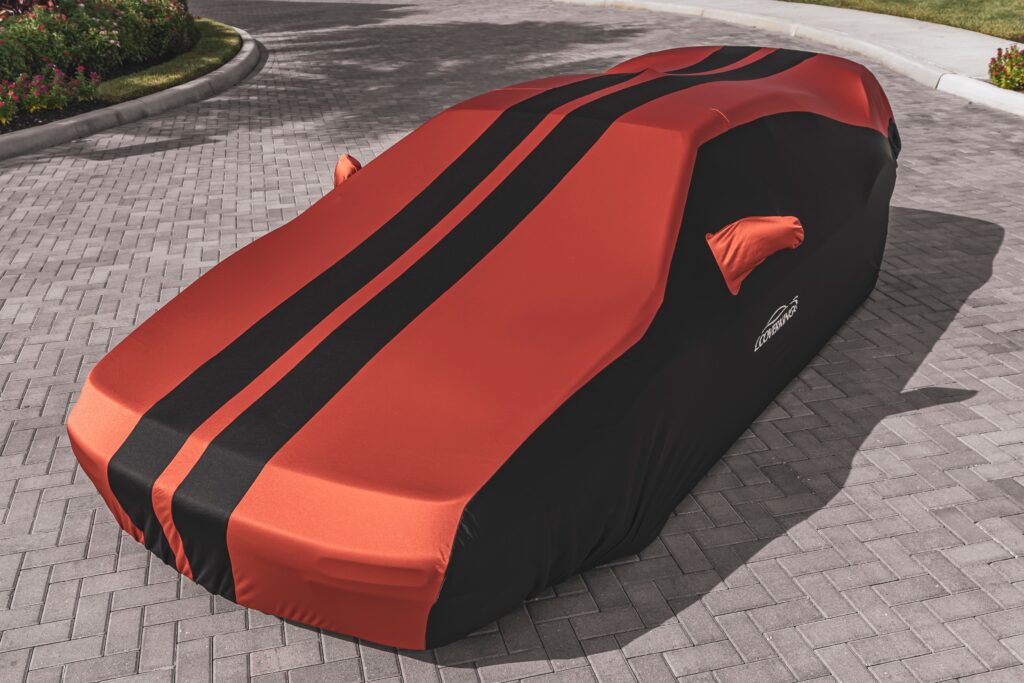
A perfect-fit cover is best for a single vehicle, while a universal cover can be practical for multi-vehicle owners. The right choice depends on whether your priority is maximum protection for one car or adaptable coverage across several.
Ease of installation matters more than many people admit. If a cover is difficult to put on, you’ll rush; and rushed handling is exactly when fabric drags across paint, catches on trim, or pulls grit across panels. Select a cover you can install calmly and remove cleanly. In detailing terms, handling technique is part of paint preservation.
Just as important: never cover a dirty car. Dust and grit trapped under the cover can create fine scratches over time, especially if the cover shifts or you remove it frequently. Even a quick rinse or wipe-down; particularly on horizontal panels; reduces the risk of “cover-induced” marring.
If you want accuracy, measure your vehicle from bumper to bumper and compare it against the manufacturer’s sizing chart. Avoid relying only on “sedan” or “SUV” categories. Two vehicles in the same category can have very different lengths and overhangs.
Expert tip: if your vehicle has spoilers, wide mirrors, roof boxes, or aftermarket body kits, confirm that the cover is compatible. Some accessories can stretch seams or create stress points that shorten cover life and reduce fit quality.
Choosing the Right Car Cover Based on Your Risks
The “best” car cover depends on the risks you are managing. A desert climate demands a different cover strategy than a rainy coastal city. A cover that excels for long-term storage can be frustrating for a daily driver that requires quick on/off. Your cover should match both your environment and your usage pattern.
If UV and Heat Are Your Biggest Threats
UV damage is relentless and cumulative. It degrades clear coat, fades paint, and dries rubber seals and plastic trim. In high-UV climates, prioritize:
- UV-resistant outer fabric
- lighter colors or reflective materials to reduce heat soak
- breathability to avoid heat and moisture buildup under the cover
Cheap fabrics tend to degrade faster under intense sunlight, becoming brittle and prone to tearing. Higher-quality materials are typically more UV stable and remain protective longer.
If Rain, Humidity, and Condensation Are Your Main Enemies
Moisture damage is slow, but it is expensive. Water spots, corrosion, and mildew can become persistent problems if your cover traps moisture. In wet climates, breathable water-resistant covers are usually safer than fully waterproof, non-breathable covers.
Look for covers that:
- shed water efficiently
- dry quickly
- allow moisture vapor to escape
- have reinforced seams (seams are common leak points)
Expert habit: if the cover is soaked and the weather allows, remove it periodically and let both the car and the cover dry fully. A cover is not a substitute for airflow, especially in high-humidity environments.
If Wind Is a Constant Problem
Wind can turn a loose cover into a paint-damaging abrasion tool. In windy conditions, prioritize:
- a snug fit (custom fit is best)
- underbody straps and strong tie-down points
- reinforced hems and seams
- mirror pockets (on some designs) to reduce cover movement
Also consider your parking environment. Wind tunnels between buildings and exposed lots can create far more cover movement than sheltered driveways. If your cover repeatedly comes loose, treat it as a warning sign: it is not just inconvenient; it increases paint abrasion risk.
Installation and Handling: Protecting Your Paint Starts With Technique
Even the best cover can damage paint if it’s installed over a dirty surface or dragged across dusty panels. Professionals treat cover installation as a controlled process. The goal is to reduce friction and contamination transfer.
Here’s a paint-safe method that works for most vehicles:
- Start with a clean surface: at minimum, remove loose dust from horizontal panels (hood, roof, trunk).
- Fold the cover strategically: place it on the roof first, then unfold outward. This reduces dragging across the sides.
- Secure attachments last: once the cover is centered, then tighten straps or tie-downs.
- Avoid ground contact: if the inner liner touches the ground, it can pick up grit and transfer it to your paint.
Also avoid covering a car that is still hot if possible; especially in humid environments. As the vehicle cools, condensation can form under the cover. If you must cover the car quickly, prioritize breathability and allow airflow in the storage area when feasible.
Expert tip: if your car is covered outdoors, check the cover after strong winds or storms. Re-center it if needed. A cover that drifts off-center exposes panels and increases rubbing on edges and corners where paint is most vulnerable.
Car Cover Maintenance: Keeping the Cover From Becoming the Problem
A cover that is never cleaned becomes a contamination carrier. Dust and grit embed into fabric and can produce micro-scratches over time; especially if the cover shifts in wind or is handled frequently. Think of the cover like a microfiber towel: if it’s dirty, it can harm paint.
General best practices include:
- Wash the cover as recommended by the manufacturer: some covers are machine-washable; others require gentle hand cleaning.
- Dry thoroughly before storage: storing a damp cover invites mildew and unpleasant odors.
- Inspect seams and straps: small tears grow quickly when wind gets involved.
- Store in a clean bag: avoid tossing the cover on the garage floor where it collects debris.
If you cover your car outside routinely, expect to clean the cover more often. Sap, bird droppings, pollen, and dust build up and can transfer to paint during removal. Keeping the cover clean protects the car and extends the cover’s lifespan.
Expert tip: always dry a cover fully before folding it for storage. Even if the cover feels “mostly dry,” trapped moisture inside folded layers can breed mildew and create odors that are difficult to remove.
Common Mistakes to Avoid When Buying or Using a Car Cover
Most bad car cover experiences come from predictable mistakes. Avoid these and your cover will perform as intended:
- Choosing “waterproof” over breathable for outdoor use: trapped moisture is a long-term paint and corrosion risk.
- Using a loose universal cover in windy areas: movement creates abrasion.
- Covering a dirty car: the cover presses grit into paint and can scratch during removal.
- Letting the inner liner touch the ground: it picks up debris and transfers it to your finish.
- Ignoring attachment security: elastics alone often fail in strong wind.
Another subtle but common mistake is choosing a cover that’s too heavy-duty for your routine. If the cover is bulky and frustrating to handle, you’ll use it less often; meaning the car sits exposed anyway. The best cover is not just the most protective on paper; it’s the one you will actually use consistently and correctly.
Final Thoughts: The Best Car Cover Is the One You’ll Use Correctly
A car cover is one of the simplest ways to protect your vehicle’s exterior, but it’s also a category where small details have big consequences. Fit, attachment stability, material breathability, and a paint-safe inner liner form the foundation of a smart purchase. Once those are in place, everything else becomes refinement.
Keep the essentials in mind: secure the cover properly, keep the vehicle clean before covering, choose a fabric that balances water protection with breathability, and select a size that minimizes movement without making installation difficult. If you follow these principles, a car cover becomes a reliable layer of protection; whether your vehicle is parked indoors, outdoors, or in long-term storage.

