
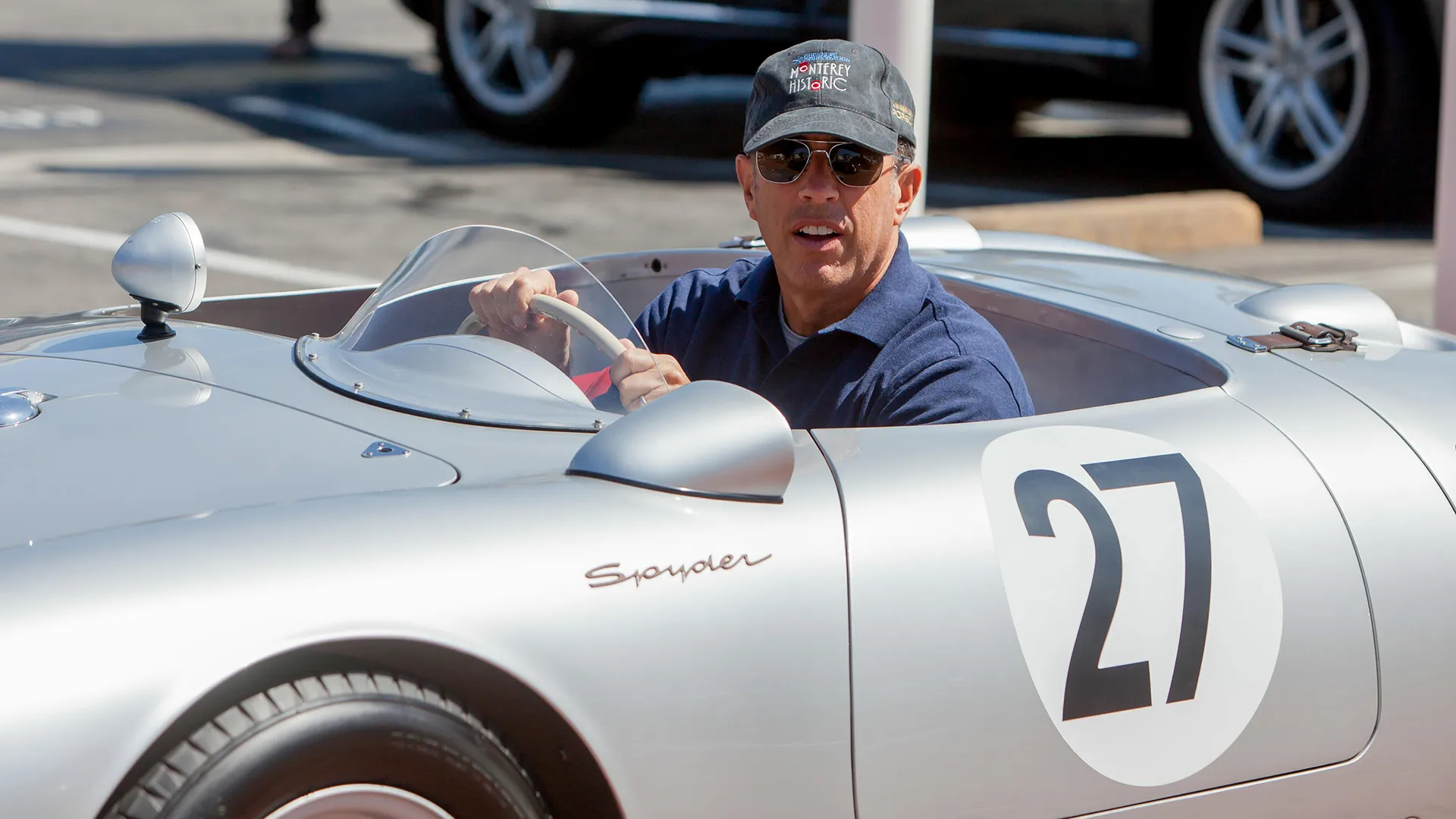

Most of you know Jerry Seinfeld as the razor-sharp observer from the iconic comedy series Seinfeld. But long after the final laugh track faded, Seinfeld’s identity as an actor, stand-up comedian, writer, and producer has increasingly shared the spotlight with another passion—one that is far more mechanical than comedic: automobiles. Jerry loves his coffee, puffy t-shirts, and cars… just not necessarily in that order. And unlike the casual “I like cars” claim many celebrities make, Seinfeld’s enthusiasm is built around the kind of long-term collecting behavior that defines true enthusiasts: specialized storage, careful curation, and a willingness to pursue rare examples, even when the price and effort are substantial.
In 1999—just a year after the two-part finale of Seinfeld—Jerry reportedly spent more than $1 million on a New York brownstone apartment, converting a former plumbing business into a dedicated home for his Porsche collection. That detail alone tells you how serious the hobby is. Most collectors dream about a bigger garage; Seinfeld effectively built a private automotive facility. The real “wow” moment isn’t even the money—it’s the commitment. Few people reorganize real estate in New York City around cars, and fewer still do it for the purpose of preserving and expanding a lineup that includes everything from air-cooled Porsche legends to prototypes, race cars, and quirky microcars.
From a collector’s standpoint, this approach reflects a very specific philosophy: treat cars as cultural artifacts and engineered experiences, not disposable lifestyle accessories. That mindset also explains why he’s been seen driving many highly priced cars over the years. Seinfeld doesn’t merely collect; he curates. He understands the difference between “rare” and “important,” between “fast” and “significant,” and between “pretty” and “historically meaningful.” And yes—if you’ve ever imagined what it would be like to ride shotgun with him in one of these vehicles, you’re not alone. But why would he take any of us for a spin? He’s Jerry Seinfeld. Still, we can admire the machines and the stories.
Below is a reorganized, expert-guided tour through 40 awesome rides Jerry Seinfeld has collected over the years. To make the collection easier to understand, the cars are grouped by theme and era—classic Porsches and early icons first, then racing and prototypes, followed by modern performance highlights, and finally the eclectic mix of non-Porsche gems that reveal his broader taste. Every entry retains the original facts while expanding the context so you can understand why each vehicle matters, not just that it exists.
The Foundation: Early Porsche Icons and Collector Cornerstones
If you want to understand Seinfeld’s garage, start with the early Porsches. These cars aren’t just “old” or “classic.” They are foundational pieces—the models that shaped Porsche’s identity: lightweight engineering, compact packaging, and a driving feel that rewards skill. In collector culture, early Porsches also represent a particular type of ownership: preservation, originality, and careful documentation matter as much as horsepower.
1949 Porsche 356
Here is another Porsche car that both Jerry Seinfeld and Jay Leno own. They both are indeed avid Porsche aficionados. Therefore, it isn’t a massive surprise that he took the “denim chin” for a spin in this car—yes, that’s a playful nod to Leno’s famously unmistakable profile. For enthusiasts, this pairing makes perfect sense: two comedy legends, one historically significant sports car, and a shared appreciation for engineering history.
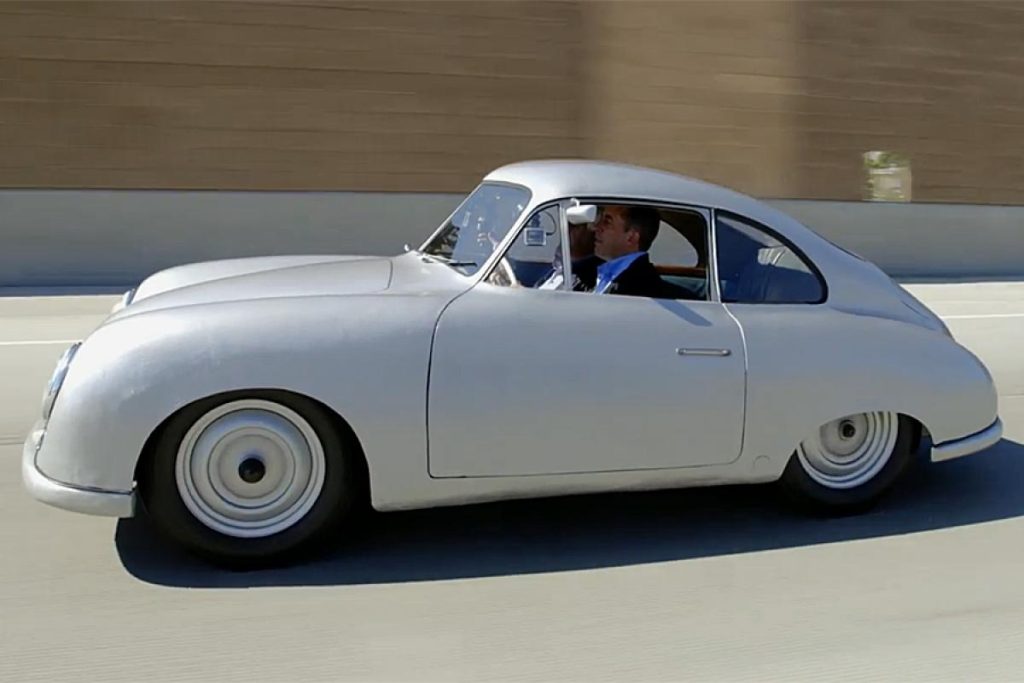
It must’ve been a sight for sore eyes, watching them cruise around the streets of LA. Here’s an interesting fact: this car was the 40th car built by the factory in Gmund, Austria. Also, each main body panel was hand-hammered into its final shape, so Jerry’s car has all the original parts. From a collector’s perspective, those two details are everything—early production provenance and hand-shaped originality make a vehicle feel less like “a car” and more like an artifact from the moment the brand was still defining itself.
In practical terms, owning something like this isn’t about modern performance. It’s about tactile connection—steering feel, lightweight responsiveness, and the satisfaction of piloting a machine built with a level of craftsmanship that’s rare in mass production today. It’s also the kind of vehicle that anchors a collection: a reminder of where the brand started and why the later legends exist at all.
1955 Porsche 550 RS
Jerry’s 1955 Porsche 550 RS is one of the only 70 cars that were manufactured that year. Another one of these was driven by James Dean when he was severely injured. It is worth a whopping $6 million, which probably makes it Seinfeld’s most valued car. Even among elite Porsche collectors, the 550 RS occupies a near-mythical position: it’s small, purposeful, and deeply tied to motorsport heritage and cultural history.
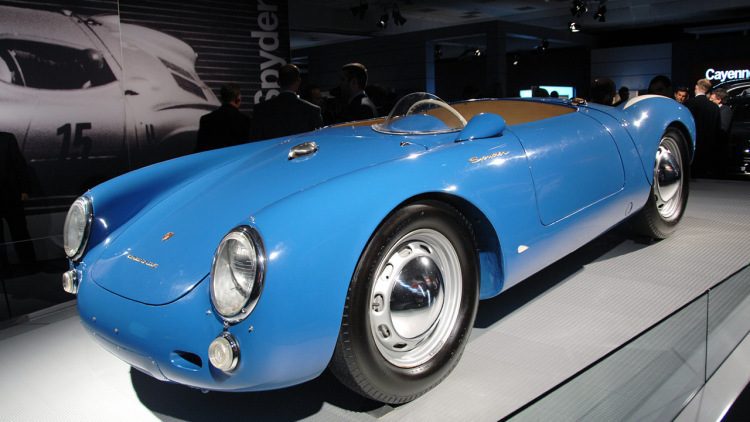
Jerry also allowed this car to be exhibited at the 2008 LA Auto Show. The top speed of this car is around 140mph. Before it was released, this car was raced in the 1954 Mille Miglia race, which was from Brescia to Rome. From an expert viewpoint, that Mille Miglia reference matters because it frames the model’s intent: built in an era when sports cars were tested in brutal road races rather than sanitized tracks.
To collectors, the 550’s value isn’t only monetary. It’s symbolic: a distilled performance tool from Porsche’s formative motorsport years. When Seinfeld owns a car like this, it signals that his collection isn’t built solely on personal nostalgia—it’s built on historically significant pillars. That’s the difference between “celebrity garage” and “serious archive.”
1958 Porsche 356 A 1500 GS/GT Carrera Speedster
Many collectors remember this car for a very public reason: Seinfeld’s 1958 Porsche 356 A 1500 GS/GT Carrera Speedster was the car that got him sued after he auctioned it. It was deemed to be inauthentic, although Seinfeld said that he was duped when he bought it. In the collector world, authenticity disputes can become complicated quickly because “original” is not a casual word—it’s a value multiplier, a historical claim, and sometimes a legal argument.
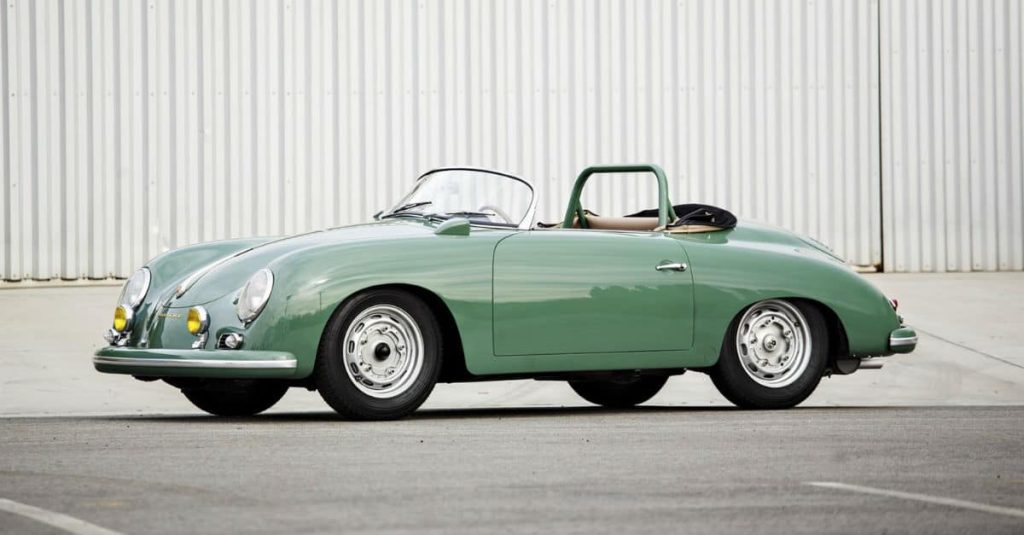
Even with that controversy, this type of car remains an absolute delight—which also helps explain the rarity and obsession that surrounds these Porsches. Although it’s almost 65 years old, its performance nears perfection. Some examples are still in excellent condition, which reinforces why collectors chase them: the driving experience and design charm can feel remarkably modern in spirit, even when the engineering is old-school. We can only hope Seinfeld doesn’t get dragged into another authenticity headache the next time he buys one of these.
From an expert standpoint, this entry also highlights something important: even high-profile collectors can be vulnerable to misinformation. That’s not a criticism—it’s simply the reality of a market where provenance can be complex. The best collectors build strong advisory teams, but even then, rare cars can come with stories that are messy, incomplete, or disputed. Seinfeld’s case is a reminder that collecting isn’t only glamorous; sometimes it’s investigative work.
1958 Porsche 597 Jagdwagen
Truth be told, the 1958 Porsche 597 Jagdwagen looks like the love child of a Volkswagen and a Hummer H1. But the styling makes more sense when you understand the purpose: this car was specially designed for military use, during a period when German automakers were under pressure to prove they were viable. A practical way to demonstrate capability was to develop vehicles for military evaluation and field conditions.
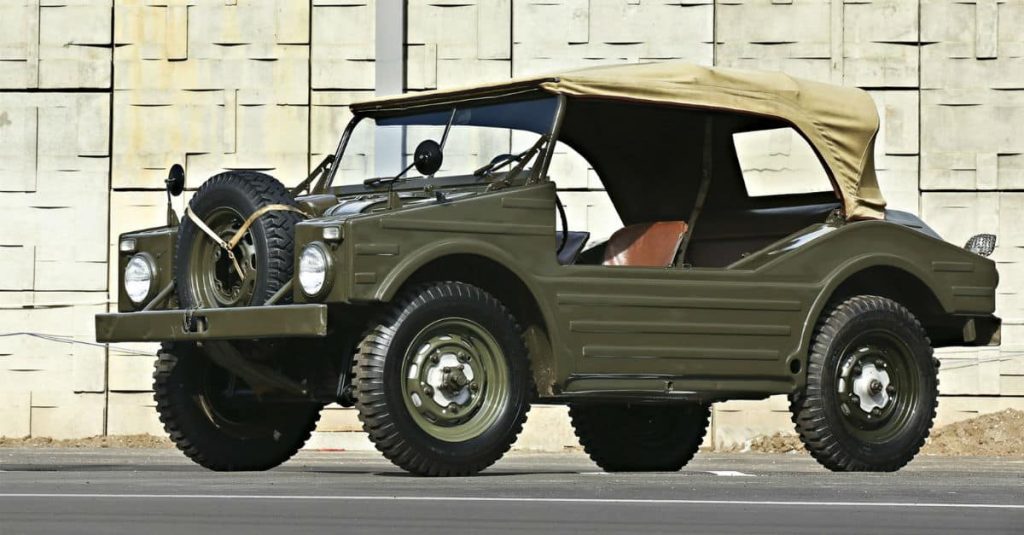
However, the 1958 Porsche 597 Jagdwagen wasn’t quite a powerful car. It also wasn’t as fun to drive as you might assume from the rugged look—because it’s a military vehicle, and those are often designed around utility rather than driving joy. Yet Seinfeld owns it anyway. That’s vintage Jerry logic: collecting isn’t only about “best” in the conventional sense; it’s about “interesting,” “unusual,” and “historically revealing.”
Expert collectors often include one or two vehicles like this for a very specific reason: they showcase the brand’s experimentation. Porsche is widely known for sports cars, so a military-focused platform inside a Porsche collection becomes a conversation piece—evidence that the brand’s engineering philosophy extended into other domains when circumstances demanded it.
1959 Porsche 718 RSK Spyder
This car is a bit different from the other ones. And yes, we know we’ve said “unique” a lot—but the 1959 Porsche 718 RSK Spyder earns it in a specific way: it represents serious competition history, yet the auction story around Seinfeld’s example had a surprising twist. Jerry took this car to auction, and it was expected to top out at $4 million.
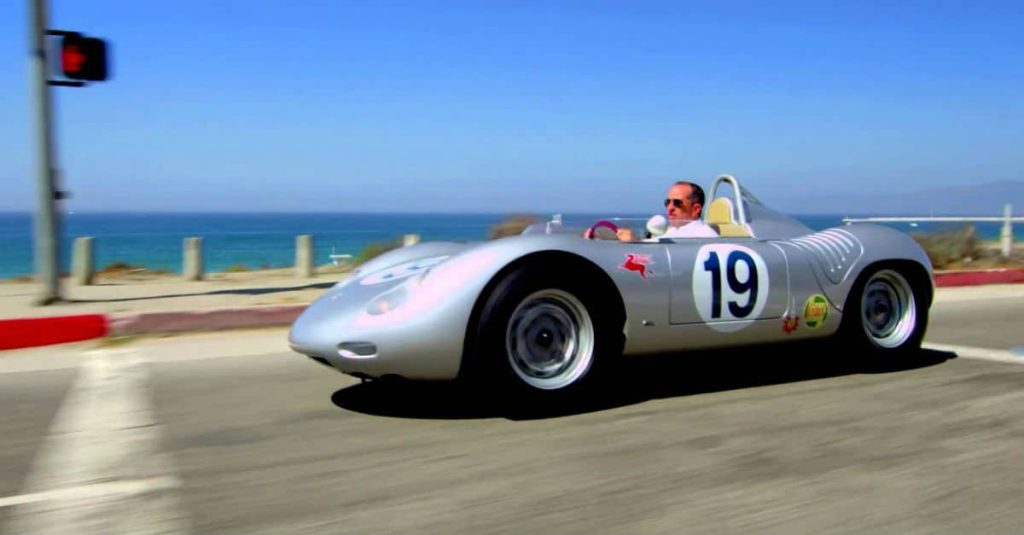
Expectations were high because it was a multiple-race winner, and it was also featured on his show. But the bids topped out at $2.6 million, and Jerry wasn’t overly concerned. He said he wanted to pass it down so that other collectors could enjoy it. That attitude is actually quite telling. Many collectors become emotionally attached and resist letting cars go; Seinfeld’s approach, at least here, reads more like a custodian’s mindset—own it, enjoy it, then release it for someone else to appreciate.
From an expert view, this is also a reminder of how auctions work. A car can be worthy of a certain estimate and still fall short depending on timing, bidder appetite, and market mood. The car didn’t become “less special” because the bids stalled. It simply met the reality of the room that day. In some ways, that makes Seinfeld’s calm response more credible: he understands that collecting is a long game, not a single auction headline.
1963 Porsche 356 B 2000 GS Carrera 2 Coupe
Seinfeld’s 1963 Porsche 356 B 2000 GS Carrera 2 Coupe appeared on Comedians in Cars Getting Coffee. And yes, many of his cars have appeared on the show—but this one stands out as more than a pretty sports vehicle. The Porsche 356, particularly in revered trims, was seen as the cream of the racing crop when launched, and it helped define what Porsche meant to drivers: compact performance with motorsport credibility.
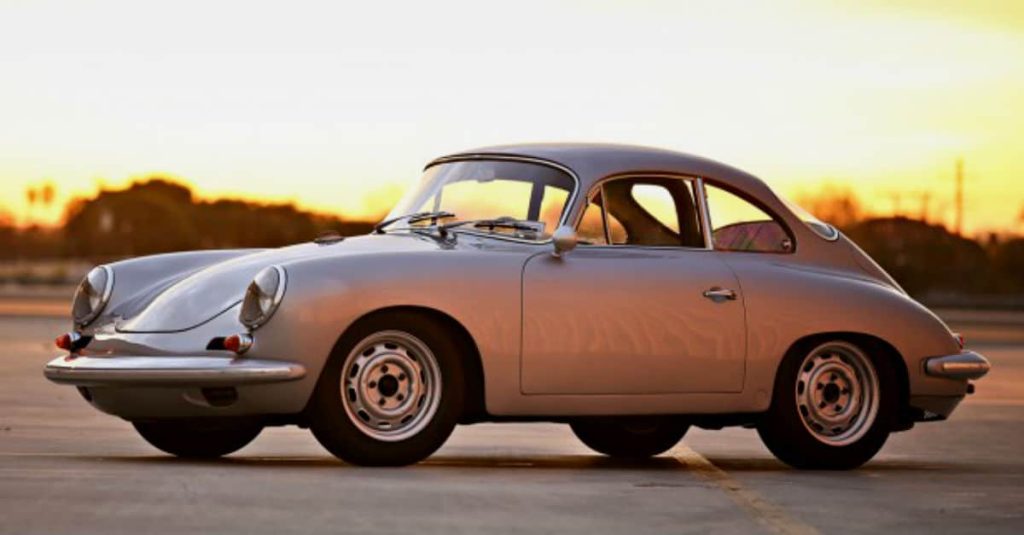
This car was also one among the infamous Porsches Jerry sold at auction. You need not feel sorry for him—he still has plenty. From a collector’s perspective, it’s common to rotate pieces out of a collection as priorities shift or as the collector refines the “story” of the garage. Selling a major car doesn’t necessarily mean losing passion; it can signal that the collector is editing with intention.
Expertly curated collections often include a few “reference points”—cars that represent an era or a milestone. A Carrera 2 Coupe like this functions as a benchmark within the 356 universe: a reminder of how Porsche evolved performance and prestige before the 911 took over the brand’s public identity.
1964 Porsche 911
Seinfeld indeed has numerous Porsche 911 variations, but the base 911 is among his personal favorites—and it’s easy to see why. The 911 isn’t merely a classic; it’s an automotive language Porsche has spoken for decades. Jerry found this car in 1996 when it was owned by Ferry Porsche, the son of the Porsche founder. Ownership history like that gives the car a unique narrative weight, turning it into a tangible connection to the brand’s founding family.
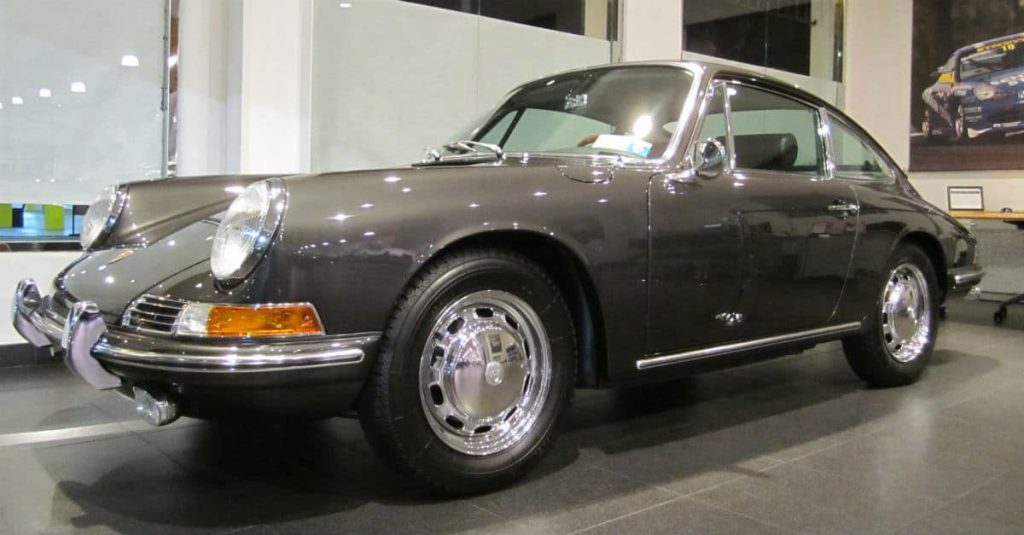
Many people call this car the pinnacle of driving, and that idea—while subjective—captures what makes early 911s so revered. It’s almost as if the car is daring you to drive it properly. The design is simple, and that simplicity creates comfort in a different way: no distractions, just the essentials. For a collector like Seinfeld, this is the kind of car that doesn’t need to be the rarest to be one of the most meaningful.
From an expert lens, early 911 ownership is also about respecting the driving dynamics. These cars reward smooth inputs and punish clumsy ones. That’s part of the charm: you don’t just “own” an early 911; you learn it.
1966 Porsche 356 SC Cabriolet
During the 1960s, Porsche was evolving quickly, producing multiple variations that built on the brand’s growing reputation. The 356 SC Cabriolet stands as a compelling example because it offers a pure sports car experience at a relatively lower price point compared with rarer competition-spec machines. Jerry’s 1966 Porsche 356 SC Cabriolet is kept in his East Hampton garage—suggesting this may be one of the cars he likes to have accessible in a more relaxed, coastal setting.
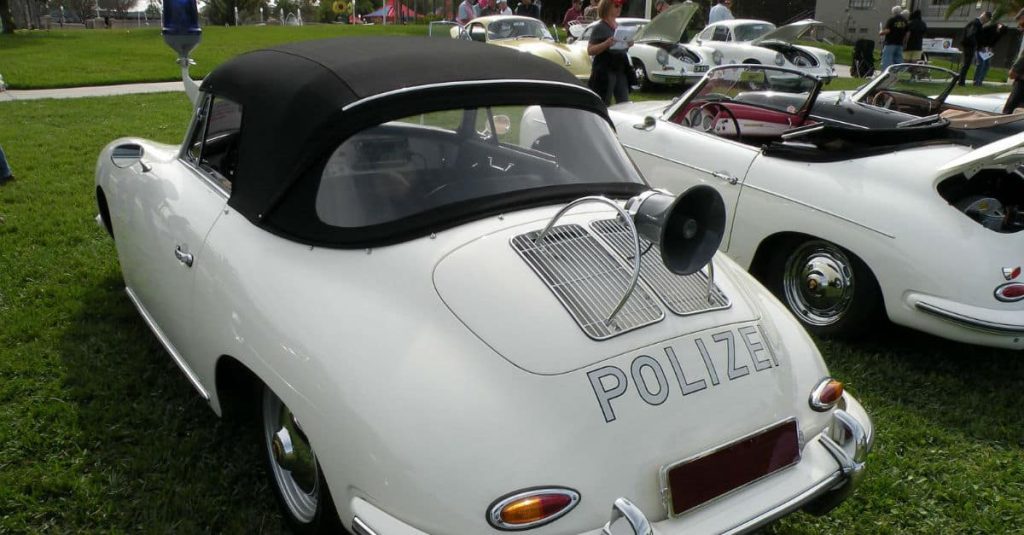
Visually, it’s charming—almost “cute” in the way only a well-proportioned classic can be—and the interior is straightforward, focused on driving rather than luxury theater. Very few cars captivate an audience across decades like this one. In collector terms, this is the kind of Porsche that remains desirable because it’s approachable: iconic design, open-top fun, and a direct connection to Porsche’s early identity.
From an expert perspective, the Cabriolet format also changes the experience. You don’t just drive the car; you hear it differently, smell the environment differently, and connect to the road in a more sensory way—precisely the kind of experience that appeals to someone who also built a career on noticing small details.
1966 Porsche 911
According to Jerry, this car is pure heaven—and honestly, it’s easy to understand why. The sand body color is calm, classy, and timeless. Even better, that same tone is echoed inside. And for the enthusiasts who always ask the hard question: yes, it’s original. In an era where restorations and resprays are common, originality carries a special kind of prestige.

This 1966 Porsche 911 was never rebuilt—meaning no new paint jobs and no full teardown. You can think of it as one of the rare Porsches that has been gently used and carefully preserved rather than driven into exhaustion. This car sold for $275,000. To collectors, it’s not just the number that matters; it’s what the sale represents: a market reward for authenticity and careful stewardship.
Expert collectors often prefer cars like this because they tell the truth about the era. A fully restored car can be gorgeous, but an untouched car is a document—material choices, build quality, and period-correct details all remain visible. If you want to understand what early Porsche ownership actually felt like, originality is the closest thing to time travel.
Air-Cooled 911 Legends and High-Value Driver’s Cars
Seinfeld’s 911 holdings show that he isn’t merely collecting badges; he’s collecting turning points. The 911 story includes air-cooled engineering, special editions, and racing-bred variants that became icons because they balanced usability with performance. This section highlights the kinds of 911s enthusiasts argue about for hours—and the kinds of cars that make a collector’s facility worth building.
1970 Porsche 911S
Jerry’s Porsche collection is stored in a three-story space that used to serve a plumbing business in New York. And although he has sold some cars, he still reportedly has around 50 Porsches—one of which is the 1970 Porsche 911S. Within the early 911 universe, the “S” badge carries weight: it signals a more performance-focused configuration that has long appealed to drivers who want more than the base experience.
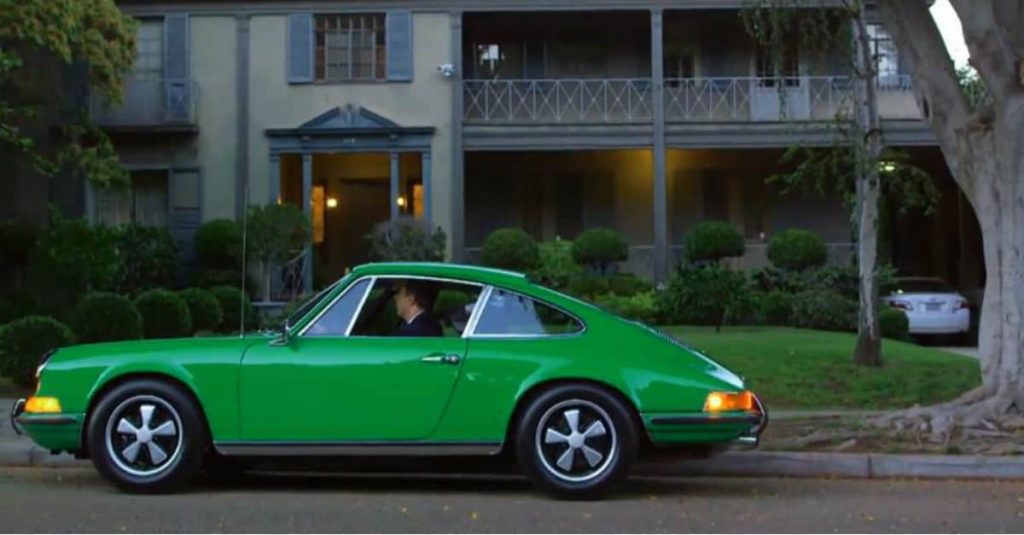
This model is a collector staple, with a value range from $37,000–$58,000 as noted here. Even Jay Leno has one. The appeal is straightforward: honest sports car proportions, clean design, and the kind of mechanical feel that made early 911s legendary. It’s also the type of car that remains enjoyable without needing to be “the most expensive.” In a collection of rare and outrageous machinery, an honest 911S acts like a palate cleanser—pure and direct.
From an expert standpoint, the 1970 911S also represents a sweet spot for many collectors: old enough to feel analog and special, modern enough to be used with some regularity if properly maintained. It’s a classic you can still experience rather than only admire.
1973 Porsche 911 Carrera RS
Most of the cars featured in Comedians in Cars Getting Coffee were unique to Jerry, but the 1973 Porsche 911 Carrera RS has its own unusual story. He called it a “deadman’s car” because of the way it changed hands: not directly from an estate, but through a chain of owners linked to someone who had passed away. The person Jerry bought it from had purchased it from the estate of a man who had died, planned to keep it until he died, and then Jerry bought it after that.
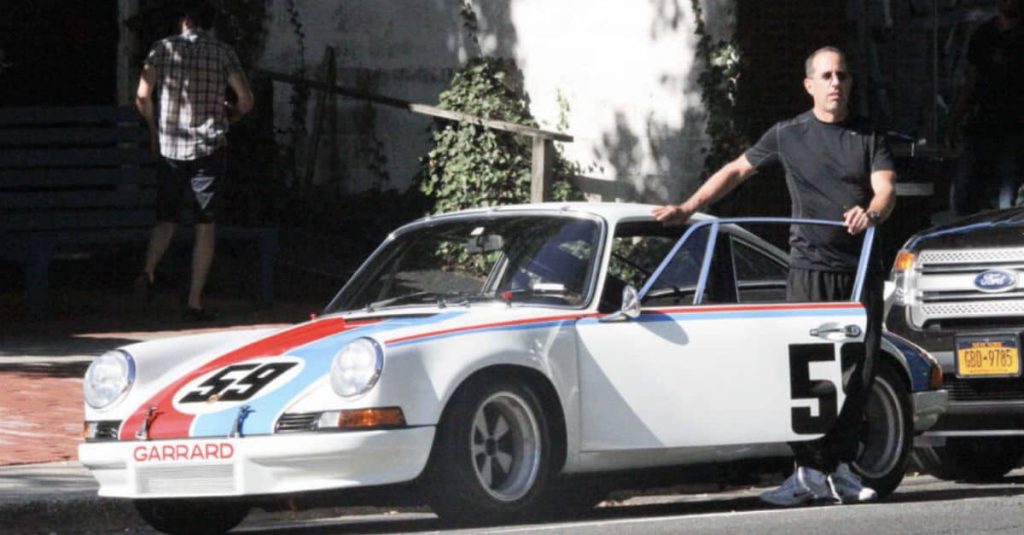
That story may sound comedic in Seinfeld-style framing, but it also reflects how collector cars often move through the world: as long-term “forever cars,” objects of deep attachment, and sometimes assets that outlive their owners. From an expert perspective, the Carrera RS is one of those models that people romanticize because it sits at the intersection of road car and motorsport spirit—lightweight ethos, iconic design language, and a reputation built through decades of enthusiast admiration.
It’s also worth noting the psychology of “estate cars.” They often come with unusually careful ownership—some owners treat them as long-term treasures. That can make such cars desirable, but it can also complicate documentation. Either way, it’s a very Seinfeld car story: funny on the surface, deeply collector-coded underneath.
1974 Porsche 911 Carrera 3.0
This Porsche is distinct because it is one of only 15 RS models built specifically for the Roger Penske IROC series. It’s described as almost twice as expensive as the earlier 2.7 RS, but more of a track machine. That difference matters. Some Porsches are optimized for the road first; others are road-legal by necessity, but spiritually belong on a circuit.
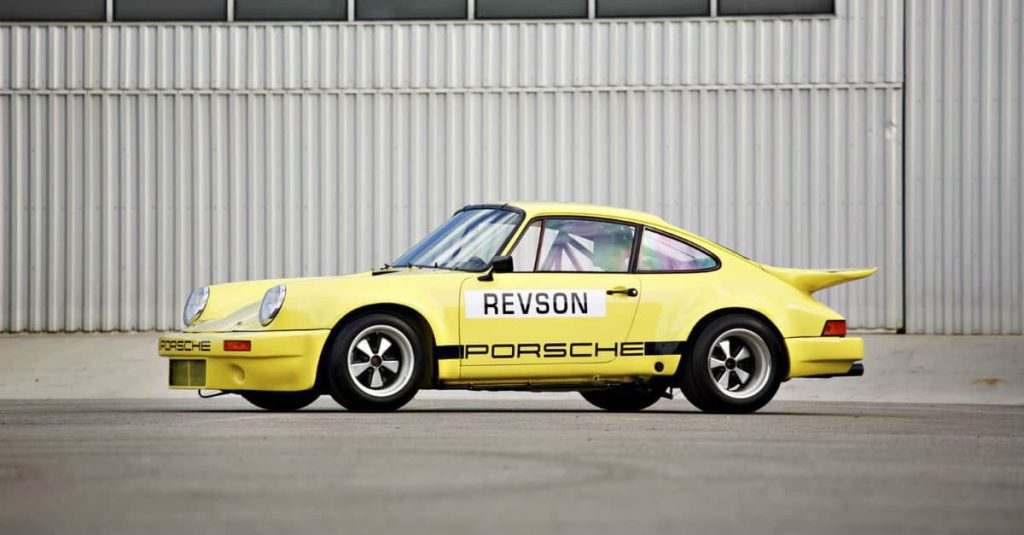
Great drivers raced this car, including Peter Forbes-Robinson, Johncock, Minter, and others. Jerry’s fleet management team works hard to maintain this street-legal car. The estimated value was $1.2–$1.5 million, but he sold it for almost $2.5 million. That outcome reinforces a collector reality: rare racing lineage can inflate demand dramatically when the right bidders are in the room.
From an expert view, this entry also reveals that Seinfeld’s collection is not purely about “pretty” vehicles—it includes competitive history and serious engineering intent. A car tied to IROC and Penske is a car tied to motorsport storytelling. And when such a machine is road-legal, it becomes an unusual bridge between track heritage and public roads.
The Porsche Supercars, Special Editions, and Modern Collectibles
Not every collector who loves early classics embraces modern Porsches, and not every modern Porsche makes sense as a collectible. Seinfeld appears to do both—but selectively. The cars below show his interest in limited production, peak engineering eras, and models that represent Porsche at its most ambitious.
1983 Porsche 959
If you lived in the 90s and wanted a Porsche that nobody else could touch, the 1983 Porsche 959 is the kind of machine you would have dreamed about. Its look practically screams “successful Wall Street broker.” It’s also a model that helped define Porsche’s technical image—so much so that it stands as a symbol of the brand’s confidence during that era.
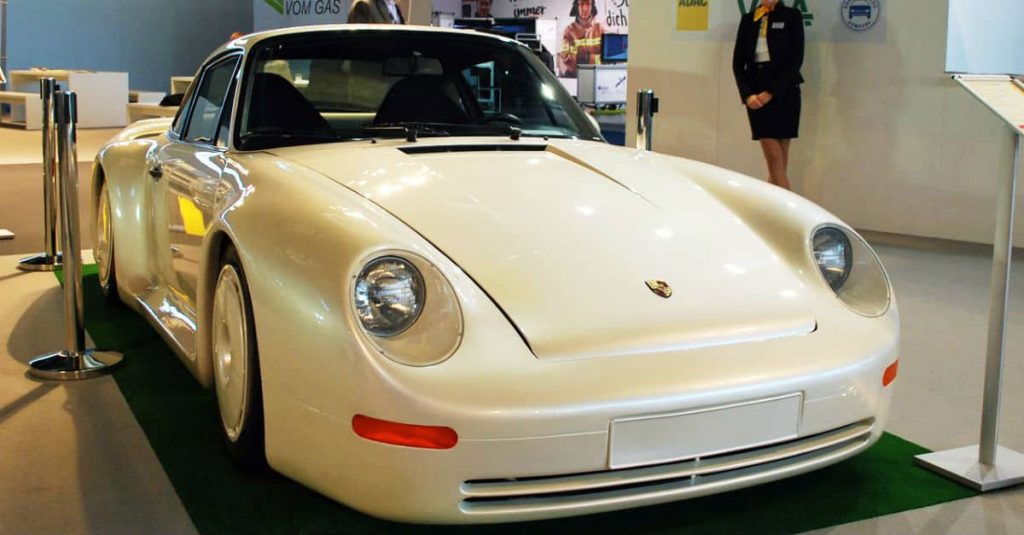
Although it was designed as a concept vehicle, it was modified just enough to be street legal. Rumor has it that Bill Gates waited almost ten years to get one. The key point is that it looked very different from what Porsche was selling at the time, which is why it remains iconic. In collector terms, cars that “break the brand’s normal pattern” often become the ones that age into legends.
From an expert perspective, concept-to-street transformations also signal a manufacturer’s ambition: taking something advanced, then engineering it into a usable product. Collectors chase that ambition because it represents innovation captured in a single object.
1986 Porsche 959
Seinfeld’s 1986 Porsche 959 is special for multiple reasons. It is known to reach 211 mph, even though its on-paper top speed is 197 mph. It’s one of the most iconic sports cars of the 1980s, and for good reason: it’s the kind of vehicle that captured the decade’s fascination with speed, technology, and futuristic design.
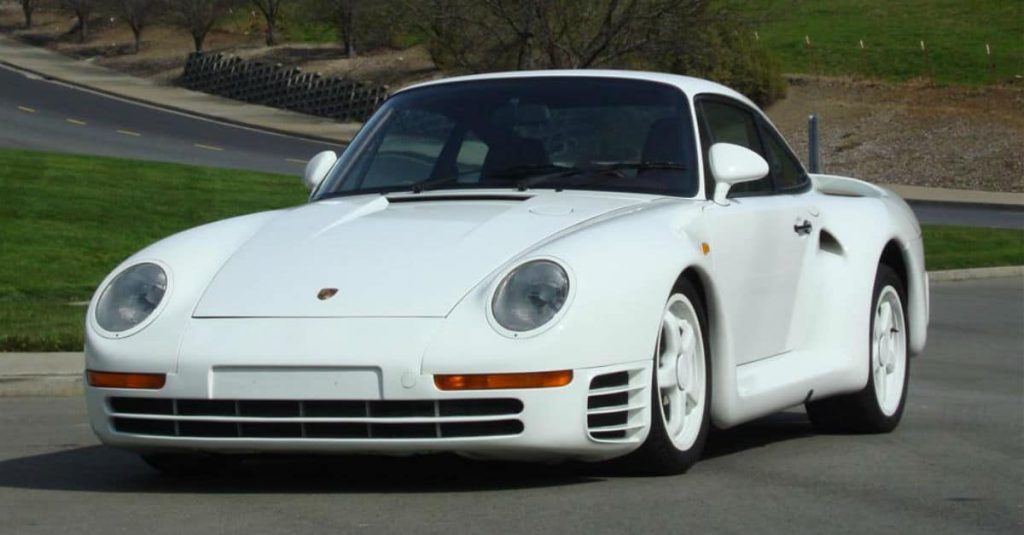
It’s also rare, which makes it even more desirable. Seinfeld’s Porsche is one of only 337 1986 Porsche 959s built. If you count only the street-legal models, there are only 200. In serious collector circles, those numbers matter: scarcity helps stabilize long-term value, but it also creates cultural scarcity—meaning people talk about the car as much because they rarely see one.
From an expert angle, the 959’s long-term appeal is also about what it represents: a moment when Porsche built something that wasn’t simply an “improved 911,” but an engineering statement to the world. That type of car becomes a milestone model, and milestone models are exactly what top-tier collectors chase.
1989 Porsche 911 Speedster
The 1980s were a golden era for sports car makers, and Porsche was leading the cultural conversation. Pop media helped too—shows like Miami Vice turned certain cars into fashion icons. Within that environment, the Porsche 911 Speedster became a top-tier desire object: minimalistic, stylish, and engineered to deliver a specific kind of driving experience.
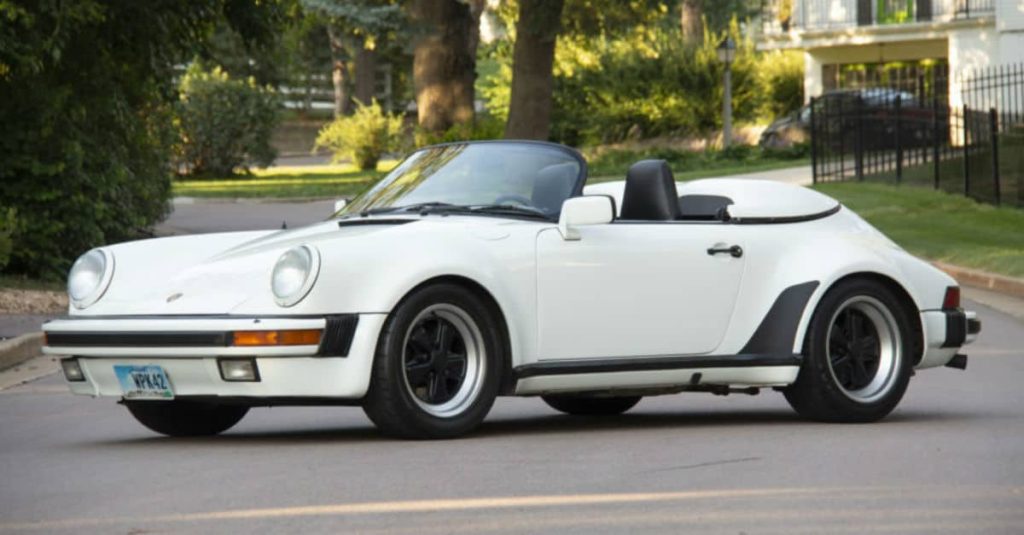
It was known for its minimal design and strong driving capabilities, and it also had distinctive quirks—like a backseat. The 911 Speedster doesn’t look anything like it did in 1989 by today’s standards, but it captivated a whole generation, and Seinfeld owns one of those symbols. From a collector standpoint, this is a “time capsule car,” the kind you buy because it instantly evokes a cultural moment.
Expert collectors also appreciate Speedster variants because they are often built for a niche buyer: someone who values style, open-air feel, and simplified intention over practicality. That’s exactly the kind of enthusiast logic Seinfeld seems to enjoy—cars that make you smile because they’re slightly irrational.