

Sports cars occupy a unique place in automotive culture because they do more than move people from point A to point B. The best of them combine unmistakable design, emotionally engaging performance, and engineering that remains relevant long after the original brochure has faded. A truly iconic sports car can change how you think about driving: the sound, the responsiveness, the balance through a corner, even the way the cabin makes you feel as you sit behind the wheel. That is why sports cars remain desirable for decades—sometimes across multiple generations of owners.
But if you’re trying to identify the most iconic sports cars ever made, the sheer number of options can feel overwhelming. Every era produced its own legends, and enthusiasts will argue passionately for their favorites. To help narrow the field, this article spotlights six sports cars that repeatedly show up in serious conversations about influence, design, and long-term cultural impact. They aren’t ranked—because “best” depends on what you value—but each one has earned its place as a benchmark in performance history.
How this list is arranged: To make the guide easier to follow, the cars are presented in a more logical historical flow—from earlier icons that helped define the sports car template to later machines that pushed technology, speed, and engineering thinking forward. This order also makes it easier to see how sports car priorities evolved: from craftsmanship and mechanical purity, to muscle-era power, to turbocharged efficiency, and finally to modern supercar-level performance.
What Makes a Sports Car “Iconic” (An Expert Framework)
Before we jump into the cars, it helps to define what “iconic” actually means in automotive terms. A car doesn’t become iconic simply because it’s expensive, rare, or fast in a straight line. It becomes iconic because it leaves a lasting footprint—on design, engineering, racing culture, popular media, and the way other manufacturers build cars afterward.
Here are the main factors experts typically look at when evaluating whether a sports car is truly iconic:
- Design identity: The car looks unmistakable. You can recognize it instantly, even at a distance, even decades later.
- Engineering significance: The car introduced (or perfected) a meaningful idea—layout, materials, performance techniques, or driver-focused innovation.
- Performance credibility: It delivered real capability, not just marketing. It earned respect in the way it drives, not only on paper.
- Cultural impact: It became bigger than itself—posters, films, video games, motorsport, celebrity ownership, or widespread enthusiast obsession.
- Longevity of desirability: People still want it years later. The market and the enthusiast world keep the car alive.
Each car below checks multiple boxes. Some are famous for shaping what supercars look like. Others for defining an era of American performance. Others for proving that precision engineering can be both fast and usable. Together, they form a “mini history” of what sports cars have represented across generations.
How to Read This Guide (If You’re Shopping, Collecting, or Just Curious)
Even if you aren’t buying any of these cars, you can still read them like case studies. Each model shows a different philosophy of speed and desirability:
- Some cars are icons because they were “firsts”—defining a template others copied.
- Some are icons because they were extreme—too bold to forget.
- Some are icons because they were repeatable—a concept refined across decades (a hallmark of the Porsche 911 Turbo).
If you are shopping—especially in the classic or collector market—keep two expert principles in mind:
1) Condition beats mythology. A well-maintained example of an iconic model is usually more satisfying—and less expensive long-term—than a “cheap” example that needs everything.
2) Documentation is value. Service history, originality, and evidence of proper care often matter as much as horsepower when you’re evaluating long-term ownership and resale.
With that framework in place, let’s move through the six icons—starting with one of the most recognizable classics ever built.
Mercedes-Benz 300 SL Coupe
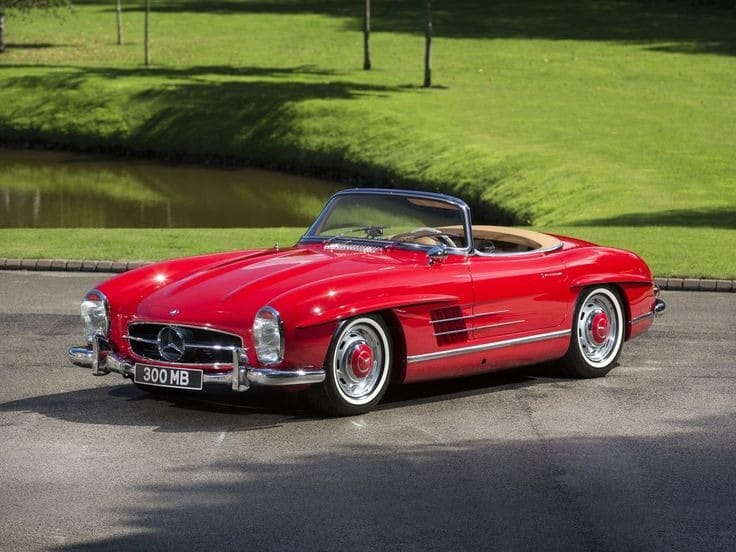
The Mercedes-Benz 300 SL Coupe is a true icon—built not only to perform, but to stand apart visually and mechanically for generations. Even decades later, it remains one of the most distinctive classics you can spot on the road or at any concours event. Seven decades on, the 300 SL Coupes are equipped with a 3.0L inline 6-cylinder engine and a 4-speed manual transmission, delivering a driving experience that’s equal parts nostalgic and sporty.
Expert context: The 300 SL’s lasting reputation comes from how completely it blends engineering ambition with long-term craftsmanship—qualities that collectors consistently reward.
Why the 300 SL Coupe Still Matters
From an expert viewpoint, the 300 SL Coupe is one of those rare vehicles that feels like an “original reference point.” Many cars are admired in hindsight, but the 300 SL is admired because it still communicates its purpose instantly: this was a serious car built by a serious manufacturer with a clear engineering identity. It’s not trying to imitate anything. It simply is what it is—an early performance statement wrapped in a form that has aged into legend.
It also represents a period when performance cars carried a different kind of prestige. Today, speed is widely accessible. In the era of the 300 SL, high performance came with craftsmanship, rarity, and a sense that the car was built to demonstrate a brand’s engineering capability. That heritage still shapes how collectors view it.
Driving Character (What Enthusiasts Remember)
Even without chasing modern performance metrics, the 300 SL Coupe delivers something enthusiasts value deeply: mechanical honesty. The car communicates through its controls. The engine and transmission combination (3.0L inline-six and 4-speed manual) delivers a distinctly classic rhythm—one that encourages deliberate driving rather than quick, distracted inputs.
In collector circles, this matters because the best classic sports cars don’t just sit in garages—they create experiences. The 300 SL is often admired not only as an artifact, but as a vehicle that can still feel alive when driven with respect.
Collectability and Why It Endures
Cars become collectible when they represent something that can’t be replicated easily. The 300 SL Coupe represents a combination of brand legacy, distinct styling, and long-term craftsmanship. That creates what experts call “foundation value”—a kind of collectability that doesn’t depend on trends. Even when automotive tastes shift, the 300 SL remains desirable because it sits at the intersection of engineering history and visual identity.
If you’re studying sports car icons to understand long-term value, the 300 SL is one of the cleanest examples of how heritage + design + mechanical seriousness create timeless demand.
1967 Shelby GT500
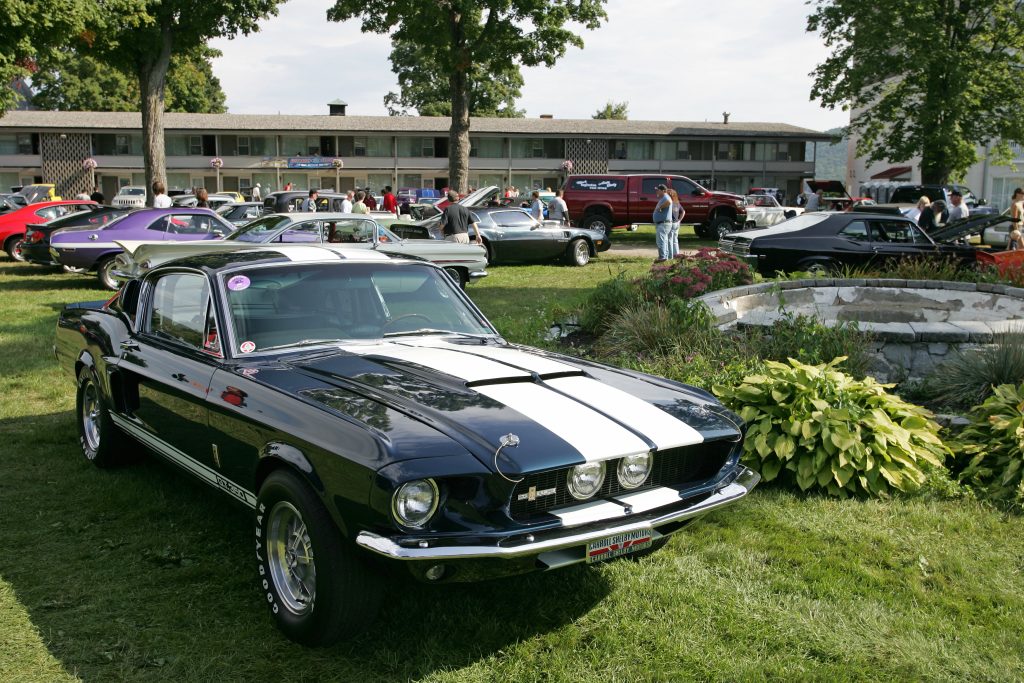
In both design and real-world performance, the 1967 Shelby GT500 helped shape the direction of American sports and performance cars that followed. It carries the Shelby name with a sense of muscle-car confidence, but also with a premium edge—an unusual combination for its era. The Shelby GT500 features a speedometer that goes up to 140 miles per hour and a 428 cubic-inch V8, reinforcing its identity as a performance machine built for presence as much as power.
Expert context: The GT500’s influence is about more than numbers—it’s about how it turned raw American muscle into something that felt more refined, more collectible, and more “special” than a typical production car.
Why the 1967 Shelby GT500 Is a Defining American Icon
To understand why the Shelby GT500 matters, you need to understand what it represents: an era when American performance was not subtle—and didn’t need to be. In the late 1960s, muscle cars were cultural products as much as mechanical products. They communicated power, freedom, youth, and competition. The Shelby badge elevated that idea by adding a layer of performance credibility and exclusivity.
From an expert standpoint, the Shelby GT500 occupies a specific niche: it’s not merely “a fast Mustang.” It’s a performance statement with brand identity attached. When you talk about enduring sports car icons, the Shelby GT500 belongs in the conversation because it helped define how America expresses performance: bold design, large-displacement power, and a presence that doesn’t require explanation.
Design and Presence: The “Instant Recognition” Factor
Many sports cars are iconic because they look like nothing else. The Shelby GT500 fits that definition in the American context. It is muscular, confident, and intentionally dramatic. It looks fast even when parked, which is one of the most powerful design achievements any sports car can claim.
That visual impact matters long-term because iconic design ages differently than ordinary design. Ordinary cars blend into the background as time passes. Iconic cars remain “loud” visually, even decades later, because their design communicates a specific era and attitude.
Engineering Identity: Power That Shaped Expectations
The Shelby GT500’s 428 cubic-inch V8 and its 140 mph speedometer aren’t just specifications—they’re symbols of a period when performance identity was built around displacement and mechanical strength. Modern performance cars can deliver speed through technology and turbocharging; the GT500’s ethos was to deliver speed through muscle and engineering simplicity.
For collectors and enthusiasts, that creates a special kind of appeal: the car feels like a direct mechanical experience rather than a digitally filtered one. That is part of why classic American performance remains so popular—it delivers emotion through sound, vibration, and physical presence.
Collector Appeal: Why the Shelby Name Amplifies Value
Collectability isn’t just about performance. It’s about story. The Shelby GT500 carries the Shelby narrative—one that has become part of American performance mythology. In the collector market, names matter. Badges matter. Originality matters. The Shelby GT500 checks all those boxes because it’s not simply “a car,” but a recognizable symbol of a performance era.
Even for enthusiasts who prefer European handling or modern precision, the Shelby GT500 earns respect because it represents a clear identity: American performance at full volume.
Porsche 911 Turbo
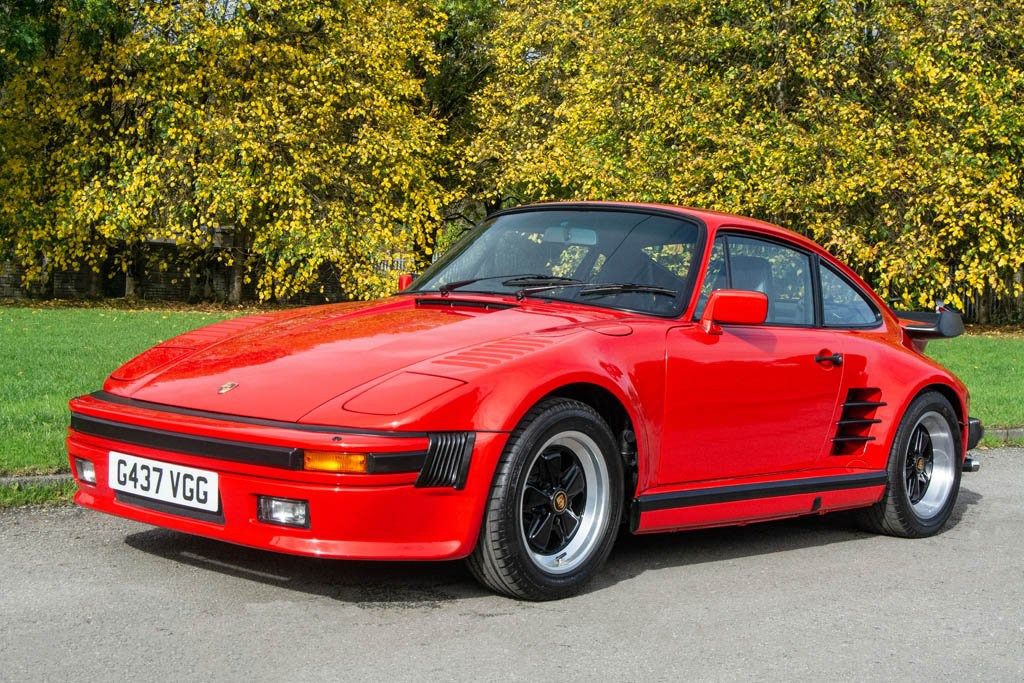
The Porsche 911 Turbo is a sports car that combines elegance, athletic performance, and precision engineering in a way few models have managed to replicate consistently across generations. It is described here as a rear-wheel-drive machine, equipped with turbocharged engines that create a distinct driving character—delivering power in a way that feels urgent, purposeful, and unmistakably “Turbo.”
Expert context: The 911 Turbo’s long-term cultural and engineering significance comes from its repeatability: it has remained a benchmark concept—fast, usable, and engineered with discipline—while still evolving with each era.
Why the 911 Turbo Is a Benchmark, Not Just a Model
If some sports cars are iconic because they were extreme outliers, the 911 Turbo is iconic because it became a standard that others measure themselves against. That is a rare achievement. Many cars are legendary for a moment. The 911 Turbo stayed legendary by remaining relevant.
From an expert perspective, the 911 Turbo represents a specific promise: speed you can use. It blends performance with a level of refinement and usability that makes it less of a “special occasion” car and more of a high-performance tool. That balance is one reason it has maintained its place in the sports car conversation for so long.
Turbocharged Character: A Different Kind of Performance Emotion
Turbocharged engines don’t just change numbers—they change feel. The 911 Turbo’s identity is deeply tied to the way turbocharging delivers power, shaping a driving experience that feels distinct from naturally aspirated sports cars. The sensation of boosted acceleration, the purposeful engineering behind it, and the “Turbo” character create a unique bond between driver and machine.
This is why the 911 Turbo isn’t only respected by Porsche fans. It’s respected by sports car enthusiasts more broadly because it helped define how turbocharging could be integrated into a premium performance package.
Design Longevity: Iconic Without Needing Reinvention
One of the most impressive aspects of the 911 Turbo’s legacy is how it maintains a recognizable identity while evolving. Many manufacturers completely reinvent sports cars every few generations. The 911 Turbo’s approach is more disciplined: refine what works, improve what matters, and protect the silhouette.
That consistency becomes a major factor in why it’s iconic. In an industry that often chases novelty, the 911 Turbo proves that refinement can be just as powerful as reinvention.
Collector Perspective: Repeatability Creates Trust
Collectors and enthusiasts value cars they can trust—cars with reputations built on sustained excellence rather than a single “flash” moment. The 911 Turbo’s repeatability creates that trust. Even as technology changes, the nameplate remains associated with precise engineering and performance credibility.
In practical terms, that’s why the 911 Turbo remains an icon: it represents performance without chaos—a sports car you can respect, not just fear.
Lamborghini Countach
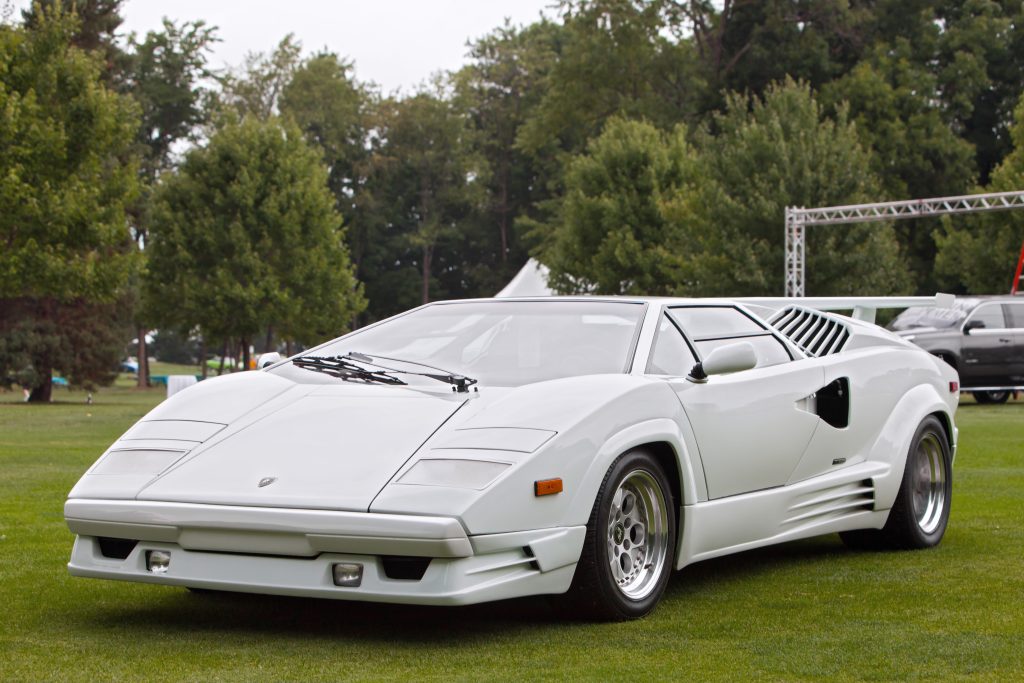
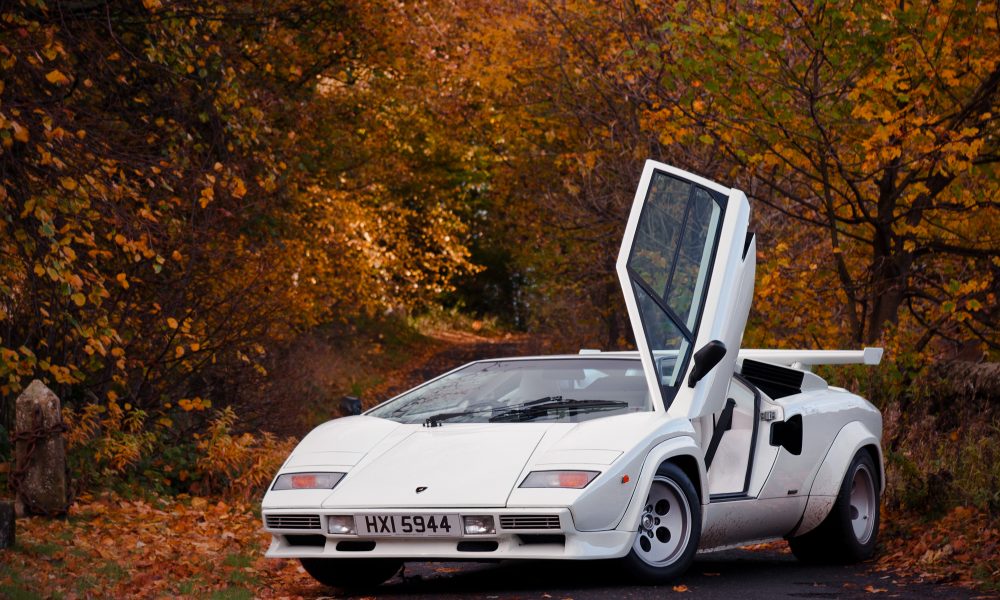
Few cars capture the concept of “poster supercar” like the Lamborghini Countach. Originating in Italy, it was famous for a design that didn’t look like anything else on the road—and for offering owners broad opportunities for personalization. The 1988 Lamborghini Countach, paired with a five-speed manual transmission, used a 5.2-liter V12 that delivered 420 horsepower to the rear wheels, blending dramatic styling with a powertrain worthy of the attention it attracted.
Expert context: The Countach wasn’t just a fast car—it reset expectations for what a supercar could look like. Its sharp design language influenced generations of exotic cars that came after.
Why the Countach Became the “Supercar Idea” for a Generation
The Countach is iconic because it doesn’t feel like a car that happened accidentally. It feels like a deliberate design event. In many ways, it represents the moment the supercar became a cultural object—something people wanted not only to drive, but to admire, display, and dream about.
From an expert lens, that cultural shift matters. The Countach didn’t just add another fast machine to the market; it helped create a template for what the world would call a supercar: bold geometry, dramatic stance, and a presence so strong that the car feels like a concept vehicle even when it’s real.
Performance and the V12 Experience
The 1988 Countach’s 5.2-liter V12 producing 420 horsepower to the rear wheels, paired with a five-speed manual transmission, represents a classic supercar formula: big engine, manual control, dramatic output, and a driving experience that demands attention. The Countach’s performance is inseparable from its identity because the car looks like it should be powerful—and the V12 confirms it.
For enthusiasts, that matters. Some cars look fast but don’t feel special. The Countach is iconic because the mechanical drama matches the visual drama. When a vehicle aligns these elements, it tends to become timeless in enthusiast culture.
Personalization and the “Owner Statement” Factor
The Countach also stands out for the personalization opportunities it offered. For many exotic cars, personalization is not just an option—it becomes part of the ownership identity. The Countach’s era helped popularize the idea that a supercar is a personal statement as much as a performance tool.
That “owner statement” factor contributes to long-term collectability. Collectors don’t just seek the car; they seek the version of the car that best reflects a certain era, configuration, and aesthetic personality.
Why It Still Stands Out Today
Modern supercars can be faster, more refined, and more technologically advanced. But the Countach still turns heads because it represents a design philosophy that modern regulations and aerodynamics rarely allow: a fearless, wedge-shaped, uncompromising silhouette that feels more like sculpture than product design.
That’s why it remains iconic. It is not simply “an old Lamborghini.” It is one of the cars that taught the world what a Lamborghini should feel like.
Ferrari F40
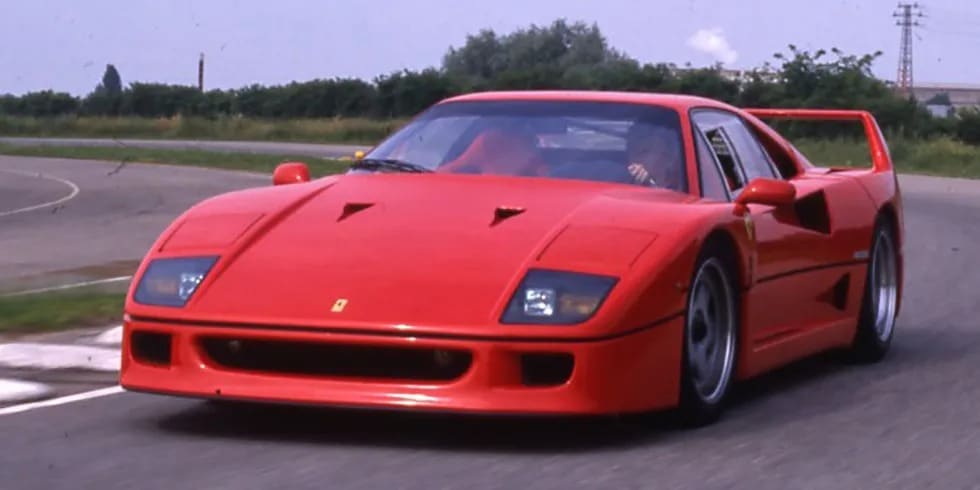
In the 1980s and 1990s, the Ferrari F40 became a global symbol of speed and exotic design—appearing in video games, dominating enthusiast posters, and carving out a permanent place in popular culture. Beyond its unmistakable look, the Ferrari F40 is powered by a twin-turbo 3.0L V8 producing 471 horsepower, paired with a 5-speed manual transmission and an 8,000 RPM redline. The result is a car that feels raw, mechanical, and intensely focused—exactly the personality many people associate with classic Ferrari legends.
Expert context: The F40’s appeal is that it delivers a “no-nonsense” supercar experience—minimal compromise, strong character, and performance that still feels significant today.
Why the Ferrari F40 Became a Pop-Culture Supercar
The Ferrari F40 didn’t just enter the world as a high-performance car—it entered as an icon-in-waiting. By the time many enthusiasts were old enough to love cars, the F40 was already everywhere: posters, games, magazine covers, and conversations. That constant exposure matters because it turns a vehicle into a shared reference point across generations.
But cultural exposure alone doesn’t sustain an icon. The F40’s lasting status comes from the fact that it backs up the image with authentic mechanical personality. It looks serious, and it is serious. That alignment is rare—and it is a major reason why the F40 remains one of the most discussed Ferraris ever built.
The Powertrain: A Classic “Turbo Era” Signature
The F40’s twin-turbo 3.0L V8 producing 471 horsepower, 5-speed manual transmission, and 8,000 RPM redline combine to create a driving identity that enthusiasts often describe as raw and direct. This is not a car designed to isolate you from the machine. It is built to connect you to it.
That matters because modern performance has become extremely polished. Many modern supercars are astonishingly capable but feel “filtered” through electronics and refinement. The F40 is iconic partly because it reminds people what unfiltered performance feels like—and why some enthusiasts still chase it.
Design and Emotional Impact
The F40’s design is inseparable from its legend. It communicates speed, purpose, and intensity. It doesn’t look like a comfortable grand tourer; it looks like a machine that exists for performance. For experts, that clarity of purpose is one of the most important design qualities an icon can have.
It’s also why the car remains visually powerful. The F40 isn’t trying to look like a “nice car.” It is trying to look like an uncompromising performance tool—and in doing so, it becomes timeless to the people who value that identity.
Why It’s Still “Significant Today”
When we say the F40’s performance still feels significant, we’re not claiming it outperforms modern hypercars on paper. We’re saying it still feels emotionally intense. That is a different kind of performance metric—one based on the experience it creates rather than the numbers it posts.
This is why the F40 remains an icon: it delivers a specific kind of supercar authenticity that many enthusiasts believe is becoming rarer.
Ford GT
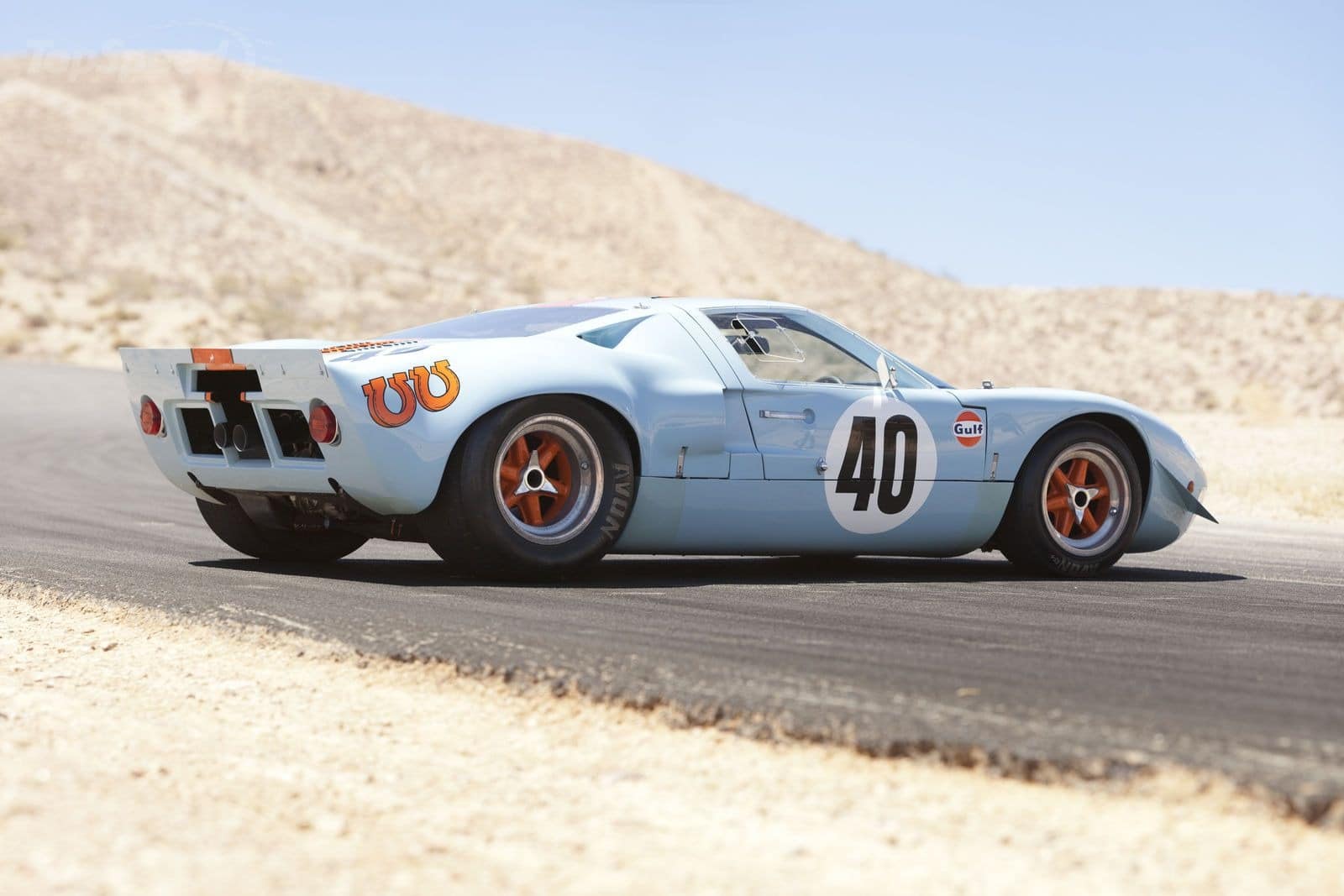
The Ford GT has a rare kind of presence—the type that can instantly change how someone feels about racing, engineering, and what a road car can represent. The 2005 and 2006 mid-engine, rear-wheel-drive Ford GT models use a 5.4-liter V8 capable of producing 550 horsepower. In later generations, the V8 is replaced by an EcoBoost V6 equipped with twin turbochargers, producing up to 700 horsepower, proving that Ford’s GT identity is as much about performance evolution as it is about heritage.
Expert context: The GT’s importance is in how it blends motorsport-inspired layout and serious power with a design that feels instantly recognizable—rare in a world where many high-performance cars look similar at a glance.
Why the Ford GT Is an Icon in Multiple Eras
The Ford GT is fascinating because it carries legacy and modern ambition at the same time. Many brands have heritage models, but not all of them translate that heritage into a truly compelling modern sports car. The GT does. It communicates racing culture, engineering seriousness, and a willingness to compete at the highest performance level.
From an expert perspective, that’s why it can “transform” how people feel about racing cars. It’s not merely a fast road car; it feels like a road car that was built with racing in its bloodstream.
The 2005–2006 Era: V8 Power and Mid-Engine Layout
The 2005 and 2006 mid-engine, rear-wheel-drive Ford GT models, with their 5.4-liter V8 producing 550 horsepower, represent a specific kind of performance identity: high power delivered in a layout associated with serious racing machines. That combination matters because it shifts the car’s legitimacy. It isn’t just “powerful.” It’s power packaged in a way that signals intent.
For enthusiasts, this creates a strong emotional response. The car looks like it belongs on a track. It sounds like it belongs on a track. And the engineering philosophy supports that impression. That’s what makes it iconic: the whole vehicle feels cohesive.
Later Generations: EcoBoost Evolution Without Losing Identity
Replacing a V8 with a twin-turbo EcoBoost V6 producing up to 700 horsepower is a bold move, especially in a world where V8 engines carry strong emotional weight. But from an expert standpoint, this change demonstrates the GT’s deeper identity: it’s not locked to a specific engine type. It’s locked to performance ambition.
By evolving into a twin-turbo V6, the GT also reflects a broader industry reality: modern performance isn’t only about displacement—it’s also about efficiency, packaging, and advanced engineering. The GT stays relevant because it adapts while preserving its core presence and recognizability.
Why the GT Remains Instantly Recognizable
Many modern performance cars are technically brilliant but visually similar. The Ford GT avoids that trap. Its shape has a strong identity, and that identity is part of its status. In collector and enthusiast culture, recognizability is power. It’s what makes people stop, look, and remember.
That’s why the GT belongs on this list. It is one of the few modern-era icons that feels like both a tribute and a forward-looking performance statement.
How These Icons Compare (A Practical Summary)
If you’ve read this far, you’ve likely noticed that these cars represent different “types” of iconic sports car value:
- Mercedes-Benz 300 SL Coupe: timeless craftsmanship + early performance heritage
- 1967 Shelby GT500: American muscle identity + collectible prestige
- Porsche 911 Turbo: precision + turbocharged character + long-term repeatability
- Lamborghini Countach: design shockwave + supercar theater
- Ferrari F40: raw turbo-era authenticity + pop culture icon status
- Ford GT: modern performance + motorsport-inspired identity + evolution across generations
None of these is “the best” in every category—because the entire point of iconic sports cars is that they represent different philosophies. Some emphasize drama. Some emphasize discipline. Some emphasize heritage. And some emphasize the pursuit of speed through modern engineering.
Expert Buying & Ownership Notes (If You’re Hunting an Icon)
Because iconic cars attract attention, they also attract rushed buying decisions. If you’re considering ownership—whether as a collector, enthusiast, or “bucket list” buyer—these principles can help you avoid expensive regret:
- Prioritize originality where it matters: modified examples can be fun, but originality often supports long-term value.
- Verify documentation: service history, ownership history, and reputable inspections reduce risk.
- Budget beyond the purchase price: iconic cars often require specialized servicing, parts, and insurance.
- Buy the best example you can afford: restoration is usually more expensive than paying for a clean car upfront.
These six cars are not merely “fast.” They are historically significant. Treating them as such—through careful buying and responsible ownership—helps preserve the very qualities that make them icons.
Conclusion
The six cars above represent more than high performance; they represent turning points in what sports cars mean to drivers and to the industry itself. Some changed design language. Some defined eras. Some proved turbocharging could be both thrilling and precise. Some became pop culture symbols so powerful that people who never drove them still recognize them instantly.
The list highlights some of the very best sports automobiles ever produced. Some may be difficult to find in top condition, but they offer exceptional performance and distinctive looks that continue to stand out many years after their debut—exactly what separates an icon from a car that was merely fast in its time.