
The ocean moves about 90% of the world’s traded goods, according to the International Maritime Organization. It’s slower than air freight, no question — but it’s dramatically cheaper. That cost advantage is why sea shipping remains the backbone of global trade, and why businesses that don’t need next-day delivery almost always choose it.
But not all cargo ships are the same. Different goods require different vessels — you wouldn’t ship crude oil in the same boat you use for livestock, and frozen fish needs a very different setup than coal. Over the decades, the shipping industry has developed specialized vessel types to handle practically every kind of cargo imaginable.
Here are eight types of cargo ships and what each one is built to do.
1. Bulk Vessels — Built for Dry Goods in Massive Quantities
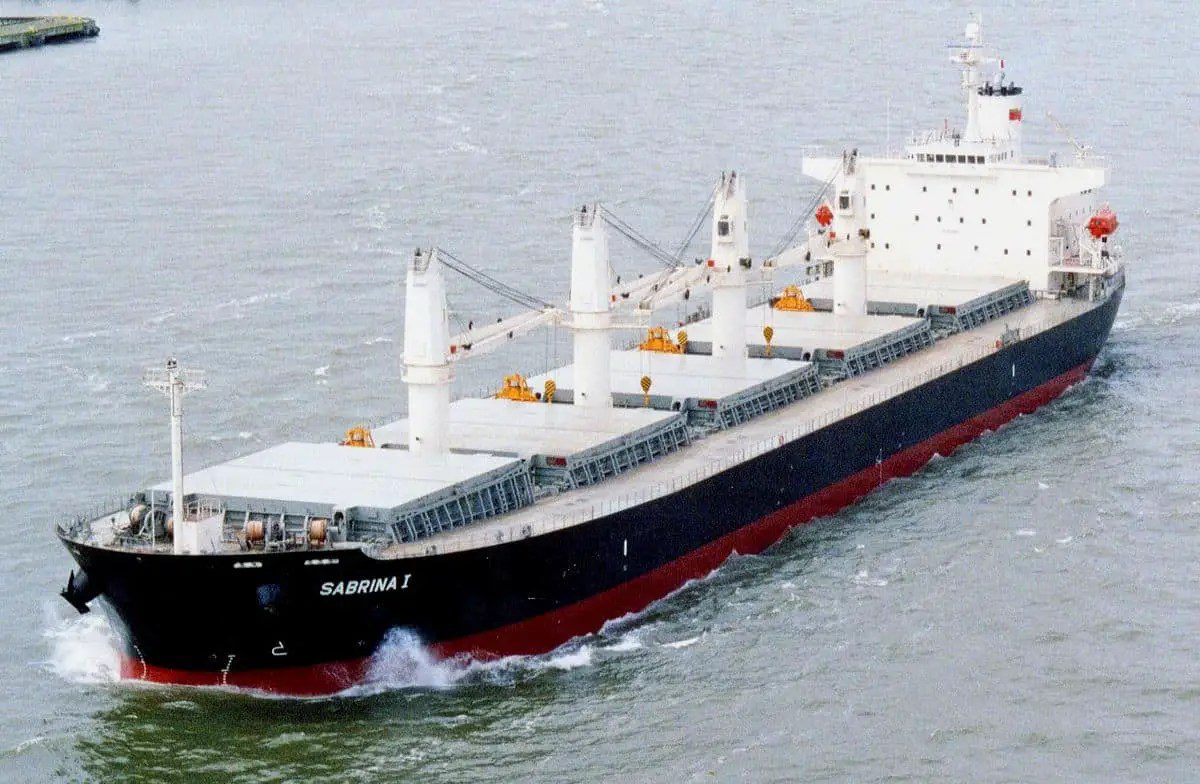
Bulk vessels are purpose-built to transport dry products like coal, sugar, grain, and fertilizer — materials that are loaded loose rather than in containers. They require specialized equipment like pumps and conveyors for loading and unloading, and they operate out of ports specifically equipped to handle them.
They’re not the fastest ships on the water — averaging around 13 knots — but they make up for it with sheer capacity. The largest bulk carriers can hold up to 200,000 DWT (deadweight tonnage). When you need to move enormous quantities of raw materials across oceans, these are the ships that do it.
2. Reefer Vessels — Keeping Cargo Cold Across Oceans
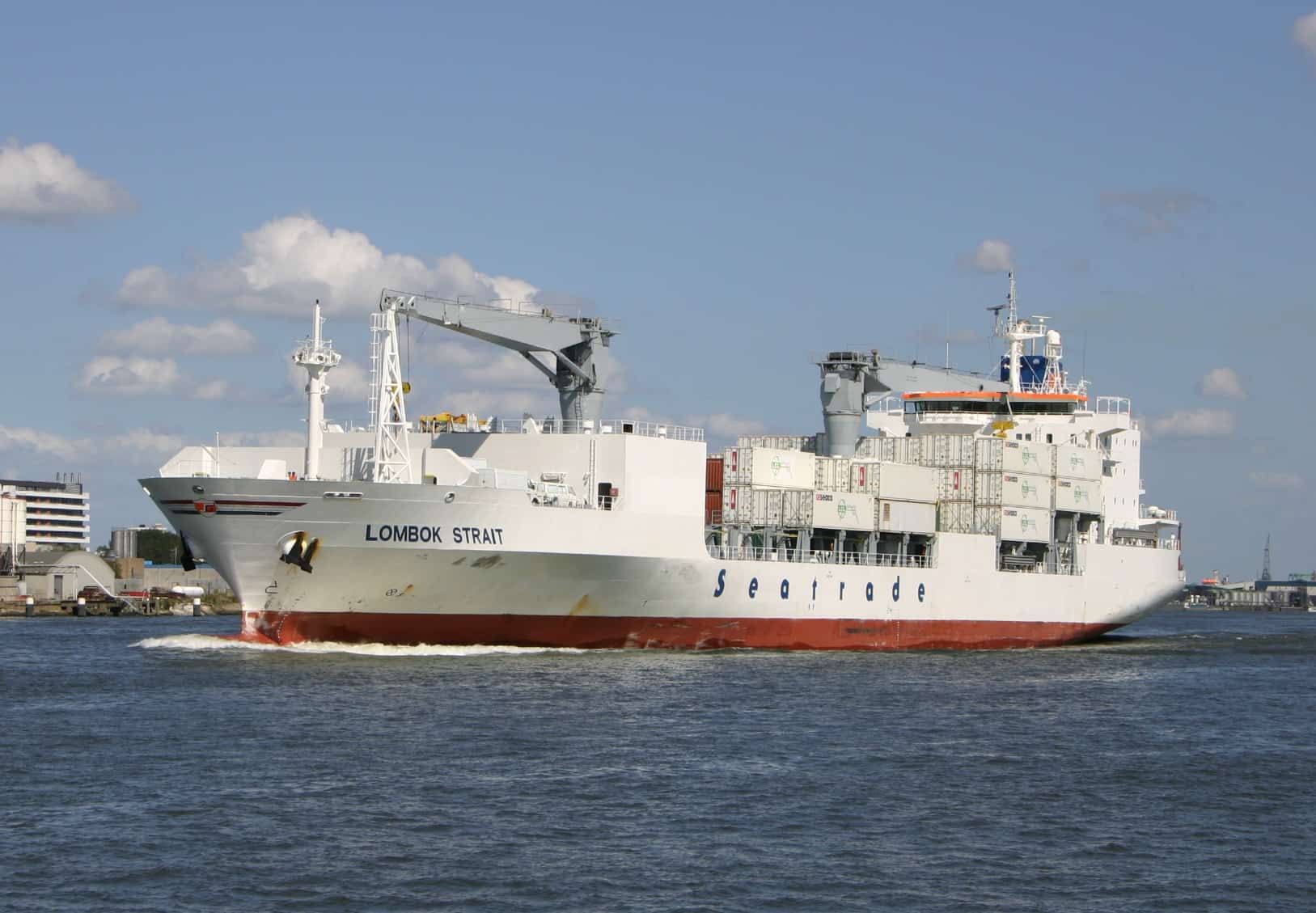
If your cargo spoils without temperature control, a reefer vessel is the only option. These ships transport frozen and temperature-sensitive goods — meat, fish, fruits, pharmaceuticals, and anything else that needs to stay within a specific temperature range during transit.
Reefer vessels have built-in refrigeration systems designed to maintain precise thermal conditions throughout the voyage. Most have three to five cargo holds, each capable of being set to different temperatures depending on what’s being carried.
3. Container Vessels — The Workhorses of Global Trade
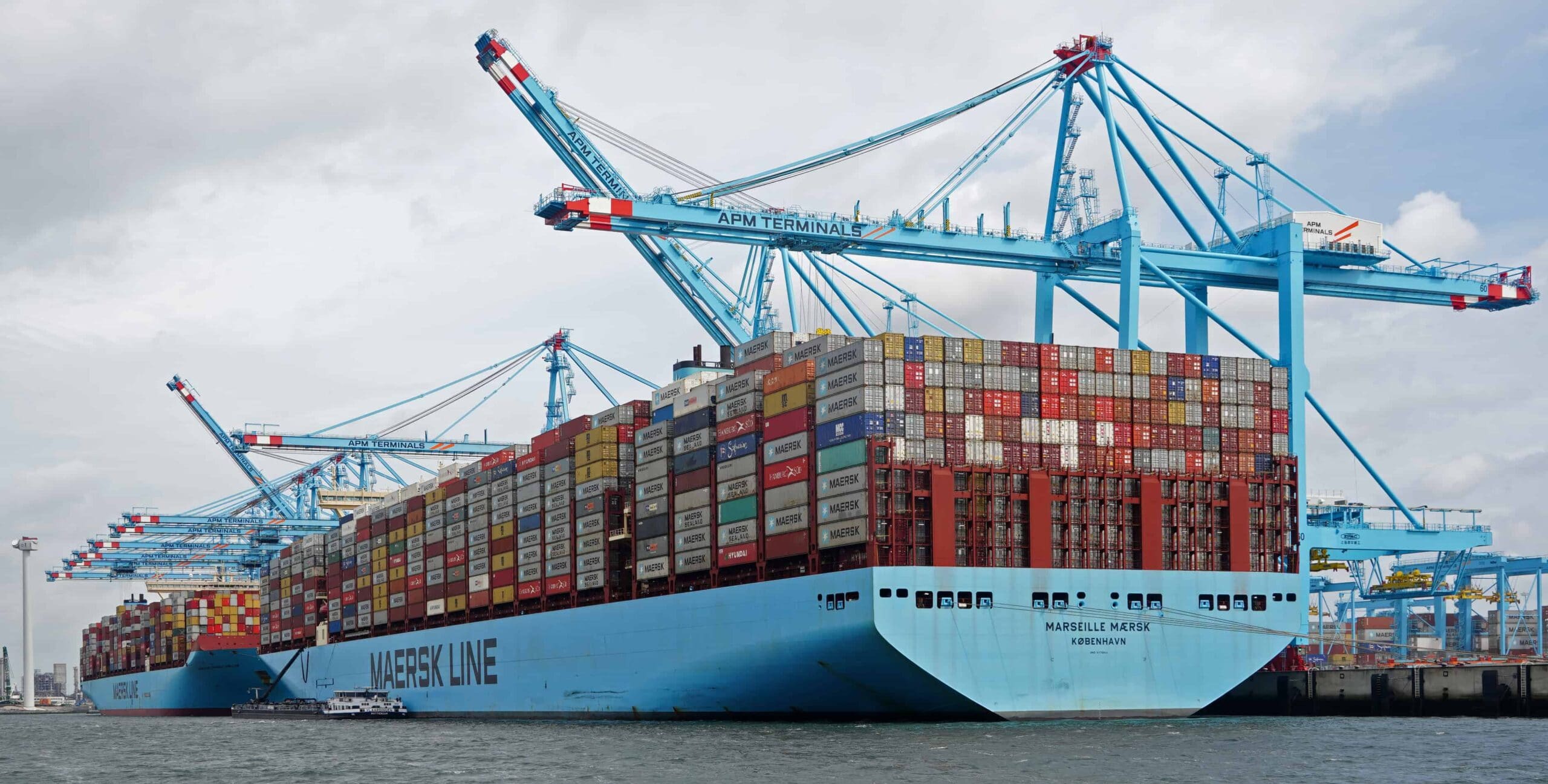
Container vessels are probably the ships most people picture when they think of cargo shipping. They carry standardized containers — the same ones you see on trucks and trains — which made them revolutionary when the concept took off in the 1960s. That standardization is what connected land and sea routes into a single, seamless logistics chain.
These ships come in a wide range of sizes depending on the route and cargo volume. The largest container vessels today measure around 400 meters long and can carry more than 18,000 TEUs (twenty-foot equivalent units). They’re also relatively fast, averaging about 21 knots — significantly quicker than bulk carriers.
4. Ro-Ro Vessels — Roll On, Roll Off
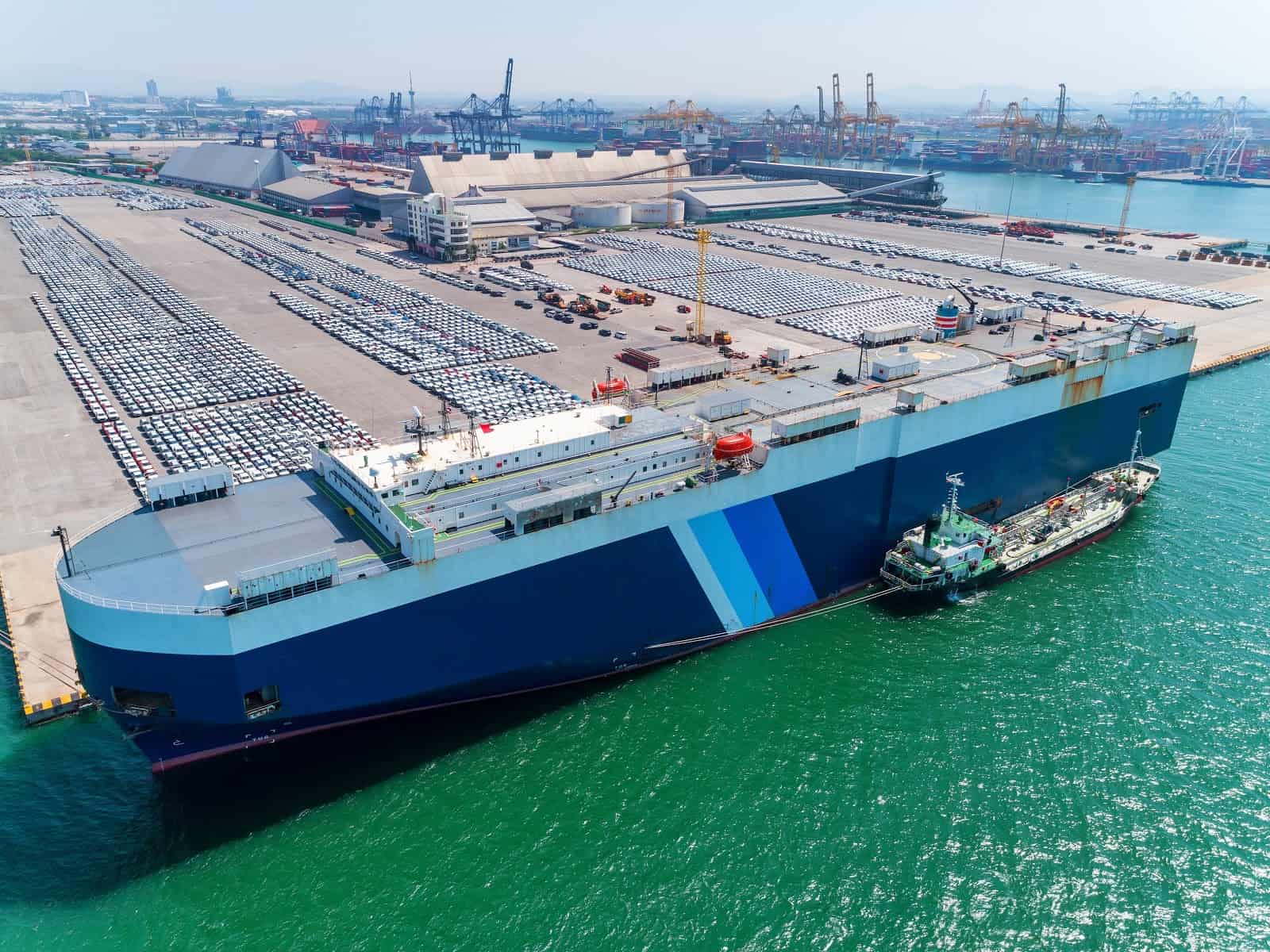
Ro-Ro stands for “Roll-on, Roll-off” — and the name tells you exactly how they work. Instead of using cranes to lift cargo aboard, these vessels use built-in ramps so wheeled cargo can drive directly on and off the ship.
They’re designed to transport vehicles and wheeled equipment: car carriers, truck trailers, railroad cars, and vehicle ferries all fall into this category. The multi-ramp setup allows for efficient loading and unloading, and these ships average around 20 knots. If the cargo has wheels, a Ro-Ro is usually the most efficient way to move it across water.
5. Multi-Purpose Vessels — The All-Rounders
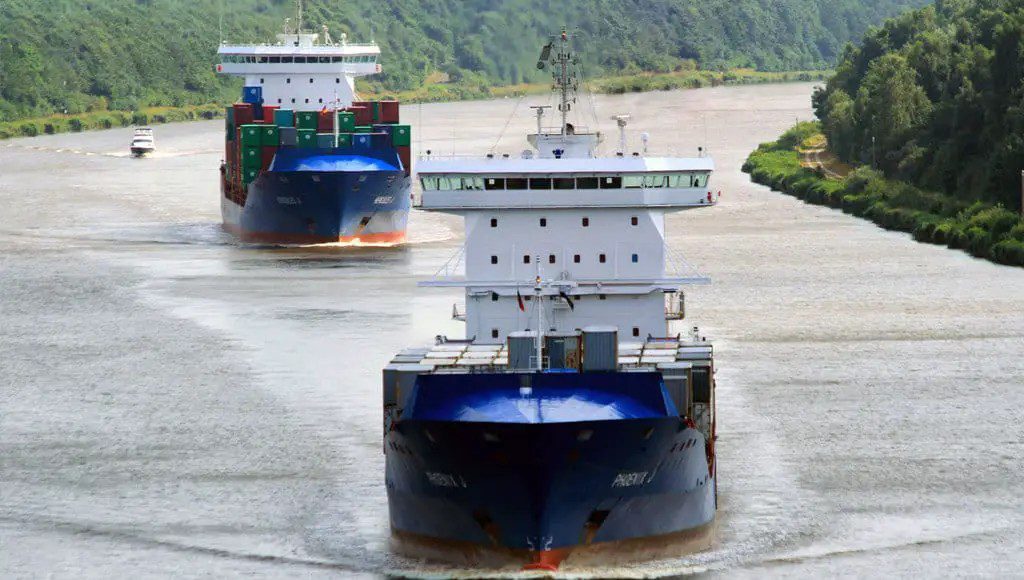
Not every shipment fits neatly into one category. Multi-purpose vessels are designed for exactly that problem — they can handle a mix of cargo types in a single voyage. Containers, break-bulk goods, heavy equipment, and project cargo can all travel together on the same ship.
Their versatility makes them extremely popular with businesses that need to ship a variety of goods without paying for multiple specialty vessels. Instead of booking separate ships for different products, a multi-purpose vessel lets you consolidate everything into one shipment.
6. Barge Vessels — Solving the Port Congestion Problem
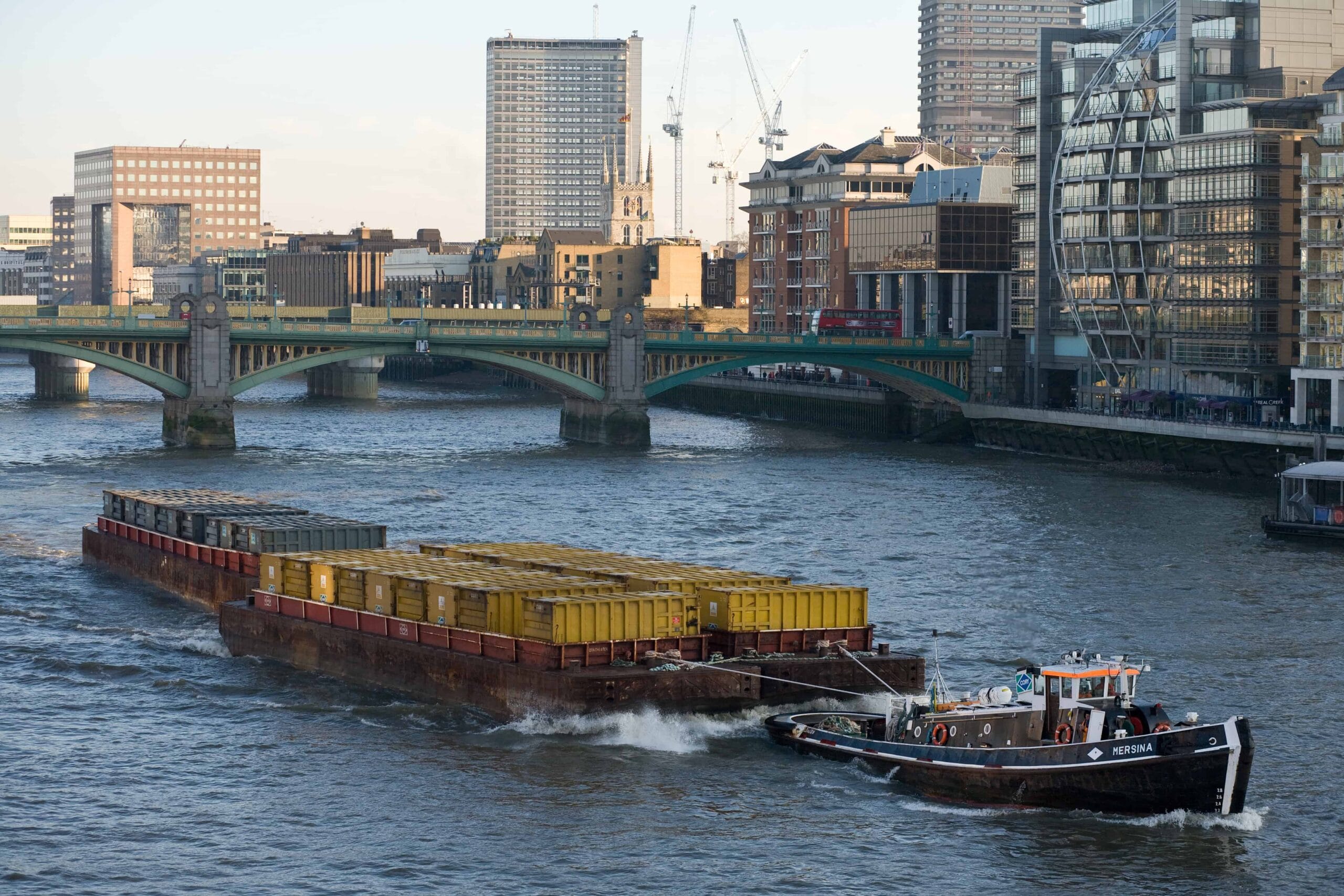
Before the 1960s, ships routinely spent hours — sometimes days — sitting at port during loading and unloading. Barge vessels were the clever solution. Instead of tying up the main ship at the dock, cargo is loaded onto large floating pontoons (barges) at the harbor, and tugboats shuttle those pontoons between the port and the ship.
This setup means the main vessel spends far less time sitting idle at port. While barge vessels aren’t as widely used as container ships or bulk carriers, the concept is still in practice — especially in situations where port infrastructure is limited or congestion is a constant issue.
7. Tanker Vessels — Moving Liquids and Gases Across the World
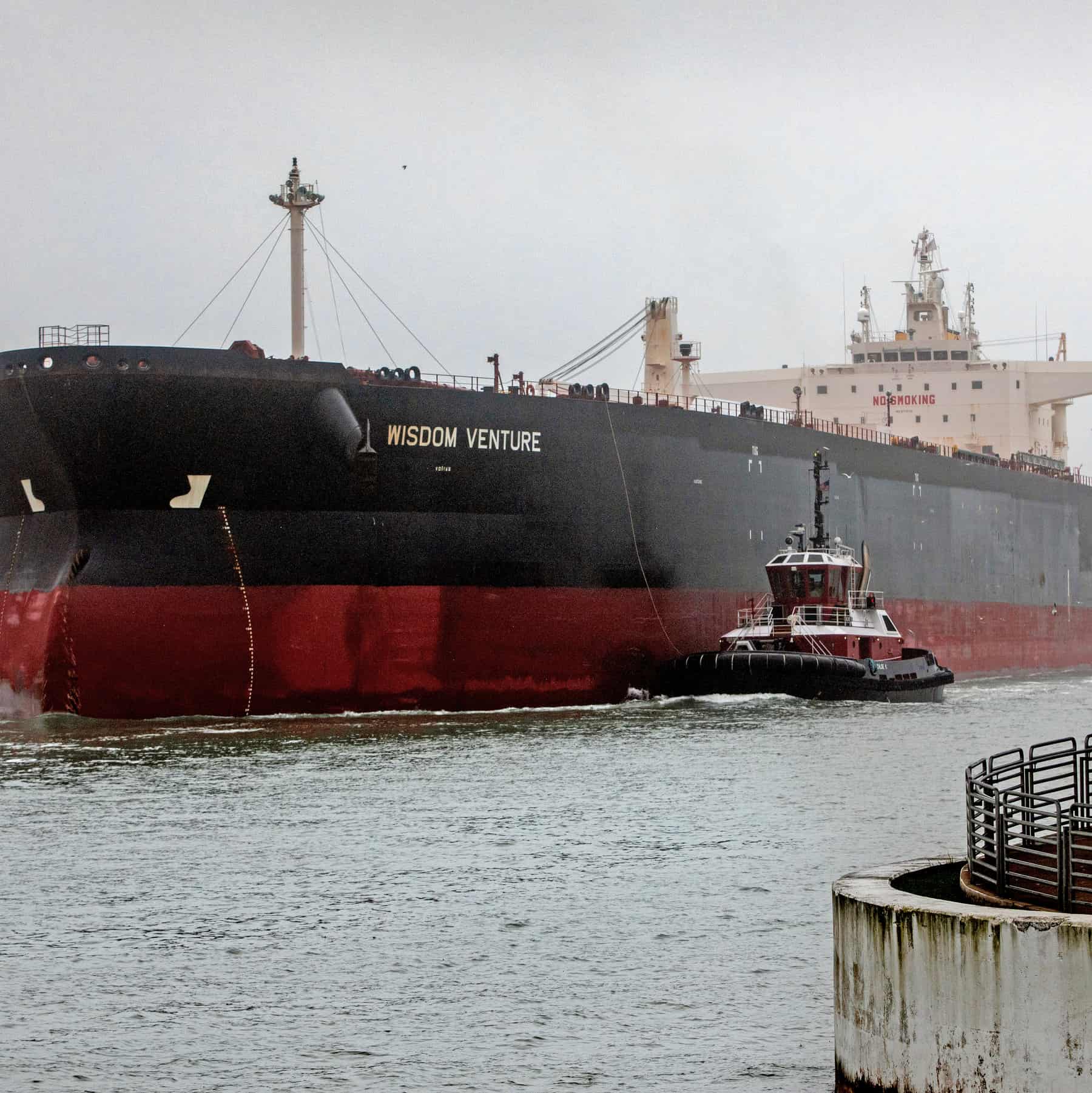
Tanker vessels are designed to carry liquid cargo — crude oil, refined petroleum, chemicals, and other liquid products. They come in a wide range of sizes, from small coastal tankers to ultra-large crude carriers (ULCCs) built for intercontinental routes.
Gas carriers fall under this category too. As liquefied natural gas (LNG) and other liquefied gases become more important in global energy markets, specialized gas carriers have grown increasingly common. These vessels are engineered with containment systems that keep gases at extremely low temperatures during transit.
8. Livestock Carriers — Shipping Living Cargo
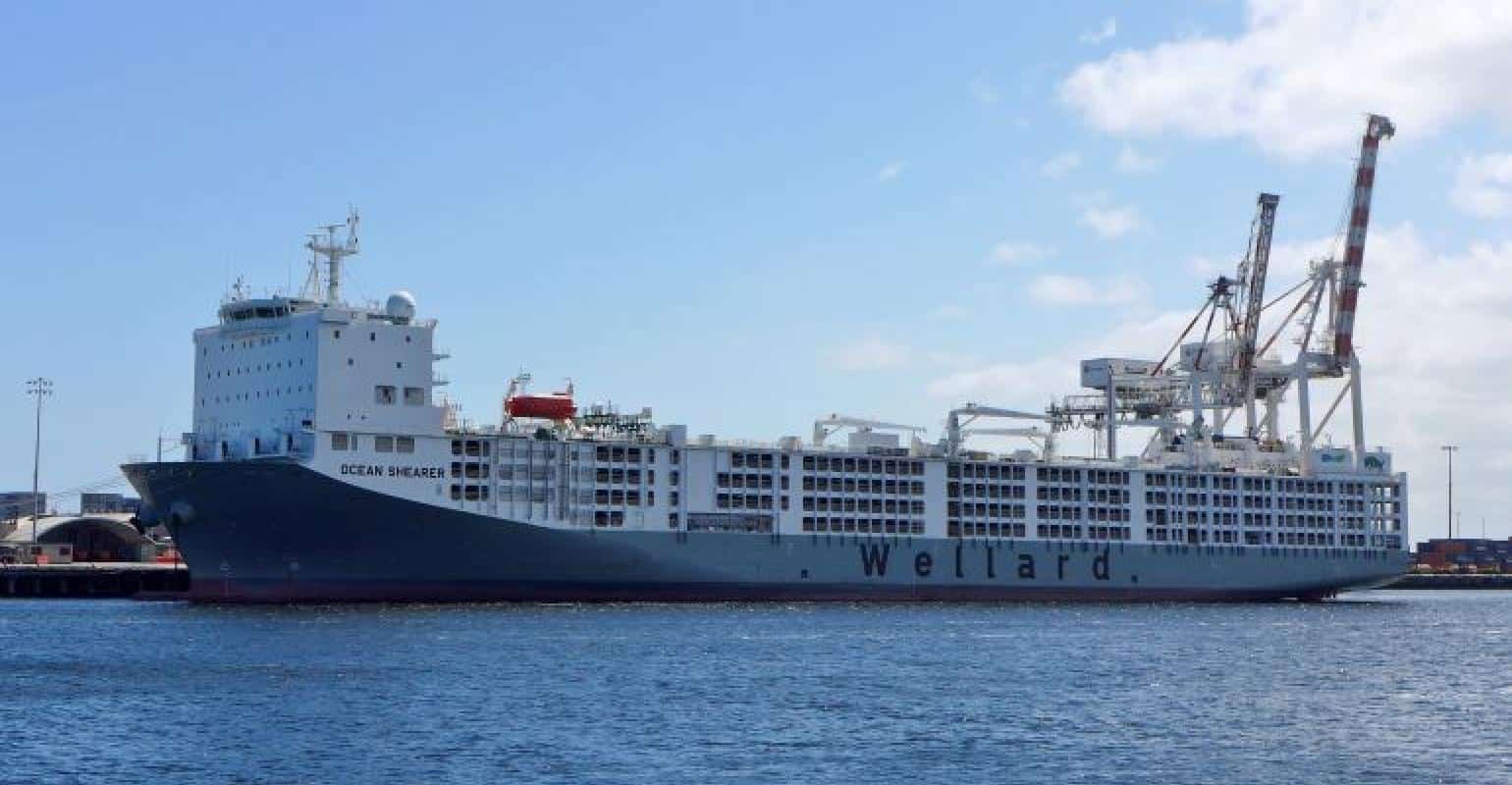
Livestock carriers are exactly what they sound like — ships designed to transport live animals across water. They’re equipped with feeding zones, ventilation systems, and both open and closed corrals to keep animals as comfortable and healthy as possible during the voyage.
These are among the most sensitive cargo ships in operation. Unlike steel or grain, the cargo is alive — which means animal welfare, feeding schedules, and environmental conditions inside the ship require constant attention throughout the journey.
Every type of cargo has a ship designed specifically for it — from dry bulk and frozen goods to crude oil, wheeled vehicles, and live animals. The right vessel depends on what you’re shipping, how much of it there is, and how sensitive it is to temperature, handling, or time. Choosing the wrong ship for the job doesn’t just cost more — it can compromise the cargo entirely.
