

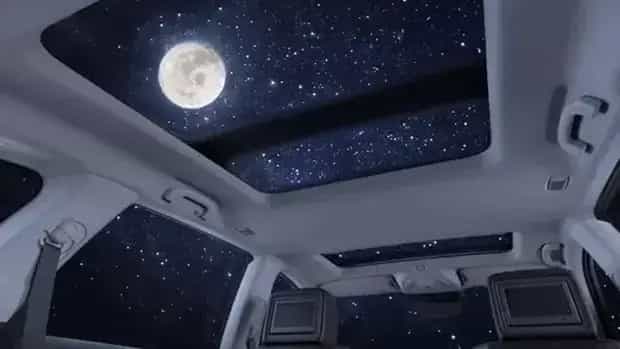
What makes the roof of a car a “moonroof” or a “sunroof”? Does it involve harnessing the power of the moon or the sun? Not exactly—but the names do reflect how these roof panels were originally designed and marketed. The genuinely cool part is what roof panels add to a vehicle: they can bring more light into the cabin, improve ventilation, and make a car feel more open and premium without turning it into a full convertible.
Depending on the roof design, you can do things like tilt the panel to vent hot air, slide it open for fresh airflow, or simply enjoy a scenic view of the sky. In some cases, you can even use the roof as a solar panel to help power ventilation and reduce cabin heat. In this article, we’ll tackle two similar—but historically different—roof designs: the sunroof and the moonroof. We’ll also unpack how modern usage has blurred the lines between the two terms, which is why many drivers use them interchangeably today.
Expert note: Most confusion exists because manufacturers and dealerships often use “sunroof” as the umbrella term for any opening roof panel. Meanwhile, “moonroof” is frequently used to describe a glass panel—whether it opens or not. The truth is more nuanced, and it comes from how these designs evolved over time.
Quick Definitions (So You Don’t Get Lost)
Before we get into history and model examples, here’s the simplest expert way to remember the difference:
- Traditional sunroof: an opaque panel (often metal) that opens to let in light and air when you want it, and blocks sunlight when closed.
- Traditional moonroof: a tinted glass (or plexiglass) panel designed to let light through even when closed—especially enjoyable at night.
Now let’s explore each one properly, including modern variations and common terminology traps.
Sunroof
A sunroof is an adjustable roof panel that allows the passage of light and air into the cabin. Traditionally, sunroofs were metallic (opaque) and often painted the same color as the rest of the vehicle. In the classic sense, a sunroof’s defining trait was control: you could open it for ventilation and light, or close it to block sun and heat.
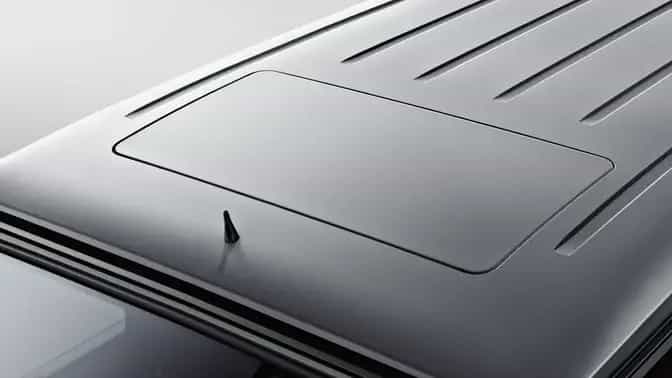
Why drivers like sunroofs: A sunroof can make a cabin feel less closed-in, reduce the “boxed” feeling of small interiors, and provide a simple way to vent heat. Even a small tilt function can help exhaust hot air sitting at the roofline—especially in summer.
Where sunroofs can disappoint: The very thing that makes a sunroof appealing—an opening in the roof—also introduces potential downsides: wind noise, added weight high on the vehicle, seal wear, drain maintenance, and leak risk if the system is neglected or damaged.
Types of Sunroofs (Most Common Designs Explained)
Manufacturers have developed several sunroof designs over the decades. Some prioritize simplicity and low cost; others focus on maximizing opening size or adding convenience. Below are the most recognized types, arranged from simplest to more specialized.
Some of the Different Types of Sunroofs:
- Pop-up Sunroof: This sunroof is a medium-sized panel that tilts upward but cannot fully retract. As its name suggests, it opens like Jack popping out of the box. Expert insight: Pop-up designs are typically lighter and simpler than sliding systems, which can make them easier to maintain—though they usually offer less openness and airflow.
- Spoiler Sunroof: Similar to the pop-up design, a spoiler sunroof electronically pops up and then slides/retracts toward the back, storing itself above the roofline. Like the pop-up, it’s smaller than some other roof systems, but it offers the convenience of self-storage. Expert insight: Spoiler roofs are popular because they can work well on vehicles with limited headroom—since the panel doesn’t typically slide inside the roof structure.
- Folding Sunroof: A sunroof of European origin, primarily made of vinyl fabric. It takes inspiration from convertibles because the roof folds back, opening a larger area than many glass panels. Expert insight: Folding roofs can feel airy and fun, but fabric materials age differently than glass or metal and can require more careful long-term care depending on climate.
- Removable Sunroof: Similar to a pop-up roof, but with a key difference: the entire top panel is removable. Two classic examples are the T-Top (T-Bar in the UK) and the Targa. Expert insight: Removable panels are loved for the open-air feel, but owners should store panels correctly to avoid scratches, seal damage, or warping.
- Moonroof: Believe it or not, the moonroof is, historically speaking, a derivative of the sunroof—especially in how the industry categorized roof openings over time. Expert insight: This point is one of the main reasons modern buyers get confused: in everyday language, a moonroof is often treated as a separate category, but in older terminology it’s essentially a glass-style evolution of the broader sunroof idea.
Important clarification: In many modern vehicles, what people call a “sunroof” is actually a glass panel (moonroof-style). Meanwhile, many brochures still label it a sunroof. So if you’re shopping, focus less on the label and more on the material and mechanism: Is it glass? Does it tilt? Does it slide? Does it open fully or only vent?
Moonroof
A moonroof is traditionally a plexiglass (or tinted glass) roof panel designed to let light into the cabin even when closed. Compared to an older opaque sunroof, a moonroof is typically fixed on a sliding mechanism and often doesn’t open as wide as certain sunroof designs—especially older removable or folding setups. The defining feature is transparency: you can still see the sky through it.
Why moonroofs became so popular: Many drivers love the “sixth window” effect—visibility upward without opening anything. It makes the cabin feel brighter and more spacious, and on night drives it adds a premium ambiance that opaque panels simply can’t match.
Types of Moonroofs (Modern Variants That Buyers See Most Often)
Modern moonroof designs often focus on maximizing light and view. Two of the most popular modern configurations are panoramic systems and solar-integrated glass roofs.
Some of the Different Types of Moonroofs:
- Panoramic Roof: Usually two glass panels covering front and rear roof sections. It offers a scenic view for passengers—especially at night—making the entire cabin feel larger. Expert insight: Panoramic roofs are among the most requested modern roof options, but they can add weight and may increase cabin heat load if tinting and sunshade design aren’t strong.
- Solar sunroof: While made of glass, this version includes a photovoltaic layer that functions as a solar panel. The roof can help power ventilation and reduce cabin heat in hot weather. Expert insight: Solar roof features vary widely by model. Some provide meaningful ventilation support; others are more modest in effect. Either way, it’s an interesting example of how roof panels evolved from “fun luxury” into “functional technology.”
Except for the folding and removable Targa panels, almost all types of sunroofs can be remodeled as a moonroof. In other words, many mechanisms that were once paired with metal panels are now paired with tinted glass, which is one reason the market increasingly treats “sunroof” and “moonroof” as overlapping terms.
HOT READ: The 11 Best Car Shelters & Carports of 2026
Brief History of the Sunroof and Moonroof
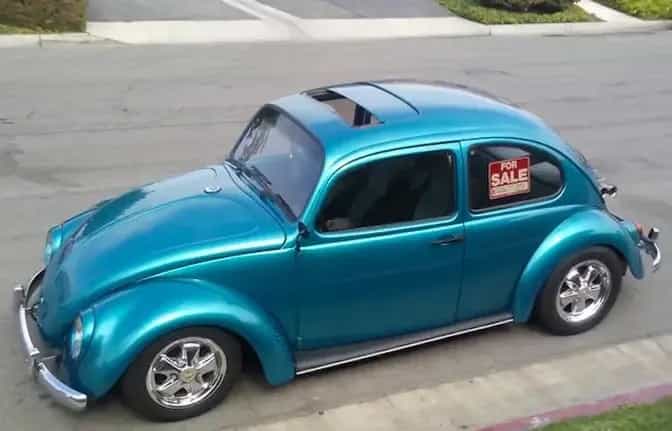
To understand why the terms are confusing today, you have to look at how they entered the market. In 1937, Nash Motors—a Wisconsin-based automaker—introduced the concept of cars having a sunroof in the U.S. At that time it was an optional feature, and it didn’t become mainstream until much later.
In the 1960s, Ford experimented with removable roof panels but failed due to limited public interest. They tried again in the mid-1960s to early 1970s, this time partnered with American Sunroof Corporation. This period helped normalize the idea that roof openings could be engineered and offered at scale, not just as niche coachbuilder experiments.
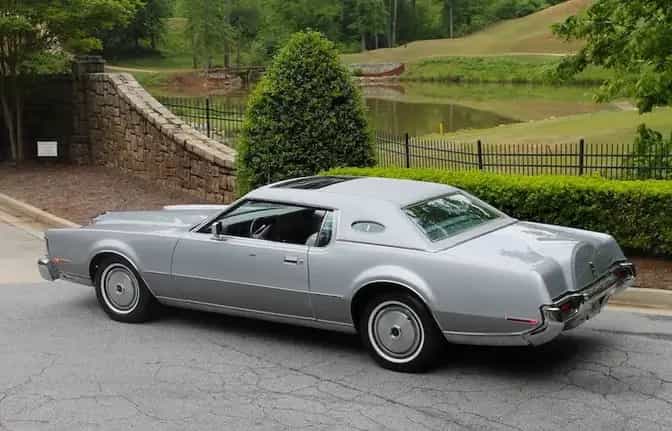
In 1973, Ford introduced a new version of the sunroof for the Lincoln Continental Mark IV and dubbed it the “moonroof.” That naming decision became a major reason the term survives today.
The word was coined by Ford’s Marketing Manager, John Atkinson. He paired it with the slogan: “When open, you see the Moon and it sees you, but when closed only you have the view.” From a marketing perspective, it was brilliant—because it framed the glass panel as something you could enjoy even when shut.
True to its namesake, the moonroof allowed moonlight to pass through the cabin while still protecting occupants from outside air. The glass was tinted dark to reflect heat from the sun as much as possible. That combination—light transmission plus heat control—helped establish the moonroof as a premium-feeling feature.
During those same decades, automakers created variants of roof openings that expanded what buyers could choose. The Targa Top gained popularity in the 1960s and 70s, and panoramic roof systems became popular around 1969. Over time, these designs evolved into today’s wide range of roof panels and panoramic glass options.
DON’T MISS: Electric Cars VS Fuel Cars – How they work, which is Better & Faster?
Don’t Confuse Sunroof with Moonroof
It’s a common misconception that a moonroof is the same thing as a sunroof (and vice versa). One reason is that modern glass panels often behave like both: they can tilt or slide open like a sunroof but remain transparent like a moonroof even when closed. So consumers naturally blur the terms.
Historically, that wasn’t the case. The traditional sunroof was typically opaque. Its main purpose was to control sunlight and airflow by opening or closing the panel—letting in light and air when desired and blocking both when shut.
The moonroof, by contrast, was designed to remain slightly transparent (usually tinted), allowing occupants to enjoy sky views—especially moonlight—while still keeping the cabin sealed.
Today, many manufacturers use the two terms interchangeably. But it’s still useful to remember the original properties that distinguished them: opaque panel vs tinted transparent panel. Those original meanings can help you understand what you’re getting when a listing says “sunroof” but the photos show a glass roof panel.
Sunroof vs Moonroof: The Most Practical Differences
If you want a clean, real-world way to compare these roof styles, focus on four practical categories: material, light, ventilation range, and cabin feel.
- Material: Traditional sunroofs were often metal (opaque); moonroofs are typically tinted glass or plexiglass.
- Light when closed: A moonroof lets light in when closed; an opaque sunroof does not.
- Ventilation and opening: Both can open, but older sunroof designs (removable/folding) can offer larger openings than some moonroof mechanisms.
- Cabin experience: Moonroofs tend to create a brighter, “airier” cabin even when you never open them.
Expert tip: When shopping, ignore the label first and inspect the mechanism. Ask: does it tilt, slide, remove, fold, or stay fixed? That’s what determines your actual user experience and maintenance risk.
Which One Is Better?
Choosing between a sunroof and a moonroof comes down to what you value most: ventilation, visibility, aesthetics, or simplicity. There isn’t a universal “best,” but there are practical tradeoffs. Below are the factors that typically shape buyer preference.
Design Evolution
Historically, sunroofs started as removable metal panels. A few decades later, tinted glass panels rose in popularity—bringing moonroof-style visibility into the mainstream.
While the moonroof hasn’t entirely replaced the sunroof as a term, glass-style roof panels have become more common due to consumer demand. In many modern cars, what is still technically described as a “sunroof” now uses technology and materials that align with moonroof expectations.
Expert perspective: The market didn’t choose “moonroof” because it was mechanically superior in every way; it chose it because people enjoy light and visibility, and tinted glass offered that without requiring the roof to be open.
Aesthetic
Many drivers find it more pleasant to see the sky without opening anything, which is a major reason panoramic roofs have become extremely popular. A glass roof changes how a cabin feels—especially for rear passengers, who often experience the biggest difference in perceived spaciousness.
In a way, the moonroof becomes the sixth window in an automobile. That preference for visibility and brightness heavily reduced demand for traditional opaque metal sunroofs.
Expert note: Panoramic roofs often sell cars. Buyers sit inside, look up, and feel like the cabin is bigger. That emotional reaction is powerful—sometimes stronger than performance specifications on paper.
Safety Comparisons
Generally, a solid roof panel is less vulnerable to shattering than a glass panel. In a strong impact, glass may shatter while metal more commonly dents—though modern laminated and tempered glass designs are far safer than older glass systems.
According to this New York article, around 200 people die in a year from moonroof-related accidents (referred to as its parent category the sunroof).
Expert context: Safety is not just about the material—it’s also about the integrity of the roof structure, the glass design (laminated vs tempered), and how the vehicle performs in rollover scenarios. Modern roof systems are engineered far more carefully than early designs, but glass is still glass, and that risk profile matters.
These factors did more than influence which roof style people preferred—they also pushed manufacturers toward the next generation of roof designs. Modern sunroofs and moonroofs often combine elements of both: glass panels for visibility, improved tinting for heat rejection, better seals and drainage, and motorized sunshades for comfort.
SEE ALSO: Can we trust electric cars that drive themselves?
The Real-World Downsides (What Buyers Don’t Think About Until Later)
As an expert, I always recommend understanding the downsides before you commit—especially when buying used. Roof panels are great, but they’re also systems: they have motors, seals, tracks, drains, sensors, and glass or metal panels. That means more components that can wear over time.
1) Leaks and Drain Maintenance
Most sunroof and moonroof systems are designed to manage small amounts of water intrusion by channeling it into drains. If those drains clog (dust, leaves, pollen, debris), water can back up and enter the cabin—often through headliner areas. This is one of the most common complaints with older vehicles.
2) Wind Noise and Seal Wear
Even a perfectly functioning roof panel can create wind noise at speed. Over time, seals can harden, shrink, or become misaligned, increasing noise and allowing more moisture or dust in. If you’re sensitive to cabin quietness, test drive at highway speed with the roof closed and the shade open.
3) Heat Load and Cabin Comfort
Glass roofs—especially panoramic systems—can increase cabin heat if tinting and sunshade design aren’t excellent. Many modern vehicles address this with better tint, coatings, and powered sunshades, but it’s still a real-world consideration in hot climates.
4) Cost of Repair
Sunroof and moonroof repairs can be expensive, particularly when the issue involves tracks, motors, or water damage to interior electronics. This doesn’t mean you should avoid them—it just means you should buy with your eyes open and maintain the system properly.
Current Automobile Models That Employ Moonroofs/Sunroofs
Now that we’ve covered the history and the key differences, we can move to 21st-century examples. Modern vehicles often blur the terminology, but the underlying feature is the same: roof panels that increase light, air, and cabin openness.
As I wrap up this post, I’ve decided to highlight cars that feature sunroof/moonroof-style roof panels. This author might not be the most trusted car geek, but the list draws on each vehicle’s general ratings and reviews. With each item, I’ll outline key advantages and disadvantages to give a fair description.
Here are some of the present-day vehicles that feature the mechanisms of a sunroof:
To make the list easier to scan, the models below are organized from budget-friendly and compact options to more premium choices.
- Volkswagen up!
Just like the Honda Civic, this superb German dwarf receives positive feedback for being big on small packages. At only 3.54 meters long and 1.64 meters wide, this city car can squeeze into even small parking spaces. The sunroof of the Volkswagen up! is a panoramic panel that slides and tilts, making the cabin feel brighter and more spacious than you’d expect from a city-focused footprint. One of its few cons is its perceived lack of a modern look, but it remains a practical choice for urban drivers who value visibility and a light-filled interior. - Honda Civic (moonroof standard)
The Civic is an ideal example of compact-car packaging done right. For its size, it remains versatile and is available in Sedan, Coupe, or Hatchback variants, with strong cargo practicality for a compact segment vehicle. One notable drawback mentioned for 2018–2020 models is a faulty interface, but aside from that, the Civic’s strong reputation and ratings continue to make it an easy recommendation for buyers who want a roof feature without stepping into luxury pricing. - Citroen C4 Cactus hatchback
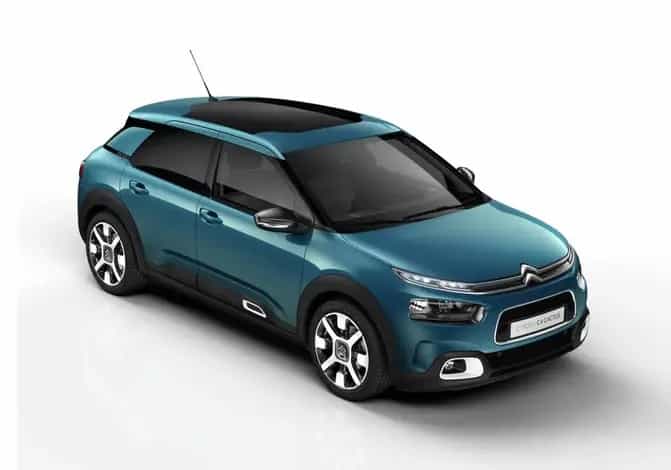
Debuting in 2014, this SUV-like keeper is known for low running costs and a comfort-focused ownership experience. This model features a panoramic sunroof, which enhances cabin light and gives it a more open feel. The C4 Cactus is known for comfort and fuel efficiency, though its drawback is a perceived lack of excitement when speed and performance are the priority. Still, it’s a good option for drivers who want a calm, secure ride with a panoramic feel. - Skoda Octavia Estate
This crimson-colored keeper is a frequent inclusion on “best car” lists thanks to affordability and ample cabin space. Here, the panoramic sunroof is optional (and may cost extra), but it can dramatically improve cabin ambiance by adding natural light. For drivers who prioritize practicality, space, and value—and want the roof feature as a premium touch—the Octavia Estate is a strong contender. - 2018 Nissan Maxima S
This Nissan model offers a distinctive panoramic roof that can retract to allow airflow, and it ranked mid-pack among 2018’s Most Affordable Large Cars. Key perks include a powerful V6 engine, intuitive infotainment, and a luxurious cabin. Downsides include higher cost, a preference for high-quality gasoline, and a trunk size that may disappoint buyers who need cargo room. If you don’t need a big trunk and you can handle a larger budget, the Maxima S can serve as a comfortable large-car option with a modern roof feature. - 2018 Audi S5 Premium Plus
The upgrade to a panoramic sunroof can be expensive, but the S5 Premium Plus aims to justify it with strong performance and comfort. Like the Maxima, it uses a V6 engine—here producing 354 horsepower—while adding premium features such as Bluetooth, infotainment, and a strong speaker system. Safety tech like a rearview camera and forward collision warning adds to its value. And for long-distance comfort, the front seats include a massage function, which many drivers find useful on extended highway drives.
Where to Research and Shop (Helpful Automotive Pages Referenced)
Interested in buying one? There are many more car brands you can look for that fit your standards. Here are some of the automotive seller and review pages featured in this article that can help:
- https://www.carbuyer.co.uk/: Carbuyer claims to have a more straightforward interface than other sites. They make videos of testing the cars they sell.
- https://www.kbb.com/: Founded in 1966, Kelley Blue Book is one of the most trusted automotive companies. In addition to selling, they also make blogs, especially on the best cars to buy.
- https://www.jct600.co.uk/: JCT600 is one of the UK’s biggest and most significant vehicle dealing companies. They serve as official centers for 22 manufacturers like BMW, Jaguar, Kia, etc.
- https://cars.usnews.com/cars-trucks: This site is a subcategory of a famous news publishing company. It offers some reviews on the best automobiles to buy and claims to have lower monthly payments.
Let’s not forget that purchasing these products works best with insurance. Visit here for more Insurance tips and to know more about the best insurance companies, the cheapest rates, health insurance, and so much more.
Expert Checklist: What to Inspect on a Used Sunroof/Moonroof
If you’re buying a used vehicle with a sunroof or moonroof, a quick inspection can save you from expensive surprises later. Here’s what experienced buyers typically check:
- Operation: Does it tilt and slide smoothly without hesitation, grinding, or uneven movement?
- Seals: Are the rubber seals cracked, flattened, or missing sections?
- Noise: Any whistling at speed may indicate seal issues or alignment problems.
- Water signs: Check headliner edges and pillar trims for stains or odor.
- Drain health: Ask whether drains were ever cleaned. Clogged drains are a common leak cause.
- Sunshade: Ensure the sunshade opens/closes correctly and doesn’t sag.
Expert rule: If the roof panel isn’t used often, test it anyway. Many failures happen because the mechanism sits unused for months, then binds or struggles when finally activated.
Wrapping up!
And so, this article about moonroof vs sunroof reaches its conclusion. The goal here was to offer more than just a quick comparison: we covered definitions, key differences, types, a brief history of how the terms evolved, why the confusion exists today, and examples of modern cars still using these roof designs in more advanced forms. By including modern model examples and related automotive and insurance resources, the aim was to create a complete and practical guide for readers who want that extra “open-air” touch in their next car.
If you found this article useful—or if you’ve owned a car with a roof panel and have real-world tips about leaks, noise, heat, or maintenance—let me know in the comments. Your experience can help other buyers decide whether they want their sunroofs fancy, functional, or both.