
Electric cars have matured from “interesting alternatives” into genuinely capable long-distance machines. When you choose the right EV, you get the best of multiple worlds at once: smooth and silent propulsion, strong acceleration that doesn’t require revving an engine, low routine maintenance, and zero tailpipe emissions—meaning you can travel farther while reducing the local air pollution associated with conventional vehicles.
That said, not every electric car is equally good at the things drivers care about most. Some EVs prioritize efficiency and affordability, others focus on performance, and a few are engineered as technological showcases designed to stretch what’s possible in range and speed. In this expert guide, I’ll walk you through five noteworthy electric cars that stand out for their combination of zero emissions, strong range, impressive acceleration, quiet operation, and reduced maintenance demands.
To make this article easier to use in the real world, I’ve reordered the lineup to follow a practical buying journey: we begin with more accessible, everyday EVs that deliver great value and efficiency, then move into premium performance, and finally end with the “halo” vehicle that represents the extreme end of EV capability. This approach helps you compare options based on how most people actually shop—starting with realistic daily drivers and ending with aspirational engineering.
Before the List: What “Great Range” and “Low Maintenance” Really Mean in an EV
“Range” is often treated like the only EV number that matters. It’s important, yes—but range without a good charging strategy, efficient thermal management, and stable highway consumption can still lead to frustrating ownership. Likewise, “low maintenance” doesn’t mean “no maintenance,” and “fast acceleration” doesn’t automatically mean a car is enjoyable or confidence-inspiring to drive.
Here are the most useful concepts to understand before we dive into the five EVs:
1) Range: The headline number vs. your real-world number
Most advertised range figures are measured in standardized testing cycles. Depending on where you live, you’ll see ratings from WLTP, EPA, or other regional procedures. These tests are helpful for comparison, but the range you get at 70–80 mph on a cold day with the heater running and four passengers will be different. A useful way to think about range is as a budget you spend based on speed, temperature, wind, tire choice, road elevation, and driving style.
As an expert rule: highway speed is the biggest range tax. Aerodynamic drag rises rapidly as speed increases, and EVs feel that strongly. The difference between 65 mph and 80 mph can be the difference between “easy trip” and “extra charging stop.”
2) Acceleration: Instant torque is real, but traction and tuning matter
Electric motors deliver torque immediately. That’s why EVs often feel quicker than similarly powered gasoline cars in everyday driving. Still, the number that gets posted online—0–60 mph—doesn’t tell the whole story. Chassis balance, stability control tuning, tire compound, and drivetrain layout (front-, rear-, or all-wheel drive) determine whether that speed feels usable, safe, and repeatable.
3) Low maintenance: fewer fluids and fewer wear items, but not “maintenance-free”
EV ownership is simpler because there is no engine oil, no spark plugs, no exhaust system, and far fewer heat cycles compared to an internal combustion engine. Regenerative braking also reduces brake pad wear substantially. However, EVs still need:
- Tires (often sooner than expected because EVs are heavy and torque-rich)
- Cabin air filters and periodic HVAC servicing
- Brake fluid changes on schedule (even if pads last longer)
- Coolant servicing for battery thermal management systems on some models
- Suspension and alignment checks (important for range and tire life)
In other words: EVs reduce routine maintenance, but smart owners still maintain them like any serious machine.
4) Quietness: a luxury—until it reveals everything else
Electric cars are quiet because there’s no engine noise. That calm cabin can feel premium immediately, but it also means you’ll notice other sounds more: tire roar, wind noise, or suspension thumps. Vehicles with good sound insulation and aerodynamic refinement tend to feel “more expensive” in daily use—because the silence highlights engineering quality.
With that foundation in place, let’s explore five EVs that are widely recognized for delivering the combination of range, performance, comfort, and low operating costs that most drivers actually want.
5 Zero-Emission Electric Cars Worth Considering (Reordered for Practical Comparison)
The five vehicles below are presented from the “most approachable daily-driver value” toward the “high-performance, long-range flagship” end of the spectrum. Specifications such as top speed, range, and 0–60 mph times are included as commonly cited figures and can vary by battery size, trim level, software updates, wheel choice, and test method.
1. Volkswagen ID.3
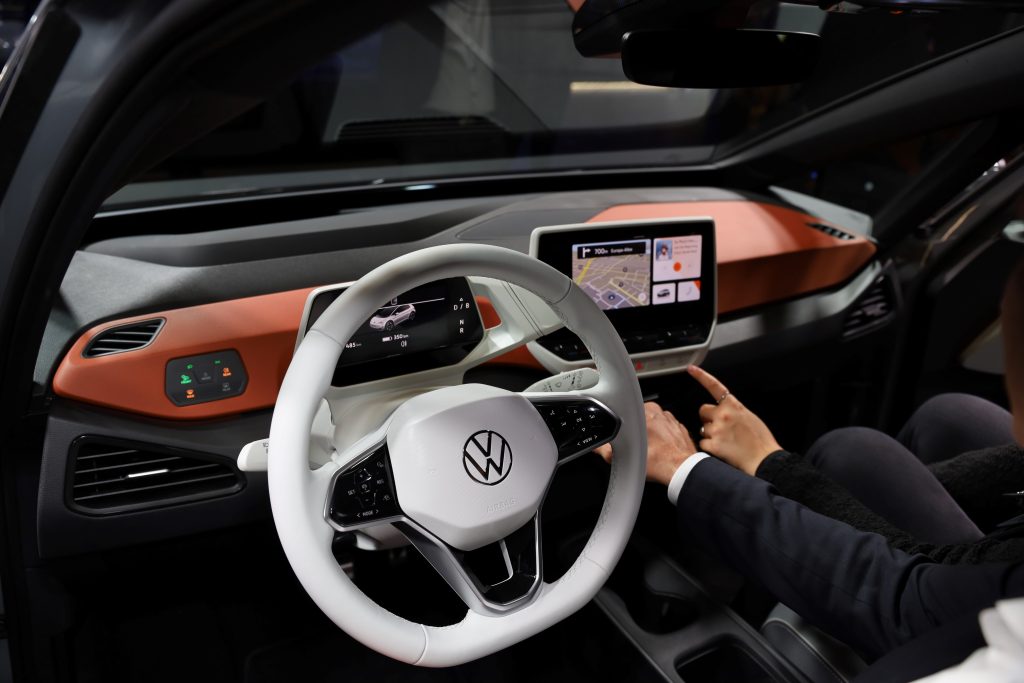
The Volkswagen ID.3 is one of the clearest examples of why EVs are becoming mainstream: it takes the “electric advantage”—quietness, smoothness, and low running costs—and packages it in a compact hatchback format that many drivers already understand. In markets where it’s available and priced competitively, the ID.3 often represents a rational entry into EV ownership without forcing you into a luxury segment.
Key performance snapshot: top speed of 99 mph, range of 340 miles, and acceleration of 0–60 mph in 7.1 seconds.
From an expert standpoint, “0–60 in 7.1 seconds” is not meant to impress supercar fans—it’s meant to reassure everyday drivers that the car will feel responsive during merges, roundabouts, and city traffic. Many EVs deliver their torque instantly, and the ID.3 benefits from that smooth surge. It’s the kind of acceleration that makes commuting easier, not the kind that makes passengers grab the door handle in panic.
Where the ID.3 really earns its praise is usability. With five seats and a practical hatchback layout, it fits groceries, strollers, backpacks, and weekend luggage without needing an SUV footprint. In cities, the compact dimensions are a daily benefit: easier parking, easier lane changes, and generally less stress in tight spaces.
Driving feel and refinement: The ID.3 delivers a quiet, composed drive, and the absence of engine vibration makes it feel calmer than many similarly priced gasoline hatchbacks. EV quietness is a double-edged sword, though. If the tires are loud or the roads are rough, you’ll hear it. The good news is that Volkswagen’s overall body engineering tends to prioritize stability and predictability, which is exactly what most drivers want in an everyday EV.
Ownership and maintenance: Like most EVs, the ID.3 removes many traditional service items—no oil changes, no spark plugs, no transmission fluid changes like a conventional automatic. Routine costs tend to center on tires, cabin filters, brake fluid intervals, and the occasional alignment check. Because EV torque can wear tires faster, a disciplined tire rotation schedule is one of the smartest ways to keep both handling and range consistent.
Who it fits best: If you want an EV that feels like a normal car—easy to drive, easy to park, quiet, and practical—the ID.3 is an intelligent choice. It’s also ideal for drivers willing to compromise strategically: you get strong range and low costs without paying supercar money or accepting supercar impracticality.
Expert buying note: When comparing trims, pay attention to wheel size. Larger wheels often look great but can reduce range due to increased rolling resistance and aerodynamic drag. If your priority is maximum miles per charge, smaller wheels usually help.
2. The Hyundai Kona Electric
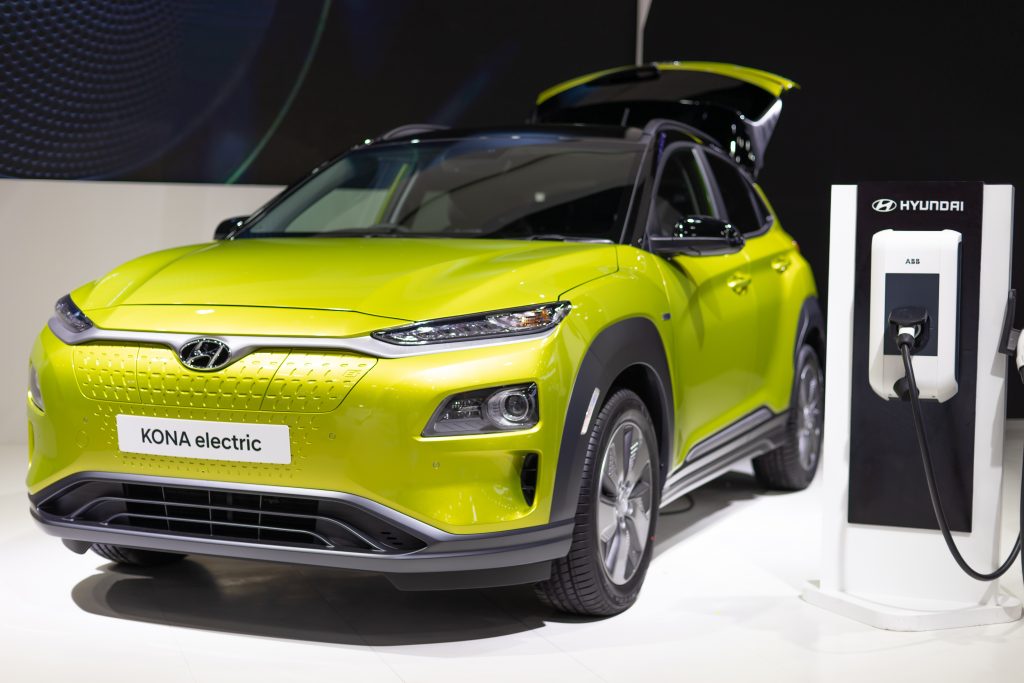
The Hyundai Kona Electric has quietly built a reputation as a highly practical “Eco Warrior” choice—an EV that balances real-world efficiency with everyday crossover convenience. For many drivers, especially those who prefer a higher seating position and easier entry/exit, the Kona format simply fits life better than a hatchback.
Key performance snapshot: top speed of 126 mph, range of 256 miles, and acceleration of 0–60 mph in 6.4 seconds.
On paper, the Kona Electric’s range is lower than the ID.3’s cited figure, but context matters. Many owners prioritize predictable efficiency over maximum rated range, and the Kona often performs well in mixed driving because it doesn’t rely on extreme power output to feel quick. That 0–60 time signals something important: it has enough punch to feel lively, even when fully loaded, without being tuned like a high-performance EV.
Practicality and cargo: As a five-seater with a decent boot, the Kona Electric is built for daily errands and weekend routines. It’s the type of vehicle that suits families, pet owners, and drivers who want flexibility but don’t want a massive SUV. The cargo area is typically more usable than you might expect from its footprint, and the crossover shape makes it easier to load tall items compared to a sedan.
Efficiency and cost of ownership: The Kona Electric is known as a strong value proposition because it’s energy efficient for its class. Efficiency matters more than many people realize: an EV that consumes less energy per mile can save meaningful money over time—especially if electricity prices are high in your region.
Maintenance remains low compared to gasoline vehicles. However, because the Kona is an “everyday” EV that may spend a lot of time in stop-and-go traffic, pay attention to cabin filter changes and HVAC performance. A clean cabin filter and a well-maintained heat pump (if equipped) can improve comfort and preserve efficiency.
Noise and comfort: Like most EVs, the Kona’s drivetrain is quiet, which naturally enhances perceived comfort. In expert evaluations, the biggest differentiator between “good” and “great” EV comfort often becomes wind and tire noise at highway speeds. If you do a lot of motorway driving, take a long test drive at your typical cruise speed to see whether the Kona’s sound profile matches your expectations.
Who it fits best: Eco-focused drivers who want a crossover form factor, respectable range, and excellent efficiency—without stepping into premium pricing—will appreciate the Kona Electric. It’s an ideal bridge between “traditional car ownership” and “modern EV benefits.”
Expert buying note: Don’t ignore tires. EV-specific low rolling resistance tires can meaningfully impact range, but they may trade away some cornering grip. Decide what matters more for your use: maximum range, or a sportier feel.
3. The Polestar 2
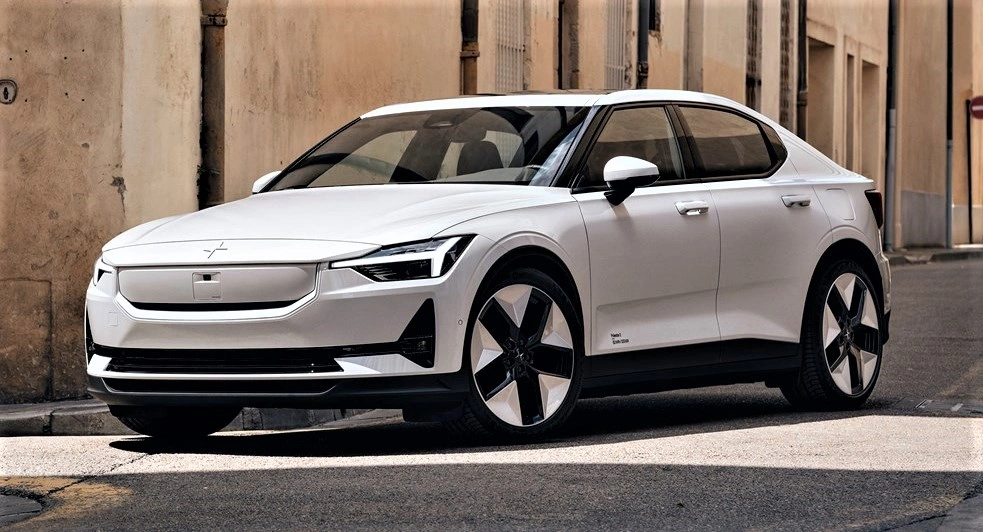
If you want an EV that feels like it has one foot in the performance world and the other in daily-driver practicality, the Polestar 2 is a compelling answer. It’s often described as a “balanced” EV—and that’s not a vague compliment. Balance, in expert terms, means the car is engineered to deliver comfort, traction, user-friendly technology, and confident handling without one category overwhelming the others.
Key performance snapshot: top speed of 127 mph, range of 292 miles, and acceleration of 0–60 mph in 4.1 seconds.
That 4.1-second 0–60 time is the number that changes the tone of the conversation. It means the Polestar 2 is not merely “quick for an EV”—it’s quick, period. In real driving, it delivers effortless overtakes and strong highway merging, and it does so with the smoothness that electric power is known for. The acceleration feels confident rather than frantic, which is exactly what you want in a car that’s meant to be driven every day.
All-wheel drive and stability: The Polestar 2’s available four-wheel drive is a meaningful advantage in wet climates, winter regions, and areas with uneven roads. EVs can distribute torque very precisely, and AWD systems can improve traction and stability in a way that feels seamless. For drivers who prioritize safety and composure, AWD is not merely a performance feature—it’s a year-round usability feature.
Technology and interface: The Android-based user interface is a standout feature for many owners because it feels modern and familiar. In EV ownership, the interface matters more than it did in older cars because charging management, route planning, energy use, and cabin preconditioning often run through the infotainment system. A clear interface reduces stress on long trips and makes the car feel cooperative instead of complicated.
Storage and practicality: The Polestar 2 offers five seats and includes a front boot (frunk), which is useful for charging cables or smaller items you want separated from luggage. While it isn’t the largest vehicle in this lineup, it uses its space efficiently, and the driving position feels secure and sporty without being uncomfortable for daily use.
Grants and incentives: Depending on region and eligibility criteria, the Polestar 2 can qualify for low-emission incentives such as the UK’s low emission car grant. Incentives change frequently, so treat this as a potential advantage rather than a guarantee.
Who it fits best: Drivers who want premium style, modern software, and real performance without giving up practicality. It’s particularly appealing if you want an EV that still feels like a “driver’s car,” not just a quiet appliance.
Expert buying note: If possible, test drive the Polestar 2 on the same roads you use daily—especially at motorway speeds. Because the cabin is quiet, how it handles wind and road noise will strongly influence your long-term satisfaction.
4. The Tesla Model S Long Range
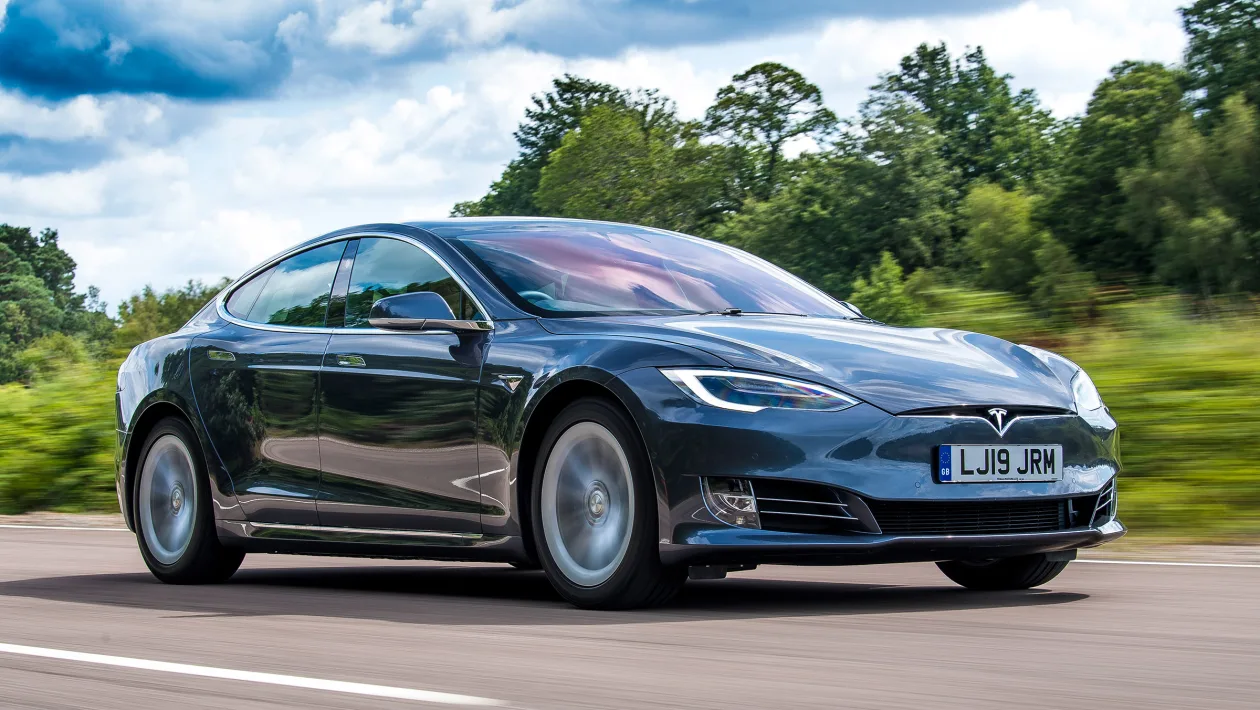
Many EVs are good; a few are transformative. The Tesla Model S Long Range sits in that second category for one reason: it normalizes long-distance electric travel in a way that makes the switch from gasoline feel easy. While different drivers will debate design choices, few argue with the idea that the Model S helped define what modern EV performance and range could look like.
Key performance snapshot: top speed of 162 mph, range of 405 miles, and acceleration of 0–60 mph in 2.3 seconds.
Those numbers carry a practical meaning beyond bragging rights. A 405-mile range rating suggests fewer charging stops and easier route planning. The 2.3-second sprint to 60 mph is, frankly, supercar territory—yet the Model S is still a vehicle you can use for commuting, errands, and family runs.
Practicality that surprises people: One of the underrated strengths of the Model S is how adaptable it can be. It’s commonly viewed as a premium sedan, but with its packaging and interior flexibility, it can be configured to be more family-friendly than many expect—capable of transforming into a seven-seater in certain configurations. That changes the value equation for households that want performance and space without moving to a full-size SUV.
Long-range comfort: High-range EVs are only truly useful if they remain comfortable during long drives. The Model S tends to deliver a refined experience with strong acceleration available at any speed, which makes overtaking effortless. The quiet cabin and smooth power delivery reduce fatigue. When evaluating long-distance EVs, I look for vehicles that stay stable at speed and feel relaxed under load; the Model S generally fits that profile well.
Ownership and maintenance reality: The Model S avoids many traditional service items. Routine costs are typically centered on tires, brake fluid, cabin filters, and occasional suspension checks. Because the Model S can accelerate extremely quickly, tire wear becomes a real cost factor if you frequently use the performance. In expert terms, the car’s “fun” can become a measurable operating expense—so budget accordingly.
Who it fits best: Drivers who want a premium EV that’s legitimately capable of long-distance travel while still offering thrilling acceleration. If you frequently drive intercity routes, commute long distances, or simply want fewer charging stops, the Model S Long Range remains one of the strongest options in the performance-range category.
Expert buying note: When comparing EVs for long trips, don’t focus only on range. Pay attention to charging speed, charging availability, and route planning tools. A car with slightly less range but faster and more reliable charging can sometimes feel “longer-range” in real life.
5. The 2021 Tesla Roadster
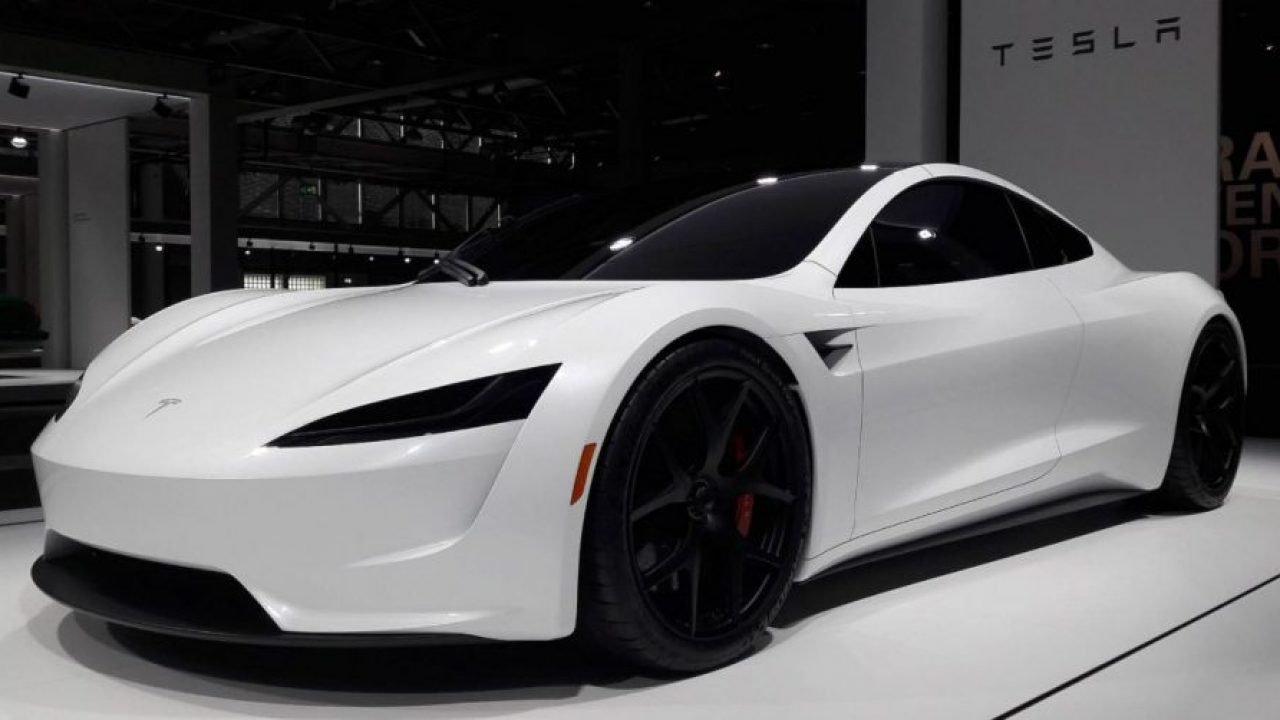
The Tesla Roadster sits in a different category than the other cars on this list. Where the ID.3, Kona Electric, Polestar 2, and Model S are primarily about everyday EV ownership, the Roadster is about stretching the envelope—an EV designed to prove what electric performance can be at the extreme end. It’s a headline-maker, a technology showcase, and a vehicle that captures the imagination even for people who don’t normally care about electric cars.
Key performance snapshot: top speed of 250 mph, range of 620 miles, and acceleration of 0–60 mph in 1.9 seconds.
Even if you treat those numbers cautiously—as an expert I always advise verifying final production specs—this is still a remarkable claim. A 620-mile range figure places it far beyond typical EV expectations, and a 1.9-second 0–60 time is the kind of performance that makes traction, tires, and surface conditions as important as the motor itself. In that range, you’re no longer discussing “quick commuting.” You’re discussing a vehicle that can challenge hypercars in a straight line.
Design and practicality in a performance package: Unlike many exotic sports cars that sacrifice usability, the Roadster is described as a four-seater, which—if executed well—adds a layer of practicality that most supercars simply don’t offer. It also features a removable glass roof, a design detail that adds a sense of openness without the full compromises of a traditional convertible.
Tech and security: Advanced driver assistance features can reduce fatigue during long highway drives, and modern EVs often incorporate new security methods. The Roadster is noted for combining DriverAssist with features such as fingerprint unlock technology (often described as fingerprint-based access). In expert terms, biometric access can be convenient, but it’s only as good as its reliability—so real-world implementation matters more than the concept.
Driving experience: High-performance EVs deliver an unusual sensation compared to gasoline supercars. There’s no build-up of revs, no roaring exhaust crescendo—just instantaneous, relentless thrust. Some drivers love that clean violence of acceleration; others miss the soundtrack. The Roadster’s appeal is for people who want the fastest possible response and the most futuristic version of speed.
Who it fits best: This isn’t a “best first EV” recommendation. It’s best for enthusiasts and collectors who want an electric performance icon and are prepared for the realities of a high-end, high-performance vehicle: expensive tires, specialized service needs, and the possibility of limited availability depending on market and production timelines.
Expert buying note: If you are considering any ultra-performance EV, budget for tires and insurance first, then the car itself. High torque plus high weight is a recipe for accelerated tire wear, especially if you enjoy launches and aggressive corner exits.
Quick Comparison Table: Range, Speed, and Everyday Practicality
Specifications below reflect the figures provided in this guide. Actual results vary based on trim level, battery size, wheel choice, conditions, and testing methods.
| Electric Car | Seats | Range | 0–60 mph | Top Speed | Best For |
|---|---|---|---|---|---|
| Volkswagen ID.3 | 5 | 340 miles | 7.1 sec | 99 mph | Affordable, practical daily EV driving |
| Hyundai Kona Electric | 5 | 256 miles | 6.4 sec | 126 mph | Efficient crossover utility with low running costs |
| Polestar 2 | 5 | 292 miles | 4.1 sec | 127 mph | Performance + premium feel + modern tech balance |
| Tesla Model S Long Range | 5 (up to 7 in some configs) | 405 miles | 2.3 sec | 162 mph | Long-distance travel with supercar-level acceleration |
| Tesla Roadster | 4 | 620 miles | 1.9 sec | 250 mph | Halo-performance EV and technology showcase |
How to Get the Best Range and the Quietest Ride From Any Electric Car
Even the best EV on the market can feel underwhelming if it’s driven and maintained in ways that sabotage its strengths. If your goal is maximum range, minimal noise, and the lowest long-term operating cost, these expert practices make a measurable difference.
1) Drive like an engineer, not like a drag racer
Because EV torque is immediate, it’s easy to accelerate aggressively without realizing how much energy you’re spending. Smooth acceleration and steady cruising preserve range. If you want one simple habit that improves range more than almost anything else, it’s this: keep your highway speed moderate. The difference is dramatic.
2) Precondition the cabin while plugged in
Heating a cold cabin and warming a cold battery consumes energy. Many EVs allow you to preheat or precool the cabin before you drive. Doing this while the car is still plugged into your home charger means you use grid power instead of battery power—preserving range and improving comfort instantly.
3) Tire pressure and alignment matter more than most owners realize
Low tire pressure increases rolling resistance and can reduce range while also increasing noise and tire wear. Poor alignment can silently destroy tires and reduce efficiency. EVs are heavy and torque-rich, so small mechanical issues can become expensive faster than owners expect.
4) Use regenerative braking intelligently
Regeneration recovers energy during deceleration, effectively “recycling” motion back into the battery. In city driving, it can meaningfully improve efficiency. However, aggressive acceleration followed by aggressive regen is still inefficient compared to smooth, anticipatory driving. The best approach is controlled speed, gentle inputs, and fewer unnecessary stop-and-go cycles.
Final Expert Take: Which One Should You Choose?
If you want a simple way to decide, here’s a clear expert framework:
- Choose the Volkswagen ID.3 if you want strong range, daily practicality, and an approachable EV experience that feels familiar.
- Choose the Hyundai Kona Electric if you prefer a crossover shape, excellent efficiency, and a sensible long-term ownership profile.
- Choose the Polestar 2 if you want a premium, performance-leaning EV that balances comfort, traction, and modern tech.
- Choose the Tesla Model S Long Range if you want high range and supercar acceleration with genuine long-trip capability.
- Choose the Tesla Roadster if you want the extreme end of EV performance and range—and you’re comfortable with halo-car ownership realities.
Ultimately, the “best” EV isn’t the one with the biggest number on paper. It’s the one that fits your charging situation, your daily travel pattern, and your comfort expectations. When you match the vehicle to the lifestyle, electric driving becomes not just environmentally responsible—but genuinely enjoyable.

