


Shopping for a used car no longer means spending every weekend driving from one dealership lot to another, hoping the right vehicle is waiting for you in the back row. Today, the search usually begins online. With the right website, you can compare prices, narrow down features, study market trends, check vehicle history details, and even line up financing before you ever set foot near a sales desk.
That convenience has changed the used-car market in a big way. It has made research faster, widened the number of vehicles available to buyers, and reduced how much guesswork goes into a purchase. At the same time, it has created a new challenge: not every used car website is equally helpful, equally transparent, or equally safe. Some platforms are packed with strong search tools and pricing data. Others are little more than digital bulletin boards with almost no buyer protection. A few are excellent for classic cars but weak for everyday commuter vehicles. Others are ideal if you want dealer-backed inventory but less useful if you are trying to find a private-party bargain.
Table of Contents
As someone who has spent years evaluating automotive marketplaces, dealership platforms, pricing tools, and private-sale environments, I can tell you that the best used car website is not automatically the one with the most listings. The best one is the one that gives you the clearest information, the strongest comparison tools, and the least friction between your search and a smart decision. A website can have millions of listings and still leave you vulnerable if the seller quality is poor or the filters are weak. On the other hand, a smaller platform can be extremely valuable if it serves a specific type of buyer well.
That is the lens I am using in this guide. I am not judging these websites only by popularity. I am looking at how useful they are in the real world. That includes inventory size, search quality, pricing transparency, history-report access, financing support, buyer confidence, and the ease of moving from browsing to actual purchase. I am also weighing their downsides honestly, because no platform is perfect and every site asks the buyer to be careful in slightly different ways.
Below, you will find an expert review of ten of the strongest used-car websites available today. I have also reordered the list into a more practical sequence based on overall value to the average shopper, not just name recognition alone. You will still find familiar giants, but you will also see which platforms stand out for classics, which ones shine for research, which ones are best for dealership-style shopping, and which ones can still produce bargains if you know how to use them carefully.
Whether you are looking for a certified pre-owned SUV, a low-cost commuter, a clean one-owner sedan, or a vintage weekend car, the right platform can save you time, money, and frustration. The wrong one can waste all three. Let’s start with what separates a great used-car website from one that only looks good at first glance.
What Makes a Used Car Website Worth Using?
Before getting into the rankings, it helps to define the criteria that actually matter. Buyers often get distracted by flashy homepage design, celebrity marketing, or the simple promise of “millions of cars.” Those things are not meaningless, but they are not enough. A serious used car shopper should judge a platform on usefulness, not noise.
The first factor is inventory quality. A site needs enough listings to give you meaningful options, but sheer quantity is not the whole story. You also want relevant listings, accurate descriptions, good photos, and reasonable geographic coverage. A marketplace with three million listings sounds impressive, but if its search tools are poor, the useful inventory can still feel hidden.
The second factor is search and filtering. A good used-car site should let you narrow results by price, mileage, body style, drivetrain, features, color, location, and vehicle history factors without making the process frustrating. Good filtering saves hours. Weak filtering forces you to manually sort through cars that were never realistic matches in the first place.
The third factor is pricing transparency. One of the most useful things a modern used-car site can do is tell you whether a listing is overpriced, fair, or unusually strong for the market. That is especially helpful for buyers who do not spend every day watching resale values. Market analysis tools, deal ratings, and trend tracking make it much harder to overpay by accident.
The fourth factor is trust. No marketplace can completely eliminate risk, but some do more than others to improve transparency. Free history reports, seller reviews, dealer ratings, detailed service history access, and listing standards all help. Platforms that offer none of those tools place much more responsibility on the buyer to verify everything independently.
The fifth factor is how easy the site makes the next step. Once you find a vehicle, can you compare financing? Can you estimate payment? Can you contact the seller easily? Can you reserve, transfer, or test-drive the vehicle without unnecessary hassle? Some sites are excellent research tools but weak purchase tools. Others do a good job connecting browsing with the actual transaction.
Finally, there is buyer fit. Not all used-car websites serve the same kind of shopper. A classic-car enthusiast should not use the same site in the same way that a parent shopping for a three-row family SUV would. A bargain hunter who prefers buying from private parties has very different needs than someone who wants a no-haggle, dealer-backed experience with financing ready on day one. The best website depends partly on who you are and how you buy.
With that framework in mind, here are the ten used-car websites that stand out the most—and the reasons they earned their place.
10 Best Used Car Websites
1. AutoTrader – Best Overall Used Car Website
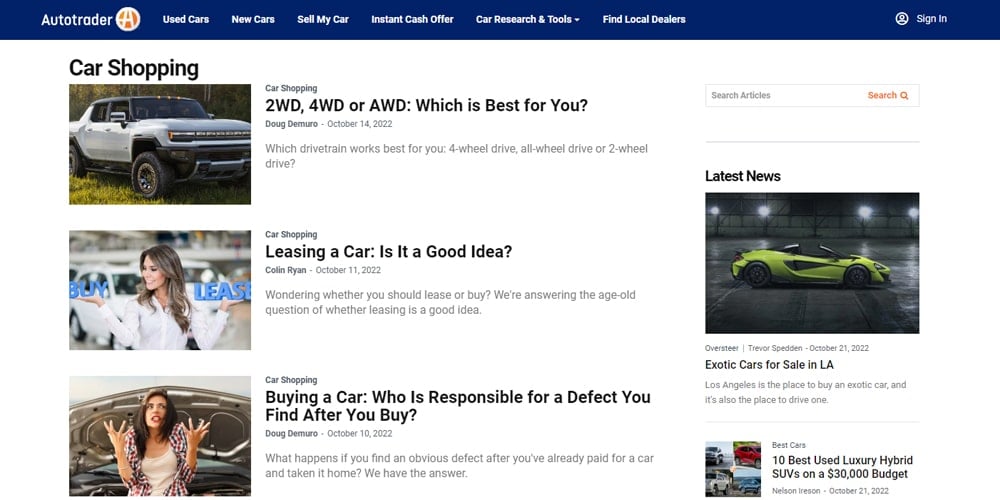
If I had to recommend just one used-car website to the widest number of shoppers, AutoTrader would still sit at the top. It remains the strongest all-around marketplace because it combines huge national inventory with mature search tools, dealership integration, financing links, and enough platform history to feel stable rather than experimental. AutoTrader has been a major force in this space since the late 1990s, and that long runway shows in how polished the site feels compared with many newer competitors.
The biggest strength of AutoTrader is scale. There are millions of listings, which means buyers in most regions can cast a wide net without immediately running out of options. That matters a great deal if you are shopping for something specific—perhaps a certain trim, mileage cap, color, drivetrain, or feature package. The more inventory a site has, the more likely it is that your exact target vehicle appears somewhere within your search radius.
But size alone would not make AutoTrader number one. The real value comes from how usable that size is. The filtering tools are strong, and the search flow is intuitive enough that even casual buyers can move through it without getting overwhelmed. That matters. A used-car search should feel precise, not like wandering through a digital junkyard with a flashlight. AutoTrader usually does a better job than most at helping you get from “I need a used SUV under a certain budget” to “here are the six realistic choices worth comparing.”
Another reason AutoTrader leads is convenience after the search. Buyers can often connect directly to financing options, insurance tools, and trade-in resources without having to rebuild the process from scratch on three other sites. In practice, that saves time and helps turn browsing into action. For shoppers who want a relatively seamless path from research to purchase, this integration is a real advantage.
AutoTrader is also one of the better platforms for comparing dealer inventory without having to visit multiple dealership websites individually. It gives you a broader market view, which is especially useful if you are trying to understand how a certain model is priced across several stores in your area. That broader lens can improve negotiation confidence because you are no longer seeing only the inventory one dealer wants you to see.
Now for the weakness, because AutoTrader does have one. Scale creates opportunity, but it also creates exposure. While the site is legitimate and well established, the seller base is broad, which means quality control is not perfect. Listings are not immune from errors, misleading descriptions, or sellers who are less trustworthy than they should be. Buyers still need to verify vehicle history, inspect the car properly, and confirm details directly. AutoTrader is a powerful marketplace, not a guarantee.
There is also a cost factor in the background. Sellers and dealers pay to participate, and that cost can indirectly influence how vehicles are priced. It is not a deal-breaker, but it is worth understanding. No marketplace operates for free, and those business costs often find their way into the broader transaction environment.
Even with those caveats, AutoTrader remains the best overall used-car site for most people. It does not win because it is flawless. It wins because it offers the best balance of inventory, usability, and shopping support in one place.
2. CarGurus
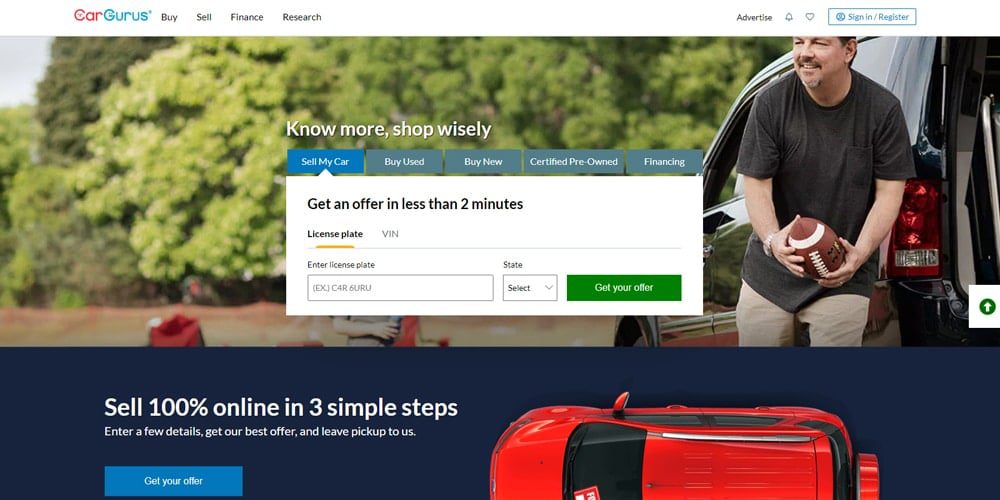
CarGurus earns its place near the top because it is one of the strongest platforms for buyers who care deeply about pricing context. If AutoTrader wins on balance, CarGurus wins on helping shoppers answer the question, “Is this actually a good deal?” In used-car buying, that question matters more than almost anything else.
One of the most useful features on CarGurus is the platform’s deal analysis. It compares asking prices to current market expectations and labels listings accordingly, using ratings that help buyers identify vehicles that are priced well or poorly relative to similar cars. That may sound like a small feature, but for the average shopper, it is incredibly valuable. Used-car pricing can vary wildly, even among nearly identical vehicles. A platform that immediately highlights whether a car is overpriced can save you from wasting time and emotional energy on the wrong listing.
CarGurus also does a very good job with supporting research. In addition to vehicle listings, it offers reviews, model insights, and other decision-making tools that help buyers understand what they are looking at beyond the asking price alone. That is especially useful when you are comparing multiple vehicles in the same class and trying to understand which one represents the strongest overall value rather than simply the lowest number on the page.
Another strength is visibility into listing history. Being able to see how long a car has been listed gives buyers a sense of negotiating leverage. A vehicle that has been sitting for a while may create more room for a conversation on price than one that just hit the market yesterday. That sort of timing insight is something experienced car shoppers pay attention to instinctively. CarGurus surfaces it for everyone.
The site also makes local dealer comparison relatively easy, which is useful if you are trying to avoid paying a premium simply because one dealer in town has optimized its own website better than the others. CarGurus helps flatten that information imbalance.
Still, CarGurus has a weakness similar to many open marketplaces: it is not a fraud-proof environment. Listings must still be judged carefully. Seller screening is not strong enough to remove the need for common sense, third-party inspection, and verification. A listing rated as a “great deal” on paper is not automatically a smart purchase if the vehicle’s condition is poor or the history is questionable.
Another point worth noting is that listing fees and dealer participation costs can influence the pricing environment, just as they can on other marketplaces. That is not unique to CarGurus, but it is part of the ecosystem buyers should understand.
For buyers who want strong pricing intelligence and a more analytical shopping experience, CarGurus is one of the best tools available. It may not be the most elegant site emotionally, but it is one of the most helpful intellectually.
3. AutoList
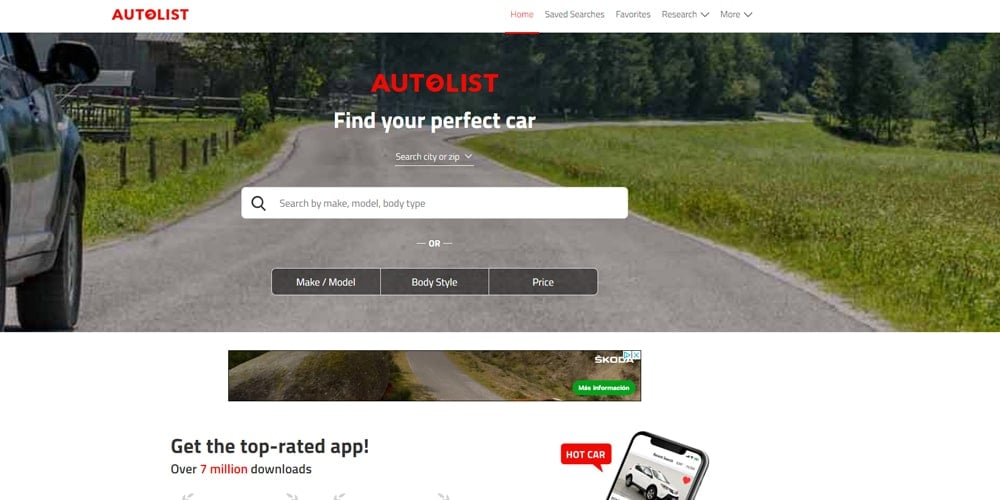
AutoList is a younger player compared with some of the legacy names on this list, but its appeal is very real. The platform’s most distinctive strength is aggregation. Rather than depending only on its own individual listing pool, AutoList gathers used-car listings from across the web and presents them in one place. For buyers, that can make the search feel more efficient because you spend less time bouncing between multiple sites trying to confirm whether you have actually seen the full local market.
That aggregation model is useful in practice because used-car shopping has become fragmented. Dealer sites, national sites, private marketplaces, and brand-specific platforms all compete for your attention. AutoList cuts through some of that by organizing inventory into a cleaner experience. For many buyers, that convenience alone makes it worth using as an early-stage research tool.
The pricing tools are another strong point. AutoList does a good job helping users understand whether a car is priced fairly, and it also lets you monitor price changes. That is especially helpful if you are not in a rush and want to track a specific model or trim over time. Watching pricing movement can help you recognize whether a listing has become more attractive or whether the seller is struggling to move it.
The mobile app is another area where AutoList performs well. For buyers who prefer to shop in short bursts throughout the day rather than sitting down for long desktop sessions, a strong app matters. AutoList has leaned into that reality better than many older platforms, and the popularity of the app reflects that.
The account-based alert system is also practical. Once you dial in your filters, you can let the platform notify you when relevant vehicles appear. That turns the site from a passive directory into an active watch tool. In a competitive market, that can make a difference because good used cars do not always stay available for long.
The downside is that AutoList is much stronger as a search and comparison platform than as a complete end-to-end transaction environment. Financing help is not one of its strongest features, and buyers may need to handle that separately. For some people, that is no problem at all. For others who want financing, trade-in help, and deal structure all in one place, it feels less complete than a site like AutoTrader or a dealer-backed platform.
In expert terms, I would describe AutoList as an excellent market scanner. It helps you see what is out there, how it is priced, and how the inventory is shifting. That alone makes it very useful, especially in the early and middle stages of shopping. It may not be the final platform where every buyer closes a deal, but it is one of the smartest places to begin narrowing the field.
4. CARFAX
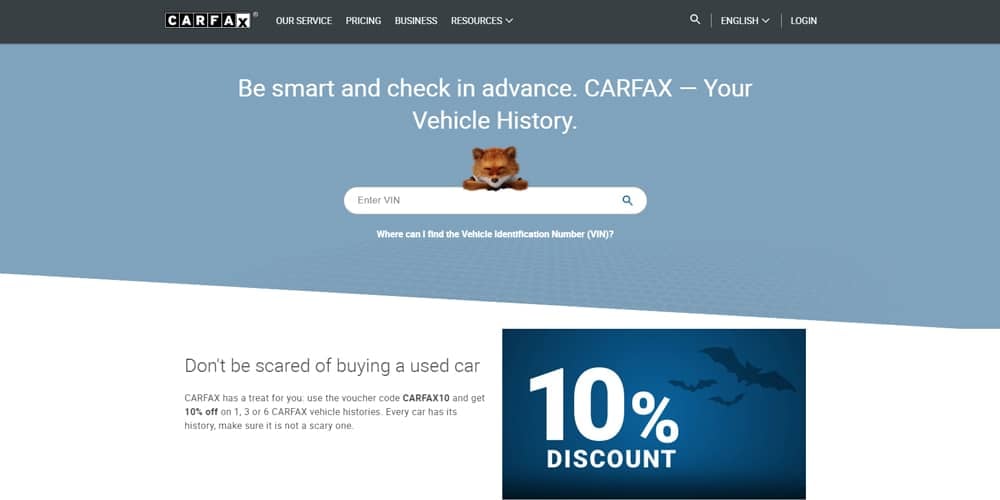
CARFAX entered the used-car marketplace from a position of credibility that few other platforms could match. Long before many buyers thought of it as a place to shop, CARFAX was already known for vehicle history reports. That reputation gives the platform a different feel from many of its competitors. When buyers land on CARFAX, they are not just looking at a listing site. They are entering a research environment built around the question, “What is this car’s story?”
That matters tremendously in used-car shopping. Mileage and price tell part of the story. Ownership history, accident records, service history, title events, and maintenance consistency tell the rest. CARFAX’s biggest strength is that it allows buyers to filter inventory using the kinds of data points that many other sites treat as secondary. You can focus on cars with strong service history, cars with one owner, or vehicles with cleaner records. That alone can save a buyer a great deal of time.
Perhaps the platform’s most obvious advantage is that the vehicle history information is integrated directly into the browsing experience. Instead of finding a car on one site and then paying separately to investigate its background, buyers can see the CARFAX report where it matters most—during the actual shopping process. That reduces friction and encourages better decision-making.
CARFAX is especially helpful for buyers who prioritize transparency over sheer volume. If you are the sort of shopper who would rather review ten well-documented cars than sort through one hundred vague listings, this site fits that mindset well. It may not always have the broadest inventory, but the listings often feel more useful because the supporting data is stronger.
There are still limits, of course. CARFAX reports are only as complete as the data sources feeding them. A clean report is not proof that a car is perfect. Some repairs and incidents never get reported into the system. That means the platform improves transparency, but it does not eliminate the need for a pre-purchase inspection, test drive, and careful judgment.
The other downside is that CARFAX is not always the biggest inventory destination in every local market. Depending on where you live, you may see fewer listings than you would on the largest aggregator sites. That does not make it weak. It simply means that CARFAX is often best used as a quality-focused filter rather than your only shopping destination.
For cautious buyers, first-time used-car shoppers, and anyone who values vehicle history as much as price, CARFAX is one of the most useful platforms in the entire market. It does not just help you find a car. It helps you ask the right questions before you buy it.
5. CarsDirect
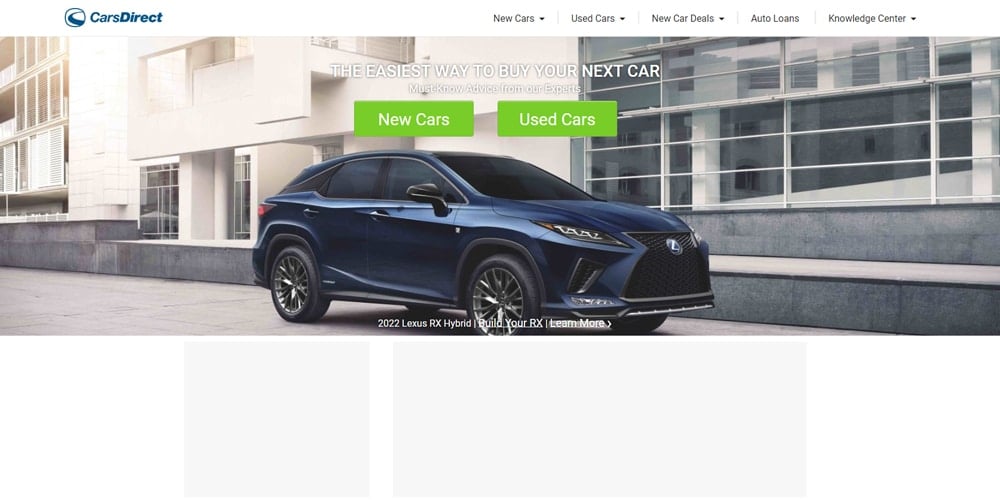
CarsDirect is one of the older names in the online car-buying space, and that experience shows up in the way the site approaches used-car shopping. It does not try to overwhelm the user with noise or flashy design. Instead, it leans into a more practical experience centered on local dealer inventory, clear comparisons, and financing support. For buyers who want a straightforward path through the dealership side of the used-car market, CarsDirect remains a strong option.
One of its biggest advantages is simplicity. Some automotive marketplaces try to be everything at once and end up feeling cluttered. CarsDirect is easier to navigate than many of its peers, and that matters more than people think. A clean interface helps you stay focused on price, mileage, trim, and deal structure instead of getting distracted by unnecessary layers of marketing.
The site is also useful for buyers who need help on the financing side. This is one area where CarsDirect stands out. Buyers with challenged credit, thin credit, or no credit at all often find the financing process at a dealership stressful and sometimes humiliating. By allowing users to start the financing conversation online, CarsDirect gives some buyers a more private and less pressured experience. That alone can make it a more comfortable platform for a certain segment of the market.
CarsDirect also offers buying guides and educational resources that help buyers make sense of what they are seeing. That is helpful for people who know they need a car but are not yet fully confident about which model, price point, or ownership path makes the most sense.
Its main limitation is that it is strongly dealer-centric. You will not find much value here if your goal is to hunt down private-party bargains. That is not necessarily a weakness for every buyer. In fact, some people strongly prefer avoiding private sellers altogether. But it does mean that CarsDirect is not the site for someone who wants the widest possible mix of listings.
Another issue is pricing accuracy at the dealership level. Dealers often run promotions, add incentives, or change advertised pricing based on internal marketing strategy. That means the price on the listing is sometimes a starting point rather than a final truth. A buyer still needs to confirm actual out-the-door details directly with the store.
In summary, CarsDirect is a very good platform for buyers who want dealer inventory, a clean interface, and financing support without a lot of clutter. It may not be the broadest used-car marketplace, but for the right shopper, it offers a refreshingly practical experience.
6. CarMax

CarMax occupies a very specific and important lane in the used-car world. It is not a broad marketplace full of different sellers. It is a unified dealer-backed ecosystem built around its own inventory, its own pricing philosophy, and its own transaction process. That makes it different from AutoTrader, CarGurus, and several others on this list. It also makes it extremely appealing to a certain type of buyer.
The key strength of CarMax is predictability. If you hate haggling, dislike dealership games, or simply want the process to feel more controlled and less adversarial, CarMax is one of the strongest options available. The no-haggle pricing model means the price is generally the price. That will frustrate buyers who enjoy negotiation or who believe they can push every seller lower. But for many people, especially those who value time and simplicity, the tradeoff is worth it.
CarMax also does a strong job on the finance side. Buyers can estimate payments, review financing options, and move much of the decision-making online before stepping into a store. That makes the process feel less pressured and more transparent than the traditional finance-office experience many people dread.
The company’s test-drive options are also a major plus. A 24-hour test drive gives buyers time to experience the vehicle in a more realistic way. That is more meaningful than a rushed ten-minute loop around the block with a salesperson talking through every turn. A real test drive should tell you how a vehicle feels in your driveway, on your commute, and in the kind of traffic you actually deal with.
Inventory is solid, but it is still limited to what CarMax itself owns or controls. That means you are not seeing the broader market in the same way you would on a marketplace site. If your priority is comparison shopping across every possible local seller, CarMax will feel narrow. If your priority is a cleaner, dealer-managed experience, that narrowness becomes a feature rather than a flaw.
The biggest downside is price flexibility—or the lack of it. CarMax is not a place for bargain hunters who want to negotiate aggressively. The pricing may be fair relative to the convenience offered, but it is rarely the most negotiable environment. Buyers need to decide whether the smoother process is worth accepting a firmer number.
For people who value ease, structure, financing convenience, and dealer-backed consistency, CarMax remains one of the best used-car websites available. It does not aim to be everything. It aims to reduce friction, and in that mission, it succeeds.
7. Kelley Blue Book (KBB)
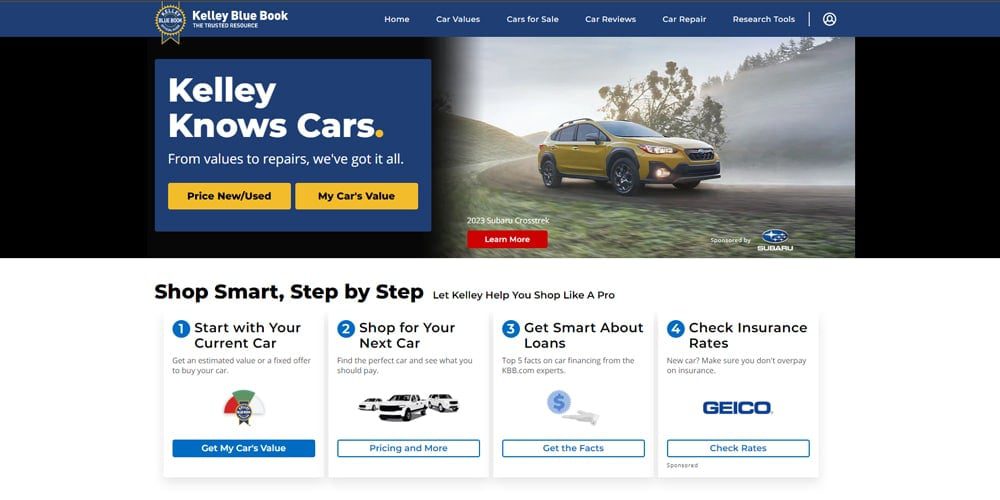
Kelley Blue Book has long been one of the most trusted names in used-car values, so it makes sense that it has become part of the used-car shopping conversation as well. KBB’s biggest strength is not that it has the largest inventory. It is that buyers already trust it as a pricing authority. That trust changes the way shoppers use the platform.
When you browse used vehicles through KBB, you are doing so in an environment built around valuation context. That matters because price is often the part of the purchase buyers fear getting wrong. KBB helps reduce that uncertainty by grounding the shopping process in a familiar benchmark. That does not make every listing automatically fair, but it gives buyers a much better starting point for judgment than a site that provides no market-value guidance at all.
Another benefit of KBB is the supporting tools around the search. Payment calculators, trade-in estimates, expert reviews, rankings, and ownership guidance all help buyers move from raw browsing to more informed decision-making. This is especially useful for shoppers who are not fully locked into one specific model yet. If you are still deciding between a few vehicle categories or wondering which used cars represent the strongest value in a given budget range, KBB can be very helpful.
The platform also benefits from the broader credibility of the KBB brand. That reputation does not remove the need for caution, but it does make the shopping environment feel more research-oriented and less chaotic than some of the more open marketplaces.
The main drawback is volume. In some markets, KBB simply does not show as many used cars as the largest listing sites. That can make it feel limited if you are hunting for something highly specific or if you live in an area with relatively sparse inventory to begin with. For this reason, KBB is often strongest as a supporting platform rather than the only website you use.
In my view, KBB works best for buyers who want to anchor their shopping in strong pricing information and expert guidance. It may not always be the first place you close a deal, but it is often one of the best places to validate whether the deal you are considering makes financial sense.
8. Hemmings – Best for Classic Cars
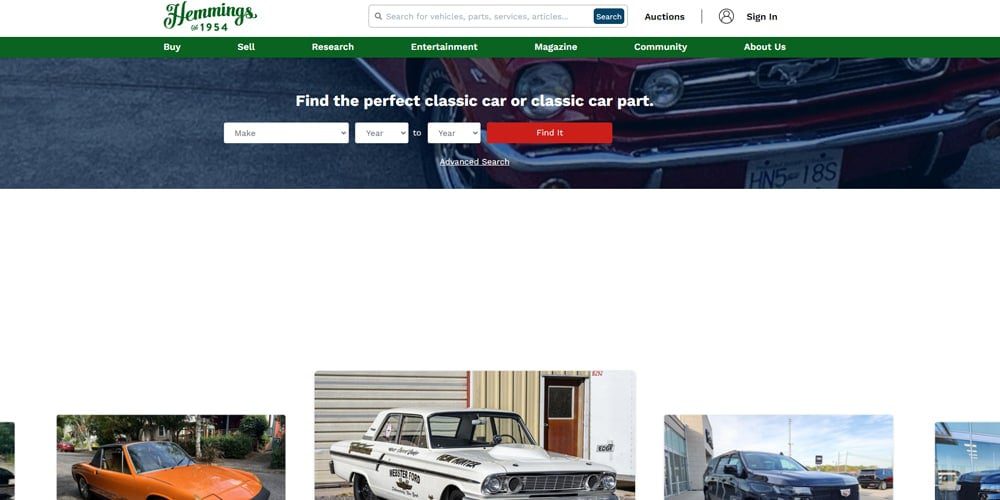
Hemmings is not trying to be the best website for a late-model commuter crossover, and that is exactly why it deserves respect. It understands its audience clearly. For buyers and enthusiasts interested in classic vehicles, collectible cars, vintage trucks, and older specialty models, Hemmings remains one of the strongest names in the market.
The site’s appeal goes beyond listings alone. Hemmings has deep roots in the collector-car world, and that gives it a culture that feels meaningfully different from general-used-car marketplaces. The platform attracts people who care about originality, restoration, parts sourcing, period-correct details, and enthusiast ownership history. That makes the browsing experience more focused and, in many cases, more informed.
Inventory on Hemmings tends to span vehicles from the 1930s through the 1980s and beyond, though the exact mix changes over time. It is also one of the few places where parts availability sits naturally beside vehicle shopping. For classic car buyers, that matters. The car itself is only part of the ownership journey. Parts support, enthusiast information, and community context can be just as important.
Another strength is the editorial side of the platform. Hemmings is not just a listing site. It is also a place where collectors and enthusiasts spend time reading, learning, and staying connected to the hobby. That ecosystem gives the site more depth than a simple sales board. It feels like part marketplace, part enthusiast hub.
The downside is that Hemmings is specialized by design. If you are not shopping for classics, much of its value disappears. It also generally works best if you are willing to create an account and engage more deeply with the platform. Some users do not love that added step, though the benefits for classic buyers usually outweigh the inconvenience.
It is also worth acknowledging that classic-car buying requires more expertise than normal used-car shopping. Hemmings can connect you with fascinating vehicles, but it cannot replace the need for very careful inspection, authenticity verification, and realistic restoration planning. The stakes are different in this category, and the buyer’s homework must be deeper too.
For everyday transportation, Hemmings would not rank nearly this high. For classic cars, however, it is one of the best places to begin, and in many cases, one of the best places to stay.
9. eBay Motors
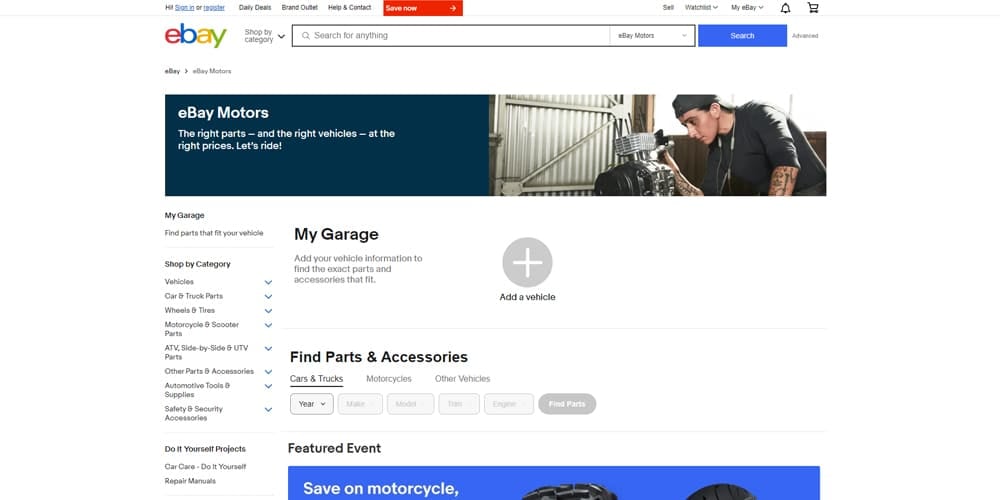
eBay Motors remains one of the more unusual but still relevant used-car platforms because it combines search-based listings with the energy of an auction environment. For buyers who are disciplined, patient, and willing to watch the market closely, that can create opportunities. For buyers who are impulsive or inexperienced, it can also create risk.
One of the platform’s strongest features is its search flexibility. You can filter by make, model, year, location, condition, and a wide range of other details. That makes it useful both for ordinary used-car searches and for more niche vehicle hunting. It is especially interesting when you are looking outside your immediate local market, because the platform naturally attracts sellers from a broader geographic spread.
eBay Motors also benefits from seller ratings and transaction history, which provide at least some accountability. No rating system is perfect, but it is still better than dealing with a totally anonymous listing environment. Buyers can use those ratings as one piece of the trust puzzle while still verifying the car carefully.
The market price analysis feature is another plus. Being able to compare a listing to other completed sales helps keep emotion in check. That is particularly important on a platform built partly around bidding, because auctions can easily pull buyers into competition rather than logic.
And that leads directly to the downside. eBay Motors can encourage overbidding. A vehicle that looked like a bargain when you first found it can become overpriced quickly once multiple bidders get emotionally involved. There is also the practical issue of distance. It is easy to fall in love with a car that is not anywhere near you, which introduces shipping, travel, inspection logistics, and additional risk.
Scams are also still possible, just as they are on many large marketplaces. Ratings help, but they do not eliminate the need for caution. A buyer should never assume that platform structure alone is enough protection when large amounts of money are involved.
In expert terms, eBay Motors is best for buyers who know how to stay disciplined. It can be excellent for finding unusual inventory, but it rewards patience and punishes impulsiveness. Used correctly, it is a valuable tool. Used recklessly, it can become an expensive lesson.
10. Craigslist
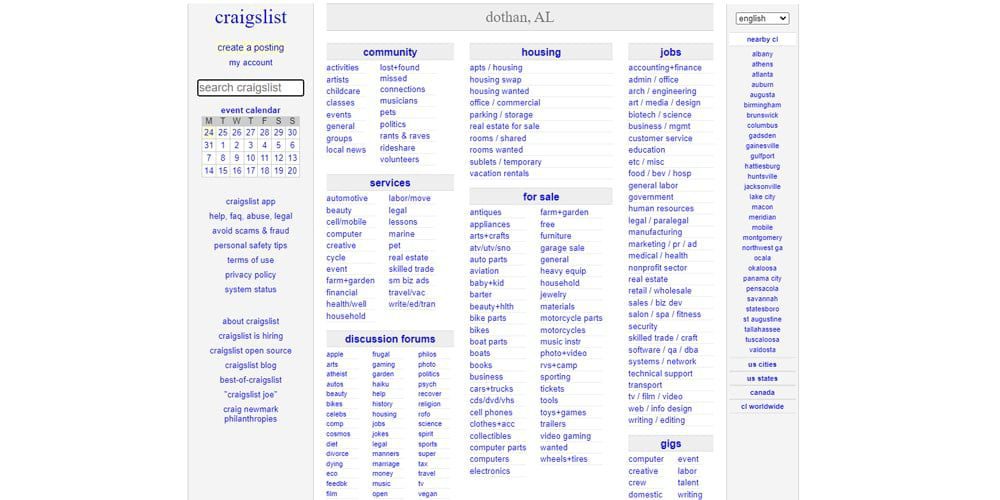
Craigslist stays on this list not because it is the most polished or the safest, but because it still does something extremely important: it gives budget-minded local buyers access to private-party inventory that larger dealer-heavy platforms often miss. If your main goal is finding a low-cost used car in your area, Craigslist can still be worth checking. The platform has been overtaken in glamour by newer apps and marketplaces, but its usefulness has not disappeared completely.
The strongest thing about Craigslist is locality. It remains a practical place to find vehicles being sold directly by owners nearby. That matters because private-party sales often carry lower asking prices than dealer inventory, especially at the bottom end of the market. If you are trying to buy basic transportation rather than showroom polish, that matters a great deal.
It also remains free and relatively open, which means unusual deals do still appear there. Some buyers dismiss Craigslist because the site looks old-fashioned, but presentation is not everything. Good cars still get sold through simple listings every day. For the patient bargain hunter, that matters more than aesthetics.
However, the weaknesses are serious. Craigslist offers very little built-in buyer protection. Listing quality varies wildly. Photos may be poor. Descriptions may be vague. Some sellers provide almost no useful details at all. Fraud attempts, fake listings, and questionable sellers are common enough that extreme caution is necessary.
That means Craigslist is not a beginner-friendly platform. It can reward experienced buyers who know how to verify VINs, inspect vehicles, recognize scams, and insist on meeting safely. It can be a terrible environment for buyers who assume every local listing is honest because it looks casual or inexpensive.
Email alerts and local filtering do help make the search manageable, and for highly price-sensitive shoppers, that can be enough reason to keep Craigslist in rotation. But it should never be used casually. It is a tool for the cautious, not the careless.
If you use Craigslist, treat every listing as an opening lead—not as trustworthy proof of value or legitimacy. In that mindset, it can still be useful. Without that mindset, it is the riskiest platform on this list.
What Used Car Website Is Best for You?
The “best” used car website depends heavily on what kind of shopper you are. There is no universal answer that fits every buyer equally well, which is why the smartest approach is to match the platform to the type of purchase you are trying to make.
If you want the best all-around marketplace with strong inventory and search tools, AutoTrader remains the safest first stop. It is broad, mature, and efficient for most mainstream used-car shopping.
If you care most about price analysis and identifying whether a listing is genuinely a strong deal, CarGurus deserves your attention. Its market context tools help buyers avoid overpaying.
If you want to see listings gathered from across multiple sources in one place, AutoList is excellent as a search accelerator. It is particularly good for buyers who like alerts and app-based shopping.
If your buying style is dealer-focused and you want financing help early, CarsDirect is a strong fit. It simplifies the local dealership research process and supports buyers who need funding options upfront.
If history transparency matters most, CARFAX is hard to ignore. It is especially useful for buyers who want to prioritize service history, ownership quality, and cleaner vehicle backgrounds.
If you want a structured, no-haggle, dealer-backed experience with online finance support, CarMax is often the easiest path. It is not the cheapest route, but it is one of the least chaotic.
If you are shopping for something older, collectible, or enthusiast-driven, Hemmings is in a class of its own. For classic-car buyers, it belongs near the top of the shortlist immediately.
If you want strong valuation tools and broad used-car education, KBB works beautifully as a research companion and price benchmark site.
If you enjoy watching auctions, casting a wider geographic net, or searching for unusual vehicles, eBay Motors can be rewarding—provided you stay disciplined.
If you are on a tight budget and willing to take on more screening work yourself, Craigslist may still uncover local private-party deals that other sites miss. But it demands the most caution.
In practice, the best buyers often use more than one site. They start broad, narrow by price and features, validate history and market value, and then compare the transaction environment before making a move. That layered approach is smarter than relying on any single platform as absolute truth.
Expert Advice Before You Buy a Used Car Online
No matter which website you use, there are a few habits that separate smart online used-car buyers from people who end up regretting the transaction. First, never confuse a good listing with a good car. A well-written ad, clean photos, and a competitive price can still hide a poor mechanical reality. Always verify the vehicle independently.
Second, get the VIN early and use it. Run a history report, check for title concerns, and compare what the seller says against what the data shows. Third, arrange a professional pre-purchase inspection whenever possible. Even on dealer inventory, this can be worth the small cost. On private-party cars, it is often the difference between a good buy and an expensive mistake.
Fourth, do not let financing distract you from vehicle quality. A smooth monthly payment calculator does not make a bad car good. Always judge the car first, the payment structure second. Fifth, pay attention to total deal cost rather than listing price alone. Dealer fees, transport costs, taxes, documentation charges, and warranty add-ons can change the picture quickly.
And finally, be patient. Good used-car buying is often less about speed and more about discipline. The internet creates the illusion that every listing is urgent. In reality, the strongest buyers are the ones who stay calm, compare carefully, and walk away from anything that feels rushed, vague, or inconsistent.
A good platform helps you shop better. It does not replace judgment. That part still belongs to you.
Final Thoughts
The best used car websites do more than show you inventory. They reduce confusion, improve pricing awareness, and help you avoid expensive mistakes. That is why the strongest platforms are not always the loudest ones. They are the ones that combine strong listings with useful context, smart filters, and enough transparency to support a well-informed decision.
For most buyers, AutoTrader remains the best all-around starting point because it balances scale, usability, and practical shopping tools better than almost anyone else. CarGurus is excellent for pricing logic. AutoList is strong for aggregation. CARFAX stands out for history-minded shopping. CarsDirect and CarMax each serve dealership-focused buyers well in different ways. KBB adds trusted valuation context. Hemmings dominates the classic niche. eBay Motors and Craigslist still matter for deal hunters who know how to manage risk.
The smartest move is not picking one site blindly and hoping the perfect vehicle appears. It is understanding what each platform does best and using that strength to your advantage. Compare broadly, verify carefully, and buy only when the vehicle, the numbers, and the seller all make sense together.
Do that well, and the internet becomes one of the most powerful car-shopping tools ever created. Do it carelessly, and it becomes a very efficient way to make a costly mistake. The difference is not the website alone. It is how you use it.