
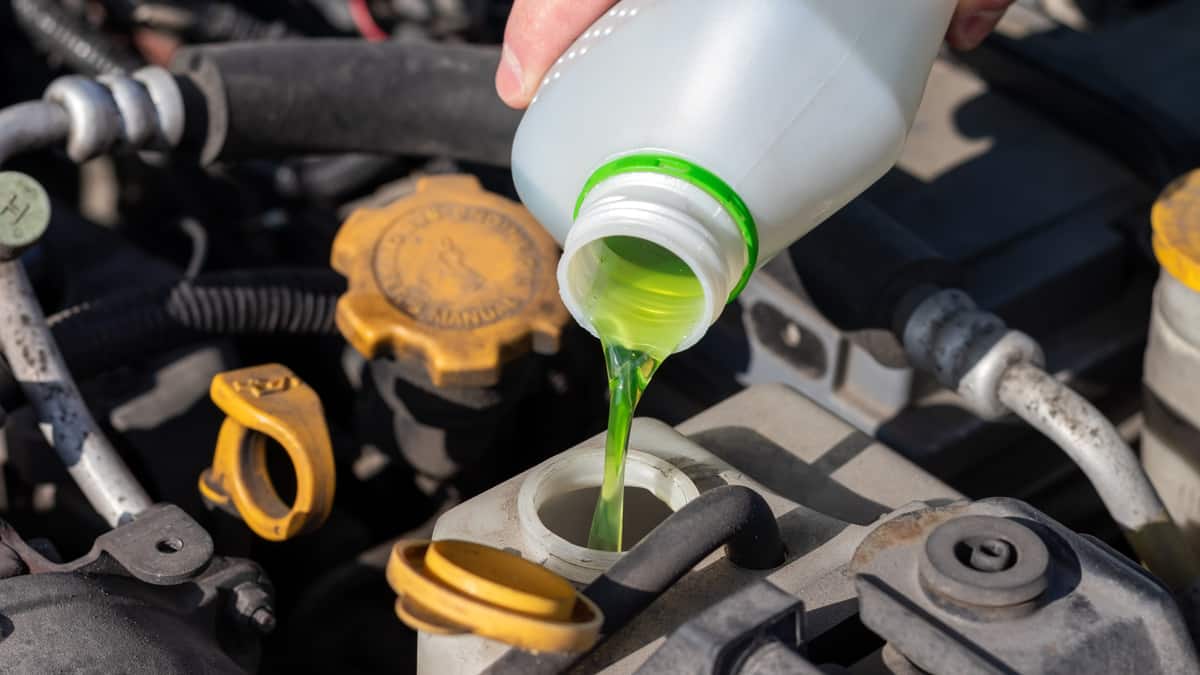

Although they are not the same thing, the words coolant and antifreeze are often used interchangeably in garages, parts stores, and driveway conversations as if they mean the exact same fluid. In everyday conversation, that semantic crossover is entirely understandable—both terms ultimately relate to the brightly colored liquid that helps keep your internal combustion engine operating at a safe, stable temperature. But from a technical, chemical, and automotive engineering standpoint, there is a fundamental and highly important difference: antifreeze is a concentrated base ingredient, while coolant is the finished, diluted mixture that actually circulates through the engine block, heater core, and radiator.
To truly understand the lifeblood of your vehicle’s thermal management system, we have to look under the hood of both the car and the chemistry involved. In the vast majority of “water-cooled” automobiles on the road today—which includes everything from your daily commuter sedan to heavy-duty trucks and high-performance sports cars—the liquid rushing inside the pressurized cooling system is a carefully balanced blend. This blend consists of purified water and a chemical antifreeze concentrate made primarily from either ethylene glycol or propylene glycol. When that syrupy antifreeze concentrate is mixed with water in the correct, scientifically formulated ratio, it undergoes a transformation. It becomes coolant—the active, working fluid that relentlessly absorbs explosive heat from the engine cylinders, transfers that thermal energy to the radiator to be dissipated by incoming air, and vigorously protects the entire metallic system from freezing solid, boiling over, and succumbing to the ravages of internal corrosion.
Understanding the intricate differences between these fluids isn’t just automotive trivia for gearheads; it is a critical aspect of vehicle ownership and preventative maintenance. Knowing what goes into your radiator helps you choose the exact right product from the dizzying array of jugs at the auto parts store. It empowers you to avoid the catastrophic mistake of mixing chemically incompatible formulas, and most importantly, it protects your engine from two of the most devastating and prohibitively expensive failures a modern vehicle can suffer: severe overheating and catastrophic freeze damage. Furthermore, mastering this terminology helps you interpret product labels with an expert’s eye, because many retailers sell both “full-strength” antifreeze concentrate and “pre-mixed” (ready-to-use) coolant. Confusing the two, and subsequently pouring the wrong concentration into your engine, can lead to a severely compromised thermal mixture inside the system, putting your entire engine at immense risk.
Below is a comprehensive, clear, expert-level breakdown of exactly how these thermal management fluids work, the underlying thermodynamics of why the mixing ratio matters so deeply, what antifreeze actually adds to the equation beyond simple freeze protection, and the strict safety precautions you should always, without exception, follow when checking, diagnosing, or topping off your vehicle’s cooling system. By the end of this guide, you will possess a master mechanic’s understanding of automotive cooling dynamics.
Coolant vs. Antifreeze: The Practical Difference Defined
To set the record straight: Antifreeze is typically the concentrated chemical base product. In the automotive industry, this base is most commonly ethylene glycol (a highly effective, albeit toxic, alcohol derivative) or propylene glycol (a less toxic, environmentally friendlier alternative), combined with a highly specialized proprietary additive package. Coolant, on the other hand, is the final, ready-to-work liquid you get after mixing that harsh concentrate with water—unless, of course, you purchase a bottle that is already pre-mixed by the manufacturer. Coolant is the actual, tangible liquid you will find circulating in the veins of virtually all water-cooled cars, trucks, SUVs, and even modern, complex hybrid and electric vehicle battery cooling systems.
If you were to open the radiator drain petcock of almost any vehicle on the road today, the fluid that pours out would be a coolant mixture that is meticulously calibrated to be close to 50% antifreeze concentrate and 50% water. This specific ratio is no accident. In extremely cold, sub-arctic climates where temperatures routinely plunge to bone-chilling depths, the mixture may be adjusted by a professional to contain a slightly higher percentage of antifreeze—sometimes reaching up to around 60% or a maximum of 70%—but the universal default “industry standard” remains 50/50 for a highly calculated reason. It provides the absolute most effective, synergistic balance of extreme freeze protection, robust boil-over protection, maximum thermal heat transfer performance, and unwavering internal corrosion inhibition.
In other words, modern engine coolant is an incredible feat of chemical engineering designed to do multiple vital jobs simultaneously in a highly hostile environment:
- Carry massive amounts of heat away from the internal combustion chambers of the engine block and rapidly transfer it to the radiator fins.
- Fiercely resist freezing in sub-zero winter temperatures, preventing the fluid from expanding and shattering metal.
- Stubbornly resist boiling at the incredibly high operating temperatures found inside a working engine (especially when placed under intense systemic pressure).
- Prevent galvanic and chemical corrosion inside the delicate aluminum radiator, the mechanical water pump, the interior heater core, and the microscopic internal engine water jackets and passages.
- Continuously lubricate moving components, most notably the mechanical seals within the water pump, acting as a buffer to reduce friction, wear, and eventual leaks over thousands of hours of operation.
To truly appreciate why the correct fluid mix matters so profoundly, it is immensely helpful to understand the underlying physical limitations of both water and raw antifreeze when they are forced to operate independently of one another.
The Chemistry of the Golden Ratio: Why a 50/50 Mix Is So Common
For decades, automotive engineers have determined that engine coolant normally operates at peak efficiency when utilizing a 50/50 mix of antifreeze concentrate and high-quality (preferably distilled or deionized) water. This carefully formulated mixture prevents freezing in brutal winter temperatures (commonly referenced as protecting the engine down to around 34 degrees Fahrenheit below zero, or -37 degrees Celsius, depending on the exact formulation) and provides magnificent protection against boiling for engines that regularly operate well above 200°F.
Here is the fascinating thermodynamic logic behind that delicate 50/50 balance:
Water alone is a spectacularly poor long-term coolant. From a pure physics standpoint, water actually has an incredible, unmatched specific heat capacity—meaning it is highly efficient at absorbing and transferring thermal energy. However, its phase-change limitations make it a massive liability. Pure water boils at just 212°F (100°C) at standard atmospheric pressure, and it freezes at exactly 32°F (0°C). Furthermore, water is a highly reactive solvent; it aggressively promotes oxidation and corrosion in bare metal components over time—especially when it is inevitably mixed with oxygen and the natural, heavy minerals (like calcium and magnesium) found in ordinary household tap water. Since internal combustion engines routinely exceed 200°F during normal operation, water by itself can rapidly boil. When water boils inside an engine block, it forms insulating steam pockets. Steam cannot absorb heat like liquid water can, resulting in instantaneous hotspots that lead to violent engine overheating. On the other, equally terrifying end of the temperature scale, freezing water expands by roughly 9% in volume. That unstoppable physical expansion can effortlessly crack solid iron or deform delicate aluminum engine components.
Conversely, pure antifreeze concentrate alone is also terrible for your engine. Many well-meaning but misinformed drivers mistakenly assume that if a little antifreeze is good, then 100% pure antifreeze must offer the ultimate, invincible level of freeze and boil protection. The reality of fluid dynamics is far more complicated. Coolant performance relies entirely on the synergistic mixture of the two liquids: antifreeze absolutely needs water to create the desired chemical reaction known as “freezing point depression” and “boiling point elevation.” Pure, undiluted ethylene glycol concentrate does not magically improve extreme weather protection in a linear, upward way. In fact, 100% pure antifreeze will actually freeze at roughly 0°F (-18°C)—which is significantly warmer than the -34°F freezing point of a 50/50 mix! Additionally, pure antifreeze is incredibly thick and viscous; it flows poorly through a radiator and has a vastly inferior heat transfer capacity compared to water. Running 100% antifreeze will cause an engine to run dangerously hot because the fluid simply cannot pull the heat out of the metal fast enough.
Dont miss:Top 60 Funny Car Stickers You’ve Never Seen Before
As noted in the fundamental science of cooling: antifreeze has a remarkably unique molecular behavior, but only when it interacts with water. When properly mixed 50/50 with water, the resulting solution achieves incredibly reliable freeze protection and a much higher boiling point. That is exactly why the 50/50 ratio remains an uncompromising standard recommendation for the vast majority of drivers, vehicles, and climates worldwide.
Another critical, often-overlooked point in thermal management: Modern automotive cooling systems are highly pressurized. The radiator cap is not just a lid; it is a calibrated pressure-relief valve. By holding the cooling system under pressure (typically between 12 to 16 PSI), the physical boiling point of the 50/50 coolant mixture is artificially raised even further—often reaching up to 265°F (129°C) or more before it will boil. That is one of the primary reasons why opening a radiator cap while the engine is hot is incredibly dangerous—a topic we will cover extensively in the safety section below.
Catastrophic Metallurgy: What Happens If Coolant Freezes or Boils?
Freeze and boil events within an engine block are not just “inconvenient” roadside breakdowns that require a quick tow. They are violent, physically destructive events that are potentially catastrophic for the lifecycle of an engine, often leading to repairs that cost thousands of dollars.
If coolant freezes inside the engine: As mentioned earlier, liquid water expands significantly when it transitions into solid ice. When this happens inside the confined, unyielding spaces of an engine block, that volumetric expansion exerts thousands of pounds of pressure per square inch. That immense pressure can effortlessly deform precision-machined metal parts. Engine designers do install “freeze plugs” (technically called core or expansion plugs) in the side of engine blocks, which are meant to pop out and relieve pressure if freezing occurs. However, these plugs are rarely enough to save the engine in a deep freeze. The expanding ice will easily crack the radiator core, split heavy-duty plastic end tanks, shatter the delicate heater core under your dashboard, and, in the absolute worst-case scenario, crack the cast-iron or aluminum engine block itself. A cracked block is arguably one of the most expensive mechanical failures you can face, because it almost universally requires a complete engine replacement or incredibly extensive, highly specialized machine shop welding to rectify.
If coolant boils inside the engine: When coolant surpasses its boiling point, it rapidly transitions from a liquid state into a gaseous state, creating localized steam bubbles inside the engine’s water jackets. This is a phenomenon engineers call “nucleate boiling,” which quickly degrades into “film boiling.” Because steam acts as a thermal insulator and does not carry heat away like liquid coolant does, these steam pockets cause immediate, severe localized overheating in the metal. This extreme, uneven heat can warp perfectly flat aluminum cylinder heads. When a cylinder head warps even a few thousandths of an inch, it destroys the crucial seal of the head gasket. A blown head gasket allows coolant to flood into the combustion cylinders (producing thick, sweet-smelling white exhaust smoke) or mix directly with the engine oil (creating a highly destructive, milky, chocolate-milk-like sludge that ruins internal bearings). Over time, even minor, repeated overheating events will violently degrade rubber seals, destroy plastic coolant fittings, and drastically shorten the operational life of the engine.
So, while coolant may seem to the untrained eye like “just another fluid” to top off occasionally, it is actually one of the most vital, highly engineered protective defense systems in your entire vehicle. Maintaining the correct fluid type, the correct mixture ratio, and ensuring the system is free of air pockets is absolutely essential to vehicle longevity.
The Thermal Journey: How Coolant Moves Through the Vehicle
To appreciate how coolant protects your engine, you must understand its journey. Coolant can primarily be found resting in the radiator and the plastic expansion reservoir when the engine is cold and not running. The moment the engine is started, the mechanical (or sometimes electric) water pump springs to life, acting as the beating heart of the system.
When the engine is running, the water pump’s impeller blades violently churn the coolant, forcing it to circulate through the engine block’s labyrinth of internal passageways—known as water jackets. As the cool liquid rushes past the outside of the screaming-hot combustion cylinders, it absorbs massive amounts of thermal energy. It then travels up into the cylinder head, gathering even more heat from the exhaust valve areas. Eventually, the super-heated fluid reaches the thermostat. If the fluid is hot enough, the thermostat valve opens, allowing the coolant to return to the radiator through the upper radiator hose. Inside the radiator, the fluid travels down through dozens of tiny, finned aluminum tubes. Outside air—rammed through the front grille by the vehicle’s forward motion, or pulled through by powerful cooling fans—washes over these fins, rapidly extracting the heat from the liquid and casting it out into the atmosphere. The newly chilled coolant collects at the bottom of the radiator and is sucked back into the engine by the water pump to repeat the cycle endlessly.
This continuous, relentless loop is what keeps the internal combustion engine operating at a highly stable temperature, usually hovering around 200°F. The thermostat acts as the intelligent gatekeeper, actively controlling when and how much coolant flows through the radiator based on the precise temperature needs of the engine, while the automated cooling fans assist heavily at low speeds or when idling in traffic where natural airflow through the radiator is non-existent.
Furthermore, this exact same thermal system is responsible for keeping you warm in the winter. When a car’s climate control heater is engaged, a diverter valve opens, and a portion of the hot, engine-warmed coolant is routed through a smaller, secondary circuit into the heater core. The heater core is essentially a miniature radiator buried deep under the dashboard inside the cabin. As the scalding hot coolant passes through its tiny tubes, it rapidly warms the heater core fins. The HVAC blower motor then engages, pushing ambient air aggressively across these hot fins to deliver toasty, heated air through the vents and into the passenger cabin.
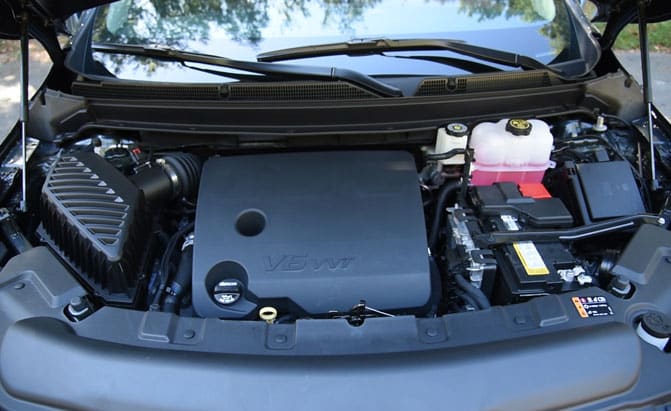
Expert diagnostic note: This interconnected relationship is precisely why a failing cooling system can sometimes manifest its first symptoms as a “no heat” complaint in the dead of winter. If the coolant level drops too low due to a hidden leak, or if internal circulation is severely compromised by a failing water pump impeller or a blocked line, the elevated heater core may literally run dry. It will not receive enough hot liquid coolant to warm the cabin air—even if the engine temperature gauge on the dashboard still looks deceptively normal at first glance. A sudden loss of cabin heat is a massive red flag that your engine is on the verge of a catastrophic overheating event.
The Chemistry of Defense: How Is Antifreeze Different?
As we have established, antifreeze provides the extreme temperature protection that water severely lacks. But its chemical duties go far beyond managing freezing and boiling points. Antifreeze completely differs from simple conventional cooling fluids in that it contains a highly complex, carefully engineered package of chemical corrosion inhibitors designed specifically to stop rust, scale, cavitation, and internal degradation dead in their tracks. This additive package acts as a microscopic shield, constantly coating and protecting the inner walls of the aluminum radiator, the cast iron block, the steel water pump impeller, the copper/brass heater core, the aluminum thermostat housing, and all other dissimilar metals from destructive galvanic corrosion and mineral deposit buildup.
In the automotive past, it was a universally accepted standard maintenance procedure to actively flush the cooling system frequently—often every 2 years or 30,000 miles—to replace the spent, depleted coolant. However, the automotive landscape has changed dramatically. Many modern, highly advanced vehicles can now travel upward of 100,000 to even 150,000 miles without requiring a major system flush, and some fluids are marketed as “lifetime” or “extended-life” coolant. But it is crucial to understand that this does not mean the fluid is actually invincible or lasts literally forever. Rather, it means that modern, advanced coolant chemistry, paired with modern, highly sealed system designs that keep destructive oxygen out, allows for much longer service intervals—provided that the exact correct fluid is used, and the system remains entirely leak-free and uncontaminated.
For use in particular cars from specific global regions (such as Asian, European, or Domestic manufacturers), raw antifreeze concentrate is formulated and sold in a wide variety of chemical compositions. To help mechanics and owners visually distinguish them, manufacturers dye these fluids in an array of bright, neon colors, including traditional neon green, bright orange, deep pink, vivid red, dark blue, and even violet. The three broad, fundamental chemistry types that govern the automotive world are often referenced as:
- Inorganic Acid Technology (IAT): This is the classic “old school” bright green coolant used in most vehicles built before the late 1990s. It uses inorganic salts like silicates and phosphates to build a fast-acting, thick protective layer over metal parts. The downside? These inhibitors deplete very quickly, requiring the system to be flushed every 30,000 miles or two years to prevent rust from ravaging the block.
- Organic Acid Technology (OAT): Designed for modern vehicles, OAT coolants (often orange, pink, or red, such as GM’s infamous Dex-Cool) contain absolutely no silicates or phosphates. Instead, they use organic neutralized acids (carboxylates) that only chemically bond to the metal at the exact microscopic sites where corrosion begins to form. Because they don’t blanket the entire system, the inhibitors deplete incredibly slowly, allowing OAT coolants to last for 5 years or up to 150,000 miles.
- Hybrid Organic Acid Technology (HOAT): As the name implies, this is a highly effective blend approach. HOAT coolants (often yellow, gold, or turquoise) utilize the long-lasting organic acids of OAT, but sprinkle in a small, targeted dose of the fast-acting inorganic silicates (or sometimes nitrites) found in IAT. This provides the best of both worlds: immediate protection for delicate aluminum components combined with an exceptionally long service life. Variations like Phosphated-HOAT (P-HOAT) are heavily favored by Asian automakers like Toyota and Honda, while Silicated-HOAT (Si-OAT) is popular among European brands like VW and Audi.
Because these chemical architectures operate so fundamentally differently from one another, it is generally never advisable to mix different chemistries together. Mixing an IAT coolant with an OAT coolant can violently reduce the overall corrosion protection of both, drastically shorten the remaining lifespan of the fluid, and, in some chemical reactions, create a thick, highly destructive, gelatinous sludge that will completely block heater cores and clog tiny radiator passageways, destroying the engine from the inside out. Always, without fail, consult the manufacturer’s owner’s manual for the exact, correct antifreeze/coolant specification required for your specific engine.
Expert clarification and warning: You must understand that liquid color is absolutely not a reliable, universal identifier of coolant chemistry! While many major manufacturers attempt to use consistent color schemes (like pink for Toyota or orange for GM), aftermarket brands often use universal dyes that can make an OAT coolant look green, or a HOAT coolant look orange. The only safe, guaranteed method of fluid replacement is to match the exact required chemical specification (e.g., Ford DEX-COOL, Chrysler Yellow, VW G12/G13) printed in the manual or stamped on the original reservoir label—not just guessing by the visual hue of the fluid.
Safety Protocols and High-Pressure Implications
The cooling system is not just a fluid reservoir; it is a thermal pressure vessel. When topping off or completely replacing the liquid coolant in your vehicle, you must take immense care to select the chemically correct blend for your vehicle, but you must also respect the physics of the system. To accurately determine the required fluid type, vigorously consult your owner’s manual and carefully read the fine print on the back of the jugs before purchase. Also, pay distinct attention to the front of the label, as parts stores sell both full-strength containers of plain, raw antifreeze concentrate (which must be manually mixed with distilled water by you) and pre-mixed containers that are already perfectly diluted with 50% deionized water right from the factory.
In an absolute roadside emergency, adding small amounts of straight, undiluted antifreeze to briefly top off a leaking cooling system generally won’t eliminate your freezing and boiling protection immediately. However, driving with an imbalanced ratio for too long can degrade performance. Once you are safe, mixing the system back to the correct, measured amount of water is highly recommended. The professional best practice is to maintain a tight, consistent 50/50 mixture ratio that perfectly matches the vehicle’s specific OEM requirements and the extremes of your local climate.
Most modern vehicles have a translucent plastic overflow reservoir (also called a surge tank, degas bottle, or expansion tank) located near the radiator, heavily marked with clearly visible “MIN” (Minimum) and “MAX” (Maximum) indicator lines. The reservoir should always be visually checked, and if necessary, carefully filled, only when the engine is completely cold. The markings are calibrated to indicate whether the total systemic coolant level is low based on the fluid’s contracted, cold state. Fluid naturally expands when heated, so a hot engine will push the fluid level well above the MAX line—this is normal, and it is why checking a hot system gives a false reading.
Under no circumstances should you ever open the radiator cap or the pressurized expansion tank cap when the engine is hot. This cannot be overstated. Because the entire cooling system is heavily pressurized by the cap (usually to 15 PSI or more), the scalding hot coolant inside can easily exceed 220°F to 250°F without boiling. The pressure is the only thing keeping it in a liquid state. If you suddenly twist the cap off and release that systemic pressure, the super-heated fluid will instantly, explosively flash-boil into expanding steam. It can, and will, spray out of the radiator neck in a violent, geyser-like eruption. This sudden release of boiling fluid and steam causes thousands of horrific, life-altering third-degree facial and bodily burns to unsuspecting drivers every single year. If you absolutely need to inspect the fluid level directly in the radiator itself, or if you need to perform maintenance, you must have the patience to wait hours until the engine block has cooled completely to the touch and all internal pressure has safely dissipated.
Common Mistakes That Destroy Engines
Even highly experienced DIY mechanics and lifelong car owners routinely make critical coolant mistakes that compromise their vehicles. Operating a thermal management system requires precision. Here are the most common, yet easily avoidable, mistakes that inevitably lead to catastrophic mechanical problems later, arranged logically from the most physically dangerous and urgent risks down to the most common, long-term maintenance errors:
- Opening a hot radiator cap or pressurized reservoir: As detailed above, this is the single greatest physical risk when dealing with cooling systems. The explosive release of pressure instantly flash-boils the coolant, causing a high-velocity eruption of scalding liquid and steam that can cause severe, disfiguring burns to the face, hands, and torso. Always allow the engine to cool overnight before removing pressure caps.
- Ignoring a slow, persistent coolant loss or minor leak: Coolant does not evaporate in a healthy, sealed system. If you find yourself constantly adding a cup of coolant every few weeks, you have a breach. Ignoring a slow leak from a weeping water pump, a cracked plastic radiator end-tank, or a degraded hose will eventually lead to a sudden, catastrophic blowout while driving. This results in rapid overheating, warped cylinder heads, and the total destruction of the engine.
- Using straight, undiluted antifreeze concentrate: Pouring 100% pure antifreeze into a radiator without mixing it with water is a major operational error (unless the vehicle specifically requires a wildly different, specialized mixture, which is exceptionally rare). Pure antifreeze is thick, sludgy, and lacks the vital specific heat capacity of water, meaning it cannot absorb and transfer heat away from the cylinders fast enough. This leads to immediate engine overheating and drastically reduced extreme-cold freeze protection.
- Mixing incompatible coolant chemistries blindly: Topping off a modern OAT-based cooling system (like orange Dex-Cool) with an older IAT-based coolant (like classic green antifreeze) simply because it was on sale at the parts store is a recipe for disaster. The chemical clash can neutralize the crucial corrosion inhibitors, drastically reduce the fluid’s lifespan, and in severe cases, cause the silicates to drop out of suspension and form an abrasive, gooey sludge that completely blocks the microscopic passages of the heater core and radiator.
- Using standard tap water to mix concentrate: While using tap water from the garden hose in a pinch is better than letting the engine run bone dry, it is a massive long-term mistake. Tap water is loaded with heavy minerals, calcium, magnesium, and fluorides. When introduced to the extreme heat of an engine, these minerals bake out of the water and form hard, chalky, insulating scale deposits on the inside of the radiator tubes and water pump. This scaling ruins heat transfer efficiency and destroys water pump bearings. Always mix raw antifreeze concentrate with purified, distilled, or deionized water.
Cooling system maintenance is not inherently complicated, but it is deeply unforgiving of sloppy practices. It demands absolute attention to detail. Utilizing the correct chemical fluid type, carefully maintaining the correct 50/50 mixture ratio, diagnosing small leaks before they become massive ruptures, and practicing strict, safe handling procedures are exactly what keep a high-performance cooling system reliable for hundreds of thousands of miles.
The Future of Thermal Management: Electric and Hybrid Vehicles
It is also worth noting how this technology is evolving. As the automotive world rapidly transitions from internal combustion engines to Hybrid Electric Vehicles (HEVs) and fully Battery Electric Vehicles (BEVs), the role of coolant is expanding, not shrinking. While EVs lack a traditional exploding gas engine, their high-voltage battery packs, power inverters, and electric traction motors generate massive amounts of thermal energy during rapid discharging (acceleration) and rapid charging (DC fast charging).
These advanced EV systems still rely heavily on liquid coolant to maintain perfectly stabilized battery temperatures to prevent thermal runaway and battery degradation. However, because this fluid is circulating through highly electrified components, EV coolants are often specially formulated with extremely low electrical conductivity. Putting standard, off-the-shelf automotive antifreeze into a dedicated EV battery cooling loop could potentially cause severe electrical shorts or isolation faults. As vehicle technology advances, choosing the precise, chemically compliant fluid mandated by the manufacturer will become even more critical than it is today.
The Final Expert Takeaway
The terms antifreeze and coolant are deeply related, heavily intertwined, but they are most certainly not identical. Antifreeze is the potent, raw chemical concentrate—usually a toxic, sweet-smelling derivative of ethylene glycol or the less toxic propylene glycol—that fundamentally provides the incredible extremes of freeze and boil protection, while serving as the carrier for highly advanced corrosion inhibitors. Coolant, in its final form, is the carefully measured, diluted mixture of that antifreeze concentrate and purified water. It is this specific mixture that actively circulates through the hostile environment of the engine block, the radiator, and the cabin heater core to masterfully manage extreme temperatures and protect internal metal components from self-destruction.
The universal, most common mixture is the 50/50 ratio because it provides the absolute perfect, mathematically balanced blend of sub-zero freeze protection, high-temperature boiling resistance, long-term corrosion prevention, and optimal thermal heat transfer. Attempting to use pure water alone is a fatal risk because it rapidly freezes solid, boils easily into insulating steam, and violently corrodes internal metals. Conversely, pouring straight antifreeze concentrate into an engine alone is an equally poor solution that destroys the fluid’s ability to transfer heat. The safest, most professional approach to automotive longevity is to meticulously follow your owner’s manual, always choose the correct OEM-specified coolant chemistry, mix it strictly with distilled water, address weeping leaks immediately, and handle the pressurized system with extreme caution—especially when the engine is hot.