
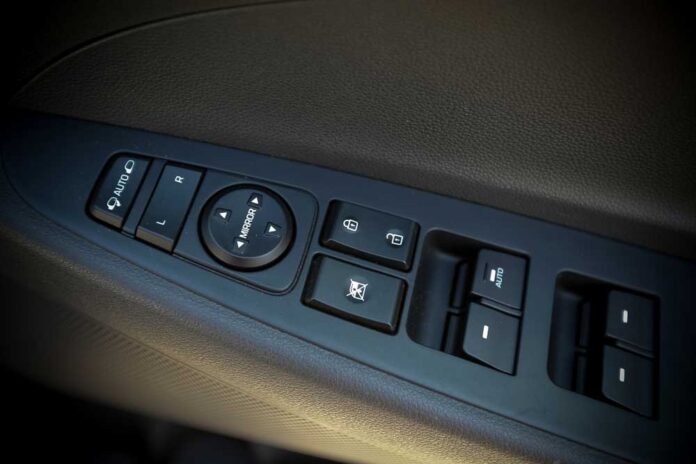

Automotive electrical systems can feel intimidating, but often the complexity is just a matter of understanding how different modules communicate. One system that every modern driver relies on; even if they don’t know its name; is Retained Accessory Power (RAP). It’s the reason your radio keeps playing after you turn off the key, or why you can still roll up a window after shutting down the engine. This convenience feature is deeply integrated into your car’s body control network, which makes it critical for the proper functioning of accessories and battery management. In this detailed guide, we’ll break down what RAP is, how it works, what controls it, and how to troubleshoot it when things go silent.
What is a RAP and How Does it Work?
The Retained Accessory Power (RAP) system allows specific vehicle accessories to function for a limited time after the ignition switch is turned off. Its primary job is convenience: allowing you to finish listening to a song, operate windows, or use the sunroof without needing to restart the engine or turn the key back to “Accessory” mode. The Body Control Module (BCM) is the brain behind this operation. It monitors inputs from the ignition switch and door latch switches to determine when to keep power flowing and when to cut it off.
Every modern vehicle has accessory circuits that include power windows, the audio system, sunroof controls, and sometimes wipers. Under normal operation, these circuits lose power the moment the ignition is switched off. The RAP system overrides this by keeping a specific power relay energized. Typically, RAP keeps these accessories active for about 10 minutes (600 seconds) after the key is turned off; or until a door is opened. This prevents the battery from draining indefinitely while still offering user convenience.
Technically, RAP gets its power feed from parallel sources: the ignition switch circuit and the main junction block (fuse box). In a standard RAP schematic, power flows through a dedicated relay controlled by the BCM. The BCM provides the ground signal to energize this relay. When the relay is active, power flows to the radio and window circuits. Essentially, the radio doesn’t just need 12 volts; it needs the BCM’s permission (via data or relay control) to stay awake.
How RAP Works and Is Enabled
What actually triggers the RAP? Your car’s Body Control Module (BCM) is the decision-maker. Whether it involves sending a ground signal to a relay or broadcasting a data message over the network, the BCM manages the entire process. When the ignition is turned off, the BCM enters “RAP mode.” In this mode, it keeps the RAP relay energized, which supplies power to the power window circuit breakers and the radio fuse.
Beyond just windows and radios, the BCM often manages other systems during this window. For example, some vehicles allow windshield wipers or sunroofs to operate on the RAP circuit. Modern vehicles also use RAP status for network communication. The BCM sends a “power mode” message (often called a Class 2 or CAN bus message) to other modules, telling them, “The key is off, but stay awake for now.” This data signal is just as important as the physical power wire. If the radio doesn’t receive this “stay awake” data message, it will shut down immediately, even if it has power.
Because the BCM monitors the entire system via data lines, a communication failure can break RAP function. If the BCM cannot broadcast the power mode status due to a network wiring issue or internal fault, accessories like the radio will essentially “think” the car is fully off and shut down to save power.
How the RAP Gets Deactivated
RAP is designed to be temporary. It must turn off eventually to prevent a dead battery. The system monitors several triggers to decide when to cut power. If your radio shuts off unexpectedly or stays on too long, checking these triggers is the first step in diagnosis.
Car Door Open
The most common deactivation trigger is opening a door. Specifically, the driver’s door (and often the passenger door) has a switch that signals the BCM. When you open the door after turning off the car, the BCM sees the door switch change state and immediately cuts the ground signal to the RAP relay. This kills power to the windows and radio. If your radio stays on after you open the door, it usually means the door switch is broken or the BCM isn’t seeing the “door open” signal.
Low Battery Voltage Range
Battery protection is built into the RAP logic. The BCM constantly monitors battery voltage. If the voltage drops below a certain threshold (usually partially discharged), the BCM will prematurely disable RAP to ensure there is enough power left to start the engine next time. If your RAP system shuts off almost immediately after turning off the key, it may be a sign that your battery is weak or failing.
Switch ON-OFF Transition
The system resets its timer based on ignition cycles. The BCM monitors the ignition switch position. When the key transitions from ON to OFF, the timer starts. If you turn the key back to ON or Accessory, the RAP timer is cancelled because standard power modes take over. This seamless transition is managed entirely by the BCM’s internal logic.
Elapsed Time After Ignition Turned OFF
The failsafe is the timer. Even if you stay in the car and don’t open the door, RAP will turn off automatically after approximately 10 minutes (depending on the manufacturer). Once this time elapses, the BCM de-energizes the relay and sends a “sleep” message over the data network. This commands all modules to enter low-power sleep mode, ensuring the battery remains charged for the next start.
Retained Accessory Power (RAP) Relay and ACC
The physical component doing the heavy lifting is usually the RAP relay. The BCM controls this relay using a low-side drive (grounding the relay coil). When energized, the RAP relay sends battery voltage to the accessory fuses. This is why you can operate heavy-load items like windows without running current directly through the ignition switch or BCM.
As a diagnostic rule of thumb: for the radio to work, it needs three things: constant battery power (for memory), RAP power (or data wake-up signal), and ground. The BCM manages the RAP portion based on door status and timer logic. If the radio works with the key ON but dies instantly when turned OFF (before opening the door), the RAP relay or BCM control is the likely culprit. Conversely, if the radio never turns off, the door switch input to the BCM is the primary suspect.
Retained Accessory Power Malfunction: How to Diagnose
If your radio shuts off too soon or stays on forever, you can perform a simple functional test without tools to narrow down the issue:
- Step 1: Start with the engine running and all doors closed.
- Step 2: Turn the ignition OFF and remove the key. The radio should stay on.
- Step 3: Open the driver’s door. The radio should turn off immediately.
- Step 4: Check the interior dome (courtesy) lamps. They should turn on when the door opens.
- Analysis: If the radio stays on BUT the dome lights do NOT come on, the car doesn’t know the door is open. This points to a faulty door latch switch (very common).
- If the dome lights work perfectly but the radio never turns off, the problem may be a stuck RAP relay or a BCM issue.
Faulty Relay Retained Accessory Power: Advanced Diagnosis
For a more technical diagnosis using a scan tool, follow this procedure to verify BCM inputs and outputs:
- Check Inputs: With the scan tool connected, monitor the “Door Ajar” data parameters for all doors. Open and close each door. The scan tool should toggle between “Open” and “Closed.” If a door says “Closed” when it’s physically open, the switch is bad, preventing RAP disable.
- Check Outputs: Use the scan tool’s bi-directional controls to command the RAP relay ON and OFF. Listen for the relay clicking. If it clicks and accessories work, the wiring and relay are good; the issue is likely an input (door switch) or logic problem.
- Verify Timer: Close all doors, turn the ignition off, and wait. Watch the RAP status PID on the scanner. It should remain “Active” for approximately 10 minutes and then switch to “Inactive.” If it switches off immediately, check for low battery voltage codes or BCM faults.
Final Thoughts
Understanding Retained Accessory Power (RAP) takes the mystery out of why your car behaves the way it does after you park. While it’s a convenience feature, it relies on critical components like the BCM, door switches, and relays. A malfunction here can be annoying (radio won’t turn off) or problematic (dead battery). By checking door switches and verifying relay operation, you can troubleshoot most RAP issues quickly and effectively.