

Over the last decade, Uber has transformed from a clever smartphone convenience into one of the most influential transport platforms in the modern world. What began as a simple ride-hailing option in major cities has evolved into a layered mobility system serving students, office workers, airport travelers, families, tourists, business executives, and people who simply want to move from one point to another with less uncertainty than traditional street-hailing often brings. In the United States alone, hundreds of thousands of drivers participate in the platform, and globally the number reaches into the millions. That scale matters because it reflects something larger than app popularity: it reflects a major shift in how people think about transport.
From a transport-systems perspective, Uber succeeded because it removed friction from urban travel. Instead of standing roadside hoping for an available cab, riders can open an app, see pricing, estimate arrival time, and select a service tier that matches their needs. At the same time, drivers gained a degree of flexibility that traditional transport models often did not provide. Many people were drawn to the platform because they could choose their working hours, supplement their income, or drive full-time without following a rigid shift pattern. That flexibility, combined with strong rider demand, helped Uber spread quickly across cities and countries.
For riders, however, convenience introduces a different kind of question: what exactly am I booking? That uncertainty is more common than people admit. Someone may open the app assuming every Uber is essentially the same, only to discover that the experience changes significantly depending on the category selected. One rider may expect a budget-friendly compact sedan and end up with a spacious SUV. Another may want a premium business-style ride but accidentally choose an option designed for shared, low-cost commuting. In other words, the biggest challenge is no longer access to a ride. It is understanding the meaning behind each service tier.
Uber does not operate as a one-size-fits-all transport product. It offers different levels of service built around three main variables: price, passenger capacity, and ride purpose. Some categories are designed for affordability. Some are meant for larger groups. Others exist for riders who care about luxury, presentation, or premium comfort. That is why knowing the difference between categories is more important than many people realize. The wrong booking can lead to unnecessary spending, insufficient seating, reduced luggage room, or a ride experience that simply does not match the occasion.
As an expert observer of ride-hailing systems and how they shape urban mobility, I prefer to explain Uber categories not as mere names in an app, but as practical transport tools. Each option serves a specific user profile. If you are traveling alone on a budget, your ideal choice may be very different from that of a family heading to the airport, a professional attending a client meeting, or a group of friends trying to reach an event together. The app makes booking simple; understanding the best fit requires a little more thought.
That is why this guide matters. Rather than giving you a shallow list of ride names, I will explain the six major Uber categories covered in the original article—UberX, UberPOOL, UberXL, UberSUV, UberSelect, and UberLUX—in a way that is clearer, more realistic, and easier to apply in everyday life. I will also help you understand the strategic difference between economy and premium tiers, what type of vehicle usually appears for each request, how pricing generally works, why rider capacity matters more than many people assume, and which category makes the most sense for different real-world situations.
One important note before we go further: Uber’s service names, rates, and vehicle requirements can vary by city, country, and time period. Some categories are common in one market and absent in another. Some pricing examples change with demand, regulation, and platform policy. So while the service descriptions below reflect the widely recognized meaning of each category, you should still check your local app for exact availability and current fares. Think of this guide as an expert framework for understanding the logic of Uber categories, not as a promise that every city offers every service in exactly the same way.
If you have ever wondered which Uber type is best for a night out, a family trip, a premium airport pickup, a low-cost commute, or a luxury occasion, this article will give you the clarity you need. By the end, you should be able to open the app and choose your ride category with far more confidence—because you will know not just the name, but the transport philosophy behind it.
Why Uber Offers Different Ride Categories in the First Place
At first glance, it might seem excessive for one ride-hailing platform to offer so many service types. Why not just send the nearest car to every customer? The answer is simple: people do not travel for the same reasons, under the same financial constraints, or with the same expectations. A university student trying to get home cheaply after class does not evaluate transport the same way a corporate executive does on the way to a formal meeting. A solo rider does not need what a family of six needs. A couple going to dinner is not solving the same transport problem as a group heading to the airport with luggage.
From a service-design perspective, Uber categories are a way of segmenting demand. The company recognizes that urban mobility is not a single market; it is a collection of overlapping needs. Some riders want the lowest possible fare. Some value speed. Some want more legroom. Some want status and comfort. Some simply need more seats. Rather than forcing one standard experience onto everyone, Uber created multiple levels so the rider can choose what matters most at that moment.
This also explains why vehicle type, driver eligibility, and insurance requirements may differ across categories. A basic economy ride does not require the same level of luxury finish or commercial presentation as a premium executive-tier service. Likewise, carrying six passengers requires a different class of vehicle than carrying one or two passengers. The categories are not just branding—they are operational frameworks.
As a result, Uber’s menu of services should be read as a decision tool. Each category answers a different question:
- UberX: How do I get a reliable ride at the lowest practical cost?
- UberPOOL: How do I reduce my fare even further if I am willing to share?
- UberXL: How do I move a larger group without splitting into multiple cars?
- UberSUV: How do I combine more space with a more upscale feel?
- UberSelect: How do I get a nicer sedan experience than standard UberX?
- UberLUX: How do I travel in a high-end, event-worthy luxury vehicle?
Once you understand the categories in this way, the app becomes easier to navigate. You stop thinking, “Which one sounds nice?” and start asking, “Which one matches my current purpose best?” That change in mindset leads to smarter bookings and better value.
A Quick Comparison of the 6 Uber Car Types
| Uber Service | Typical Vehicle Type | Usual Passenger Capacity | Best For | General Price Level |
|---|---|---|---|---|
| UberX | Standard sedan or compact SUV | Up to 4 riders | Everyday affordable transport | Low |
| UberPOOL | Standard sedan or compact SUV | Shared ride, typically 1 rider plus another shared user | Maximum savings | Very low |
| UberXL | Minivan or larger SUV | 5 to 6 riders | Groups, airport trips, luggage | Moderate |
| UberSUV | Premium SUV | 5 to 6 riders | Stylish group travel | High |
| UberSelect | Mid-level luxury sedan | Up to 4 riders | Comfort upgrade without top luxury pricing | Upper-moderate |
| UberLUX | Full-size luxury sedan | Up to 4 riders | Formal events and premium transport | Very high |
Now let us examine each category in detail, not only in terms of what the vehicle looks like, but what kind of rider it serves best.
1. UberX: The Everyday Workhorse of the Uber Platform
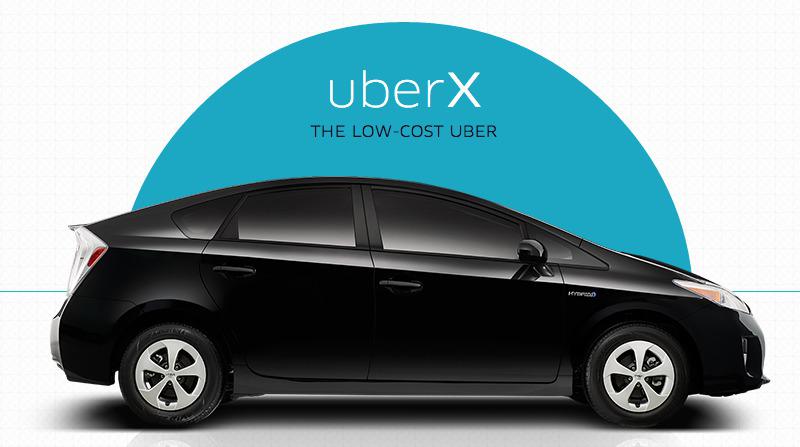
If there is one Uber category that defines the company’s mass-market success, it is UberX. This is the backbone service—the option most riders think of when they say they are “getting an Uber.” UberX is designed for affordability, convenience, and broad accessibility. In transport terms, it is the entry-level standard service: dependable enough for daily use, simple enough for most riders, and affordable enough to remain attractive compared with premium categories.
UberX is usually the best choice for people who want a ride around town without spending more than necessary. It fits everyday mobility needs: commuting to work, going to school, running errands, visiting friends, catching a train, getting to the airport alone or with a small group, or simply moving across the city without the parking stress of using your own car. If your main goal is to get from one place to another comfortably and safely without paying a premium for luxury, UberX is generally the first category worth checking.
The vehicles used for UberX are usually standard sedans or smaller SUVs. They are not expected to be luxury cars, but they must meet baseline quality requirements. The typical capacity is four passengers, which makes this category practical for a solo rider, a couple, or a small friend group. That capacity is one reason UberX remains so popular: it balances affordability with flexibility. You are not paying for extra seats you do not need, yet you still have enough room for ordinary city travel.
Vehicle eligibility matters here. In many markets, a car used for UberX must have four doors, pass Uber’s local inspection or onboarding requirements, and fall within a certain age limit. The original article notes that the car generally should not be older than about ten years, although this can vary by state or city. That rule exists for a reason. UberX is budget-focused, but not meant to feel unsafe, shabby, or outdated. Riders expect a reasonable baseline of cleanliness, mechanical condition, and comfort.
From an expert’s point of view, UberX works because it occupies the sweet spot between price and practicality. It is the “default logic” of ride-hailing. If you do not need extra luxury, extra seats, or a shared discount structure, UberX usually offers the most balanced outcome. That is especially true in cities where surge pricing affects all categories. When demand rises, the premium between UberX and higher tiers can widen dramatically, making the standard option even more attractive.
The original article references an estimated rate structure of roughly $0.14 per minute or $0.40 per mile, plus a service fee. It is important to treat that as illustrative rather than permanent, because Uber fares vary by market, demand, time of day, and local regulations. Still, the underlying point remains valid: UberX is intended to be one of the more budget-friendly categories on the app.
When should you choose UberX? In my view, it is the right category in the following situations:
- you are traveling alone or with one to three other people,
- you do not need premium luxury or executive-style presentation,
- you want to keep transport costs reasonable,
- you are making an ordinary day-to-day trip,
- or you simply want the most practical mainstream option.
There are, however, some limits. UberX is not ideal if you have a large amount of luggage, if your group includes more than four people, or if the occasion demands a visibly premium car. Likewise, if you strongly prefer larger vehicles, extra legroom, or high-end finishes, UberX may feel too basic. That is not a flaw in the service; it simply means you are asking it to do a job it was not designed to do.
What makes UberX especially useful in the broader mobility system is its predictability. Riders generally know what they are paying for: a standard, non-luxury vehicle with enough room for normal urban travel. In a world where transport choices can be confusing, that simplicity matters.
If I had to summarize UberX in one sentence, I would say this: UberX is the smart default for riders who value practical comfort and controlled cost more than prestige.
2. UberPOOL: The Budget-Conscious Shared Ride Option

UberPOOL was created for one central reason: to make ride-hailing even cheaper by introducing shared travel. In concept, it is one of Uber’s most socially and economically interesting products. Instead of each rider occupying a private vehicle alone or with only their own companions, UberPOOL tries to match multiple riders traveling in roughly the same direction. The result is a shared trip where the cost is split more efficiently, lowering the fare for everyone involved.
From a transport-planning perspective, this idea is powerful. Shared mobility reduces vehicle duplication, increases seat utilization, and offers a middle ground between private ride-hailing and public transport. In theory, it can reduce congestion and make urban trips more affordable. In practice, it requires compromise from the rider—mainly in the form of time, flexibility, and personal space.
If you choose UberPOOL, you are basically telling the platform: “I care more about saving money than I do about having the entire ride to myself.” Uber then compares your route with those of other nearby users. If it finds another passenger in the same geographic area heading in a similar direction, it combines the trip and distributes the cost advantage between the riders. That is how the savings happen.
Because of that structure, UberPOOL is not the best category for every trip. It works best when your priorities are strongly budget-driven and you are willing to accept the trade-offs. Those trade-offs include:
- a longer overall trip time,
- the possibility of detours to pick up or drop off another rider,
- less privacy than a regular UberX ride,
- and more restrictions on how many people you can bring.
The original article correctly points out two important conditions attached to UberPOOL use. First, you need to be willing to take a longer ride. That is non-negotiable. Shared transport almost always sacrifices directness in exchange for affordability. Second, you generally cannot bring a full group. In many cases, riders are limited to themselves or one companion, because the system must leave enough room to potentially add another matched passenger.
In terms of vehicle type, UberPOOL usually relies on the same broad class of vehicles as UberX: four-door cars with room for four passengers. The difference is not primarily the vehicle—it is the operating logic. UberPOOL may feel like UberX mechanically, but economically and socially it behaves very differently.
The article mentions that UberPOOL rides are often 40–50% cheaper than UberX. While exact discounts can vary, that general idea reflects the key value proposition: UberPOOL exists to make ride-hailing more affordable for people who do not insist on private use of the vehicle.
As an expert, I would describe UberPOOL as ideal under the following conditions:
- you are traveling alone or with only one other person,
- you are not in a hurry,
- your primary goal is minimizing fare,
- you do not mind sharing the trip with someone else,
- and the route is a routine city trip rather than a time-sensitive appointment.
It is less suitable when timing matters. For example, I would not advise UberPOOL if you are trying to catch a flight, attend a formal meeting at a specific hour, or travel with bulky luggage. Likewise, if you strongly value personal space or dislike the unpredictability of route changes, you may find the savings not worth the inconvenience.
There is also a human element worth mentioning. Shared rides change the social tone of travel. A standard UberX trip is private and predictable. UberPOOL introduces an element of communal movement. Some riders are comfortable with that; others find it awkward. Neither reaction is wrong. It simply depends on what kind of travel experience you are expecting.
From the broader mobility viewpoint, UberPOOL represents Uber’s attempt to make ride-hailing more inclusive by lowering the cost barrier. It is not the most glamorous category, and it is not the most direct, but it plays an important role: it gives budget-conscious users access to app-based transport without forcing them into full-fare private travel.
If UberX is the sensible mainstream choice, UberPOOL is the strategic economy choice. It asks for patience, but in return it gives many riders exactly what they need most: savings.
3. UberXL: The Practical Choice for Groups and Extra Space
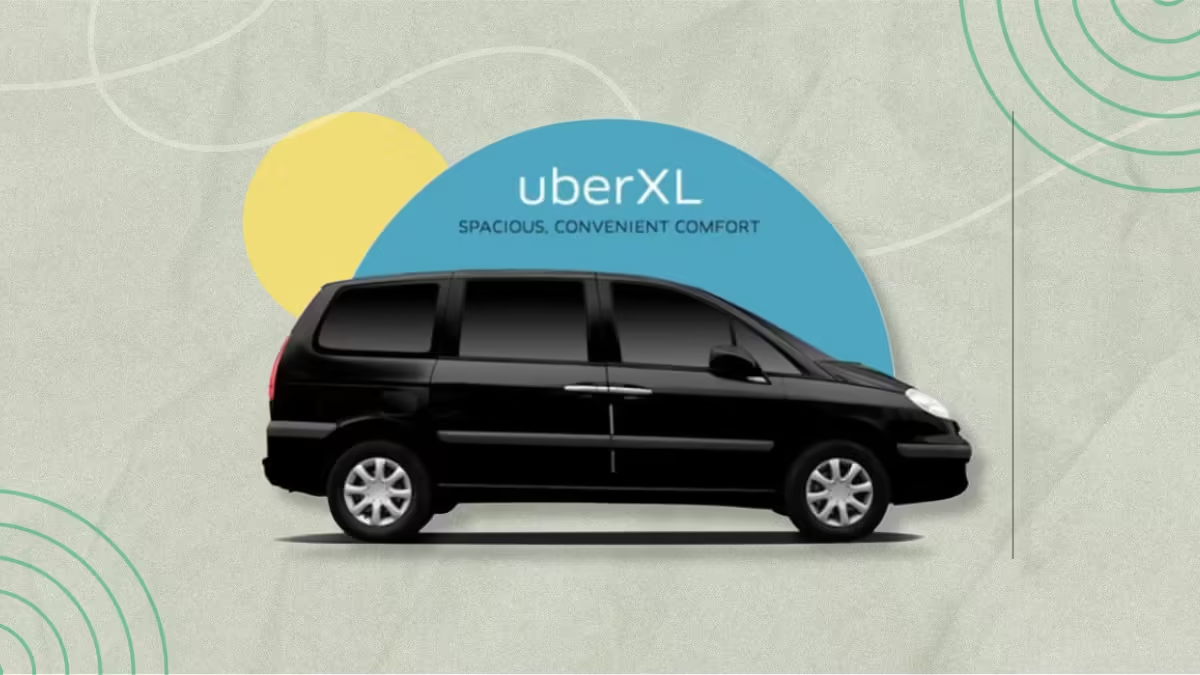
If UberX is about affordability and UberPOOL is about shared savings, UberXL is about spatial logic. This category exists because not every trip is built around one or two passengers. Sometimes people travel in groups. Sometimes they carry luggage. Sometimes splitting into two smaller cars is inefficient, annoying, or more expensive overall. That is the exact problem UberXL is designed to solve.
UberXL is the category for riders who need more room without stepping into premium-luxury territory. In most markets, the vehicles assigned to UberXL are larger SUVs or minivans capable of carrying five to six passengers. That makes the service especially useful for airport transfers, family outings, group dinners, tourist travel, and any situation where staying together matters more than securing the cheapest individual fare.
The original article frames UberXL through the idea of group travel, and that is exactly the right lens. Imagine a family trip, a group of friends heading to an event, or colleagues traveling together to a destination. In those situations, transport planning is not just about cost—it is also about coordination. The more people you split across separate rides, the more chances there are for delay, confusion, route mismatches, and unnecessary complexity. UberXL reduces that friction by keeping everyone in one vehicle.
From a user experience standpoint, this matters more than people initially think. A single larger vehicle often produces less stress than two smaller ones. One pickup point. One drop-off. One route. One fare structure. One shared conversation. The emotional and logistical simplicity of traveling together is one of UberXL’s biggest strengths.
Vehicle form also plays a major role. Minivans and larger SUVs are generally better at absorbing the practical realities of group travel. They usually offer:
- more seating rows,
- more vertical cabin space,
- better luggage flexibility,
- easier seating for mixed-age groups,
- and a more comfortable experience when riders are carrying bags.
The article notes that UberXL’s typical pricing includes an initial fee, a higher per-mile rate than UberX, a per-minute charge, and a service fee. That is consistent with how UberXL is generally positioned: it costs more than standard economy categories because the vehicle itself is larger and more expensive to operate. However, the important thing for riders to understand is that cost should be evaluated per group, not just per ride. Once the fare is shared among five or six passengers, UberXL can become remarkably sensible.
This is where many riders miscalculate. They see a higher total fare and assume UberXL is expensive. But if the alternative is two separate UberX rides—or one cramped UberX ride with luggage problems—UberXL may actually be the more rational option. Transport decisions should be measured against the actual travel situation, not in isolation.
In the original text, the age rule is described loosely, with no major extra requirement beyond vehicle age and size suitability. In practice, platform requirements vary, but the broader point stands: UberXL vehicles are expected to be practical, roadworthy, and capable of handling multiple passengers safely and comfortably.
When should you choose UberXL? As an expert, I would recommend it in these situations:
- your group has five or six riders,
- you want everyone to arrive together,
- you have luggage that would overwhelm a smaller car,
- you are heading to the airport, hotel, or event as a unit,
- or you simply prefer more interior room than UberX typically provides.
It is less ideal if you are a solo traveler or couple with no luggage and tight cost priorities. In that case, you would be paying for excess capacity you do not really need. But for group movement, UberXL is one of the most useful categories in the Uber ecosystem because it solves a very specific transport problem cleanly: how to move several people together without chaos.
If UberX is the default city ride, UberXL is the default “bring the group with you” ride. It is practical, social, efficient, and often underrated.
4. UberSUV: A More Stylish and Premium Group Experience
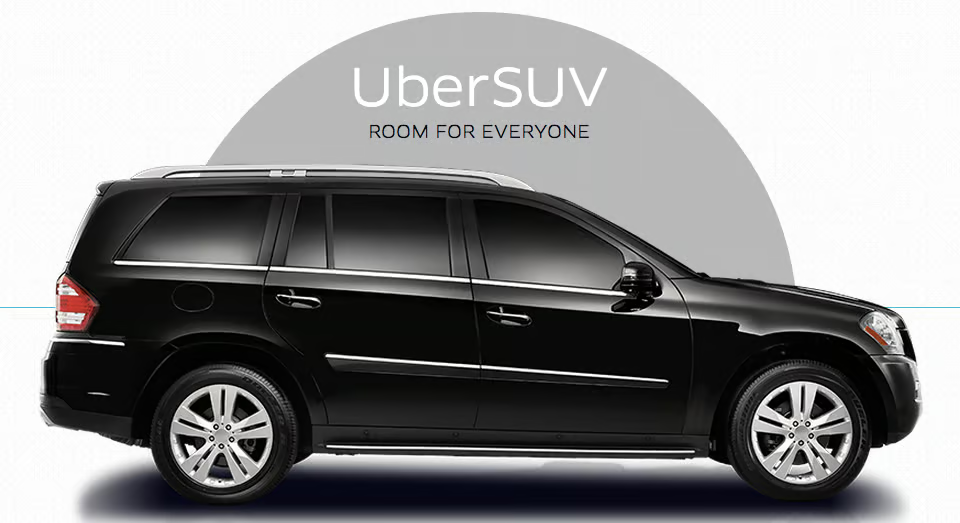
UberSUV takes the logic of space and combines it with a more upscale image. This category is designed for riders who want the size and group capacity of a larger vehicle but do not want the experience to feel purely utilitarian. In other words, UberSUV is what happens when roominess meets premium presentation.
The original article describes UberSUV as a great option for traveling in style, and that is an accurate framing. If UberXL is a practical group-mobility tool, UberSUV is the more refined cousin—less about pure function, more about comfortable status, visual impact, and a smoother premium feel. It is especially appealing for airport pickups, hotel transfers, client transport, celebratory outings, and any ride where image matters alongside comfort.
Vehicle quality is central to this category. The source text emphasizes a newer age restriction—vehicles often expected to be newer than 2012 in the example provided. That tells you something important about how UberSUV is positioned. Riders selecting this tier are not paying only for extra seats. They are also paying for a higher standard of vehicle appearance, condition, and overall experience.
The article uses examples such as the Cadillac Escalade and Mercedes GL-Class, and those examples are useful because they symbolize what UberSUV is meant to feel like: large, impressive, polished, and obviously above basic economy transport. Even before you open the door, the ride communicates something. That symbolic value may not matter for a grocery run, but it can matter a great deal when arriving at a formal dinner, hotel, business function, or social event.
Another important distinction is driver eligibility. According to the original piece, drivers in this category often need commercial-level insurance and commercial registration. That requirement reflects the seriousness of the service tier. Higher-value vehicles carrying passengers in a premium commercial capacity create greater liability expectations and therefore demand stronger coverage. From a rider’s perspective, that adds reassurance: UberSUV is not simply “a bigger Uber.” It is a more tightly framed premium transport product.
Price, naturally, rises with that quality jump. The article lists an initial fee of $14, plus $4 per mile and $0.49 per minute. Actual market pricing will vary, but the structural truth remains the same: UberSUV is far more expensive than UberX or UberXL. This is not the category you choose to save money. It is the category you choose when your priorities are:
- space,
- comfort,
- a premium appearance,
- group-friendly luxury,
- and a stronger sense of occasion.
From an expert rider-strategy perspective, UberSUV makes the most sense in scenarios where a normal UberXL would feel too basic. For example, imagine collecting an important client from the airport, traveling to a wedding venue with family, or moving through a city with a group that values comfort and image equally. In those moments, the difference between “large” and “large plus premium” becomes meaningful.
There is also a psychological dimension to this category. Premium transport changes how a trip feels. The same distance traveled in a standard sedan and in a polished full-size SUV can produce very different emotional impressions. Comfort, ride height, cabin quietness, and visual presence all shape perceived quality. That is why some users are willing to pay a significant premium for SUV-based categories. They are not just buying transport—they are buying environment and impression.
Still, UberSUV is not always the smartest choice. If your trip is short, routine, and cost-sensitive, the premium may not justify itself. Likewise, if you do not care about presentation and just need six seats, UberXL is often the better-value solution. The key is to understand the category’s purpose. UberSUV is not “big Uber.” It is executive-style group mobility.
To summarize it simply: UberSUV is for riders who want the practical advantage of extra passenger room without giving up the prestige and polish of a premium vehicle.
5. UberSelect: A Comfortable Upgrade for Riders Who Want More Than Standard
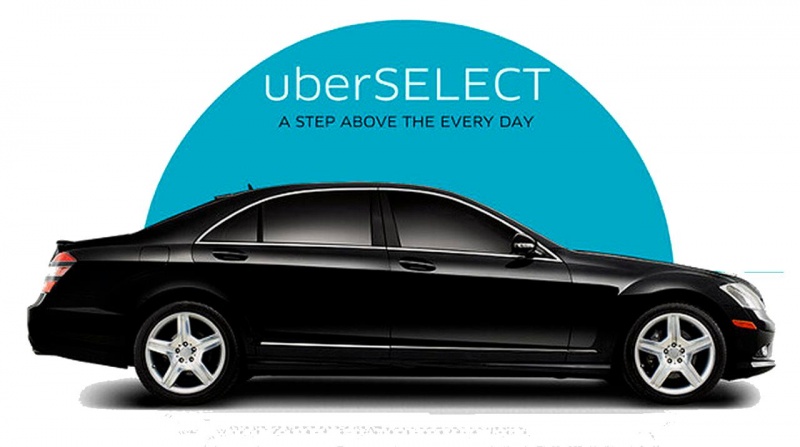
UberSelect occupies an interesting middle ground in the Uber ecosystem. It is not as budget-oriented as UberX, not as group-focused as UberXL, and not as extravagant as UberLUX. Instead, it exists for riders who want a noticeable quality upgrade—especially in the form of a nicer sedan—without jumping all the way to top-tier luxury pricing.
In simple terms, UberSelect is the category for people who want their ride to feel a little more refined. The original article describes it as the choice for anyone wanting a better experience in a four-door luxurious car, and that is a useful practical summary. UberSelect is not intended to shock people with ultra-premium exclusivity; it is meant to elevate comfort, material quality, and overall ride feel beyond what is expected from standard economy service.
Vehicle rules reinforce this positioning. The original text notes that cars eligible for UberSelect are typically luxury sedans from 2009 or newer with vinyl or leather seats. That detail matters because upholstery, cabin finish, and model class all influence perceived quality. A rider requesting UberSelect is signaling that the trip matters enough to justify better-than-basic transport, but perhaps not enough to demand a full flagship-luxury experience.
From an expert standpoint, UberSelect is ideal for people who live in the large middle ground between economy and extravagance. Many real-world trips fall into this category. Think about:
- a business lunch where presentation matters but does not need to be flashy,
- a date night where comfort and ambiance feel worth a little extra,
- an airport pickup for someone you want to impress without overspending,
- or a personal trip where you simply want a calmer, cleaner, more refined cabin experience.
This is where UberSelect can feel like the smartest premium move. For many riders, the gap between UberX and UberLUX is too large, both financially and symbolically. UberSelect fills that gap. It says, “I want better—but I do not need to make a luxury statement.”
The pricing described in the source—an initial fee of $4.02, plus time- and distance-based charges—reflects the fact that UberSelect is a premium service, but not at the very top of the hierarchy. In many markets, its value depends on how much higher the fare is than UberX at that moment. Sometimes the difference is small enough that choosing UberSelect feels obviously worth it. At other times, especially during surge pricing, the premium may widen enough to make riders reconsider.
An expert rider should therefore think about UberSelect not as a fixed “better deal,” but as a conditional upgrade. Ask yourself:
- How much more am I paying than UberX right now?
- Does the nature of this trip justify the added comfort?
- Would I actually notice the difference on this route?
- Am I paying for genuine comfort, or just for a label I do not truly need?
These are important questions because premium transport is most satisfying when it matches the emotional value of the trip. On a meaningful occasion, the upgrade feels justified. On a short routine run, it may feel unnecessary.
There is also a rider-experience aspect that is worth highlighting. UberSelect often appeals to people who dislike the unpredictability of standard ride categories but do not want the full expense of ultra-luxury services. It offers a degree of confidence: the car should feel more refined, the seating materials should be better, and the overall impression should be cleaner and more polished.
In mobility terms, UberSelect is the platform’s “comfort-plus” category. It is not designed for the cheapest ride or the grandest arrival. It is designed for riders who want a more pleasant, upscale version of normal point-to-point travel. That is why it remains one of the most useful categories for professionals, couples, and anyone who wants more than economy without crossing into ceremonial luxury.
If UberX is practical and UberLUX is aspirational, UberSelect is the intelligent middle path.
6. UberLUX: The Highest-End Ride for Formal, Stylish, and Memorable Travel
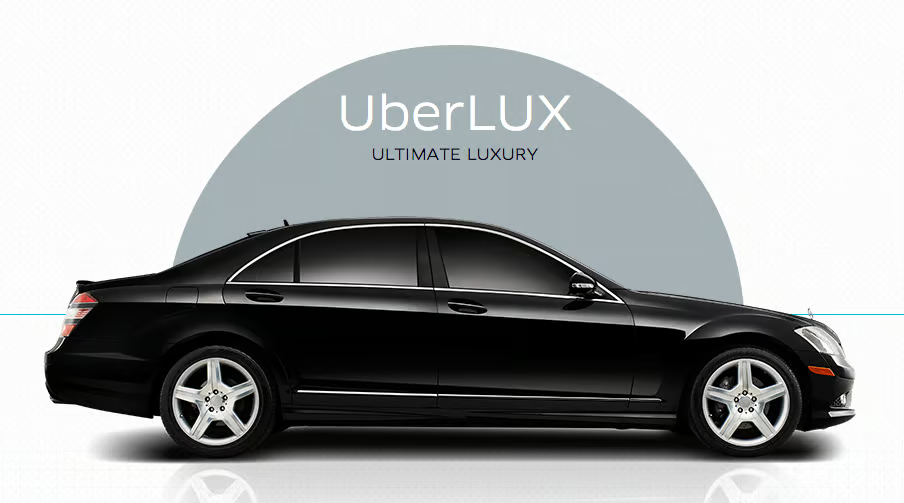
At the top end of the categories covered in this guide sits UberLUX, the service designed for riders who want more than transport—they want presence, polish, and unmistakable luxury. This is the category for moments when arriving matters almost as much as the ride itself.
The original article places UberLUX in the context of bachelor parties, birthdays, and special events, and that is a useful way to understand it. UberLUX is not primarily about utility. It is about occasion. It serves riders who want a full-size premium vehicle, a highly polished atmosphere, and a sense of importance built into the journey. This is the tier you select when “good enough” is not the target.
The vehicle examples listed in the source—Audi A8, Mercedes-Benz S-Class, Porsche Panamera, and Tesla Model S—capture the personality of UberLUX well. These are not just expensive cars; they are cars associated with executive comfort, design confidence, and high social visibility. They tell the world something before the rider even steps out.
As the article notes, UberLUX vehicles are expected to be full-size luxury cars and generally newer models. That standard is central to the category. UberLUX is not merely “a nicer sedan.” It is a premium flagship-level ride with strong expectations around condition, cleanliness, style, and road presence. The driver side of the equation also reflects that seriousness, with commercial-level insurance and registration typically required.
From a transport strategy perspective, UberLUX serves a narrower but very clear audience. This is the category for:
- special occasions,
- high-end social events,
- formal business transport,
- airport transfers where image matters,
- or riders who simply want the best ride category available to them.
It is also a category shaped by symbolism. Luxury transport changes how people interpret a moment. A person arriving at a celebration in a standard sedan and one arriving in a flagship luxury vehicle are making two different statements, even if they traveled the same distance. In that sense, UberLUX is not only about the rider’s comfort. It is also about the social meaning of the ride.
The pricing structure in the article—an initial fee of $15.65, plus time, distance, and service charges—makes it clear that UberLUX is a premium spend. This is not a category chosen casually by price-sensitive riders. But cost should be interpreted alongside purpose. A rider booking UberLUX for a once-a-year formal event is making a very different decision from someone booking it for routine commuting. The value proposition lies in experience, impression, and occasion—not in thrift.
From an expert perspective, the best way to evaluate UberLUX is to ask whether the trip justifies premium symbolism. If you are going to a birthday dinner, engagement event, wedding-related celebration, executive meeting, or upscale venue where arrival style matters, UberLUX may feel entirely appropriate. If you are simply heading to the supermarket, it will probably feel excessive unless the experience itself is what you want.
There is another subtle point worth mentioning: premium transport changes rider behavior. People tend to dress differently, plan differently, and carry themselves differently when the ride itself is part of the experience. That emotional upgrade is one reason high-end ride categories continue to attract demand even in a market full of cheaper alternatives. Human beings do not always buy mobility for efficiency alone. Sometimes they buy it for atmosphere.
Still, UberLUX is not about extravagance for its own sake. At its best, it is a category that gives riders a reliable path into formal, premium travel without the complexity of arranging private chauffeur services independently. It sits at the top of the app-based hierarchy because it is meant to feel distinct. And when the occasion is right, that distinction is exactly the point.
If I were to describe UberLUX in one clear phrase, I would say: it is the event-grade, high-prestige option for riders who want luxury to be part of the journey—not just the destination.
How to Choose the Right Uber Type for Your Situation
Knowing the categories individually is useful. Knowing how to choose between them is even more useful. Most riders do not open the Uber app thinking in abstract product names. They think in real-world situations: “I need to get to the airport,” “We are five people,” “I want to save money,” “I want a nicer car tonight,” or “I have a meeting and want something polished.” The smartest way to choose an Uber category is to match the ride type to the purpose of the trip.
As an expert, I recommend making your choice based on five practical criteria:
1. Budget
If saving money is your top priority, UberX and UberPOOL are the obvious starting points. UberX gives you a private ride at a reasonable rate. UberPOOL goes even further on cost reduction if you are willing to share and accept a less direct route. The moment you move into XL, SUV, Select, or LUX categories, you should assume that comfort, size, or prestige—not thrift—is driving the decision.
2. Number of Passengers
This is where many booking mistakes happen. A category may seem cheap until you realize it does not fit the group. UberX is generally for up to four passengers. UberXL and UberSUV are the natural options when you have five to six people. If you ignore passenger count, you risk booking a ride that physically cannot solve your transport problem.
3. Luggage and Space Needs
Passenger count is not the same as usable space. Four people with backpacks may fit easily in an UberX. Four people with large suitcases may not. This is why airport bookings need extra thought. UberXL is often the safer choice when luggage enters the equation. Room matters not just for comfort, but for feasibility.
4. Purpose of the Trip
Ask yourself: is this an ordinary ride or a meaningful one? For daily commuting, UberX often makes the most sense. For a shared budget ride, UberPOOL may work. For a family trip, UberXL is practical. For stylish group movement, UberSUV is stronger. For a polished personal upgrade, UberSelect is often enough. For a high-end formal occasion, UberLUX becomes relevant.
5. Desired Experience
Not every rider wants the same emotional tone. Some people simply want to arrive. Others want to arrive comfortably. Others want to arrive memorably. There is no universal “best” Uber category—only the category that best matches your intention. Understanding that saves money and disappointment.
Here is a practical way to think about it:
- Choose UberX when you want standard private transport at a reasonable price.
- Choose UberPOOL when saving money matters more than speed or privacy.
- Choose UberXL when your group or luggage outgrows a normal sedan.
- Choose UberSUV when you want group space with a premium image.
- Choose UberSelect when you want a nicer sedan experience without jumping to top-tier luxury.
- Choose UberLUX when the trip is special enough to justify high-end transport.
The beauty of the Uber system lies in precisely this flexibility. It does not force one travel philosophy on every rider. It allows you to choose the balance of cost, comfort, and presence that suits the moment.
Important Realities Riders Should Remember
While Uber categories are useful, they are not magical guarantees. A wise rider understands the practical realities behind the labels. Here are a few important ones:
Availability Varies by City
Not every market offers every category. Some cities have strong premium demand and therefore support more luxury tiers. Others focus heavily on economy options. Some services that were once common may also be limited, changed, or restructured in certain regions.
Pricing Is Dynamic
The fare examples given in articles or older estimates can help you understand the relative price level of each category, but actual Uber pricing changes constantly. Time of day, weather, demand surges, traffic, city rules, and local competition all affect the final fare. Always treat quoted prices as guidance, not certainty.
Vehicle Quality Still Depends on the Specific Driver and Car
A category defines the expected tier, but no platform category eliminates human variation entirely. Two UberX rides can feel slightly different. Two premium rides can differ in driver style, cleanliness, or comfort impression. The category guides expectation; it does not erase individual variation.
The Cheapest Option Is Not Always the Best Option
This is especially true with groups and luggage. Many riders instinctively choose the lowest fare and only later realize the car is too small or the shared ride is too slow. The most efficient choice is the one that solves the transport problem fully, not just cheaply.
Context Matters More Than Labels
No Uber type is universally superior. A premium ride booked for an ordinary short errand may feel wasteful. A cheap shared ride booked for a tight airport schedule may feel foolish. The value of each category depends on whether it matches your actual purpose.
Bottom Line
We live in a digital age where ordering transport has become almost as simple as ordering food, electronics, or clothing. With a few taps on a phone, a rider can request a car, monitor the driver’s progress, estimate the fare, and reach a destination without ever standing on a roadside trying to negotiate or guess. That level of convenience is one of the main reasons Uber has become such a major part of everyday urban movement.
But convenience becomes even more powerful when paired with understanding. Uber is not just one kind of ride. It is a menu of mobility options designed for different budgets, group sizes, comfort expectations, and occasions. UberX makes sense for everyday affordability. UberPOOL pushes savings further through shared travel. UberXL gives groups room to stay together. UberSUV adds style to larger-capacity travel. UberSelect offers a refined sedan upgrade. UberLUX delivers a true premium, event-worthy experience.
As an expert, my advice is simple: do not choose based only on what sounds impressive. Choose based on what your trip requires. Think about how many people are traveling, how much luggage you have, how formal the occasion is, how much you want to spend, and what kind of experience you actually want to remember. When you match the category to the purpose, Uber works far better for you.
If you have ever wondered which Uber type fits your needs best, this guide gives you the framework to decide more intelligently. The next time you open the app, you should not just see six ride names. You should see six different transport strategies—and know exactly which one fits the moment.

