

Most drivers trust the gas pump to do one important job automatically: stop when the tank is full. That shut-off click feels final, almost like the fueling system itself is telling you the job is done. Yet many people still squeeze in a little more. Maybe they want to round the total to the nearest dollar. Maybe they are trying to avoid another fuel stop later in the week. Maybe they simply assume that a little extra gasoline in the neck of the filler tube cannot possibly matter.
Unfortunately, it can matter.
Table of Contents
Overfilling a gas tank is one of those habits that seems harmless until it creates an expensive and surprisingly inconvenient problem. The issue is not usually that the tank suddenly bursts or the car instantly breaks down in the parking lot. The more common danger is that excess liquid fuel moves into parts of the fuel-vapor system that were only designed to handle gasoline vapors. Once that happens, components in the evaporative emissions system—often called the EVAP system—can become saturated, damaged, or unable to function correctly.
As an automotive diagnostics specialist, I can tell you this is a problem many drivers unintentionally create for themselves. They assume the fuel tank is just an empty container that can be packed full like a bucket. It is not. Modern fuel systems are carefully designed with expansion space, vapor management, pressure control, and emissions hardware that all work together. The automatic shut-off at the pump is part of that design. Ignoring it is not just messy. It can also become costly.
In this expert guide, I will explain exactly what happens when a gas tank is overfilled, why it is considered a bad practice, what the EVAP system does, how to recognize if you may have damaged that system, what to do right after overfilling, whether it is safe to start the car, and how to avoid repeating the mistake in the future. I will also cover the most common questions drivers ask, including whether overfilling can trigger a Check Engine Light, whether it can cause a fuel leak, and whether the situation is truly dangerous or just inconvenient.
If you have ever kept pumping after the nozzle clicked off, or if you are standing at the station right now wondering whether you pushed things too far, this is what you need to know.
What Happens If You Overfill the Gas Tank?
The short answer is this: if you keep pumping after the automatic shut-off clicks, excess fuel can rise into the filler neck and eventually enter the evaporative emissions system. That can contaminate components that are supposed to handle vapor only, not liquid gasoline. It can also create spills, strong fuel smells, poor drivability, and warning lights on the dashboard.
The EVAP system is designed to capture fuel vapors before they escape into the atmosphere. Instead of venting raw gasoline fumes directly to the air, the system routes those vapors through hoses into a charcoal canister, where they are stored and later burned by the engine under controlled conditions. That is efficient and environmentally responsible—until liquid fuel gets where only vapor should go.
Once the tank is overfilled enough that fuel backs into the filler neck, the excess has to go somewhere. Some of it may slowly settle back into the tank after you stop pumping. But if you continue topping off or force the nozzle repeatedly after shut-off, liquid gasoline can reach EVAP lines and the charcoal canister. A charcoal canister saturated with liquid fuel does not function correctly. Purge and vent valves can also be affected. The end result may include a fuel smell, a Check Engine Light, rough running, hard starts after refueling, failed emissions tests, or an expensive repair bill.
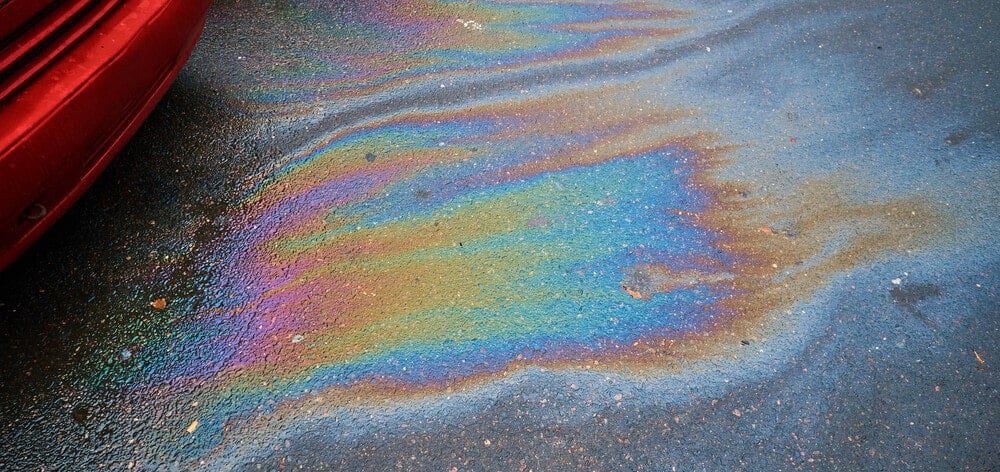
On top of that, you have the immediate problem of spilled gasoline. Overfill too far and fuel may drip onto the body of the car, onto your hands or shoes, or directly onto the ground. Gasoline is highly flammable, bad for painted surfaces, unhealthy to breathe, and harmful to the environment. Even if you avoid internal vehicle damage, it is still a bad outcome.
So while overfilling may not destroy the engine the instant it happens, it is absolutely not a harmless habit. The automatic shut-off is there for a reason. When it clicks, the correct move is to stop.
Why the Pump Shuts Off in the First Place
To understand why overfilling is risky, it helps to understand what the fuel nozzle is actually doing when it clicks off. That automatic shut-off is not random, and it is not overly cautious. It is responding to how fuel and vapor behave in the filler neck during refueling.
Inside the pump nozzle is a small sensing port connected to a shut-off mechanism. As fuel rises in the filler neck, it changes the air pressure and liquid flow pattern around that sensing point. Once fuel reaches the level that indicates the tank is effectively full, the nozzle shuts off automatically. This is not the pump being difficult. It is the fueling system signaling that the tank has reached its intended fill limit.
That fill limit includes space the vehicle still needs. A fuel tank is not meant to be completely packed with liquid gasoline. It needs room for vapor expansion, temperature changes, and proper operation of the EVAP system. Gasoline expands as it warms. If the tank had no air space at all, even a small temperature increase could create excess pressure, overflow, or fuel migration into places it should not go.
Drivers sometimes think they are “beating the system” by squeezing in extra fuel after the first click. In reality, they are defeating a built-in safeguard. That safeguard is not there merely for convenience. It is there to protect the car’s vapor recovery system, maintain safe tank headspace, and reduce the chance of liquid fuel pushing where only vapor should exist.
This is also why topping off becomes more problematic in warm weather. The fuel that barely fit at the pump may expand once the car sits in the sun or once underbody temperatures rise. That extra fuel volume has to go somewhere. If the tank was already pushed beyond its proper fill point, the EVAP system often ends up dealing with the overflow.
So the next time the nozzle clicks, remember what that sound actually means. It does not mean the pump is giving up too early. It means the system is telling you to stop because the tank has reached the limit it was engineered to handle safely.
How the EVAP System Fits Into the Problem
Modern fuel systems are not open containers. They are sealed, monitored, and controlled to reduce emissions. The EVAP system is a major part of that design, and if you want to understand why overfilling is bad, you have to understand what the EVAP system is trying to do.
Gasoline naturally gives off vapors. Even when the engine is off, fuel in the tank is constantly evaporating. Older vehicles vented much of that vapor directly into the atmosphere. Modern vehicles do not. Instead, fuel vapors are routed through the EVAP system and captured in a charcoal canister. That canister stores vapors temporarily. Later, under the right engine conditions, the purge valve opens and the vapors are drawn into the engine to be burned during normal combustion.
This system works well because it is designed for vapor—not liquid fuel. The charcoal canister can absorb vapor. It is not meant to be soaked with gasoline. When liquid fuel enters the canister, the charcoal can become saturated. Once saturated, the canister may no longer store vapors properly. It may release a fuel smell, set EVAP-related fault codes, or create drivability issues if the purge process becomes abnormal.
The vent valve and purge valve are also vulnerable. They are built to manage vapor flow, not to process a surge of raw liquid gasoline caused by overfilling the tank. Once contaminated, these components can stick, fail to seal correctly, or operate inconsistently. That may not happen after one small overfill event, but repeated topping off absolutely increases the risk.
This is why the damage from overfilling is often delayed rather than immediate. You may leave the station thinking everything is fine. A few days later, the Check Engine Light appears. Or the car becomes difficult to start right after refueling. Or you notice a gasoline smell around the vehicle. By that point, the overfill event has already done its work inside the EVAP system.
From an expert standpoint, the EVAP system is one of the most commonly misunderstood victims of overfilling. People expect the damage to happen in the tank or the engine. More often, it happens in the vapor-management hardware between them.
Is It Bad to Overfill the Gas Tank?
Yes, overfilling the gas tank is bad, and not just because it wastes a little fuel. It creates several different risks, some immediate and some delayed. Some are mechanical, some are financial, and some are simple safety issues that no driver should ignore.
Let’s start with the most obvious problem: spilled gasoline. Fuel dripping onto the ground is a fire hazard, an environmental problem, and a waste of money. If it splashes onto the vehicle’s paint, it can stain or damage the finish if it is left sitting long enough. If it gets on your skin or clothing, it should be cleaned off right away. None of these outcomes are dramatic enough to make headlines, but they are exactly the kind of avoidable mess that turns a routine fuel stop into a bad experience.
Then there is the EVAP issue, which is more serious. Liquid gasoline entering the charcoal canister or associated vapor lines can lead to system failure. Once that happens, the vehicle may trigger diagnostic trouble codes, fail an emissions test, and require replacement of EVAP components. Depending on the vehicle, replacing a charcoal canister, purge valve, vent valve, or associated hardware can become surprisingly expensive. Even if the only damaged part ends up being the canister, the bill can easily land in the hundreds. On some models, it can go much higher.
There is also the drivability angle. An overfilled tank can contribute to overly rich vapor ingestion, rough running after refueling, hard starts, and in some cases spark plug fouling if rich conditions become severe enough. That is not the first or most common symptom, but it does happen. And once spark plugs misfire or an engine runs poorly, the problem stops feeling theoretical very quickly.
Finally, there is the false economy of topping off in the first place. Drivers usually overfill because they want “just a little more” fuel. But the amount gained is often trivial compared with the cost of even a minor EVAP repair. Saving one trip to the gas station is not worth risking a charcoal canister, purge valve, or emissions-system failure. From a dollars-and-cents perspective, overfilling makes no sense.
So yes, it is bad to overfill the gas tank. Not because the car will explode in a dramatic movie scene, but because modern fuel systems are engineered with a specific limit in mind, and repeatedly pushing past that limit creates predictable problems.
What To Do If You Overfill the Gas Tank
If you realize you have overfilled the tank, the right response depends on how severe the situation is. A small accidental top-off that does not cause visible overflow is different from a clear spill or a filler neck that is obviously brimmed with fuel. The key is to respond calmly and safely rather than panicking or trying to drive away immediately.
Here is the best order to follow if you overfill the gas tank:
- Stop pumping immediately. Do not try to “even it out” with a little more fuel.
- Check whether gasoline spilled on the ground, on the body of the car, or on your hands and clothes.
- Clean up any visible spill right away using the station’s absorbent materials or according to the station’s spill procedure.
- If fuel is on the paint, wash or rinse it off as soon as possible.
- If the filler neck is visibly full, wait a few minutes before starting the car so the fuel can settle back into the tank.
- Once the overflow risk is gone, drive normally but pay attention for any rough running, fuel smell, or warning lights.
- If the car runs poorly after leaving the station, have it inspected promptly rather than hoping it clears on its own.
That is the practical version. Now let’s walk through why each of those steps matters.
Stopping the pump immediately is obvious, but it matters because some drivers keep going once they realize the nozzle clicked and they have gone too far. That only increases the amount of liquid fuel sitting where it should not be. Once overfilling happens, the best move is to stop making it worse.
Cleaning spilled gasoline matters for both safety and environmental reasons. Gasoline evaporates quickly, which means the fire risk is tied not just to the liquid you see but also to the vapor cloud around it. That is why station rules are strict about spills. If the gasoline is on your hands, clothing, or shoes, clean it off promptly. If it is on the ground, follow station procedures and let staff know if the spill is significant.
If the filler neck is visibly full, patience matters. You do not want to crank the engine instantly while raw fuel is still pooled near the top. Give it a few minutes to settle. Often, the excess gasoline will slowly move down into the tank as pressure equalizes and the liquid finds its intended space. This does not take long in most cases, but those few minutes matter.
After you leave the station, pay attention to how the car behaves. One small accidental overfill may cause no lasting problem. But if you notice hard starting, rough idle, fuel smell, or a Check Engine Light in the following hours or days, that overfill event should be treated as a serious clue. The car may be telling you that the EVAP system took on more liquid fuel than it should have.
In short, if you overfill the tank once, your goal is to minimize spill risk, allow the system to settle, and then monitor for symptoms. Quick, calm action can prevent a small mistake from becoming a bigger one.
Can You Start the Car If the Gas Tank Is Overfilled?
Ideally, you do not restart the vehicle the instant you notice the tank has been overfilled, especially if fuel is visibly sitting in the filler neck or has spilled externally. Gasoline is highly flammable, and while modern vehicles are designed for normal fueling conditions, you should not force a restart during a visible overfill event without allowing a little time for the situation to stabilize.
If the tank was only slightly topped off and there is no visible spill, the answer is usually simple: wait a few minutes and let the fuel settle. In many cases, the excess liquid in the neck will slowly drain into the tank, leaving the system in a more normal state. After that, restarting the vehicle is usually safe. This short pause is not about superstition. It is about reducing the chance that liquid fuel remains where it should not be and making sure the area is not actively wet with gasoline vapor around the filler point.
If gasoline has spilled on the vehicle, on the ground, or around the filler door, deal with that first. Let the area dry and clean off any visible mess before starting the engine. The idea is to remove the fuel from places where it should not be before introducing ignition sources and hot engine parts back into the situation.
It is also worth saying clearly: the engine should always be off while refueling. If it was left running—which it should not have been—turn it off and wait. Fueling with the engine running introduces unnecessary risk and should never be part of normal practice.
So, can you start the car after overfilling? Usually yes, but not instantly and not carelessly. Wait, inspect, clean, and then restart once the excess fuel has settled and the area is safe.
How to Tell If the EVAP System Took In Liquid Fuel
Not every overfill causes immediate EVAP failure. One small mistake may leave no lasting damage at all. The more serious concern is repeated topping off or a severe overfill that pushes liquid fuel into the charcoal canister and related vapor hardware. When that happens, the vehicle often starts giving warnings.
The most common clue is the Check Engine Light. Modern cars monitor the EVAP system for pressure integrity, purge flow, vent behavior, and leak conditions. If the charcoal canister becomes saturated or the purge and vent valves begin acting abnormally, the engine computer may store a fault code and illuminate the warning light.
You may also notice a strong fuel smell. This smell can show up near the rear of the car, near the filler area, or even around the vehicle generally after it has been parked. A healthy EVAP system should not release obvious raw-gasoline odor into the open air under normal conditions. If you start smelling fuel after repeated top-offs, pay attention.
Another sign is rough running after refueling. If the engine idles badly, struggles to start, or feels temporarily flooded after you leave the gas station, the EVAP system may be feeding excessive vapors—or in some cases vapor mixed with liquid contamination—back into the engine through the purge process. This usually becomes more obvious shortly after refueling rather than days later.
Finally, a damaged EVAP system can cause the vehicle to fail emissions testing. In regions that require emissions inspections, EVAP readiness and leak integrity are a major part of passing. A saturated canister or faulty purge control can become a problem even if the car still seems mostly drivable.
If you suspect EVAP contamination, the best next step is diagnosis—not guessing. A scan tool can reveal EVAP fault codes, and a qualified technician can determine whether the canister, vent valve, purge valve, or another component has actually been affected.
The important point is this: the damage may not always announce itself instantly. Sometimes the warning comes later, after the overfilled tank and liquid fuel have already stressed the vapor-handling system.
Can Overfilling the Tank Cause Spark Plug Problems?
It can, but usually indirectly rather than immediately. Overfilling the gas tank does not usually drown the spark plugs just because the tank is too full. The more likely path is through EVAP system contamination. If liquid fuel reaches the canister and the purge process becomes abnormal, the engine may begin running too rich under certain conditions. Excess fuel vapor—or a poorly controlled purge event—can lead to rough running, fouled plugs, and misfires if the issue goes on long enough.
That is why some overfilled vehicles start hard or run poorly after refueling. The system may be introducing too much fuel vapor into the intake stream. Over time, consistently rich conditions can carbon-foul the spark plugs, which then creates a second layer of drivability issues. If the misfires continue, the catalytic converter can also be put at risk.
So while spark plug fouling is not the first thing most technicians think about after a single overfill, it can absolutely become part of the chain of problems when topping off is repeated and EVAP damage has already occurred.
This is one reason small fueling habits matter. The fuel system, EVAP system, ignition system, and emissions system are all connected more tightly than most people realize.
Can an Overfilled Gas Tank Cause a Leak?
Yes, it can. Sometimes the leak is not from a cracked tank but from fuel being forced into areas that were never meant to hold liquid fuel. An overfilled tank can increase pressure in the upper part of the tank and filler neck, especially when temperature rises after fueling. That can push fuel outward through weak seals, vent pathways, or other parts of the system.
In most cases, if a healthy modern tank is overfilled slightly, the first and more likely issue is EVAP contamination or temporary spillover, not a structural tank failure. But if there is already a weak seal, aging hose, damaged filler-neck component, or compromised vapor line, overfilling can expose that weakness. The driver then interprets the problem as “the tank started leaking,” when in fact the overfill pushed fuel through a weak point that may have already existed.
This is another reason why topping off is risky. It does not just challenge the system under ideal conditions. It also exposes whatever weakness the system may already have.
What If Gas Overflows While Pumping?
If fuel overflows while pumping, stop immediately. Do not try to “fix it” by adding more or by restarting the nozzle to even out the fill level. Once the fuel has overflowed, the priority is safety and cleanup.
Look at where the fuel went. If it spilled on the ground, use the station’s absorbent materials if available and notify the staff if the spill is significant. Gasoline vapors are flammable, and even small spills should be treated seriously. If fuel splashed on the paint, wipe it off and wash the area as soon as you can. If it got on your hands or clothing, clean it promptly. Gasoline should not be left sitting on skin or fabric.
Then wait a few minutes before restarting the car, especially if fuel is still visibly sitting in the filler neck or the area smells strongly of fresh gasoline. Let the excess settle and the immediate vapor concentration reduce. Once the situation looks normal again, you can leave—but you should keep an eye on the car afterward for signs of EVAP trouble, smell, or rough running.
A brief overflow does not always cause mechanical damage. But it should always be handled like the hazardous spill it is, not as something to shrug off casually.
Can an Overfilled Gas Tank Explode?
In normal real-world conditions, an overfilled gas tank is far more likely to create spillage, EVAP contamination, or a fire hazard than a dramatic tank explosion. The word “explode” gets used a lot because gasoline makes people think of immediate catastrophic fireballs. That is not usually how this situation unfolds.
The greater danger comes from fuel vapors and spilled liquid. Gasoline is highly flammable. If it is spilled onto the vehicle, onto the ground, or into areas where vapors can collect, and then encounters an ignition source, a fire is possible. That is why overfilling is dangerous even though the tank itself is unlikely to explode just from being too full.
So if you are worried about the word “explode,” the better word to focus on is ignite. Spilled fuel and concentrated vapor are the practical concern. That is serious enough on its own and another reason the automatic shut-off should always be respected.
Can an Overfilled Gas Tank Cause the Check Engine Light to Come On?
Yes, absolutely. This is one of the most common delayed signs that repeated topping off has created a real problem. If liquid gasoline enters the EVAP system and affects the charcoal canister, purge valve, vent valve, or pressure behavior of the tank, the engine control module may detect the fault and switch on the Check Engine Light.
That warning may not appear instantly. Sometimes it takes a few drive cycles for the EVAP monitor to run its self-checks and decide the system is no longer behaving correctly. This is one reason drivers do not always connect the light to the overfill event. The two do not always happen at the same moment.
Once the light comes on, the vehicle may also fail an emissions test, even if it still seems to drive normally. In other cases, the Check Engine Light appears together with hard starting, rich running, or fuel smell, which makes the cause easier to connect.
If the light comes on shortly after an overfill, it is not something to ignore. The car is telling you that one part of the vapor-management system is no longer working the way it should. Diagnosing it early is almost always cheaper than waiting for more symptoms to pile up.
Can Overfilling the Gas Tank Damage the EVAP Canister Permanently?
It can. The EVAP charcoal canister is designed to trap fuel vapors, not raw liquid gasoline. When it becomes saturated with liquid fuel, the charcoal inside can lose its ability to store vapor properly. In some cases, the canister may partially recover if the event was mild and the system dries out. In other cases, especially if topping off happens repeatedly, the canister is effectively damaged and needs replacement.
This is why some people overfill their tank once and get away with it, while others develop repeated EVAP issues after making topping off a habit. A system occasionally exposed to a small mistake may survive. A system repeatedly flooded with raw fuel eventually loses the margin it needs to function correctly.
The canister is not the only part at risk, but it is one of the most common casualties because it is literally the vapor storage device in the system. If liquid fuel gets there, it has already gone somewhere it was never intended to go.
Fill-Up the Gas Tank: Essential Dos and Don’ts
Fueling a car is routine, which is exactly why people become careless about it. Good fueling habits do not just keep the station safe. They also protect your vehicle’s fuel system, emissions equipment, and paint. The best way to avoid overfilling problems is to build a simple fueling routine and stick to it.
- Always shut the engine off before refueling.
- Do not smoke or use open flame near the pump.
- Insert the nozzle properly and let the automatic shut-off do its job.
- When the nozzle clicks off, stop pumping. Do not top off to round up the total.
- If fuel spills, clean it promptly and safely.
- If gasoline gets on the car’s paint, wash it off as soon as possible.
- If gasoline gets on your skin or clothes, clean or change them promptly.
- Do not let children handle fueling. They should remain safely in the vehicle or supervised away from the pump area.
That list may sound simple, but each step exists for a reason. Turning the engine off reduces ignition risk. Not topping off protects the EVAP system. Cleaning up spills protects both safety and the environment. Washing fuel off the paint protects the finish. Fueling discipline is one of those small habits that costs nothing but prevents a surprising number of problems.
Also pay attention to any rules posted at the fuel station. Some stations have specific procedures for spills, mobile phone use, or emergency shutdowns. Reading the signs may not feel exciting, but it is part of safe fueling just as much as using the correct grade of gasoline.
Why Drivers Keep Topping Off Even Though They Shouldn’t
It is worth taking a moment to ask why this problem is so common in the first place. Most drivers overfill for the same few reasons. They want to round the purchase to an even dollar amount. They want every last drop possible so they can go farther before the next stop. Or they distrust the automatic shut-off and assume the tank cannot truly be full yet.
From a behavioral standpoint, all of that makes sense. People like round numbers. People like maximizing value. People do not enjoy stopping for fuel. But the fuel system does not care about any of those preferences. It only cares about the physical limits it was designed around.
The irony is that the amount of extra fuel gained by topping off is usually tiny compared with the potential downside. In most cars, you are gaining very little usable range while introducing a very avoidable risk. The economic logic simply does not hold up once you understand the potential EVAP repair cost.
This is one of those habits that feels smart until you understand the engineering. Then it becomes clear that the automatic shut-off is already doing the smart thing for you. All you have to do is trust it.
Final Thoughts
Overfilling the gas tank is not a harmless way to squeeze in a little extra range. In modern vehicles, it can lead to spilled gasoline, fuel odor, paint damage, EVAP system contamination, Check Engine Lights, failed emissions tests, and potentially expensive component replacement. The biggest risk is not usually the tank itself. It is the evaporative emissions system, especially the charcoal canister and related vapor-control parts that were designed for fuel vapor—not liquid gasoline.
The good news is that this problem is easy to avoid. Once the gas nozzle clicks off, stop. That shut-off point exists to protect the system and leave the proper expansion space inside the tank. Pushing beyond it does not help the car. It only raises the chance of a mess or a repair bill.
If you do accidentally overfill the tank, stay calm. Stop pumping, clean any spill, let the fuel settle, and monitor the vehicle afterward for rough running, strong fuel smell, or dashboard warnings. One small overfill is not always a disaster, but repeated topping off is asking for trouble.
In the end, the smartest fueling habit is also the easiest one: trust the pump, stop at the first click, and drive away without trying to force a little more into the tank. That small bit of restraint can save you a surprising amount of money and frustration later.