
Rust is one of the sneakiest threats to any truck. It doesn’t care how powerful your engine is or how nice your interior looks. Once corrosion takes hold, it eats through metal quietly, and by the time you notice it, you’re staring at an expensive repair bill or a truck that’s lost a chunk of its resale value.
So if you’re shopping for a truck that’ll hold up over the long haul, especially in areas where road salt, humidity, or coastal air are part of daily life, rust resistance should be near the top of your checklist. Not every truck is built the same when it comes to fighting corrosion, and some models have a serious edge.
Let’s break down the seven trucks that rust the least, what makes them so resistant, and how to keep any truck looking solid for years.
The 7 Trucks That Fight Rust Better Than the Rest
These aren’t just opinions pulled from thin air. The trucks on this list earned their spots based on the materials they use, how they’re built, and how they perform in real-world conditions over time.
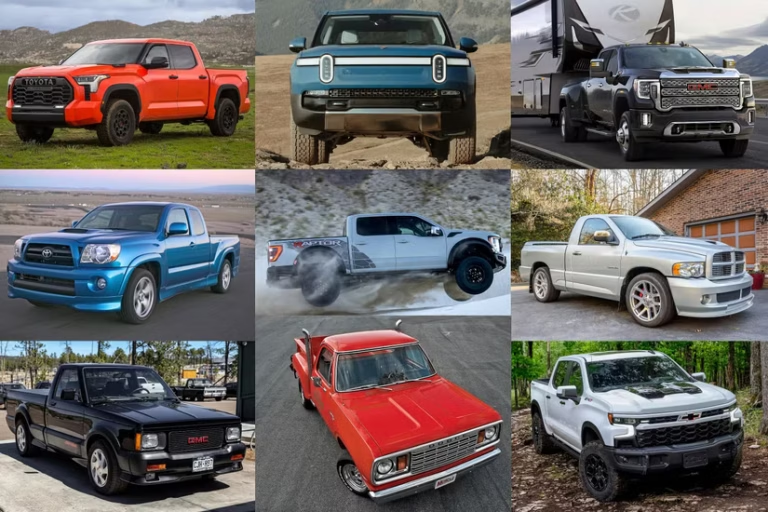
- Ford F-150 (2015-Present) – Aluminum body construction that sidesteps traditional rust entirely
- Toyota Tundra – Triple-layered undercoating that handles harsh winters like a champ
- Chevrolet Silverado 1500 – Full-perimeter frame protection at a competitive price point
- Ram 1500 – Hot-dip galvanized steel frame that shrugs off salt and moisture
- GMC Sierra 1500 – Corrosion-resistant aluminum cargo box paired with solid frame coatings
- Honda Ridgeline – Unibody construction with extensive underbody protection
- Nissan Titan – Extensive use of galvanized steel throughout its structure
Each of these trucks takes a slightly different approach to corrosion resistance, and that matters depending on where you live and how you use your truck. A weekend hauler in Arizona faces a completely different set of challenges than a daily driver in Michigan or a work truck parked near the coast in South Carolina.
What Actually Keeps These Trucks From Rusting?
It’s easy to say a truck is “rust-resistant,” but the real question is how. Different manufacturers rely on different technologies, and some are more effective than others depending on the environment. Here’s a breakdown of what’s actually going on under the surface.
| Technology | What It Does | Who Uses It |
|---|---|---|
| Aluminum Body | Doesn’t rust like steel, though galvanic corrosion can occur where aluminum meets other metals | Ford F-150 |
| Hot-Dip Galvanization | A zinc coating applied to steel that creates a strong barrier against corrosion | Ram 1500, Toyota Tundra |
| E-Coating | An electrophoretic coating that provides even, uniform protection across all surfaces | Most manufacturers |
| Wax-Based Undercoating | An extra protective layer targeting the most vulnerable spots underneath | Chevrolet, GMC |
| Stainless Steel Exhaust | Handles road salt and constant moisture exposure without breaking down | Premium models |
The Ford F-150’s move to an aluminum body back in 2015 was a game-changer. Aluminum simply doesn’t rust the way traditional steel does. That said, it’s not completely bulletproof. When aluminum sits directly against dissimilar metals, galvanic corrosion can still develop over time. Ford engineers this contact point carefully, but it’s something worth knowing.
Hot-dip galvanization, used by Ram and Toyota, is one of the most proven anti-corrosion methods out there. The steel gets literally dunked in molten zinc, which bonds to the surface and creates a sacrificial layer. The zinc corrodes instead of the steel underneath. It’s been used in construction and industrial applications for decades because it flat-out works.
E-coating is more of a baseline technology. Nearly every modern truck goes through this process during manufacturing. The body gets submerged in a charged paint solution that wraps evenly around every surface, including hard-to-reach spots. Think of it as the foundation that everything else builds on.
How These Trucks Handle Different Climates
Where you drive matters just as much as what you drive. A truck that’s perfectly fine in Texas might start showing rust bubbles after a few winters in Minnesota. Here’s how these top performers stack up in different environments.
Northern Climates with Road Salt
Best picks: Toyota Tundra and Ram 1500
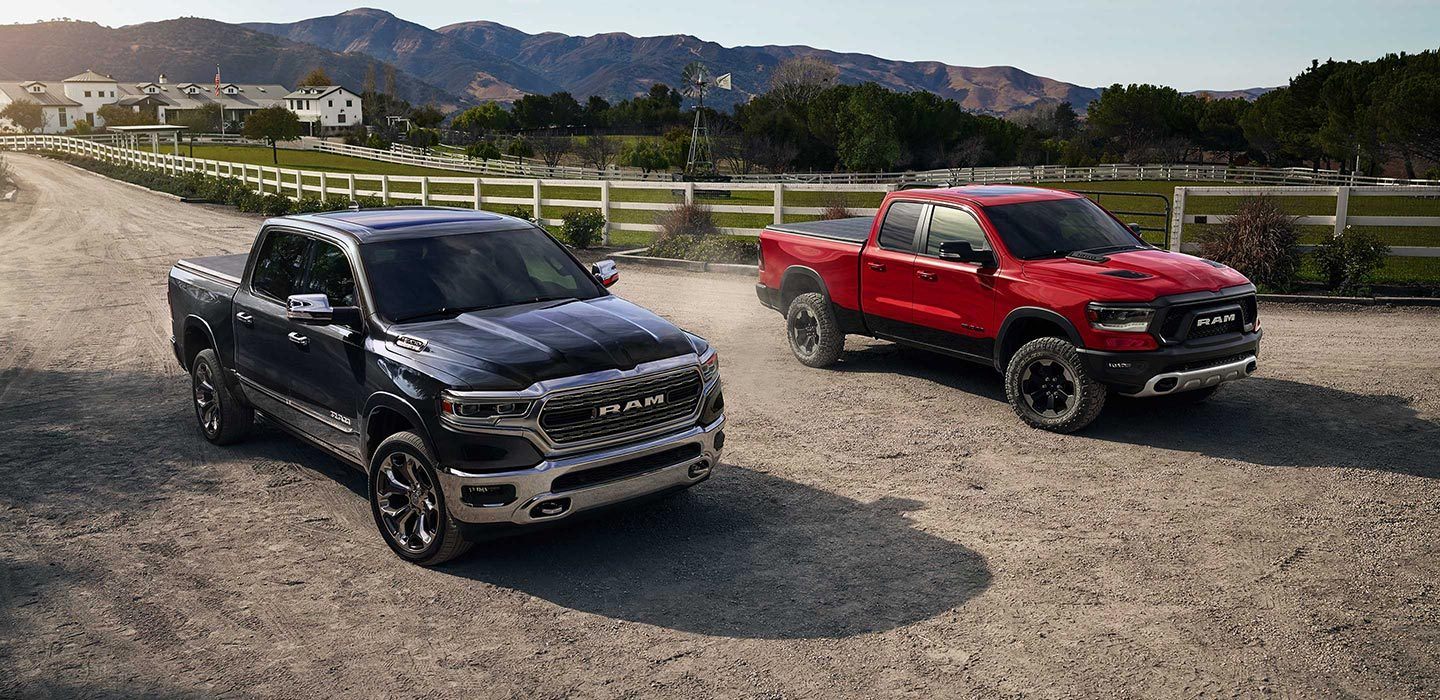
Road salt is brutal on trucks. It gets sprayed up into every crevice underneath, sits in moisture-trapping pockets, and goes to work dissolving metal over the course of a winter season. The Tundra’s triple-layered undercoating and the Ram’s hot-dip galvanized frame are specifically designed to deal with this kind of abuse. If you live anywhere in the Rust Belt, these two should be at the top of your list.
Coastal Areas with Salt Spray
Best picks: Ford F-150 and Honda Ridgeline
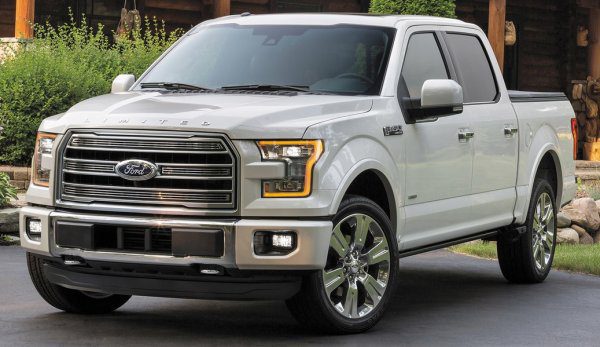
Salt air is different from road salt, but it’s still corrosive. It settles on surfaces and creates a thin, constantly moist film that accelerates oxidation. The F-150’s aluminum body has a natural advantage here since aluminum oxide actually forms a protective layer rather than a destructive one. The Ridgeline’s unibody construction means fewer seams and joints where salt moisture can hide and start causing problems.
Dry Climates
Best picks: Honestly, all of them perform well here.
If you live somewhere dry like Arizona, Nevada, or parts of Colorado, rust is far less of a concern across the board. Steel-bodied trucks don’t get as much of a benefit from their corrosion protection in these conditions, which means you can focus more on other factors like towing capacity, comfort, and price.
The Numbers Don’t Lie: 10-Year Rust Data
Talk is cheap. Let’s look at actual long-term data on how often these trucks develop rust that eats all the way through the metal (perforation), which is the kind that causes real structural and safety concerns.
| Model | 10-Year Rust Perforation Rate | Source |
|---|---|---|
| Ford F-150 (Aluminum) | 0.5% | IIHS 2023 |
| Toyota Tundra | 2% | Consumer Reports 2023 |
| Chevrolet Silverado | 3% | J.D. Power 2022 |
| Ram 1500 | 2.5% | NHTSA 2023 |
That 0.5% perforation rate on the F-150 is remarkable. To put it in perspective, out of 200 aluminum-body F-150s tracked over a decade, only one developed rust-through. The Toyota Tundra and Ram 1500 aren’t far behind either, sitting well below industry averages.
The Silverado’s 3% rate is still respectable, but it does show that traditional steel construction, even with good protective coatings, can’t quite match aluminum or heavily galvanized setups over the long run.
What Does Your Rust Warranty Actually Cover?
Every major truck manufacturer offers some kind of rust warranty. But here’s the thing: most of them only cover perforation, meaning the rust has to eat completely through the metal before they’ll fix it. Surface rust? That’s on you.
| Brand | Coverage | What’s Not Covered |
|---|---|---|
| Toyota | 5 years / unlimited miles (perforation) | Surface rust only, not covered |
| Ford | 5 years / unlimited miles (perforation) | Surface rust not covered |
| Chevrolet / GMC | 6 years / 100,000 miles | Perforation only |
| Ram | 5 years / 100,000 miles | Perforation only |
Chevy and GMC actually offer slightly longer coverage at six years compared to the five-year standard from Toyota, Ford, and Ram. But they cap it at 100,000 miles, which could be a factor if you’re racking up highway miles for work.
The key takeaway here? Don’t rely on warranty alone to protect your investment. By the time rust qualifies for a warranty claim, the damage has been extensive enough to be a real headache. Prevention is always cheaper than repair.
5 Ways to Stop Rust Before It Starts
Even the most rust-resistant truck benefits from a little proactive care. Think of it like sunscreen: the protection built into the truck is your base layer, but you still need to do your part. Here’s what actually makes a difference.
- Wash it regularly: At least every two weeks during winter, and make sure you’re hitting the undercarriage. Most drive-through car washes offer an underbody spray option. Use it.
- Get professional undercoating: An oil-based undercoating applied once a year creates a barrier that keeps salt and moisture away from bare metal. It’s one of the best investments you can make if you live in a harsh climate.
- Fix paint chips immediately: Every stone chip is a tiny opening for moisture to reach bare metal. A $10 bottle of touch-up paint can prevent hundreds of dollars in rust damage down the road.
- Keep drain holes clear: Trucks have built-in drain holes in doors, rocker panels, and the bed. When these get clogged with dirt or debris, water pools inside and corrosion starts from the inside out. A quick check during each wash takes 30 seconds.
- Store it in a dry garage: This one’s simple but effective. A dry garage during winter months keeps your truck away from the freeze-thaw cycle that accelerates rust formation.
Trucks With a Rust Problem You Should Know About
Not every truck lives up to its reputation. Some models that are otherwise great have had documented rust issues, particularly in earlier model years. If you’re shopping used, pay extra attention to these.
- Nissan Frontier (pre-2020): Well-known for frame rust problems, especially in northern states. Some owners reported significant frame deterioration in as few as five or six years.
- Ford Super Duty (pre-2017): Cab corners and bed mounts were weak spots where rust loved to take hold. The later models improved significantly, but earlier ones are worth inspecting carefully.
- Toyota Tacoma (pre-2016): This one surprised a lot of people. Toyota actually issued frame recalls due to corrosion issues on certain Tacoma models. The brand’s reputation for reliability didn’t extend to rust resistance on those specific years.
The common thread? Older models across nearly every brand had weaker corrosion protection. The technology and materials have gotten dramatically better in recent years, so newer model years are almost always a safer bet when it comes to rust.
Which Truck Should You Actually Buy?
It depends on your situation, but here’s how I’d break it down.
Best Overall for Rust Resistance
Ford F-150 (Aluminum Body) takes this spot easily. When your body panels physically can’t develop traditional rust, you’ve eliminated the biggest risk factor right out of the gate. That 0.5% perforation rate over ten years speaks for itself.
Best Value Pick
Chevrolet Silverado 1500 offers strong corrosion protection without commanding a premium price. Its full-perimeter frame protection and wax-based undercoating provide solid defense, and the six-year rust warranty is the longest in this group.
Best for Life Near the Ocean
Honda Ridgeline is an underrated choice for coastal living. Its unibody construction means fewer seams and joints for salt spray to attack, and the extensive underbody protection keeps things sealed up tight.
At the end of the day, buying a rust-resistant truck is only half the battle. How you maintain it determines whether that truck still looks clean and structurally sound at the 10-year mark or whether you’re dealing with bubbling paint and crumbling fender wells. Pick a truck that gives you a strong starting point, then stay on top of the basics. Your future self (and your resale value) will thank you.
Sources
- Insurance Institute for Highway Safety (IIHS) 2023 Reports
- Consumer Reports Annual Auto Surveys
- J.D. Power Vehicle Dependability Studies
- National Highway Traffic Safety Administration (NHTSA) Data