
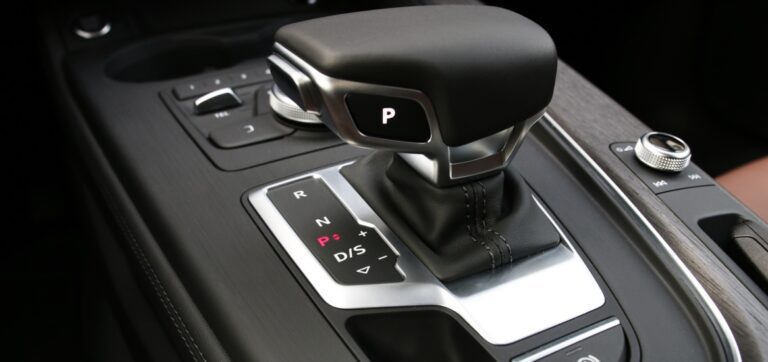
There is something uniquely unsettling about your automatic car jerking the moment you shift into Drive. You are sitting at a light, you move the selector, and instead of a smooth, seamless engagement, the car lurches. Maybe it hesitates. Maybe it shudders. Either way, your stomach drops a little because you know something is not right.
Automatic transmissions are remarkable pieces of engineering. They manage gear changes, fluid pressure, clutch engagement, and a dozen other operations without you lifting a finger. But that complexity also means when something goes wrong, the symptoms can be confusing and the repair costs can climb fast if the problem is not caught early.
The good news is that most cases of transmission jerking come down to a handful of common causes. And more often than not, catching them early keeps the repair bill manageable.
Let us go through exactly what is happening, why it happens in different situations, and what you can realistically do about it.
What Does It Actually Feel Like When a Transmission Jerks?
Before getting into causes, it helps to describe the symptom clearly because “jerking” can mean different things to different drivers.
In most cases, it feels like a sudden lurch or jump between gear changes. The car hesitates for a split second, then engages with more force than it should, snapping you forward slightly. Some drivers describe it as the car stumbling. Others say it feels like a brief shudder followed by a clunk.
You might notice it only when pulling away from a stop. You might feel it at higher speeds during upshifts. Or it might happen specifically when you engage Park or Drive from a standstill, before the car even starts moving.
Each of those scenarios points toward slightly different causes, which is why understanding when the jerk happens is just as important as knowing that it is happening at all.
Why Does an Automatic Car Jerk When You Put It in Drive?
Shifting into Drive should be almost imperceptible. The transmission engages, the torque converter locks up, and the car begins to move smoothly. When that process produces a jerk or lurch instead, one of a few things is going wrong.
Low Transmission Fluid
Transmission fluid is the lifeblood of your automatic gearbox. It lubricates moving parts, prevents heat buildup, and most importantly, it creates the hydraulic pressure that makes the entire system work. When you shift into Drive, the transmission uses pressurized fluid to engage the appropriate clutch packs and start delivering power to the wheels. If there is not enough fluid in the system, that pressure cannot build properly, and the engagement becomes rough and abrupt.
Here is something worth knowing: transmission fluid does not get consumed the way engine oil does. It does not burn off during normal operation. So if your transmission fluid is low, there is almost certainly a leak somewhere. It is not just wearing out and disappearing.
The easiest way to check for a leak yourself is to park on a clean surface, leave the car overnight, and look for puddles underneath in the morning. Transmission fluid is distinctive. It is typically a reddish color when fresh, darkening toward brown or black as it ages. If you see that pooling under the car, particularly toward the center or rear of the vehicle, you are losing fluid and need to find the source.
Low fluid is one of the cheaper transmission problems to fix if you catch it early. Left alone long enough, the damage from running low becomes far more expensive.
Contaminated Transmission Fluid
Low fluid is one problem. Dirty fluid is another, and they produce similar symptoms even though the causes are different.
Over time, transmission fluid breaks down. It picks up metal particles from normal internal wear, oxidizes from repeated heat cycles, and gradually loses the properties that make it effective. When the fluid reaches this condition, it cannot maintain proper hydraulic pressure quickly enough when you shift gears. The result is a noticeable delay followed by a harsh engagement when the transmission finally catches up.
Contaminated fluid also accelerates wear on every component it touches. Metal particles suspended in dirty fluid act like fine sandpaper against precision-machined surfaces inside the transmission. The longer you run the car on degraded fluid, the more damage accumulates.
If your car is hesitating longer than usual before engaging after you shift into Drive, and there are no obvious signs of a fluid leak, contaminated fluid is a strong suspect. Pull the dipstick and look at the fluid on it. Fresh transmission fluid is translucent red or pink. Fluid that looks dark brown, smells burnt, or has a gritty texture when you rub it between your fingers is overdue for a change.
A full fluid service at this stage, done properly with a filter change and pan cleaning, can restore smooth shifting in many cases. But if the fluid has been in severe condition for a long time, internal damage may have already occurred.
A Clogged Transmission Filter
The transmission filter sits between the fluid pickup and the pump, screening out contaminants before they can circulate through the system. It does its job quietly and effectively until it becomes too clogged to allow adequate fluid flow.
When that happens, the pump has to work significantly harder to pull fluid through the restricted filter. Pressure builds slowly, the transmission cannot engage as quickly as it should, and you feel that delay and subsequent jerk when Drive finally catches.
This is slightly different from the broad contamination scenario. A clogged filter can happen even when the fluid itself is in decent condition, if a larger particle of debris lodges in the filter opening and blocks flow.
The fix here is a filter replacement, which is typically done at the same time as a fluid change. In fact, the best practice is always to replace the filter whenever you change the transmission fluid. The filter is an inexpensive component, and leaving an old filter in place while putting fresh fluid in the system is a bit like changing your engine oil but leaving in the old oil filter.
Most vehicles need a transmission service (fluid and filter) somewhere between 40,000 and 80,000 kilometers (25,000 to 50,000 miles), though heavy use, towing, or frequent stop-and-go driving can shorten that interval considerably.
Why Does an Automatic Car Jerk When You Put It in Park?
This is a slightly different problem, and it tends to alarm people more than shifting into Drive does. You pull up, move the selector to Park, and the car lurches or clunks. It does not feel right, and it is not.
Jerking when engaging Park points toward issues in the driveline rather than just the transmission fluid circuit. The driveline includes the driveshaft, the differential, and the components that connect the transmission output to the wheels.
When you shift into Park, the transmission’s parking pawl engages to lock the output shaft. If there is significant slack, wear, or misalignment in the driveline components, the car shifts slightly under engine torque before that lock fully engages, producing a noticeable jolt.
Worn driveshaft components, damaged universal joints, or a driveshaft that has developed excessive play can all contribute to this. These are not inexpensive repairs, which is exactly why catching the symptom early and getting it diagnosed before the wear progresses further is so important.
A Failing Transmission Pump
The transmission pump is what generates hydraulic pressure in the first place. Without it, nothing else in the transmission works correctly. When the pump begins to fail, pressure output drops or becomes inconsistent, causing rough engagements and jerky behavior at various points during operation, including when shifting into Park or Drive.
A failing transmission pump has a fairly recognizable symptom beyond the jerking itself: a whining or whirring sound that changes with engine speed. If you hear that kind of noise alongside the jerking, the pump is a likely suspect and should be checked promptly.
Pump failure often traces back to a neglected filter. When the filter becomes severely clogged, the pump has to work against extreme restriction for extended periods. That extra strain accelerates wear on the pump’s internal components, eventually leading to failure. It is another example of how one skipped maintenance item cascades into a much more expensive repair.
Worn Internal Transmission Components
High-mileage vehicles eventually reach a point where the internal components of the transmission have simply worn past their service limits. Clutch packs, bands, seals, and bushings all have finite lifespans. When they wear out, the transmission cannot engage and disengage cleanly, and the result is rough, jerky operation across various driving conditions.
This is not a quick or inexpensive fix. Worn internal components typically require either a transmission rebuild or replacement. A rebuild involves disassembling the transmission, measuring every worn component, and replacing whatever has deteriorated beyond specification. Done properly by a qualified transmission specialist, a rebuilt transmission can last as long as a new one.
The key is not letting minor symptoms turn into major damage by ignoring them for too long. A transmission that is starting to show wear-related symptoms and gets serviced promptly is a much more manageable situation than one that has been driven to the point of serious internal damage.
Is It Safe to Keep Driving When Your Transmission Is Jerking?
The honest answer is that it depends on how severe the symptoms are, but it is never a situation you should ignore or put off addressing.
If the jerking is mild and infrequent, you can usually continue driving carefully for a short time while you arrange to have the car diagnosed. But every kilometer you drive with a transmission problem is additional wear on components that may already be struggling.
More urgently, a transmission that jerks unpredictably at highway speeds is a genuine safety concern. Unexpected lurches at 100 km/h (60 mph) can cause a driver to lose control of the vehicle, particularly if they are not expecting it. A less experienced driver could easily overcorrect and create a dangerous situation for themselves and everyone around them.
The practical advice is straightforward. Get it diagnosed as soon as possible. If the symptoms are worsening quickly or the jerking is severe, do not drive the car. Have it towed to a shop instead.
How to Fix a Jerking Automatic Transmission
The repair depends entirely on what the diagnosis reveals. Here is what different causes typically involve:
- Fluid change and filter replacement: This is the starting point for most transmission jerking issues. It is the least expensive intervention and resolves a surprising number of cases. Expect to pay somewhere in the range of $150 to $400 for a proper service, depending on the vehicle and shop.
- Leak repair: If low fluid is the issue, the source of the leak needs to be found and sealed. This might be as simple as a new gasket or pan seal, or it might involve a more involved repair if the leak is from a transmission cooler line or internal seal. Costs vary widely.
- Transmission filter replacement alone: If the filter is clogged but the fluid is still in acceptable condition, a filter replacement without a full fluid change can sometimes be the right call. Around $150 to $350 is a typical range.
- Pump replacement: A failing transmission pump is a more involved repair, running roughly $300 to $600 or more depending on the vehicle and labor rates in your area.
- Driveline component repair: Worn driveshaft, universal joints, or differential components can range from a few hundred dollars for a universal joint replacement to significantly more for comprehensive driveline work.
- Transmission rebuild or replacement: This is the major repair option when internal wear is the issue. A rebuild typically costs between $1,500 and $4,000 depending on the extent of the work and the vehicle. A remanufactured replacement transmission falls in a similar range.
What You Can Do Right Now to Protect Your Transmission
If your car is not currently showing transmission problems, keeping it that way is genuinely achievable with a few consistent habits.
- Check your transmission fluid periodically. You check your engine oil, so build the habit of checking transmission fluid at the same time. Look at the level and the condition of the fluid. If it is dark or smells burnt, it is time for a service.
- Service the transmission on schedule. Follow the interval in your owner’s manual. If you drive in demanding conditions (city traffic, frequent towing, extreme temperatures), err toward the shorter end of the recommended range.
- Always replace the filter when changing the fluid. This is not optional if you want the service to be done properly.
- Address leaks immediately. A slow transmission fluid leak is an inexpensive problem today. Left alone, it becomes an expensive problem very quickly.
- Pay attention to how the car shifts. You drive your car every day. You know what normal feels like. If shifts start feeling slightly different, slightly hesitant, or slightly harsh before they become obviously wrong, that early warning is your opportunity to intervene cheaply.
Automatic transmissions are more than capable of lasting the life of a vehicle when they are properly maintained. The cars that end up needing major transmission work at 100,000 kilometers are almost never the ones with diligent service histories. They are the ones where small problems were left alone until they became large ones.
If your car is already jerking when you shift into Drive or Park, the window to solve it cheaply may still be open. Get it looked at today, not next week, and not after another month of hoping it sorts itself out on its own.