
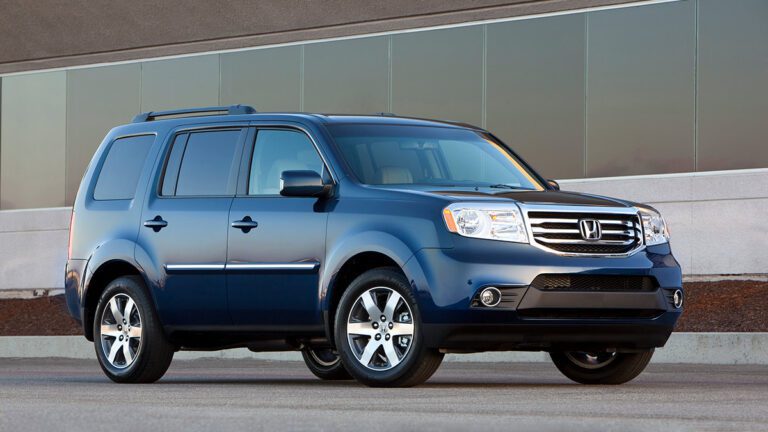
The Honda Pilot is a solid SUV. Comfortable, reliable, and built for families who need space without sacrificing too much on performance. But even great vehicles have their quirks, and one of the most alarming things a Honda Pilot owner can experience is watching that Drive light start blinking on the dashboard out of nowhere.
If you have ever been cruising down the highway only to glance at your dashboard and see the “D” light flashing at you like a warning beacon, you know the feeling. Your stomach drops a little. Is it serious? Can you keep driving? What does it even mean?
The short answer is yes, it is serious enough to pay attention to, but no, it is not always a financial disaster. Understanding what is actually triggering that blinking light puts you in a much better position, whether you are handling it yourself or walking into a mechanic’s shop without getting taken for a ride.
This guide breaks down every major cause of the blinking Drive light on a Honda Pilot, what the symptoms look like in the real world, what each fix actually costs, and some extra context that will help you make smarter decisions about your vehicle going forward.
What Does the Blinking Drive Light Actually Mean?
Before getting into the specific causes, it helps to understand why that light exists in the first place. The Drive light on your Honda Pilot is not just a simple indicator that the car is in Drive mode. It is part of a feedback system tied directly to your transmission.
When the light blinks, your car is essentially telling you that the transmission’s computer has detected a fault somewhere in the system. Think of it as the transmission’s version of a check engine light. The vehicle is not broken beyond repair, but something is off, and the system wants you to know about it before things get worse.
Here is something important to keep in mind. The blinking Drive light almost always comes paired with a stored trouble code inside the vehicle’s onboard diagnostic system. That means a mechanic, or even someone with a basic OBD-II scanner, can pull a code that points directly toward the problem. That is a huge advantage because it removes a lot of the guesswork.
But here is the thing. Even if you pull a code, understanding what that code means in plain English still requires some background knowledge. That is where this guide comes in.
Why This Happens Specifically on the Honda Pilot
The Honda Pilot uses a hydraulically controlled automatic transmission. This type of transmission relies on a precise combination of fluid pressure, electronic signals, and mechanical components working together seamlessly. When any one of those elements goes out of sync, the system notices immediately.
Honda designed the Drive light to blink specifically when the transmission control module detects an abnormality. It is a protective mechanism. The vehicle is not going to let you keep driving in ignorance while a serious problem quietly destroys expensive internal components.
Older Honda Pilot models from the early 2000s through the mid-2010s are particularly known for this issue. That does not mean the vehicle is poorly built. It actually means the onboard systems are doing exactly what they were designed to do. The real problem is always the underlying mechanical or electrical fault, not the light itself.
The 4 Most Common Causes of a Blinking Drive Light on a Honda Pilot
1. A Stuck or Faulty Transmission Clutch Pressure Oil Switch
This is one of the most frequently reported causes of the blinking D light on the Honda Pilot, and it is worth spending a little extra time understanding why.
Your automatic transmission has multiple clutch packs inside it. These are groups of friction discs that engage and disengage to allow the transmission to shift between gears smoothly. The clutch pressure oil switch is the component responsible for monitoring the hydraulic pressure being applied to these clutch packs.
Here is how it works in simple terms. When you accelerate and the transmission needs to shift from second gear to third gear, for example, the transmission’s computer sends a signal to apply pressure to a specific clutch pack. The clutch pressure oil switch reads that pressure, confirms everything is working correctly, and sends that confirmation back to the computer.
When the switch sticks in the “on” position when it should be “off,” or when it fails entirely, the computer receives a false reading. It cannot confirm whether the clutch is engaging correctly, so it does the responsible thing and triggers the warning light.
In real-world driving, this might feel like nothing at all in the early stages. The car might shift perfectly fine, but the light still blinks. That is actually a common pattern with this particular fault. The transmission may still function normally for a while before the problem escalates.
What to watch for:
- Blinking D light with no obvious change in shifting behavior initially
- Rough or inconsistent gear shifts as the problem progresses
- The light appearing and disappearing intermittently before becoming constant
- A stored trouble code related to the clutch pressure switch circuit
The fix: There are two paths here. The first option is to try freeing up a stuck switch, which sometimes resolves the issue temporarily. The more reliable solution is replacing the switch outright. Parts and labor combined typically run between $170 and $300, depending on your location and the shop you use. Given how affordable this fix is relative to the bigger transmission problems it can prevent, most mechanics will recommend going straight to replacement.
One thing worth knowing: the Honda Pilot has multiple clutch pressure switches, not just one. The trouble code your mechanic pulls should point toward which specific switch is failing, so you are not just replacing everything blindly.
2. A Bad Shift Solenoid (Also Called a Shift Actuator)
If the clutch pressure switch is the sensor that monitors what is happening, the shift solenoid is the component that actually makes things happen. These are two different parts, but they both live inside your transmission and both can trigger that blinking Drive light when they fail.
A shift solenoid is an electromechanical valve. When the transmission computer decides it is time to shift gears, it sends an electrical signal to the appropriate solenoid. That solenoid opens or closes a valve, which controls the flow of transmission fluid to specific clutch packs or bands. That fluid pressure is what physically causes the gear change to happen.
Your Honda Pilot has several shift solenoids, and any one of them failing can cause the Drive light to blink. The specific solenoid that fails will determine exactly how the car behaves when it starts to go wrong.
Common reasons shift solenoids fail:
- Normal wear and tear over high mileage
- Contaminated or degraded transmission fluid clogging the solenoid
- Electrical issues like damaged wiring or corroded connectors
- Transmission slipping that puts extra stress on the solenoid
The blinking Drive light is often the first sign, but it is rarely the only one once things progress. Pay close attention to how your car is actually shifting, because the behavior will tell you a lot.
Additional symptoms of a bad shift solenoid:
- The transmission gets stuck in one gear and will not shift up or down
- Noticeable delays when the car shifts, like it is thinking too long before changing gears
- The car skips a gear entirely, jumping from second straight to fourth, for example
- Shifting happens at the wrong RPM, either too early or too late
- Harsh, jerky shifts that feel nothing like normal
Imagine driving on an on-ramp and flooring it, expecting the transmission to downshift and give you a burst of acceleration. Instead, there is a long, awkward pause, and then the car finally lurches into the lower gear. That kind of behavior points strongly toward a solenoid issue.
The fix: Replacement is the standard approach. The good news is that in many cases, the solenoid can be replaced without pulling the entire transmission out of the vehicle. It is accessed through the valve body assembly, which is a complex job but far less expensive than a full transmission rebuild. Solenoid parts for the Honda Pilot typically cost around $52 per solenoid, with labor running approximately $150 per solenoid. If multiple solenoids are failing, the total cost will be higher, but shops will often discount labor slightly when replacing several at once.
Before replacing any solenoid, a good mechanic will check the transmission fluid condition first. Contaminated fluid is a leading cause of solenoid failure, and putting a new solenoid into dirty fluid is a fast way to ruin the new part.
3. Low Transmission Fluid
This one sounds almost too simple compared to the technical explanations above, but do not underestimate it. Low transmission fluid is a very real and surprisingly common trigger for the blinking Drive light, and it can happen gradually without any dramatic warning signs.
Here is why it matters so much. Your automatic transmission is a hydraulic system. It needs a specific volume of fluid at a specific pressure to function correctly. When the fluid level drops, the hydraulic pressure throughout the system drops with it. Clutch packs do not engage fully. Solenoids do not operate the valves correctly. The computer detects these pressure abnormalities and responds by triggering the warning light.
Unlike engine oil, transmission fluid does not get “burned up” during normal operation. If your fluid is low, that almost always means there is a leak somewhere. It could be a small, slow leak you have not noticed yet, a failing seal, or a pan gasket that has started to deteriorate.
How to identify low transmission fluid as the culprit:
- Check under your car after it has been parked overnight. A reddish or brownish fluid puddle under the center or rear of the vehicle points to a transmission fluid leak.
- Your temperature gauge may read higher than normal. Low fluid means less cooling capacity, which causes the transmission to run hotter.
- Shifts feel noisier, rougher, or more delayed than usual.
- You might notice a faint burning smell, especially after driving in traffic or towing anything.
Some Honda Pilot owners discover low transmission fluid simply by checking the dipstick during routine maintenance, which is a good habit to develop regardless. Pull the dipstick with the engine warm and running, wipe it clean, reinsert it, pull it again, and check the level and color. Healthy transmission fluid should be a transparent reddish color. Dark brown or black fluid with a burnt smell is telling you something else entirely.
The fix: Topping up the fluid itself is straightforward and affordable. Transmission fluid for the Honda Pilot typically runs between $54 and $68 for the fluid alone. Labor for a top-up or fluid change at a shop will add at least $100 to that figure. But here is the thing: if the fluid was low because of a leak, topping it up without fixing the leak is only a temporary solution. Make sure your mechanic identifies and repairs the source of the leak at the same time.
Also worth noting: Honda recommends a specific type of transmission fluid for the Pilot. Using the wrong fluid type can actually cause shifting problems on its own. Always verify that your mechanic is using Honda-approved fluid, or check your owner’s manual if you are doing this yourself.
4. A Failing Clutch Pressure Sensor
The clutch pressure sensor is sometimes confused with the clutch pressure oil switch discussed earlier. While they are closely related and serve similar functions, they are distinct components, and either one failing can trigger the blinking Drive light.
The clutch pressure sensor acts as a safety and monitoring device. One of its primary roles is to prevent the engine from starting while the vehicle is still in gear, which would obviously cause some very unpleasant and dangerous things to happen. Beyond that safety function, it continuously monitors clutch engagement pressure and reports that data back to the transmission control module.
When this sensor starts to fail, the computer loses reliable data about what the clutch is actually doing. The result is a lot like what happens with the other faults described above. The system cannot confirm proper operation, so it flags the warning light to alert you.
The symptoms of a failing clutch pressure sensor overlap significantly with those of a bad shift solenoid, which is one reason why pulling a specific trouble code matters so much. Without a code, diagnosing between these two issues based on symptoms alone can be difficult even for experienced mechanics.
Symptoms that may point to a failing clutch pressure sensor:
- Blinking D light, often the first and most obvious sign
- Difficulty starting the vehicle or unexpected stalling
- Erratic gear shifts that feel unpredictable
- The car behaving as though it is stuck between gears
- Trouble codes specifically referencing the clutch pressure circuit
The fix: Repairing a clutch pressure sensor is rarely practical. The component is compact, precision-engineered, and not designed for field repair. Replacement is almost always the right call, and it is genuinely one of the more affordable fixes on this list. Parts typically run between $68 and $75, with labor costing no more than $100 in most cases. That is a relatively small investment to restore confidence in your transmission system.
How These Problems Are Connected: Understanding the Bigger Picture
One thing that surprises a lot of Honda Pilot owners is how interconnected these four causes actually are. They do not always happen in isolation. In fact, one problem can trigger another if left unaddressed for too long.
Here is a practical example. Say your transmission fluid has been slowly leaking for several months. The fluid level drops gradually. The reduced fluid pressure starts putting extra stress on the shift solenoids because they are working harder to maintain proper valve operation with less hydraulic force behind them. Over time, that stress causes one or more solenoids to wear out prematurely. Now you have both a fluid leak and a bad solenoid, and the repair bill is much higher than if you had caught the leak early.
This is why the blinking Drive light is worth acting on promptly. It is not just an annoyance. It is an early warning system designed to help you avoid much more expensive damage down the road.
Can You Drive a Honda Pilot With the Drive Light Blinking?
This is probably the first question that runs through most people’s minds when they see that light start flashing. The honest answer is: it depends, but you should not push your luck.
If the light just started blinking and the car is still shifting normally, you probably have a short window where driving is reasonably safe for getting the vehicle to a mechanic. Do not treat that window as permission to put off the repair for weeks.
If the light is blinking and the car is also behaving strangely, shifting roughly, getting stuck in gear, or feeling sluggish, stop driving and get it looked at immediately. Continuing to drive with active transmission problems can turn a $200 repair into a $2,000 or higher transmission rebuild or replacement.
Think of it this way. Your transmission is one of the most expensive components in your vehicle to replace. Protecting it by responding quickly to warning signs is one of the smartest financial decisions you can make as a vehicle owner.
A Quick Cost Comparison of All Four Causes
| Cause | Parts Cost | Labor Cost | Total Estimated Cost |
|---|---|---|---|
| Stuck/Faulty Clutch Pressure Oil Switch | $70 – $150 | $100 – $150 | $170 – $300 |
| Bad Shift Solenoid (per solenoid) | ~$52 | ~$150 | ~$200 per solenoid |
| Low Transmission Fluid (top-up) | $54 – $68 | ~$100 | $154 – $168+ |
| Failing Clutch Pressure Sensor | $68 – $75 | Up to $100 | $168 – $175 |
These figures are general estimates. Actual costs will vary based on your geographic location, whether you go to a dealership versus an independent shop, and the model year of your Pilot. Dealerships typically charge more for labor, but they also have access to OEM parts and Honda-specific diagnostic tools.
What Happens If You Ignore the Blinking Drive Light?
Let’s be direct about this. Ignoring the blinking Drive light is a gamble that rarely pays off. Here is what can realistically happen if you keep driving without addressing the problem.
A stuck clutch pressure switch left unresolved can cause the transmission to operate under incorrect pressure conditions for extended periods. Over time, this causes accelerated wear on the clutch packs themselves. Replacing a clutch pack is a much bigger job than replacing a switch.
A failing shift solenoid that is not replaced can cause the transmission to shift at the wrong times or not shift at all. Driving with a stuck solenoid can overheat the transmission fluid, damage the valve body, and eventually cause internal transmission damage that requires a full rebuild or replacement.
Low transmission fluid that is not addressed will eventually cause the transmission to run dangerously hot. Heat is the number one killer of automatic transmissions. A transmission that overheats repeatedly will fail much sooner than one that is properly maintained.
The math is pretty straightforward. A $200 repair today versus a $3,000 to $5,000 transmission replacement later. The choice is not a difficult one.
How to Get a Proper Diagnosis Without Getting Overcharged
One of the biggest concerns Honda Pilot owners express is walking into a shop and not knowing whether they are getting an honest assessment or an upsell. Here is some practical advice to protect yourself.
Step 1: Pull the Trouble Code Yourself First
You can buy a basic OBD-II scanner for as little as $25 to $50 at any auto parts store, or use a free scanning service at stores like AutoZone or O’Reilly. The code you pull will reference a specific system or component. Write it down and do a quick search before visiting a mechanic. Walking in informed is your best defense against unnecessary repairs.
Step 2: Ask for a Written Estimate Before Authorizing Any Work
A reputable shop will not have a problem providing this. The estimate should list parts, labor, and any diagnostic fees separately. Do not authorize a “blanket” repair without knowing exactly what is being done and why.
Step 3: Get a Second Opinion If the Estimate Feels High
If a shop tells you the blinking Drive light means you need a full transmission replacement and the car is still driving reasonably normally, get another opinion. Full replacements are sometimes necessary, but they should not be the first recommendation for the faults discussed in this guide.
Step 4: Ask Specifically Whether the Issue Requires Genuine Honda Parts
For some components, OEM (Original Equipment Manufacturer) parts are genuinely worth the extra cost because aftermarket alternatives may not meet Honda’s specifications. For others, a quality aftermarket part works perfectly well. A trustworthy mechanic will give you an honest answer when you ask.
Preventive Maintenance Tips to Avoid This Problem in the Future
Once you have resolved the blinking Drive light issue, keeping the problem from coming back is largely a matter of staying on top of basic transmission maintenance. This is not complicated, but it does require consistency.
Check Your Transmission Fluid Regularly
Make it part of your routine oil change inspection. Check the level and the color. Clean red fluid is healthy. Dark, cloudy, or burnt-smelling fluid needs to be changed regardless of mileage.
Follow Honda’s Recommended Fluid Change Intervals
Honda recommends changing the transmission fluid on the Pilot approximately every 30,000 to 60,000 miles under normal driving conditions. If you frequently tow, drive in stop-and-go traffic, or operate in extreme temperatures, lean toward the shorter interval.
Use Only Honda-Approved Transmission Fluid
This one is worth repeating because it genuinely matters. Honda’s transmissions are designed around specific fluid properties. Using a generic alternative or the wrong specification can cause shifting problems, solenoid issues, and premature wear. Always verify the correct fluid type for your specific model year.
Address Small Leaks Immediately
A minor transmission fluid leak is cheap to fix. A transmission that fails because of chronic low fluid is not. If you see any reddish fluid under your car, do not assume it will seal itself.
Pay Attention to How the Car Shifts Every Day
You know your vehicle better than anyone. If shifts start feeling different, slightly rougher, delayed, or noisier, that is your signal to get things checked before the problem escalates. Small changes in shifting behavior are often the first indicator that something needs attention.
Honda Pilot Model Years Most Commonly Affected
While any Honda Pilot can experience the blinking Drive light issue, certain model years see this problem reported more frequently. Understanding which years are more susceptible helps you set appropriate maintenance expectations.
| Model Year Range | Common Transmission Issues Reported | Risk Level |
|---|---|---|
| 2003 – 2008 | Clutch pressure switch failures, shift solenoid issues | High |
| 2009 – 2015 | Solenoid wear, fluid degradation at higher mileage | Moderate |
| 2016 – 2022 | Less frequent, but fluid-related issues still reported | Lower |
If you own an older Pilot with over 100,000 miles, being proactive about transmission maintenance is especially valuable. These vehicles are well-built and can last well past 200,000 miles with proper care, but they are not immune to the wear that comes with age and high mileage.
What About Dealer Recalls and Technical Service Bulletins?
This is something a lot of Honda Pilot owners overlook. Honda, like all manufacturers, issues Technical Service Bulletins (TSBs) when a known issue is identified across a range of vehicles. TSBs are not the same as recalls. They do not always result in free repairs, but they do provide mechanics with Honda-approved diagnostic and repair procedures for known problems.
There have been TSBs related to transmission issues on various Honda Pilot model years. Before paying out of pocket for a repair, it is worth checking whether a TSB exists for your specific problem and model year. You can do this through the National Highway Traffic Safety Administration (NHTSA) website at no cost.
If your vehicle is still under Honda’s powertrain warranty (5 years or 60,000 miles on new vehicles), a transmission-related fault may be covered. Even if you are outside that window, some extended warranties or Honda Care plans cover transmission components. Check your documentation before assuming you are paying entirely out of pocket.
Frequently Asked Questions About the Honda Pilot Blinking Drive Light
Will the blinking Drive light go away on its own?
It might disappear temporarily, especially if the issue is intermittent. But that does not mean the problem is resolved. The underlying fault is still there, and the light will almost certainly come back. Treat a temporary disappearance as a reminder to get things checked, not as a sign that things have fixed themselves.
Can I reset the blinking Drive light by disconnecting the battery?
You can clear the code this way, and the light may go off temporarily. But again, if the underlying issue has not been fixed, the code will come back and the light will start blinking again. Clearing a code without fixing the problem is like turning off a smoke alarm without checking for the fire.
Is the blinking Drive light the same as the check engine light?
No. The check engine light covers a much broader range of systems. The blinking Drive light is specific to the transmission system. That said, in some cases both lights may be on simultaneously if the transmission fault is serious enough to affect overall engine management.
Should I go to a Honda dealership or an independent mechanic?
Both are valid options. A Honda dealership will have factory-trained technicians and Honda-specific diagnostic equipment, which can be an advantage for transmission issues. An independent shop with experience on Japanese vehicles can also do excellent work, often at a lower labor rate. The key is finding someone who knows Honda transmissions specifically, not just a general auto shop.
How long can I drive with the light blinking before serious damage occurs?
There is no reliable universal answer because it depends entirely on what is causing the light. In some cases, you have days or weeks of relatively safe driving. In others, continuing to drive can cause damage within hours. The only safe approach is to have the vehicle diagnosed as soon as possible and follow your mechanic’s guidance on whether it is safe to drive in the meantime.
The blinking Drive light on your Honda Pilot is not something to brush off or wait out. Whether it is a stuck pressure switch, a worn solenoid, low fluid, or a failing sensor, every one of these issues has a clear, fixable solution at a cost that is very manageable compared to what happens if the problem is left to get worse. Get the code pulled, understand what you are dealing with, and take care of it. Your transmission will thank you with thousands of more miles of smooth, reliable driving.