
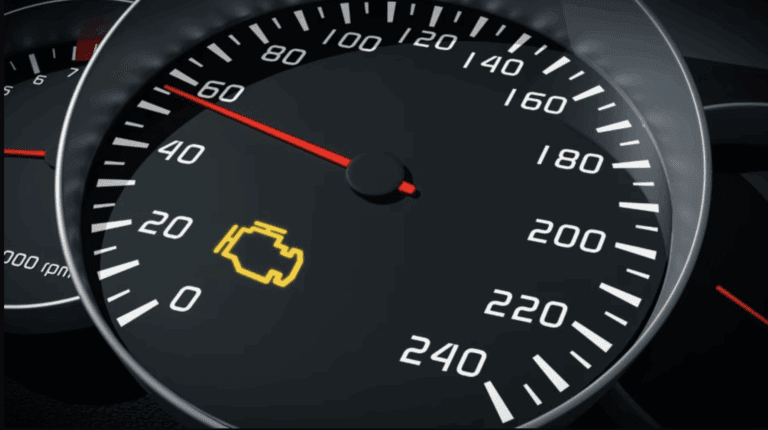
It is never fun to finish a car wash and then glance at your dashboard only to see the check engine light come on. The annoying part is that sometimes it is nothing more than temporary moisture, and other times it is a sign something got wet where it should not have. Either way, you should treat it seriously because the car is telling you it detected something out of the ordinary.
If the light comes on after a wash, moisture could have triggered the light, and that moisture can seep into places that are not meant to be soaked. In some cases, water can harm wires, connectors, or hoses, and that is when repairs start getting expensive. The trick is figuring out which situation you are in, not assuming it will magically disappear.
This guide breaks down the most common reasons a check engine light pops up after a car wash, what the warning might be pointing to, and what you should do next. You will also see clear signs that tell you when the issue is likely temporary versus when it may involve components like sensors or even the catalytic converter.
Let us start with the most basic question. Why would a car react like this after a wash in the first place?
Why Does the Check Engine Light Come On After a Car Wash?
Moisture is a frequent adversary for vehicles. Since the dawn of automobiles, manufacturers have worked to shield cars from water damage by using sealed housings, protective gaskets, and controlled drainage paths.
Here is the problem. The equipment used to clean our cars can sometimes force water where it should not go. High-pressure sprayers, dirty nozzles, and even the way a wash wand directs water can push moisture into areas that normally stay dry.
Below are typical problems that may arise after a car wash. Some are “dry it out and move on” situations. Others point to real damage that should not be ignored.
Damaged Sensors Near the Engine
Water can infiltrate the engine compartment or battery area in several ways. If a vehicle is partially submerged, water may enter from the sides or beneath, affecting the battery.
Even the hood might not fully shield the engine from water, particularly from high-pressure sprays at car washes. When the stream hits edges, seams, or places where hoses and wiring harnesses pass through panels, moisture can work its way inside.
Once water enters the engine area, it can combine with dirt and debris already present. That mixture can form a sludge that damages the engine or battery.
Sensors, which are crucial for the vehicle’s monitoring system, may malfunction if exposed to water and grime, triggering the check engine light. The car is constantly looking for reliable input signals, and water-related interference can make those signals look wrong even if everything is still physically okay.
A faulty sensor disrupts the vehicle’s computer system, as it fails to relay accurate data, causing the check engine light to activate. In other words, the check engine light is not guessing. It is responding to sensor readings that do not match what the car expects.
In the real world, this is what often happens. A light comes on right after the wash. The engine may run normally for a short time. Then, once moisture settles and corrosion starts developing at an exposed connector or sensing element, you see the light persist.
Even if you do not get a dramatic symptom, the warning matters because sensors are tied directly to how the engine controls fuel and timing. A sensor reading that is slightly off can lead to poor combustion, rough idle, and worse fuel efficiency, even if the car seems driveable.
To narrow down sensor-related trouble after a wash, pay attention to timing. If the light appears immediately after leaving the wash bay, sensor moisture exposure is more likely. If the light shows up days later, the problem may be something different, although moisture effects can also linger.
Also pay attention to whether the light is steady or flashing. A flashing light usually means the engine is misfiring significantly, which is a “stop and fix the underlying issue” situation. A steady light often indicates a problem that can be diagnosed more gradually, but it still should not be ignored.
One more owner-friendly point. Do not keep washing and spraying the area around the battery, fuse box, or sensor connectors trying to “fix it.” That can worsen water intrusion. If moisture was the trigger, you want the car to dry out, then diagnose with codes.
Improper Sealing by the Manufacturer
Manufacturing defects are not uncommon in the automotive world. Issues like faulty navigation, defective software, or brake problems have been reported by brands like Ford, Lexus, and Mercedes-Benz in recent years.
So yes, it is possible that your vehicle’s manufacturer failed to adequately seal it against water intrusion. It is also possible that a defective unit slipped through quality control unnoticed.
When sealing is not perfect, the wash that triggers your warning can be “the first stress test” your car has seen in a while. Older vehicles, in particular, may have more gaps, allowing water to enter and interfere with internal systems.
Here is a practical way to think about this. Seals do not only fail because they were wrong at the factory. They also age. Gaskets get brittle. Plastic clips loosen. Rubber boots harden. Even if the factory started with good sealing, wear over time can turn “water resistant” into “water sensitive.”
If you suspect sealing is the issue, your diagnosis still needs to use codes. The point is not to debate why it happened. The point is to confirm what component is reporting a fault after the vehicle gets wet.
Some owners assume that since the car still drives, the water intrusion must not be serious. But computer-controlled systems can detect problems long before they become mechanical failures you can hear. That is why the check engine light is a useful early warning.
Even when a sealing issue exists, you still want to know whether your light is coming from an intake issue, an emissions sensor, a misfire, or something else. “Water intrusion” is the story, but the codes are the evidence.
Water in the Air Intake
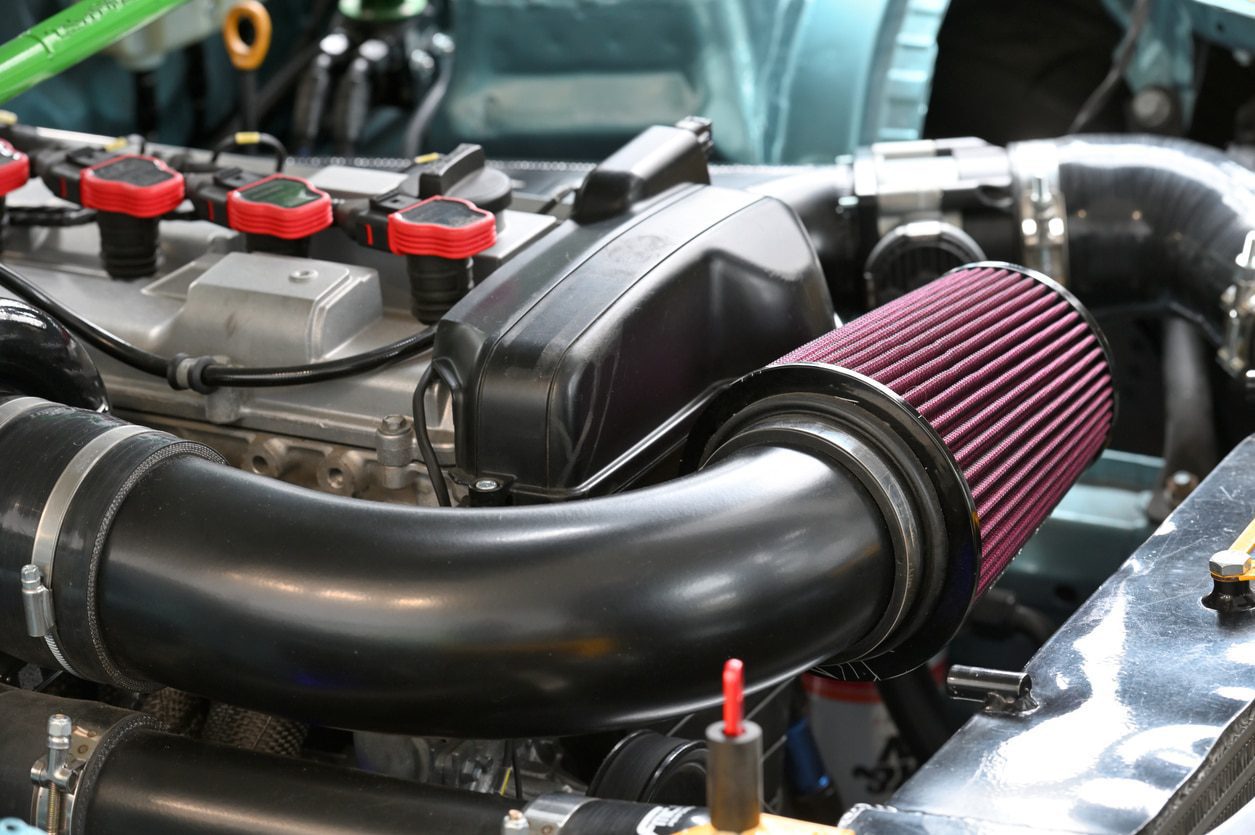
Vehicles with air intake systems positioned lower on the body are more prone to water-related issues. If the intake draws air from near the ground, car wash spray and puddle splash can reach it faster than you would expect.
Mass air flow sensors, often located near fuel injectors, regulate air entering the engine’s cylinders. These sensors ensure the right amount of fuel is delivered based on how much air the engine is pulling in.
A small amount of water in the air intake may evaporate due to engine heat. That is why some owners see a brief light that clears after a short drive. However, if significant water accumulates, you will need a mechanic to clear it out, along with any mold or debris in the system.
When water sits inside an air intake system, the problem is not only “wet air.” The moisture can mix with dust and create deposits. Over time, that can affect sensor behavior and airflow measurement.
It is also easy to overlook mold and debris. A damp intake area can grow contaminants that keep the system dirty even after the initial water has dried. That is why the guidance about clearing water and cleaning out mold or debris is so important when the light persists.
Owners often ask, “How do I know if it is just a little moisture versus a real water ingestion issue?” The answer is timing plus symptoms plus codes.
If the light appears immediately after a wash and your car runs normally once the engine warms up, it can be consistent with a minor moisture disturbance that evaporates. If the light returns repeatedly, the car hesitates, or you hear changes in idle stability, it leans toward a more serious intake moisture problem.
There is also a big difference between the intake being “wet inside” versus simply having wet surfaces around the engine bay. A mechanic typically verifies what the sensor sees using diagnostic tools, not just by looking at the outside.
Failing Catalytic Converter
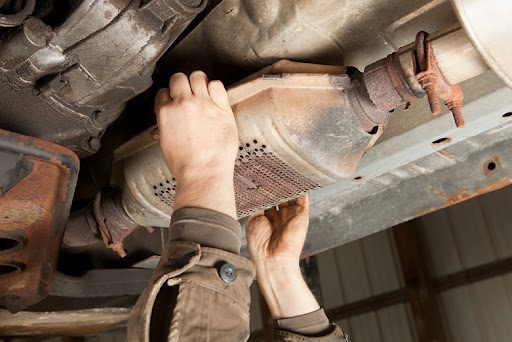
One of the most severe issues post-car wash is a malfunctioning catalytic converter. This component reduces harmful emissions produced by the engine.
A faulty catalytic converter can prevent your vehicle from passing a smog test, rendering it illegal to drive, even with valid registration and insurance. That is the part many people miss. Insurance does not override emissions laws.
When the catalytic converter fails, the check engine light and other warning indicators may light up. The vehicle may also show drivability signs because the exhaust flow and emissions processing are no longer working as expected.
Signs of a failing catalytic converter include reduced fuel efficiency, frequent engine misfires, or a rattling sound from the engine. Replacing this part is costly, with prices ranging from $800 to $1,200, excluding labor charges.
Here is why this topic belongs in a car wash conversation. Water exposure can sometimes trigger conditions that reveal a weak or failing converter. Even if the wash did not “create” the failure from scratch, it can coincide with enough moisture and sensor disturbance to push the engine into a state where emissions faults are detected.
If you notice a rattling sound plus a check engine light after a wash, do not ignore it. That combination can indicate an internal converter issue. Running the car too long with a failing converter can lead to other problems, especially if misfires introduce unburned fuel into the exhaust.
What to Do When the Check Engine Light Comes On
Do not ignore a check engine light and continue driving. Neglecting it can worsen the problem. Even if you feel like you “can still get by,” the computer warning can point to something that will get more expensive the longer it is left unresolved.
Book a maintenance appointment with your mechanic, who can use diagnostic tools to pinpoint the cause. Mention your recent car wash visit so they can check for water-related damage. This detail matters because it changes what the technician investigates first.
While you are waiting for the appointment, there are a few sensible checks you can do without turning it into a full repair job. The goal is to make sure the problem is not getting dangerously worse.
Here is a simple decision guide you can use at home:
| What You Notice | What It Usually Means | Best Next Step |
|---|---|---|
| Light comes on soon after wash, engine runs normal | Possible temporary sensor moisture or small intake moisture event | Schedule diagnosis, and avoid repeated resets |
| Light comes on and idle feels unstable | Airflow measurement or intake-related fault may be present | Plan earlier appointment, check for any obvious water in intake area |
| Misfires or rough running | Could involve emissions control or catalytic converter-related issues | Do not keep driving long distances; get it checked promptly |
| Rattling sound plus warning indicators | Could align with a failing catalytic converter sign set | Limit driving and book inspection right away |
Do not keep clearing the light again and again. Resetting can temporarily shut the warning off, but it does not remove the underlying fault. In fact, repeatedly clearing codes can make it harder for the shop to capture useful information if the problem is intermittent.
If your car is behaving normally and the light is steady, you may still be able to drive carefully to a shop. If the vehicle is misfiring, feels unsafe, or you notice strong overheating or reduced power, the better move is towing rather than “pushing through.”
One more detail to help your mechanic. When you call, tell them whether the light appeared immediately after leaving the car wash or hours later. If you know the type of wash (self-serve high-pressure sprayer versus automatic wash), mention that too, because it affects how water reaches vulnerable areas.
Check Engine Light Persists After Inspection
This is one of the most frustrating situations: you bring the car in, the shop checks it, and then the light returns. If the check engine light keeps reappearing after a mechanic’s inspection, the issue might lie with the light’s wiring.
Moisture or physical jolts can damage dashboard wiring. When water creeps into connector areas or when the dash harness gets disturbed, the warning system can act strangely, including recurring light illumination.
Ask your mechanic to inspect the dashboard’s lighting system for a blown fuse or faulty wiring. It is a simple request, but it can save time if the code history does not match what you are seeing on the dash.
Here is a practical ownership tip. Before you visit the shop again, write down exactly when the light returns. For example: does it show up only after the next wash, only after rain, or also after bumps? Patterns like that help isolate whether you have a true engine fault or a dashboard circuit problem.
You can also ask your mechanic for a copy of the stored codes and whether the same codes return. If the underlying codes match the first diagnosis, it suggests the original issue is still present. If you get different codes or no codes while the light stays on, wiring and signal issues become more likely.
Sometimes people assume a check engine light must always be engine-related. That is not always correct in the way the warning system is displayed. That said, even if wiring is involved, it is still worth confirming what the computer has stored, because the engine monitoring system can be affected by moisture too.
Final Thoughts
Post-car wash issues, such as water entering the air intake, can trigger the check engine light. The most effective way to diagnose the problem is by using diagnostic codes. A mechanic can interpret these codes to identify malfunctioning components in your vehicle.
Here is the part that helps you avoid wasted time. If you connect the warning to the car wash but still wait for the light to “self-fix,” you can end up paying for damage that might have been prevented with earlier diagnosis. Get the codes read, then let the results guide the repair plan.
One strong question for you: when your check engine light came on, did it start immediately after the wash, and do the same warning codes keep showing up?