
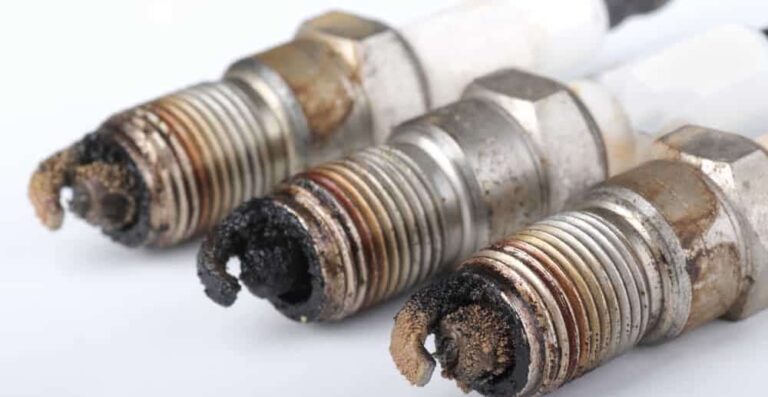
You go to start your car, and it just will not fire. You crank it again, and again, and nothing. Eventually you pull a spark plug to take a look, and it is soaking wet with fuel. That is a frustrating situation, and if you have never dealt with it before, it can feel like a mystery. But there are some very clear reasons why fuel ends up on spark plugs, and once you understand them, diagnosing and fixing the problem becomes a lot more manageable.
The unfortunate part is that every time you crank a flooded engine without it starting, you are making the problem worse. More fuel gets injected into the combustion chamber with each attempt, the plugs get wetter, and the harder the engine becomes to start. Understanding what is happening and knowing when to stop cranking is the first step toward getting back on the road.
Why Is There Fuel on Your Spark Plugs?
Spark plugs end up wet with fuel when the engine receives more fuel than it can ignite. The unburned fuel has nowhere to go, so it coats the spark plug electrodes. Once that happens, the plug cannot generate a proper spark, ignition fails, and the cycle continues with each failed start attempt adding more fuel to an already flooded system.
But what causes the over-fueling or ignition failure in the first place? There are several distinct culprits, and identifying the right one is what determines the correct fix.
1. A Weak or Failing Battery
This is one of the most common triggers, and it often catches drivers off guard because the connection between battery health and wet spark plugs is not immediately obvious.
Here is what happens. When the battery is weak, it does not have enough power to spin the starter motor at an adequate speed. A slow-cranking starter means the engine is not turning over fast enough to create good compression in the cylinders. Meanwhile, the fuel injectors are still delivering fuel on each revolution. The ignition system, also running on the weak battery, may not be generating a strong enough spark to ignite the fuel-air mixture under those low-compression, slow-crank conditions.
The result: fuel goes in, but nothing ignites it. The spark plugs get wet. Each additional attempt with the key makes things worse. This problem is especially common in cold weather, when battery performance drops significantly and engines need more cranking energy to start. If your car struggles more on cold mornings than in warmer conditions, your battery is worth checking before anything else.
Battery testing is quick, inexpensive, and available at most auto parts stores. If the battery is showing signs of weakness, more than three to four years old, slow to crank, losing charge overnight, replace it before winter arrives, not after it leaves you stranded.
2. Ignition System Problems
Even with good fuel delivery and correct compression, the engine will not fire if the ignition system cannot generate a strong enough spark. Several ignition-related faults can lead to wet spark plugs:
- Faulty ignition coil or coil pack: Modern engines use individual coils for each cylinder or a coil pack serving multiple cylinders. A failing coil produces a weak or intermittent spark that cannot reliably ignite the fuel-air mixture. The cylinder misfires, unburned fuel accumulates, and the plug gets flooded.
- Damaged high-voltage spark plug wires: On older systems with separate ignition wires, cracked or deteriorated insulation causes current to leak to ground before it reaches the spark plug. The result is a spark too weak to ignite the mixture, or no spark at all.
- Worn or damaged spark plugs themselves: A plug with eroded electrodes, heavy carbon deposits, or a cracked ceramic insulator will struggle to produce a reliable spark. Ironically, if the existing plugs are already in poor condition, they are more likely to get wet and compound the starting problem further. Spark plugs have a service life, typically between 30,000 and 100,000 miles depending on the type and skipping this replacement is asking for trouble.
3. Low-Quality or Mismatched Fuel
This is probably the most common cause of fuel on spark plugs that drivers overlook, particularly in regions where fuel quality varies significantly between suppliers. Low-quality fuel with an insufficient octane rating is harder to ignite under the conditions present in the combustion chamber, especially on a cold engine.
In warm conditions, even mediocre fuel usually ignites reliably enough. But when the engine is cold, the cylinder walls are cold, compression may not be quite as strong, and the fuel-air charge is denser. Under those conditions, low-octane or low-quality fuel may simply not ignite at all, leaving unburned fuel on the plugs.
If you notice the wet plug problem predominantly on cold starts, especially after filling up at an unfamiliar station or using the cheapest available fuel, poor fuel quality is a very likely contributor. Switching to a reputable fuel source and using the octane rating your manufacturer recommends is a straightforward fix if this is the root cause.
4. Faulty Engine Sensors Sending Wrong Signals to the ECU
This is where things get slightly more technical, but it is important to understand because sensor faults are a surprisingly common cause of over-fueling.
Your engine’s ECU does not decide how much fuel to inject based on guesswork. It collects real-time data from multiple sensors and calculates the correct fuel quantity for the current operating conditions. The sensors most directly involved in cold-start fueling decisions include:
- Coolant temperature sensor (CTS): Tells the ECU how warm the engine is. A cold engine needs a richer mixture to start. If this sensor fails or sends an inaccurate reading, for example, telling the ECU the engine is colder than it actually is, the ECU commands more fuel than is needed. The result is over-fueling and flooded plugs.
- Mass Airflow (MAF) sensor: Measures how much air is entering the engine. The ECU uses this data to calculate the correct fuel quantity for a balanced air-fuel mixture. A dirty or failing MAF sensor sends inaccurate airflow readings, which throws off the fuel calculation. Too much fuel for the actual amount of air entering the engine means incomplete combustion and fuel-soaked plugs.
- Throttle position sensor (TPS): Tells the ECU where the throttle is and how quickly it is being opened. This information influences how aggressively fuel is delivered during acceleration and startup. A faulty TPS can cause incorrect fuel enrichment.
- Crankshaft position sensor: Tells the ECU the exact position and speed of the crankshaft, which is critical for injection timing. If injection timing is off because of a faulty crank sensor, fuel may be injected at the wrong moment in the combustion cycle, reducing the chance of successful ignition.
When any of these sensors sends incorrect data, the ECU makes poor fueling decisions. Too much fuel enters the cylinders, the spark plugs get overwhelmed, and starting becomes difficult or impossible. If you suspect sensor issues, connecting a diagnostic scan tool to read live sensor data and check for stored fault codes is the most efficient way to identify which sensor is misbehaving.
Symptoms That Tell You Fuel Is on Your Spark Plugs
You do not always need to pull the plugs to suspect this problem. These are the warning signs to watch for:
- The engine cranks but will not start, particularly after multiple attempts. Each crank cycle that fails to produce ignition adds more fuel to already wet plugs, compounding the problem progressively.
- Rough, unstable engine running on a cold start. If the engine does eventually fire up but runs unevenly, with misfires or a lumpy idle, fuel-fouled spark plugs are often responsible. This can also manifest as a noticeable drop in acceleration responsiveness and overall performance until the engine warms fully.
- Black smoke from the exhaust pipe, with a distinct fuel smell. Unburned fuel passing through the exhaust system creates dark, acrid smoke that smells noticeably of petrol or diesel. This is a clear sign of incomplete combustion caused by over-fueling, plug fouling, or both.
- Visually wet spark plugs when you remove them. If the symptoms above are present and you remove the plugs, wet, fuel-soaked electrodes confirm the diagnosis immediately. Healthy plugs should look dry, with a light tan or grey deposit on the electrode.
How to Start an Engine With Fuel-Flooded Spark Plugs
If you are already in this situation, here is what to do. The goal is to clear the excess fuel from the cylinders and dry out or replace the spark plugs before attempting another start.
Step 1: Stop Cranking
The worst thing you can do is keep turning the key hoping it will eventually catch. Every failed crank cycle adds more fuel. Stop attempting to start the engine and give yourself a moment to approach this methodically.
Step 2: Remove and Dry the Spark Plugs
Remove all the spark plugs and inspect them. If they are wet with fuel, they need to be dried before they will work again. There are a few ways to do this:
- Air drying: Leave the plugs exposed to air for 20 to 30 minutes. Fuel evaporates relatively quickly at ambient temperature, and light fouling may clear on its own.
- Heat drying: For faster results, the plugs can be carefully heated with a gas stove flame or a heat gun. Hold the plug with pliers rather than your bare hand, apply heat to the electrode end, and move it constantly to avoid overheating any one spot. Allow the plug to cool before handling or reinstalling. This method works well for moderate fouling.
- Replace the plugs: If you have a spare set available and keeping one in your emergency kit is genuinely good advice for any car owner, swapping in fresh plugs is the fastest and most reliable solution. You eliminate any doubt about whether the dried plugs are fully functional.
Step 3: Clear the Fuel From the Cylinders
Drying the plugs alone is not enough if the cylinders themselves are still wet with fuel. You need to clear that before reinstalling the plugs.
The most effective method is to use an air compressor to blow air through the open spark plug holes, pushing excess fuel out of the cylinders. If you are roadside without access to a compressor, an alternative method works reasonably well:
- Disconnect the electrical connectors from the fuel injectors. This prevents more fuel from being injected during the clearing process.
- Press the accelerator pedal fully to the floor and hold it there. On modern fuel-injected engines, this activates a “clear flood” mode on most ECUs, which cuts fuel injection while maximizing airflow.
- Crank the engine for about 10 seconds. This draws fresh air through the cylinders and helps push out the excess fuel.
- Release the pedal, reconnect the injector connectors, reinstall the cleaned or replacement plugs, and attempt a normal start.
You may need to repeat the plug drying and cylinder clearing process two or three times before the engine starts reliably. Be patient, rushing this and forcing repeated start attempts without clearing the cylinders will just flood them again.
Step 4: Reinstall the Plugs and Start Normally
Once the cylinders are clear and the plugs are dry or replaced, reinstall the plugs and attempt a normal start. Do not pump the accelerator excessively, just a normal, steady attempt. If the underlying cause has been addressed and the cylinders are clear, the engine should fire.
If it does not start after two or three clean attempts, there is likely an underlying cause still present, whether that is a sensor issue, an ignition fault, or an ongoing fueling problem, that needs proper diagnosis before you can move forward.
How to Diagnose the Root Cause Properly
Getting the engine started again is the immediate priority, but it is only half the job. If you do not identify and fix whatever caused the plugs to get flooded in the first place, you will be back in the same situation before long. Here is a logical diagnostic sequence:
| Check This First | What to Look For | Fix |
|---|---|---|
| Battery | Low voltage, slow cranking, more than 3-4 years old | Test with a battery tester; replace if weak |
| Fuel quality | Problem started after filling up; worse in cold conditions | Drain and refill with quality fuel at the correct octane |
| Spark plugs | Worn electrodes, heavy deposits, damaged ceramic | Replace the full set, not just the wet ones |
| Ignition coils and wires | Weak spark, misfire codes, visible damage to wires | Test coils; replace damaged wires or coils |
| Coolant temperature sensor | Engine over-fueling on cold start, incorrect temp reading | Test sensor resistance; replace if out of spec |
| MAF sensor | Inaccurate airflow readings, rough idle, rich running | Clean with MAF cleaner spray; replace if fault persists |
| Throttle position sensor | Erratic fueling, hesitation, incorrect throttle readings | Scan for fault codes; replace if confirmed faulty |
| Crankshaft position sensor | Timing issues, no-start conditions, intermittent starting | Scan for fault codes; replace if confirmed faulty |
| ECU fault codes | Stored codes related to any of the above sensors or systems | Address the specific code; clear memory after repair |
Start with the simplest and cheapest checks, battery voltage, fuel quality, and spark plug condition, before moving on to sensor diagnostics. Most cases of fuel-flooded spark plugs have a straightforward cause that does not require advanced diagnostic equipment to identify.
How to Prevent Fuel From Getting on Your Spark Plugs
Like most car problems, prevention is simpler and cheaper than repair. Here are the habits that keep this problem from recurring:
- Keep your battery in good condition. Test it annually before winter. A battery that is struggling in mild weather will almost certainly fail in cold weather. Replace it proactively rather than waiting for a no-start situation.
- Use quality fuel from reputable stations. The octane rating matters, especially in cold conditions. Follow your manufacturer’s minimum octane recommendation and when in doubt, go one grade higher in winter.
- Replace spark plugs on schedule. Check your owner’s manual for the recommended interval. Worn plugs are far more prone to fouling than fresh ones. Replacing the full set at once ensures consistent ignition across all cylinders.
- Do not over-crank a flooded engine. If the car does not start within a few normal attempts, stop. Continuing to crank makes the situation significantly worse. Wait a few minutes to let fuel evaporate slightly, then try the full-throttle clear method described above.
- Have the ignition system checked if you notice misfires or rough idling. These are early warning signs that ignition components are weakening. Catching and replacing a failing coil or set of plug wires early prevents the situation from escalating to a flooded engine.
- Scan for sensor fault codes periodically, especially if the car runs roughly, uses more fuel than normal, or is hard to start in cold conditions. Many parts stores offer free code reading, and catching a failing sensor early costs far less than dealing with the damage caused by extended over-fueling.
Fuel on spark plugs is a problem that almost always has a fixable root cause. The engine is not randomly flooding itself, it is responding to a specific failure somewhere in the battery, ignition, fueling, or sensor systems. Work through the causes systematically, fix the underlying problem, and the issue will not come back. Ignore the root cause and just keep drying out the plugs, and you will be doing this again very soon.