
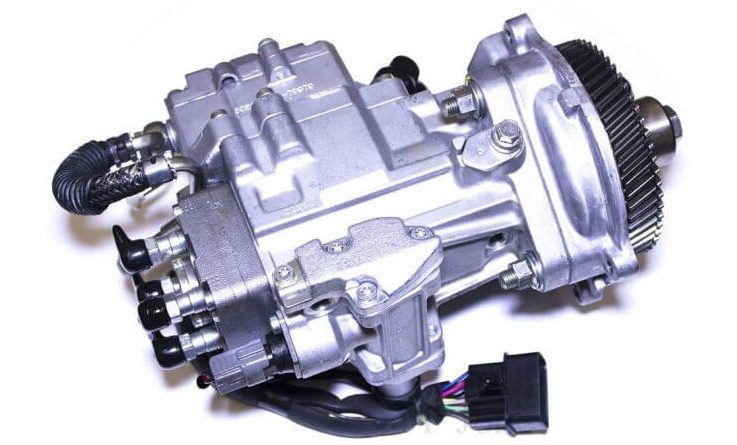
If you drive a modern diesel car, there is a component working under extreme pressure every single time you turn the key and most drivers have never given it a second thought. It is called the high-pressure fuel pump, and it is one of the hardest-working parts in your entire engine. When it is functioning properly, you will never know it is there. When it starts to fail, you will know very quickly, and the repair bill that follows is not a pleasant one.
This guide covers everything a diesel car owner should understand about the high-pressure pump, what it does, how the system it belongs to actually works, what causes it to fail, and what your options are when it does. No engineering degree required.
What Is the Common Rail Injection System and Why Does It Matter?
Before we talk about the pump itself, it helps to understand the system it belongs to. The high-pressure pump is a core component of the common rail (CR) injection system, which is the injection technology used in virtually all modern diesel engines.
To appreciate why common rail is significant, you need to know what came before it. Older diesel injection systems, commonly known as PD pumps (unit injector systems), tied fuel injection directly to engine speed and load. The pump and injectors were mechanically linked, which meant the amount of fuel injected and when it was injected were both constrained by how fast the engine was spinning. You could not inject a large amount of fuel at low RPM, for example, because the system physically could not do it. Optimizing performance across all engine operating conditions was extremely difficult.
Common rail changed everything. In a CR system, fuel is not injected directly from the pump to the injectors in a mechanically timed sequence. Instead, the pump delivers fuel to a shared high-pressure reservoir called the common rail, where it is held under constant, very high pressure. The injectors draw from this shared rail whenever the ECU commands them to fire.
The key breakthrough here is that pressure in the rail is maintained independently of engine speed. The ECU can command the injectors to deliver a large or small amount of fuel at any RPM, at any load, at any moment. This gives engineers the flexibility to fine-tune combustion for efficiency, performance, and emissions simultaneously, something that was simply not possible with older mechanical systems.
The Injection Phases That Make Modern Diesels So Efficient
One of the more impressive capabilities of common rail systems is the ability to split a single combustion event into multiple injection phases. Rather than delivering all the fuel in one pulse, the system can inject in up to five or more separate stages per cycle. The three main phases you will hear about are:
- Pre-injection: A tiny amount of fuel is injected just before the main injection event. This small preliminary burn raises the temperature and pressure in the combustion chamber slightly, which allows the main fuel charge to ignite more smoothly and quietly. It is a significant reason why modern diesel engines are considerably quieter than the rattly diesels of the past.
- Main injection: The primary fuel charge that produces the power stroke. The ECU calculates exactly how much fuel to inject based on accelerator position, engine speed, load, temperature, and data from multiple sensors.
- Post-injection: A small amount of fuel injected after the main combustion event. This is primarily used for emissions management, it raises exhaust gas temperatures to assist with DPF regeneration and helps reduce harmful particulate emissions.
All of this happens in milliseconds, thousands of times per minute, and it is only possible because the rail maintains a constant ready supply of high-pressure fuel that the injectors can access on demand.
The Electronic Brain Behind the System
The common rail system is not purely mechanical. It is a tightly integrated electro-mechanical system that relies on a network of sensors and the engine’s Electronic Control Unit (ECU) to function. The sensors the ECU relies on include:
- Accelerator pedal position sensor: Tells the ECU how much power the driver is requesting and how aggressively they are pressing the pedal
- Camshaft position sensor: Tells the ECU exactly where each piston is in its cycle so fuel can be injected at precisely the right moment
- Engine speed sensor (crankshaft position sensor): Monitors RPM so the ECU can adjust injection timing and quantity accordingly
- Rail pressure sensor: Continuously monitors the actual pressure inside the common rail and feeds that data to the ECU so it can command the pump to increase or decrease output as needed
- Temperature sensors and flow meters: Provide additional data on fuel temperature, intake air temperature, and coolant temperature to refine injection calculations
From a hardware standpoint, the main physical components of a common rail system are the airflow meter, injection ECU, high-pressure pump, common fuel rail, injectors, crankshaft and camshaft sensors, temperature sensors, diesel fuel filter, and accelerator pedal position sensor. Every one of these needs to be working correctly for the system to function as designed.
The High-Pressure Pump: What It Does and How It Works
Now that the system context is clear, let us focus on the pump itself. The high-pressure pump has one primary job: take low-pressure fuel from the tank and compress it to an extraordinarily high pressure for delivery to the common rail.
Here is the full fuel journey from tank to combustion chamber:
- Fuel leaves the tank at very low pressure, typically around 1 to 2 bar.
- It passes through the diesel fuel filter, where contaminants are removed. Pressure at this stage rises slightly to around 4 to 5 bar as it enters the high-pressure pump.
- The high-pressure pump compresses the fuel and delivers it to the common rail at pressures that can range from 1,400 bar to over 2,500 bar, depending on the engine design and operating conditions.
- The fuel sits in the rail under that extreme pressure, ready to be injected on command from the ECU.
- When the ECU signals an injector to open, pressurized fuel is delivered directly into the combustion chamber in a precisely measured amount for a precisely measured duration.
To give you a sense of scale: 2,000 bar is approximately 29,000 PSI. That is the pressure the pump is expected to generate and maintain reliably, thousands of times per minute, for hundreds of thousands of kilometers over the life of the vehicle. The engineering involved is remarkable.
How Is the Pump Driven?
The high-pressure pump is driven mechanically by the engine itself, either via the accessory drive belt or the timing belt or chain, depending on the engine design. Because it is mechanically coupled to the engine, the pump runs continuously whenever the engine is running.
One important distinction from older injection pumps: the high-pressure pump in a common rail system does not need to be timed or tuned in the way that conventional injection pumps did. It simply pressurizes the fuel. The precise timing and metering of fuel delivery is handled entirely by the ECU and injectors. This makes the pump simpler in some respects, but the extreme pressures it operates under mean that the tolerances on its internal components are incredibly tight.
The Role of the Injectors in This System
It is worth briefly addressing injectors here, because understanding their role clarifies why the pump’s pressure output matters so much. In a common rail system, the injectors function essentially as electronically controlled valves. They do not generate any pressure themselves. They simply open and close in response to ECU commands, allowing the high-pressure fuel already waiting in the rail to flow into the combustion chamber.
The quality of the spray pattern, the timing of injection, and the volume of fuel delivered all depend on:
- The pressure in the rail being at the correct level
- The injector opening and closing at exactly the right moment
- The injector nozzle being in good condition to produce a proper atomized mist
If the pump cannot maintain adequate rail pressure, the injectors cannot function correctly, regardless of how good their condition is. This direct dependency is why pump failure affects the entire injection system so immediately and so severely.
The Weaknesses of the Common Rail System
Common rail is a genuinely impressive technology, but it has real vulnerabilities that every diesel owner should be aware of. Understanding these weaknesses is the key to avoiding an expensive pump failure.
Extremely Tight Internal Tolerances
The internal components of a high-pressure pump operate with clearances measured in microns. This precision engineering is what allows the pump to generate and maintain pressures above 2,000 bar. But it also means the pump is extraordinarily sensitive to contamination.
A tiny particle of debris, a microscopic metal fragment, or degraded fuel that carries abrasive deposits can cause measurable wear on these precision surfaces. In a normal mechanical system, that level of contamination might be absorbed without consequence. In a high-pressure pump, it can accelerate wear dramatically and lead to premature failure.
Total Dependence on Fuel Quality
This is the single biggest real-world risk factor for high-pressure pump failure. The pump relies on the diesel fuel itself to provide lubrication for its internal moving parts. Diesel fuel is not just a source of energy, it is also a lubricant for the pump’s plungers and other internal components.
Low-quality diesel with inadequate lubricity accelerates wear on those components far faster than high-quality fuel would. Fuel that is contaminated with water is even more damaging, as water has essentially no lubricating properties and promotes corrosion inside the pump. Biodiesel blends, if used in concentrations higher than the pump was designed for, can also cause material compatibility issues with seals and internal components.
The practical takeaway: the fuel you put in your tank has a direct and significant impact on how long your high-pressure pump lasts. This is not a marketing claim from a premium fuel brand. It is a mechanical reality of how this system is designed.
The Electronic Complexity Risk
Because the system is controlled by the ECU, sensors, solenoid valves, and electronic injectors, faults can originate from either the mechanical side or the electronic side of the system. A faulty rail pressure sensor, for example, can cause the ECU to command incorrect pump output, effectively starving the rail of adequate pressure. The symptom, loss of power and poor performance, looks exactly like a pump failure, even though the pump itself is fine.
This is why proper electronic diagnosis with the right scan tools is essential before replacing any expensive hardware. Replacing a pump that does not need replacing is a very expensive mistake.
What Happens When the High-Pressure Pump Fails
Pump failure is rarely instantaneous. It usually develops gradually, giving you a window to catch the problem if you are paying attention. Here is what the progression typically looks like.
Early Stage: Intermittent Power Loss
The first signs are often subtle. You might notice the engine hesitating or feeling flat when you accelerate briskly, particularly from low RPM. The car feels reluctant to respond, especially under load, climbing a hill, overtaking, or pulling away from a junction more aggressively than normal.
At this stage, the pump can still build pressure under normal light-load conditions, but it struggles when demand spikes. You may also see a check engine light appear, with fault codes pointing to low rail pressure or pump performance issues.
Middle Stage: Frequent and More Obvious Symptoms
As the pump deteriorates further, the symptoms become more consistent and harder to ignore. Power loss occurs more frequently and under lighter loads. Cold starts may become harder. The engine may enter a limp mode, a protective state where the ECU restricts power output to prevent further damage, more regularly. Fuel economy typically worsens as injection becomes less precise.
End Stage: No Start
When the pump can no longer build adequate rail pressure, the engine simply will not start. There is not enough pressure for the injectors to deliver fuel effectively, and the combustion cycle cannot be initiated. At this point, the pump has failed completely.
The Contamination Problem That Makes It Much Worse
Here is the part that most drivers do not realize until they are already dealing with it. When a high-pressure pump fails through internal wear, it does not just stop working. It sheds metallic debris into the fuel system.
The type of debris gives a clue about what specifically failed inside the pump:
- Aluminum particles or flakes: This typically indicates that the pump’s internal bearings are deteriorating and shedding material, a process often described as exfoliation.
- Very fine metallic filaments or powder: This points to wear on the pump’s pistons or the internal components responsible for compressing the fuel.
Regardless of the type, this metallic debris travels through the entire fuel system with the flow of fuel. It reaches the common rail, passes through the injectors, and works its way back toward the fuel tank. The injectors, with their own extremely tight internal tolerances, are particularly vulnerable. Metallic particles in the fuel stream can score, block, or destroy injector nozzles that might otherwise have years of life left in them.
This is why a high-pressure pump failure is rarely just a pump replacement. The contamination it causes can require servicing or replacing the injectors, cleaning the fuel rail, flushing the fuel lines, and cleaning the fuel tank as well. Skipping any of these steps and installing a fresh pump into a contaminated system is a fast way to destroy the new pump prematurely.
Diagnosing High-Pressure Pump Problems: What to Expect
Because the symptoms of a failing high-pressure pump overlap with several other possible issues, including faulty sensors, clogged fuel filters, weak low-pressure fuel supply, and injector problems, proper diagnosis requires more than just guessing or replacing parts. Here is how a good mechanic will approach it.
Step 1: Read the Fault Codes
A diagnostic scan tool will pull any stored fault codes from the ECU. Common codes associated with pump issues include low rail pressure faults, pressure control valve faults, and fuel metering unit performance faults. These codes help narrow down which part of the system is underperforming, but they do not definitively identify a failed pump on their own.
Step 2: Check Rail Pressure in Real Time
A live data stream from the scan tool will show the actual rail pressure versus the target pressure that the ECU is requesting. If the pump is building significantly less pressure than commanded, especially under acceleration or load, that is strong evidence of pump performance degradation. The gap between target and actual pressure tells you how far the pump has declined.
Step 3: Verify the Low-Pressure Supply
Before condemning the high-pressure pump, a mechanic should verify that adequate fuel is reaching it in the first place. A clogged fuel filter, a weak lift pump, or a restricted fuel line can starve the high-pressure pump of fuel, causing it to underperform even if the pump itself is mechanically sound. Low-pressure supply is checked by fitting a pressure gauge on the inlet side of the high-pressure pump.
Step 4: Check for Metallic Contamination
If a pump failure is suspected, inspecting the fuel system for metallic debris is a critical diagnostic step. Catching debris early tells you the extent of system contamination and informs the scope of the necessary repair, whether it is just the pump, or the pump plus injectors plus full system flush.
Your Repair Options When the Pump Fails
Once a high-pressure pump failure is confirmed, you have three main options. Each has a different cost profile and risk level.
| Option | Cost | Pros | Cons |
|---|---|---|---|
| New OEM or quality aftermarket pump | $850 to $2,000+ (part only) | Full warranty, known condition, reliable | Expensive, especially on premium brands |
| Second-hand pump from a salvage yard | Much lower upfront cost | Cheaper short-term | Unknown history, unknown mileage, no warranty, high risk |
| Professional remanufacturing of your existing pump | Moderate, less than new | Lower cost than new, specialist knowledge applied | Takes time, good remanufacturers are not everywhere |
The second-hand option is genuinely not recommended. High-pressure pumps wear internally in ways that are not visible from the outside. A pump that looks fine physically could have worn plungers, a deteriorating bearing, or compromised seals that are weeks away from failure. You would be paying for the same problem twice, plus whatever additional damage a second failure causes.
Remanufacturing is often the best value option if you can find a reputable specialist. A properly remanufactured pump is disassembled, inspected, worn components are replaced with new ones, and the unit is tested before being returned to service. This is typically significantly cheaper than a new pump, and a good remanufacturer will stand behind their work with a warranty.
What Else Needs to Be Done at the Same Time
Replacing or remanufacturing the pump alone is not enough if the system has been contaminated with metallic debris. A responsible specialist will also recommend the following, and they are right to do so:
- Cleaning or replacing the injectors. Metallic debris in the fuel damages injector nozzles and internal components. If the injectors are not serviced, they will accelerate wear on the new pump immediately.
- Flushing the common rail. The rail needs to be flushed clean of any debris that has accumulated inside it.
- Flushing the fuel lines and high-pressure pipes. Debris settles in any low-flow area of the fuel system, including the pipes connecting the pump to the rail.
- Cleaning the fuel tank. Metallic particles make their way back to the tank through the return circuit. A contaminated tank will re-contaminate a fresh pump. This step is non-negotiable after a significant pump failure.
- Replacing the fuel filter. A new filter on a freshly cleaned system is basic good practice after any fuel system contamination event.
Yes, this adds to the cost and time of the repair. But installing a new or remanufactured pump into a contaminated system and skipping these steps is how a driver ends up replacing the pump a second time within months, at full cost again.
How to Protect Your High-Pressure Pump and Avoid This Situation
Pump failures are not inevitable. In the real world, the vast majority of high-pressure pump failures are linked to two preventable factors: poor fuel quality and a neglected diesel filter. Address those two things consistently, and you dramatically reduce the risk of ever needing this repair.
Use Quality Fuel, Consistently
This cannot be overstated. The pump uses diesel fuel as its internal lubricant. Cheap, low-lubricity diesel accelerates wear on the pump’s internal surfaces from the very first fill. Over tens of thousands of kilometers, that difference in lubricity adds up to a meaningfully shorter pump lifespan.
Fueling from reputable stations with high fuel throughput (meaning fresh fuel, less risk of water contamination from condensation in storage tanks) is a simple, cost-effective habit. The small premium on better fuel is a fraction of what you will pay for a pump replacement.
Change the Diesel Filter on Schedule, Without Exceptions
The diesel filter is the last line of defense between the fuel supply and the high-pressure pump. A clogged filter restricts fuel flow to the pump, forcing it to work harder and potentially running with insufficient fuel on the inlet side. A filter that is too worn to capture contaminants effectively allows those particles straight through to the pump.
Follow your manufacturer’s recommended filter change interval. On most diesel vehicles, this is somewhere between 20,000 and 40,000 kilometers, though it varies. If you drive in dusty conditions, do a lot of short trips, or use lower-quality fuel regularly, consider changing it more frequently than the standard interval suggests.
Do Not Ignore Early Symptoms
A check engine light related to fuel pressure, an engine that feels flat under acceleration, or hesitation on hard acceleration are not symptoms to monitor and hope improve on their own. These are your early warning window. Use it. Get the car diagnosed promptly, because catching a pump that is beginning to fail early, before it sheds significant debris, can be the difference between a remanufacturing job and a full system replacement.
Keep Your DPF Healthy
As mentioned in the context of fuel in oil, a blocked DPF that cannot regenerate properly causes the system to inject excess fuel that never fully burns. Beyond the oil contamination risk, excessive post-injection puts additional thermal and chemical stress on the injectors, which feeds back into overall fuel system health and indirectly affects pump longevity. A healthy DPF is part of keeping the whole fuel system operating as designed.
A high-pressure pump failure is one of the most expensive single-component repairs on a modern diesel car, and it almost always brings additional system-wide repair costs with it. But it is also one of the most preventable failures if you take fuel quality and filter maintenance seriously. The drivers who end up facing this repair are rarely unlucky, they are almost always drivers who cut corners on cheap fuel or ignored a filter change interval for too long. Do not be that driver.