
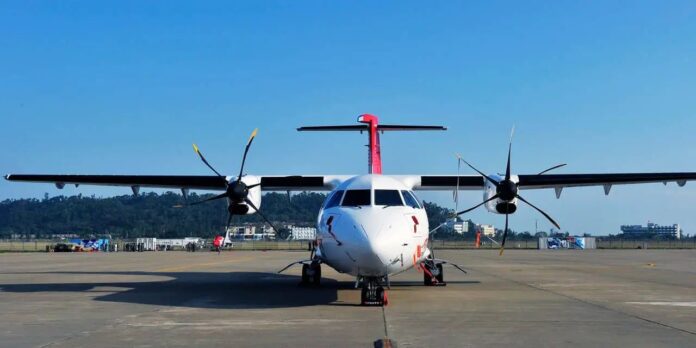

Air travel is still the fastest and simplest way to cover long distances. If you need to move cargo fast, cargo planes can get it done within hours. And if you’re traveling yourself, jets can take you from one continent to another in what feels like no time.
Since the Wright brothers changed aviation forever, engineers have built many different types of airplanes for very different jobs. Some are made for luxury. Some are designed for short regional hops. Others are built to carry hundreds of passengers or massive amounts of freight.
Before getting into the details of jumbo jets and smaller aircraft, it helps to sort airplanes into three broad categories:
- Private jets
- Propeller planes
- Commercial airplanes
As technology keeps improving, engineers and technicians are working on every part of airplane design—from speed and comfort to safety and fuel use. So if you’re trying to understand which aircraft does what, this breakdown makes things a lot easier.
Let’s go category by category and look at the strengths, trade-offs, and intended use of each one. We’ll start with the smallest of the bunch: private jets.
Private Jets: Fast, Flexible, and Built Around Your Schedule
Very Light Jets: Best for Short Regional Trips
Very Light Jets are built for short flights, usually around 40 to 80 minutes. These aircraft are commonly used for regional destinations, especially when the route doesn’t line up well with commercial airline schedules.
They typically seat up to eight passengers, and one of their biggest advantages is simplicity: they usually only need a single pilot. That makes them efficient for quick business hops or short private trips.
Comfort is a bit more limited, though. These jets generally don’t have separate lavatory compartments, and instead use a privacy curtain with an emergency toilet behind it.
The first model in this class, the Cessna Citation Mustang, was introduced in November 2006. If you need to reach a smaller destination that commercial airlines don’t really serve, this is the kind of jet that makes the most sense.
Light Business Jets: More Range Without Going Oversized
The next step up from Very Light Jets is the Light Business Jet. These aircraft can travel roughly 2,400 nautical miles or more, which makes them suitable for transcontinental trips.
They can also carry about twice the load of a very light jet, with a maximum takeoff load of 20,000 pounds. On top of that, they cruise at around 500 mph, putting them in a very practical sweet spot between performance and convenience.
Another big upgrade is cabin pressurization, which allows them to fly higher without the oxygen-related limitations you’d worry about in less capable aircraft. They also include lavatory compartments and the technology needed for remote meetings, which matters if the flight doubles as work time.
Mid-Sized Private Jets: Better Comfort for Longer Flights
Mid-sized private jets are designed for longer transcontinental trips and can usually carry up to ten passengers at once. They offer more balanced amenities than light business jets, so the cabin experience tends to feel much more refined.
Like light business jets, they can fly at around 500 mph. But here’s where they stand out: they can also land on smaller runways while still offering pressurized cabins, which helps keep the trip smooth and comfortable.
These aircraft can travel up to 3,000 nautical miles in a single flight. There’s also a special version called the super mid-size jet, which pushes range up to 3,600 nautical miles and reaches speeds of about 580 mph, all while using more fuel-efficient systems.
Heavy Business Jets: Long-Range Travel With Office-Level Comfort
Heavy business jets are built for people who want private travel without giving up serious comfort or productivity. These aircraft come equipped for private meetings, business conferences, and long stretches in the air.
They can carry 10 to 18 passengers on a single trip and stay airborne nonstop for six to eight hours. In practical terms, that means they can cover more than 6,000 nautical miles.
They’re also designed to fly above weather more easily, which helps maintain speed and comfort. The cabins are spacious enough for full office-like setups, and the Boeing 747-8 VIP is one of the standout examples in this category.
Luxury is a major selling point here, but it’s not just about appearance. These jets are designed to give passengers a polished, productive environment throughout a long journey.
Military Jets: Built for Combat, Speed, and Specialized Missions
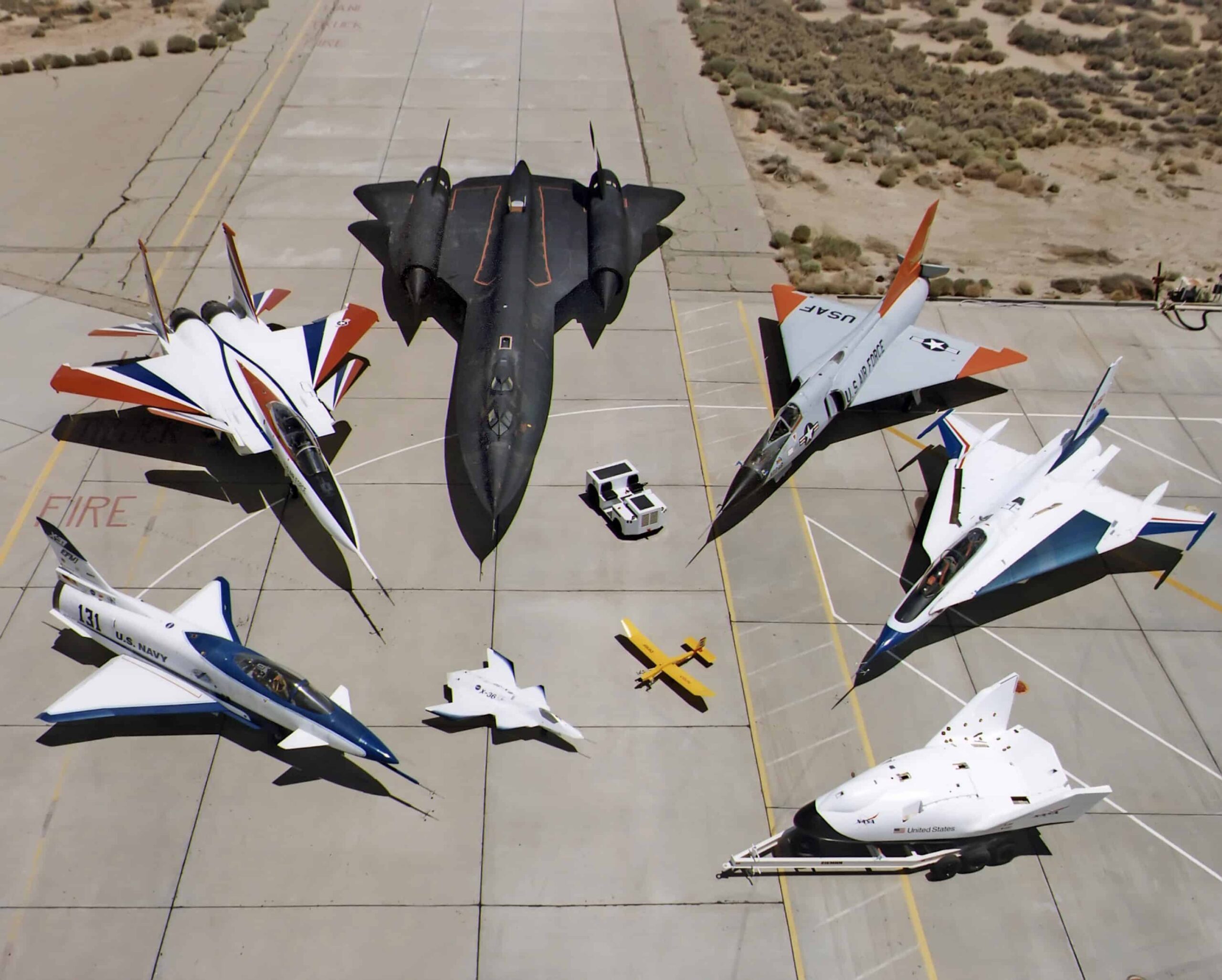
Military jets don’t fit neatly into the private-or-commercial conversation. In terms of size, layout, and onboard systems, some may resemble private aircraft. But their intended use is completely different.
You can’t exactly keep a fully armed F18 Hornet as a personal aircraft. That said, military and supersonic fighter jets are unquestionably leaders when it comes to raw performance, combat capability, and system complexity.
These aircraft are built for real-time combat. Their bodies are packed with specialized weapons and advanced systems, which is one reason they’re more expensive than business jets.
They operate from separate bases and runways, usually under the control of a country’s air force or naval forces. One feature that makes them especially remarkable is air-to-air refueling, which allows them to refill without landing.
They also often fly in a V-shaped pattern, much like birds. And within this category, there are multiple subtypes depending on weapons range, precision, flight time, and refueling capability.
Propeller Airplanes: Why They Still Matter More Than People Think
Private Single-Engine Planes: Practical for Local and Remote Flights
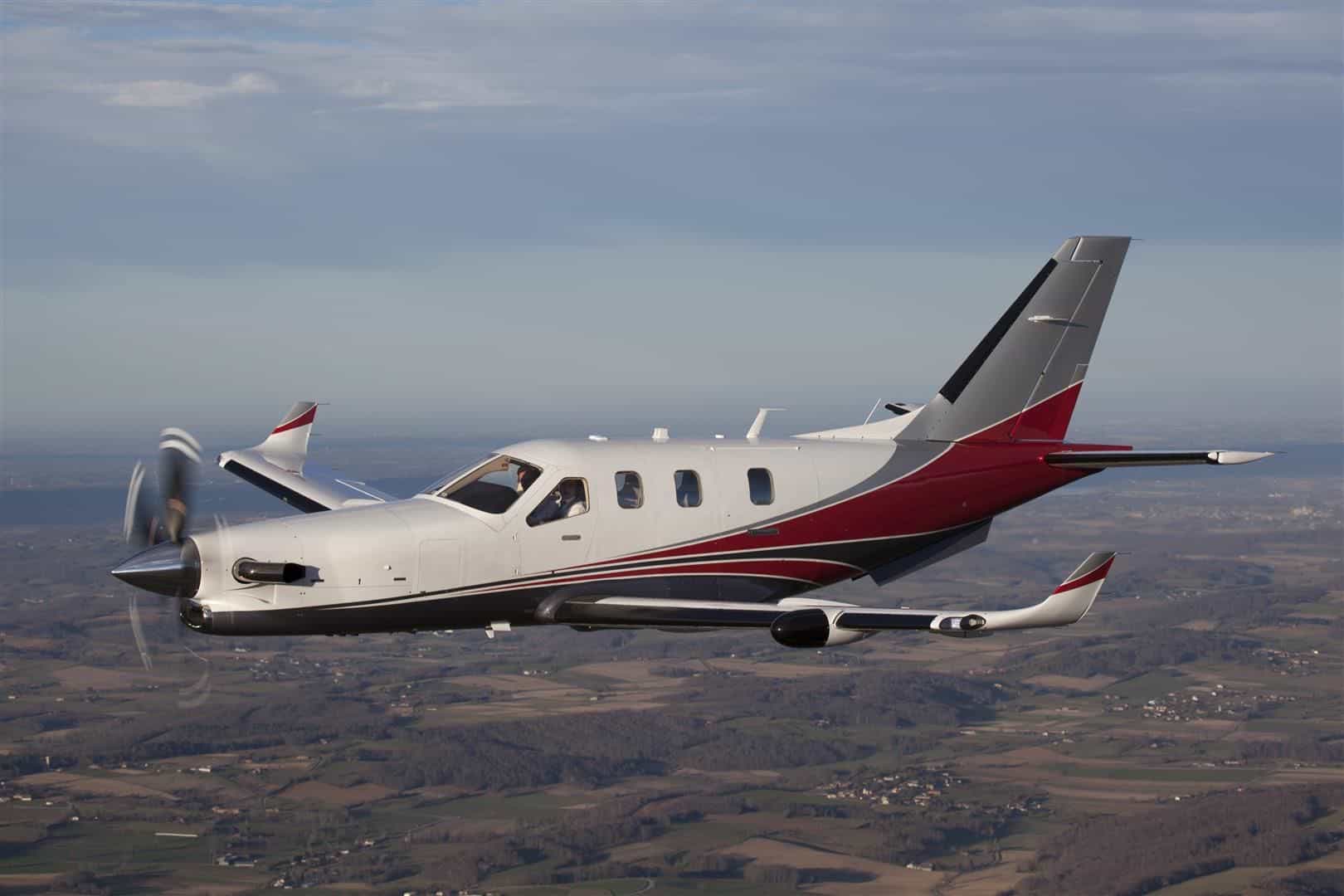
A lot of people assume propeller aircraft are outdated because modern aviation is filled with fast, multi-engine jets. But in the real world, propeller-driven airplanes still handle a huge amount of flying.
In fact, almost 27 percent of flights still use propeller-engine airplanes. A big reason for that is simple: around 80 percent of U.S. domestic flights are only one or two hours long, and for that kind of trip, propeller aircraft still make plenty of sense.
They’re especially useful in remote areas, where large jets aren’t practical. Alaska is a perfect example. In places where transportation options are limited, small propeller planes can be absolutely essential.
These aircraft can fly up to 200 miles in a single run. Their one-go capability is smaller than that of larger aircraft, but for local travel, they’re often exactly the right tool for the job.
Twin Turbo Propeller Planes: Strong Hauling Power Without Full Jet Complexity
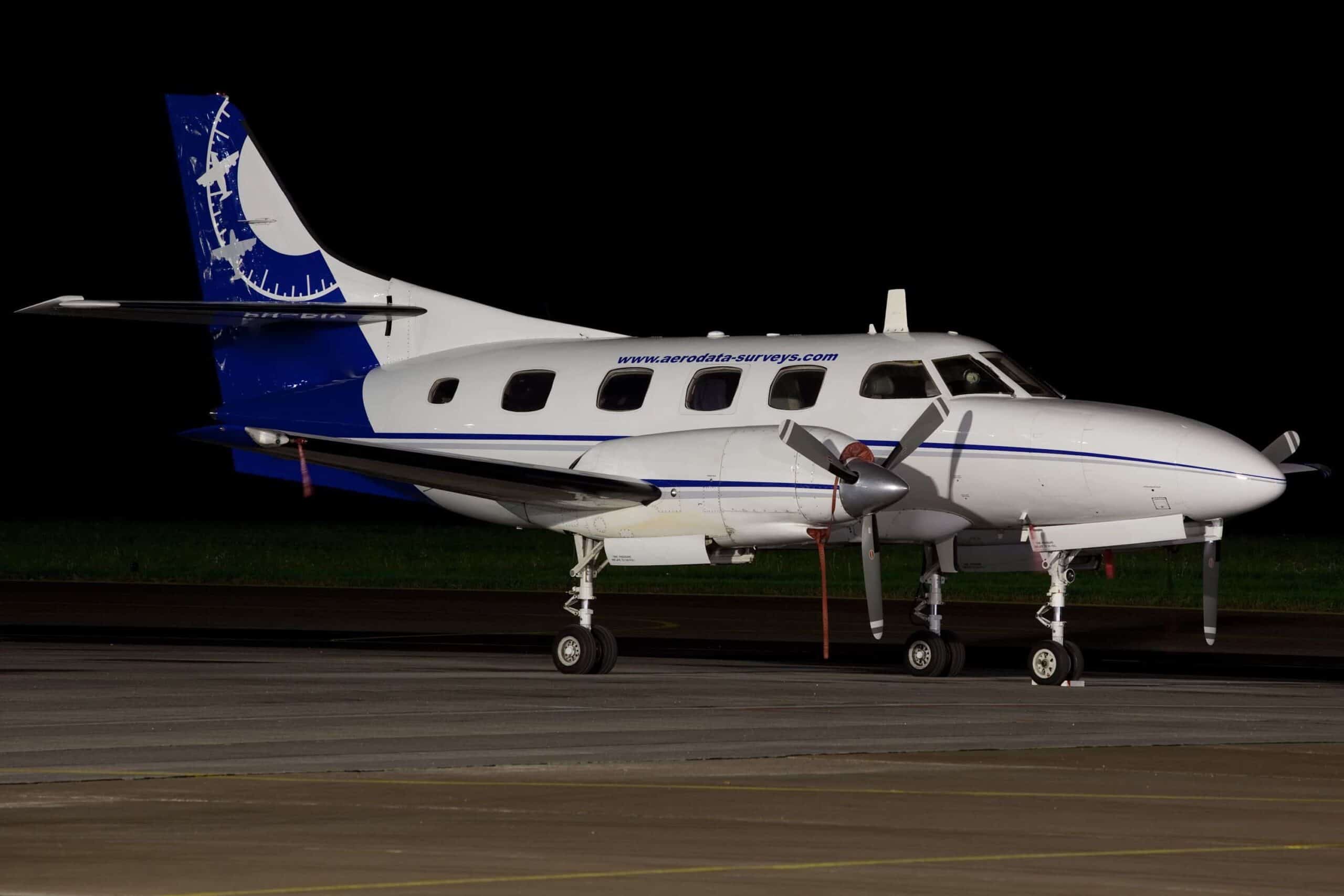
Twin-turbo propeller planes, or turboprops, offer a larger hauling capacity while keeping operating costs in line with many light jets. That balance is a big reason they’ve stayed relevant.
They can land on grassy fields and makeshift runways, which gives them a flexibility jets often don’t have. Another practical advantage: a single pilot can usually fly them without much trouble.
Turboprops also have a useful handling trait. They can dive and climb straight without stalling out, which adds to their operational versatility.
Mechanically, they work differently from jets. In a propeller engine, the shaft turns a variable-pitch propeller to move the aircraft forward, while a jet engine relies on exhaust gases to create thrust.
These planes can still perform well at around 0.6 Mach. Even so, they aren’t considered supersonic because the propeller loses efficiency as speed climbs higher.
Military Turboprops: Lower Cost and Strong Performance at Lower Altitudes
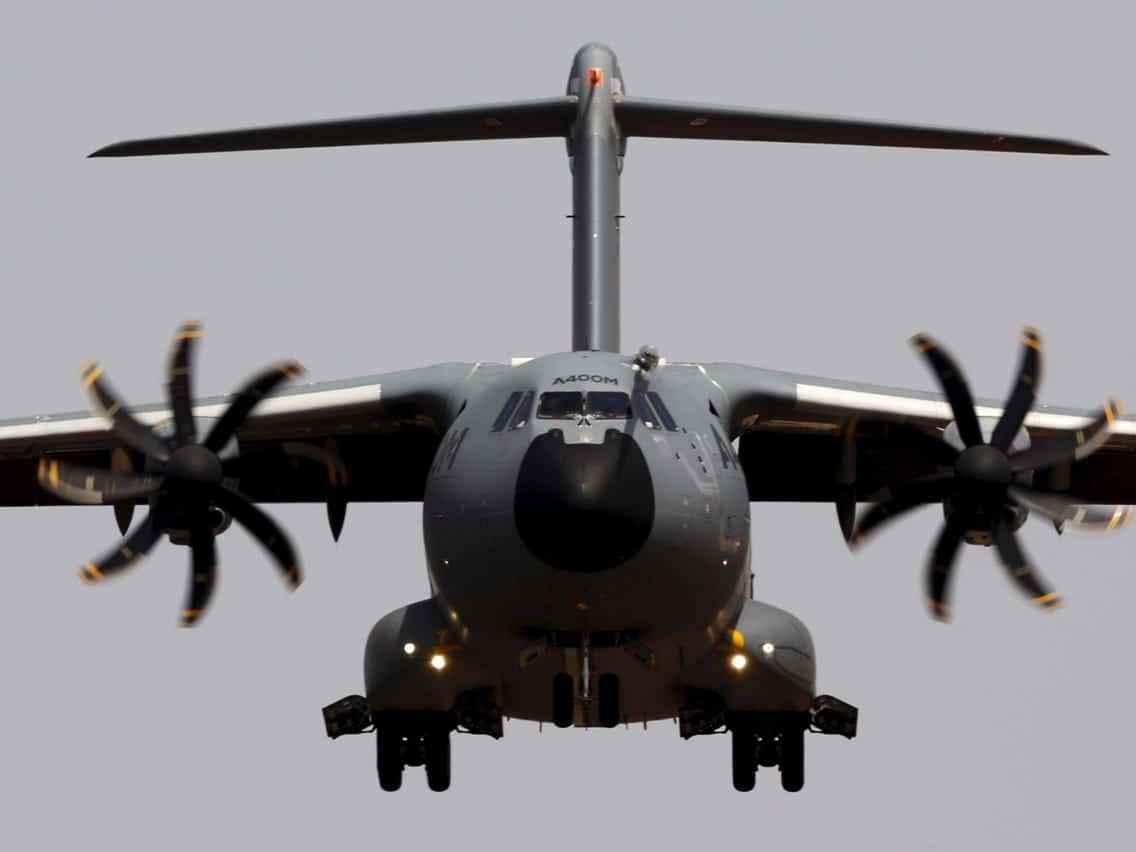
Military forces around the world still use turboprops because their fuel-to-mileage ratio is hard to ignore. They’re also much cheaper to prepare and operate than fighter jets.
That makes them especially attractive in places where large-scale combat is less common. They can also perform surprisingly well in lighter attack roles, which adds to their value.
Their main purpose is transporting military cargo, from weapons to other mission-critical supplies. One example mentioned in this category is the Embraer Super Tucano, which can transport weapons weighing up to 3,300 pounds.
Modern engineering has kept these aircraft firmly in military service. Most military combat happens at lower altitudes, and that’s exactly where turboprops are strongest.
They may be less efficient than jets at Mach speeds, but they provide stronger forward upthrust. For certain missions, that trade-off is worth it.
Amphibious Planes: Aircraft That Work on Water and Land
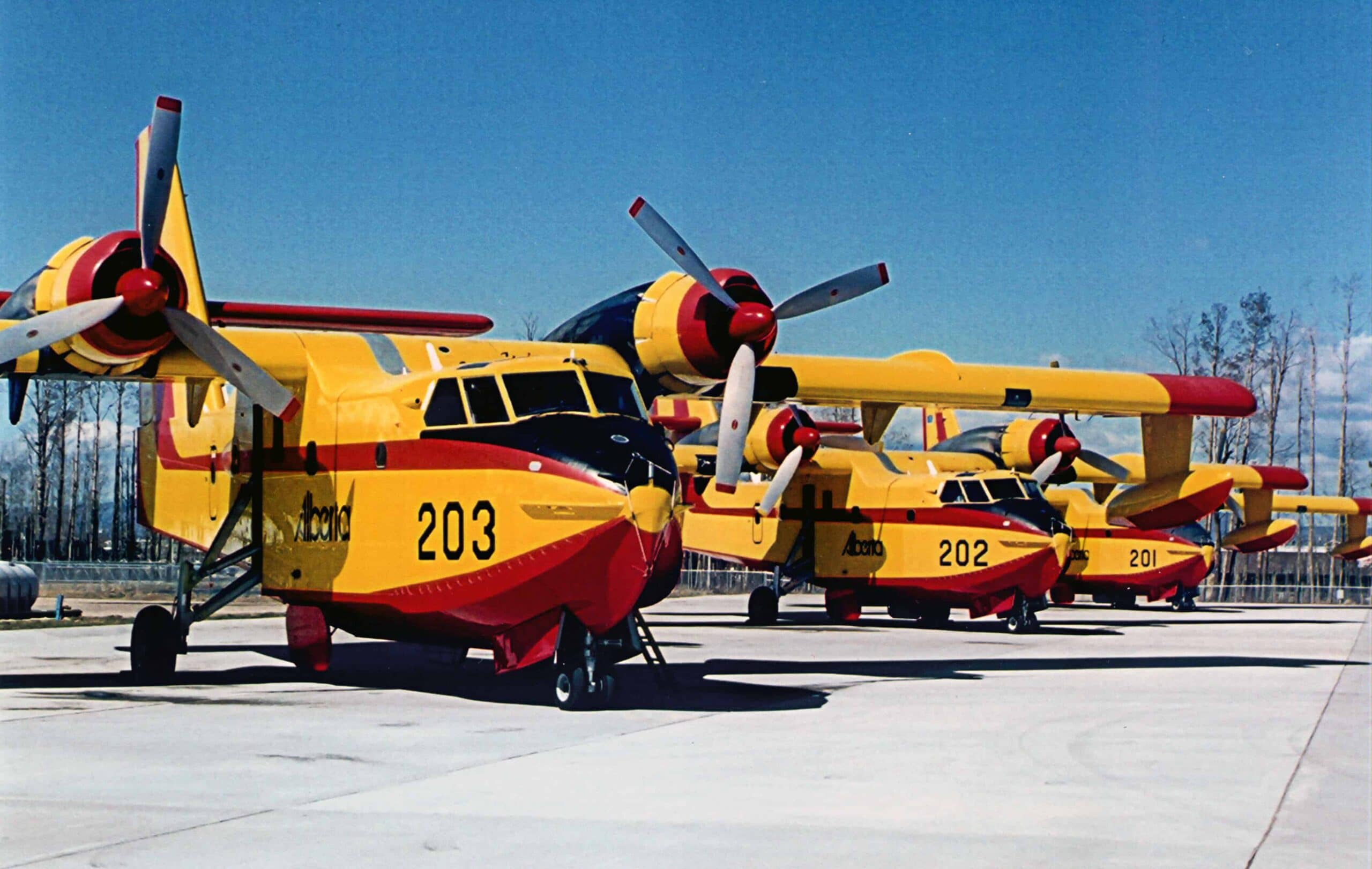
Amphibious planes are designed to take off and land on water, including lakes and seas. With the right keel adjustments, they can also handle snow and ice conditions.
Some versions come with retractable wheels, which lets them land on regular runways too. That’s what makes them true all-rounders: they can work on both water and land.
Of course, that flexibility comes with a downside. Amphibious aircraft that support all these landing options usually cost more to maintain.
Aerobatic Planes: Made for Rolls, Dives, and High-Precision Flying
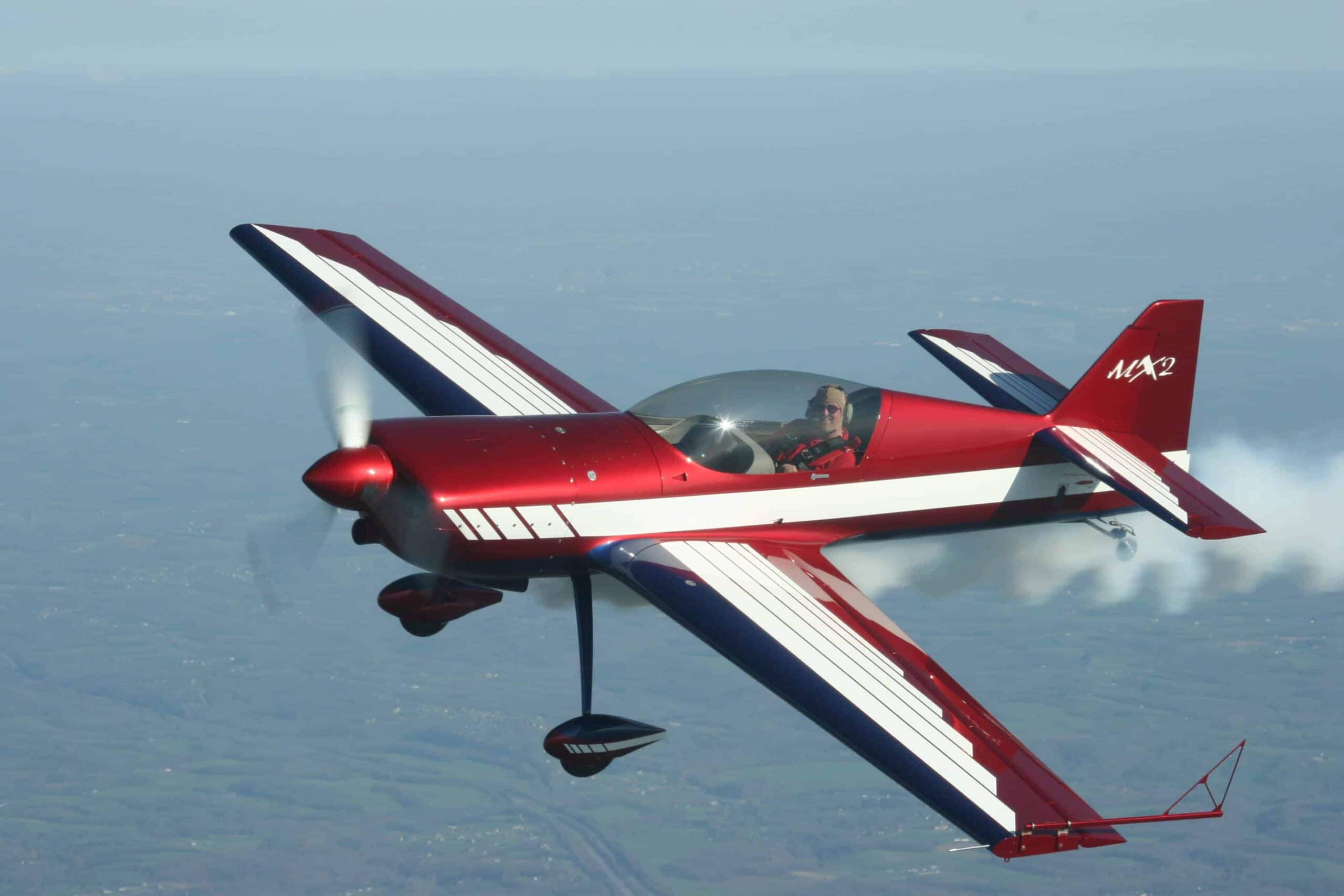
For many pilots, high-speed maneuvering is one of the most exciting parts of flying. The catch is that most pilots never get real hands-on time in fighter jets. That’s where aerobatic planes come in.
These aircraft are a strong alternative to fighter jets for stunt and performance flying. They’re built for speed and can handle dives, rolls, and other advanced maneuvers with ease.
Their light weight makes them especially suited to choreographed drills and precision routines. If you’ve ever watched an airshow and wondered how pilots keep those tight formations and sharp movements so clean, this is the type of aircraft built for it.
That said, they’re not easy to fly well. Mastering them takes long hours of practice, sharp coordination, and serious discipline.
Pilots with military backgrounds often adapt more quickly because they’ve already gone through similar drills. And while jets are becoming more common in national parades and demonstrations, a skilled jet pilot can still excel in aerobatic planes too.
If you already have formal flight training or military experience, the learning curve becomes much more manageable.
Commercial Airplanes: The Aircraft That Keep Global Travel Moving
Light Passenger Jets: Efficient Aircraft for Shorter and Regional Routes
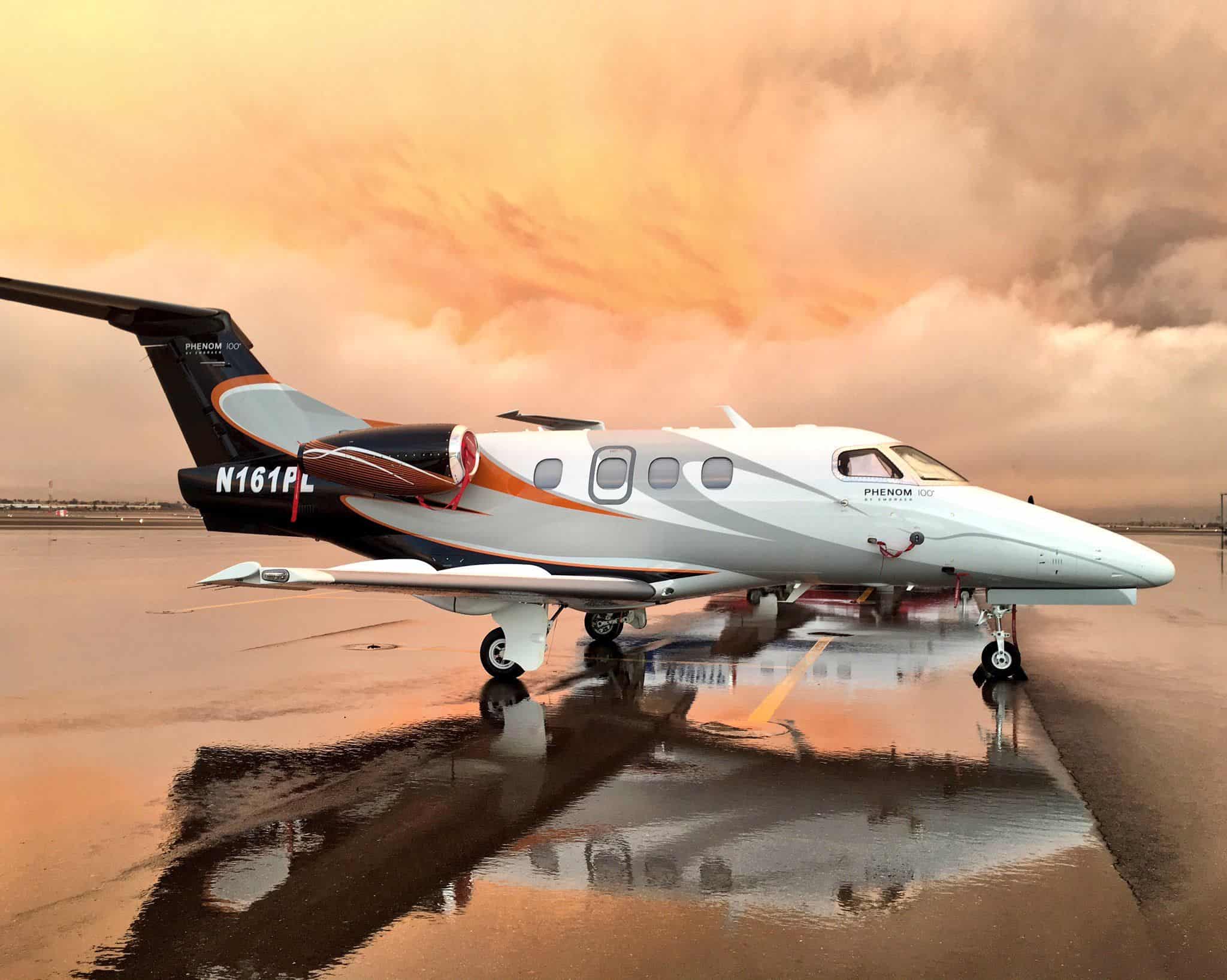
Light passenger jets typically carry 60 to 100 passengers on a single flight. Their smaller size makes them a practical choice for budget-focused or economic airlines.
Inside, the central aisle usually splits the seating into two equal sections, though some larger versions may use two aisles. They cruise at around 545 mph and can cover roughly 1,800 miles.
That makes them useful for carrying passengers from central hubs to regional destinations and even some nearer transcontinental routes. Because they’re smaller and more economical to run, they can generate strong revenue for airlines, especially when operating out of major hubs.
Even though they can handle some shorter continental trips, airlines often prefer to use them within regions or within countries. That helps avoid the heavier regulations associated with crossing seas and keeps the economics attractive for both airlines and passengers.
Mid-Size Passenger Jets: Bigger Capacity for Busier Routes
These aircraft are also described here as narrower-body planes because of their sleek and narrow design. Still, their passenger capacity is much greater than that of light passenger jets.
For example, the Airbus 350-1000 can carry up to 350 passengers, while the Boeing 747 can hold 600 passengers in a single trip. Some, such as the Airbus A380, can carry as many as 853 passengers.
The Boeing 737, meanwhile, can fly up to 3,000 nautical miles in one flight. Taken together, these features make this class a strong option for seasonal routes as well as smaller flights, depending on the aircraft being used.
Boeing and Airbus have both invested heavily in this space because the return potential is so attractive. These airplanes can work well on longer trips too, but airlines usually match each aircraft to the route that makes the most financial and operational sense.
Cargo Airplanes: Built to Move Freight Fast and in Huge Volumes
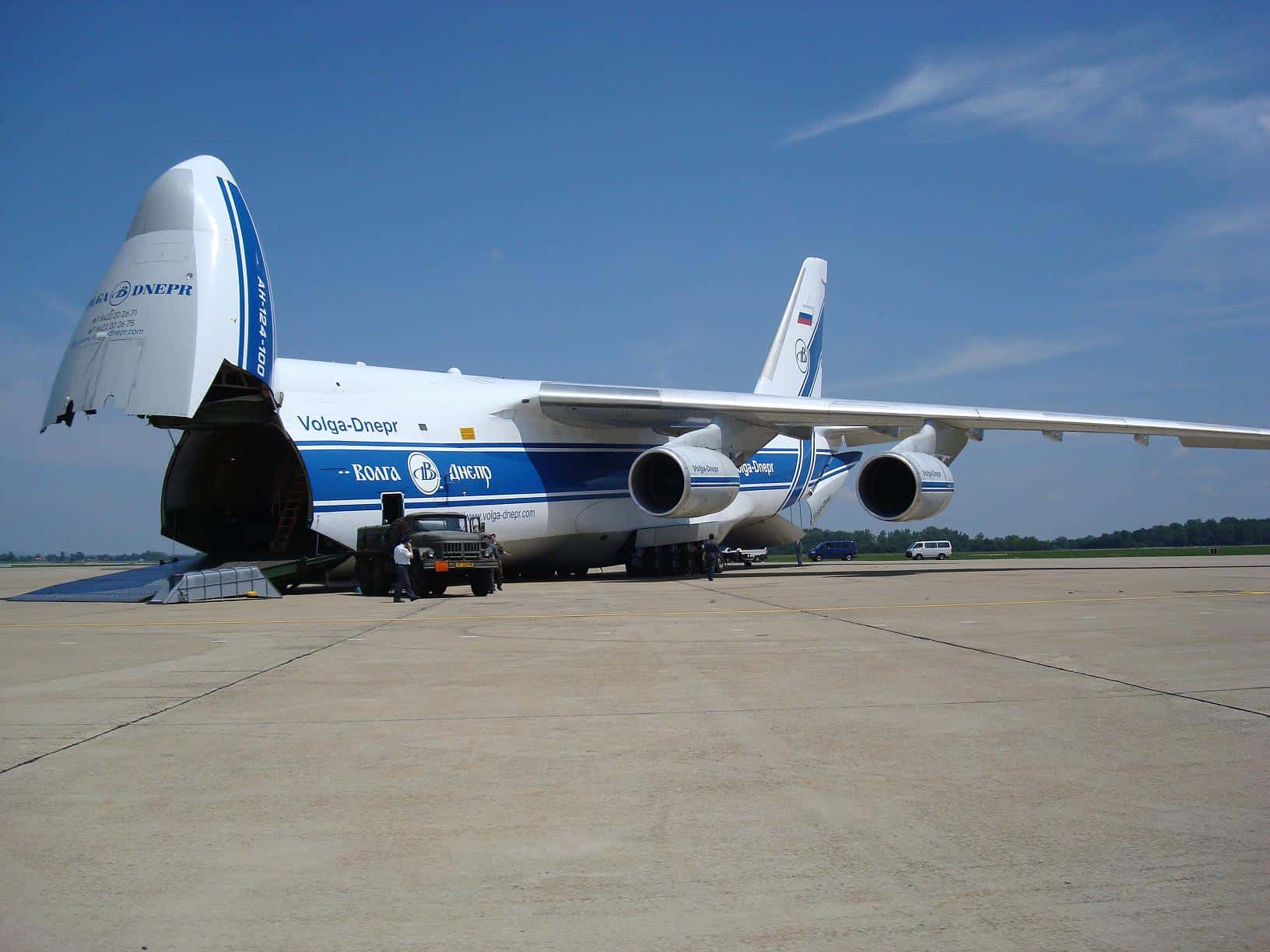
Cargo airplanes stand out because many of them are convertible. Depending on need, some aircraft can be configured for passengers, freight, or a mix of both.
The Boeing 747 is a well-known example. It can be converted into either a passenger or cargo plane, and in cargo form it can carry up to 65,000 cubic feet of mixed freight.
The recently launched Airbus Beluga XL pushes that even further with a capacity of 78,000 cubic feet, putting it ahead of Boeing in this comparison. But what really makes cargo aircraft interesting is how wide the category is.
At one end, you have Beluga carrying 78,000 cubic feet. At the other, you have aircraft like Cessna cargo planes carrying around 340 cubic feet. So this category covers everything from giant heavy lifters to smaller utility workhorses.
Not all cargo aircraft are jets, either. Some use propeller engines, like Cessna. Their interiors are often lined with aluminum to reduce deterioration as much as possible.
Passenger Turboprops: Fuel-Efficient Workhorses for Short Routes
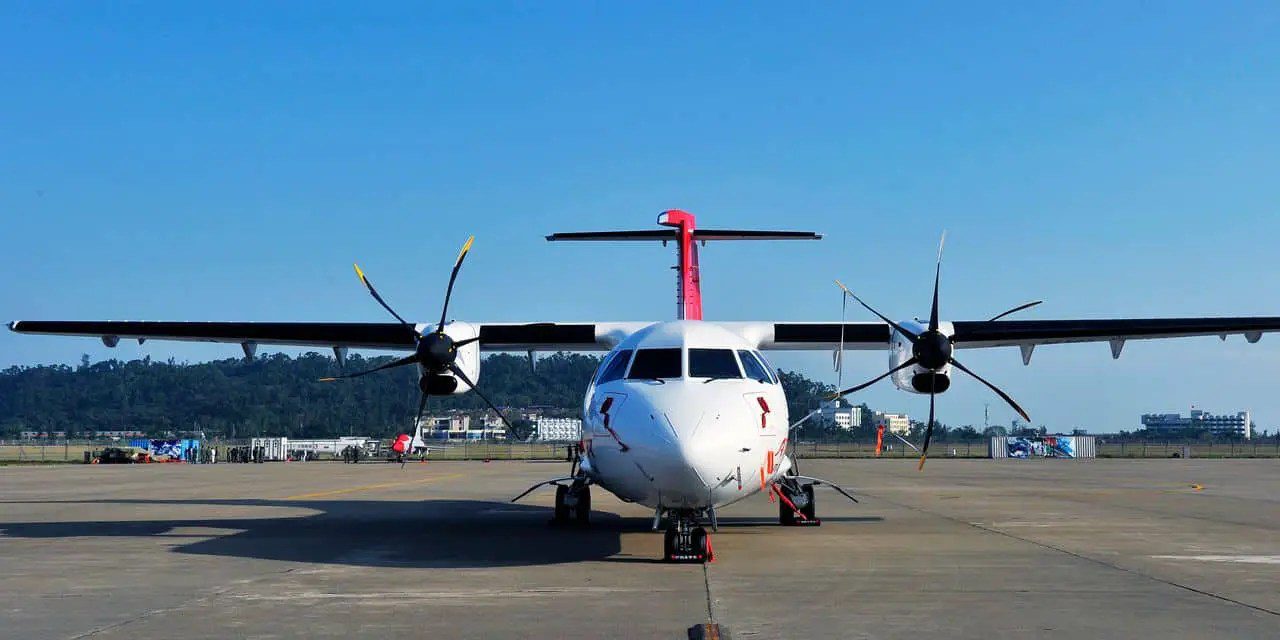
Passenger turboprops are generally more fuel-efficient than jet-powered aircraft. That matters a lot because fuel is one of the biggest expenses any airline deals with.
The trade-off is reliability, which the original comparison points to as a weakness for turboprops in airline service. Even so, their fuel economy keeps them firmly in the game.
They also need shorter runways, which gives airlines more flexibility on short routes and at smaller airports. That’s why so many short flights are handled by turboprops rather than jets.
The Bombardier Q400, for example, can carry up to 80 passengers in a single trip.
Jumbo Passenger Jets: Best for High-Demand Hub-to-Hub Travel
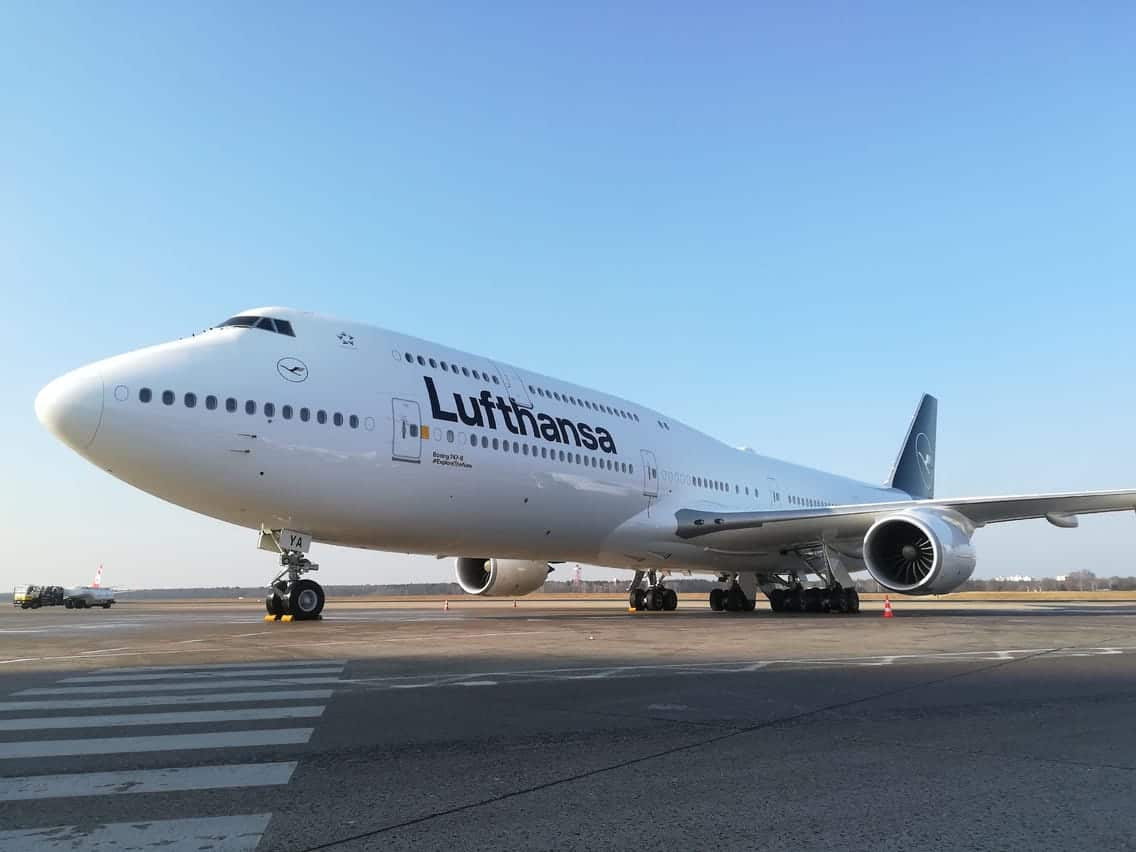
The nickname “Jumbo jet” originally belonged to the Boeing 747, the first wide-body commercial airplane. Even Boeing’s own manufacturers didn’t expect it to become quite so popular, but around 1,554 of them were sold in a relatively short time.
These aircraft can be configured as cargo planes, passenger planes, or a combination of both. That flexibility helped make them incredibly valuable for airlines for many years.
Airbus later took a leading position in the jumbo jet market, moving quickly and making a major impact. But the enormous size of the Airbus A380 also created a business problem: these aircraft take up a lot of space, need time to fill, and make far less sense on regional routes.
That’s why jumbo jets tend to work best between major hubs. Outside of those dense, high-demand routes, profitability becomes much harder to maintain.
When you strip away the marketing and the hype, every airplane comes down to one question: what mission was it built for? Answer that first—speed, range, passenger volume, cargo space, runway flexibility, or combat use—and the right type of airplane becomes a lot easier to understand.