
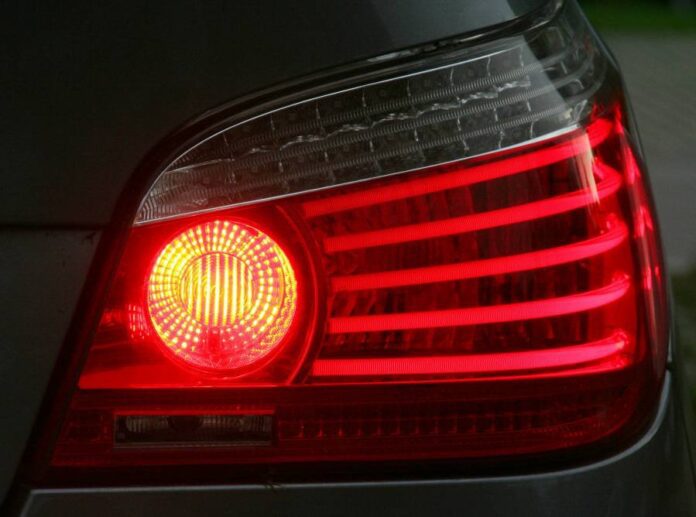
The brake lamp bulb fault warning popping up on your dashboard is more than just an annoyance, it’s your vehicle’s way of shouting that something critical for road safety needs immediate attention. Those bright red brake lights at the rear aren’t mere decorations; they serve as vital signals to trailing drivers, instantly communicating when you’re decelerating or coming to a full stop. A malfunction here can lead to dangerous misunderstandings on the road, potential collisions, or even a traffic citation.
Modern vehicles are equipped with sophisticated monitoring systems that detect when a brake light isn’t performing optimally – whether it’s completely out, dimly glowing, or flickering. The alert doesn’t pinpoint the exact culprit (left side, right side, or center high-mount), so a bit of detective work is required. Fortunately, in most cases, resolving this issue is straightforward, affordable, and something many drivers can handle in their driveway with minimal tools and a touch of patience.
Why Brake Lights Matter More Than You Think
Imagine cruising down a busy highway at dusk. The car ahead suddenly slows, your eyes catch those vivid red flashes, and you react instinctively by easing off the accelerator. Without functioning brake lights, that split-second visual cue vanishes, forcing other drivers to rely solely on observing your vehicle’s actual slowdown. This delay can turn minor traffic situations into serious hazards.
Beyond safety, many jurisdictions treat non-working brake lights as a moving violation. A quick roadside check could result in a ticket, points on your license, or worse if it contributes to an incident. Proactive maintenance keeps you legal, safe, and confident behind the wheel.
Common Triggers for the Brake Lamp Bulb Fault Warning
While a burnt-out bulb tops the list, the warning can stem from several sources. Here’s a breakdown of the most frequent offenders:
- Burnt-Out or Failing Bulb Traditional incandescent or halogen brake light bulbs typically endure 700–2,000 hours of use, equating to roughly 1–4 years depending on driving habits (frequent city stop-and-go accelerates wear). As they near the end, filaments weaken, causing dimming or intermittent operation before total failure. Many modern systems are sensitive enough to flag even a weakening filament.
- Blown or Aging Fuse Fuses protect electrical circuits from overloads. A blown brake light fuse interrupts power entirely. These are inexpensive (often under $5) and easy to swap; check your owner’s manual for the fuse box location (commonly under the dash, near the battery, or in the engine compartment).
- Faulty Brake Light Switch This small component, mounted near the brake pedal, activates the lights when you press down. Wear, dirt, or misalignment can prevent proper signaling. Replacement is usually budget-friendly, parts plus labor often hover around $100; and it’s a quick job for most mechanics.
Other less common culprits include corroded sockets, damaged wiring (from impacts, rodents, or age), or even issues in newer vehicles with LED setups where aftermarket changes confuse the monitoring system. Post-collision scenarios, even minor rear-end taps; can jostle connections or crack filaments, with symptoms appearing days later.
Essential Tools and Preparation for a Smooth Replacement
Before diving in, gather these items to avoid mid-job frustration:
- Correct replacement bulb(s): No universal standard exists; consult your owner’s manual or use an online bulb finder tool with your vehicle’s year, make, and model. Common types include 3157, 7443, or similar dual-filament varieties (one for tail lights, one for brakes).
- Screwdrivers: Phillips and flathead for prying covers or removing fasteners.
- Flashlight or headlamp: Rear access areas are often dimly lit.
- Gloves: Non-conductive ones protect against minor shocks and keep oils off the bulb glass (oils cause hot spots and premature failure).
- Optional extras: Dielectric grease (prevents corrosion in sockets), a helper to test the pedal, and perhaps a small mirror for tight spots.
Pro tip: Buy bulbs in pairs. Even if only one fails now, the other is likely close behind; replacing both ensures symmetry and saves future hassle.
Step-by-Step Guide: Replacing Your Brake Light Bulb Like a Pro
This process varies slightly by vehicle (sedans often access via trunk, SUVs via liftgate, trucks via rear panel), but the core principles remain consistent. Always work with the engine off and parking brake engaged for safety.
- Diagnose the Problem Side Start the engine (or turn ignition to “on” without starting), press the brake pedal, and walk around to inspect. Note which light(s) fail to illuminate brightly or at all. Have a friend assist if needed. Dimness often signals impending failure; replace proactively.
- Prepare Access Turn everything off and pop the trunk or liftgate. Clear any cargo or carpet liners obstructing the rear panel. Use a flathead screwdriver to gently pry off plastic trim covers or access panels (they usually clip or twist off).
- Expose the Assembly Remove visible screws, bolts, or plastic wingnuts securing the taillight housing. Some models allow the entire lens assembly to pull outward; others require reaching through a hole. Be gentle; plastic tabs can snap if forced.
- Disconnect Safely Locate the bulb socket (usually a twist-lock plug). Gently unplug the electrical connector. This cuts residual power and prevents shorts.
- Remove and Replace the Bulb Twist the socket counterclockwise (quarter-turn typically) to release it. Pull out the old bulb; some push-pull, others twist. Avoid touching the glass of the new bulb with bare fingers; use a clean cloth or gloves. Insert the new one securely, then twist the socket back into place.
- Reconnect and Test Before Full Reassembly Plug the connector back in. Have your helper press the brake pedal while you verify bright, even illumination on both sides. If it works, proceed; if not, double-check connections or test the other side.
- Reassemble Everything Secure the housing, replace screws/bolts, snap covers back, and tidy trunk liners. A final test drive (safely) confirms success.
SEE ALSO: Can You Order a Toyota From The Factory?
Total time? Often 15–45 minutes for your first attempt. Watch model-specific YouTube tutorials for visual guidance:
Preventing Future Headaches
- Inspect brake lights monthly during routine checks (e.g., tire pressure days).
- Replace proactively when dimming appears; don’t wait for full burnout.
- After any rear impact, even minor, verify lights immediately.
- For LED-equipped vehicles, stick to compatible replacements to avoid false warnings.
- Keep spare bulbs in your glovebox for emergencies.
Wrapping It Up: Stay Safe and Proactive
Addressing a brake lamp bulb fault promptly isn’t just about silencing a dashboard nag; it’s about protecting yourself, passengers, and fellow road users. Whether it’s a simple bulb swap, fuse refresh, or switch adjustment, these fixes are typically low-cost and high-impact. Disconnect power and wear protective gloves during any electrical work to stay extra safe.
If troubleshooting reveals deeper issues (persistent faults after replacement, wiring damage, or recurring fuse blows), consult a trusted mechanic; they can scan for codes and inspect thoroughly. Regular attention to these “little” lights keeps your driving experience smooth, legal, and far safer.

