
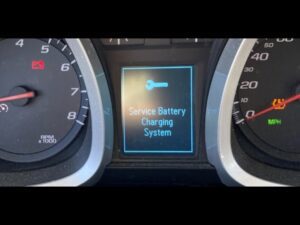

Facing recurring issues with your Buick Enclave’s service battery charging system can be an incredibly frustrating and anxiety-inducing experience for any driver. The constant cycle of dashboard alerts, ranging from subtle flickers to full-blown red warning lights, is more than just a mere nuisance; these are critical diagnostic signals indicating that your vehicle is operating on borrowed time. Understanding the underlying mechanics of this electrical system is not just beneficial—it is absolutely essential for your safety and wallet. Knowing how to accurately diagnose and resolve these technical glitches promptly can save you a significant amount of money that would otherwise be wasted on expensive towing services, dealership diagnostic fees, and emergency roadside repairs.
This comprehensive, expert-level guide is specifically designed to decode the complexities of the Buick Enclave’s electrical architecture. We will help you deeply understand the most common culprits behind charging failures and guide you step-by-step through effective, proven solutions. Our ultimate goal is to ensure that you gain not only the mechanical ability to fix current problems but also the vital foresight to prevent future catastrophic failures, allowing you to enjoy a smoother, safer, and much more reliable ride.
Understanding the Buick Enclave Service Battery Charging System
The service battery charging system hidden within your Buick Enclave is the unsung hero of your vehicle’s daily operation. This highly sophisticated electrical network ensures that the car’s heavy-duty battery remains fully charged and constantly ready to deliver the massive surge of high-voltage power required to crank the engine. Furthermore, it simultaneously runs the multitude of sophisticated electronic components—from infotainment screens to climate control—found in modern luxury SUVs.
It is critically important to move beyond the basic, rudimentary understanding of “a battery simply needs a charger” and delve into exactly how each part of this intricate system works in perfect harmony to sustain your vehicle’s electrical health. The system is not merely a single component that fails in isolation; it is a symbiotic, deeply connected relationship between the battery, the alternator, and the vehicle’s computer. When just one link in this delicate chain fails, the entire system suffers a cascading failure, inevitably leading to the terrifying warning messages you see illuminated on your dashboard.
A Deep Dive into the Components of the Charging System
To truly master the diagnosis of the service battery charging system, one must first appreciate the anatomy and function of the machinery involved. Your Buick Enclave’s charging system is an intricate assembly of several vital parts, each with a highly specific function that contributes to the overall efficiency and survival of the vehicle.
- The Alternator: Consider this the beating heart of the system. The alternator is a small generator bolted to the engine that generates the electrical power necessary to run all interior accessories while simultaneously sending a constant trickle of power to recharge the battery as you drive.
- The Battery: The battery acts as the primary energy storage reservoir. It holds the chemical electricity for immediate, high-amperage use when the engine is turned off, providing the spark needed for ignition.
- The Voltage Regulator: This component acts as the system’s intelligent brain. It meticulously controls and caps the amount of voltage sent from the alternator to the battery. This prevents dangerous overcharging (which can boil the internal battery acid and destroy the cells) or severe undercharging (which leaves the battery depleted and dead).
Connecting these massive power sources is the network of battery terminals and heavy-duty cables. These metallic contact points are the sole gateway for electrical flow; they absolutely must remain impeccably clean, tight, and completely free of acidic oxidation to ensure effective charging and power distribution. A loose or heavily corroded terminal acts as a physical roadblock, causing a massive voltage drop that leads to weak engine starts and bizarre electrical performance. Additionally, the system relies on various fuses and fusible links to protect the delicate electrical circuits from power surges. Neglecting even the smallest wire or a blown 50-cent fuse can result in a complete systemic failure, rendering your Buick Enclave totally immobile.
How the Charging System Functions Mechanically
When your Enclave’s engine is running, the alternator plays a vital, rhythmic role in constant electricity production, driven mechanically by the engine’s rotation. As the rubber serpentine belt turns the alternator’s front pulley, a rotor spins inside a stator, creating an alternating magnetic field. The internal rectifier diodes then convert this raw mechanical energy into usable direct current (DC) electrical energy. This freshly minted power is immediately routed to the battery, maintaining its 100% charge during operation while simultaneously powering all your headlights, stereo amplifiers, and climate control blowers. The alternator’s flawless operation is absolutely crucial; it ensures that your vehicle can start reliably in the freezing morning and run smoothly at high highway speeds without the battery rapidly depleting.
The voltage regulator is the silent, vigilant guardian of this intense process. It constantly monitors the battery’s current state of charge and micro-adjusts the alternator’s output to keep it within a very strict, safe operating window—typically between 13.5 and 14.7 volts. Without this precise regulation, the alternator would blindly overcharge the battery, leading to case bulging, acid leaks, or even a dangerous explosion. At times, the DIC (Driver Information Center) acts as the direct interface between your car’s Engine Control Module (ECM) and you, flashing the “Service Battery Charging System” alert if it detects a critical voltage drop or an overcharging anomaly in the system’s live readings.
Common Signs and Symptoms of a Failing Charging System
When your Buick Enclave begins to exhibit charging system degradation, there are several highly distinct signs to watch for. These symptoms are the vehicle’s desperate way of communicating distress before a total breakdown occurs. Warning lights on the dashboard provide you with immediate visual alerts, while physical issues—like bizarre electrical glitches and mysterious, overnight battery drain—can hint at deeper, underlying parasitic problems that require immediate diagnostic attention.
Interpreting Warning Lights on the Dashboard
You must keep a keen, observant eye out for the battery warning light on your dashboard. This is often symbolized by a small, red battery icon with a plus and minus sign. On the Enclave, it may also trigger a generic red “Check Engine” light or specifically spell out “Service Battery Charging System” on the driver’s display. If this light appears intermittently while hitting bumps, or stays solidly illuminated, it means your Enclave’s charging system is actively failing to maintain voltage.
When this happens, there will likely be specific, hidden trouble codes stored deep in your car’s computer memory, such as P0562 (System Voltage Low) or P0563 (System Voltage High). An inexpensive OBD-II diagnostic scanner can instantly interpret these codes to pinpoint the exact source of the issue. Ignoring this red warning light is incredibly foolish; it can lead to catastrophic failures, such as the engine dying completely while driving at 70 mph on the highway, which is incredibly dangerous as you will lose power steering and power brakes.
Detecting Bizarre Electrical Issues and Parasitic Drain
Before the car dies completely, you might notice subtle but highly concerning signs like rapidly flickering headlights, interior cabin lights that dim when you press the brakes, or power windows that roll up agonizingly slow. These are crystal clear, undeniable signs that your Enclave’s electrical grid is desperately struggling to maintain the required 12-volt baseline. The alternator simply cannot keep up with the demand.
Unexplained battery drain is another massive indicator. A failing charging system with a bad alternator diode can actually draw power out of the battery when the car is turned off. This leads to a “parasitic drain” situation where the battery loses its charge overnight while parked in the driveway. If your battery is frequently dead in the morning or needs jump-starting after a short 15-minute drive, it is a glaring signal of a fatal problem with the alternator’s internal circuitry or the battery’s internal lead plates degrading.
Identifying Severe Performance Issues and Stalling
A failing charging system will inevitably lead to severe, terrifying performance issues in your Buick Enclave. Modern engines require a massive amount of stable electricity to fire the spark plugs and run the electronic fuel injectors. If the voltage drops too low, the vehicle may violently shudder, misfire, or stall completely during operation due to an insufficient power supply to the ignition coils. Getting the battery and alternator professionally load-tested at a local auto parts store (a service they usually offer for free) or performing a DIY multimeter check in your driveway can help pinpoint the exact component failure before you are left stranded.
Expert Guide: How to Fix the Service Battery Charging System
When the ominous “Service Battery Charging System” message flashes on your Buick Enclave’s DIC, it’s absolutely crucial to address it promptly. Do not brush it off, as a battery light staying illuminated guarantees you have less than 30 minutes of driving time before the car dies. This step-by-step diagnostic guide will help you systematically inspect essential components, isolate the exact point of failure, and save you from the expensive mistake of blindly throwing new parts at the car.
Step 1: Meticulously Inspecting the Battery and Cables
Always start your diagnosis at the source by performing a thorough, microscopic visual examination of your battery. Look closely for signs of white, blue, or fuzzy green crystallized corrosion blooming around the lead terminals. This acidic buildup acts as a powerful electrical insulator, creating massive resistance and preventing the alternator’s power from entering the battery. If you spot corrosion, use a dedicated wire battery terminal cleaner to vigorously scrub them down to bare metal.
Next, physically grab the battery cables and give them a firm wiggle. They should not move even a millimeter. Loose cables will constantly disrupt the electrical flow over bumps, causing massive voltage spikes that terrify the car’s computer. Ensure the battery is securely bolted down in its plastic tray; excess vibration will literally shake the internal lead plates to pieces.
Finally, perform a baseline voltage test using a digital multimeter. Set the dial to DC Volts and connect the leads (red to the positive post, black to the negative post). A healthy, fully charged battery should read exactly 12.6 volts when the engine has been off for an hour. If the reading is significantly lower (e.g., 12.0V or 11.8V), it indicates a deeply discharged or failing battery that likely has a dead internal cell and requires immediate replacement.
Step 2: Testing the Alternator and Voltage Regulator Output
If your battery tests fine, it is highly probable that you have a bad alternator that has stopped producing electricity. To definitively confirm this, you must use your multimeter to test the alternator’s live voltage output. Start the engine and turn off all heavy electrical accessories (headlights, A/C blower, radio). Place the multimeter leads back on the battery posts. With the engine idling, the voltage should immediately jump up and ideally range between 13.7 to 14.7 volts.
Readings outside this strict window spell disaster. If the live voltage reads 12.6V and is slowly dropping as the engine runs, the alternator is completely dead and is not charging at all; your car is currently running solely on battery reserve. Conversely, if the multimeter reads wildly high, above 15.0V, the internal voltage regulator has failed and is dangerously overcharging the system, risking an electrical fire. In either scenario, the alternator assembly must be replaced.
Step 3: Checking the Serpentine Belt and Fusible Links
Before you unbolt a $300 alternator, check the mechanical components that drive it. Take a flashlight and examine the rubber serpentine belt running along the front of the engine. This belt physically spins the alternator pulley. Look closely for deep cracking, fraying edges, missing ribs, or extreme slackness. If the belt is glazed or loose, it will slip silently over the alternator pulley, failing to spin it fast enough to generate sufficient power. If the belt is broken or shredded, your car has zero charging system at all. Replace a worn belt immediately, as this is a $30 maintenance item that dictates the function of the entire vehicle.
Next, consult your Buick Enclave’s owner’s manual to locate the high-amp fuses or “fusible links” associated with the alternator and charging circuit (usually located in the main under-hood fuse box). Sometimes, a sudden power surge can pop a 150-amp mega-fuse, completely severing the connection between a perfectly healthy alternator and the battery. If you find a blown fuse, replace it with the exact same amperage rating. However, be warned: if a massive fuse blows again immediately upon startup, you have a severe, dead-short circuit somewhere in the heavy-gauge wiring harness that must be tracked down.
DIY Maintenance for Optimal Battery and Alternator Performance
Taking proactive, preventative care of your Buick Enclave’s electrical system is the absolute secret to keeping it running smoothly for years without unexpected breakdowns. Simple, highly effective DIY tasks—such as cleaning the battery terminals, performing monthly multimeter voltage checks, and knowing exactly when to replace aging components—can significantly increase your battery’s health and longevity. By staying ahead of the maintenance curve, you eliminate the sheer panic of being stranded in a dark parking lot.
Cleaning Battery Terminals to Guarantee Flawless Connectivity
As mentioned, corroded battery terminals are the number one cause of phantom electrical gremlins. To clean them safely, start by completely disconnecting the battery. Always loosen and remove the negative (black) terminal clamp first to eliminate the risk of accidentally causing a massive spark with your metal wrench, then move to the positive (red) terminal. Mix a simple, highly effective neutralizing solution of baking soda and warm water. Pour it over the terminals and watch it furiously bubble as it eats away the acidic corrosion.
Use a stiff wire battery brush to aggressively scrub the lead posts and the inside of the metal clamps until they are shiny and bright. Rinse the area with clean water and dry everything thoroughly with a rag. Reattach the terminals securely, this time connecting the positive post first, followed by the negative post last. Finally, spray the terminals with a dedicated battery terminal protector spray or coat them in dielectric grease to seal out oxygen and prevent future corrosion. This pristine connection ensures the alternator can push maximum amperage into the battery.
Deciding When It Is Finally Time to Replace a Battery or Alternator
If your meticulous multimeter checks indicate that the battery will not hold a 12.6V charge, or the alternator refuses to output 14V, it is time to bite the bullet. The average lifespan of a modern car battery is roughly 3 to 5 years, while alternators typically last 80,000 to 120,000 miles.
Installing a new battery is a straightforward DIY task. It requires disconnecting the old unit, lifting the heavy block out of the engine bay, and securing the new battery tightly in the tray. Ensure you purchase a battery with the correct Group Size and a Cold Cranking Amp (CCA) rating that meets or exceeds OEM specifications. Note: Many modern, highly-optioned Enclaves utilize an advanced AGM (Absorbent Glass Mat) battery. If your car came with an AGM battery, you absolutely must replace it with an AGM battery, as the vehicle’s charging logic is specifically programmed for that advanced chemistry.
If the alternator is definitively faulty, installing a new unit is a more advanced, moderately difficult mechanical job. It typically involves using a long breaker bar to release tension on the serpentine belt, unbolting the old alternator from the engine block, and carefully disconnecting the heavy-gauge B+ power wire and the delicate plastic wiring harness connector. Ensure all electrical connections are torqued down tightly and the serpentine belt is routed perfectly according to the diagram under the hood. If you are uncomfortable working with high-amperage electrical cables or navigating tight engine bays, hiring a certified professional technician is the wisest choice to avoid causing severe damage.
Expert Tips for Preventing Future Charging System Catastrophes
To keep your Buick Enclave operating flawlessly for the long haul, shift your focus from reactive repairs to proactive routine inspections and strategic component upgrades. These elevated maintenance steps can help you completely avoid terrifying, expensive repairs related to the charging system before they ever manifest into a critical failure.
Adhering to a Strict Routine Inspection Schedule
Keeping up with regular, visual inspections is the master key to ensuring your car battery and charging system never let you down. Schedule a quick 5-minute visual inspection of the battery’s terminals and the serpentine belt every time you change your engine oil. Look for that telltale white corrosion and address it instantly before it hardens.
A highly recommended best practice is to have your battery professionally load-tested every single autumn before the freezing winter weather arrives. Cold oil and freezing temperatures require massive cranking amps to start an engine, and a weak battery that survived the summer will instantly die on the first morning of frost. Additionally, whenever possible, park your Enclave in a climate-controlled garage. Protecting the battery from the scorching, boiling heat of summer and the deep freeze of winter will easily extend its lifespan by a full year or more.
Strategic, Heavy-Duty Upgrades for the Charging System
If you demand more from your vehicle, standard OEM parts may not be enough. Sometimes, upgrading the core components in your charging system can permanently eliminate future electrical bottlenecks. If you are replacing a failed alternator, strongly consider purchasing a high-quality, heavy-duty aftermarket alternator that offers a significantly higher amperage output (such as a 160-amp or 200-amp model). A high-output alternator provides incredibly consistent power without straining, which is absolutely vital if you have added power-hungry aftermarket accessories like massive audio amplifiers, high-wattage light bars, or heavy-duty towing electronics.
Similarly, when it is time for a new battery, do not buy the cheapest option on the shelf. Invest in a premium, top-tier AGM battery with the highest Cold Cranking Amp (CCA) rating that will physically fit in your battery tray. A massive CCA rating ensures the battery has immense reserve power to effortlessly crank the heavy Enclave engine, even when it’s negative 10 degrees outside. High-end, premium batteries also feature vastly superior internal construction that resists extreme vibrations and often come with unbeatable 3-to-4-year free replacement warranties.
By investing a little extra money upfront in premium, heavy-duty components and dedicating a few minutes a month to proactive visual inspections, you will massively extend the total lifespan of your vehicle’s charging system. You will drastically improve overall electrical performance, maximize your reliability, and finally banish that highly stressful “Service Battery Charging System” warning light from your dashboard forever.