
Your car battery sits there quietly, day after day, doing one job extremely well: it provides the electrical “spark” your engine needs to start. Once your battery is drained, the rest of your morning plans tend to disappear fast. You turn the key, you get a slow crank, or you hear only clicking, and suddenly you are thinking about jump starters and tow trucks instead of work.
Good news. Most battery drain problems come from a small set of common mistakes and issues. The difference between an easy fix and a expensive repair is knowing what to look for, in the right order, before you keep guessing.
Below are 6 ways people drain their car batteries in the real world. These are the same causes you will see repeatedly when a driver finally calls for help. Use the list like a checklist, and you will usually find the cause without wasting time.
Also, a quick heads-up: this topic is about draining, not about safety-critical engine overheating or brake failures. Even so, a dead battery can still leave you stuck in traffic, unable to open doors, or unable to start the car when you need to merge or drive. Treat it seriously, but keep it practical.
A battery in a car is like a nucleus in a cell. It powers the starting process, and it keeps certain systems alive long enough for your vehicle to function. If the battery is drained, your plans get disrupted or you end up stranded because the ignition will not respond. That is why this is worth your attention.
Here on xerodrive.com, the causes of battery drain are similar regardless of battery type. Use the section headings below to jump right to what sounds like your situation.
1. When you keep your lights on
This is the number one mistake. People leave headlights or interior lights on overnight, then wake up to a car that does not start. Some drivers do this after a long day where exhaustion takes over. Others do it simply because the last step of “turning everything off” gets skipped.
In the real world, the most common light offenders are:
- Headlights left on (especially parking lights or “auto” setting that did not switch off)
- Dome lights or interior lights left on in the cabin
- Trunk or cargo area lights left active
- Glove box light left on if the door was not fully closed
- Overlooked parking light behavior on certain trim levels
Picture it. You wake up ready for work. You turn the key. The starter barely turns. The dashboard looks dim. You finally realize the battery was drained by a light you left on the night before. That scenario happens more than people want to admit, and it is completely preventable.
What you can do right now is build a routine you can do even when you feel tired. Before you lock the car and walk away, do a quick visual check. Look at the dash indicators if applicable. Then make sure every light that can stay on is actually off.
2. Weak battery
A weak battery is not just “an old battery.” It is a battery that has reduced capacity, weak internal performance, or poor ability to hold a charge. Weak battery problems often show up after bad maintenance habits or after the car sits for long periods. In other words, it gets worse because it gets stressed.
When a battery is weak, it has reduced capacity to power the engine electronics and crank the starter. This reduces durability and effectively shortens its lifespan. Many drivers think the battery should “just work” until it completely fails, but batteries often start slipping in performance long before you notice a full dead state.
One of the most effective ways to extend battery life is using a good charger such as a trickle charger. A trickle charger charges the battery steadily without overcharging. That steady approach helps the battery recover and maintain charge instead of constantly being drained and re-drained.
Here is a practical example. If your commute is short and you do not drive long enough to fully recharge the battery, it can slowly fall behind. Using a trickle charger occasionally can help it stay in a healthy range, especially during cold months when starting power drops.
3. Electrical issue (something keeps drawing power)
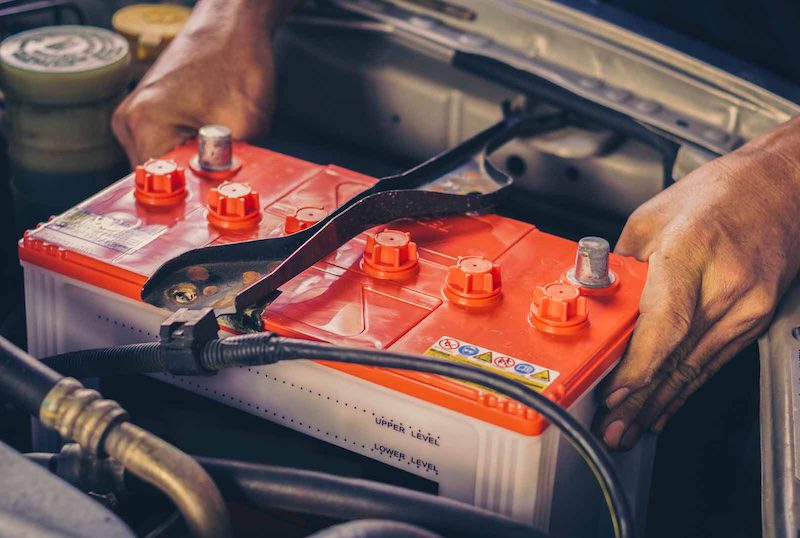
Sometimes the battery drains because of an electrical glitch or an electrical component that keeps running even after the engine is off. This is not always a dramatic “system failure” you can see. More often, it is a small draw that is hard to notice, such as an alarm system, radio preset behavior, interior illumination, or an accessory module that does not shut down properly.
Some examples drivers run into are:
- Security alarm issues that keep the system in an active state longer than expected
- Radio preset or infotainment behavior that continues to consume power
- Glove box light that stays on after you shut the engine
- Trunk light or door switch issues that keep interior lights alive
- Aftermarket accessories like dashcams, alarms, trackers, or phone chargers
Here is a real scenario. You switch off the engine, close the door, and walk away. Later you return and notice the glove box light still came on. That means the battery is paying the price for a small electrical problem. Even a small draw can drain a battery over enough hours.
So what do you do? Start with the easiest visible causes. Make sure the doors fully latch. Check the glove box and trunk closures. Then check for any aftermarket accessories that might not shut down normally.
If you still experience drain after checking the obvious items, the next step is a battery draw test. That is usually a job for an auto electrician or a shop with the right tools. Still, the early inspection steps are worth doing because they can save you from chasing ghosts.
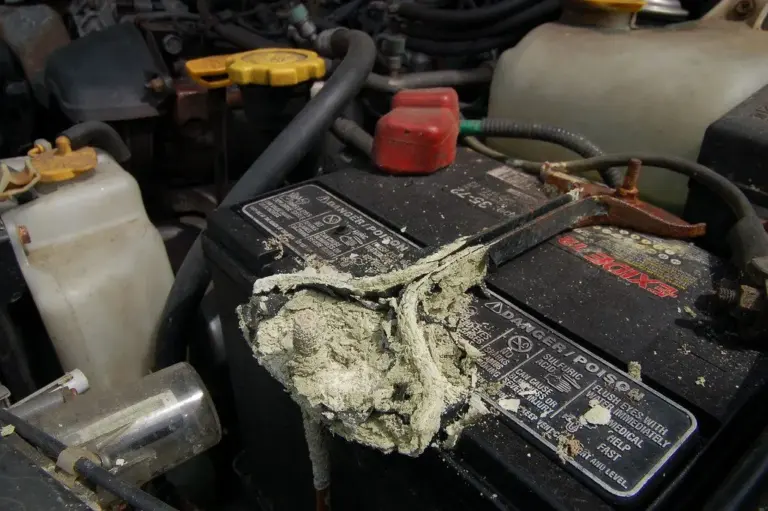
4. When the battery connection is loose or corroded
This one is sneaky. A bad connection can cause a battery to drain even while the engine is running, not just when the car is off. When the battery terminals are not clean or not tight, the electrical system becomes unstable. That instability can lead to intermittent charging issues, extra electrical stress, and eventual drain.
Failure to maintain your car battery can lead to corrosion. Corrosion creates resistance at the connection points, which means the battery cannot deliver power as effectively, and the charging system might not work properly. The result is a battery that looks fine until you need it most.
There is also a more complicated problem in some vehicles. Some cars rely on the alternator to keep small electrical components powered while driving. If the connection is poor, the alternator and the electrical modules can behave incorrectly. It is not always obvious, which is why this issue is often overlooked.
If you notice corrosion, loose clamps, or inconsistent charging behavior, it is advisable to take the vehicle to an auto repair shop for a professional checkup. A shop can clean the terminals properly and verify charging stability.
At home, you can do one safe thing. Inspect the battery terminals for crusty buildup and check whether clamps are firmly attached. Do not guess on corrosion. If it looks rough or crumbly, it is usually not just “a little dirt.” It is resistance and instability waiting to happen.
5. Impaired alternator diode
When the alternator diode is faulty, it can drain your battery. That happens because the electrical circuit can draw power even when the engine is switched off. Your alternator is supposed to recharge the battery while the engine runs. When internal diode behavior is wrong, it can allow unwanted current flow that keeps draining the battery when it should be resting.
That is why alternator diode issues can feel confusing. You might have a battery that is not old, or the car might start normally, then the battery ends up drained anyway. If the drain happens repeatedly and you have ruled out lights-on and loose connections, a diode or alternator issue becomes more likely.
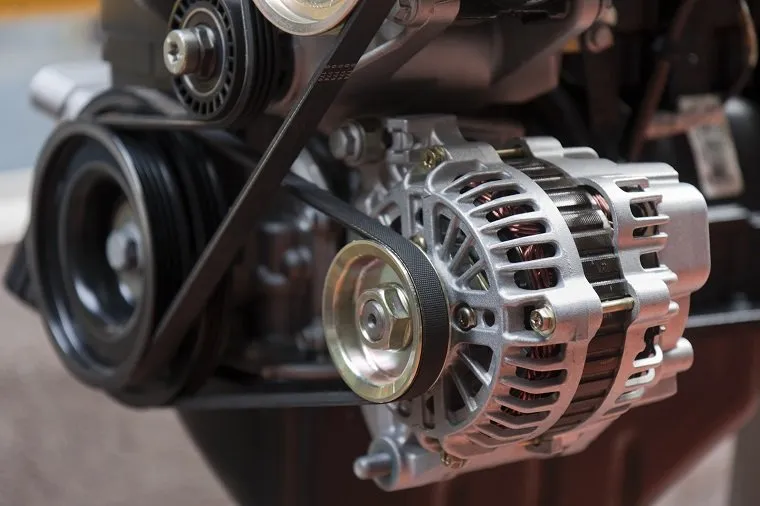
Diagnosing alternator diode drain usually requires electrical testing. A simple “battery is dead” conclusion is not enough because the real cause is typically a charging system fault. If you keep seeing battery drain, it is reasonable to ask for a charging system and diode check rather than repeatedly buying batteries.
6. Worn out battery (and short-trip problems)
This is the classic. Your car battery gets old and worn out. One easy way to know is when you struggle to start the engine every day. Many drivers notice daily challenges around the five-year mark. If you have used your battery for about five years and starting feels harder, replacement becomes the sensible move.
Still, here is the part many drivers miss. You can also drain and weaken a newly purchased battery. Underuse is a major reason. When you regularly drive only short distances, the alternator may not have enough time to fully recharge the battery. Over time, the battery weakens from cycling between partial charge and demand.
Bad temperatures and extreme weather can also build up sulfate crystals, which reduce battery performance and can damage the battery over time. Heat and cold both affect battery chemistry. When the charging system is faulty, it will also reduce the ability of the new battery to remain healthy.
So, if a new battery keeps failing, do not stop at “the battery is bad.” Look for the underlying cause. That cause might be short trips, a charging system problem, or an electrical draw issue. Fixing the root cause is what finally stops the cycle.
A quick diagnostic approach that saves time
Most drivers attack a battery drain problem the wrong way. They start with the most expensive part first. Then they replace the battery, or they replace the alternator, and the problem still returns.
Instead, use this order. It works because it matches the likelihood of causes.
Step-by-step checklist
- Check lights and interior illumination habits. Look at the last things you might have left on overnight.
- Check battery age and starting behavior. If the battery is around five years old, it may be simply worn out.
- Inspect battery connections. Look for looseness and corrosion at terminals.
- Look for an electrical issue. Does a light stay on, does an alarm behave strangely, or does an accessory keep running?
- Confirm whether the charging system is healthy. If drain happens repeatedly, test charging output and alternator behavior.
- Suspect an alternator diode or alternator fault. Especially if drain occurs even when everything appears off.
If you follow that list, you usually locate the cause quickly. If you skip straight to battery replacement, you can end up spending money without fixing the underlying problem.
What symptoms usually mean
| What you notice | Most likely explanation | First thing to check |
|---|---|---|
| Clicking at start, dim dash | Battery drained or connection issue | Battery terminals, lights-on possibility |
| Battery drains after the car is parked | Parasitic draw or alternator diode drain | Electrical components staying on, diode/alternator test |
| Battery keeps failing even after replacement | Short-trip undercharging or charging system fault | Drive length habits, charging system output |
| Starting is hard, especially after aging | Worn out battery | Battery age, voltage test |
These are not perfect, but they help you move faster. When you can narrow it down, you avoid the guessing game.
How to prevent your car battery from draining again
Prevention is cheaper than troubleshooting, and it is often simpler than people expect. The best approach is a combination of daily habits and basic maintenance.
Daily habits that actually work
- Turn off all lights before leaving the car, including headlights, dome lights, and any interior illumination.
- Close doors fully to ensure door switches are not stuck. A door switch that stays “open” will keep lights on.
- Unplug chargers that might keep drawing power after the engine is off.
- Keep a short-trip plan in mind. If you only drive short distances, consider occasional longer drives to help recharge the battery.
- Pay attention to weird electrical behavior. If the glove box light, radio, or alarm acts strangely, treat it as information, not background noise.
If you have ever woken up to a car that will not start, you already know why habits matter. One small reminder can prevent a full breakdown in the morning.
Battery maintenance that prevents corrosion and connection issues
Corrosion and loose connections are common. They can cause the battery to drain even when the engine is running. Keeping the terminals clean and tight reduces instability and keeps the charging system working as intended.
A simple maintenance routine can include:
- Inspect terminals for crusty buildup.
- Check that clamps are firmly attached.
- Clean corrosion and ensure proper contact.
- Verify battery is secure in its mount.
When you handle this early, you prevent the “mystery drain” situation that forces expensive repairs later.
Using a trickle charger without overthinking
If your car sits often, if you drive short distances, or if you live in a climate that punishes batteries, a trickle charger can help. It charges slowly and safely, without overcharging in the way many drivers worry about.
When to use it:
- During extended periods when the car will not be driven
- In cold weather when battery output drops
- For batteries that show weakness before total failure
- When you want to maintain health rather than repeatedly recharge from near-dead levels
The point is not to baby the battery forever. The point is to keep it in a healthy range so starting does not become a daily stress test.
When you should go to a shop (and what to ask for)
You can solve many battery drain problems at home. But certain faults are difficult to diagnose without proper tools. That is where a shop earns its fee.
Go to a professional when you see any of these:
- The battery drains repeatedly even after checking lights and connections
- A new battery fails quickly
- You suspect the alternator or alternator diode because the drain happens even when the car appears off
- You cannot identify which component keeps drawing power
- You see corrosion or connection damage that needs cleaning and verification
When you talk to the shop, ask pointed questions instead of vague ones. For example, you can ask whether they tested the alternator and charging system, checked for diode leakage, or performed a parasitic draw test. That keeps you from paying for random guesses.
In other words, do not be afraid to ask for confirmation. Battery problems are not a guessing game. There is always a measurable electrical cause.
Video: How to spot and fix battery drain
Video: battery drain causes and fixes
Final action to prevent your next dead battery
Right now, think about your last “almost stranded” moment. Was it a forgotten light, a connection that needed tightening, a glove box or interior light that stayed on, or a battery that is simply aging at about the five-year mark? If you can identify the pattern, you can stop the drain instead of repeatedly resetting the problem.
Here is your best next step: make a quick check this week. Turn off every light, confirm the glove box and doors close properly, inspect battery terminals for corrosion, and if the drain keeps coming back, ask for a charging system and alternator diode evaluation. What is the most likely cause in your case, the lights, a loose or corroded connection, an electrical issue, or a worn-out battery?