
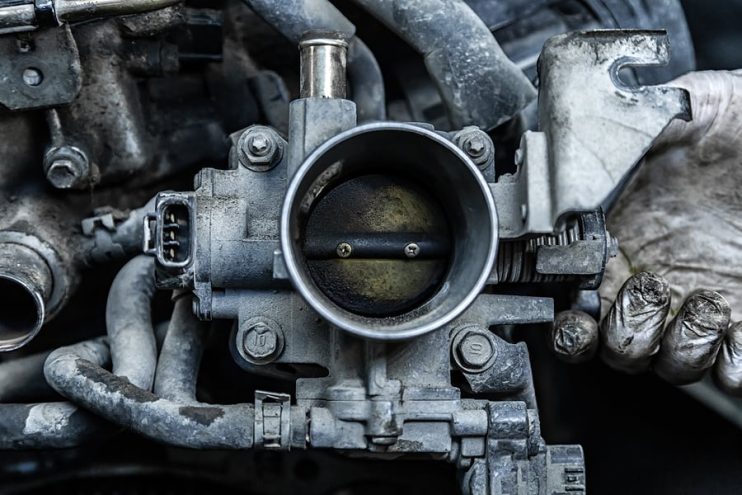
Maintaining a clean throttle body is essential for optimal engine performance, superior fuel efficiency, responsive acceleration, and overall vehicle reliability. Over time, carbon deposits, oil residue, and grime accumulate in this critical component, disrupting airflow and leading to noticeable drivability issues. While specialized throttle body cleaners are the gold standard, some DIY enthusiasts consider alternatives like brake cleaner in a pinch; but this comes with significant caveats.
Is Brake Cleaner Suitable for Cleaning a Throttle Body?
In situations where dedicated throttle body cleaner isn’t available, a non-chlorinated brake cleaner can serve as a temporary substitute; but only as an absolute last resort. Chlorinated versions should never be used, as they pose serious risks.
The primary danger lies in the high flammability and chemical composition of many brake cleaners. Non-chlorinated formulas are generally safer, but even these can leave harmful residues if not handled properly. Chlorinated brake cleaners contain aggressive solvents (like perchloroethylene or methylene chloride) that evaporate quickly and cut through grime effectively. However, residual chemicals can ignite under the high-heat conditions inside the engine, potentially causing fires or explosions in extreme cases.
Beyond fire hazards, improper cleaners can damage sensitive components. The throttle body houses electronic sensors, including the throttle position sensor (TPS), which monitors valve position for precise engine control. Harsh chlorinated solvents may corrode or degrade these sensors, leading to erratic readings, poor performance, or permanent failure. Additionally, nearby rubber hoses, gaskets, and seals can swell, crack, or deteriorate when exposed to incompatible chemicals, resulting in vacuum leaks or coolant/oil contamination.
Professional mechanics and automotive experts universally recommend avoiding brake cleaner unless no better option exists. If you must proceed, confirm the product is explicitly labeled non-chlorinated, work in a well-ventilated area, and ensure thorough drying before reassembly. Even then, this is a compromise; specialized cleaners are formulated to evaporate cleanly without residue while being safe for sensors and plastics.
Can You Clean Your Throttle Body Yourself?
Throttle body cleaning is a moderately advanced DIY task that requires mechanical confidence and attention to detail. It’s far more involved than a simple oil change, as it involves accessing the engine’s air intake system and handling delicate connections. If peering into your engine bay feels overwhelming or you’ve never disassembled intake components before, it’s wiser; and safer; to entrust the job to a qualified mechanic. The cost is reasonable compared to the potential for costly mistakes, such as damaging sensors or causing vacuum leaks.
For those with solid experience working on engines, cleaning the throttle body at home is feasible and rewarding. It restores smooth airflow, often improving idle quality and throttle response almost immediately. Here’s a safe, step-by-step approach based on best practices:
- Prepare your workspace and safety measures ; Park on a level surface, let the engine cool completely, and disconnect the negative battery terminal to prevent electrical shorts or accidental starts. Gather tools: throttle body cleaner (preferred), rags, a soft-bristle brush (like an old toothbrush), compressed air (optional), gloves, and eye protection.
- Locate and access the throttle body ; It’s typically situated between the air filter housing and intake manifold, often a metallic or plastic housing with a butterfly valve visible inside. Remove the air intake duct or boot by loosening clamps (use a screwdriver or pliers as needed).
- Disconnect attached components ; Carefully unplug electrical connectors (TPS, idle air control if present) and detach vacuum hoses. Label or photograph everything for accurate reassembly; connections vary by vehicle.
- Expose the throttle plate ; For cable-operated systems, manually rotate the throttle linkage to open the plate. For electronic (drive-by-wire) systems, turn the key to the “on” position (without starting) and have a helper depress the accelerator pedal to open the valve; consult your vehicle’s manual to avoid ECU issues.
- Apply cleaner and scrub ; Spray throttle body cleaner liberally onto the throttle plate, bore walls, and linkages. Avoid excessive pooling; use short bursts. Gently scrub deposits with a soft brush; never use wire brushes or abrasive tools that could scratch surfaces or damage coatings. Wipe away loosened grime with clean rags.
- Dry thoroughly ; Allow the cleaner to evaporate naturally, or accelerate drying with compressed air. Ensure no liquid remains, as it could enter the intake and cause hydrolock or misfires on startup.
- Reassemble everything ; Reconnect hoses, electrical plugs, and the air duct in reverse order. Reattach the battery, start the engine, and let it idle to relearn throttle parameters (some vehicles require a specific relearn procedure; check your manual).
For many vehicles, you don’t need to fully remove the throttle body from the manifold, simplifying the process. Always snap reference photos before disassembly to guide reassembly and prevent mix-ups.
Recommended Cleaning Interval for the Throttle Body
Throttle body maintenance isn’t a frequent chore like oil changes. Under normal driving conditions, most experts suggest cleaning every 60,000 to 100,000 miles. This aligns with major tune-ups and prevents buildup from becoming severe.
If you drive aggressively, in dusty environments, or rack up high annual mileage (e.g., 15,000+ miles/year), aim for the lower end; around 60,000 miles. Sedentary vehicles or hybrids may stretch to 100,000 miles or beyond. Always consult your owner’s manual for model-specific guidance, or contact the manufacturer with details like make, model, year, and average mileage.
Symptoms often dictate timing better than mileage alone; if issues arise earlier, address them promptly to avoid compounding problems.
Better Alternatives to Brake Cleaner for Throttle Body Maintenance
For reliable, sensor-safe results, stick to products engineered specifically for throttle bodies and air intakes. These formulas dissolve carbon and varnish without harming electronics, plastics, or coatings. Highly regarded options include:
- Berryman Chemtool Carburetor, Choke, and Throttle Body Cleaner ; A powerful, concentrated solvent that tackles stubborn deposits effectively.
- CRC Throttle Body and Air-Intake Cleaner ; Known for quick evaporation and precision application.
- WD-40 Specialist Carb/Throttle Body & Parts Cleaner ; Offers dual-action cleaning with a convenient straw for targeted spraying.
Other compatible choices encompass most air intake cleaners or carburetor cleaners labeled safe for throttle bodies. In a real emergency, motor oil with gentle scrubbing can loosen light buildup, but it’s not ideal.
Steer clear of harsh substitutes; using the wrong product risks engine fires, sensor failure, or accelerated wear. Invest in the right cleaner; it’s inexpensive insurance for your engine’s health.
Recognizing When Your Throttle Body Needs Attention
A dirty throttle body disrupts the precise air-fuel balance, triggering a cascade of symptoms. Watch for these common indicators:
- Declining fuel economy ; You notice shorter range per tank as restricted airflow forces the engine to work harder.
- Stalling or rough idle ; The engine hesitates, surges, or dies at stops due to inconsistent airflow.
- Uneven or hesitant acceleration ; Throttle response feels choppy, delayed, or jerky, especially from a standstill.
- Illuminated check engine light ; Often accompanied by codes related to airflow, throttle position, or idle control.
These signs can overlap with other issues (e.g., faulty sensors or vacuum leaks), so professional diagnostics; scanning OBD codes and inspecting sensors; are the best confirmation. Many mechanics use tools to read live data from throttle body sensors for accurate diagnosis.
Final Thoughts
Reserve non-chlorinated brake cleaner for true emergencies when cleaning your throttle body; it’s not a first-choice solution due to flammability risks, potential sensor damage, and rubber component degradation. Prioritize dedicated throttle body cleaners for safe, effective results that preserve engine longevity.
If symptoms like erratic acceleration, poor idling, or a persistent check engine light appear, your throttle body may be coated in grime and begging for attention. A timely clean can restore crisp performance and efficiency without major expense.

