
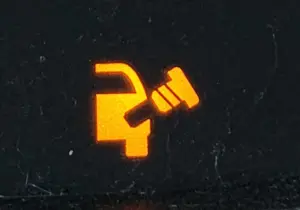

The Honda Civic “Tighten Fuel Cap” message is one of those warnings that can feel more dramatic than it really is; especially the first time it appears. The truth is that this is a very common Honda Civic notification, and in most cases, it points to a simple EVAP-related sealing issue rather than a major engine failure. So, there’s no need to panic if you’ve encountered it too. What matters is handling it correctly, because this message is your Civic’s way of saying: “I detected a fuel vapor leak or an abnormal pressure reading in the evaporative emissions system.”
The best part is that you probably won’t need to take your vehicle to the dealer. In many cases, you can resolve the warning at home with careful inspection and the right “drive cycle” expectations. However, if the message persists after you’ve done the basics correctly, it can indicate a defective sensor, an EVAP canister problem, a hose leak, or a control valve issue; things that may require a scan tool and professional diagnosis.
Table of Contents
Below, I’ll walk you through the step-by-step repair logic I’d use as a technician: start with what fails most often, confirm sealing and condition, allow the system time to re-test itself, and only then move into deeper EVAP diagnostics. I’ll also explain what the EVAP system is doing behind the scenes, why the message may take time to clear, and how to avoid replacing parts unnecessarily.
How Do I Fix the Honda Civic “Tighten Fuel Cap” Message?
To fix the Honda Civic “Tighten Fuel Cap” message, you must identify the trigger first. Start by confirming the fuel cap is present, undamaged, and tightened correctly. If the warning does not clear after proper installation and several normal drive cycles, then move to the next likely steps: reset the ECU (as a diagnostic aid), scan for EVAP-related trouble codes, and; if necessary; have a dealer or qualified technician diagnose and replace a faulty sensor, valve, or evaporator canister.
That may sound like a lot, but the approach is intentionally simple: verify the seal, then verify the system. Your Civic’s EVAP system is designed to test itself periodically. If it detects that the fuel tank cannot hold pressure/vacuum within expected limits, it will request a message like “Tighten Fuel Cap” because the fuel cap is the most common failure point (and the easiest to fix). But if the cap is not the culprit, the system will still keep complaining until the underlying leak or sensor fault is corrected.
Here’s a detailed explanation for you:
Solution #1: Check the Fuel Cap
The owner’s manual advises checking the cap and ensuring it’s present and tight. That’s not generic advice; it’s the most practical first step because the fuel cap is responsible for sealing the filler neck and maintaining the EVAP system’s ability to hold pressure/vacuum during self-tests. In real-world Civic ownership, the fuel cap is the cause of the majority of “Check Fuel Cap” and “Tighten Fuel Cap” warnings.
Common fuel cap problems include a missing or loose fuel cap, which often happens after a fill-up when the cap wasn’t tightened until it clicks. Another frequent issue is a defective cap; the plastic body can crack, the spring tension can weaken, or the sealing gasket can harden and stop sealing properly. In some situations, the cap can be present but not actually sealing because the filler neck threads are dirty, the cap is cross-threaded, or the gasket is twisted. In any of these cases, the PCM may interpret the pressure readings as a vapor leak and illuminate the warning.
In any case, you’re likely to see the warning light on your instrument cluster. Thus, examine the fuel cap and replace it if it’s defective or missing. Tighten the cap if it’s present but loose using the following steps:
- Twist it to the left until it disengages from the fill nozzle.
- Put the cap back on and line up the threads correctly.
- Twist it to the right until you hear a click.
- Drive the car normally and wait for the light to disappear after a few drive cycles.
Expert tip about “clicking”: On many Honda caps, one click is usually enough, but I recommend tightening until you get a solid click and the cap feels seated evenly. Don’t overtighten aggressively; just ensure the cap is fully engaged and the gasket is compressed uniformly.
Sometimes, the little strap (rubber seal/gasket) could be stacked in the neck or damaged. Other times, the fuel cap itself may be faulty. Either way, you must replace the broken gasket or the cap. After that, drive your car as usual and wait for the warning message to go away after about 50-100 miles.
Why it can take 50–100 miles: The EVAP monitor doesn’t test continuously. The PCM typically runs leak checks only when certain conditions are met (fuel level in a specific range, engine temperature stable, vehicle speed/drive pattern appropriate, ambient temperature acceptable, etc.). So even after you fix the cap, the car may need time to rerun the EVAP test and confirm the system is sealed. Until that test passes, the message may remain.
Fuel cap “fit” matters more than many owners realize: Aftermarket caps can work, but some do not seal correctly or do not match the cap pressure/vacuum relief behavior Honda expects. If you keep seeing the message after buying a cheap replacement cap, it’s worth switching to an OEM-quality cap designed for your Civic.
Also check the filler neck: If the cap looks fine, wipe the filler neck sealing surface with a clean cloth. Dirt, rust, or debris can prevent a proper seal. A damaged filler neck lip can also cause repeated sealing issues, though it is less common than gasket problems.
Note: AVOID replacing the gas cap or gasket yourself if the vehicle is under warranty. It’s best to go to your dealer and have them take care of the issue. DIY replacement could interfere with the warranty.
Warranty nuance (expert perspective): In many markets, a gas cap is considered a maintenance/wear item, but warranty terms vary, and some EVAP-related repairs may be covered depending on the vehicle’s age and coverage type. If your Civic is still under warranty and you’re unsure, the most conservative approach is to document the warning and let the dealer handle the correction.
Solution #2: Reset the ECU
If the message doesn’t turn off after you correctly tighten or replace the fuel cap (and you’ve driven enough for the EVAP monitor to retest), the next possibility is that the vehicle is holding a stored error or the PCM needs a reset to clear the message display logic. Resetting the Electronic Control Unit can clear some temporary faults so the light disappears; especially if the issue was corrected but the system hasn’t completed a confirming test yet.
Here’s how to reprogram the ECU:
- Park the vehicle and turn it off.
- Open the hood and locate the battery
- Disconnect the negative terminal for about 15 to 30 minutes
- Re-attach the terminal and start the engine.
The light should clear. If not, it indicates the problem still exists, and you must try Solution #3 below. Sometimes you might need to leave the battery disconnected overnight to give the control module enough time to reset.
Important expert caution: Disconnecting the battery may reset learned values (idle trim, throttle adaptation, radio presets, clock, etc.) and can temporarily set emissions readiness monitors to “not ready.” If your area requires emissions inspection, be aware that a reset can delay testing until the car completes a full drive cycle. For diagnostics, a scan tool reset is often preferable because it can clear codes without wiping everything else.
When ECU reset helps most: If you fixed a loose cap but the message remains for a long time, the reset can sometimes clear the message faster. But if the EVAP leak is still present or a sensor is faulty, the message will return; sometimes quickly.
Professional workflow note: In a shop, we don’t usually reset first. We scan first, document codes, look at freeze-frame data, then repair, then clear codes. That order prevents losing valuable diagnostic evidence. As a DIYer, you can still follow that best practice if you have access to an OBD II scanner.
Solution #3: Check for a Faulty Sensor
If your cap is confirmed good and properly tightened; and the message persists; the next likely culprit is the EVAP monitoring hardware, especially the fuel tank pressure sensor. The fuel tank pressure sensor is a critical component of the fuel system and EVAP leak detection strategy. Manufacturers usually mount it on top of the fuel tank (or integrated into a fuel pump module depending on model year). Its job is to measure tank pressure/vacuum changes during EVAP self-tests.
Your vehicle’s onboard computer (Powertrain Control Module or PCM) uses those pressure readings to detect fuel vapor leaks. If the sensor fails, becomes biased (reads inaccurately), or sends intermittent readings due to wiring/connector problems, you can see the “Check Fuel Cap” or “Tighten Fuel Cap” message even when the cap is sealed perfectly. The message shown depends on the model and the exact fault logic.
To fix it:
- Perform a pinpoint voltage test to determine whether the sensor is faulty
- Remove the fuel tank
- Replace the defective sensor and reinstall the tank
- The light should turn off after a few driving sessions
Note: Replacing a defective sensor may be challenging for a DIYer. Taking your vehicle to a dealer or a reliable mechanic would be best.
Why this is not a casual DIY job: Accessing the fuel tank pressure sensor can require lowering the fuel tank, safely supporting the vehicle, and handling fuel system components. It also requires confirming diagnosis before replacement, because replacing the wrong part is expensive and time-consuming.
How professionals confirm a sensor fault: A scan tool can read fuel tank pressure sensor live data. If readings are erratic, stuck, or illogical relative to commanded purge/vent activity, it points to sensor or circuit issues. Wiring checks (connector pin tension, corrosion, continuity) are also essential. Sometimes the sensor is fine and the problem is a damaged connector or harness near the tank.
What codes may accompany this message: Depending on your Civic’s model year and diagnostics, EVAP-related trouble codes such as P0451 (pressure sensor range/performance) or other EVAP leak codes may be stored. The message itself is the “human-friendly” output; the DTC is the technician-friendly output.
Practical owner tip: If you don’t have a scan tool, many parts stores will read codes for free. Getting the code number is one of the fastest ways to avoid replacing parts blindly.
Solution #4: Replace a Defective Evaporator Canister
The evaporator canister (also called the EVAP canister or charcoal canister) is another key part of the Evaporative Emission Control system (EVAP). The EVAP system prevents raw fuel vapor from escaping into the atmosphere by storing vapors in a charcoal-filled canister and then purging them into the engine to be burned under controlled conditions. This is a requirement on all gasoline-powered vehicles manufactured from the 1970s.
The system typically consists of a fuel tank, sealed gas cap, and valves and hoses. It also features an evaporator canister (EVAP vapor storage) full of charcoal. This canister is a wear-and-tear component that can develop faults over time; especially if it becomes saturated with liquid fuel (often caused by overfilling the gas tank repeatedly) or if road debris damages it. When the canister or its valves fail, the PCM can detect abnormal EVAP behavior and trigger a warning. Sometimes the alert is the “Tighten Fuel Cap” message.
Evaporator canister damage is a rare problem compared with a loose cap, which is why you should not jump to this conclusion until you’ve confirmed the basics. If canister replacement is required, take the vehicle to the dealer or a reliable mechanic for proper diagnosis and replacement. The procedure may be free of charge if your vehicle is under warranty.
Expert insight on “rare but real” canister problems: When a charcoal canister fails, you may see recurring EVAP leak codes, refueling difficulties, fuel odor, or unusual purge behavior. However, these symptoms can overlap with purge/vent valve failures and hose leaks. That’s why a smoke test (EVAP leak test) is often the most efficient diagnostic tool at this stage.
What causes canister failures in everyday use:
- Repeatedly topping off the tank after the pump clicks off (liquid fuel can enter the canister)
- Driving in areas with heavy dust/mud that clogs vent filters
- Road debris impact (especially on vehicles with low rear underbody clearance)
- Age-related cracking of plastic housings and ports
Prevention tip: Stop fueling when the pump clicks off. “Topping off” is one of the most common behaviors that eventually leads to EVAP canister saturation and EVAP faults.
What the “Tighten Fuel Cap” Message Really Means (EVAP System Explained Simply)
To understand why this warning appears, it helps to know how the EVAP system monitors leaks. Gasoline evaporates easily, and those vapors are both polluting and flammable. Your Civic’s EVAP system keeps vapors sealed inside the fuel system and stores them in the charcoal canister until the engine can burn them safely.
To confirm the system is sealed, the PCM runs an EVAP leak check. While strategies vary by model year, the vehicle typically closes a vent valve and commands purge flow to create a slight vacuum in the fuel system. Then it watches the fuel tank pressure sensor. If vacuum decays too quickly, the PCM interprets it as a leak. And because the fuel cap is the easiest “seal” to lose, the vehicle often prompts you to tighten it.
That’s why this message is common right after refueling: you opened the system, resealed it, and then the vehicle ran a leak check later. If the cap wasn’t tight, the check fails and the warning appears.
Also why it may not clear immediately: the PCM must run the test again and see a pass condition. That can take multiple drive cycles; especially if you only drive short distances or temperatures are outside normal EVAP test ranges.
Common Scenarios That Trigger the Message (Even When You Think the Cap Is Tight)
In the workshop, I see the same real-world situations repeatedly. If you’re stuck chasing the message, review these common triggers:
- Cross-threaded cap: The cap feels “tight,” but the threads aren’t aligned, so the gasket never seals properly.
- Damaged gasket: The rubber seal is cracked, flattened, or twisted.
- Dirt on the sealing surface: The filler neck lip has grime or rust preventing a seal.
- Wrong cap type: Some aftermarket caps fit but don’t meet the correct sealing/relief spec.
- EVAP leak elsewhere: Purge valve stuck open, vent valve stuck, cracked hose, canister issue.
- Fuel level too high/too low: Some vehicles won’t run EVAP tests outside a certain fuel range, delaying the clearing.
Pro tip: If you want the system to retest sooner, keep the fuel level in a mid-range (commonly around 1/4 to 3/4 tank) and drive with a mix of steady cruising and stop-and-go. Many EVAP monitors require stable operating conditions to run.
How to Diagnose Faster With an OBD II Scanner (Recommended)
While the cap check is always step one, a scan tool is the step that turns guessing into evidence. If the “Tighten Fuel Cap” message persists, pull the stored diagnostic trouble codes (DTCs). Even a basic OBD II scanner can often display EVAP-related codes. Those codes help narrow the direction:
- Small EVAP leak: often points to cap seal, small hose cracks, or minor sealing issues.
- Large EVAP leak: can be cap missing, hose disconnected, vent valve stuck open, or major canister fault.
- Fuel tank pressure sensor codes: suggests sensor or wiring issue rather than a physical leak.
- Purge flow codes: suggests purge valve control or purge system performance issues.
Expert workflow (best practice): record the codes first, then do repairs, then clear codes, then confirm monitor readiness. If you reset the ECU before recording codes, you may erase the most helpful information.
What a shop may do that you can’t easily do at home: EVAP smoke testing. A smoke machine introduces a safe, visible smoke into the EVAP system so even tiny leaks become obvious. This is one of the fastest and most accurate methods for persistent EVAP faults.
FAQs
Is Driving With a “Tighten Fuel Cap” Message Safe?
Driving with a “Tighten Fuel Cap” message may not pose an immediate danger. However, you should rectify the problem as soon as possible to stop the leak in the EVAP system. Gasoline vapor is highly combustible, and leaks are a common car fire trigger. Additionally, inhaling the gas can cause severe health complications.
Expert context: Most “fuel cap” alerts are small vapor leaks rather than liquid fuel leaks. Still, vapor leaks matter. They can create fuel odor, reduce emissions system performance, and in some cases cause the vehicle to fail emissions testing. Treat it as a “repair soon” item rather than an emergency stop item; unless you smell strong fuel odor continuously or see liquid fuel leaks, in which case you should stop driving and have the vehicle inspected immediately.
Does a Defective Fuel Cap Trigger the Check Engine Light?
A defective fuel cap causes fuel vapor leaks and can allow dirt and grime into the fuel system. The vapors and the contamination can trigger errors within the emission system and impacts your vehicle’s proper functioning. Eventually, the check engine light would turn on.
Expert clarification: Yes; especially if the vehicle repeatedly fails EVAP leak tests. Some Hondas display “Tighten Fuel Cap” first, and if the condition remains unresolved, the PCM may later illuminate the check engine light and store EVAP leak codes. That progression is normal: the system tries to warn you early with a driver-friendly message before escalating to a more general engine/emissions warning.
How long does it take for the message to clear after tightening the cap?
Many Civics require multiple drive cycles before the EVAP monitor runs and confirms the leak is gone. That’s why you may need to drive normally for 50–100 miles before the message disappears. If the message remains far beyond that and you have verified the cap, it’s time to scan for codes and investigate EVAP sensors, valves, hoses, or the canister.
Can I just clear the warning and ignore it?
You can clear the warning (by battery disconnect or scan tool), but ignoring the cause is not recommended. If there’s still a leak, the PCM will detect it again and the message will return. Also, repeated EVAP faults can prevent emissions monitors from setting to “ready,” which can cause inspection issues in many areas.
Conclusion
The Honda Civic “Tighten Fuel Cap” message may have appeared on your dashboard for the first time, but it’s a very common Civic warning; and in most cases it’s easy to resolve. As mentioned, your first move should be exactly what Honda recommends in the owner’s manual: ensure the fuel cap is present, the gasket is in good condition, and the cap is tightened properly until it clicks.
The good thing about this issue is that there’s usually no immediate danger. You don’t need to pull off the road at night in a panic just to check the cap. Instead, handle it calmly: reseat the cap correctly, drive normally, and give the vehicle time to rerun its EVAP self-tests. If the message persists after a proper cap check and sufficient driving, then move up the ladder: reset the ECU as a diagnostic step, scan for codes, and if necessary, have a dealer or trusted mechanic diagnose deeper EVAP components like the fuel tank pressure sensor or evaporator canister. Follow that sequence and you’ll turn off the annoying message without wasting money on guesswork.