
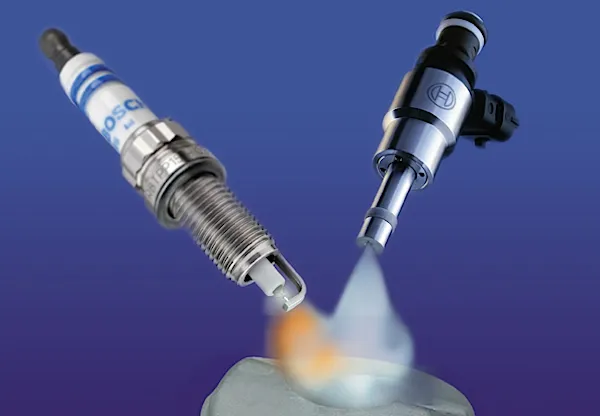
Swapping out a fuel injector isn’t the toughest job under the hood, yet it’s far from a quick DIY for beginners. A skilled mechanic can typically handle the task in just 1 to 2 hours; often while you’re grabbing groceries. For the average driver tackling it solo without prior experience, expect 3 to 4 hours or more, assuming everything goes smoothly.
How Long Does It Take to Replace a Fuel Injector?
The actual time required hinges on the injector’s location in the engine bay and the technician’s skill level. When the right replacement part is readily available and the mechanic is experienced, the job usually wraps up in 1 to 2 hours.
Many drivers opt for a DIY approach to cut down on labor charges. Whether that’s smart depends on your mechanical skills, the vehicle’s design, and how the shop rates compare to your time and potential frustrations.
How Much Do Fuel Injectors Cost?
Fuel injector prices swing widely based on your vehicle’s make, model, and year. A single injector might run $150 to $300 or higher for premium or specialized units; these figures cover the part alone.
Factoring in labor and any extras, the full replacement bill often lands between $200 and $900, though complex jobs or multiple injectors can push it toward $1,000 or more. No surprise that budget-conscious owners sometimes roll up their sleeves for the task themselves.
With the right tools, patience, and know-how, many vehicle owners successfully handle their own injector swaps; especially on more accessible setups.
When Should You Replace a Fuel Injector?
Fuel injectors often outlast many other engine components in a vehicle’s fuel system. Still, they can fail, clog, or leak over time due to wear, contaminants, or poor fuel quality.
A struggling injector sends clear warning signals through your driving experience. Watch for these common red flags that point to injector trouble:
- Noticeably worse fuel economy; you’re filling up more often for the same trips
- Rough, noisy idling that shakes the car more than usual
- Multiple attempts (3–4 cranks) needed to fire up the engine
- Darker, thicker exhaust smoke from the tailpipe
- Increased engine vibration felt throughout the cabin, especially under load
- In severe cases, the engine refuses to start altogether
These symptoms can overlap with issues in other engine areas, so they’re not a definitive diagnosis on their own.
For certainty, hook up an OBD-II scanner to read diagnostic trouble codes; this pinpoints whether the fuel injector is truly at fault.
Professional mechanics handle this routinely, but handy owners can invest in an affordable scanner for home use to troubleshoot issues anytime.
How Long Should a Fuel Injector Last?
Fuel injector longevity varies with driving habits, mileage, maintenance, and vehicle type. On average, quality injectors endure 50,000 to 100,000 miles; or even longer with diligent care.
For someone logging about 1,000 miles monthly, that translates to roughly 4 to 8 years before potential replacement. Heavy drivers covering 2,500+ miles per month might need attention in just 2 to 4 years.
How to Tell If a Fuel Injector Just Needs Cleaning Instead of Replacement
Not every injector issue demands a full swap. Like other engine elements, injectors can accumulate dirt, carbon, or oil residue without being permanently damaged.
A professional cleaning often restores performance and resolves symptoms that mimic failure; saving you the cost of new parts.
Signs a Dirty Fuel Injector Is the Culprit (Not a Dead One)
The hallmark of a clogged injector is engine misfiring or sputtering. Deposits block proper fuel spray, throwing off the air-fuel balance in the cylinders and causing hesitation or rough running.
Have a trusted mechanic inspect for buildup; modern diagnostics might not always distinguish between heavy clogging and outright failure.
If it’s just gunked up, a thorough cleaning (often with specialized equipment) can bring it back to life; no replacement needed.
Conclusion
A pro mechanic can replace a fuel injector in 1–2 hours, while a careful DIYer might need 3–5 hours. Individual injectors typically cost $150–$600, with total replacement expenses ranging from $200 to over $1,000 depending on the vehicle and scope.
Key warning signs include plummeting gas mileage, rough idling, hard starts, dark exhaust smoke, and; in extreme cases; no-start conditions. If misfiring appears, it could simply mean the fuel injector needs professional cleaning rather than replacement.

